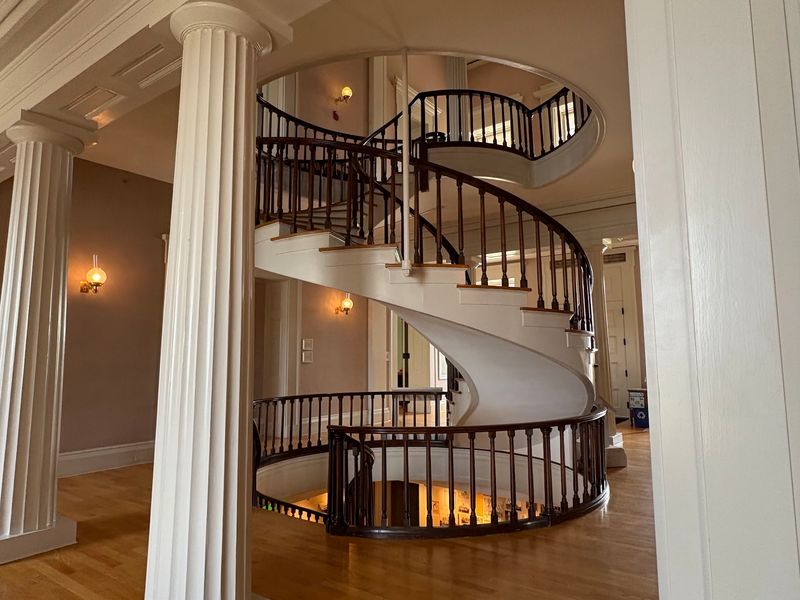
A staircase in one Iowa building climbs in a spiral, then reverses direction halfway up. Builders finished it in the 1800s without modern tools, and it still makes people stop and stare.
That same building once housed the government of a brand-new state. Later it became the first permanent home of a university with a very bold idea.
In 1855, that school became the first public university in the country to admit women and men as equals. Of its first 124 students, 41 were women, which was practically unheard of.
Toss in a gleaming gold dome, restored legislative chambers, and an admission price of exactly zero. Honestly, I can’t think of a better reason to plan a road trip around one quirky staircase.
The Building Where Iowa Learned To Run Itself
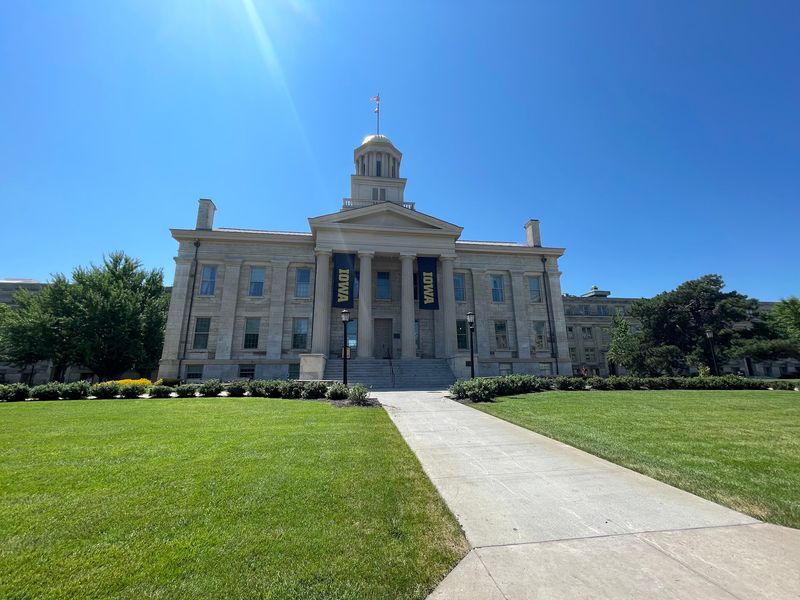
Iowa’s government once fit inside one stone building, and you can still walk its halls. The Old Capitol Museum sits at the center of the University of Iowa campus, and its story starts long before football or finals week.
Workers laid the cornerstone in 1840, back when Iowa was still a territory. The building hosted the territorial government first and then became the state’s first capitol after statehood in 1846.
That run lasted until 1857. Lawmakers then moved the capital to Des Moines, which sat closer to the middle of a fast-growing state.
Plenty of old government buildings sit empty after a move like that. This one got a second career almost right away.
The young University of Iowa took over the building as its first permanent home. Classrooms, offices, and university life filled spaces that once handled laws and budgets.
The style is Greek Revival, with tall columns and a clean, balanced front. It looks like it belongs on a coin, which feels fitting for a place that shaped a state.
Today the museum tells both stories side by side. You get statehood and student life in one visit, no extra ticket required.
Women Got A Seat In Class Here Way Back In 1855
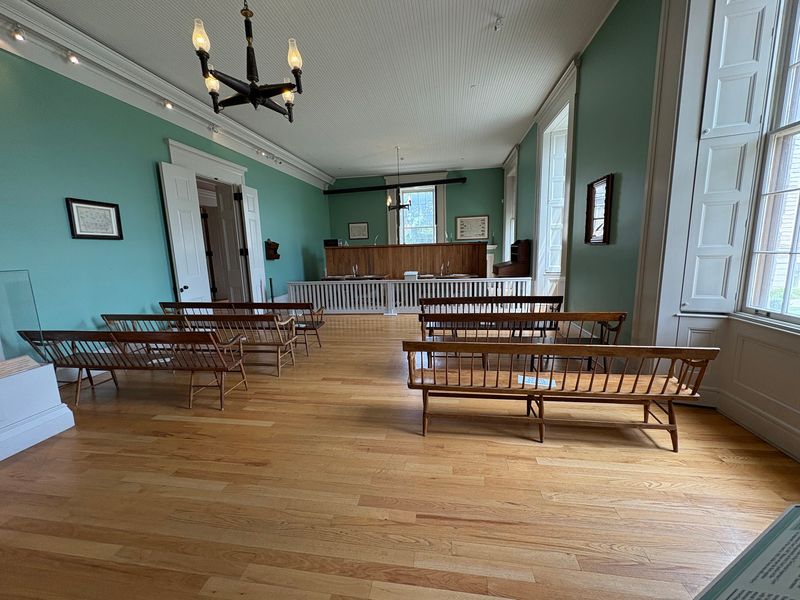
Back in 1855, most American colleges kept their doors closed to women. The University of Iowa took a different path when it began classes that year.
It became the first public university in the nation to admit men and women on an equal basis. That’s a big claim, and the school proudly stands behind it.
The numbers back it up too. Of the 124 students enrolled in that first fall term, 41 were women.
That’s roughly one in three students, at a time when many people doubted women belonged in a classroom at all. Iowa didn’t just crack the door open, it swung it wide.
The Old Capitol became the university’s anchor just two years later, in 1857. That makes the building a natural place to think about how far that early choice traveled.
Young women who studied here helped prove the doubters wrong, one lecture at a time. Their presence set a pattern other public schools later followed.
Take a moment in the restored rooms to think about those first students. Many of them were pioneers twice over, settling a new state and claiming a seat in its classrooms.
Prepare To Do A Double Take On These Twisting Stairs
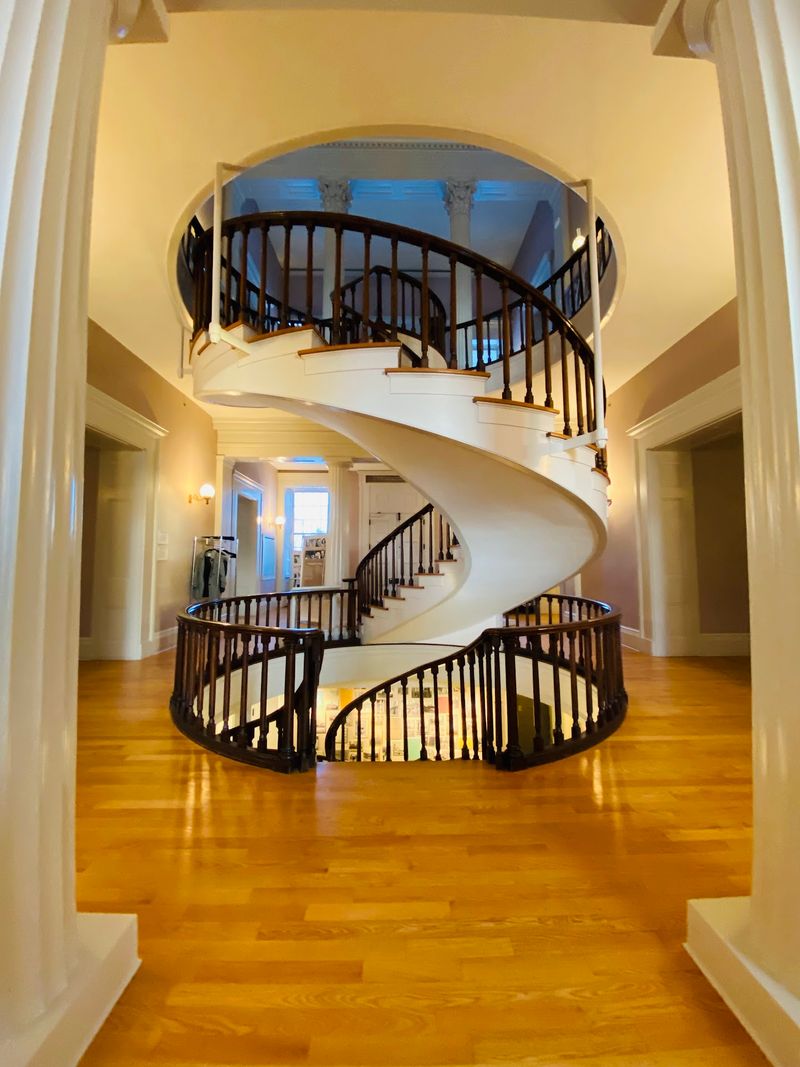
Most staircases pick a direction and stick with it. The one inside the Old Capitol Museum changes its mind halfway up.
It’s a spiral staircase that reverses direction as it climbs, curving one way and then swinging back the other. It dates to the building’s early years in the 1800s, which makes the engineering even more impressive.
No steel frames or computer models helped. Builders relied on the tools and skills of a frontier town.
The staircase sits right at the heart of the building, so you won’t need a map to find it. Plan to stop and look up, because the view from below is the best part.
Your camera roll will thank you for this one. Grab your shot from the bottom, then climb up and try a second angle from above.
The stairs connect the first floor to the second, where the old legislative chambers wait. So the climb doubles as the route to some of the best rooms in the museum.
Take the steps slowly and enjoy the twist. Elevators are also available for anyone who’d rather ride than climb.
That Golden Dome Is Basically The University’s Signature
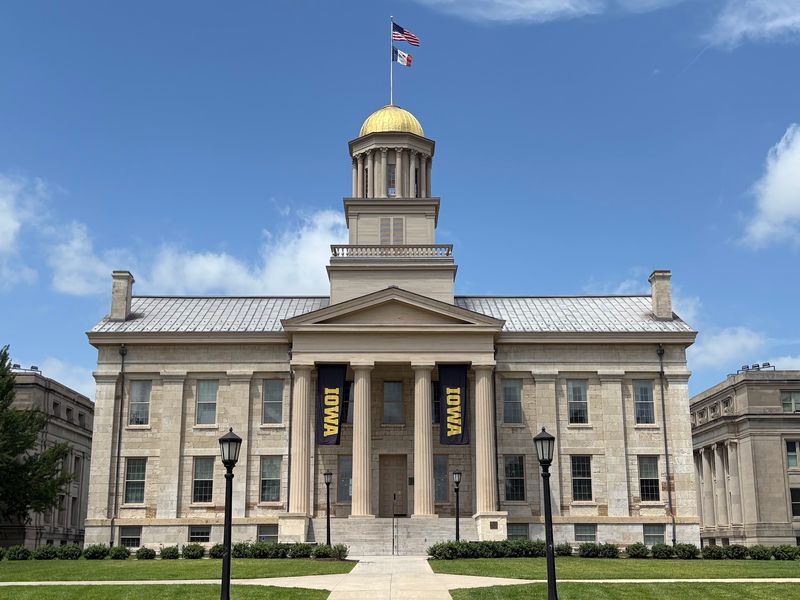
Gold catches the eye from blocks away, and that’s exactly what the dome does. It crowns the Old Capitol and stands as the most recognizable sight on campus.
The dome wears real gold leaf, which gives it that bright, sunny shine. Even on a gray Iowa afternoon, it seems to find a little light somewhere.
Its importance goes way beyond good looks. The University of Iowa uses an image of the Old Capitol dome as its official logo.
So that shape you spot on sweatshirts, signs, and letterhead started right here. The real thing just happens to be much shinier.
Fans of architecture will notice how the dome balances the columns below it. The whole building feels steady and calm, like it knows it has nothing to prove.
For the best photo, step back across the grounds and frame the full front. Morning and late afternoon light both make the gold glow nicely.
The dome also anchors the Iowa City skyline from several directions. It works like a handy compass when you’re wandering downtown.
Up close, the scale becomes clearer. This is the building that welcomed the state’s early leaders, and the dome still greets everyone who visits today.
A Comeback Story Worthy Of A Standing Ovation
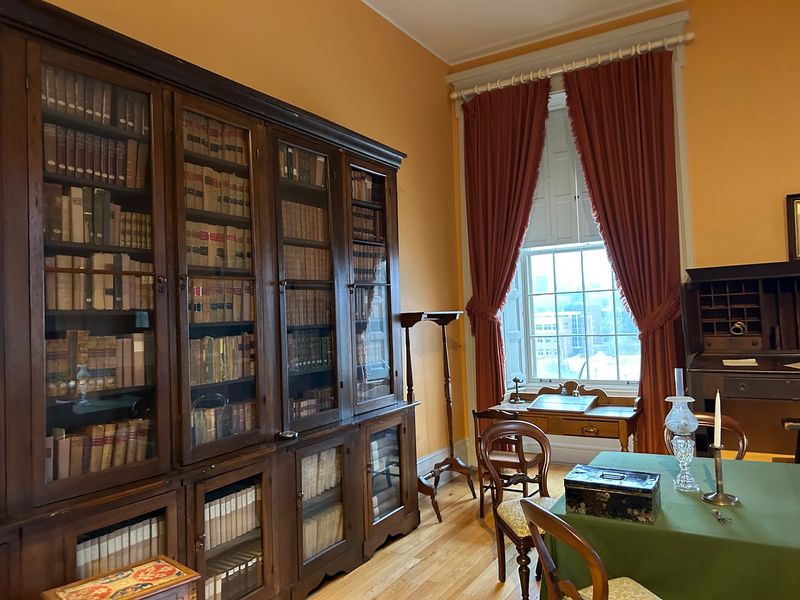
November 2001 brought a scary moment for one of Iowa’s best-loved buildings. A fire broke out in the dome during restoration work and badly damaged the cupola.
Crews worked to save the rest of the structure, and they largely succeeded. Still, the damage meant years of careful repair lay ahead.
The building reopened to the public in 2006 after a major restoration. Workers rebuilt the dome and returned it to its golden look.
That comeback matters for anyone who loves old buildings. It shows how a community can rescue a landmark instead of letting it slip away.
Restoration here isn’t new, either. The building has gone through several rounds of repairs and updates since the 1800s, each one adding a chapter.
When you see the shining dome today, you’re looking at skilled modern hands honoring old design. The craftsmanship blends in so well that it feels original.
Few buildings get a second chance like this. The Old Capitol Museum has now had more than one.
Keep that history in mind as you tour the rooms. A building that survived a fire and still opens its doors for free has earned a little extra respect.
Stand Where Iowa’s First Lawmakers Hashed Things Out
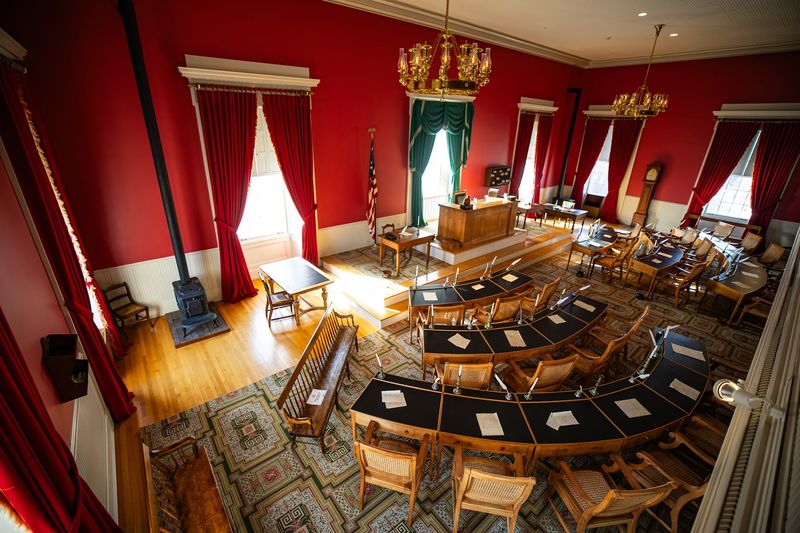
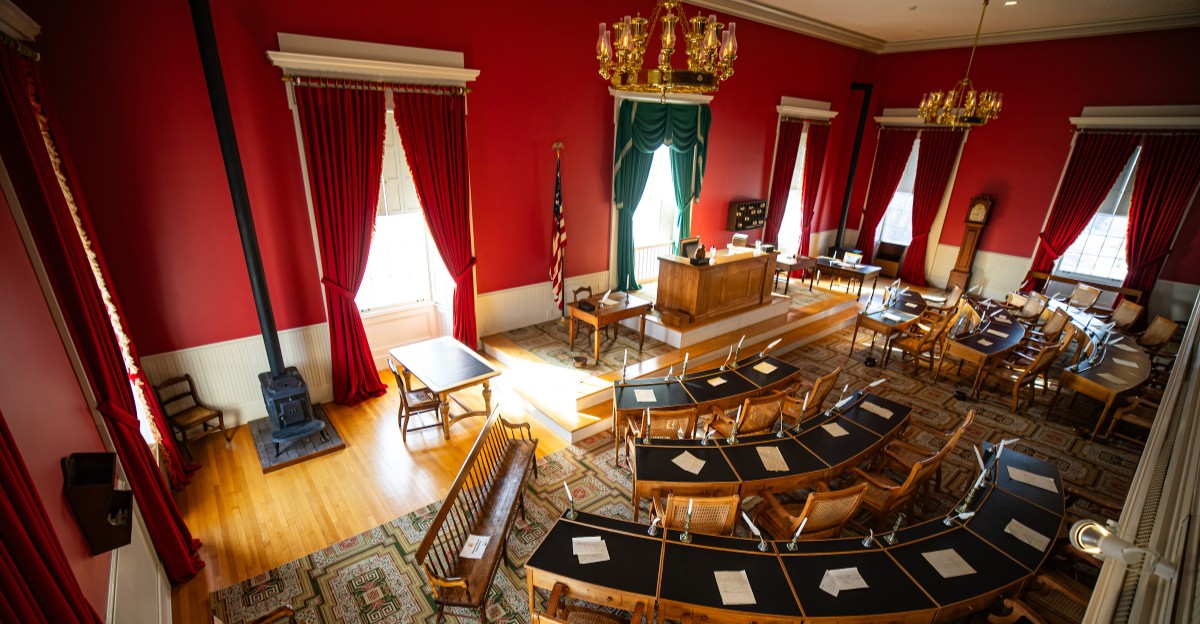
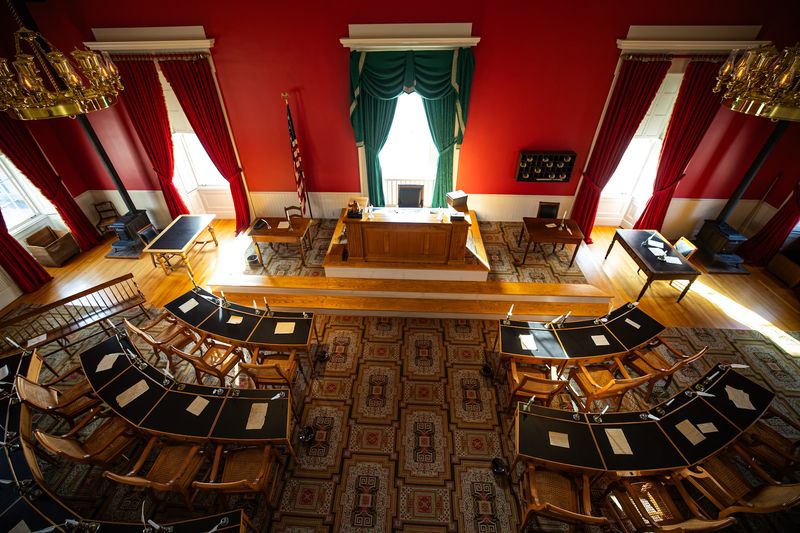
Lawmakers once argued, voted, and probably grumbled inside these rooms. The restored legislative chambers let you stand right where Iowa’s early laws took shape.
The Senate Chamber has been restored to look the way it did in the 1800s. Desks, furnishings, and details help recreate the feel of a frontier statehouse.
The House of Representatives met here too. Seeing both chambers gives you a sense of how small and close-knit the early government really was.
Iowa’s first governor was inaugurated in this building. That’s a lot of history packed into a few rooms.
The exhibits explore early statehood and how government worked when Iowa was brand new. Signs and panels explain what happened in each space without making it feel like homework.
If you’ve visited the current capitol in Des Moines, the comparison is fun. The older rooms feel more modest, which tells you a lot about how fast the state grew.
Few field trips let you walk the same floors as Iowa’s founding leaders. This one does, and it doesn’t cost a thing.
Take your time in these chambers. Sit with the idea that decisions made here still shape life across Iowa today.
Big University Moments Still Happen Under This Roof
Museums usually keep their rooms frozen in time. The Old Capitol Museum still gets put to work by the University of Iowa.
University meetings and important speeches still happen inside the building. It remains a working part of campus, not just a display case.
Doctoral students sometimes defend their dissertations here too. That means years of research may wrap up in a room where early lawmakers once debated.
A doctoral defense is nerve-racking anywhere. Doing it under a golden dome at least gives the moment some serious style.
The museum also hosts special events, public lectures, and family-friendly programs. These give the community fresh reasons to come back after a first visit.
The galleries add even more variety. Rotating exhibits bring in new topics, so the building rarely tells the exact same story twice.
Check the museum calendar before your trip. A lecture or program could turn a quick stop into a full afternoon.
For the university, the building works like a front porch. It’s where big moments get a proper setting.
The mix of old and new gives the place real energy. History here isn’t stuck behind glass, it keeps showing up for class.
The Neighborhood Around It Makes A Great Bonus Round
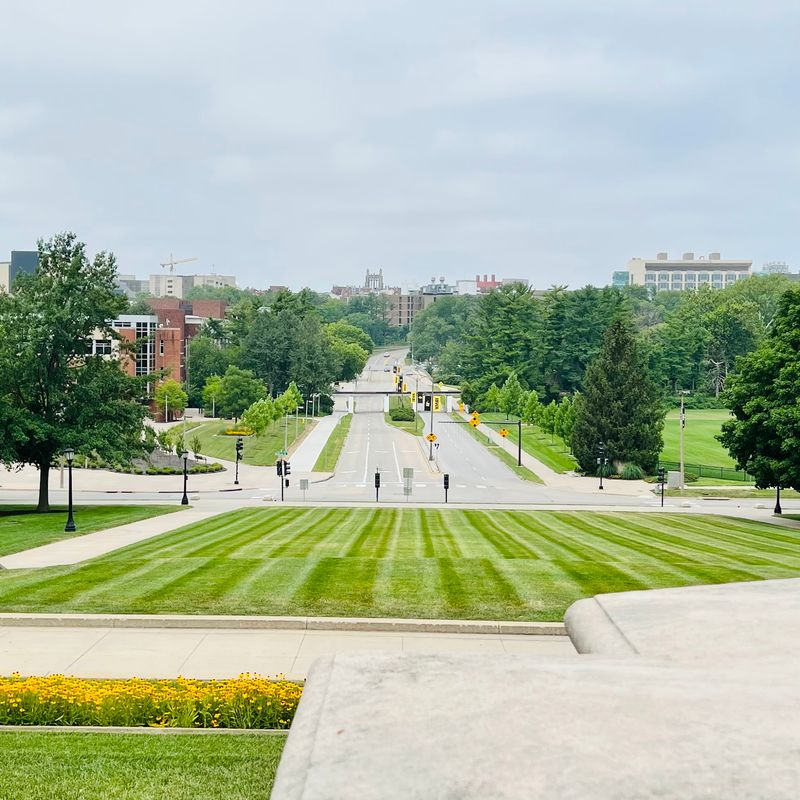
Getting here is the easy part. You’ll find the Old Capitol Museum at 21 N Clinton St, Iowa City, IA 52242, right at the heart of the University of Iowa campus.
The building anchors the Pentacrest, a group of historic campus buildings surrounding it. The grounds open up around the Old Capitol, giving you plenty of room for photos and a stroll.
Downtown Iowa City sits just steps away across Clinton Street. Cafes, bookstores, and shops make it simple to turn a museum stop into a full outing.
Book lovers have extra reason to linger. Iowa City is a UNESCO City of Literature, the first in the United States to earn that title.
Parking can take a little planning in a busy college town. Public parking ramps and metered spaces downtown are your best bets, so build in a few extra minutes.
Walking is the best way to explore once you arrive. The campus and downtown blend together, so one easy loop covers a lot of ground.
Game days and big campus events can make the area livelier. Plan around the university calendar if you prefer a quieter visit.
Free Admission Means Zero Excuses To Skip It
Free admission is the best price tag in travel. The Old Capitol Museum doesn’t charge an entry fee, so curiosity is the only thing you need to bring.
Hours run from 10 a.m. to 5 p.m., Wednesday through Saturday. The museum is closed Sunday through Tuesday, so plan your trip around those days.
Holiday schedules and university breaks can shift things. A quick check before you leave home saves you from staring at a locked door.
Accessibility is a strong point here. Elevators reach each floor, so everyone can see the chambers, galleries, and exhibits.
Tours can be self-guided at your own pace. An hour or two covers the highlights nicely, though dedicated sign readers may want longer.
Donations help support the museum’s work. Consider tossing in a little if you enjoyed the visit.
Pair your visit with a walk through campus or a snack downtown. That combo makes a relaxed half-day in eastern Iowa.
Best of all, you’ll leave knowing a story many people never hear. A public university in Iowa opened its doors to women as equals in 1855, and this building keeps that legacy shining.