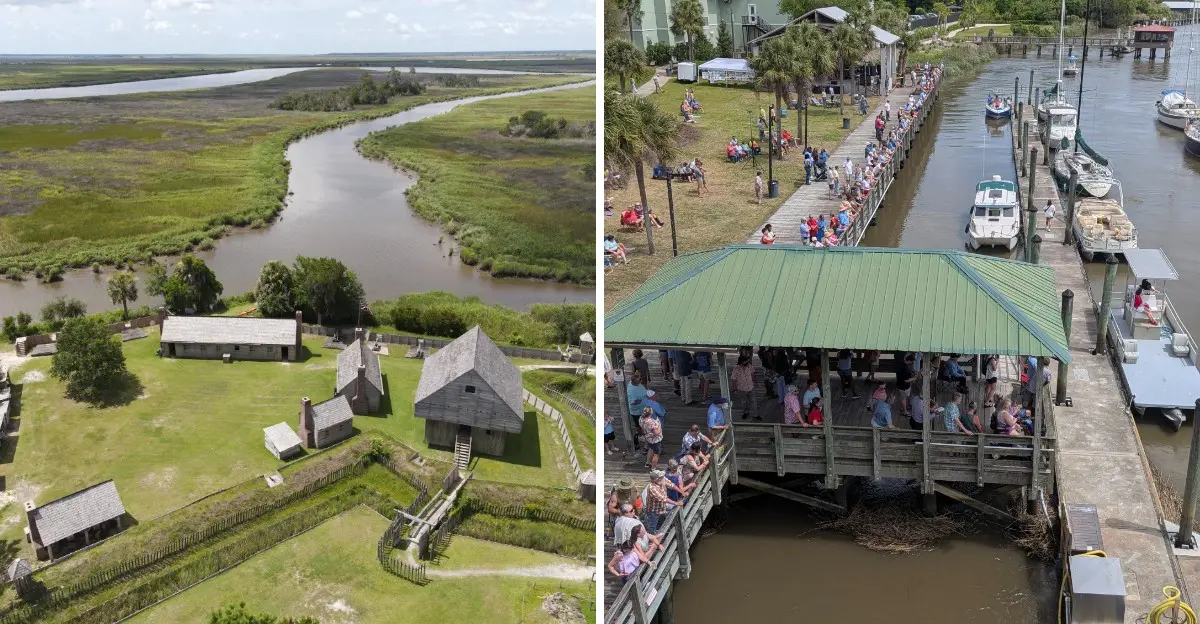
Georgia has a waterfront secret, and most travelers drive right past it.
Tucked along the Darien River, the little town of Darien feels wonderfully removed from the busier coastal destinations.
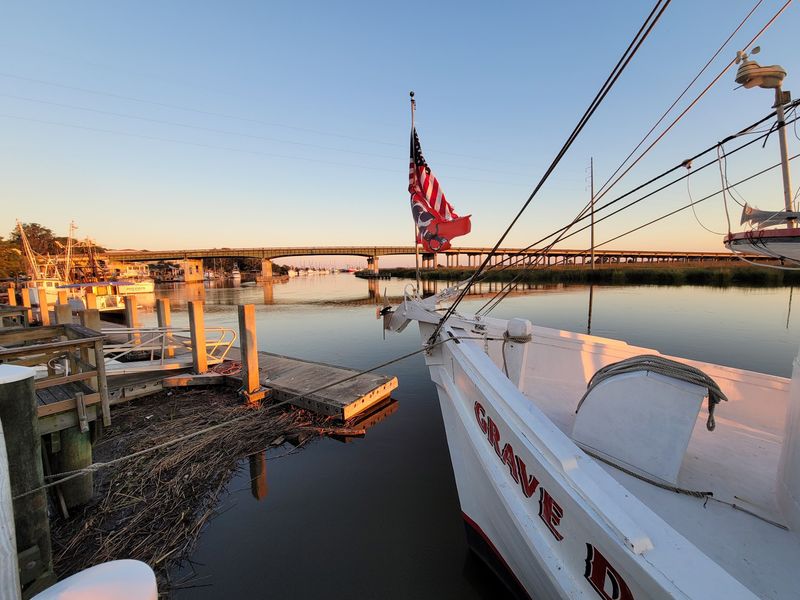
Shrimp boats bob near the docks, marsh grasses stretch toward the horizon, and the river sets an unhurried rhythm that is hard to resist.
But Darien is far more than pretty water views.
Walk through town and you’ll find historic ruins, old port sites, and stories tied to centuries of coastal trade.
Head onto the water, and tidal creeks open the door to kayaking, wildlife watching, and peaceful views few visitors take time to discover.
Then comes the seafood. Fresh catches, waterfront tables, and golden sunsets make this overlooked Georgia town feel like a secret worth keeping.
Darien Waterfront Park
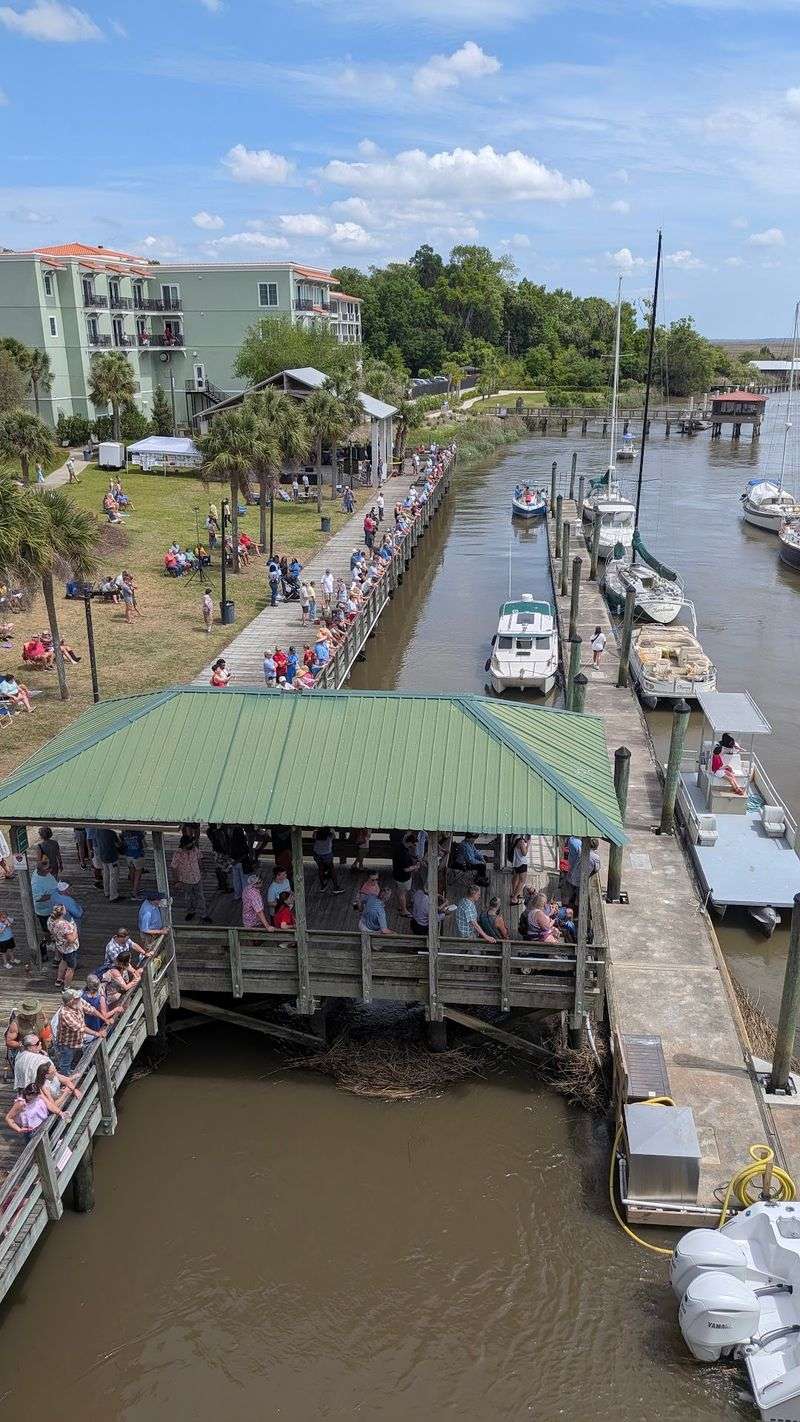
Your riverfront adventure begins at a spot where families gather under spreading live oaks while watching boats glide past. Darien River WaterFront Park & Docks provides the perfect introduction to this coastal town’s character.
The park sits right where the action happens, giving visitors front-row seats to the working waterfront.
Wooden docks stretch into the river, offering close-up views of colorful shrimp vessels and fishing boats heading out for their daily catch. A covered pavilion provides shade on hot Georgia afternoons, while picnic tables invite visitors to settle in with lunch and river breezes.
Kids can burn off energy at the playground while parents relax beneath the massive oaks.
What makes this park special is its combination of recreation and authenticity. You’re not looking at a postcard version of coastal life.
Instead, you’re watching real fishermen prepare their nets, real shrimpers unload their haul, and real boats navigating the channels that have supported this community for centuries. The park transforms a simple waterfront visit into something more meaningful and memorable.
The Darien River and Working Waterfront
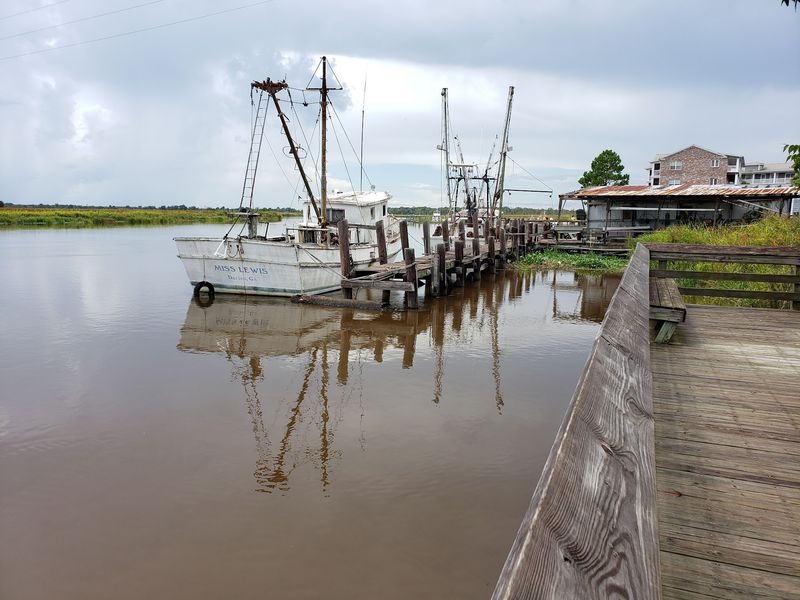
Most waterfront towns polish themselves up for tourists, but Darien keeps it real. The river here still serves its original purpose as a commercial lifeline for fishing families and shrimping operations.
Watching these working vessels move through the channels connects visitors to traditions that stretch back generations.
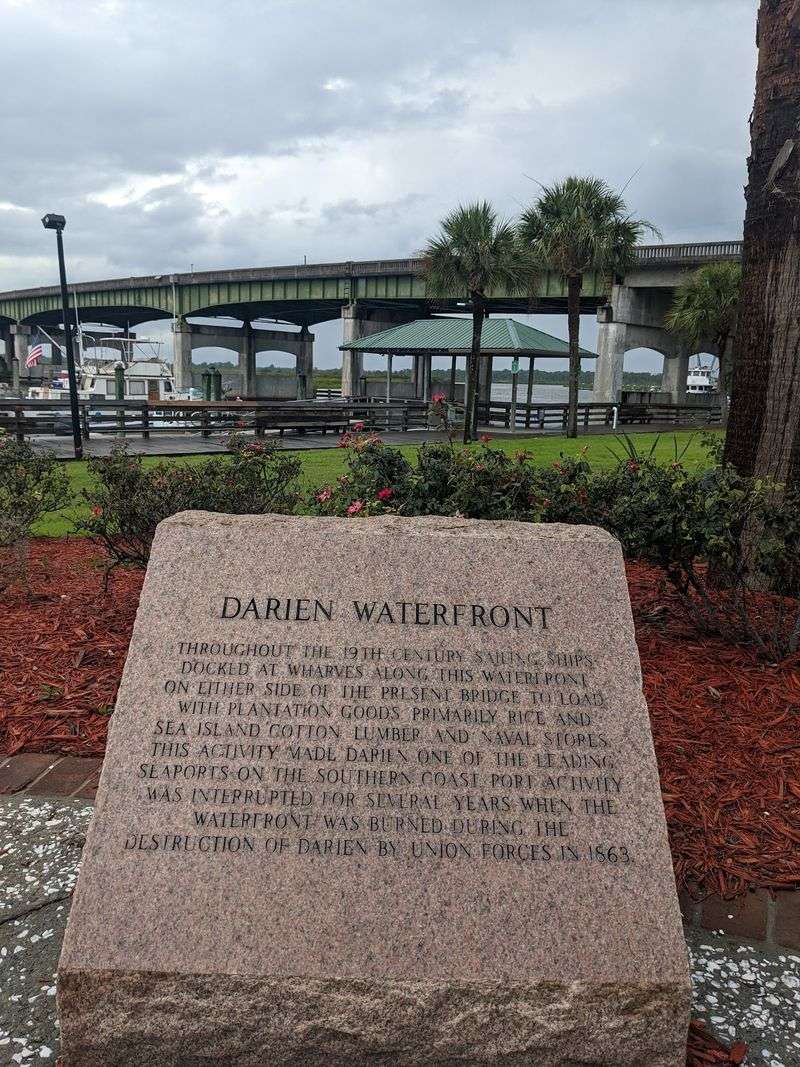
Darien’s waterfront tells a story that goes beyond pretty views. This port once handled major shipments of timber, cotton, rice, and naval stores that fueled the regional economy.
Today’s smaller-scale operations maintain that maritime heritage, though the cargo has shifted to fresh seafood and recreational charters.
Standing along the riverfront, you’ll notice the mix of commercial and recreational craft sharing the water. Fishing boats head out before dawn, returning with the day’s catch.
Shrimp trawlers with their distinctive outriggers work the coastal waters. Recreational kayakers and boaters weave between them, all part of the same aquatic ecosystem that makes Darien special.
The working waterfront gives this town an authenticity that many coastal destinations have lost to development and tourism.
Historic Darien Waterfront Walking Tour
Architecture buffs and history lovers find unexpected treasures along Darien’s quiet streets. The Historic Darien Walking Tour connects dots that might otherwise seem random, revealing how this small town once ranked among Georgia’s most important ports.
Each stop adds another layer to understanding what made this location so valuable.
The self-guided route winds past historic churches with tall steeples that served as navigational landmarks for ships entering port. Old squares recall the town’s careful colonial planning.
Tabby structures built from shells, lime, and sand demonstrate construction techniques adapted to coastal conditions. Remnants of port-era buildings hint at the bustling commerce that once filled these now-peaceful streets.
Walking at a slower pace lets details emerge that drivers would miss. Architectural elements reveal how buildings adapted to floods and hurricanes.
Street layouts show how the town oriented itself toward the water. Historical markers fill in stories about Scottish Highland settlers, rice plantations, and timber barons.
The tour takes about an hour but could easily stretch to two for anyone who stops to really look and absorb the layers of history.
Tabby Ruins Along the Waterfront
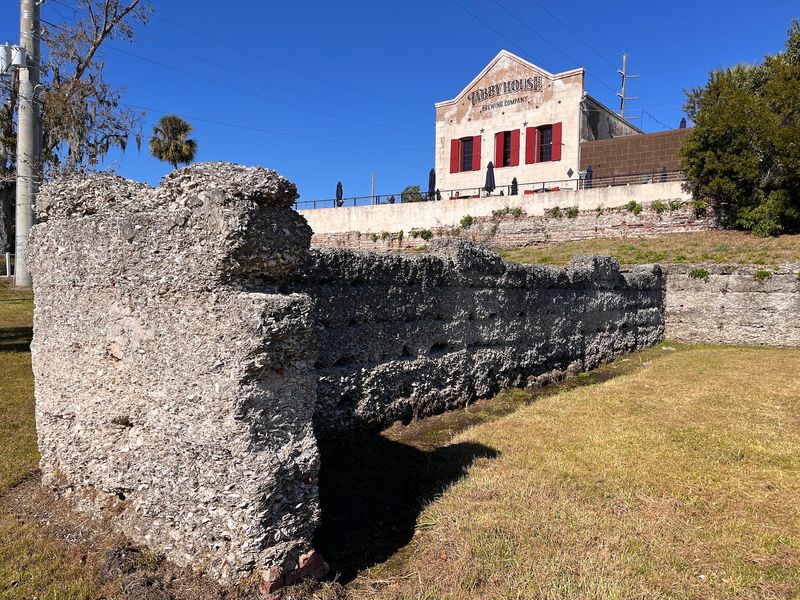
Crumbling walls made from oyster shells tell stories that history books sometimes overlook. Darien’s tabby ruins stand as quiet witnesses to the town’s commercial heyday, when cotton bales and rice barrels moved through warehouses that lined the riverfront.
These structures used tabby, a concrete-like mixture of crushed shells, lime, sand, and water that proved remarkably durable in the coastal climate.
Archaeological evidence scattered around the waterfront traces back to the 19th century when Darien ranked as a major port. Cotton warehouses, rice storage facilities, and other commercial buildings served the agricultural economy that dominated the region.
The ruins represent more than just old buildings; they mark the physical infrastructure that made large-scale export possible.
Walking among these remnants provides a tangible connection to economic forces that shaped the entire Southeast. The strategic location near the Altamaha River delta gave Darien access to vast inland plantations.
Naval stores like turpentine and pitch moved through here alongside agricultural products. Today’s peaceful ruins once hummed with workers, merchants, and ship captains conducting business that reached markets as far away as Europe.
Fort King George State Historic Site
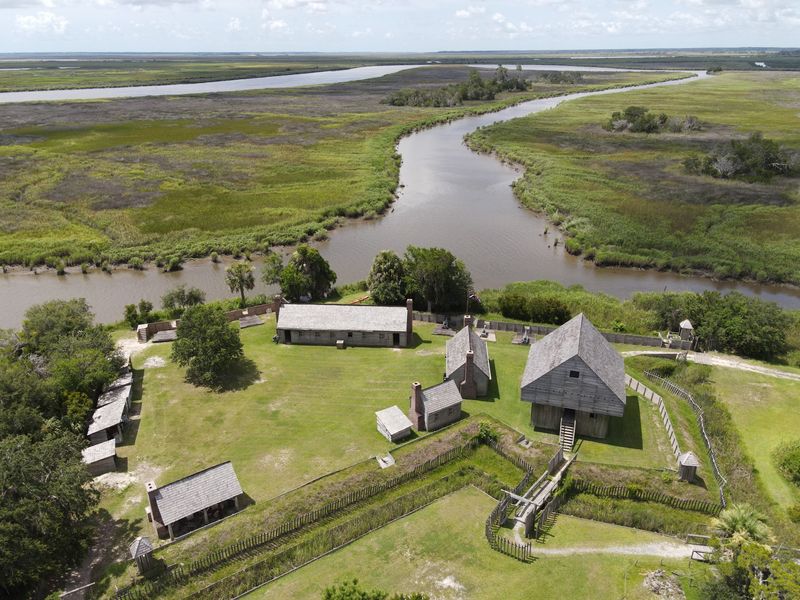
Britain’s southernmost outpost in North America comes back to life just east of town. Fort King George State Historic Site recreates a 1721 military installation that marked the contested frontier between British, Spanish, and French colonial ambitions.
The reconstructed blockhouse rises above the marshes just as it did three centuries ago, offering perspective on how precarious and isolated this garrison must have felt.
Walking through the palisade walls and across the moat, visitors enter a world where soldiers endured brutal heat, disease, and constant threat of attack. The blockhouse’s three levels show cramped living conditions that tested even the hardiest troops.
A museum fills in details about daily life, military strategies, and the complex relationships between European powers and Native American groups.
Nature trails winding through the surrounding marshes demonstrate why this location mattered strategically. The Altamaha River provided water access deep into the interior, making control of this spot valuable.
Spanish forces in Florida watched nervously as British influence expanded southward. Today’s peaceful setting makes it hard to imagine the tension that once defined this frontier, but the fort brings that history into focus.
Butler Island and Its Historic Rice-Mill Remains
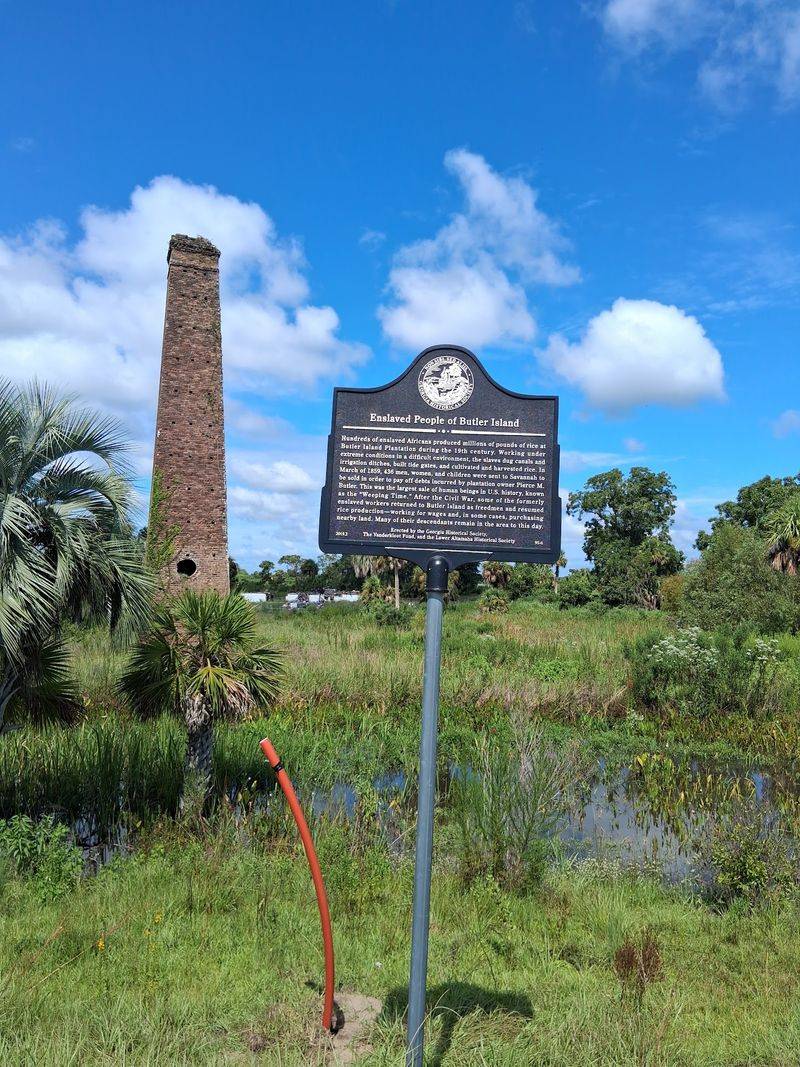
A towering brick chimney rises from the marshes like a sentinel from another era. Butler Island’s most dramatic landmark, this old rice-mill chimney, marks where one of the South’s most productive rice plantations once operated.
The structure stands as both an engineering achievement and a reminder of the enslaved labor that built the rice economy.
Rice cultivation dominated these coastal islands during the 18th and 19th centuries. Plantation owners engineered elaborate systems of dikes, canals, and rice fields that transformed the wetlands into agricultural factories.
Butler Island produced thousands of barrels of rice annually, enriching its owners while enslaved workers endured backbreaking labor in mosquito-infested conditions. The rice mill processed harvested grain using waterpower and mechanical innovation.
Public access points now allow visitors to experience the island’s waterways and observe wildlife that has reclaimed former agricultural lands. Bird watchers find excellent opportunities here, as wading birds and waterfowl thrive in the restored wetlands.
The landscape carries layers of meaning beyond its natural beauty. Standing near the chimney prompts reflection on economic systems, environmental manipulation, and human costs that shaped the coastal South’s history and continue influencing the region today.
Birdwatching Along the Marshes
Bring binoculars and prepare to add species to your life list. Darien’s extensive marshes, wetlands, rivers, and proximity to the Atlantic Ocean create habitat conditions that attract an impressive variety of birds.
The area’s designation as part of Georgia’s Colonial Coast Birding Trail recognizes its value for both resident and migratory species.
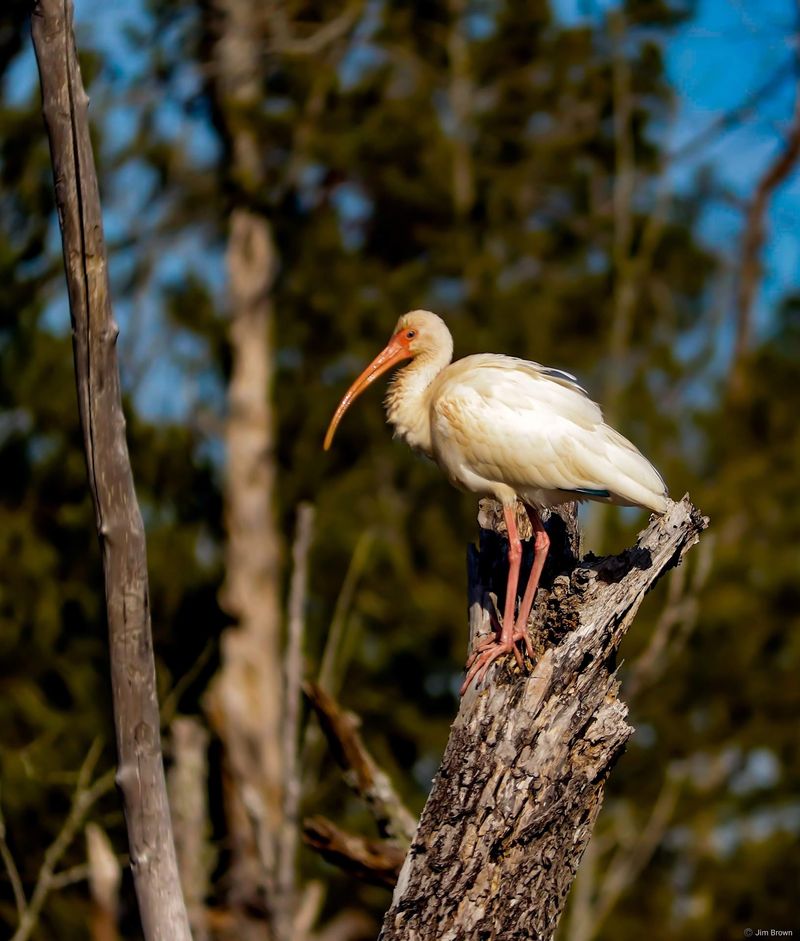
Wading birds like great blue herons, white ibis, and roseate spoonbills probe the mudflats during low tide. Egrets of several species hunt the shallows with remarkable patience.
Wood storks, massive birds with bald heads, soar overhead or gather in feeding groups. Ospreys and bald eagles patrol the waterways, diving for fish with spectacular accuracy.
Seasonal changes bring different species and behaviors. Spring and fall migrations add shorebirds, waterfowl, and songbirds passing through on their journeys.
Winter concentrations of ducks and other waterfowl transform quiet marshes into busy feeding grounds. Summer brings nesting activity and young birds learning to hunt.
Early morning and late afternoon typically offer the best viewing, when birds are most active and light is optimal. Patient observers with good optics can easily spend hours watching the constant activity that makes these marshes some of Georgia’s premier birding destinations.
Seafood and Sunset by the Water
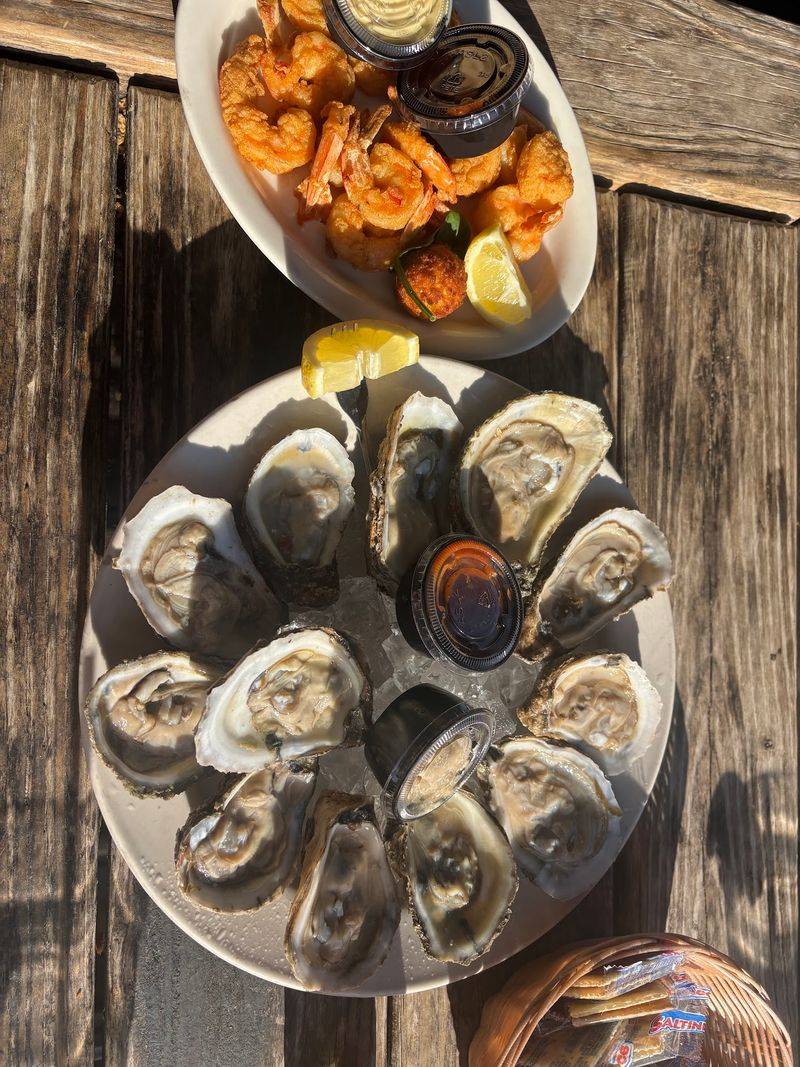
Few experiences beat eating fresh-caught seafood while watching the sun paint the marsh in gold and orange. Darien’s waterfront restaurants understand that their location is half the appeal, positioning dining areas where river views and boat traffic create natural entertainment.
The working fishing culture means seafood arrives fresh, often caught the same day.
Shrimp features prominently on most menus, prepared in styles from traditional Southern fried to Caribbean-influenced grilled presentations. Local fish like grouper, snapper, and flounder arrive whole or filleted.
Blue crabs become crab cakes or appear in soups and dips. Oysters from nearby beds show up raw, steamed, or fried, their briny flavor carrying the taste of the local waters.
Timing your meal for sunset adds visual drama to the culinary experience. The changing light transforms the marsh grass and water into a constantly shifting palette of colors.
Shrimp boats returning to dock provide movement and authenticity. River breezes keep things comfortable even on warm evenings.
Many visitors find that combining a good meal with river views and that special quality of coastal light creates memories that outlast the meal itself, capturing what makes Darien special in a single perfect evening.
Plan Your Visit
Smart planning makes any trip better, and Darien rewards visitors who arrive prepared. Start at the waterfront park where parking is convenient and the layout of the town becomes clear.
Early morning offers cooler temperatures for walking tours and peak activity for birdwatching. Late afternoon brings beautiful light for photography and comfortable conditions for outdoor dining.
Bring water, sunscreen, and insect repellent for outdoor activities. Comfortable walking shoes matter for exploring historic areas and nature trails.
If paddling interests you, book rentals in advance during busy seasons. Binoculars enhance both birdwatching and boat-watching experiences.
Check tide tables if planning water activities, as tides dramatically affect marsh access and wildlife viewing.
Darien works perfectly as a day trip from Savannah (about 60 miles) or Brunswick (about 15 miles). However, the combination of waterfront scenery, Fort King George, paddling opportunities, historic sites, and fresh seafood easily fills a weekend.
Spring and fall offer the most comfortable weather, though each season has appeal. Summers bring heat and afternoon thunderstorms but also nesting birds and lush vegetation.
Winters stay mild and offer excellent fishing. Whatever your timeframe, this hidden gem along Georgia’s coast delivers experiences that larger, more famous destinations often cannot match.