Tucked away in the Blue Ridge Mountains of western North Carolina, Lake Glenville is one of those rare places that feels like a well-kept secret.
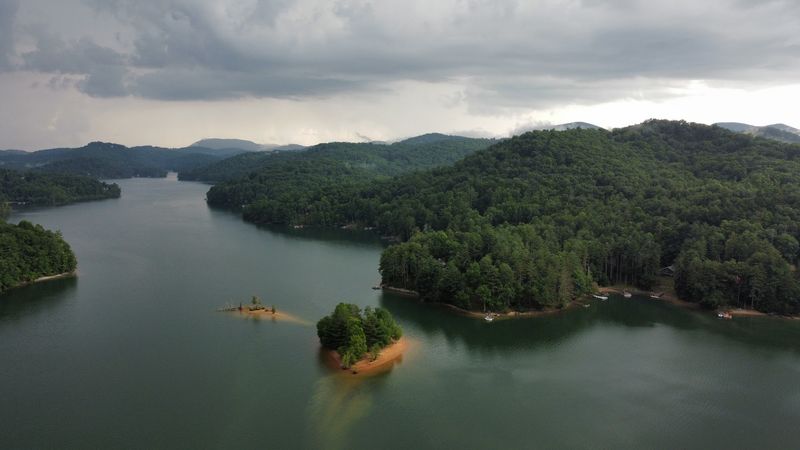
Sitting at nearly 3,500 feet above sea level, it offers crisp mountain air, clear water, and 26 miles of mostly forested shoreline.
For families, anglers, boaters, and hikers, this lake checks almost every box without the noise and crowds of more famous destinations.
If you love the outdoors and crave a quieter kind of adventure, Lake Glenville might just be exactly what you have been looking for.
A High-Elevation Lake Hidden in the Blue Ridge Mountains
Most people driving through the Cashiers area of North Carolina have no idea they are passing one of the most stunning mountain lakes in the entire Southeast. Lake Glenville sits at roughly 3,494 feet above sea level, nestled among the rolling ridges of the Blue Ridge Mountains, and its setting feels almost otherworldly compared to the flatlands below.
The lake covers about 1,460 acres of surface water, which is remarkably large for a high-elevation mountain reservoir. Because of its altitude, the air around it tends to stay cooler and fresher than you would expect during summer months.
That combination of cool breezes and sparkling water makes it feel more like something you would find in the Appalachian backcountry than a day trip from Charlotte.
Despite its size and beauty, the lake does not attract the massive tourist crowds that pile into places like Lake Norman or Lake Lure. Locals in the Cashiers and Glenville communities tend to keep things low-key, and the surrounding terrain naturally limits development.
If you want a mountain lake that still feels wild and untouched, this is one worth putting on your radar right away.
One of the Highest Lakes East of the Mississippi
Here is a fact that surprises most people the first time they hear it: Lake Glenville is widely recognized as one of the highest-elevation lakes east of the Mississippi River. That kind of geographical distinction puts it in rare company, sharing a category with only a handful of other mountain reservoirs across the entire eastern half of the country.
What does that elevation actually mean for visitors? For starters, expect noticeably cooler temperatures compared to lower-lying lakes in the Carolinas.
On a hot July afternoon when it feels like 95 degrees in Charlotte, the air around Lake Glenville might hover comfortably in the mid-70s. That natural air conditioning makes summer visits genuinely pleasant rather than sweaty ordeals.
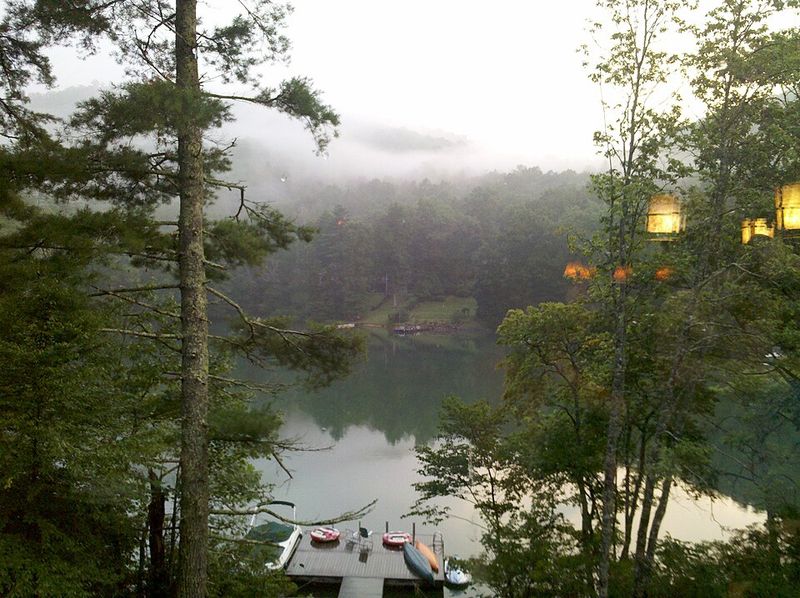
The high elevation also creates a crisp, alpine-like quality to the atmosphere that you rarely find in the southeastern United States. Morning fog often settles across the water before burning off, giving the lake a moody, almost cinematic look in the early hours.
Bird life is also different up here, with species more common to northern forests appearing regularly. For anyone who loves the feeling of being truly up in the mountains, Lake Glenville delivers that sensation without requiring a cross-country flight.
A Massive 26-Mile Shoreline Worth Exploring
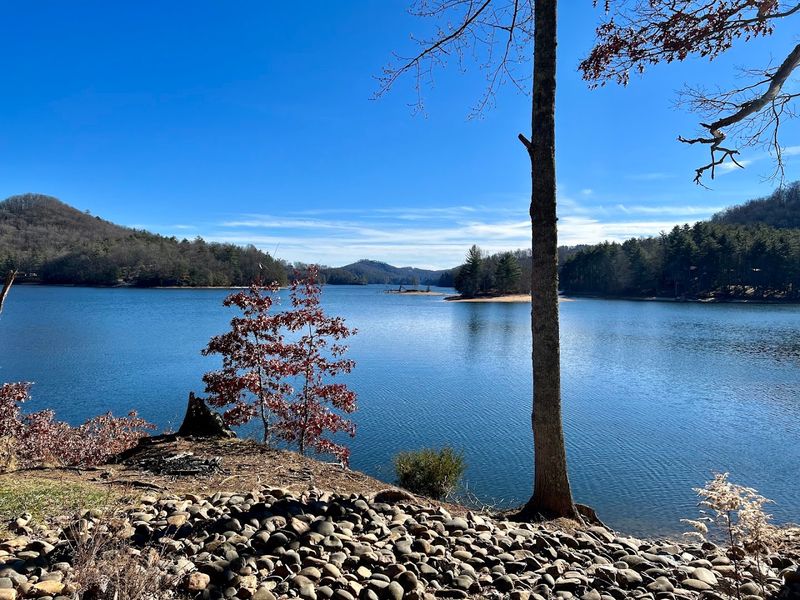
Twenty-six miles of shoreline sounds like a lot, and honestly, it is. Stretching across multiple coves, inlets, and wooded peninsulas, Lake Glenville’s shoreline offers a variety of landscapes that rewards exploration by boat or kayak.
You can spend an entire weekend paddling from one end to the other and still feel like you missed something worth seeing.
A big reason the shoreline feels so special is that much of it remains forested or privately owned, which keeps commercial development at bay. You will not find strip malls or fast-food restaurants crowding the water’s edge here.
Instead, expect tall hardwoods leaning over the water, rocky outcroppings, and the occasional private dock belonging to a mountain cabin tucked into the trees.
Those wooded edges also provide important habitat for wildlife. Herons, kingfishers, ospreys, and deer are regularly spotted along the shoreline, especially in the quieter coves away from the main lake basin.
Kayakers and canoeists tend to hug the edges of the lake, drifting slowly past the treelines and watching for movement in the brush. For anyone who appreciates natural scenery over manicured resort landscapes, this shoreline is genuinely hard to beat on a calm summer morning.
A Lake Born From a 1940s Dam Project
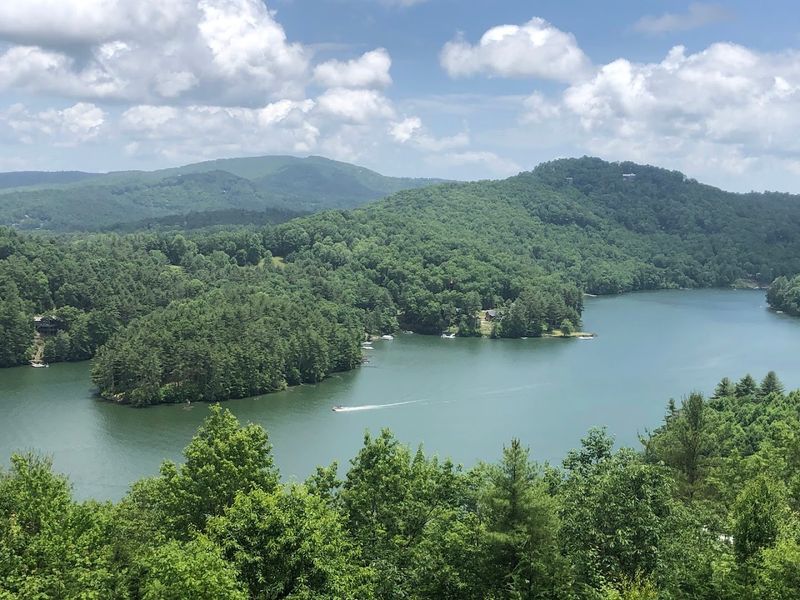
Before Lake Glenville existed, a quiet valley stretched along the West Fork Tuckasegee River in western North Carolina. Small farming communities dotted the landscape, and life moved at a slow mountain pace.
Then came the dam. In the 1940s, Nantahala Power and Light Company constructed Thorpe Dam, flooding the valley and forever changing the geography of the region.
The project was part of a broader mid-century push to harness Appalachian waterways for hydroelectric power. The dam still operates today, generating electricity for the region while maintaining the reservoir that became Lake Glenville.
It is a reminder that many of the Southeast’s most beloved lakes are actually human-made, born from engineering decisions made decades ago.
There is something quietly bittersweet about knowing that communities once existed beneath these waters. Oral histories from longtime local families sometimes reference the farms, roads, and small buildings that were submerged when the valley filled.
That layer of history adds a surprising emotional depth to what might otherwise seem like just another pretty lake. Visiting with that context in mind changes the experience a little, encouraging a kind of respectful appreciation for both the natural beauty above the waterline and the human story resting below it.
Crystal-Clear Water Perfect for Swimming and Floating
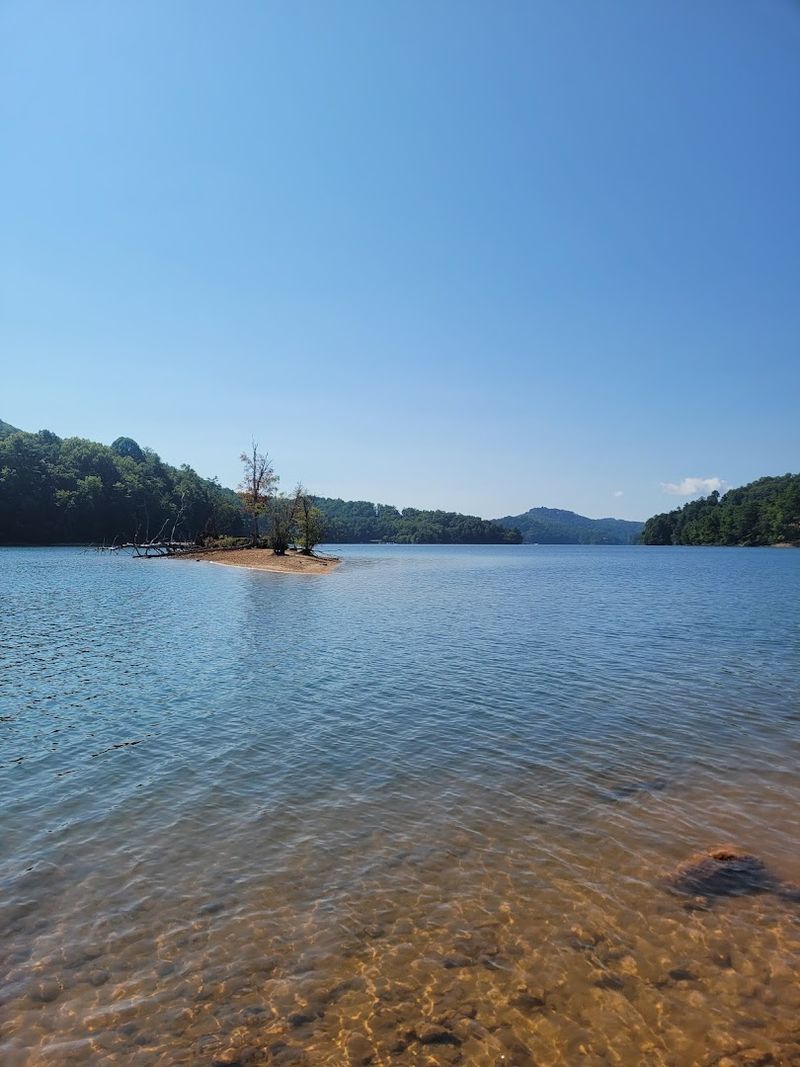
Few things beat the feeling of jumping into cold, clear mountain water on a hot summer afternoon, and Lake Glenville delivers that experience reliably. The water here is noticeably cleaner and clearer than many lower-elevation lakes in the Southeast, partly because of its altitude and the relatively undeveloped watershed surrounding it.
On calm days, you can sometimes see several feet down into the lake from a boat or dock.
The Pines Recreation Area is the most popular public swimming spot on the lake. Managed by Nantahala Power and Light, it offers a sandy beach area, picnic tables, and basic restroom facilities.
It is the kind of no-frills, old-school public recreation area that feels refreshingly uncomplicated compared to flashier resort beaches. Families with kids absolutely love it, and weekends in July tend to draw a cheerful crowd.
Water temperatures in summer typically reach the low-to-mid 70s Fahrenheit, which is refreshing without being painfully cold. Floating on an inner tube or lying on a paddleboard in that water, surrounded by mountain ridges on every side, is one of those simple pleasures that tends to stay with people long after the trip ends.
Bring sunscreen, pack a cooler, and plan to spend the whole day.
Boating With a Peaceful, Low-Crowd Feel
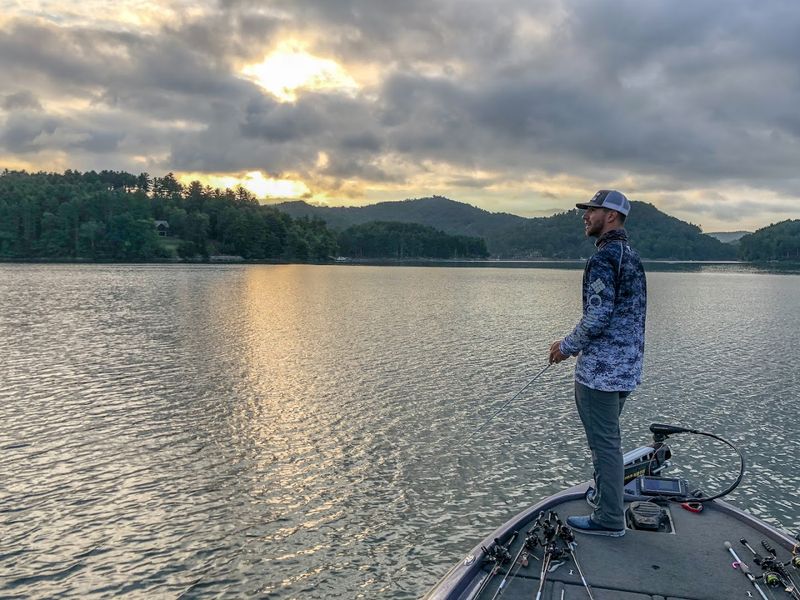
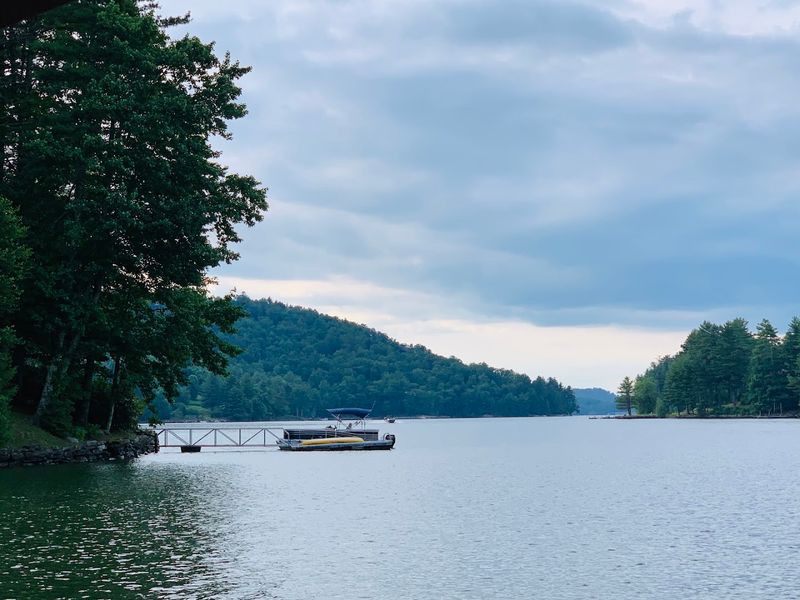
Pull up to Lake Glenville on a weekday morning and you might have the whole lake practically to yourself. Even on busy summer weekends, the water surface here rarely reaches the chaotic, wake-heavy congestion that plagues more popular lakes in the region.
The combination of its remote location and limited public boat ramps naturally keeps traffic manageable.
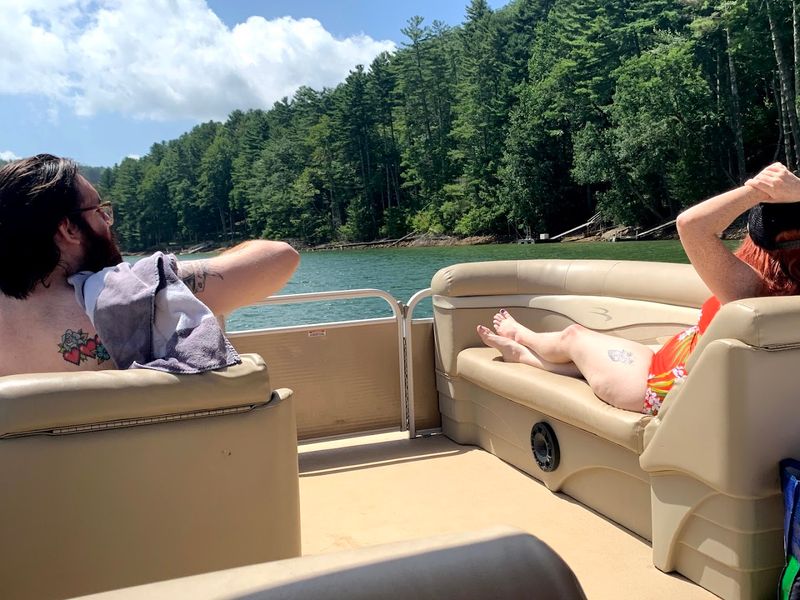
Pontoon boats are a favorite choice for families who want to cruise slowly around the coves, enjoy the scenery, and maybe anchor for a swim. Kayaks and canoes are equally popular for those who prefer human-powered exploration.
Small fishing boats with trolling motors are a common sight in the early morning hours, quietly working the shoreline edges as the mist clears.
One practical note: motorized boats are allowed on Lake Glenville, but visitors should check current regulations before launching, as rules can occasionally shift based on water levels and seasonal management decisions. Gas-powered engines are permitted, which gives boaters flexibility without the restriction of electric-only rules found on some other mountain lakes.
The wide open water in the main basin gives everyone plenty of room to spread out, making it easy to find a peaceful corner of the lake no matter how busy the day gets.
Waterfalls You Can Actually Reach by Boat
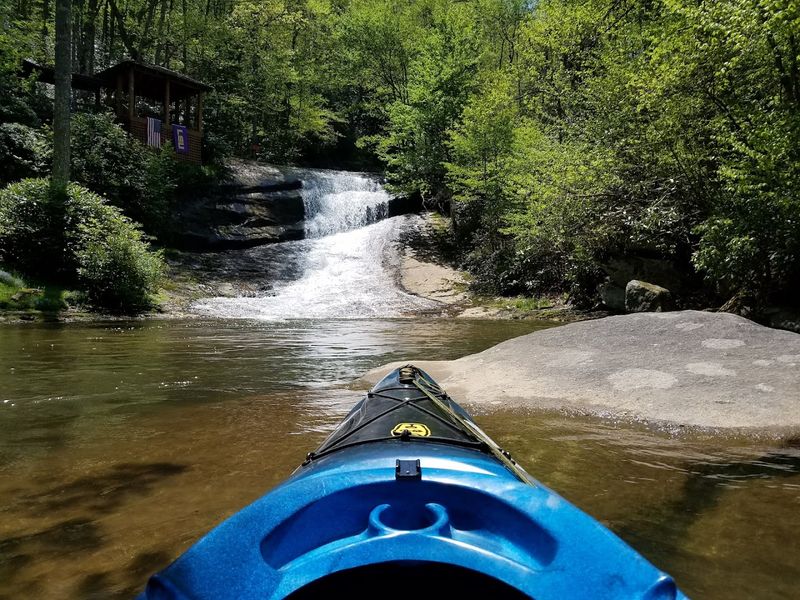
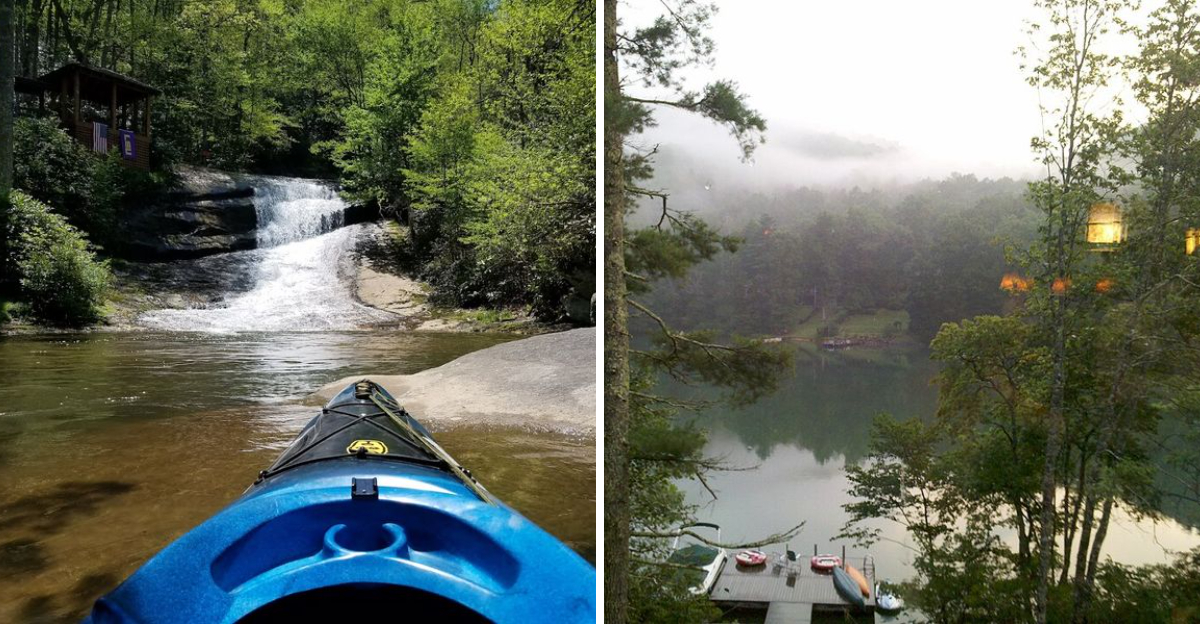
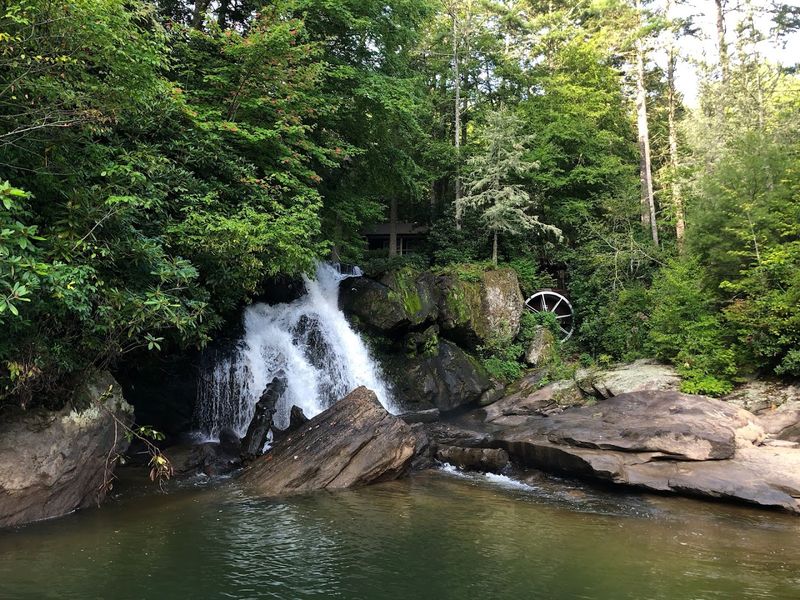
Not many lakes in the country let you boat directly up to a waterfall, but Lake Glenville is one of them. High Falls is the most dramatic example, a cascade that tumbles down rocky cliffs and feeds directly into the lake.
Approaching it by kayak or small boat is one of those genuinely memorable outdoor moments that does not require a long hike or strenuous effort.
The experience of paddling toward the sound of rushing water, feeling the mist on your face as you get closer, and looking up at a waterfall from the water level is completely different from viewing one from a trail overlook. It feels immersive in a way that is hard to describe until you have actually done it.
Kids especially tend to react with pure, unfiltered excitement when the falls come into view.
Beyond High Falls, several smaller cascades and seeps can be spotted along the forested shoreline, particularly after periods of heavy rain. Water runs off the surrounding ridges and drips through mossy rock faces into the lake, creating natural sound and visual interest all around the basin.
For photographers, paddlers, and anyone who simply loves the sight and sound of moving water, this aspect of Lake Glenville is genuinely one of its most underrated attractions worth planning around.
A Well-Earned Reputation for Great Fishing
Serious anglers who discover Lake Glenville tend to come back year after year, and the fishing is a big reason why. The lake supports a healthy variety of species, including smallmouth bass, largemouth bass, walleye, and several types of panfish.
Its cooler mountain water temperatures also make it one of the better trout fisheries among western North Carolina’s larger reservoirs.
Trout fishing in particular benefits from the lake’s elevation and consistently cool water, which stays within comfortable ranges for cold-water species even during summer. Both rainbow and brown trout have been documented in the lake and its tributary streams, giving fly fishers and spin anglers solid opportunities throughout the warmer months.
Early mornings and late evenings tend to produce the most action, especially along the shaded coves and rocky points.
Bass fishing picks up strongly in late spring and early summer when fish move shallow to spawn. Working the wooded shoreline edges with soft plastics or topwater lures during those weeks can produce some genuinely exciting strikes.
A valid North Carolina fishing license is required, and it is always smart to check current regulations for size and bag limits before heading out. Local bait shops in Cashiers and Highlands can offer current tips on what is biting and where.
Nearby Hiking in Panthertown Valley
Just a short drive from Lake Glenville, Panthertown Valley waits like a reward for anyone willing to trade the water for a few hours on the trail. Sometimes called the Yosemite of the East, Panthertown features open granite domes, cascading waterfalls, dense forest, and miles of hiking trails that range from easy walks to moderately challenging scrambles.
It is the kind of place that outdoor photographers absolutely love.
The valley is managed as part of the Nantahala National Forest, which means it stays wild and relatively undeveloped. Trails wind through rhododendron tunnels, past cold mountain streams, and up onto exposed rock slabs with sweeping views of the surrounding ridgelines.
On clear days, the vistas from the higher granite outcroppings stretch for what feels like forever across the Blue Ridge landscape.
Combining a morning on Lake Glenville with an afternoon hike in Panthertown makes for a genuinely full and satisfying day in the mountains. The two areas complement each other well, offering both water-based relaxation and trail-based adventure within the same geographic pocket of western North Carolina.
Pack hiking shoes, plenty of water, and a trail map downloaded in advance since cell service in the valley can be spotty at best.
What to Know Before You Visit Lake Glenville
Planning a trip to Lake Glenville requires a slightly different mindset than visiting a resort-style lake. Commercial development around the lake is intentionally minimal, which means you will not find a marina packed with rental shops or a strip of waterfront restaurants.
That is part of the charm, but it also means you need to arrive prepared with supplies, snacks, and a full tank of gas.
The Pines Recreation Area serves as the primary public access point and offers parking, a boat ramp, restrooms, and a swimming beach during summer months. Hours and fees can vary by season, so checking with Nantahala Power and Light or local tourism resources before arrival is a smart move.
The road leading down to the lake can be narrow and winding in spots, so take it slow if you are towing a boat trailer.
Cell service around the lake and surrounding mountain roads is inconsistent, so download offline maps and save important phone numbers before leaving town. Cashiers and Highlands both offer grocery stores, restaurants, and gear shops within a reasonable driving distance.
Accommodations range from vacation rental cabins to small inns scattered throughout the area. Visitors who embrace the low-key, nature-first atmosphere of Lake Glenville almost always leave wishing they had stayed one more day.