Forget crowded beaches—South Carolina still has a place where the ocean gets to call the shots.
Just off the coast near Myrtle Beach, Waties Island feels worlds away from the packed boardwalks, towering hotels, and nonstop beach traffic.
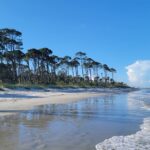
This undeveloped barrier island trades crowds for sea oats, quiet shores, salt marshes, and wide-open views.
Getting there is part of the adventure.
You can paddle across by kayak or reach the island on horseback, leaving the usual beach-day routine far behind.
Once you arrive, there are no souvenir shops or rows of umbrellas waiting for you.
Instead, there’s room to wander, watch wildlife, hunt for shells, and hear the waves without a soundtrack of traffic.
If your idea of a perfect day involves disappearing from the crowds, Waties Island may be exactly where you need to go.
Leave the Crowds Behind on Waties Island
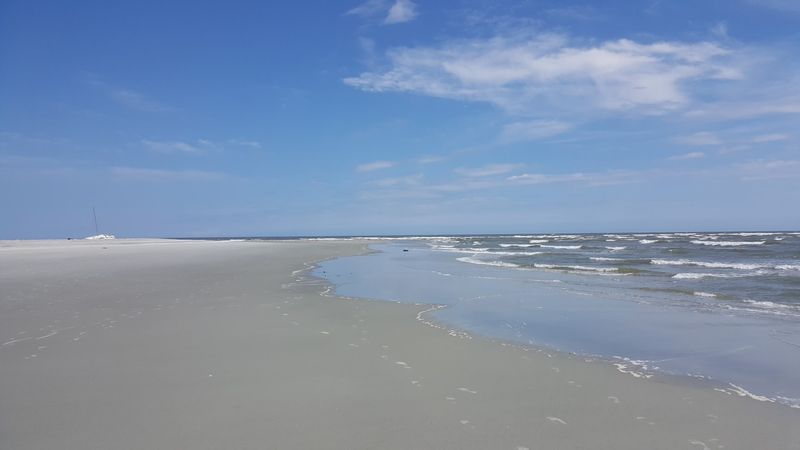
Waties Island stands apart from its Grand Strand neighbors in the best possible way. While nearby beaches feature high-rise condos, souvenir shops, and parking lots full of minivans, this barrier island remains remarkably unchanged.
No commercial development means no beach bars, no jet ski rentals, and no crowds fighting for a patch of sand.
The island stretches for miles with nothing but natural coastline. Walking here feels like stepping back in time to when South Carolina’s beaches belonged to shorebirds and sea turtles instead of umbrella rentals.
You won’t find boardwalks or pier fishing, but that’s exactly the point.
What you will find is space. Miles of it, actually, with room to spread out your towel without worrying about your neighbor’s radio.
The absence of development creates a peaceful atmosphere that busy beaches can’t match.
For families tired of navigating crowded beach access points or fighting for parking, Waties offers something increasingly rare along this coast. It’s a place where the biggest decision is which direction to walk, not which overpriced parking lot to choose.
Paddle Through the Salt Marsh
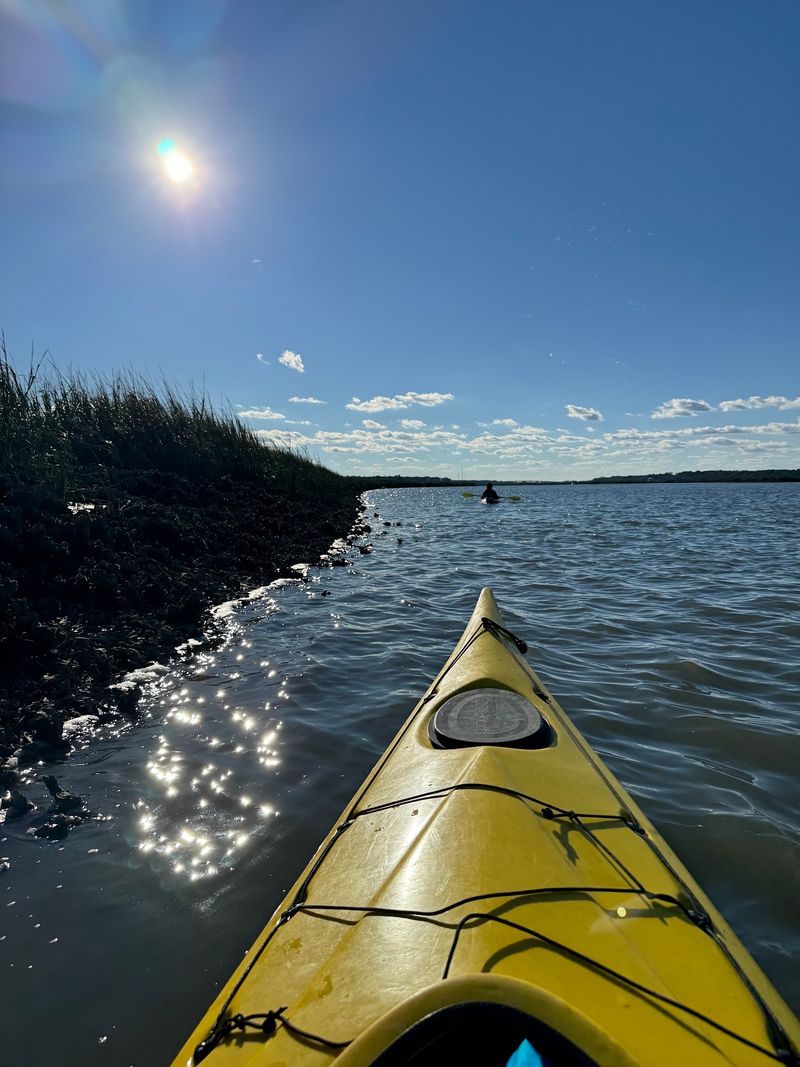
Getting to Waties Island requires water transport, and kayaking through the salt marshes provides the most rewarding approach. The journey itself becomes part of the adventure, offering perspectives on coastal ecosystems that car travelers miss entirely.
Paddling through these tidal waterways connects you to the landscape in ways a bridge crossing never could.
Salt marshes might look like empty wetlands from a distance, but up close they’re remarkably alive. Spartina grass sways with the current while fiddler crabs scurry across exposed mud at low tide.
The water changes color depending on depth and time of day, shifting from deep green to golden brown.
Guided kayak tours operate from nearby marinas for visitors without their own equipment. These outings typically include basic paddling instruction and safety information.
Even beginners can handle the relatively calm marsh waters on most days.
The paddle takes roughly an hour depending on launch point and tides. Early morning trips offer the calmest conditions and best wildlife viewing.
Bring a dry bag for phones and snacks, and wear clothes you don’t mind getting wet.
Walk the Empty Beach
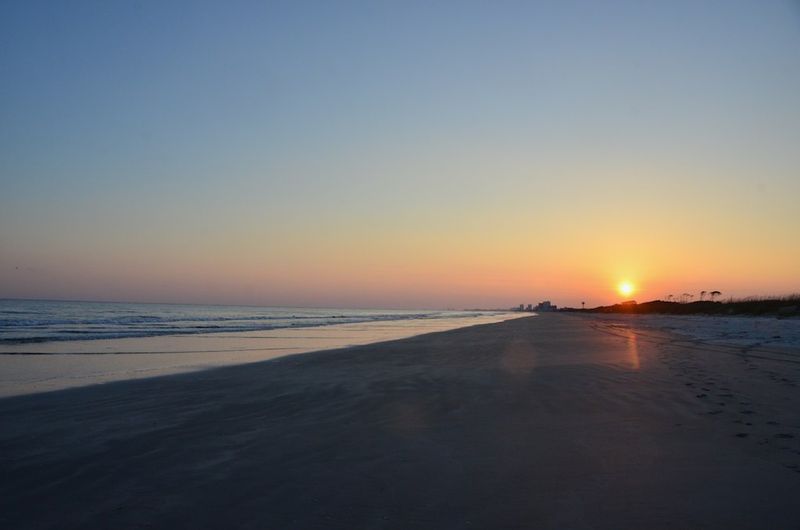
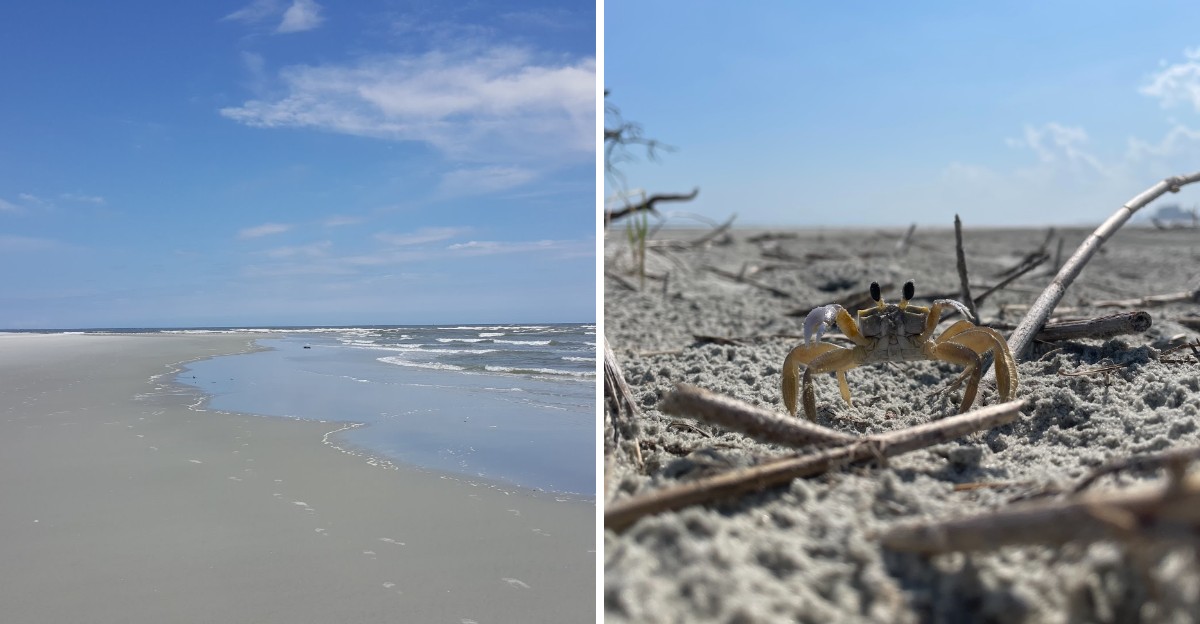
Once your feet touch Waties Island’s sand, the beach becomes the main event. Stretching along the Atlantic without interruption, the shoreline invites long, meandering walks that busy beaches make nearly impossible.
No umbrellas to dodge, no frisbees flying past your head, just sand, waves, and occasionally a passing shorebird.
Barefoot walking feels different here. The sand stays soft and relatively cool even on warmer days since fewer feet pack it down.
Shells appear more frequently than on heavily trafficked beaches where collectors arrive early and often.
Some visitors bring picnic supplies and claim a spot for the afternoon. Others keep moving, covering miles of coastline in both directions.
The island’s undeveloped nature means every stretch looks equally pristine.
Tide pools form along certain sections during low tide, creating temporary aquariums filled with small fish and crabs. Kids particularly enjoy exploring these natural formations.
The pools disappear when the tide returns, making each visit feel unique.
Sunset walks offer particularly beautiful moments, with the western sky reflecting off both the ocean and the marsh waters behind the island.
Look for Coastal Wildlife
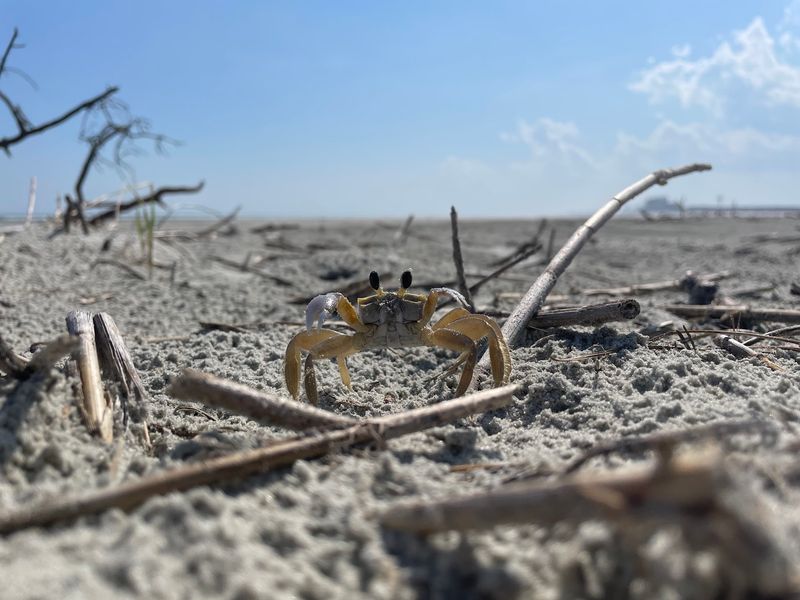
Waties Island protects habitat for an impressive variety of coastal species. The combination of beach, dune, and marsh environments creates conditions where different animals thrive.
Visitors with patience and quiet footsteps often spot wildlife that busier beaches scare away.
Blue herons stand like statues in shallow water, waiting to spear fish with lightning-quick strikes. Egrets wade through tidal pools, their white feathers bright against darker water.
Ospreys circle overhead, occasionally diving toward the surface when fish swim too close to the top.
The salt marshes attract different birds than the beach. Marsh wrens chirp from grass stems while rails move secretively through vegetation.
During migration seasons, the island becomes a temporary home for species traveling between northern and southern ranges.
Bottlenose dolphins frequently patrol the waters around Waties Island. Watch for their curved dorsal fins breaking the surface, often appearing in small groups.
They sometimes feed close to shore, particularly when baitfish schools move through the area.
Bring binoculars if you’re serious about wildlife watching. Early morning and late afternoon typically offer the best viewing opportunities when animals are most active.
Explore by Horseback
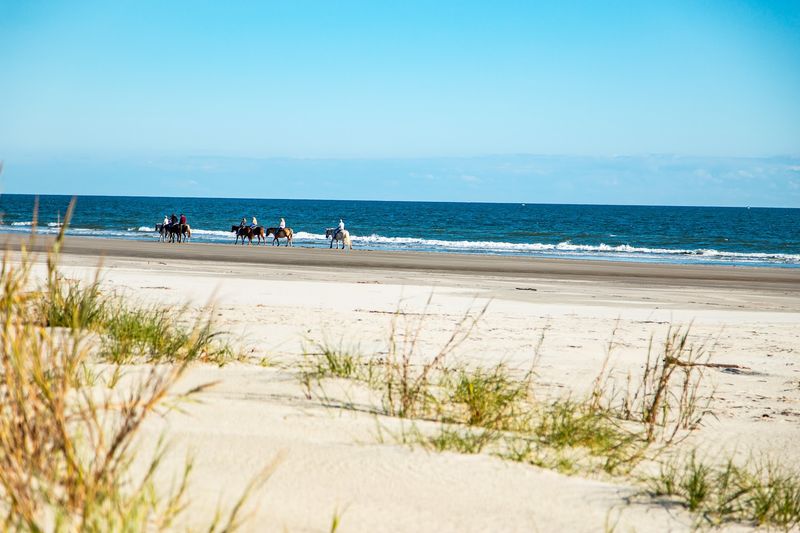
Horseback riding provides an alternative way to experience Waties Island for visitors who prefer staying dry. Guided trail rides operate through Inlet Point Plantation Stables near Pawleys Island, offering a completely different perspective on the coastal landscape.
Approaching by horse feels almost cinematic, combining beach scenery with an unexpectedly romantic method of travel.
The rides typically follow established paths through marsh areas before reaching the beach itself. Horses handle the sandy terrain easily, their hooves creating rhythmic sounds against the packed wet sand.
Even nervous riders usually find these trail horses calm and well-trained for beach conditions.
Tours accommodate different skill levels, from complete beginners to experienced riders. Guides provide basic instruction and safety information before departure.
The pace stays leisurely, allowing riders to appreciate their surroundings rather than rushing through them.
Beach riding offers unique photo opportunities. The combination of horse, rider, ocean, and empty shoreline creates Instagram-worthy moments naturally.
Most outfitters allow phones in waterproof cases for capturing memories.
Reservations are typically required, especially during peak summer months. Morning rides offer cooler temperatures and better light for photography.
Wear long pants and closed-toe shoes for comfort and safety.
Hunt for Shells and Sand Dollars
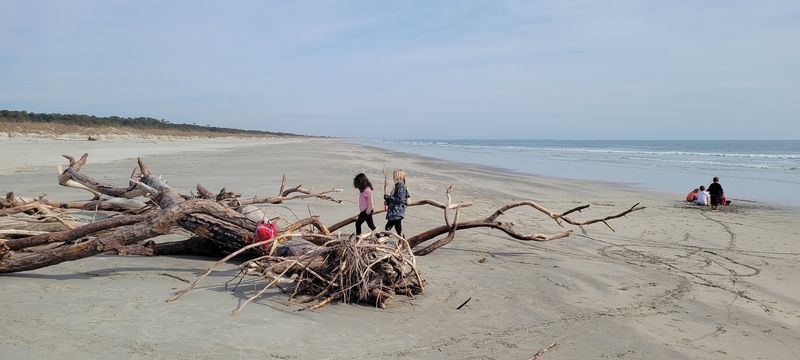
Beachcombing on Waties Island feels more rewarding than on heavily-picked beaches nearby. Fewer visitors means more shells remain undiscovered, turning an ordinary walk into an impromptu treasure hunt.
The thrill of finding an intact sand dollar or perfect whelk never gets old, regardless of your age.
Different tides and weather conditions bring different finds. Storms often deposit larger shells and unusual specimens that calm seas leave deeper underwater.
Low tide exposes more beach area, increasing the odds of discovering something special.
Sand dollars appear regularly along certain stretches, particularly where currents concentrate them. Look for circular shapes partially buried in wet sand near the waterline.
Handle them gently as many are still alive and should be returned to the water.
Common finds include whelks, ark shells, and various smaller bivalves. Shark teeth occasionally turn up for patient searchers willing to sift through shell fragments.
Bring a mesh bag for carrying your collection without adding weight from water-logged pockets.
Remember to check local regulations about collecting live specimens. Most areas allow taking empty shells but protect living creatures.
When in doubt, photograph your find and leave it behind.
Discover the Island’s Human History
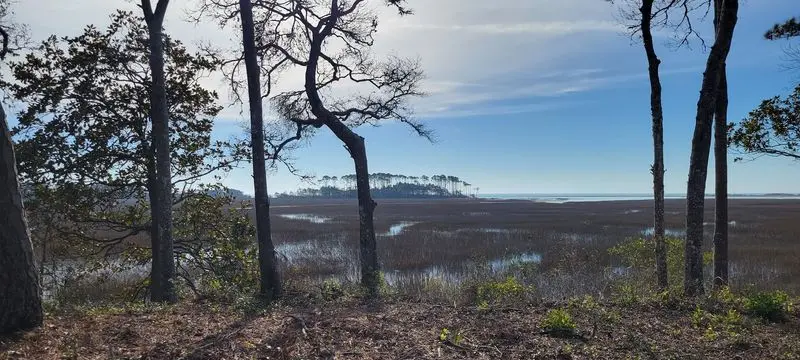
Waties Island holds more history than its wild appearance might suggest. Long before modern beachgoers arrived, the Waccamaw people inhabited this coastal region.
Archaeological evidence including pottery sherds and tool fragments tells stories of communities who understood these environments intimately. Their descendants still maintain cultural connections to this land.
Later periods brought different landowners and uses. The island’s relative isolation actually helped preserve it through changing economic times.
While nearby beaches transformed into tourist destinations, Waties remained agricultural and eventually conservation-focused.
Today, Coastal Carolina University manages much of the island for research and education. Scientists study everything from sea turtle nesting to marsh ecology.
This academic stewardship helps ensure the island remains undeveloped while advancing understanding of coastal ecosystems.
The property’s preservation represents decades of effort by conservationists and educators. Understanding this history adds depth to visits, transforming a simple beach day into connection with something larger.
The island you’re walking across has been deliberately protected so future generations can experience wild coastline.
Look for interpretive information during organized visits. Some guided tours include historical context alongside natural history.
This layered perspective enriches appreciation for what makes Waties special beyond just pretty scenery.
Experience a True Disconnect

Waties Island delivers what its name promises: genuine escape. No cell phone towers mean spotty service at best and complete disconnection at worst, depending on your perspective.
Without constant notifications and social media updates, hours pass differently. Your attention shifts from screens to surroundings, creating mental space that busy life rarely allows.
The physical separation matters too. Reaching the island requires deliberate effort rather than a casual drive-by visit.
This barrier filters out casual crowds while attracting visitors genuinely seeking something different. Everyone here made a choice to disconnect, creating a shared understanding among beachgoers.
No commercial development means no temptations to shop, grab quick food, or distract yourself with beach town entertainment. You’re stuck with whatever you brought, which forces a simpler approach to spending time.
Many visitors find this limitation surprisingly freeing rather than restrictive.
Families particularly benefit from this enforced unplugging. Kids explore tide pools instead of asking for arcade money.
Adults actually finish conversations without interruption. The absence of options paradoxically creates more genuine connection between people.
Several hours here provides real psychological reset. The combination of natural beauty, reduced stimulation, and physical distance from normal routines creates conditions for actual relaxation.
What to Know Before You Go
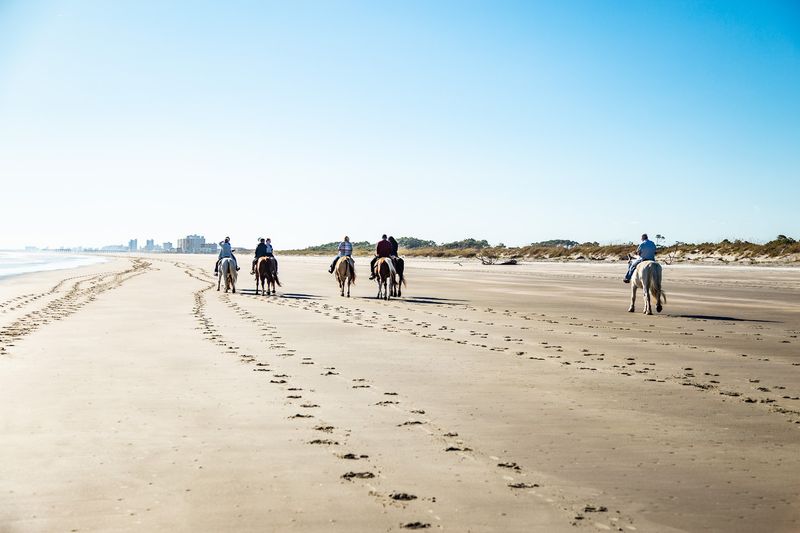
Planning a Waties Island visit requires more preparation than typical beach trips. Access is controlled through reservation systems, guided tours, or permitted visits.
Coastal Carolina University currently manages much of the island and requires advance approval for accessing its property. Their main entrance recently transitioned to a controlled access system for both security and conservation purposes.
Guided kayak tours provide the easiest access for most visitors. Several outfitters in the Myrtle Beach and Pawleys Island area offer trips with equipment, instruction, and transportation included.
Horseback tours through Inlet Point Plantation Stables present another option with advance booking required.
Come prepared for a self-contained outing. No facilities, vendors, or services exist on the island.
Pack adequate water, especially during hot months. Sunscreen, hats, and protective clothing help prevent burns on the exposed beach.
Bring everything you’ll need for the day in waterproof bags. This includes food, first aid supplies, and trash bags for packing out everything you bring in.
Leave no trace principles apply strictly here.
Check tide schedules before visiting. Some areas become inaccessible during high tide.
Weather conditions also matter more when boat or kayak access is involved. Always prioritize safety over reaching the island.