The hardest souvenir to leave behind is often the one you’re not allowed to take. Along the shoreline of Botany Bay Heritage Preserve on Edisto Island, South Carolina, even a single seashell must remain where the tide placed it, preserving one of the state’s most remarkable stretches of untouched coastline.
That simple rule transforms every walk into something more meaningful. Weathered driftwood rests where the waves delivered it, intricate shells scatter across the sand like natural artwork, and quiet maritime forests open onto a beach that feels shaped entirely by wind and water.
Instead of collecting keepsakes, visitors leave with photographs, lingering memories, and a deeper appreciation for a landscape protected just as nature intended.
As you explore this extraordinary coastal sanctuary, you’ll discover why its careful protections have preserved not only a breathtaking shoreline, but also an experience that feels increasingly rare along the Atlantic coast.
Why Taking Shells Here Carries a $470 Fine
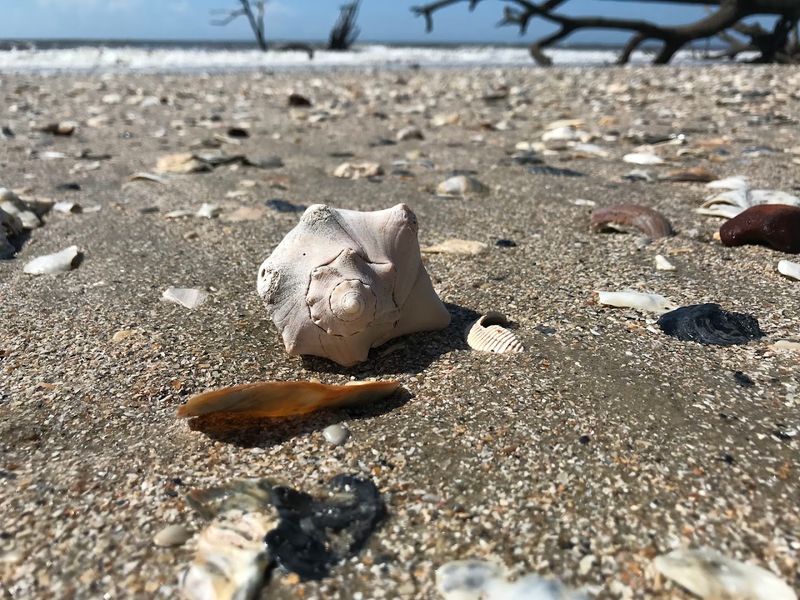
Picture yourself walking along a beach absolutely covered in shells, more than you’ve ever seen in one place. Now imagine being told you can’t take a single one home.
That’s the reality at Botany Bay Heritage Preserve, where shell collecting isn’t just frowned upon—it’s illegal.
The fine for pocketing shells here is a whopping $470, and rangers take this rule seriously. But there’s a beautiful reason behind the strict policy.
Every shell, shark tooth, and pottery shard plays a crucial role in the ecosystem and historical record of this protected sanctuary.
Without souvenir hunters disrupting the natural balance, the beach has become a living museum. Shells provide homes for hermit crabs, contribute calcium to the sand, and help scientists track environmental changes.
Many visitors say the abundance of shells left untouched actually makes the experience more special—you’re witnessing nature exactly as it should be, complete and undisturbed.
Boneyard Beach: Where Ancient Trees Meet the Ocean
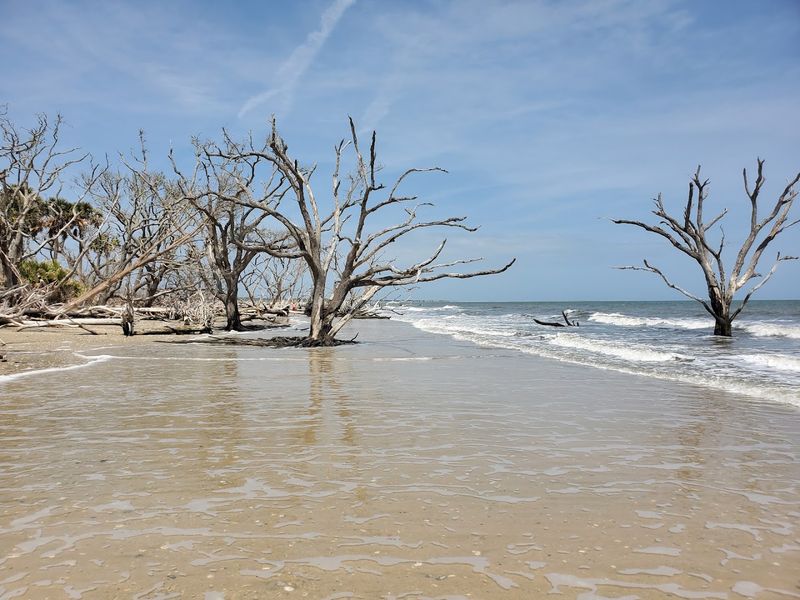
Some beaches have pretty umbrellas and beach chairs. This one has a graveyard of trees that looks like something from another world.
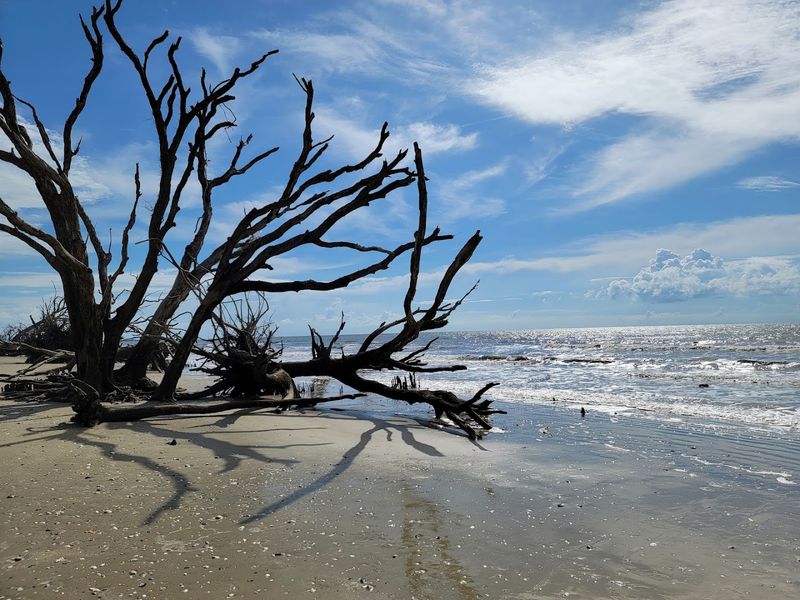
Boneyard Beach earned its haunting name from the skeletal remains of live oak and palmetto trees that once stood tall along the shoreline.
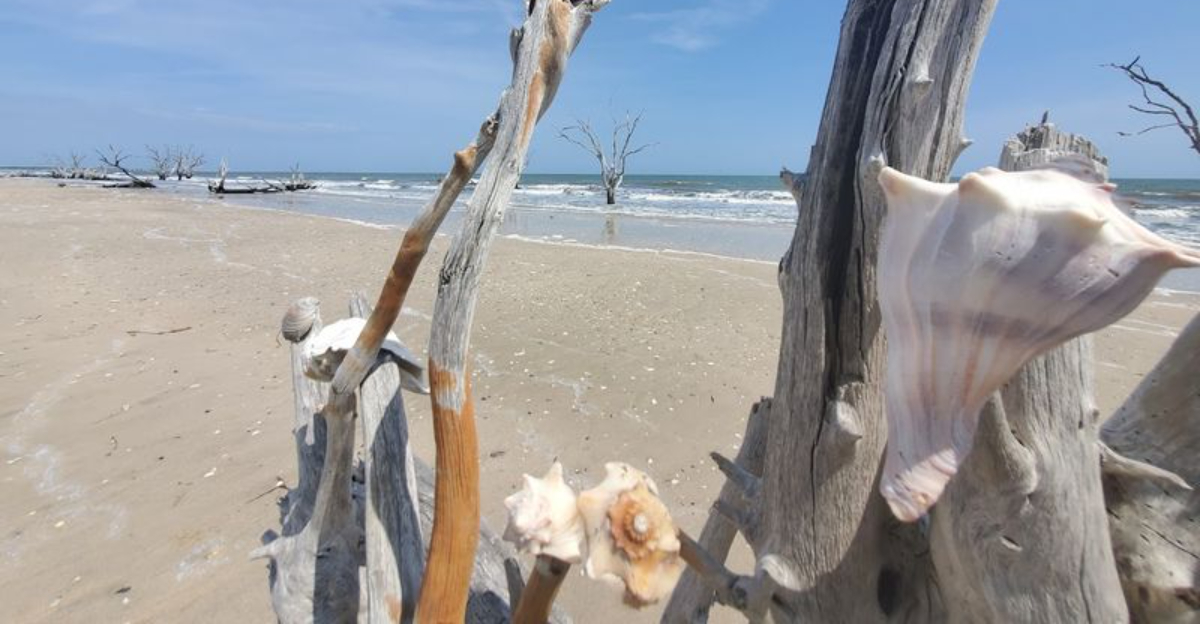
Coastal erosion has claimed these giants over decades, leaving behind sun-bleached trunks and twisted branches that jut from the sand like ancient monuments. The effect is otherworldly, especially during golden hour when shadows stretch long across the pale wood.
Walking among these fallen giants feels sacred somehow. Many visitors describe it as stepping back in time or entering a different dimension entirely.
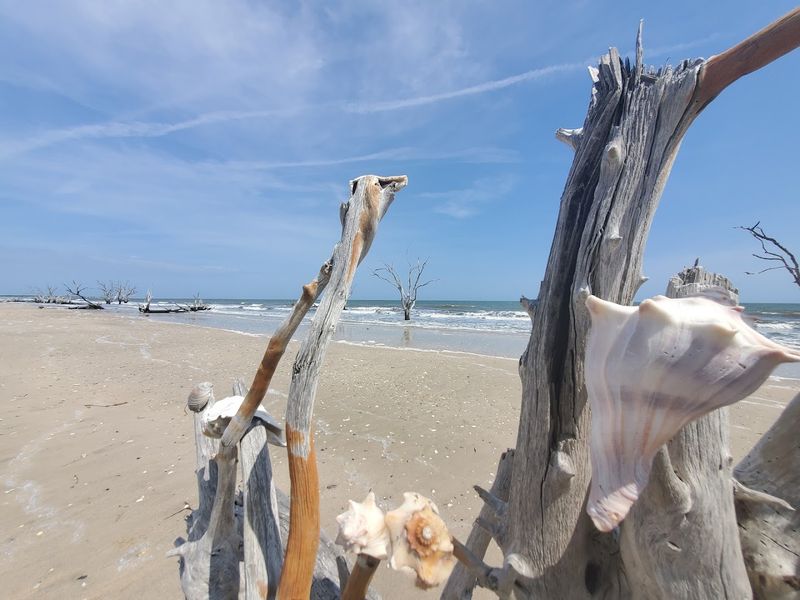
The trees create natural frames for photographs that look professionally staged, though Mother Nature deserves all the credit. Shells decorate many of the branches, placed there by previous visitors who wanted to add to the natural art installation without breaking the no-take rule.
The Half-Mile Path Through Coastal Wilderness
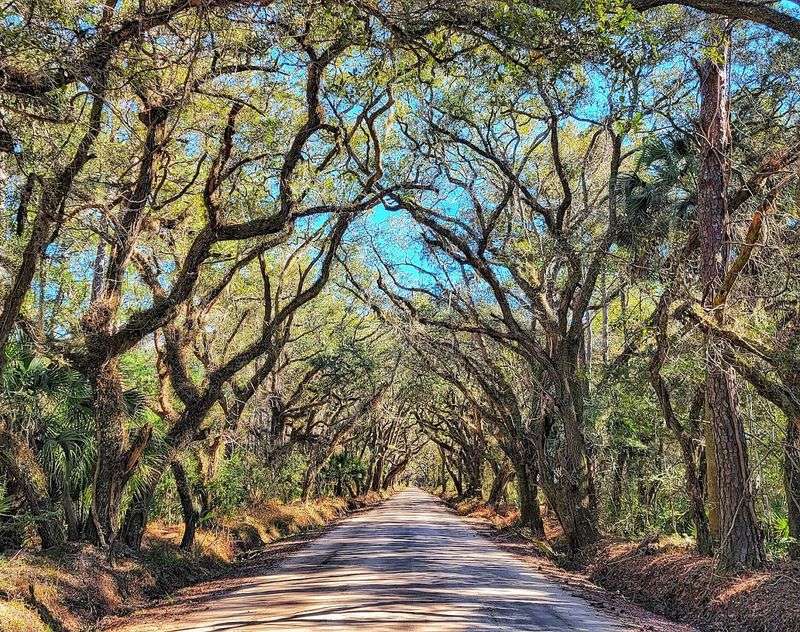
Getting to the famous beach requires a bit of effort, but that’s part of what makes it special. A half-mile trail winds through maritime forest and marshland, transforming your beach visit into a genuine nature experience from the moment you leave your car.
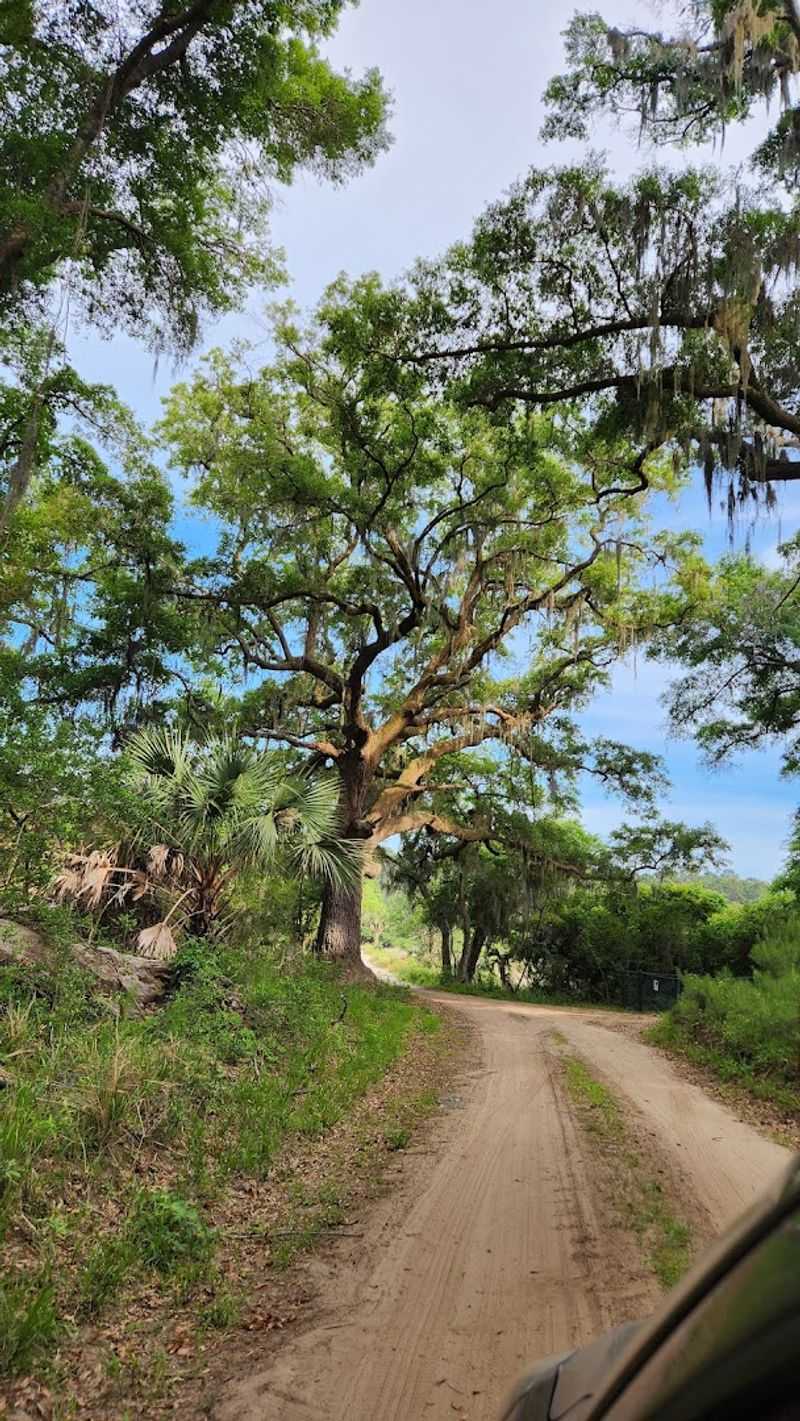
The path itself is an attraction. Live oaks draped in Spanish moss create a natural canopy overhead, while the marsh opens up beside you with its distinctive pluff mud smell.
Birds call from the reeds, and if you’re lucky, you might spot an alligator sunning itself at a safe distance.
Wear comfortable shoes that can handle puddles and uneven ground. The walk takes about ten to fifteen minutes at a leisurely pace, giving you time to transition from the outside world into this protected sanctuary.
By the time you reach the beach, you’ll feel like you’ve earned it, and the view will take whatever breath you have left.
Plantation Ruins That Whisper Stories of the Past
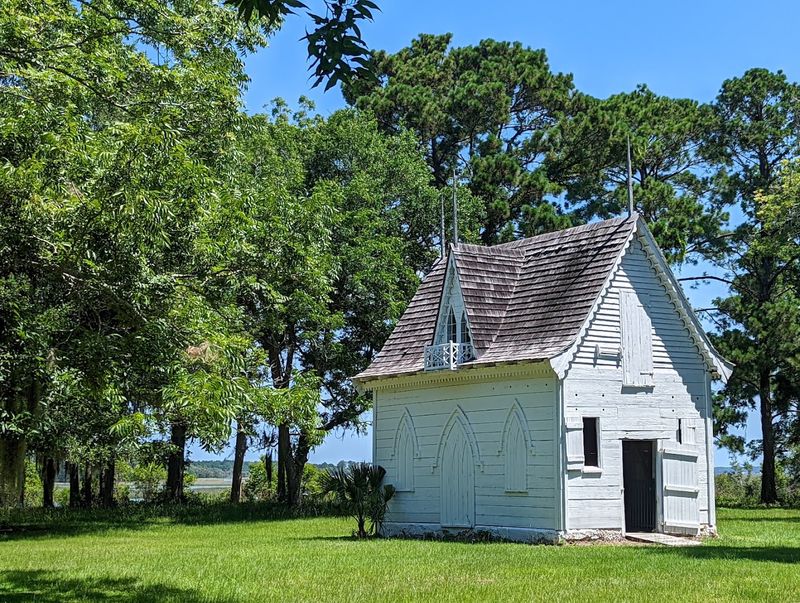
History literally crumbles before your eyes at Botany Bay’s plantation ruins. The remains of the old plantation house and outbuildings stand as ghostly reminders of the site’s complex past, their tabby walls slowly returning to the earth.
Tabby is a building material unique to the coastal South, made from oyster shells, lime, sand, and water. These walls have weathered hurricanes, wars, and centuries of coastal weather.
Interpretive signs share stories of the people who lived and worked here, both free and enslaved, painting a picture of life in the 1800s.
The self-guided tour includes stops at various ruins and historical markers scattered across the property. Volunteers often station themselves at the entrance with artifacts and additional information, happy to share deeper context about the plantation era.
Walking among these ruins adds layers of meaning to your visit, connecting you to the land’s full story beyond its natural beauty.
The Six-Mile Driving Tour Nobody Should Skip
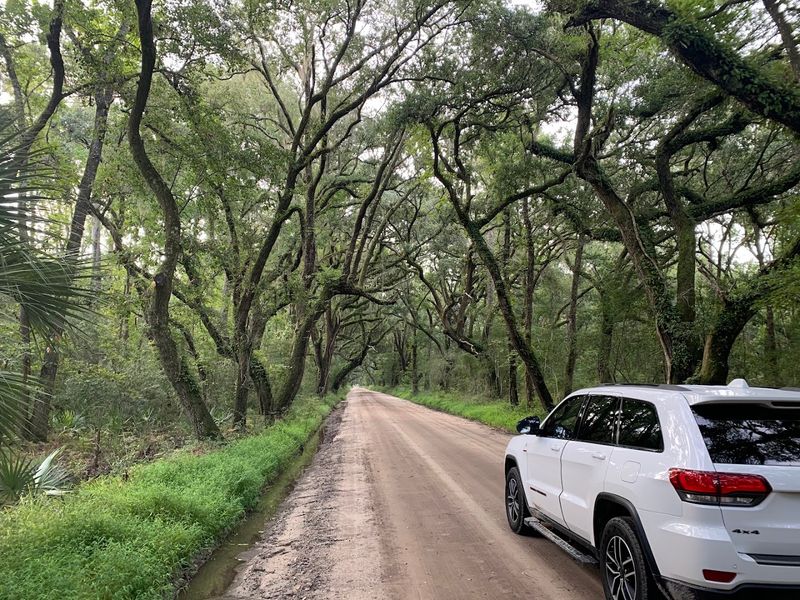
Most visitors beeline straight to the beach, but they’re missing half the magic. The 6.5-mile driving tour loops through the heart of the preserve, offering glimpses of landscapes and wildlife you won’t see anywhere else.
Your car will navigate one-way dirt roads that tunnel through corridors of ancient live oaks. Spanish moss hangs so low you’ll feel like you’re driving through nature’s own cathedral.
The route includes multiple stops where you can pull over to read historical markers, scan for alligators in ponds, or simply absorb the overwhelming beauty.
Warning signs about gators aren’t just for show—these prehistoric creatures sun themselves along the tour route regularly. Keep your windows up and stay in your vehicle at unmarked spots.
The drive takes about thirty to forty-five minutes if you actually stop and read the informational plaques, which you absolutely should. It’s free education wrapped in stunning scenery.
Why Low Tide Timing Makes or Breaks Your Visit
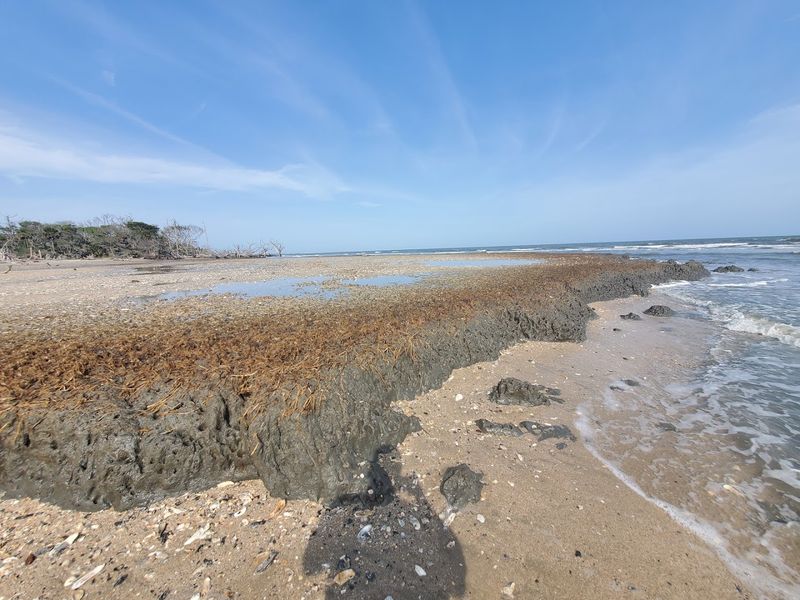
Showing up at the wrong time can mean the difference between an unforgettable experience and a disappointing non-starter. Coastal erosion has narrowed the beach significantly, so high tide can completely cover the walking areas, leaving you nowhere to explore.
Check tide charts before you leave home and plan to arrive about an hour before low tide. This timing gives you the maximum beach exposure and reveals tide pools, oyster beds, and the full expanse of that famous driftwood landscape.
The difference between high and low tide here is dramatic—it’s almost like visiting two different beaches.
Volunteers at the trailhead usually know the current tide situation and can advise whether conditions are good for beach walking. Don’t be shy about asking.
They’d rather save you the half-mile walk if the beach is underwater. The payoff for proper timing is spectacular: miles of exposed shoreline decorated with shells, worn wood, and the kind of solitude most beaches lost decades ago.
Bird Watching Paradise Where Wings Outnumber People
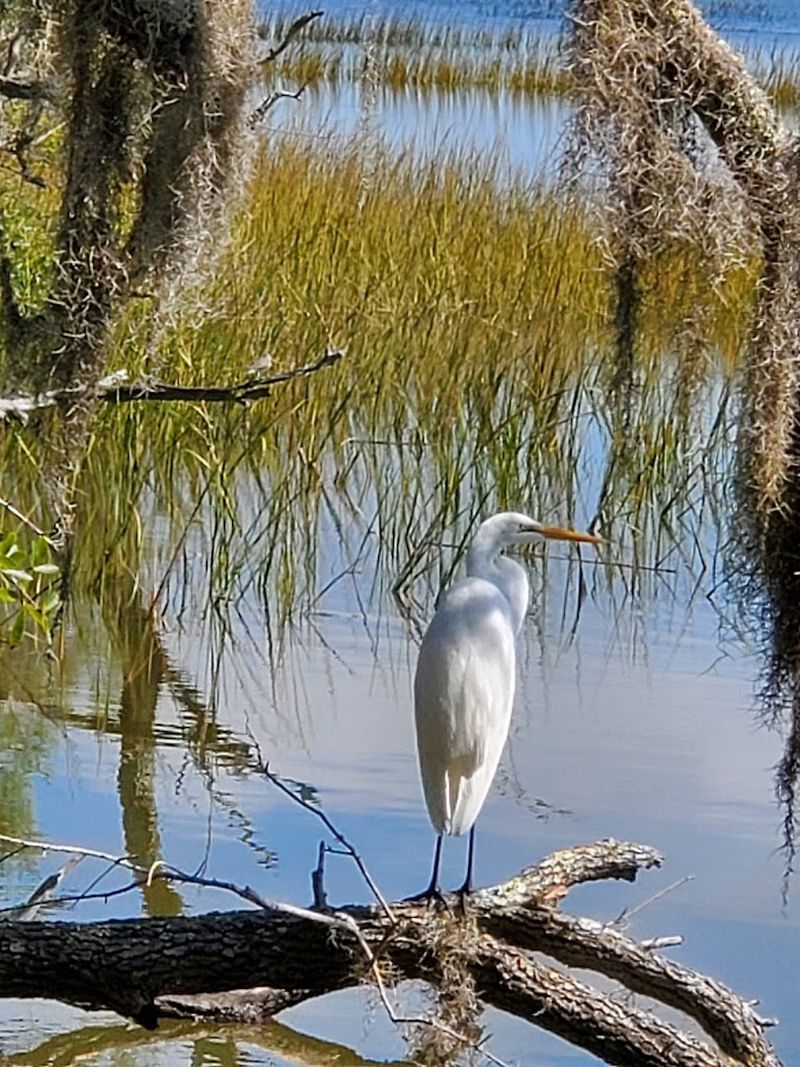
Bring binoculars, because this place is an ornithologist’s dream come true. The preserve’s diverse habitats—beach, marsh, forest, and wetlands—attract an incredible variety of bird species year-round, with migration seasons bringing even more feathered visitors.
Shorebirds work the tide pools and surf line, including sandpipers, plovers, and the occasional rare species that gets birders buzzing. Wading birds like herons and egrets stalk through the marshes with prehistoric grace.
Overhead, ospreys and bald eagles patrol for fish, while smaller songbirds flit through the maritime forest.
The lack of crowds means birds here are less skittish than at developed beaches. You can often approach within reasonable photo distance without sending them fleeing.
Educational volunteers sometimes set up spotting scopes at the trailhead, offering close-up views of distant birds and sharing identification tips. Even non-birders find themselves entranced by the sheer abundance and variety of avian life.
What the No-Facilities Policy Really Means
Modern convenience takes a backseat to preservation here, which means planning ahead is crucial. There are no restrooms, no trash cans, no water fountains, and no concession stands—just pure, unfiltered nature.
Use facilities before you arrive and pack out everything you pack in, including trash. The nearest gas stations and convenience stores are back toward the main island, not close enough for emergency runs.
Bring plenty of water, especially during warm months, because the combination of walking, sun, and humidity can dehydrate you faster than you’d expect.
The parking area is basic—just a clearing where you leave your vehicle before hiking to the beach. There’s no shade there either, so crack your windows if it’s hot.
These inconveniences are intentional, keeping visitor numbers manageable and ensuring only people truly interested in nature make the journey. The result is a beach experience that feels genuinely wild, refreshingly free from the commercialization that plagues most coastal destinations.
The Tuesday Closure and Other Important Rules
Mark your calendar carefully, because showing up on Tuesday means you won’t get past the gate. The preserve closes every Tuesday for maintenance, wildlife management, and occasional controlled hunts that help maintain ecological balance.
Other days, gates open at 5 AM and close at 7 PM, giving early birds and sunset chasers plenty of window. These hours vary seasonally, so double-check the website before making the hour-plus drive from Charleston.
Free admission requires only that you complete a day-use pass at the entrance—a simple form that takes seconds.
Dogs aren’t allowed on the beach, despite what some outdated online sources might say. Volunteers will turn you back at the trailhead if you show up with your four-legged friend.
Swimming is allowed but not recommended due to strong currents and lack of lifeguards. These rules aren’t meant to spoil your fun—they exist to protect this fragile ecosystem for future generations to experience in its natural state.
How This Place Changes You Without You Realizing
Something happens to people at Botany Bay that’s hard to put into words. Visitors describe feeling present in a way that’s rare in modern life, like the land itself slows down time and quiets the constant mental chatter.
Maybe it’s the absence of commercial development, or the way those ancient trees seem to hold centuries of wisdom. Perhaps it’s knowing that nothing here has been manicured or arranged for your convenience—you’re experiencing the coast as it existed long before vacation homes and beach resorts.
Reviews overflow with emotional language: sacred, powerful, peaceful, alive. People talk about feeling connected to ancestors, to the earth, to something larger than themselves.
One visitor wrote they would have been at peace if it had been their last day on Earth—that’s the kind of impact this place has. You come for the Instagram-worthy driftwood, but you leave with something deeper, a memory that settles into your bones and changes how you see preserved wild spaces forever.