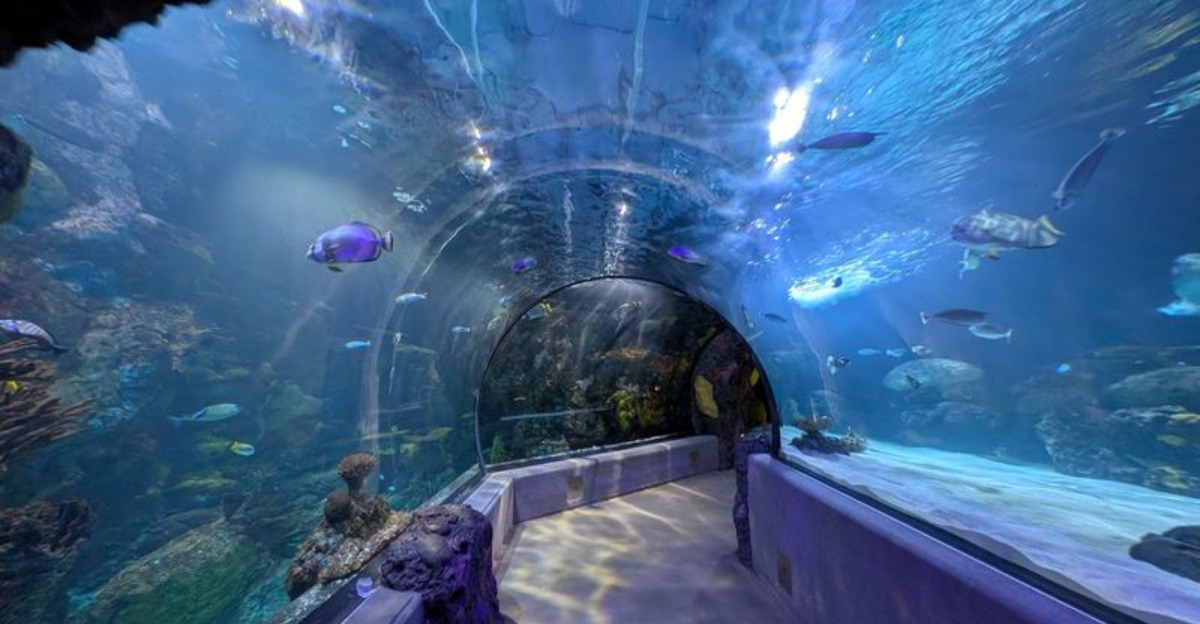
Virginia might be better known for mountains, beaches, and history class flashbacks, but it also serves up a surprisingly fun lineup of places where you can stare down a shark, admire a jellyfish, or meet a turtle without getting saltwater in your shoes.
From family friendly museums in Richmond and Newport News to coastal favorites in Virginia Beach, these aquariums and aquatic exhibits turn marine science into something vivid, hands-on, and wonderfully easy to explore.
You will find river creatures, bay species, rescue stories, touch pools, and smart exhibits that make every stop feel less like homework and more like a backstage pass to life underwater.
If you are ready to swap another ordinary weekend for sea stars, stingrays, and a few excellent fish puns, this list of Virginia spots is your ticket to diving in with confidence, curiosity, and maybe a sudden urge to plan a road trip soon.
1. Center in the Square Aquariums
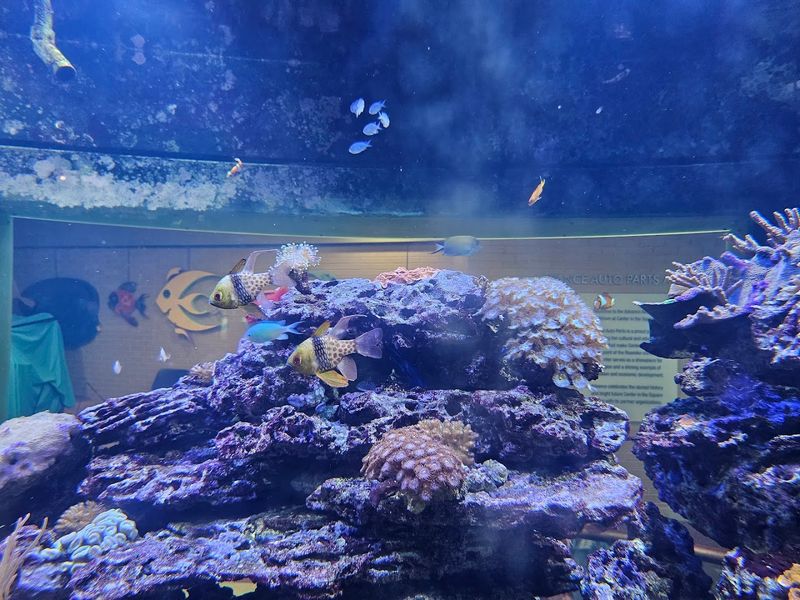
Center in the Square Aquariums bring an unexpected underwater adventure to the heart of Virginia’s Blue Ridge region.
Located in downtown Roanoke, this collection of aquariums offers visitors a chance to explore aquatic life without traveling to the coast.
The exhibits feature colorful tropical fish, coral reef environments, and unique marine species that highlight the incredible variety found beneath the water’s surface.
Designed as part of a larger science and discovery experience, the aquariums blend education with hands-on exploration, making them a fun stop for families, students, and anyone curious about ocean ecosystems.
Visitors can learn about marine habitats, animal adaptations, and the importance of protecting aquatic environments while enjoying close-up views of fascinating creatures.
With its immersive displays and engaging approach to learning, Center in the Square Aquariums show how ocean life can be brought indoors in creative ways.
For those exploring Virginia’s aquatic attractions, this Roanoke destination offers a memorable experience that combines science, discovery, and the beauty of underwater worlds.
2. Virginia Living Museum
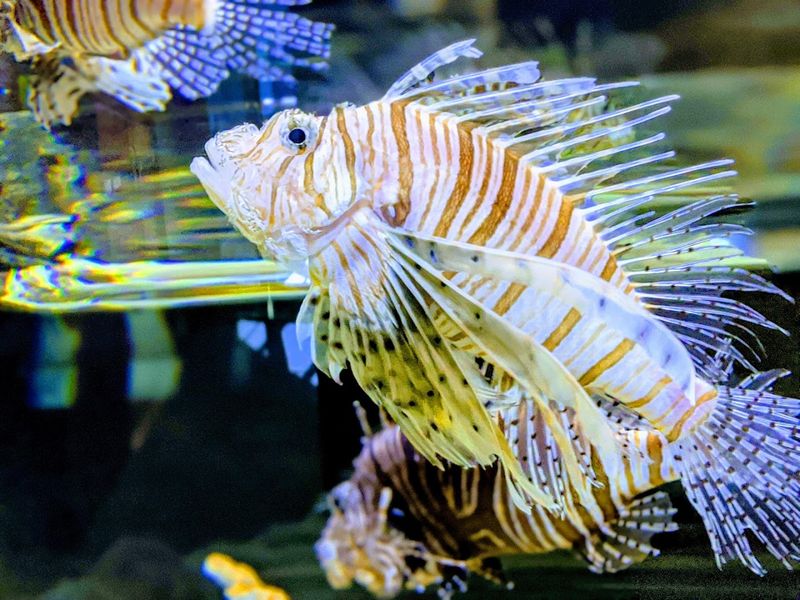
If you like your aquariums with a side of wow, the Virginia Living Museum in Newport News delivers.
This place blends aquarium exhibits, wildlife habitats, and science education into one polished experience, so every turn gives you something new to point at.
Native species are the stars, which makes the whole visit feel grounded in Virginia rather than generic.
The aquarium section is especially strong for showing off Chesapeake Bay and coastal ecosystems.
You can watch fish, rays, and turtles move through beautifully designed tanks while learning how these habitats connect to the state’s waterways.
The exhibits are clear and engaging, which means adults stay interested and kids do not immediately start negotiating for snacks.
Because the museum covers so much, it works well for mixed age groups.
Someone in your group can marvel at marine life, someone else can chase astronomy or reptiles, and everybody still leaves happy.
That versatility makes it one of the smartest all around indoor outings in the Hampton Roads region.
Newport News is an easy base for exploring southeastern Virginia, and this museum earns a top spot on that itinerary.
It feels thoughtful, well maintained, and genuinely useful for understanding local ecology.
When an aquarium visit also sneaks in great science storytelling, that is a very good catch.
3. Maymont Nature Center Aquatic Exhibits
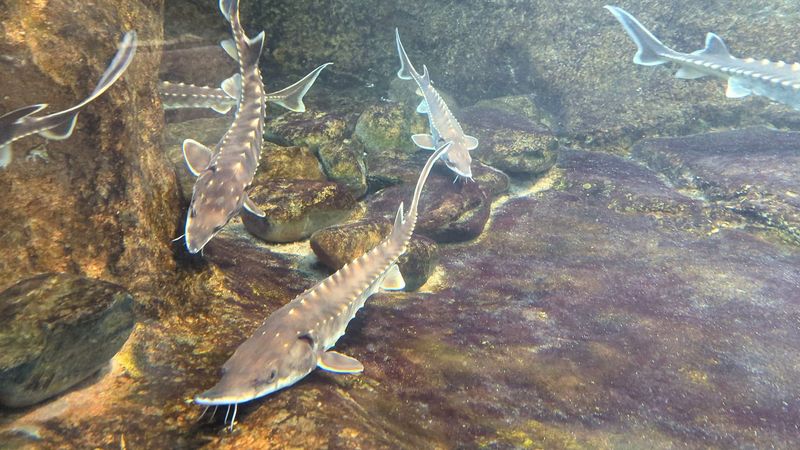
Richmond knows how to surprise you, and Maymont Nature Center is one of its best plot twists.
Located within the beloved Maymont estate in Richmond, Virginia, these aquatic exhibits spotlight the James River and surrounding habitats with a local focus that feels both fun and useful.
You are not just looking at animals here.
You are learning how the region fits together, from river systems to wetland creatures.
The displays often include fish, turtles, amphibians, and other species tied to Virginia waterways, which gives the experience a strong sense of place.
That regional angle makes the visit memorable, especially if you have already walked the gardens and wondered what lives beyond the pretty landscaping.
The setting adds extra charm.
Maymont itself is a full day destination, so the Nature Center works beautifully as part of a bigger outing with trails, historic buildings, and outdoor animal habitats.
If weather turns cranky, the indoor exhibits keep the adventure going without missing a beat.
Families tend to love how manageable and interactive it feels.
You can move at an easy pace, linger where curiosity hits, and still have energy left for the rest of the estate.
For a city based aquatic stop with character, Maymont gives Richmond plenty to brag about.
4. Virginia Aquarium & Marine Science Center
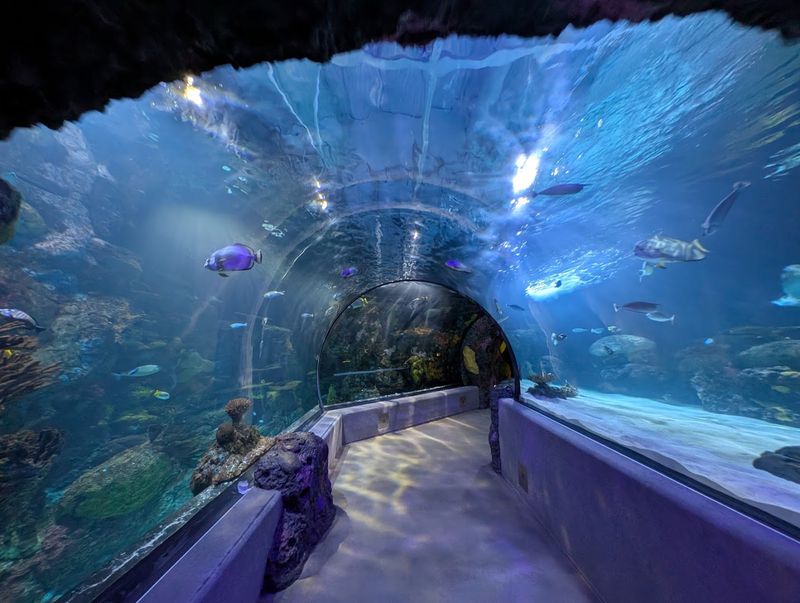
Big tanks, bigger sharks, and plenty of seaside energy make the Virginia Aquarium & Marine Science Center in Virginia Beach a headliner.
This is the state’s best known aquarium for good reason.
The exhibits are expansive, polished, and packed with marine life that keeps both first timers and repeat visitors fully locked in.
You can expect everything from sea turtles and rays to jellyfish and large predatory fish moving through dramatic displays.
The layout gives you room to wander without feeling rushed, and the interpretive signs do a nice job of explaining coastal ecosystems, conservation issues, and animal behavior.
It manages to be entertaining without dumbing things down.
Location is part of the appeal.
Because it sits in Virginia Beach, you can pair your visit with the boardwalk, the oceanfront, or a boat tour and build an entire marine themed day.
That makes it especially handy for visitors who want one attraction to anchor a family trip.
The center also leans hard into education and rescue work, which gives the fun some real substance.
You leave with memorable animal sightings and a clearer picture of Atlantic and Chesapeake life.
In short, if Virginia aquariums had a blockbuster, this would be it.
5. Nauticus & USS Wisconsin Maritime Museum
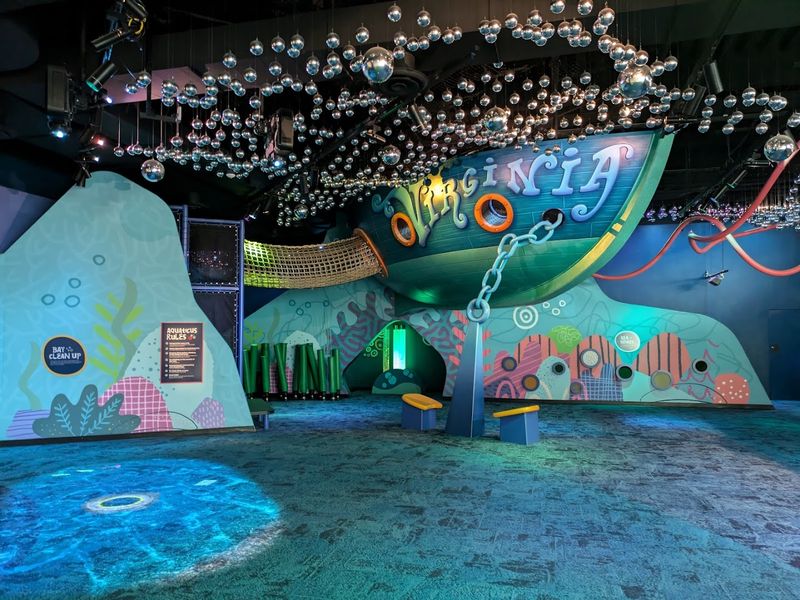
Not every ocean adventure needs a dolphin overhead.
At Nauticus & USS Wisconsin Maritime Museum in Norfolk, the aquatic angle comes through maritime science, naval history, and harbor life, creating an experience that feels different from a traditional aquarium but still deeply tied to the water.
That variety keeps the visit lively from start to finish.
Inside, interactive exhibits help explain the relationship between ships, the sea, and the ecosystems surrounding coastal Virginia.
You may not get wall to wall tanks, but you do get a stronger sense of how marine environments shape trade, defense, weather, and daily life in Norfolk.
For curious visitors, that broader context is a real bonus.
Then there is the USS Wisconsin.
Walking a historic battleship after exploring museum exhibits gives the whole outing an extra layer of scale and drama, especially for kids who like their learning with steel and giant anchors.
The waterfront location also adds great views and easy access to downtown Norfolk.
This stop works best if you want your aquatic exploration mixed with history and engineering.
It is less about staring at fish and more about understanding the human side of the sea.
Think of it as ocean appreciation with a very sturdy pair of boots.
6. Science Museum of Virginia Aquatic Exhibits
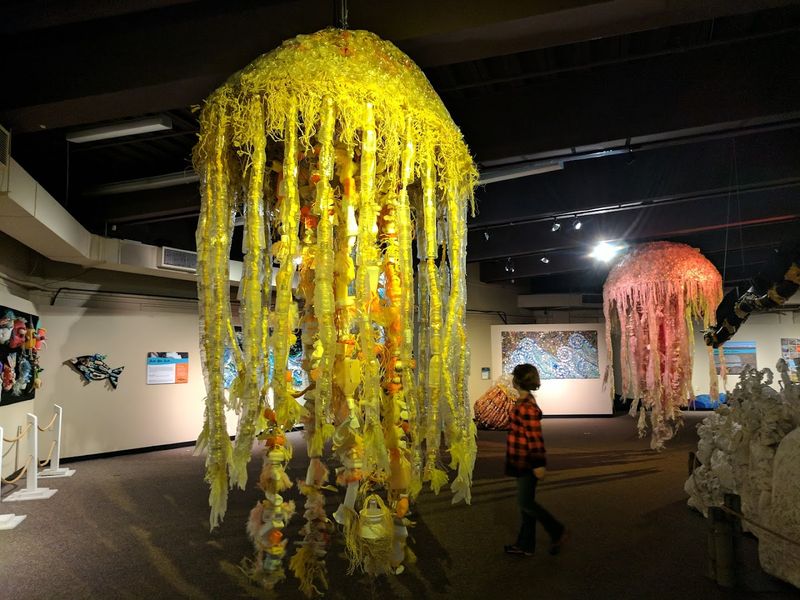
Science gets splashy at the Science Museum of Virginia in Richmond.
While it is not a full scale aquarium, its aquatic exhibits can add an engaging water themed layer to a museum visit already packed with hands-on learning.
That combination makes it a strong pick if your group wants variety without sacrificing substance.
The museum excels at turning big ideas into understandable experiences.
When aquatic displays are featured, they often connect water systems, environmental science, and regional ecology in ways that feel approachable instead of textbook heavy.
You leave with a better grasp of how rivers, watersheds, and marine issues affect everyday life across Virginia.
Richmond is especially well suited for this kind of stop because it sits so closely tied to the James River.
That local connection gives the exhibits more punch.
They are not abstract lessons floating in space, but part of a larger story you can actually see around the city.
This museum also shines when weather tries to ruin your plans.
It is roomy, energetic, and full of enough interactive content to keep attention spans from drifting off like untied kayaks.
For visitors who enjoy aquatic topics in a broader science setting, this is a smart and enjoyable detour.
7. Virginia Marine Science Museum
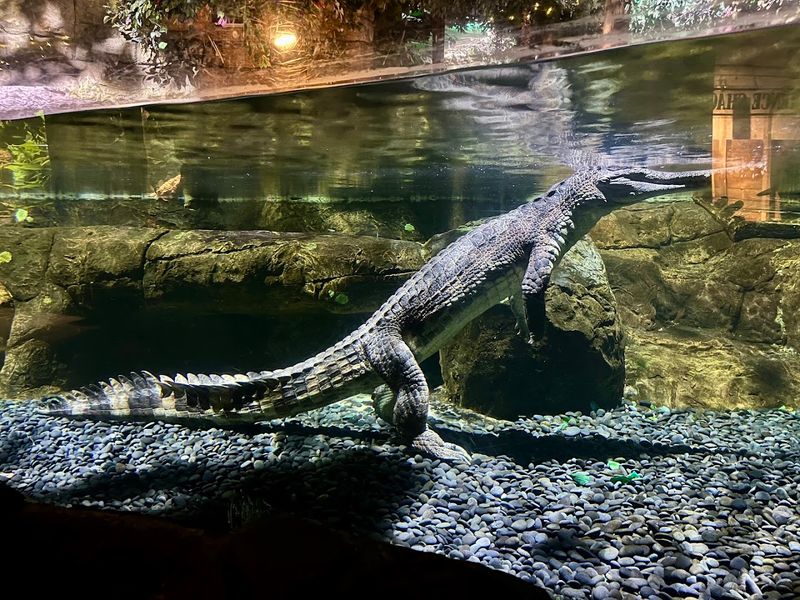
Coastal curiosity gets a nice workout with Virginia Marine Science Museum exhibits in Virginia Beach.
Whether you encounter them as part of a larger science experience or complementary marine interpretation, these displays help make local ocean life feel close, visible, and worth understanding.
That is a win for visitors who want more than quick photo ops.
The strength here is context.
Virginia Beach sits where beach tourism meets serious coastal ecology, so exhibits can connect what you see on the shoreline with the animals, tides, habitats, and conservation challenges behind it.
That bridge between vacation fun and real science gives the experience more depth than you might expect.
You will likely come away appreciating how dynamic this region really is.
Barrier islands, bays, marshes, and open Atlantic waters all influence what appears in local tanks and educational displays.
When a place explains that clearly, even a casual visit starts to feel a little like fieldwork without the wet socks.
For families already spending time near the beach, this type of exhibit is easy to fold into the day.
It reinforces what you are seeing outdoors and gives children a sharper eye for local marine life.
That makes Virginia Beach feel less like a postcard and more like a living coastal classroom.
8. Mason Neck State Park Visitor Center Aquatic Displays
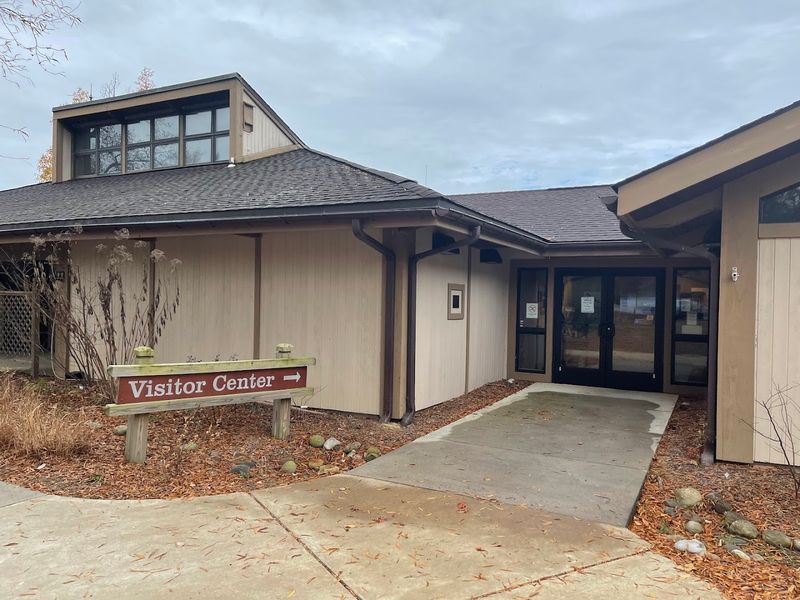
Sometimes the best aquatic exhibits arrive with birdsong and trail maps.
At Mason Neck State Park Visitor Center in Lorton, Virginia, the aquatic displays introduce you to the Potomac estuary and nearby habitats in a way that feels calm, practical, and rooted in the landscape outside.
It is a smaller experience, but a rewarding one.
These displays work especially well because they prepare you for what the park actually protects.
You can learn about fish, wetlands, and estuarine systems before heading out to explore the shoreline, marshes, and forests that support them.
That indoor to outdoor connection helps the science click much faster.
Lorton is close enough to Northern Virginia population centers that this makes an easy nature day trip.
If you want aquatic education without major crowds, parking garages, or sensory overload, Mason Neck offers a gentler pace.
It is ideal for families with younger children or anyone who prefers a quieter kind of discovery.
The visitor center may not be flashy, but it earns points for authenticity.
You get a focused lesson in local ecology, then step outside and see that story continue in real time.
That is a pretty satisfying trick, and the bald eagles nearby certainly do not hurt.
9. Back Bay National Wildlife Refuge Visitor Center
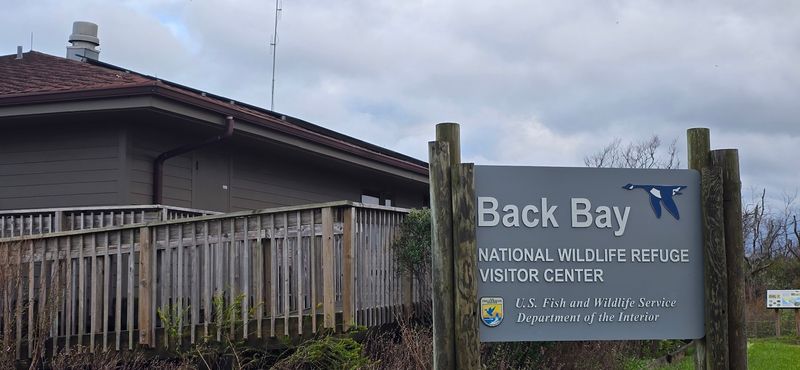
Salt marshes do not always get the glamour treatment, but Back Bay National Wildlife Refuge Visitor Center in Virginia Beach makes them fascinating.
The visitor center introduces the refuge’s aquatic and coastal environments with exhibits that help you understand the creatures, plant life, and water systems shaping this remarkable stretch of shoreline.
It feels grounded and wonderfully real.
This is less of a classic aquarium stop and more of an ecosystem decoder ring.
You learn how freshwater and saltwater influences mix, why migratory birds depend on the area, and how fish and other aquatic species use these habitats to survive.
That broader perspective makes every boardwalk and overlook outside more meaningful.
Back Bay is perfect if you want your marine learning paired with actual scenery.
After spending time inside, you can head out to trails, observation points, and beach areas where the refuge’s story keeps unfolding.
Bring binoculars if you can, because the wildlife tends to reward patient visitors.
The visitor center works best for people who enjoy context and quiet beauty over flashy spectacle.
It teaches you to notice more, which might be the most useful travel skill of all.
Plus, any place that makes marshes feel dramatic deserves a little applause.
10. Chincoteague Bay Field Station
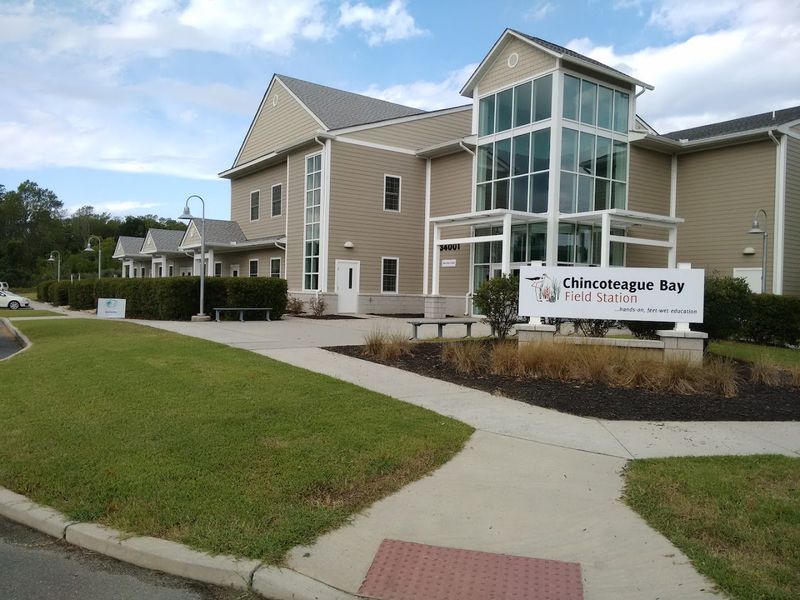
Hands on learning steals the show at Chincoteague Bay Field Station Marine Education Center on Wallops Island, Virginia.
This spot is built around marine education, so the experience often feels more personal and interactive than a standard aquarium visit.
If you like touching, observing, and asking questions, you will probably have a great time here.
Programs and exhibits commonly highlight the coastal bays, marshes, and Atlantic edge environments of Virginia’s Eastern Shore.
That means you get exposure to species and habitats many travelers overlook, even though they are some of the state’s most ecologically important.
The local expertise gives everything an extra layer of credibility and excitement.
Wallops Island also adds a memorable setting.
You are near wild coastal landscapes, Chincoteague, and Assateague, so the center fits beautifully into a broader Eastern Shore itinerary.
It is easy to combine marine education with beach time, birding, or a search for the famous island ponies.
What stands out most is the sense of connection.
Instead of treating ocean life like something distant behind thick glass, this center helps you understand it as part of a living regional system.
That makes the visit feel active, useful, and just plain fun, which is a pretty excellent tide to ride.