If you have ever wanted a zoo day that feels less like observing and more like participating, this spot in western Pennsylvania delivers. Living Treasures Wild Animal Park in New Castle turns simple animal viewing into the kind of outing where a camel can eat right from your hand and kids stay fully locked in.
With more than 70 species, easy walkability, and a surprisingly personal feel, it stands out from bigger, more distant zoo experiences. This is the kind of place that gives you stories to tell on the drive home.
You Are Not Just Watching Here
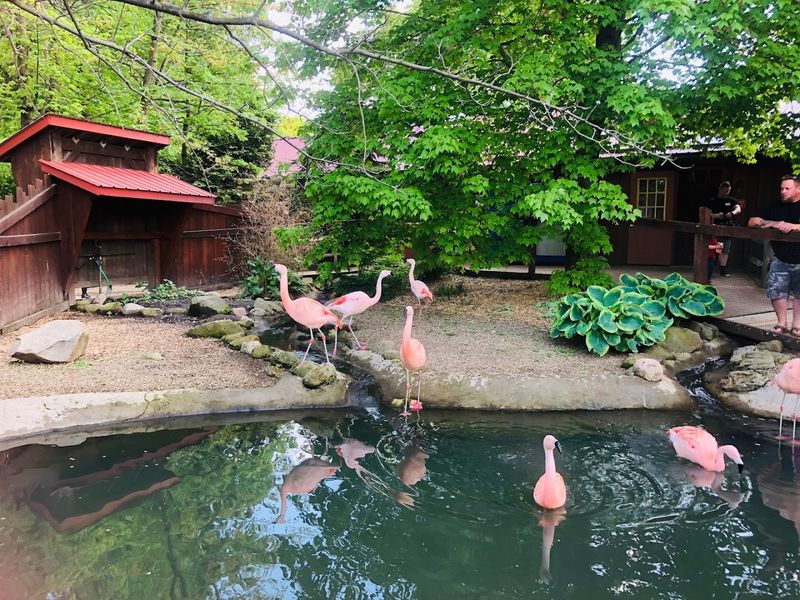
The first thing that stands out at Living Treasures Wild Animal Park is how involved you feel from the start. Instead of drifting past animals from far away, you are part of the rhythm of the visit, with creatures stepping close to the fence and watching you just as carefully.
That shift makes the whole place feel more personal, especially if you usually leave larger zoos remembering only crowds, maps, and long stretches of walking.
Here, the experience is built around closeness, but it still feels approachable for families, grandparents, and younger kids. The family-run park, established in 1992, has a warm, lived-in character that makes you want to slow down rather than rush to the next sign.
I think that is why so many people describe it less like a checklist attraction and more like a place where individual moments stick, whether that means meeting a curious goat, sharing a laugh over slobbery feed cups, or hearing a child retell one encounter for the rest of the afternoon.
Feeding a Camel From Your Palm
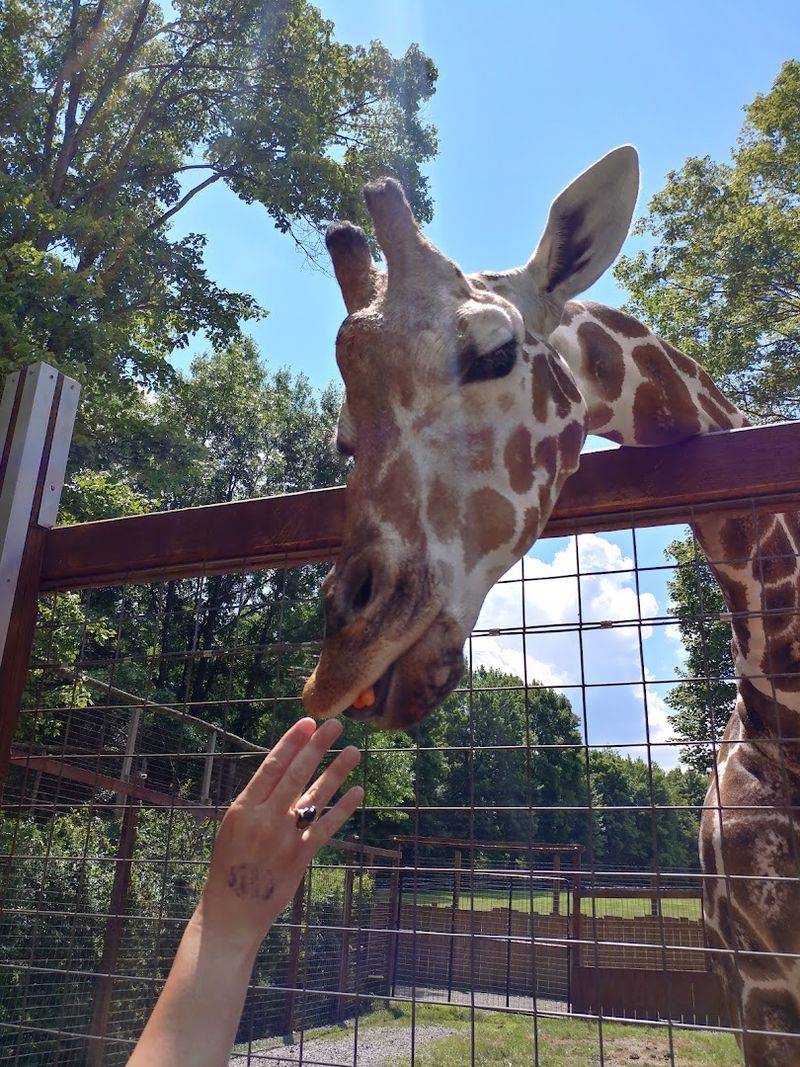
Hand-feeding a camel is the kind of experience that sounds simple until it is actually happening inches from your face. At Living Treasures in New Castle, visitors can offer approved food from an open palm and feel the camel’s whiskered mouth brush their hand in a moment that is equal parts funny, strange, and unforgettable.
If you like attractions that give you a tiny burst of adrenaline without being intense, this is probably the memory you will talk about first.
The park is known for up-close encounters with dromedary and hybrid camels, and that closeness changes everything about the visit. You are not reading about an animal from a plaque and then moving on, you are reacting in real time as it reaches toward you with surprising gentleness.
Even people who arrive a little hesitant usually end up laughing after the first try, because the small shock of contact is exactly what makes the moment feel real instead of staged.
More Than 70 Species Keeps It Surprising
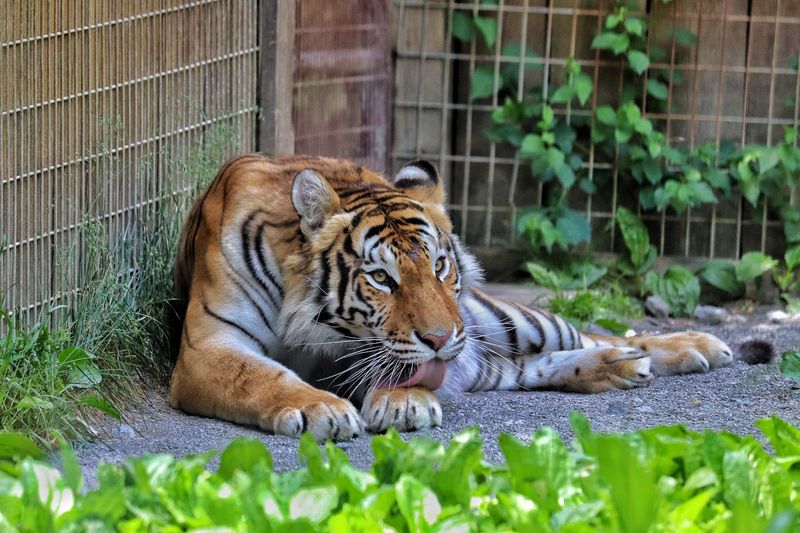
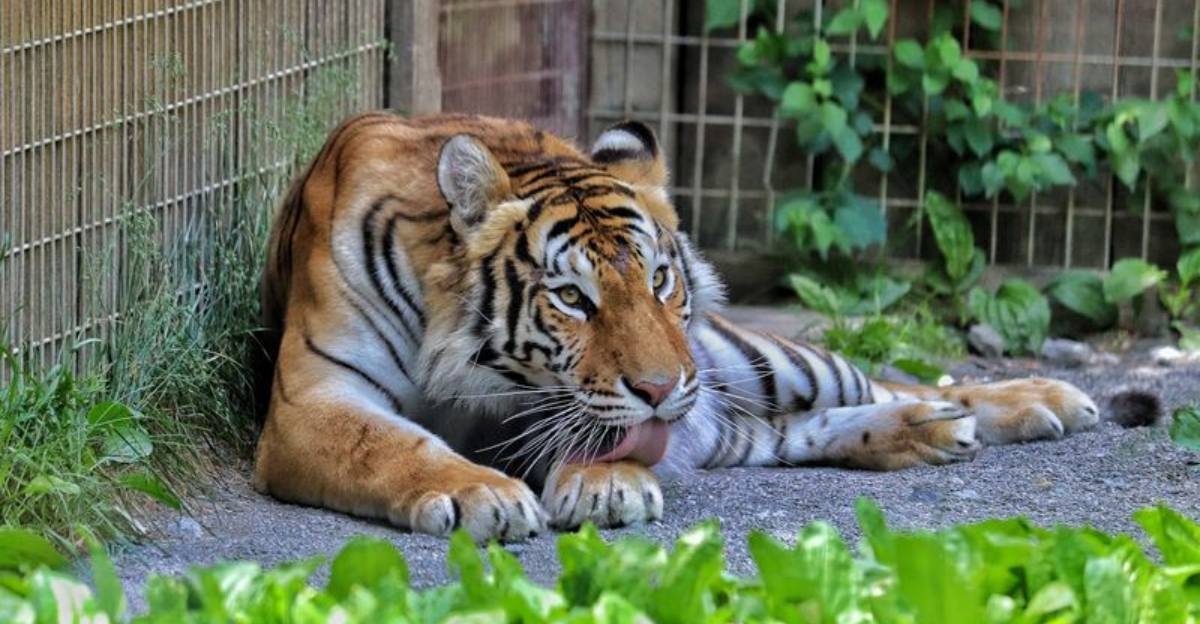
One reason this park works so well as a day trip is simple variety. Living Treasures Wild Animal Park is home to more than 300 animals representing over 70 species, so the walk never settles into a predictable pattern of seeing the same type of exhibit over and over.
You can turn one corner expecting another petting area and suddenly find birds, small mammals, or a larger animal that completely changes the mood.
That variety matters even more because the property is walkable and compact enough to keep your energy up. Instead of spending the day navigating a huge zoo where the distances can overshadow the animals, you move through a changing lineup that keeps rewarding your attention.
Families with mixed ages tend to appreciate that balance, because younger kids stay engaged while adults still feel like they are seeing enough range to justify the trip, especially when the lineup can include everything from kangaroos and parrots to deer, camels, sloths, and more unusual conversation starters.
The Feed Cups Turn a Stroll Into an Activity
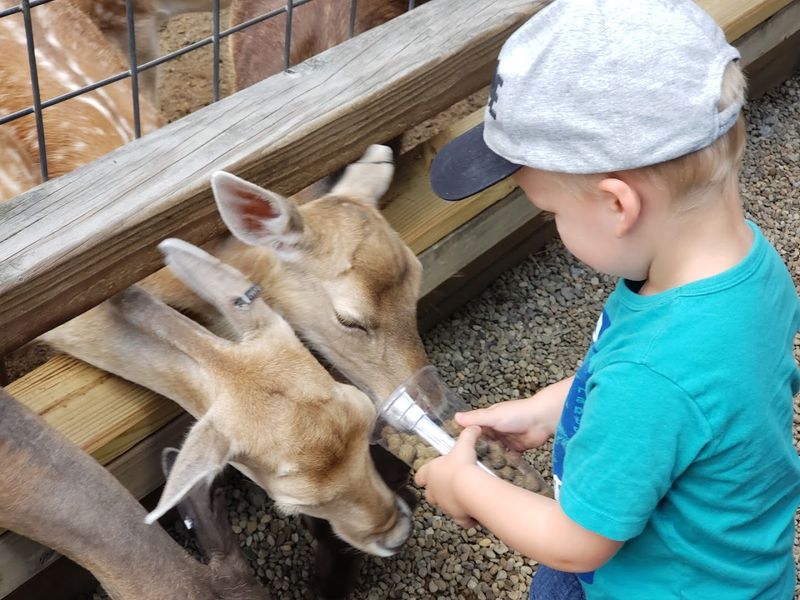
The feeding stations scattered through the park do more than sell snacks for animals. They quietly shape the whole pace of your visit, because once you have a cup of feed or a few carrots in hand, every enclosure becomes a possible interaction instead of just another stop on the path.
That changes you from a passerby into someone animals actually notice, which makes the outing feel active in a way many zoos simply are not.
It also encourages the kind of slow wandering that is easy to enjoy with kids. You stop, wait, see which animal comes forward, try again, and suddenly twenty minutes has passed in one section without anyone complaining.
The park asks visitors to use only the food sold onsite, which keeps the experience safer for the animals and simpler for guests. For just a few dollars, those feed cups create the little moments people remember most, like a llama stretching its neck toward the rail or a deer taking food so gently that even nervous first-timers relax almost immediately.
The Fence Feels Like a Meeting Point
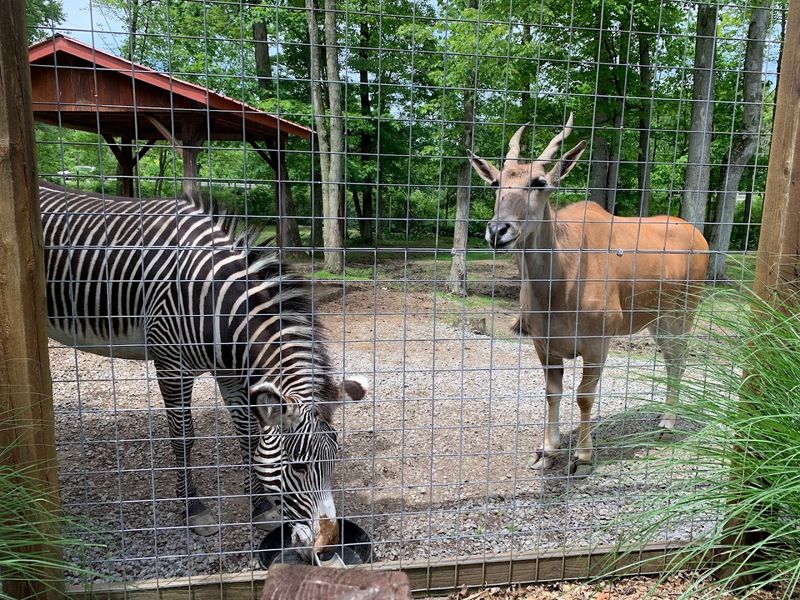
At a lot of animal attractions, the barrier feels like the main feature. Here, the fence often works more like a meeting point, because many animals willingly come right up to it, especially during feeding times.
That simple design choice creates instant excitement, and it is easy to see why younger visitors light up when a nose appears at rail height instead of far back in a shaded habitat.
Goats, deer, llamas, and other social regulars are often the stars of these close moments, and their curiosity becomes part of the fun. You are not trying to spot a distant shape behind landscaping or glass, you are reacting to an animal that has clearly noticed you and wants to know whether you came with snacks.
It feels intimate without being overproduced, which is part of the charm. Even adults who claim they are just there for the kids tend to get pulled in when a soft muzzle presses near the fence and the whole moment becomes delightfully immediate, messy, and impossible not to photograph.
Why Families With Young Kids Love It
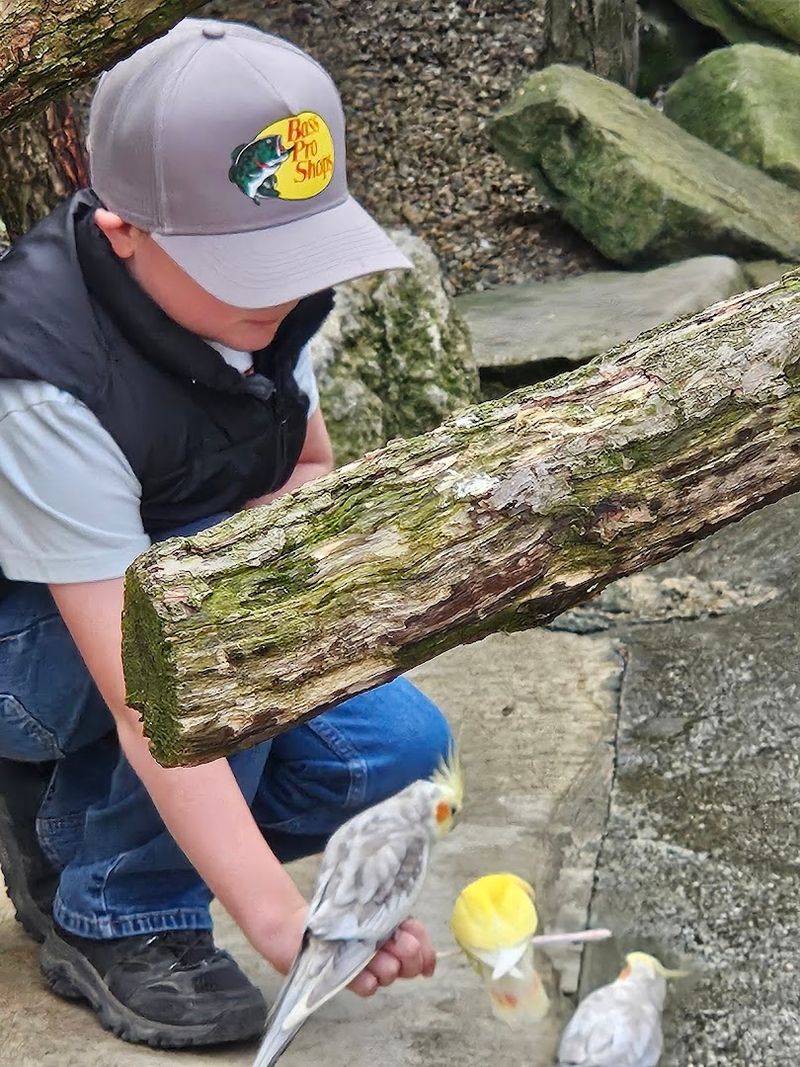
If you are visiting with younger kids, this is the kind of place that keeps the day feeling easy instead of overwhelming. The paths are manageable, the animal areas feel close, and so many encounters happen right at a child’s eye level.
That matters when attention spans are short and the best moments come from feeling included.
Instead of leaving with a blur of cages and signs, kids usually latch onto one animal, one feeding moment, or one funny reaction. You can picture the retelling already on the ride home.
That personal connection is exactly why families tend to remember this park so vividly.
The Petting Zoo Is the Soft-Spoken Favorite
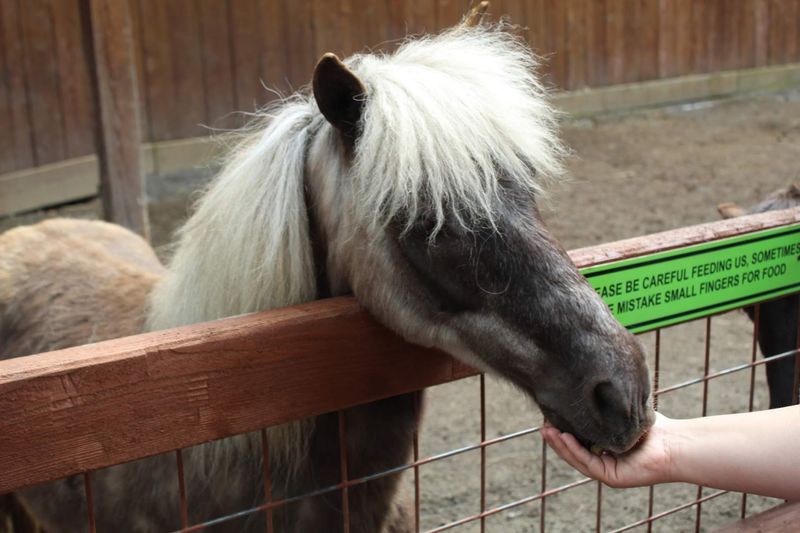
Within the larger park, the petting zoo area feels like a quieter chapter in the day. It is the place to pause, linger, and let smaller children build confidence around gentler animals without feeling rushed by crowds or distracted by bigger exhibits.
If the camel feeding is the thrilling headline, this section is the softer afterglow where the day settles into something calm and affectionate.
Visitors often mention this area because it delivers exactly what families hope a petting zone will be: accessible, relaxed, and full of small interactions that can stretch pleasantly beyond your original schedule. Depending on the day, you may find baby goats, deer, miniature horses, llamas, and other animals that make close contact feel easy and low pressure.
It is the kind of setting where children stop performing excitement and simply get absorbed in it. That difference matters, because genuine engagement looks less like running from pen to pen and more like staying in one spot, hand outstretched, completely content to make the same animal friend three times in a row.
The Countryside Changes the Mood
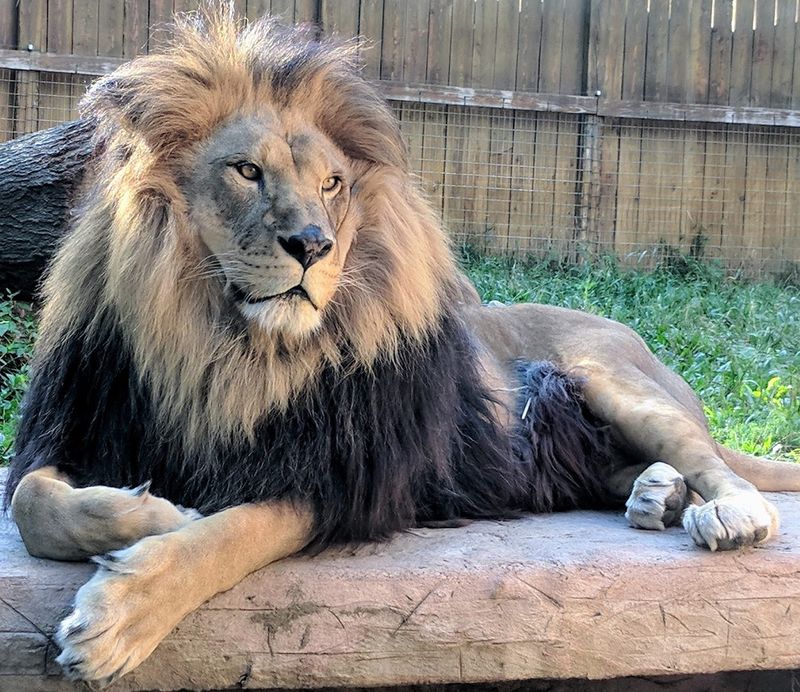
Part of what makes this park memorable has nothing to do with signage or novelty. It sits in western Pennsylvania’s rolling countryside, and that rural setting gives the visit an open, breathable quality that feels very different from a city zoo wrapped in traffic, concrete, and noise.
On a clear day, the sky, trees, and gentle terrain become part of the experience instead of just background scenery.
That backdrop supports the park’s whole personality. Animal sounds travel across the grounds, the pace feels less compressed, and even a simple bench break can feel like a pause in the country rather than a recovery stop between giant exhibits.
I think this setting helps visitors stay present, because there is less sensory clutter competing for attention. You are free to notice details, like how a path curves toward another enclosure or how quickly kids quiet down when they are actually watching instead of hurrying.
The landscape does not try to steal the show, but it quietly improves everything, making the park feel both interactive and pleasantly unhurried at the same time.
What to Know Before You Go
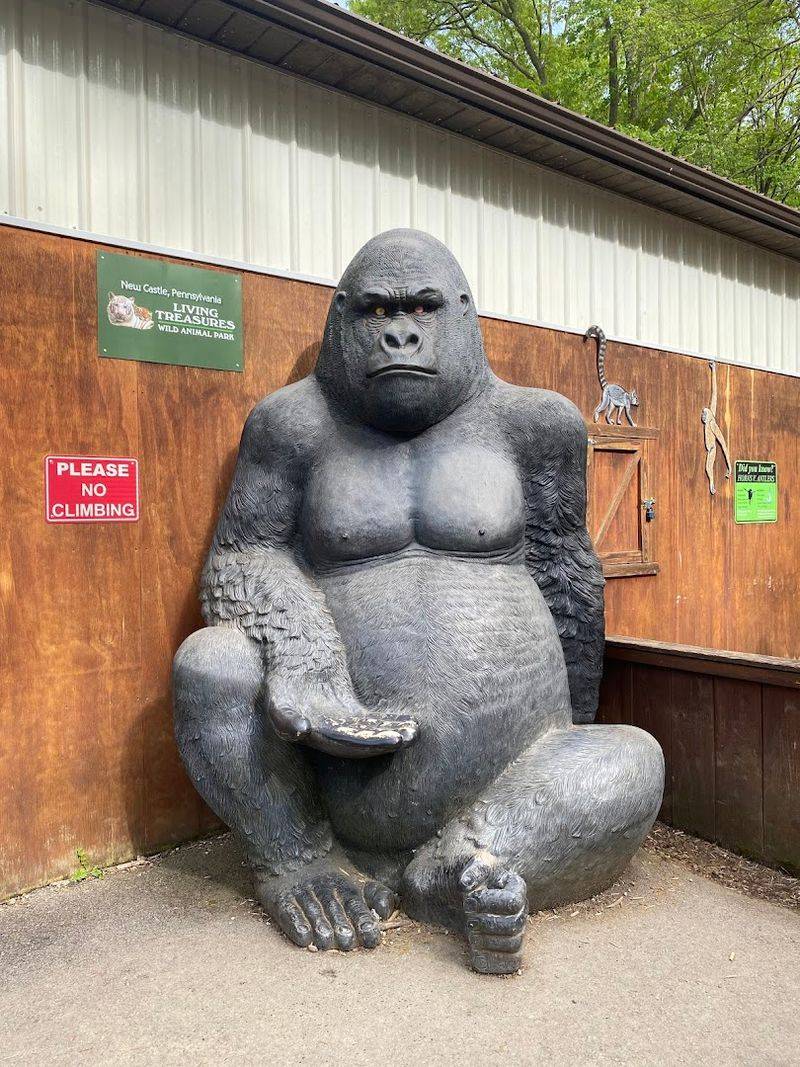
A little planning goes a long way here, especially because Living Treasures Wild Animal Park operates seasonally and hours can vary. Current listed hours show the New Castle park open Friday through Sunday from 10 AM to 6 PM, but checking the official website before you leave is the smartest move.
Weather, season, and special schedules can change your timing, and it is easier to confirm details than to gamble on a road trip.
Comfortable shoes are worth it because the grounds are easy to explore but still best enjoyed at a slow walking pace. Bringing a little cash for animal feed is useful, though cards are accepted in places like the gift shop and concession area, and only park-provided food is allowed for feeding.
I would also plan for more time than you first expect, because this is not a place most people rush through once animals start approaching the fences. If you arrive right when it opens, you may catch both lighter crowds and more eager animals, which is a combination many returning visitors specifically recommend.
Why It Feels Different From a Traditional Zoo
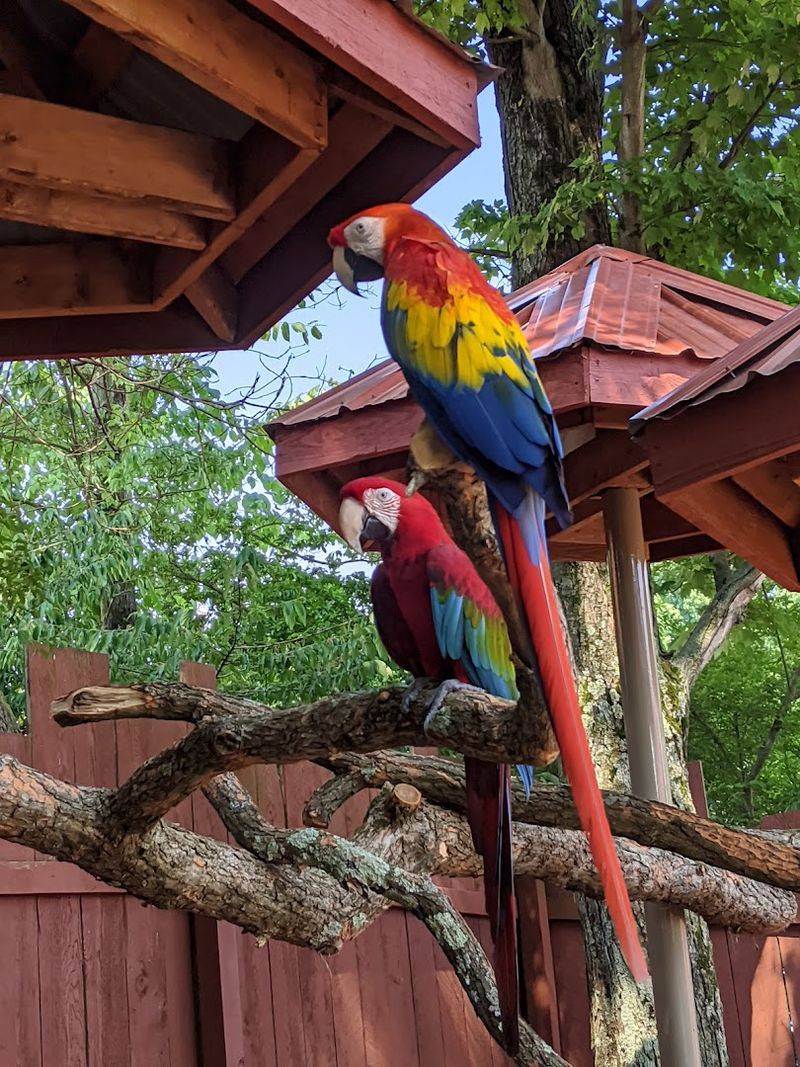
The easiest way to describe Living Treasures is this: at most zoos, you observe, but here, you participate. That difference shapes everything from your pace to your attention span, because you are not simply moving from one viewing platform to the next hoping for a good angle.
You are waiting for an animal to come close, buying feed, talking to kids about what they just touched, and staying engaged in a much more physical way.
The smaller scale helps too. There are shorter walks between animal encounters, fewer moments where energy drops, and more opportunities for kids to stay interested without needing a constant stream of distractions.
For adults, the payoff is that the day feels full without becoming exhausting. You leave with specific memories instead of a blur of habitats and crowds, and that is a surprisingly big distinction.
The park may not aim for the size or spectacle of a major metropolitan zoo, but it succeeds by doing something many bigger institutions cannot easily offer, which is making you feel directly involved in what you came to see.
A Day Trip That Earns the Drive

For a destination that is not constantly hyped, Living Treasures makes a convincing case for getting in the car. New Castle is roughly an hour from Pittsburgh and about one hour and fifty minutes from Cleveland, which puts the park comfortably within day-trip range for a lot of people looking for something more memorable than the usual lunch-and-shopping routine.
Once you factor in the hands-on animal encounters, the drive starts to feel less like effort and more like the price of admission to a genuinely different kind of outing.
What makes the trip worthwhile is not just the species count or the family-friendly layout. It is the way the park turns small moments into lasting stories, whether that means a child feeding deer for the first time or an adult laughing nervously before offering food to a camel.
The setting, accessibility, and interactive design all work together to create the kind of place people return to, not because it is flashy, but because it feels personal. Sometimes that is exactly what makes an attraction stand out long after the drive home is over.