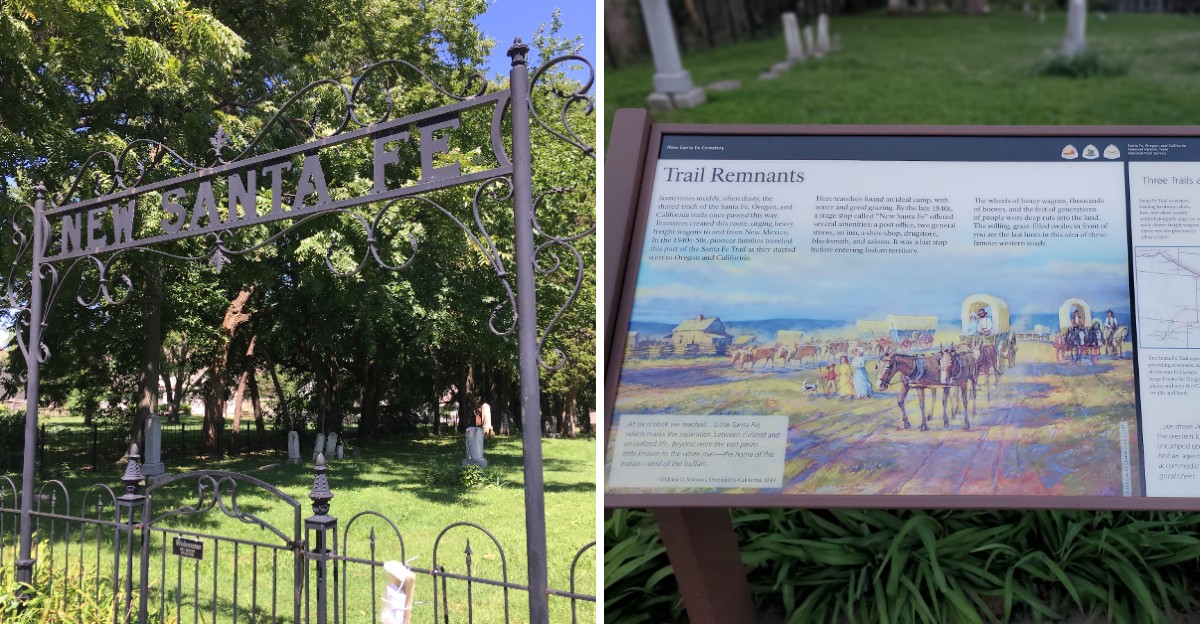
Wagon wheels carved grooves into a patch of ground here, and you can still see them today. Those shallow dips run right past old headstones in a small, quiet burial ground.
The grooves belong to not one but three famous pioneer routes. The Santa Fe, Oregon, and California trails all shared this stretch of Missouri soil before splitting off toward the West.
I like how history here does not sit behind glass. It sits in the grass, under the trees, right where travelers once rolled through with everything they owned.
I can’t imagine a better way to show grandkids what the trail days really looked like. A textbook can tell the story.
This place lets you stand inside it. So how did a little cemetery end up guarding tracks that wagon trains left behind so long ago?
A Small Burial Ground With a National Park Service Spotlight
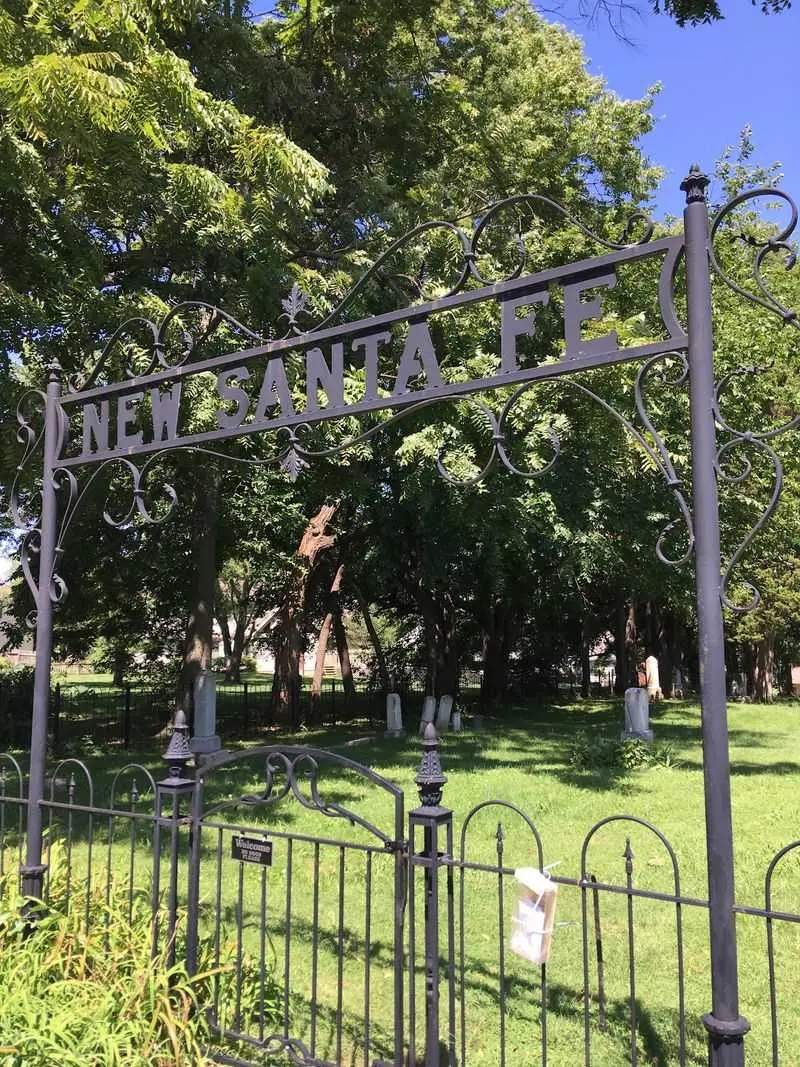
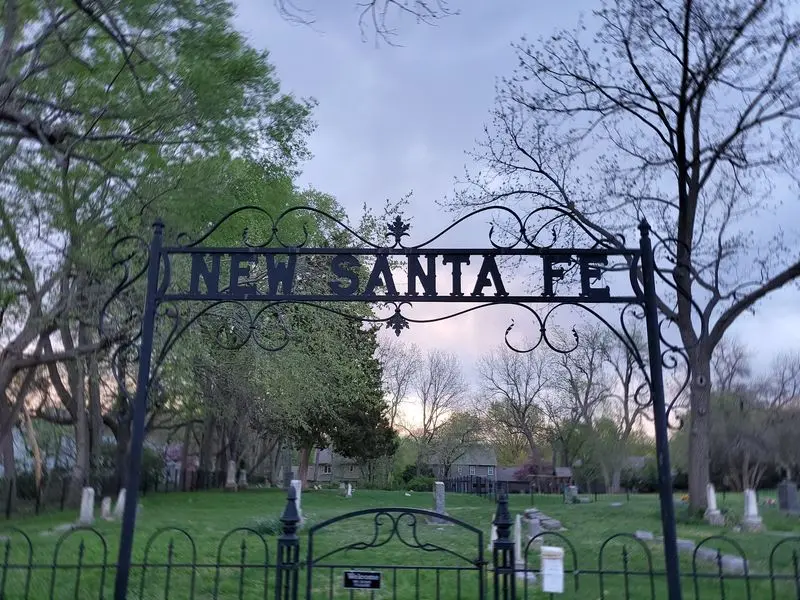
Plenty of cemeteries hold local history, but few earn a page from the National Park Service. New Santa Fe Cemetery does, and that alone tells you something unusual is going on here.
The site sits in the far southern part of Kansas City, Missouri, close to the Kansas state line. It is a quiet spot, and a grassy one, with old stones scattered under the trees.
The big draw is not a monument or a museum building. It’s the ground itself, which still shows swales left by wagons on the historic pioneer trails.
The National Park Service lists the site under the name New Santa Fe Cemetery and Trail Ruts. That pairing says it all, since the burial ground and the ruts share the same patch of land.
You won’t find a gift shop or a ticket booth in the data available for this stop. What you will find is one of the more personal trail sites in the region.
For families who love Missouri history, it makes a fine first chapter. Bring curiosity, comfortable shoes, and a little patience for reading the land, and the rest of the story starts to unfold.
The Vanished Town That Gave the Cemetery Its Name
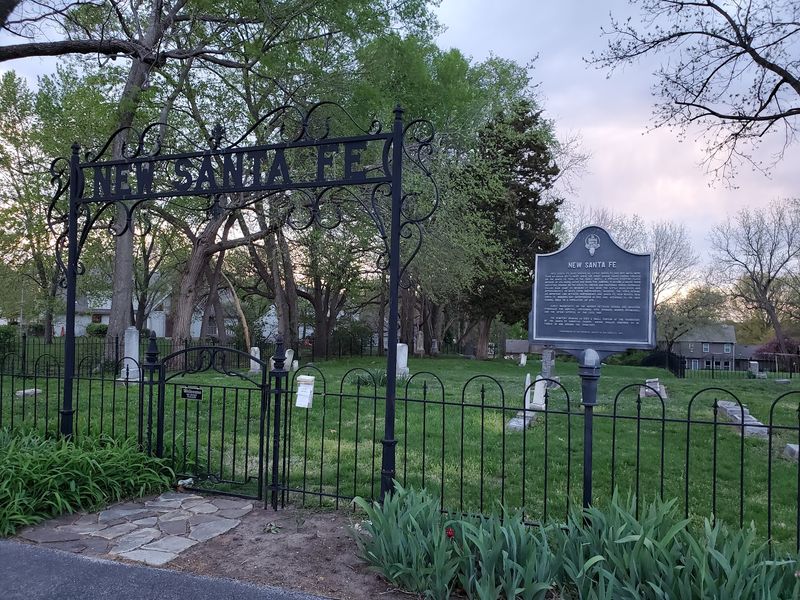
Here’s a funny twist: the town of New Santa Fe is basically gone. Only its cemetery stuck around to carry the name forward.
New Santa Fe reportedly grew up in the mid-1800s as a small settlement near the edge of Missouri. It stood close to where travelers left the state and headed onto the open plains.
That location made it a natural stopping point for wagon traffic. Folks could pick up last-minute supplies before rolling west into country with far fewer stores.
Over the years, the little town faded away as the trail era ended and the region changed. The cemetery remained, a quiet marker of a community that once hummed with traffic.
I believe that’s part of what makes the place so touching. You’re standing at a spot that used to be busy, and now only the stones and ruts remember it.
It’s a good reminder that Kansas City’s sprawling southern edge was once frontier country. Long before highways and subdivisions, this was where Missouri ended and the long trip west really began.
Pretty remarkable for a corner most people simply drive past.
Three Famous Trails Sharing One Stretch of Dirt
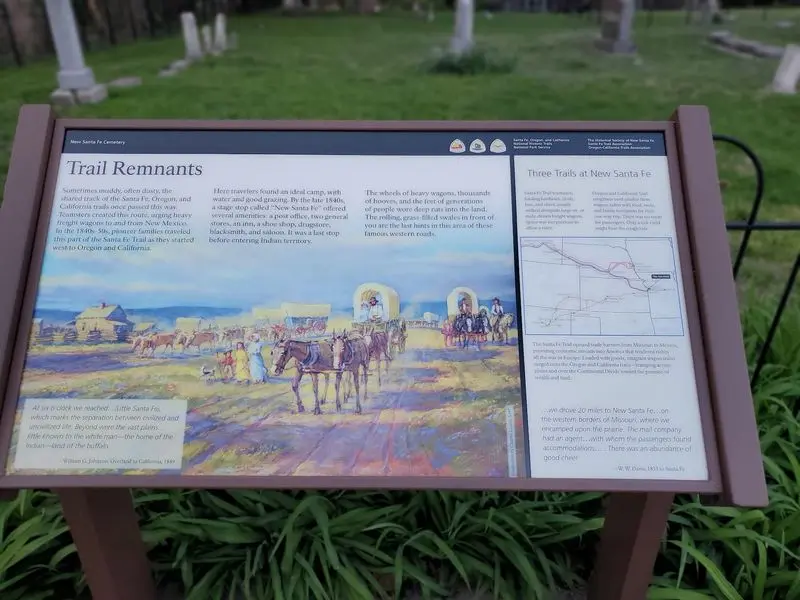
One trail would be impressive enough. Three trails crossing the same ground feels almost greedy, in the best possible way.
The Santa Fe Trail led traders southwest toward New Mexico. The Oregon and California trails carried emigrants toward the Pacific, and early on they shared a path with Santa Fe traffic.
Around this part of Kansas City, those routes ran together before splitting farther west. So the wagons rolling past New Santa Fe Cemetery could have been bound for very different futures.
Some carried trade goods. Others carried families hoping to start fresh on a farm or in the gold fields of California.
That overlap is why the site matters to the National Park Service. It connects to several national historic trails at once, which is a rare bonus for one modest piece of ground.
For kids, this is a great chance to pull up a map and trace the routes. Point to where they split, then point back to the spot beneath your feet.
Suddenly geography class has a real place attached to it. And it’s right here in Missouri, no plane ticket required.
Reading the Swales Takes a Sharp Eye
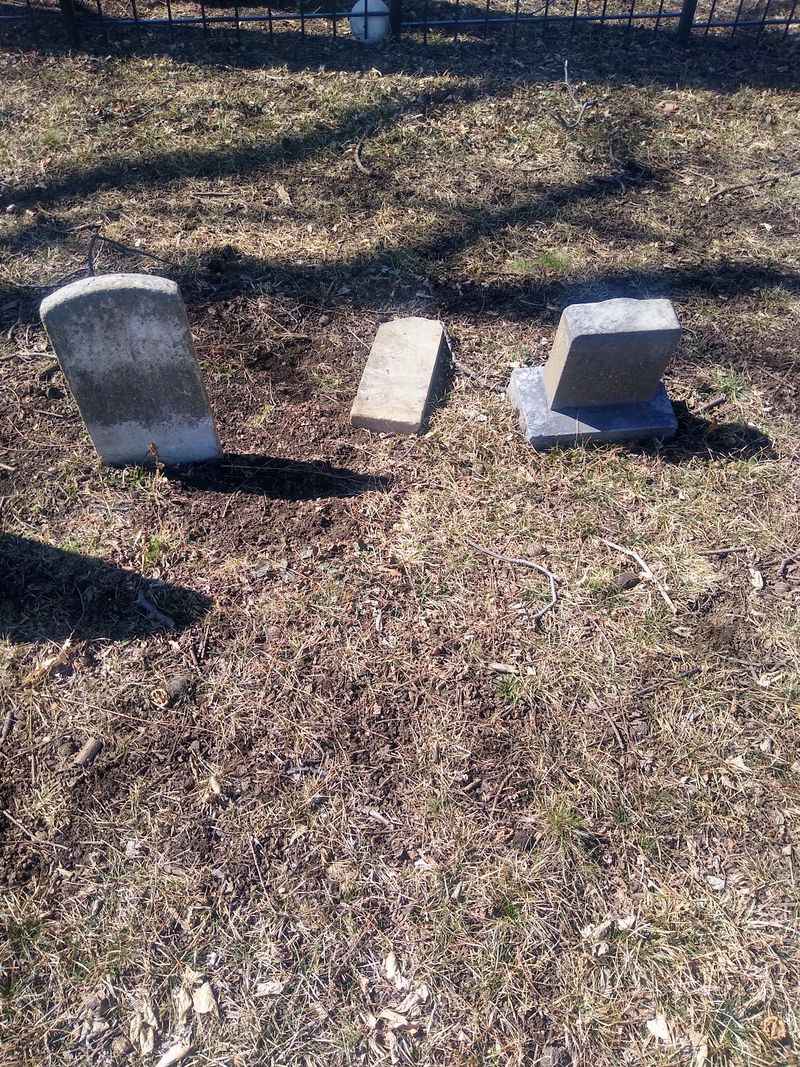
Don’t expect deep canyons carved by wagon wheels. Trail ruts here are usually called swales, which are gentle, shallow depressions running across the grass.
They can be subtle, so slow down and look at the shape of the land. Low light in the morning or late afternoon may help the dips stand out.
Thousands of wheels, hooves, and boots pressed this ground over many seasons. Rain then washed the loose soil, and the grooves slowly widened into what remains today.
That’s the magic of a swale. It is a record written by traffic, not by a historian with a pen.
Bring a phone camera and try shooting low to the ground. Angles near grass level often show the dips better than a standing photo.
Kids may enjoy playing detective here. Ask them to find where the ground sinks and guess which way the wagons rolled.
Please stay respectful while exploring, since this is still a burial ground. Walking gently and staying off graves keeps the visit kind for everyone.
The ruts have survived this long, and a little care helps them stay put for the next generation.
Headstones That Keep the Old Community Close
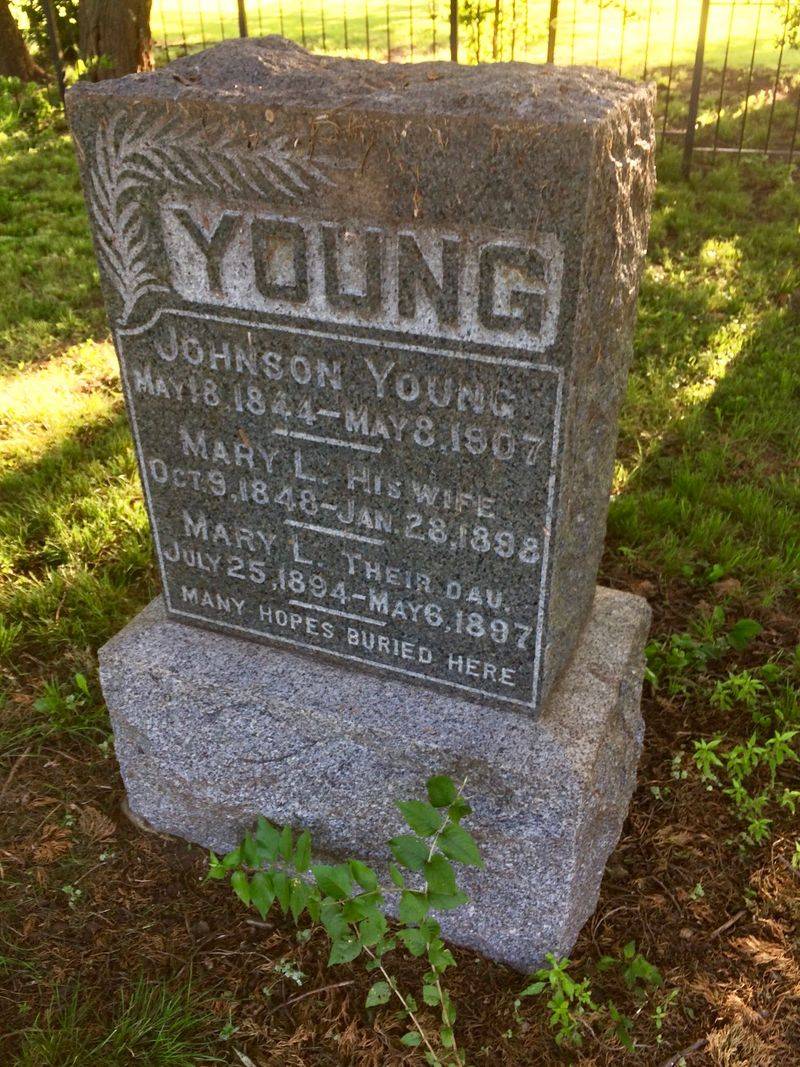
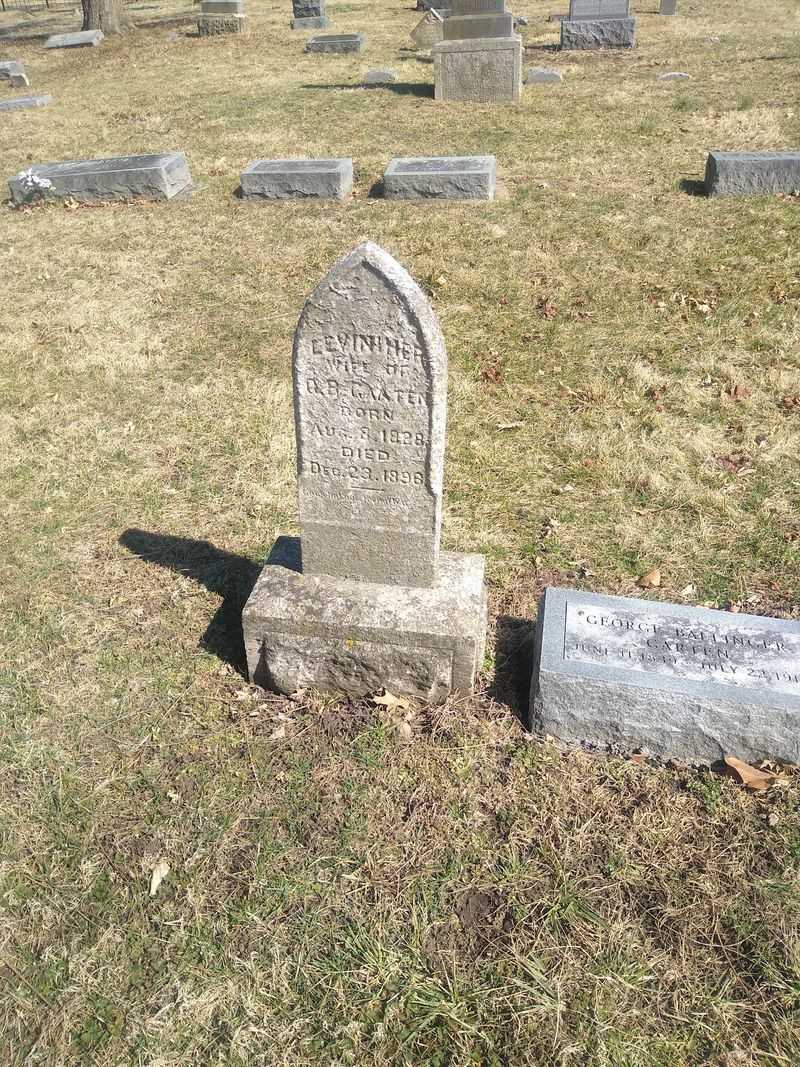
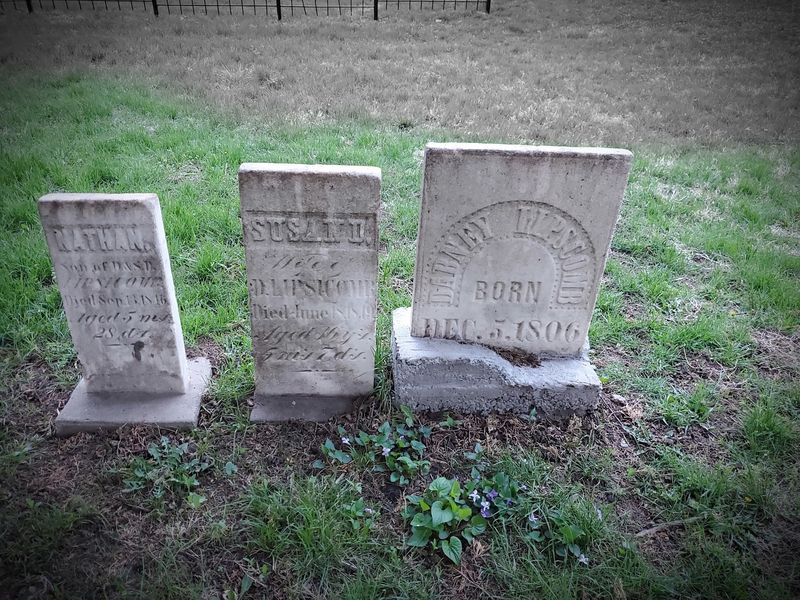
Old stones have a way of making history feel personal. At New Santa Fe Cemetery, the markers remind you that real families once called this area home.
The burial ground served the old New Santa Fe community. That means the names here belong to people who lived alongside the steady flow of trail traffic.
We don’t have a full list of who rests here, so I won’t pretend to share one. Still, reading a few weathered stones is a quiet way to connect with the past.
Older stones can be fragile and hard to read. Please avoid rubbing or leaning on them, since gentle viewing protects the markers for future visitors.
One online reviewer called it beautiful and part of our history. That pretty much sums up the mood, which leans peaceful rather than spooky.
Grandparents might enjoy sharing family stories while walking the rows. It’s an easy setting for those slow, meaningful chats about where everyone came from.
And if your family traces roots to early Missouri settlers, this stop may spark a fresh round of genealogy digging. Just be ready for questions on the car ride home.
Peaceful Grounds Made for Slow Wandering
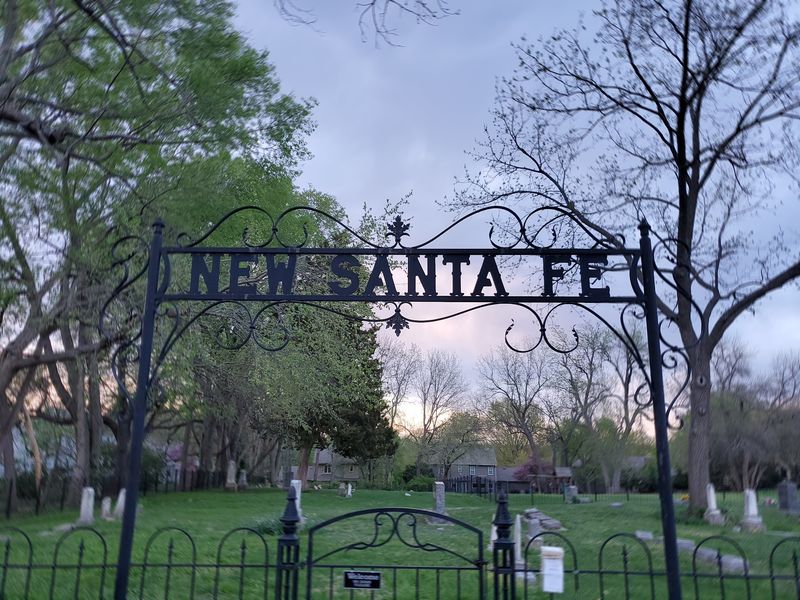
Quiet is the main event here. No loud attractions, no crowds data to report, just grass, trees, and old stones in a calm corner of the city.
That calm makes New Santa Fe Cemetery a nice break from busy days. It’s a spot for reflection, slow steps, and a bit of daydreaming about the wagon era.
Spring and fall feel like natural times to visit. Mild weather makes strolling comfortable, and the trees add a pleasant backdrop either way.
Summer works too, though Kansas City heat can be no joke. Bring water and a hat, since shade may be limited depending on where you wander.
Winter visits might reveal the land’s shape a little better once the grass dies back. Fewer leaves can also open up views across the grounds.
Keep in mind that a cemetery calls for respectful behavior. Soft voices and gentle steps fit the setting best.
Honestly, that quiet is part of the gift. In a world full of noise, standing where pioneers once passed feels grounding in the best sense.
It’s the kind of stop that lingers in your memory long after you leave.
Finding Your Way to the Far South Edge of Kansas City
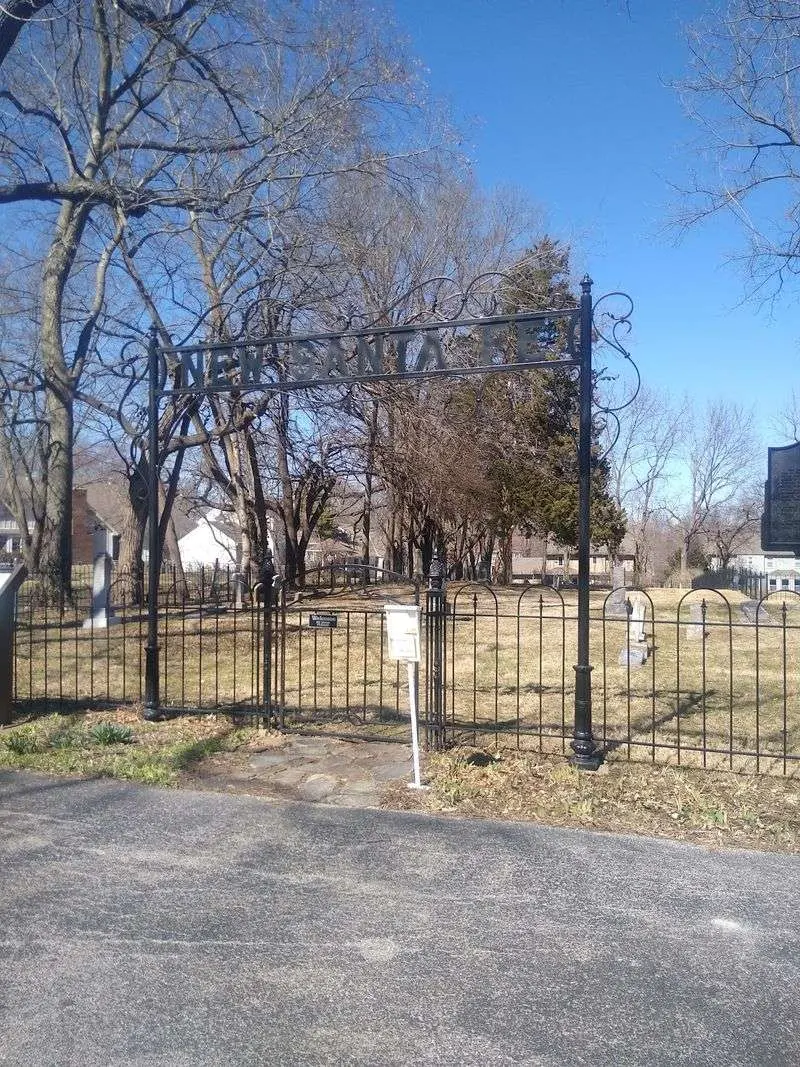
Good news for day-trippers: this pioneer site sits inside Kansas City limits. You won’t need a long rural drive to reach a genuine piece of trail history.
The listed address is Kansas City, MO 64145, United States. That ZIP code covers the far southern part of the city, close to the Kansas border.
Plug the cemetery name into your map app before heading out. The National Park Service page for the site can also help confirm the exact location.
Parking details aren’t covered in the information available, so plan for a quick look around when you arrive. Neighborhood streets in the area may offer options, but respect any posted signs.
Since the site is within the metro, it pairs easily with other errands or outings. Families from Lee’s Summit, Independence, or Liberty can reach it without much fuss.
Travelers from St. Louis, Springfield, or Columbia might build a full Kansas City weekend around trail sites. It’s an easy add-on for any history-loving crew.
Just remember this is a cemetery in a residential part of town. Arrive quietly, keep things tidy, and leave the grounds as peaceful as you found them.
Hours, Costs, and a Few Smart Planning Tips
Planning a visit is simple, though a few details stay unconfirmed. Specific hours and any admission costs aren’t listed in the data I have.
Because of that, check the National Park Service page or local sources before driving over. Small heritage sites can change access rules, so a quick check saves headaches.
Daylight visits make the most sense for a cemetery like this. You’ll also see the swales far better with good natural light.
Restrooms and visitor facilities aren’t mentioned anywhere, so plan accordingly. A stop beforehand is a smart move, especially with little ones in the car.
Wear sturdy shoes, since uneven ground is literally the whole point. Those gentle dips can surprise ankles that aren’t paying attention.
Pack water, sunscreen, and maybe bug spray in warmer months. A small notebook can be fun too, for jotting down names or sketching the land.
Plan on a short stop rather than a full afternoon. Most families will likely spend a relaxed half hour or so, depending on how many stories get told along the way.
That leaves plenty of time for lunch somewhere nearby afterward.
Who Will Love This Stop Most
History buffs, obviously, will be thrilled. Trail ruts plus a vanished town plus a National Park Service listing is pretty much their dream combo.
Grandparents looking for a meaningful outing with grandkids should put this high on the list. It’s short, low-cost in effort, and loaded with story potential.
Homeschool families can turn the visit into a hands-on lesson. Maps, pioneer diaries, and a walk along the swales make the trail era feel real.
Photographers might enjoy the challenge of capturing such subtle landforms. Old stones and trees add texture to the frame as well.
Genealogy fans could find the stop interesting too, especially with roots in early Missouri. Even without a family link, the old names spark curiosity.
Who might be less excited? Folks expecting big exhibits or interactive displays may feel the site is too quiet.
That’s okay, because this place rewards imagination more than spectacle. If your crew can picture oxen, canvas tops, and dusty travelers, they’ll have a blast.
A little prep reading at home can make the visit even richer for everyone in the car.
A Humble Stop That Earns Its Place on Your Missouri List
Sometimes the best history lessons come without a single plaque shouting at you. New Santa Fe Cemetery proves that with grass, stones, and a few gentle dips in the ground.
Three pioneer trails rolled through here once. Today their traces still cross a burial ground that outlasted the very town it served.
That’s a story worth sharing with the whole family. It’s also one you can reach without leaving Kansas City or spending a fortune on tickets.
I love that a place this modest holds so much meaning. It ties ordinary Missouri soil to one of the biggest movements in American history.
Go with realistic expectations and a respectful heart. Confirm access details before driving, and give yourself time to really look at the land.
Then stand still for a moment and picture the creak of wagon wheels heading west. Not bad for a quiet patch of ground on the city’s southern edge.
Send this one to the trail-loving relative in your family. They’ll thank you, and you might just end up riding along on their next history road trip.