A former TWA pilot who says he was the youngest pilot the airline ever hired might be the one showing you around. That’s the kind of tour guide waiting at this aviation museum.
The volunteers here once worked for the airline itself. Machinists, hostesses, and pilots now share their own stories with visitors.
Part of the tour even runs through a live aircraft hangar, so a guide walks with you for safety.
I like how personal it all feels. You can climb into real planes, sit in a cockpit, and try a flight simulator with a little help.
Kids get a small gift, too.
Missouri has plenty of museums, but few let you board a plane with someone who flew them. I can’t imagine a better way to hear airline history.
So where exactly is this place hiding?
An Airport Hangar Where TWA History Still Lives
Real runways sit just outside the door. The TWA Museum shares a building with Signature Aviation at Charles B.
Wheeler Downtown Airport in Kansas City, Missouri.
That setting matters more than you might expect. Planes still come and go nearby, which gives the whole visit a working-airport feel.
Trans World Airlines got its start in Kansas City back in the 1920s. Bringing its story home to this airport feels fitting, like a family album returned to the old house.
The museum is small, and nobody pretends otherwise. Still, it packs a lot into its rooms and hangar space.
You’ll find model planes, real aircraft, cockpits, uniforms, and plenty of memorabilia. The collection covers the airline from its early days through its later years.
For Missouri families who remember TWA’s red-striped jets, the place carries plenty of nostalgia. For younger visitors, it’s a fun crash course in how air travel used to look.
A volunteer team keeps everything running. Many of them spent their careers with the airline, and that shows in every story they tell.
The building lets you step right up to aircraft history. It’s an easy pick for a half-day outing near downtown KC.
Tour Guides Who Actually Wore The Wings
Nelson flew the Pope. Larry worked as a TWA machinist, and Judy served as a hostess.
Those are just a few of the volunteers you might meet at the TWA Museum. Visitors regularly mention guides like Jim, Ken, Jerry, Chris, and Eric by name.
That’s what makes a guided visit here so different. Instead of reading plaques, you hear firsthand memories from people who lived the airline life.
One retired hostess turned tour guide helped a busy journalist with a shortened tour. Another pair of retired staffers in their late 80s led a full tour with obvious pride.
Guided tours are part of the experience here, and one visitor noted it did not cost extra. The hangar section is an active space, so having a guide along keeps everyone safe.
A full tour usually runs about an hour to an hour and a half. If you’re short on time, volunteers have offered quicker versions.
I believe this is the museum’s real treasure. Artifacts are wonderful, but stories from the people who flew them bring the whole collection alive.
Climbing Aboard Real Planes In The Hangar
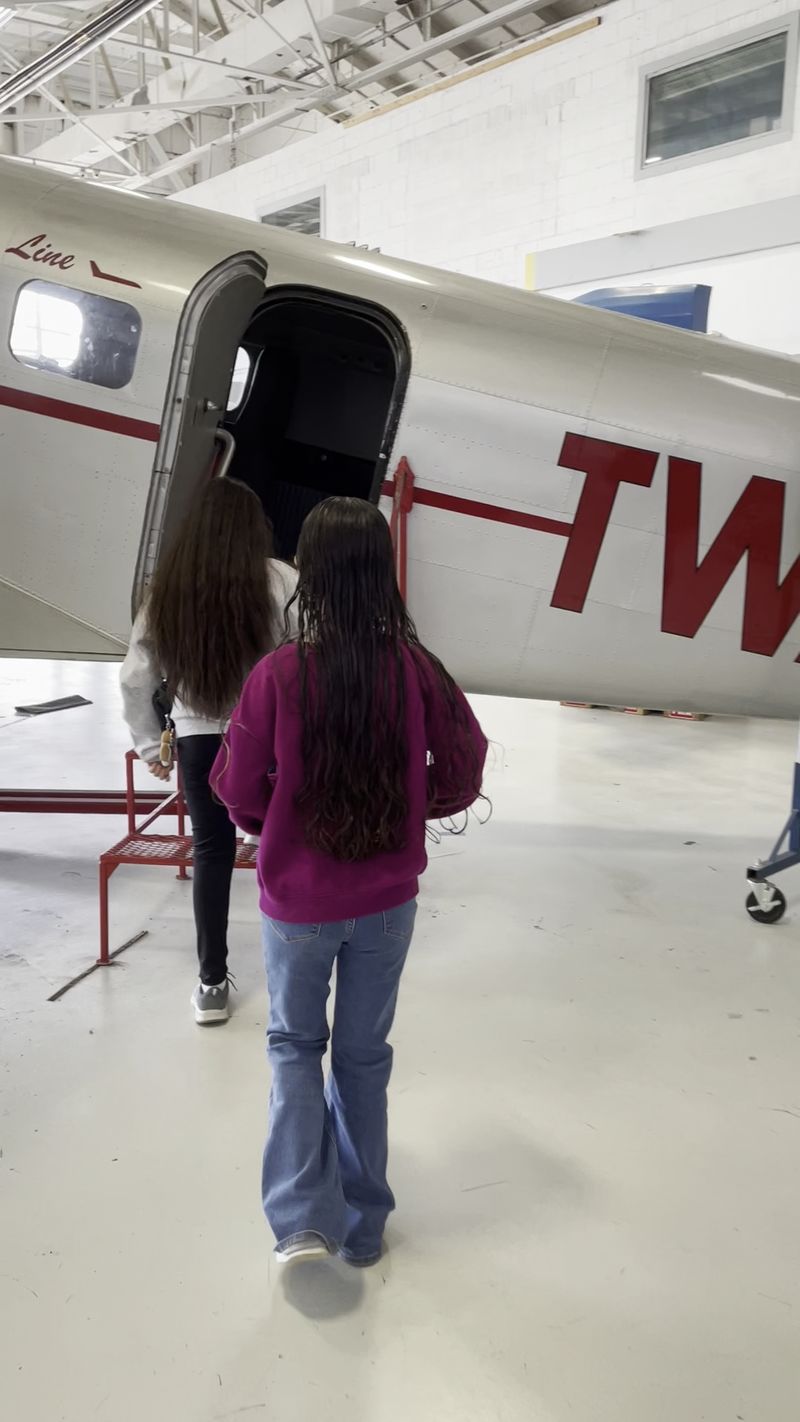
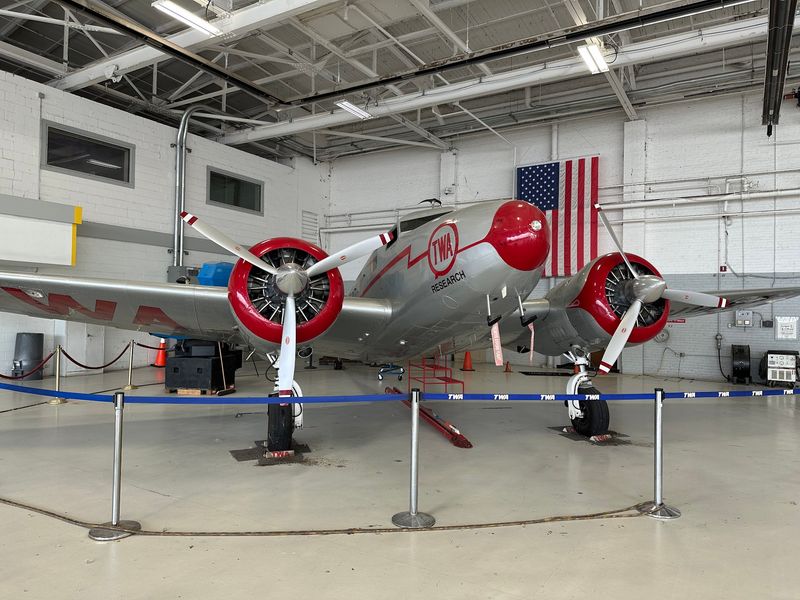
Here’s the part most folks remember on the drive home. You get to go inside actual aircraft.
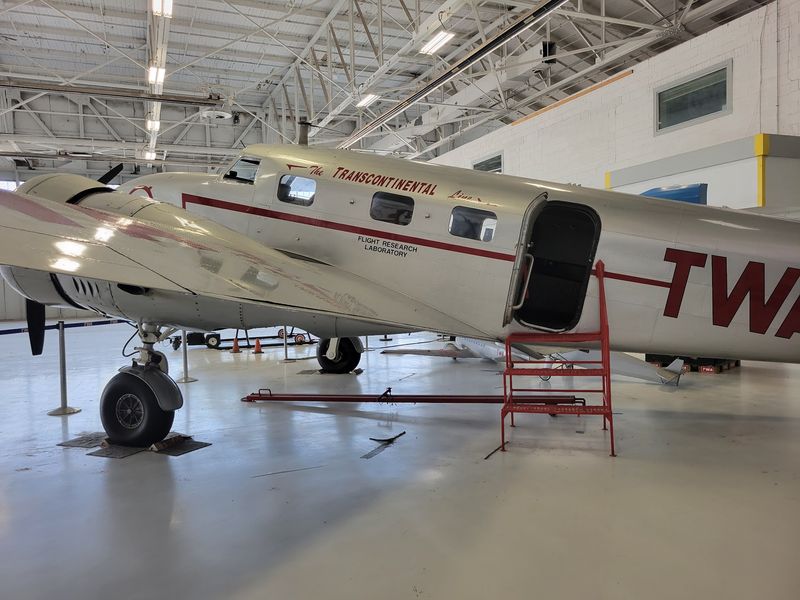
The attached hangar holds planes and even helicopters. One standout is a 1939 aircraft, and visitors can board a TWA plane there.
Sitting in the pilot’s seat is a favorite photo stop. Grandkids will want a picture, and honestly, so will grandpa.
Before heading out, volunteers explain a few basic ground rules. Those rules are also posted on a sign near the hangar entrance.
Remember, this is a working hangar. That’s why guides lead the way instead of letting everyone roam freely.
Walking among full-size airliners changes how you see old air travel. The cabins, controls, and shapes look very different up close than in photos.
If you’re visiting with little ones, the hangar tends to steal the show. Families with toddlers have described having a great time out there.
Ask a volunteer about the hangar if your group isn’t automatically headed that way. They’re happy to show you around.
It’s hands-on history at its best. Few Missouri museums let you sit where the captain sat.
Flight Simulators That Spark Little Pilots
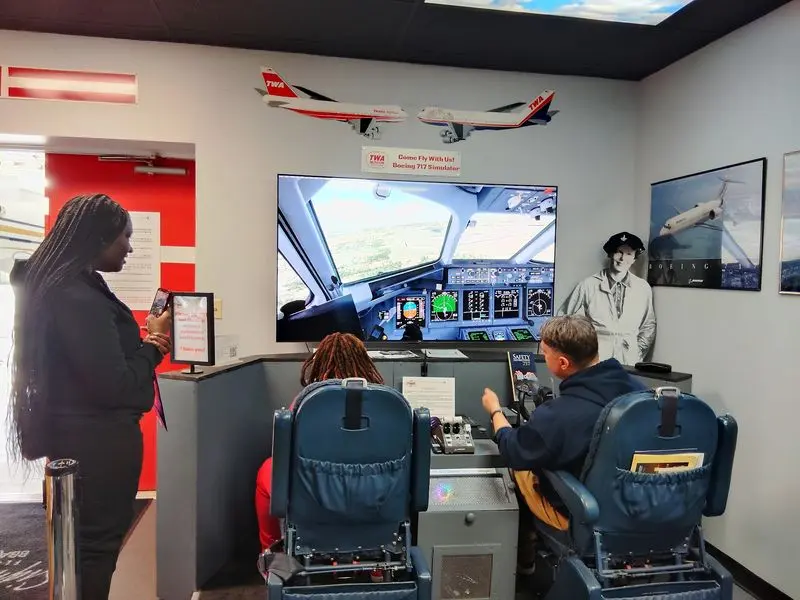
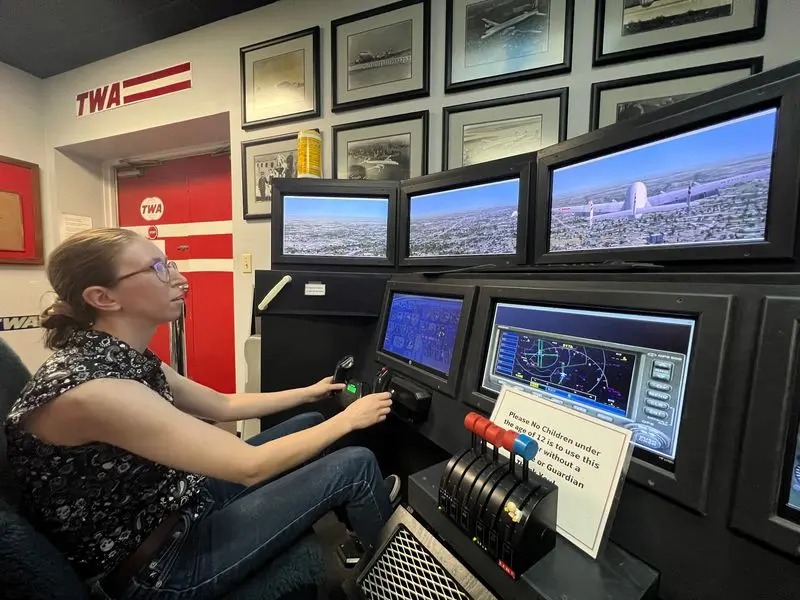
Two flight simulators wait inside, and they’re not just for show. With help from a volunteer, visitors can give them a try.
Training equipment here includes 707 simulators, along with several training cockpits. It’s a peek into how pilots once learned their craft.
Kids especially love this stop. One family called the wait long but worth it, so plan a little patience.
Please don’t jump in on your own, though. The simulators should only be used with a volunteer’s help.
Watching others take a turn is fun too. It shows how interactive this museum really is.
For an aviation-crazy child, this could be the highlight of the year. Some families say they learn something new on every visit.
The cockpit mock-ups and vintage instrument displays add even more to explore. All those dials and switches look like a puzzle from another era.
Grandparents might enjoy explaining how flying used to feel. Younger visitors might simply enjoy pretending to land in Kansas City.
Either way, it’s a memorable stop. Who knows, it might spark a future pilot in the family.
Uniforms, Fine China, And Howard Hughes Ties
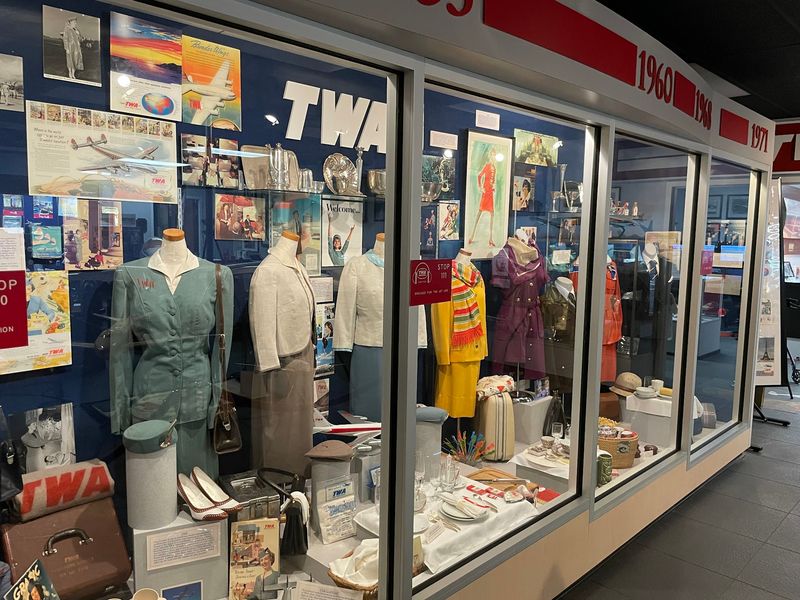
Remember when flying meant dressing up? The displays here bring that era right back.
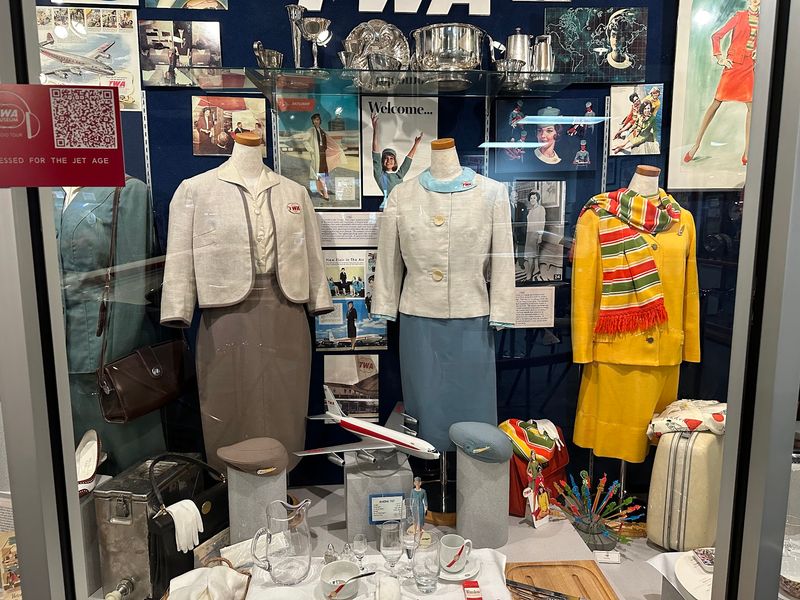
Vintage flight attendant uniforms line the exhibits at the TWA Museum. You’ll also see the fancy china once served on flights.
Miniature TWA planes show off the airline’s classic designs. Photos and memorabilia fill in the rest of the story.
Then there’s Howard Hughes. The famous businessman owned TWA during the 1950s and 1960s, and his era gets plenty of attention.
The exhibits run from the airline’s earliest days through its later years. TWA was acquired by American Airlines, so this collection preserves a chapter that’s now closed.
Visitors describe the artifacts as well curated and original. That’s high praise for a volunteer-run space.
For anyone who grew up in a TWA family, these rooms can feel like a reunion. For everyone else, they’re a charming look at airline style.
Take your time here. Each case holds a little piece of how Americans used to travel.
Bring someone who flew back then. They’ll probably have a story for every uniform.
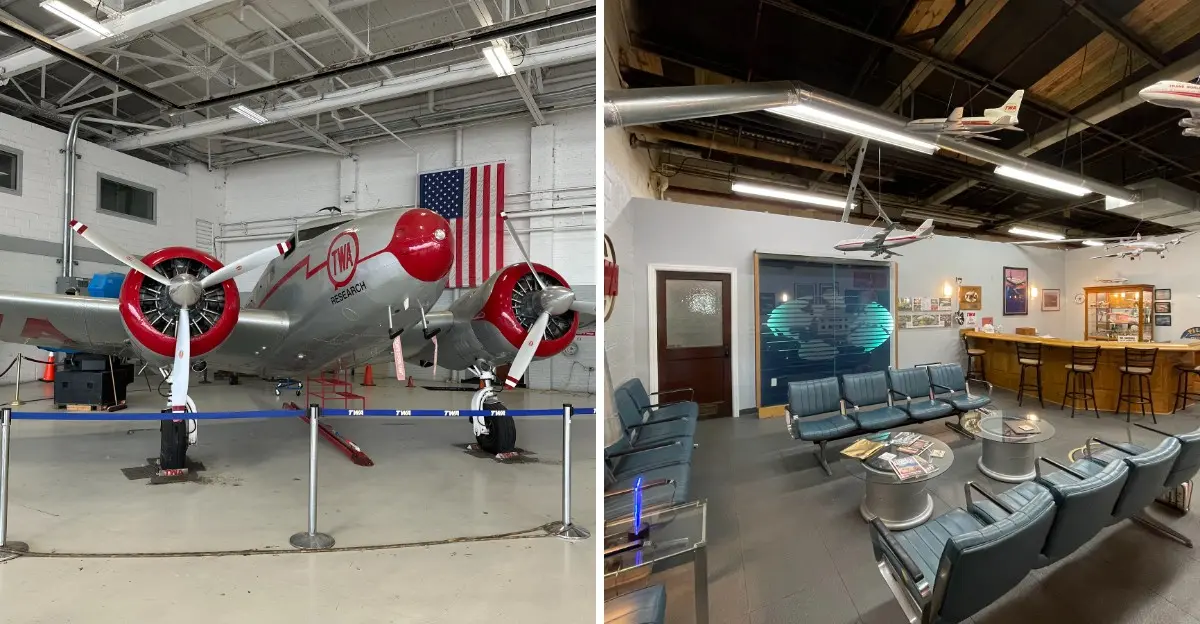
A Lounge Straight Out Of The Jet Age
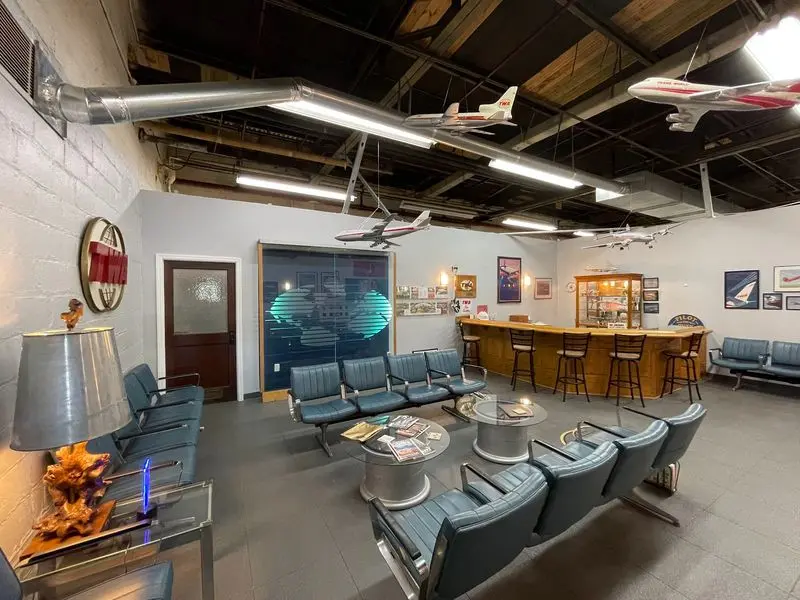
Fancy airport lounges aren’t new. TWA had its Ambassadors Club long before today’s premium lounges.
The museum includes a room set up as a replica of one of those lounges. It reportedly includes furniture believed to come from Howard Hughes’ office.
Memorabilia fills the space from wall to wall. It gives you a sense of how special frequent flyers once felt.
This room appeals to anyone who loves mid-century style. The look feels like a scene from an old movie.
It also offers a nice breather during the tour. You can soak in the details while a guide shares the backstory.
Grandparents may recognize the style from their own travels. Kids might just wonder why airports ever looked this fancy.
I like how the room shows a softer side of airline history. It’s not only about engines and cockpits.
Hospitality was a big part of TWA’s story. This replica captures that spirit nicely.
Snap a few photos before moving on. It’s one of the museum’s more unexpected corners.
Birthday Parties Served On A Real Plane
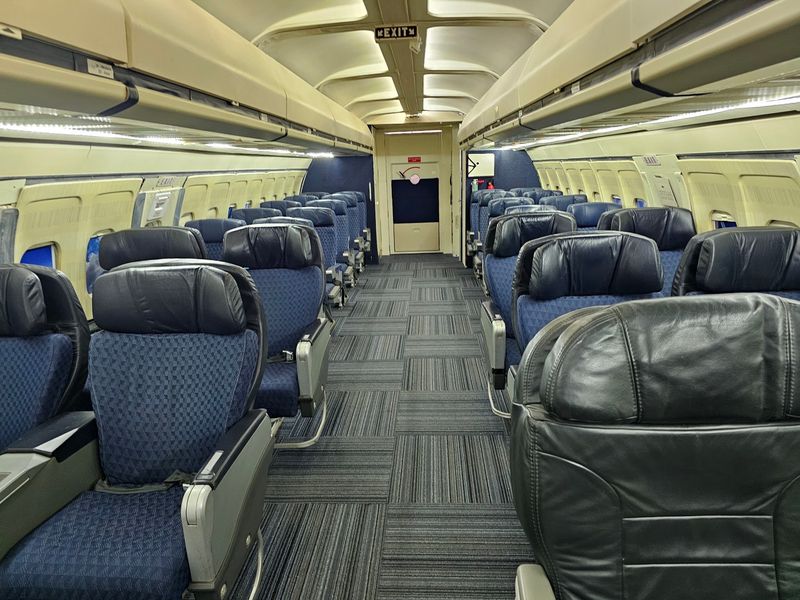
Cake at a pizza place feels pretty tame after this. The museum hosts birthday parties on board a plane.
One family celebrated a son’s tenth birthday here. The kids practiced on the flight simulator, ate dinner aboard a real plane, and toured the museum.
Former crew members even played flight attendants for the party. Talk about authentic service.
If that sounds fun, just call the museum and ask about it. Details can vary, so it’s smart to check ahead.
Kids also get a little gift during regular visits. It’s a sweet touch that young travelers seem to love.
Families with small children appreciate another perk. Kids ages 1 to 5 get in free, according to one visitor.
This place works well for curious youngsters. It mixes play, history, and real aircraft in one outing.
Plenty of children have started birthdays here with a tour. Some come back again and again.
For aviation-obsessed kids, a birthday here might top every other party. Parents may even get a little jealous.
Who Will Love This Missouri Gem Of Aviation
Aviation buffs are an easy yes. Yet this museum suits a wider crowd than you might think.
Former airline employees travel here from far away. One visitor who once worked TWA’s New York office called it wonderful.
Families with young kids find plenty to enjoy. Toddlers, school-age children, and teens all have something to explore.
Grandparents may get the biggest kick of all. Those uniforms and dishes can bring back memories of early flying.
The museum appears wheelchair accessible in most areas. Some heavy doors and training cockpits may be tougher, though docents help with doors.
Fridays have been described as calm, without a big crowd. That can make the simulators easier to enjoy.
The volunteers bring warmth to every visit. Friendly, kind, and patient are words that come up often.
With a 4.8-star rating from over 400 reviews, folks clearly leave happy. That’s impressive for a small Missouri museum run by volunteers.
Bring someone who loves planes or history. You’ll likely both walk out with new stories to share.
Hours, Parking, And Finding The Front Desk
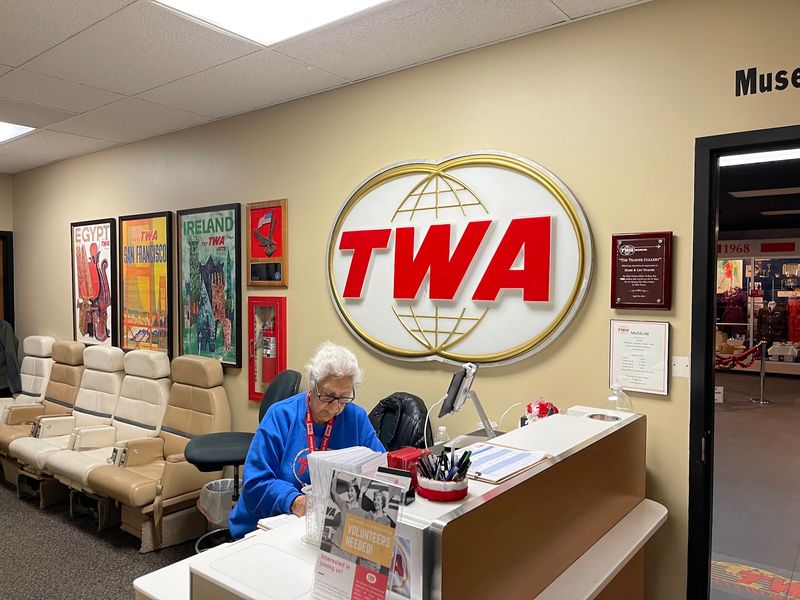
Getting there takes a little know-how. The TWA Museum sits at 10 Richards Rd #110, Kansas City, MO 64116.
Hours run 10 AM to 4 PM, Wednesday through Saturday. It’s closed Sunday, Monday, and Tuesday, so confirm hours before driving.
Arrive before 2:30 PM if you want a guided tour. Plan at least an hour and a half to see everything.
Parking is free. Look for Hangar 2 on your right to enter the lot.
If you pass the TWA Museum sign, you’ve gone too far. That gate stays closed, so use the gate near Hangar 2 before the road circle.
Once inside the building, turn left and follow the hallway. The TWA desk waits down that way.
Admission is reasonably priced, and one visitor called it a steal. Check the museum directly for current rates.
A small gift shop sits near the end of the visit. It sells TWA items that make fun souvenirs.
A little planning goes a long way. Then the only thing left is enjoying the planes.
Why This Trip Earns A Spot On Your Calendar
Some museums preserve objects. This one preserves people’s stories, too.
The TWA Museum blends real aircraft, simulators, and memorabilia with guides who lived the history. That combination is rare anywhere, not just in Missouri.
Kansas City was where TWA began. Seeing its story told here feels like a proud piece of hometown heritage.
The value adds to the appeal. Free parking, included guided tours, and free entry for little ones make it easy on the wallet.
It’s a small place, and that’s part of its charm. You get personal attention instead of crowds and long hallways.
Families keep coming back as their kids grow. Each visit seems to reveal something new.
I believe it’s worth the drive from anywhere in the state. Pair it with a day exploring downtown KC for a full outing.
The volunteers won’t be able to share these memories forever. Hearing them in person feels like a gift.
So round up the grandkids, the aviation fans, and anyone who misses those red TWA jets. Your boarding pass to airline history is waiting.