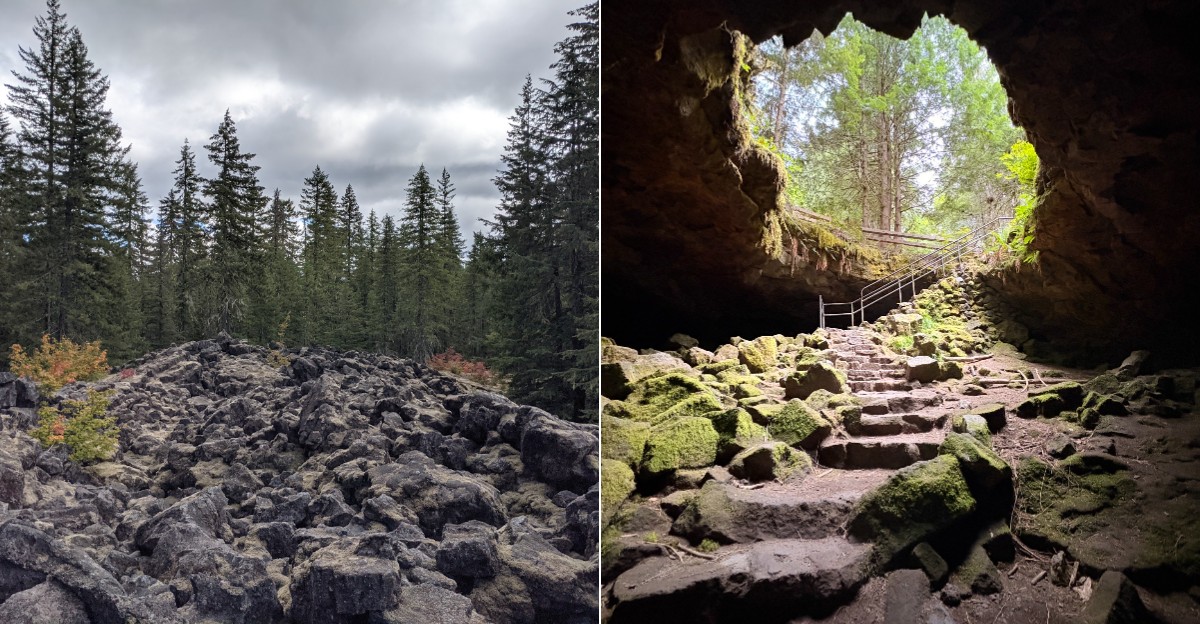
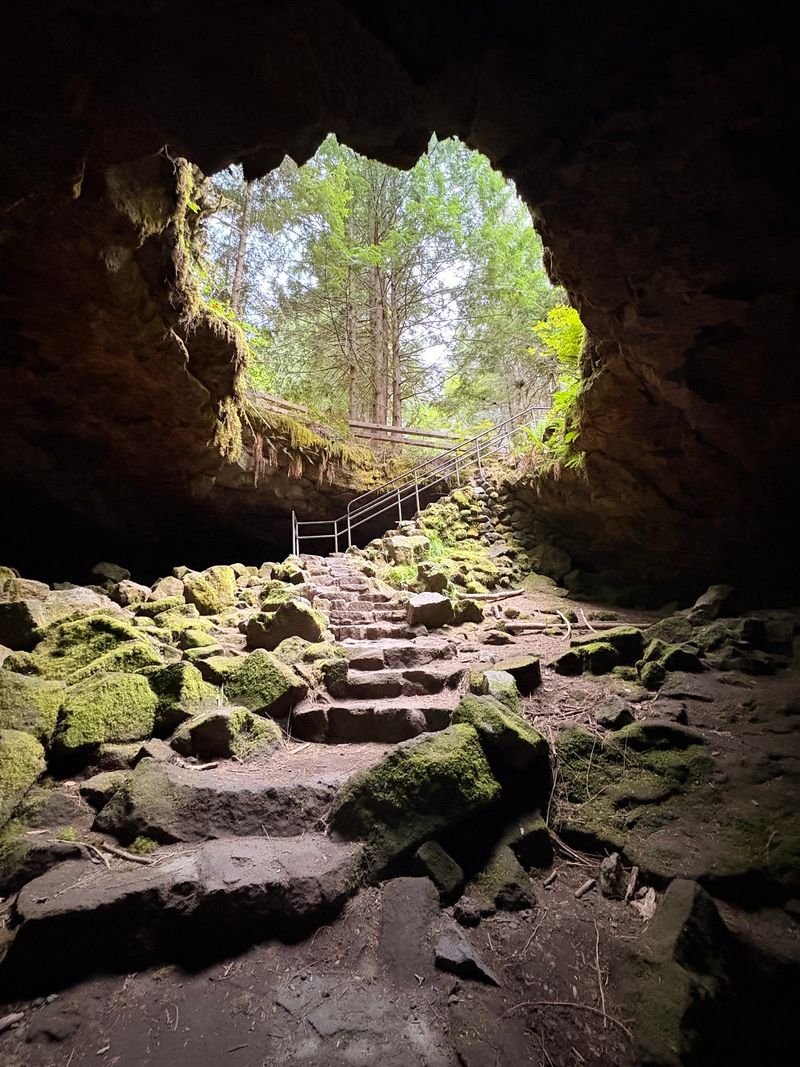
A staircase descends into a volcanic tunnel where sunlight disappears and the temperature stays surprisingly cold.
Beneath the forest floor, ancient lava left behind a remarkable underground passage filled with rugged rock formations.
This unusual Washington adventure takes visitors beneath the slopes of Mount St. Helens, where volcanic activity shaped the landscape thousands of years ago.
I love how the cave offers two different routes, giving families and experienced hikers different ways to explore.
The easier passage features uneven ground and fascinating lava formations, while the more demanding route includes boulder climbs.
Both require dependable lighting, sturdy footwear, and preparation for chilly conditions throughout the year.
Outside, a forested trail connects the cave entrances and adds another dimension to the experience.
Understanding the reservation requirements, seasonal access, and physical challenges helps visitors choose the right adventure before heading underground.
Where the Tunnel Begins
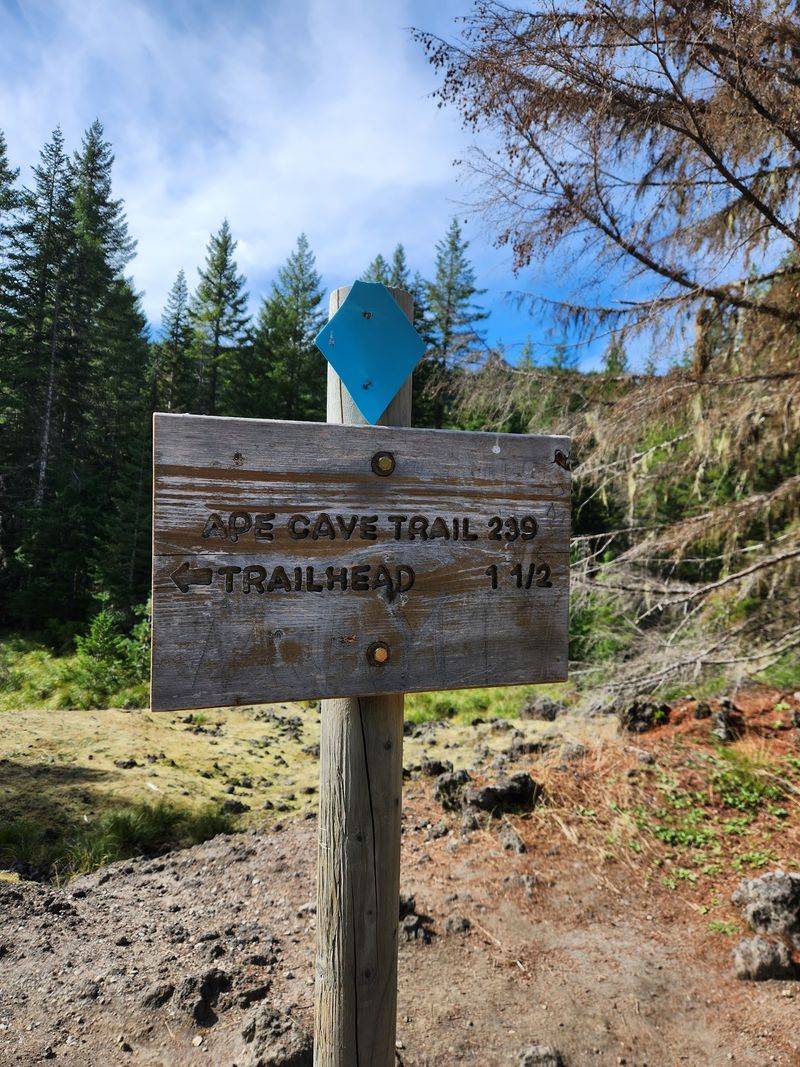
Ape Cave is located on the southern flank of Mount St. Helens within Washington’s Gifford Pinchot National Forest. The lava tube is part of the Mount St. Helens National Volcanic Monument and attracts visitors interested in volcanic geology.
Travelers approaching from the Portland area should allow enough time for the mountain roads and changing conditions. Checking current road access before departure is important, especially outside the main summer season.
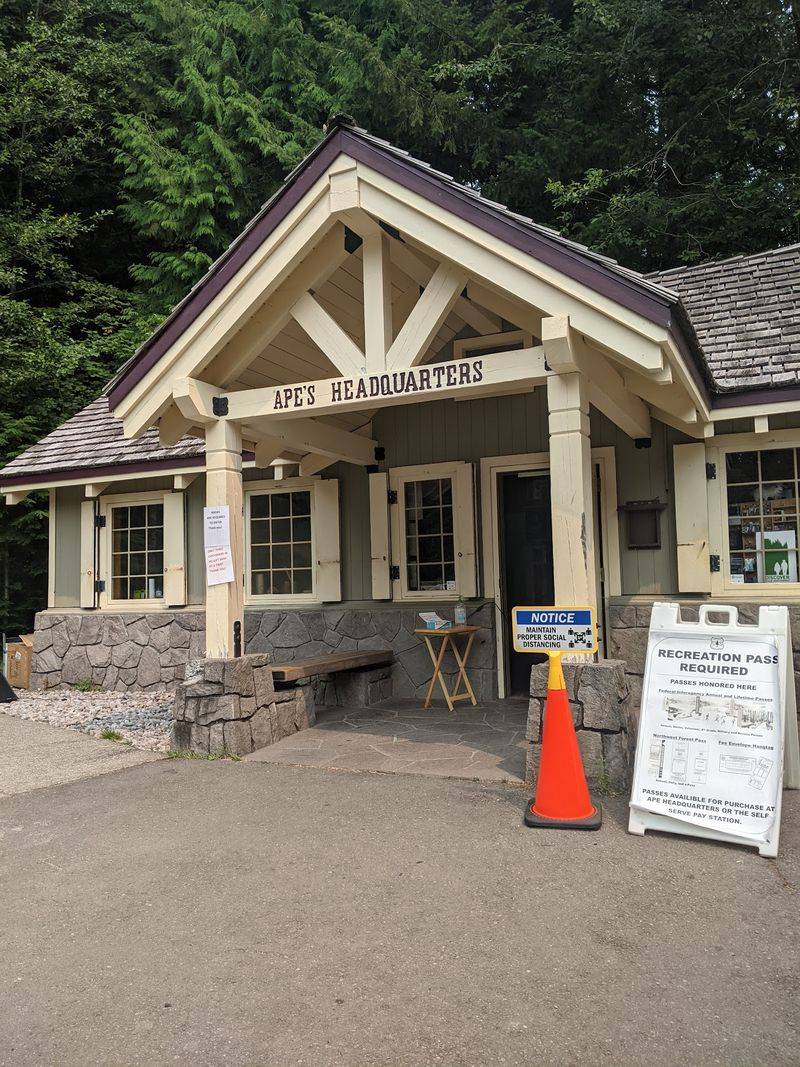
The site has plenty of parking, and the main entrance is easy to find from the lot. A short walk leads to a set of stairs that carry you down into the cave itself.
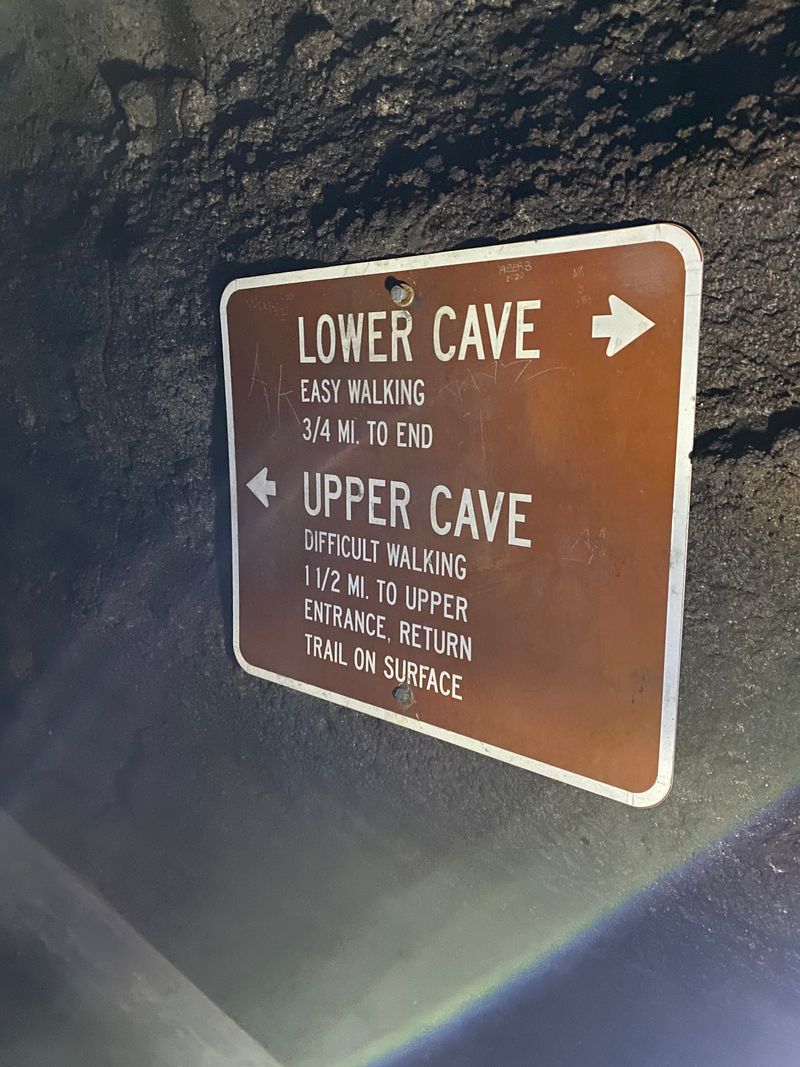
From the bottom of those stairs, you face a choice. One direction leads to the Lower Cave, and the other heads toward the Upper Cave.
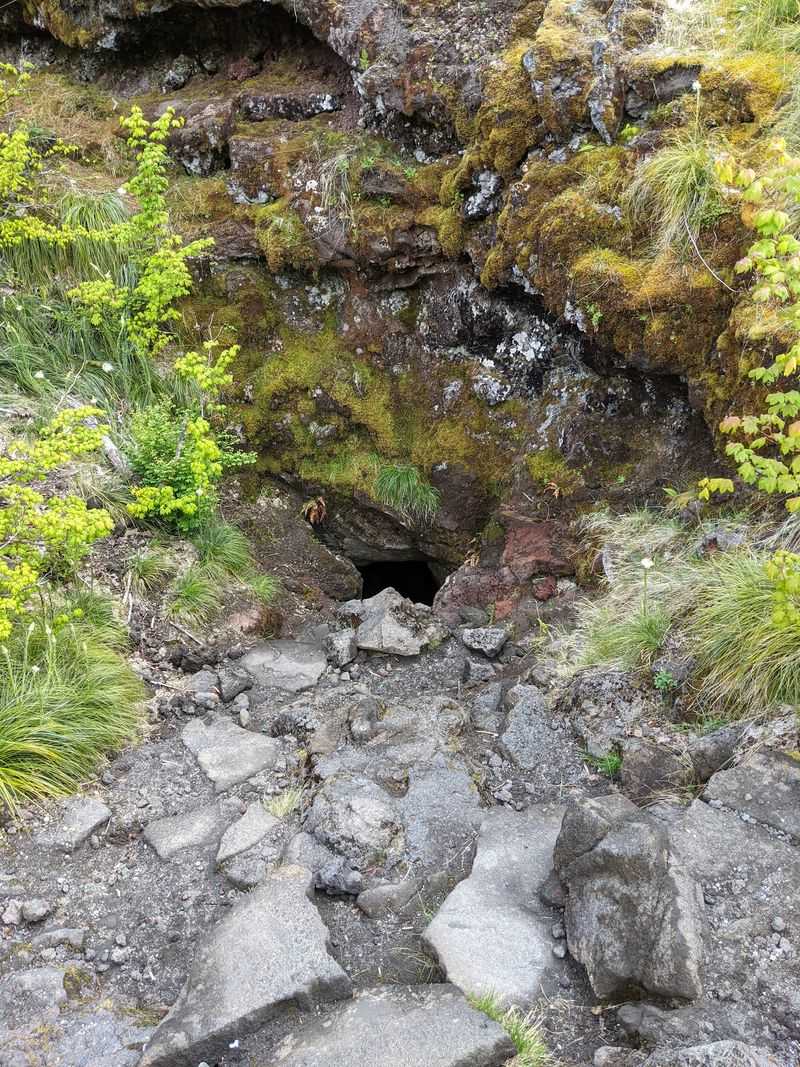
Many people plan this stop alongside other Mount St. Helens viewpoints in the area. The forest around the entrance gives you a calm start before the adventure turns dark.
Save the location in your map app before you leave home, since cell signal in the forest can be spotty.
A River of Rock, Frozen in Time
Around 2,000 years ago, Mount St. Helens sent hot lava flowing downhill. The outer layer cooled and hardened into a crust, while liquid rock kept moving underneath.
When the flow finally drained away, it left behind a hollow tube. That empty channel is what you walk through today.
Ape Cave stretches about 2.5 miles, which makes it one of the longest lava tubes in the continental United States. In some spots, the ceiling rises 20 to 30 feet, and the tunnel spreads 15 to 20 feet wide.
A tractor trailer could fit through parts of it. That size surprises a lot of first-timers who expect a cramped crawl space.
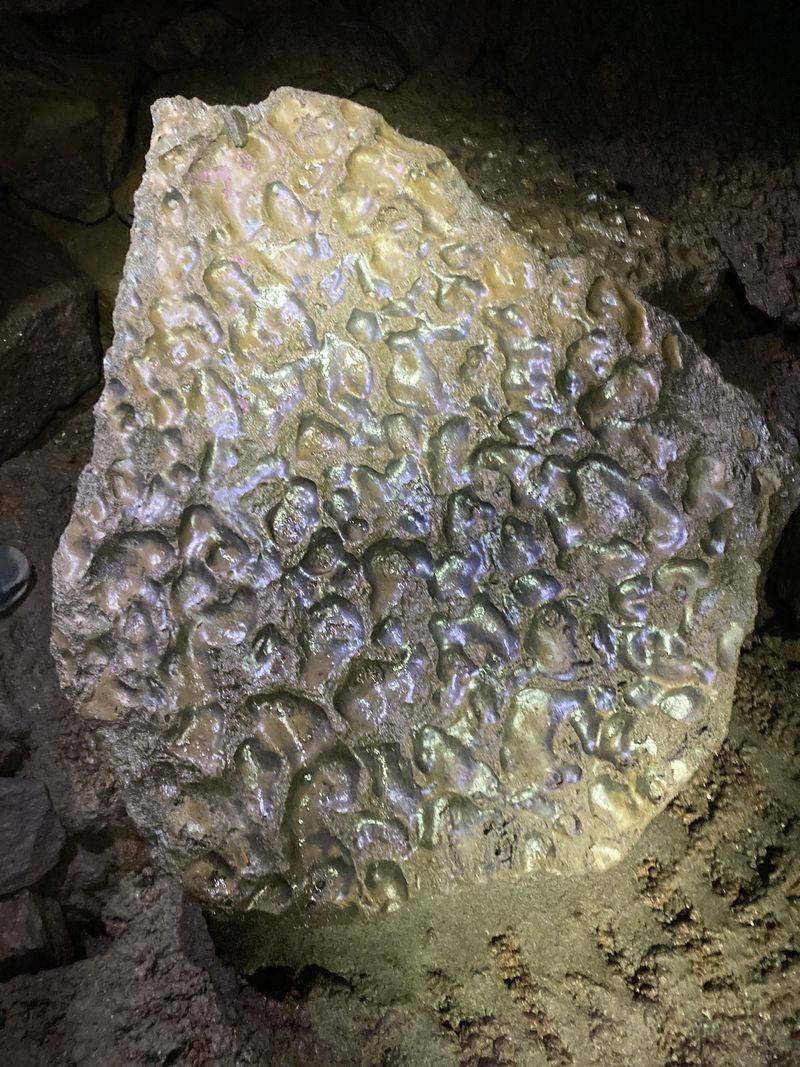
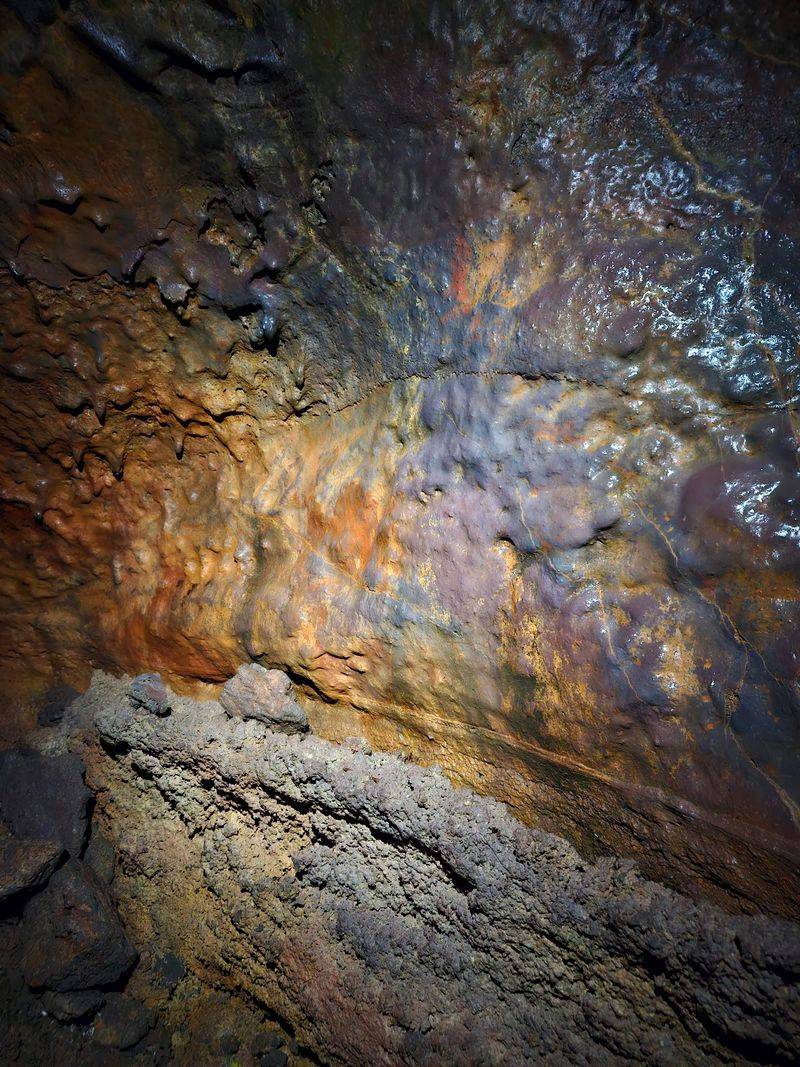
The walls show the story clearly. Ledges along the sides mark where lava levels once rose and fell, and the floor still holds ripples from the final flow.
Geology fans will want extra time here. Even kids who usually yawn at science lessons tend to get curious once they realize they are standing inside an old volcano pipe.
No Apes, Just a Good Story
Spoiler alert: you will not find any apes down there. The name has a much friendlier origin.
A local logger named Lawrence Johnson found the cave in 1947. A few years later, in the early 1950s, a group of Boy Scouts explored it more fully with help from a man named Harry Reese.
Those scouts were sponsored by a local outdoors club nicknamed the St. Helens Apes. The group took its name from tales of Bigfoot-style creatures said to roam the area.
The scouts honored their sponsor by naming the tunnel Ape Cave. The label stuck, and it has made many kids giggle ever since.
So the next time someone in your car asks whether a giant hairy creature lives inside, you have a fun answer ready. The only things wandering the tunnel are hikers with headlamps.
Knowing this bit of history adds a little charm to the trip. It also gives you a great story to share on the drive home.
The Two-Dollar Ticket to Darkness
Few adventures this memorable cost so little. A timed entry reservation runs about $2, and you can book it online in just a few minutes.
You pick a time slot when you reserve. Plan to arrive close to that window so you are not rushing or waiting around too long.
Early slots are worth grabbing. Fewer people means fewer echoes, more room on the rock piles, and a better chance of feeling like the tunnel is all yours.
During busy summer days, large groups can fill the cave with noise. A morning booking helps you skip much of that crowd.
The reservation system typically runs during the warmer season, so check dates before you go. Parking at the site may also require a recreation pass depending on the season, so read the current rules.
A smart move is to book a few days ahead, especially on weekends. That small step keeps your plans locked in.
Spending two dollars on an underground volcano tour is a bargain that is hard to beat anywhere.
The Easy Way Down Below
The Lower Cave is the less demanding option, making it a popular choice for families exploring Ape Cave. However, uneven volcanic rock and complete darkness still require careful footing and dependable lighting.
The path runs about three-quarters of a mile one way. Since it is out and back, you will walk roughly 1.5 miles total.
There are not many big rock piles to climb here. Still, the floor is rough and uneven in places, so slow steps help.
Most groups take around an hour to an hour and a half. If you stop often to study the walls or make shadow puppets, plan for more.
The trail simply ends at the far point. You then turn around and retrace your steps to the stairs.
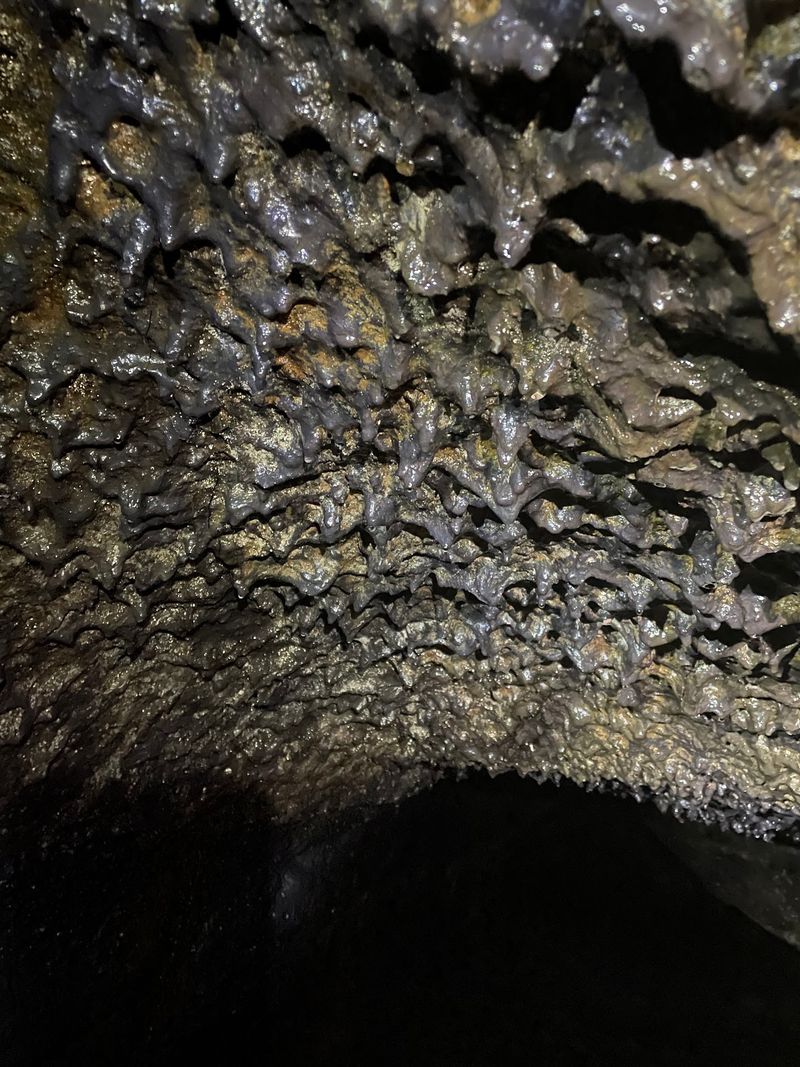
Patches of sandy ground, small drips from above, and holes in the walls keep the walk interesting. Kids enjoy spotting walls that sparkle when a light hits them.
People with sore knees or age-related limits may find the footing tricky. A walking stick can give extra support on the bumpy floor.
Boulders, Ropes, and Real Grit
Bring your climbing spirit, because the Upper Cave means business. It covers about 1.5 miles through the dark, and much of it is not a casual stroll.
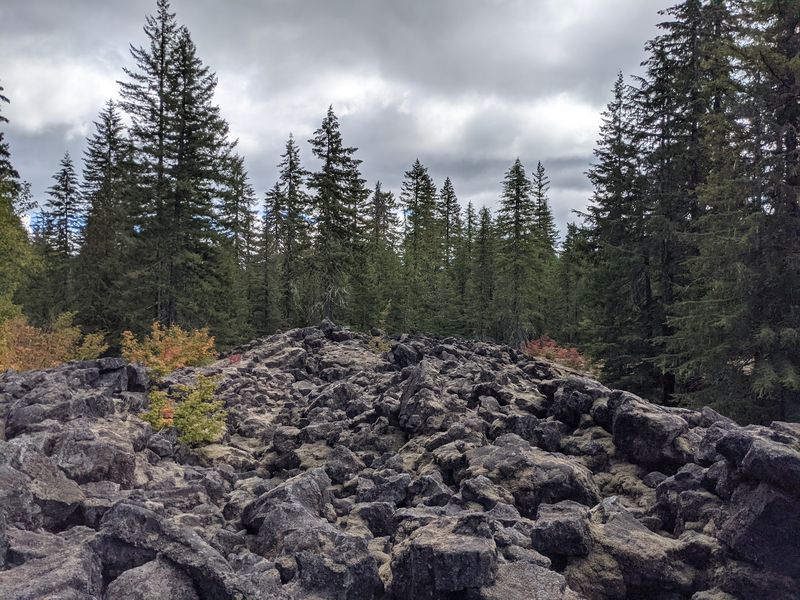
Expect to scramble over many piles of fallen rock. The first big one can stand 10 to 15 feet tall and stretch a long way.
Some of those piles are smaller, but they add up. Plenty of people turn around partway after realizing the route is harder than expected.
Online descriptions sometimes make this section sound easier than it is. Fit adults in good shape still find it a workout.
Narrow passages and uneven ground add to the challenge. Hands come into play often, so gloves make the climbing more comfortable.
Take breaks when you need them, and move at your own pace. Going with friends makes the tough spots much easier to manage.
For hikers who love a test, the Upper Cave is pure adventure. Just choose it with honest eyes about your group’s strength.
Meet the Famous Wall
Every tough trail has a boss level, and the Upper Cave has one. Partway through, hikers reach a lava ledge about six to eight feet tall.
A knotted rope hangs there to help you climb. There are decent footholds in the rock too.
Upper body strength matters a lot at this spot. Shorter hikers or anyone going solo may struggle more than others.
A teammate makes a huge difference. One person can boost while another reaches down to help.
There are also a couple of other wall-like spots where you have to pull yourself up. None are as well known as the rope section, but they still require care.
Bulky gear can get in the way here. A swinging lantern or a heavy bag makes the climb harder, so pack light and keep your hands free.
If the wall feels like too much, that is perfectly fine. Turning back is always a smart choice, and the Lower Cave still offers plenty to enjoy.
Your Phone Is Not Enough
Darkness inside the tube is complete. Once the entrance fades behind you, there is zero natural light.
Phone flashlights fall short fast. Even a powerful phone light barely helps on the jagged floor, and many groups end up tripping as they go.
The standard advice is two light sources per person. A headlamp plus a strong handheld flashlight is the winning combo.
Headlamps keep your hands free for climbing. Flashlights let you aim a brighter beam at the walls and ceiling.
Charge everything fully and pack extra batteries. Headlamps can quit without warning, even new ones.
Lanterns sound handy but can be awkward on the rock piles. They work better on the easier Lower Cave route.
Forgot your gear? Lanterns have been available to rent on site, though supplies can run out on busy days.
Treat lights as the most important item on your list. Good gear turns a stressful stumble into a relaxed and fun exploration.
Dress for 42 Degrees
Summer heat does not follow you underground. The cave stays around 42 degrees Fahrenheit all year long.
That number catches people off guard in July and August. A sweatshirt or light jacket is a smart choice even on warm days.
Long pants help too. They protect your legs from the rough rock while also keeping you warmer.
Shoes matter more than almost anything else you wear. Sturdy, supportive hiking boots or trail shoes handle the jagged and uneven ground best.
Skip the sandals and flimsy sneakers. The floor can twist an ankle quickly if your shoes have little grip.
Gloves are a bonus, especially for the Upper Cave. They protect your hands from sharp lava edges during scrambles.
Layers give you flexibility. Climbing warms you up, so you might shed a layer in the Upper Cave and add it back later.
A small backpack holds everything without getting in the way. Dressing right keeps your focus on the fun rather than the chill.