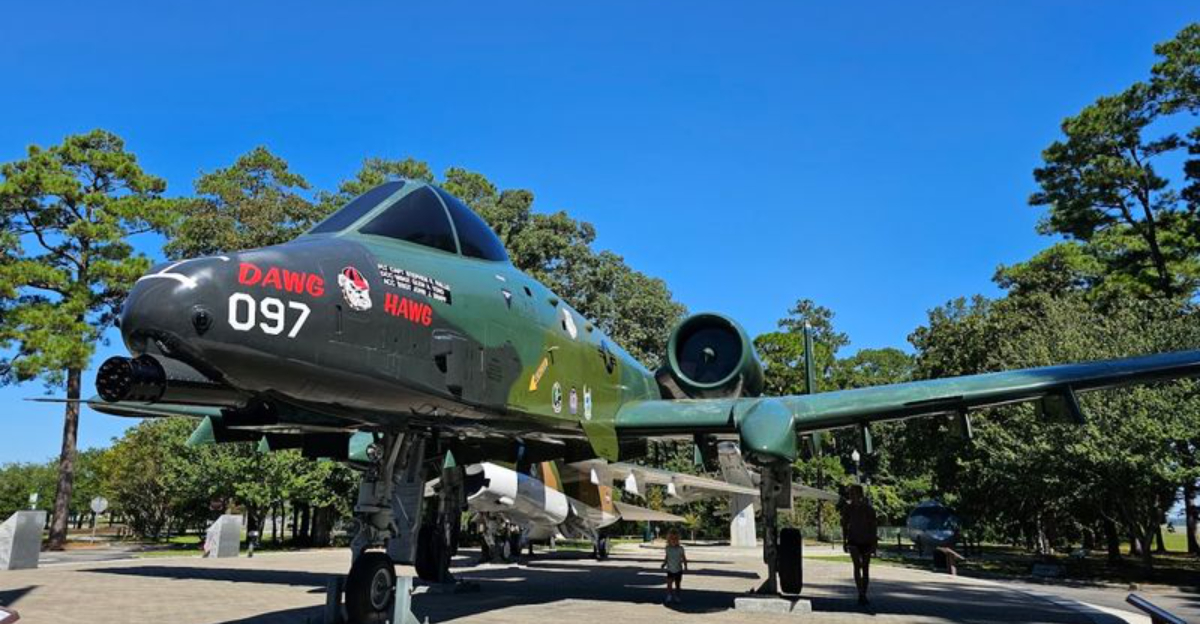
The places you plan to visit for a few minutes are often the ones that quietly steal an entire afternoon. A quick look at a historic aircraft can become a walk through aviation history, where cockpit details, faded photographs, military uniforms, and stories from the past bring each display to life.
Across South Carolina, aviation museums and flight-related attractions offer fascinating ways to explore the people, machines, and moments that shaped the skies. From preserved aircraft and military collections to memorials and exhibits beside active runways, these destinations create experiences that go far beyond simply looking at airplanes.
For history lovers, families, and curious travelers, these South Carolina aviation stops offer plenty of reasons to slow down and stay awhile. Discover 9 aviation museums and attractions that may have you spending far more time than you expected.
Patriots Point Naval & Maritime Museum
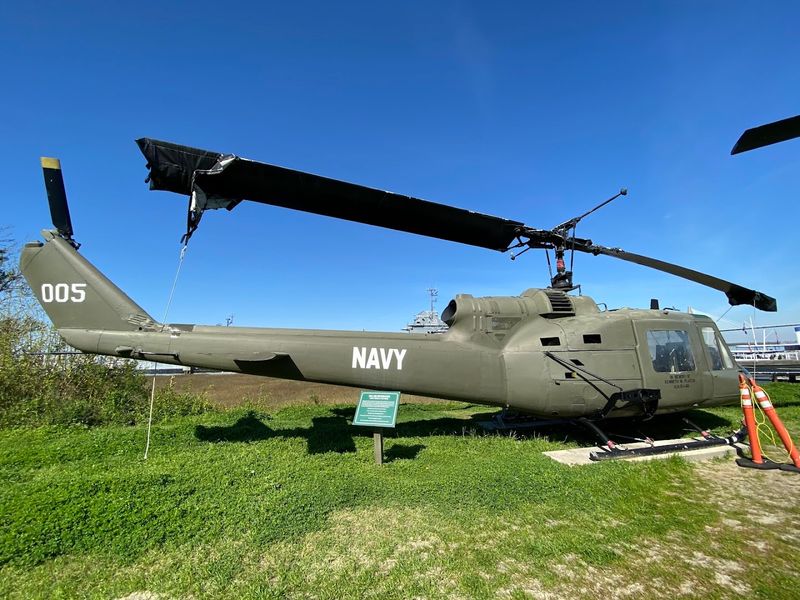
Salt air hits first, then the steel vastness of a flight deck that makes you feel very small in the best possible way. You think you will glance around for an hour, maybe snap a few photos of old aircraft, and move on.
Then the scale of everything slows you down.
At Patriots Point Naval & Maritime Museum in Mount Pleasant, the USS Yorktown becomes more than a backdrop. Planes sit against Charleston Harbor like preserved moments, and the wind off the water gives the whole visit a restless energy.
Looking over the deck, you can spot the Ravenel Bridge in the distance and hear gulls cut through the quiet.
Inside, narrow passageways and compact rooms make the history feel human instead of abstract. By the time you step back into the sunlight, this place has shifted from a museum stop to a full afternoon with weight, texture, and unexpected emotion.
Warbird Park
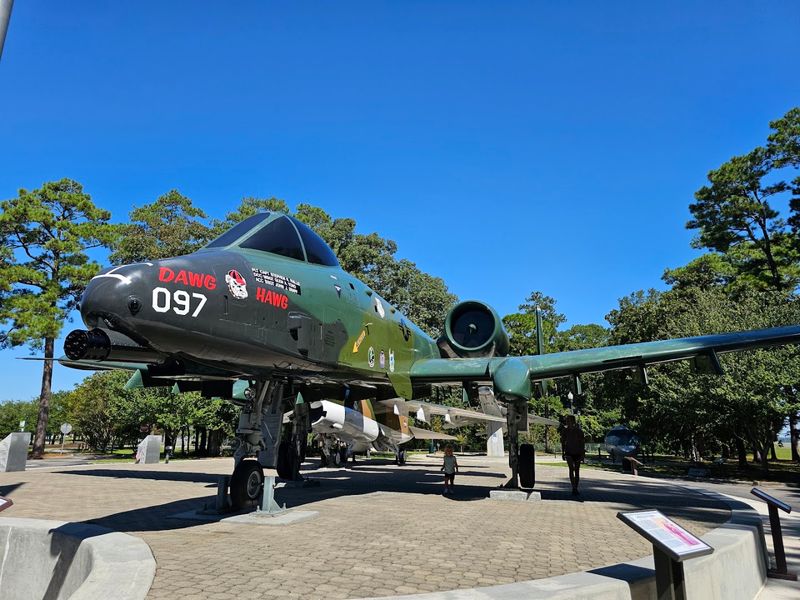
The first surprise here is the quiet. Even with traffic and beach energy not far away, the mood turns reflective almost immediately, as if the planes and memorials ask you to lower your voice without saying a word.
It feels open, breezy, and unexpectedly moving.
At Warbird Park in Myrtle Beach, aircraft displays sit among walking paths and engraved plaques that connect the site to the former air base. The setting is simple, but that simplicity works.
Palmettos sway nearby, and the contrast between vacation-town sunshine and military remembrance gives the visit unusual depth.
You can take your time reading names, tracing service histories, and noticing details in the fuselages that a quick stop would miss. What begins as an outdoor display becomes something more personal.
It is the kind of place that quietly reshapes an afternoon, especially if you arrive expecting only a brief roadside look.
South Carolina Historic Aviation Foundation
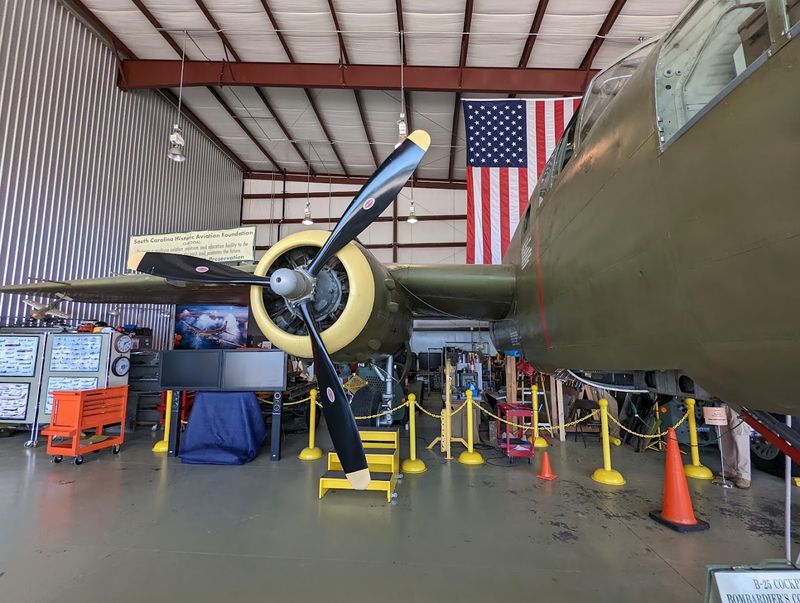
Sometimes the most memorable aviation spaces are not the biggest ones. They are the places where every artifact seems to have been saved by someone who cared enough to keep a story from disappearing.
That feeling settles in quickly here.
The South Carolina Historic Aviation Foundation in Columbia has an intimate, almost conversational atmosphere. Instead of overwhelming you, it draws you closer to restored aircraft, photographs, and objects tied to the state’s flying past.
You start noticing the small things, like worn metal surfaces, vintage markings, and the quiet pride behind the displays.
Because the scale feels personal, time stretches in a different way. You are not racing from one blockbuster attraction to the next.
You are lingering, asking questions, and imagining the people behind the machines. By the end, the visit feels less like checking off a museum and more like being let in on a local chapter of history.
South Carolina Military Museum
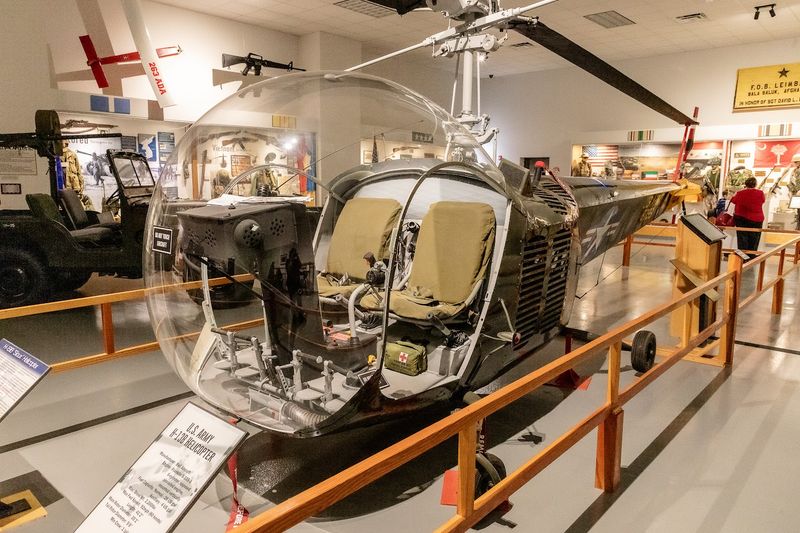
Aviation is only part of the story here, which is exactly why the experience sticks. You come for aircraft connections and end up seeing how flying fits into a much bigger military history shaped by people, service, and place.
The broader context makes every aviation detail feel sharper.
Inside the South Carolina Military Museum in Columbia, uniforms, vehicles, documents, and interpretive displays create a layered sense of time. When aviation appears, it is woven naturally into the state’s military narrative rather than isolated behind glass.
That makes the exhibits feel grounded, especially if you like history that connects one branch, era, or mission to another.
The setting is thoughtful instead of flashy, and it rewards slow looking. A patch on a sleeve, an old photograph, or a small label can send you down a surprisingly absorbing rabbit hole.
It is an easy place to spend longer than planned without even noticing the clock.
Joint Base Charleston Air Park
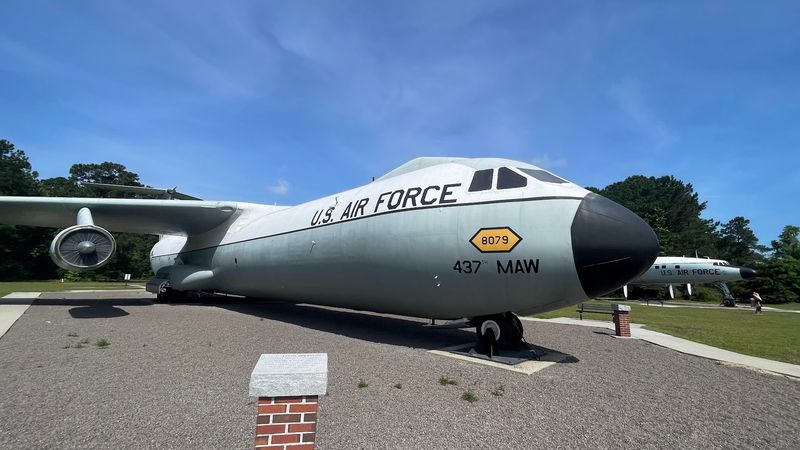
Big aircraft have a way of changing your sense of scale before you even read a single sign. Standing beneath them, you notice the curve of a wing, the height of a tail, and the way children and adults both tilt their heads with the same expression.
Curiosity comes built into the experience.
At Joint Base Charleston Air Park in North Charleston, the display is straightforward but memorable because the planes do the talking. These aircraft are not tucked away indoors, and seeing them out in the open adds to their presence.
The light shifts across metal surfaces, and the space gives you room to walk, pause, and look again.
This stop works especially well if you enjoy places that feel unpolished in a good way. It is less about spectacle and more about proximity.
You leave with a stronger sense of what these machines actually look and feel like beyond photos, films, or distant runway sightings.
McEntire Joint National Guard Base Aviation Displays
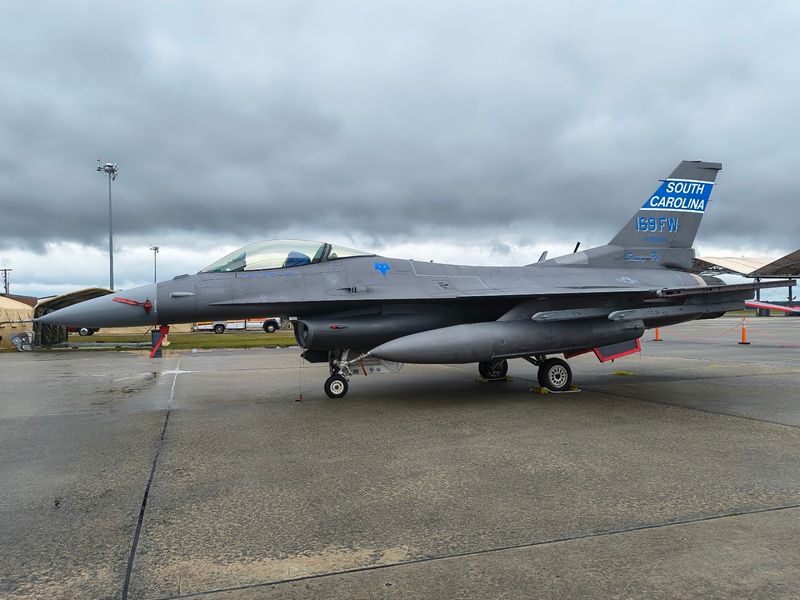
The mood out here feels different from city museums. There is more sky, more space, and a slightly off-the-beaten-path quality that makes the aircraft seem even more striking against the landscape.
It feels like the kind of stop you hear about from someone local.
Near Hopkins, the McEntire Joint National Guard Base Aviation Displays connect directly to a working military aviation environment, and that context matters. Even without elaborate staging, the planes carry a certain authority simply by being here.
You start imagining training flights, maintenance routines, and the daily rhythm of a base that most travelers only glimpse from the road.
What makes this stop worth your time is the sense of closeness to real operational history. It is not dressed up as a polished attraction, and that honesty gives it character.
If you slow down, read carefully, and look at the aircraft lines, the visit becomes quietly absorbing.
South Carolina State Museum (Aerospace Exhibits)
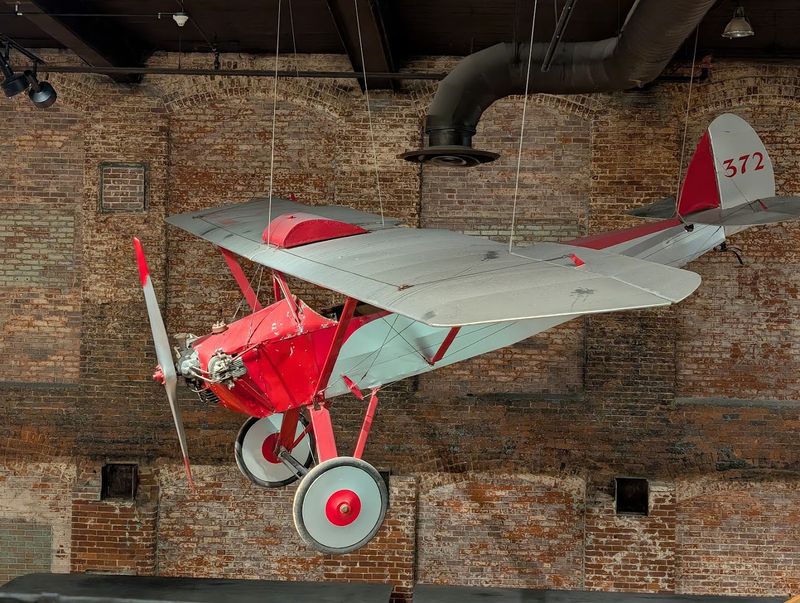
You can feel the shift as soon as the exhibits turn from earthbound history to flight and space. Suddenly the building’s industrial scale seems perfectly suited to stories about engineering, altitude, and ambition.
The mood becomes a little more wonderstruck.
At the South Carolina State Museum in Columbia, the aerospace exhibits add a different texture to a day that may already include art, science, and regional history. That variety actually helps.
Seeing aviation alongside broader human curiosity makes the machines feel part of a larger story about invention, exploration, and problem solving.
Specific details linger, whether it is the clean lines of a craft display or the way children stop and stare upward a little longer than expected. Because the museum offers so much under one roof, you can drift into the aerospace section almost casually and then realize you have stayed far longer there than planned.
The Citadel Museum
Some places reveal aviation history indirectly, through people instead of machines. That can be even more affecting, because the story becomes about training, discipline, and the lives surrounding military service rather than only the hardware.
You feel the human framework first.
At The Citadel Museum in Charleston, military aviation connections emerge within the larger traditions of the college and its graduates. Exhibits, portraits, and artifacts give context to the institution’s role in shaping service careers, including those tied to the air.
The setting feels formal, but not distant, and that balance works well.
It helps to take your time here and notice how aviation is threaded into a broader cultural history. The campus atmosphere just outside adds another layer, with parade-ground order and historic architecture sharpening the mood.
This is less about dramatic aircraft displays and more about understanding the people and pathways behind them.
Greenville Downtown Airport / Runway Cafe Aviation Viewing Area
The best aviation experience on a trip is not always a museum. Sometimes it is coffee, the rumble of an engine, and that brief hush before a small plane lifts off and everyone on the patio glances up at once.
The scene feels wonderfully everyday and a little cinematic.
At Greenville Downtown Airport, the Runway Cafe aviation viewing area turns lunch or breakfast into an event. You can watch general aviation traffic from close range while digging into pancakes or a burger, and the simple pleasure of planes taxiing past never really fades.
It is relaxed, casual, and easy to share with someone who loves flying only a little or a lot.
Because the experience is built around motion instead of static display, time slips by fast. One takeoff leads to another, then another coffee, then maybe dessert.
Before long, what looked like a meal stop has become one of the most memorable aviation hours of the trip.