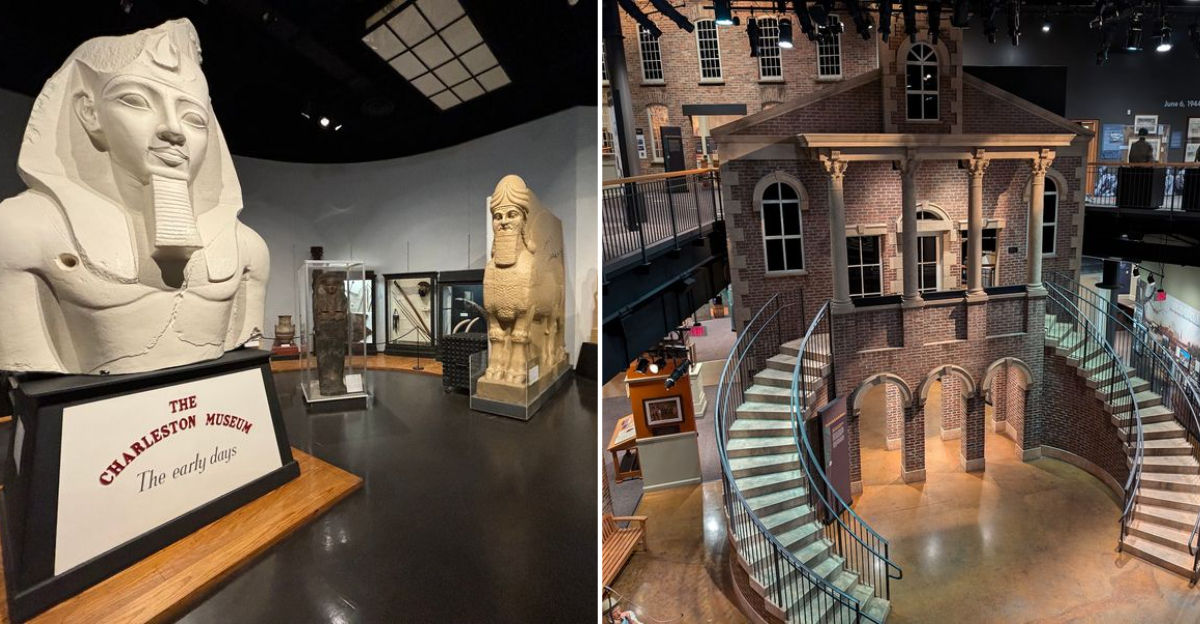
Some museum visits end when you leave the building. Others follow you home through the stories you keep thinking about, the details you remember, and the moments that make you want to return.
South Carolina museums offer experiences that go far beyond traditional exhibits, bringing the state’s history, culture, science, and creativity to life. From historic ships and carefully preserved homes to fascinating collections that reveal personal stories, these destinations invite visitors to slow down and look closer.
Each museum has its own way of creating a connection, whether through a powerful piece of history, a surprising discovery, or a glimpse into everyday life from another time. These are the places that make a single visit feel unfinished.
Discover 12 South Carolina museums that left us already planning a return trip.
South Carolina State Museum
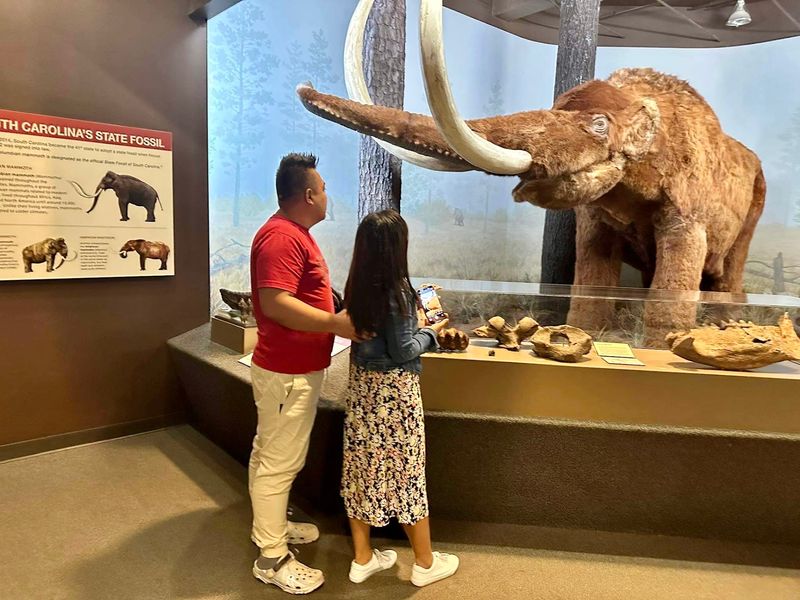
The first surprise is the sheer size of the place. You step inside thinking you will browse for an hour, then suddenly you are choosing between a dinosaur exhibit, a telescope program, and a gallery full of art.
It feels less like one museum and more like several good ones sharing the same address.
In Columbia, the South Carolina State Museum fills a former mill at 301 Gervais Street, and every floor offers a different mood. One visit might center on the planetarium, while another could lean into state history, fossils, or hands-on science stations.
Kids usually find something to touch and test, while adults get pulled toward beautifully displayed artifacts.
Plan for more time than you think you need. The observatory programs and rotating exhibits make repeat visits easy to justify, especially if you pair your outing with a walk along the nearby Congaree River afterward.
Patriots Point Naval & Maritime Museum

Salt air hits you before the history does. Then you look up and see the enormous carrier rising above the water, and the whole outing suddenly feels bigger than a normal museum stop.
There is something unforgettable about walking onto a ship that once carried thousands of people across the ocean.
At Patriots Point Naval and Maritime Museum in Mount Pleasant, the USS Yorktown is the star, but it is hardly the only reason to go. Aircraft line the flight deck, tight sleeping quarters reveal daily life at sea, and harbor views keep pulling your eyes back toward Charleston.
The Vietnam Experience adds another layer, with scenes that feel especially powerful in person.
Wear comfortable shoes and give yourself plenty of time for stairways and narrow passages. Afterward, sitting outside and watching the water makes it easy to understand why so many visitors leave already thinking about a second round.
The Charleston Museum
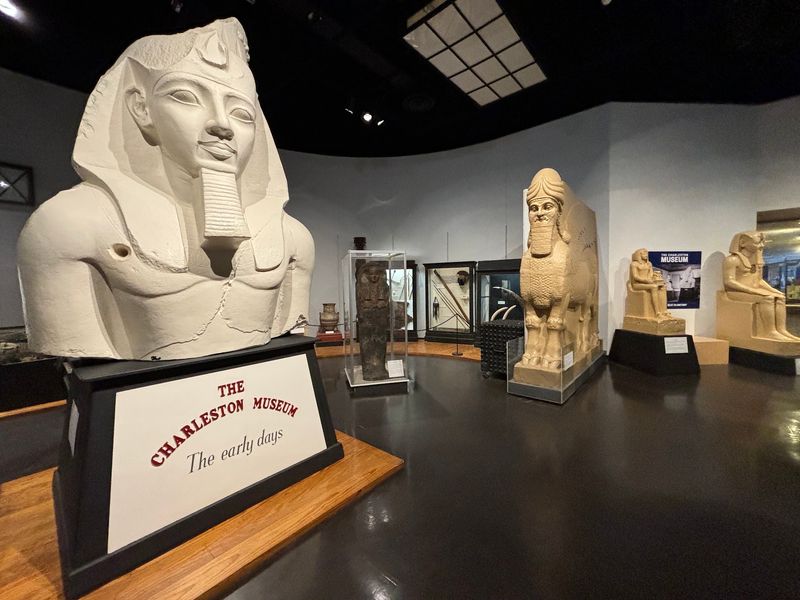
Some museums feel loud and flashy, but this one wins you over with depth. Room by room, it builds a picture of Charleston through objects that seem ordinary until you read the labels and realize how much they reveal.
You begin with curiosity and leave with a fuller sense of the city.
The Charleston Museum, located on Meeting Street, is often called America’s first museum, and that long history shows in the range of its collections. Decorative arts, local artifacts, and natural history displays share space in a way that never feels crowded.
One minute you are looking at old silver and textiles, and the next you are studying fossils or birds from the region.
It is a smart stop before exploring the rest of downtown. Visiting here first gives extra meaning to the houses, churchyards, and old streets outside, which is exactly why a return visit feels not only tempting but useful.
International African American Museum
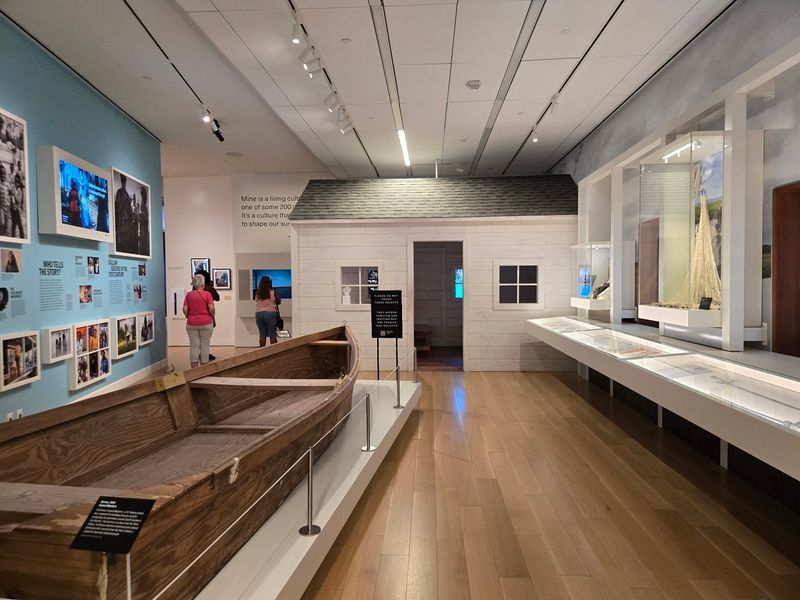
There is a stillness here that makes you slow down. Even before you read a single panel, the setting near the water carries emotional weight, and the museum asks for your full attention.
It is thoughtful, modern, and deeply human in the way it tells hard truths.
The International African American Museum in Charleston stands at a site where many enslaved Africans first arrived in this country. Inside, galleries explore history, culture, resistance, family, and creativity across generations.
The exhibits are carefully designed, and the genealogy center gives many visitors a reason to linger longer than planned.
Some museums teach facts, but this one changes how you connect those facts to real lives. After visiting, even a simple walk along the harbor feels different.
That lasting feeling, mixed with the amount of material still left to absorb, makes a return trip feel almost necessary rather than optional.
Hampton Plantation State Historic Site Museum
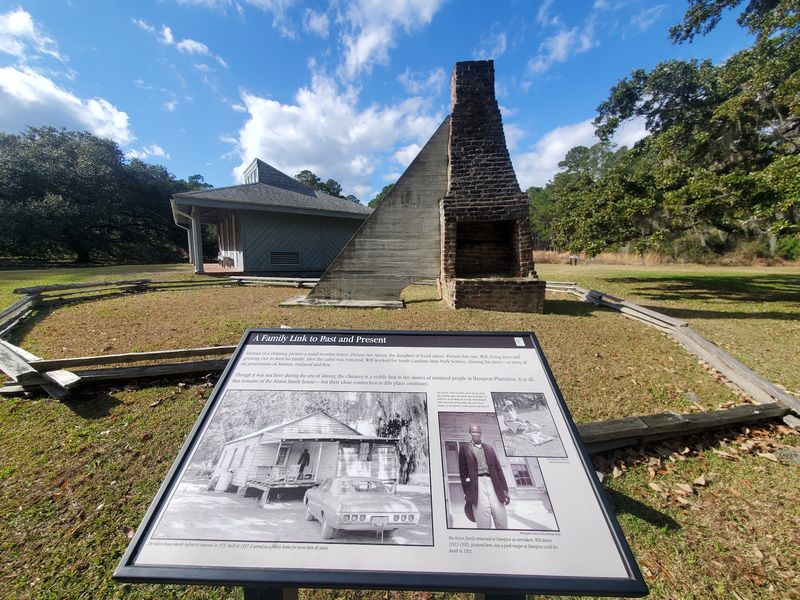
Spanish moss, soft light, and long quiet stretches of road set the mood before you even arrive. Then the house appears, and the beauty of the setting mixes with the weight of its history.
It is the kind of place that asks you to look carefully and think honestly.
Hampton Plantation State Historic Site Museum near McClellanville offers more than pretty architecture. The preserved house, old rice plantation landscape, and guided interpretation open a window into Lowcountry wealth, labor, and the people whose lives shaped the property.
Details like the broad porch and surrounding trees stay in your mind, but so do the harder stories attached to the land.
This is a good visit for travelers who like history with complexity instead of easy answers. Bring water, take your time on the grounds, and let the quiet do some of the work.
A second visit would reveal things missed the first time.
Gullah Museum of Hilton Head Island
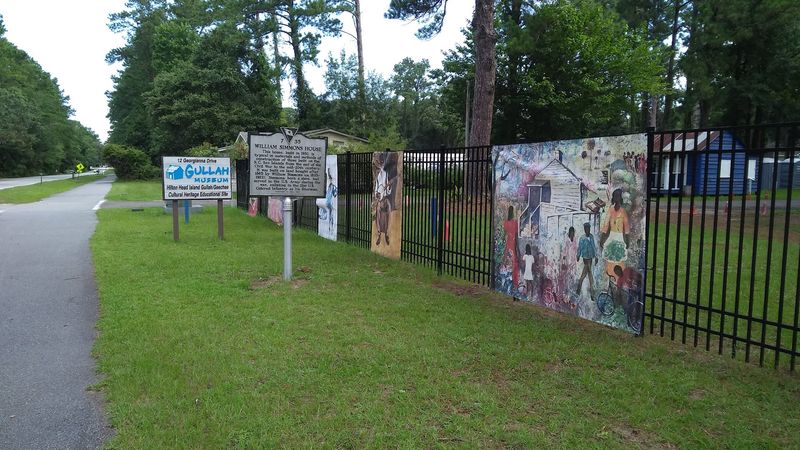
Not every memorable museum is big. Sometimes the places that stay with you most are the ones where stories feel close enough to touch, and where every object seems tied to a voice, a family, or a tradition still living today.
That personal feeling is the heart of this visit.
The Gullah Museum of Hilton Head Island shares the history and culture of the Gullah community with warmth and care. Exhibits highlight language, crafts, family life, and the strength of people who preserved their traditions along the coast.
You may see sweetgrass baskets, photographs, and materials that connect the island’s past to its present in a direct, grounded way.
Give yourself room to listen rather than rush. Pair the museum with time exploring local neighborhoods or trying Lowcountry food nearby, and the experience becomes even richer.
It is easy to leave appreciating Hilton Head more deeply than before, which is exactly why another visit sounds appealing.
Heyward-Washington House
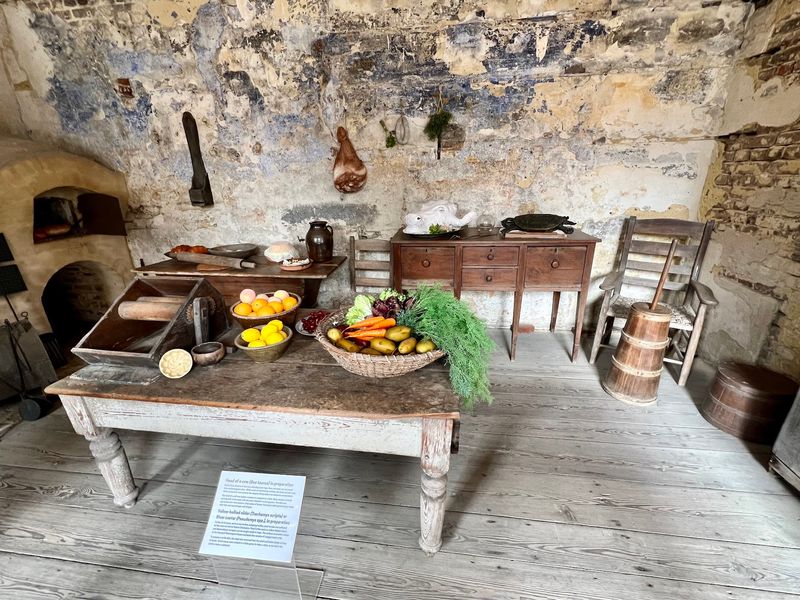
Step off a busy Charleston street and the pace changes at once. The rooms feel intimate rather than grand, which somehow makes the history more believable.
Instead of reading about famous names from a distance, you can imagine people actually living here, talking by the fire, and moving through these narrow spaces.
The Heyward-Washington House on Church Street gives a close-up look at colonial Charleston, complete with period furnishings and layers of Revolutionary-era history. It is especially interesting because George Washington visited the home during his Southern tour, but the house never turns that fact into a gimmick.
The details do the work, from the furniture to the kitchen building out back.
This stop pairs well with a slow walking day in the historic district. Since the museum is smaller than some others in town, a repeat visit feels easy, especially for travelers who enjoy architecture, decorative arts, and the quieter corners of Charleston’s story.
Aiken County Historical Museum
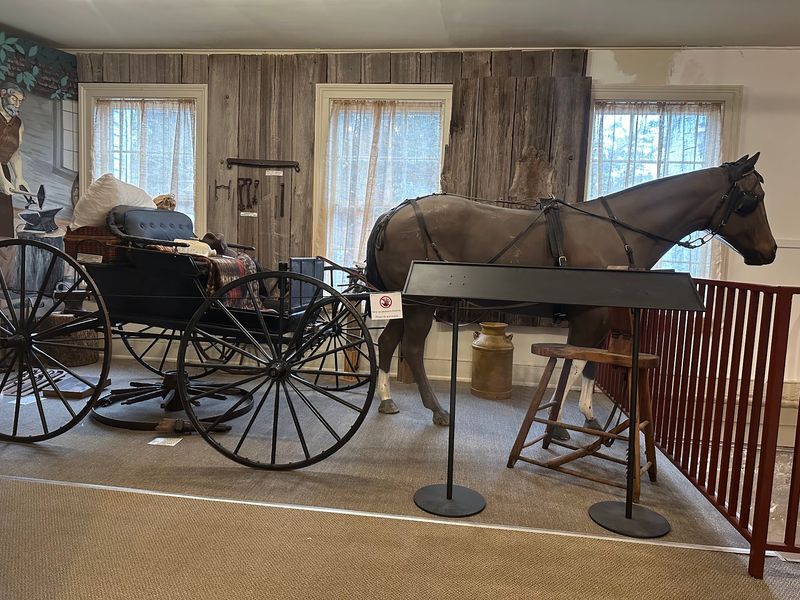
There is a relaxed, neighborly charm here that makes history feel approachable. You are not pushed through giant galleries or flashy effects.
Instead, the experience unfolds room by room, almost like being shown around by someone who loves the town and wants you to understand what shaped it.
The Aiken County Historical Museum sits in a former winter colony building, and that setting adds character before you even see the exhibits. Inside, displays cover Aiken’s horse culture, railroads, farming, and everyday life across different eras.
Local photographs and objects help explain why this South Carolina city developed such a distinct personality.
It is a strong choice for travelers who enjoy discovering places through their local stories rather than only major landmarks. After your visit, a walk through Aiken’s shaded streets or a stop for lunch downtown makes the day feel complete.
Many people would gladly return because the museum feels both informative and genuinely welcoming.
BMW Zentrum Museum

Even people who are not car fans usually pause when the first gleaming vehicle comes into view. The design, the curves, and the quiet polish of the space create the feeling of stepping into a studio as much as a museum.
It is sharp, modern, and a little thrilling in the best way.
The BMW Zentrum Museum in Greer tells the story of the brand through historic models, racing machines, and exhibits on engineering and production. Since it sits next to BMW’s manufacturing plant, the visit carries extra energy.
Looking at an older roadster, then seeing how the company builds vehicles in South Carolina, gives the museum a real-world connection many specialty museums lack.
Because admission is free, it is easy to add this stop to a day in the Upstate. Check ahead for plant tour options, and do not rush the details.
Returning makes sense once new vehicles or rotating displays appear on the floor.
Upcountry History Museum
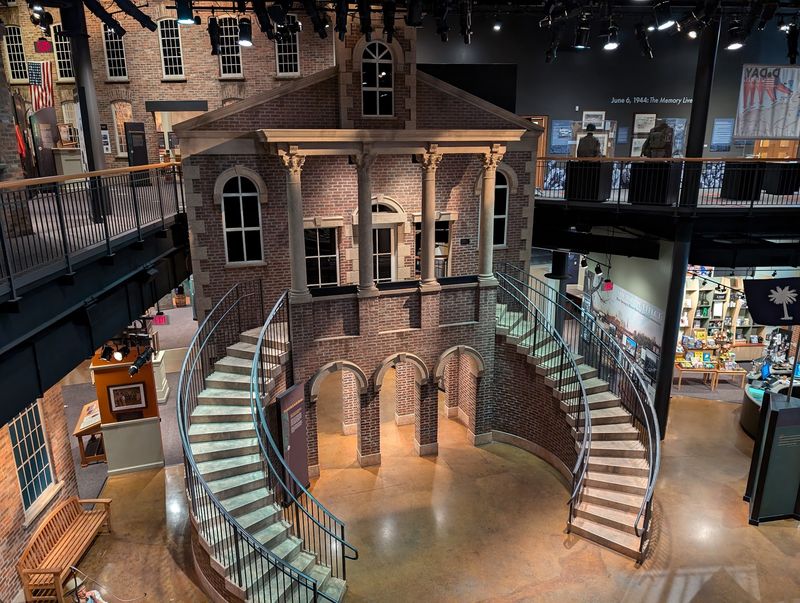
History can feel distant until a museum connects it to ordinary people. Here, the stories have a lived-in quality, with objects and displays that point back to work, family, change, and local pride.
It is the sort of place that makes a region feel less like a map and more like a collection of real lives.
The Upcountry History Museum in Greenville focuses on the northwestern part of South Carolina, and it does that job with energy and clarity. Exhibits often highlight mills, military service, business, education, and the communities that shaped the Upstate over time.
Interactive pieces keep younger visitors engaged, while adults tend to appreciate the strong storytelling and thoughtful layout.
Because Greenville has such a lively downtown, this museum fits nicely into a full day of exploring. Visit Falls Park, grab a meal afterward, and you will have plenty to talk about.
A second trip feels worthwhile when temporary exhibits rotate through the galleries.
Museum of York County
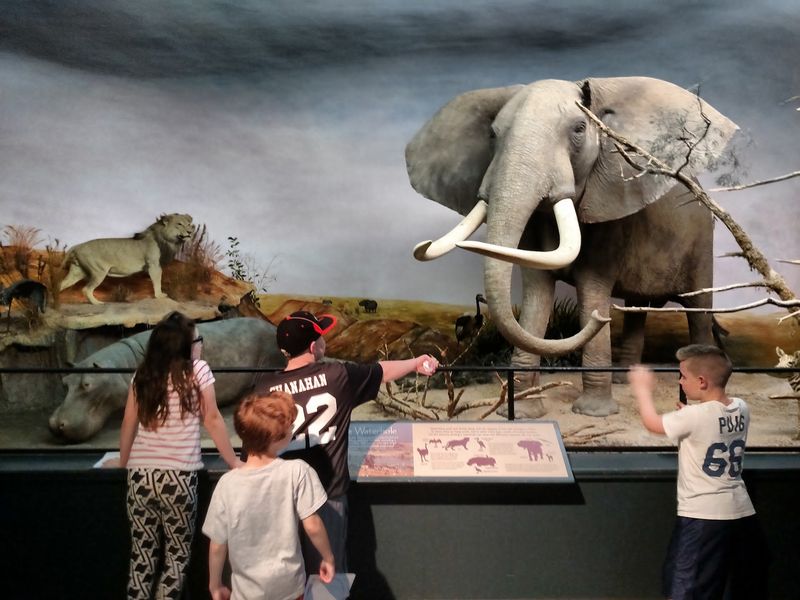
One of the nicest surprises in a museum happens when you cannot quite predict what comes next. A fossil here, a science display there, then suddenly a deeper look at local culture.
That sense of variety gives this place a playful rhythm and makes it especially good for mixed-age groups.
The Museum of York County in Rock Hill blends natural history with regional stories, which keeps the visit from feeling too narrow. Fossils, wildlife exhibits, and science-focused displays sit alongside material connected to the area’s past.
Many families appreciate that children can be pulled in by animals and hands-on learning, while adults find plenty of substance in the broader collections.
Bring curiosity and let yourself wander a bit instead of moving too quickly. It is the kind of museum where one gallery unexpectedly leads to another favorite.
Because interests shift from visit to visit, coming back later would likely feel fresh rather than repetitive.
Drayton Hall
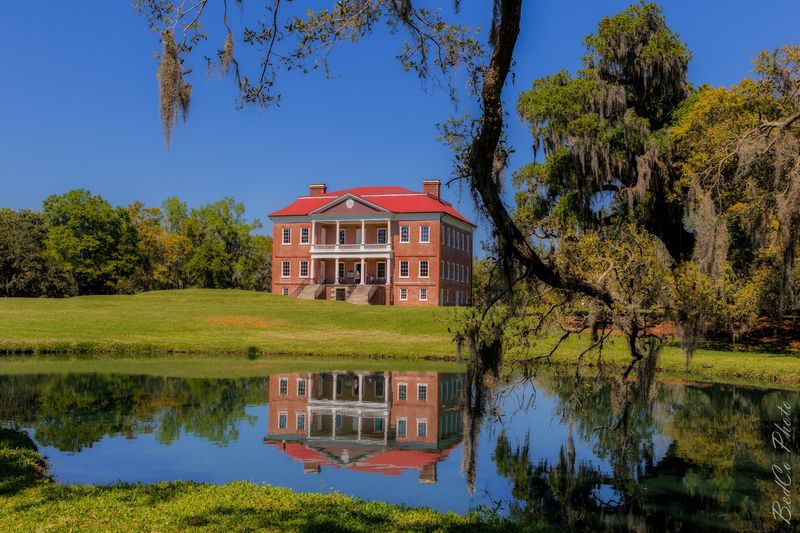
At first glance, the house looks almost too graceful for the hard history attached to it. Then the lack of restoration becomes part of the power.
Walls, floors, and details show age openly, and that honesty gives the visit a very different feeling from touring polished historic homes.
Drayton Hall, along Ashley River Road near Charleston, is one of the oldest unrestored plantation houses in America. Guides and exhibits help visitors understand not only the architecture but also the enslaved people and generations of labor tied to the estate.
The curved staircase, brickwork, and quiet grounds are striking, yet the museum does not let beauty erase complexity.
Go when you have time to listen carefully and walk slowly. This is not a quick photo stop.
Returning would make sense for anyone interested in architecture, preservation, or the deeper layers of South Carolina history that reveal more each time you encounter them.