Some places don’t just preserve history—they make you feel it. New Echota is one of those rare destinations where every step carries the weight of triumph, loss, and resilience.
Long before it became a historic site, this was the thriving capital of the Cherokee Nation, where leaders shaped the future of their people.
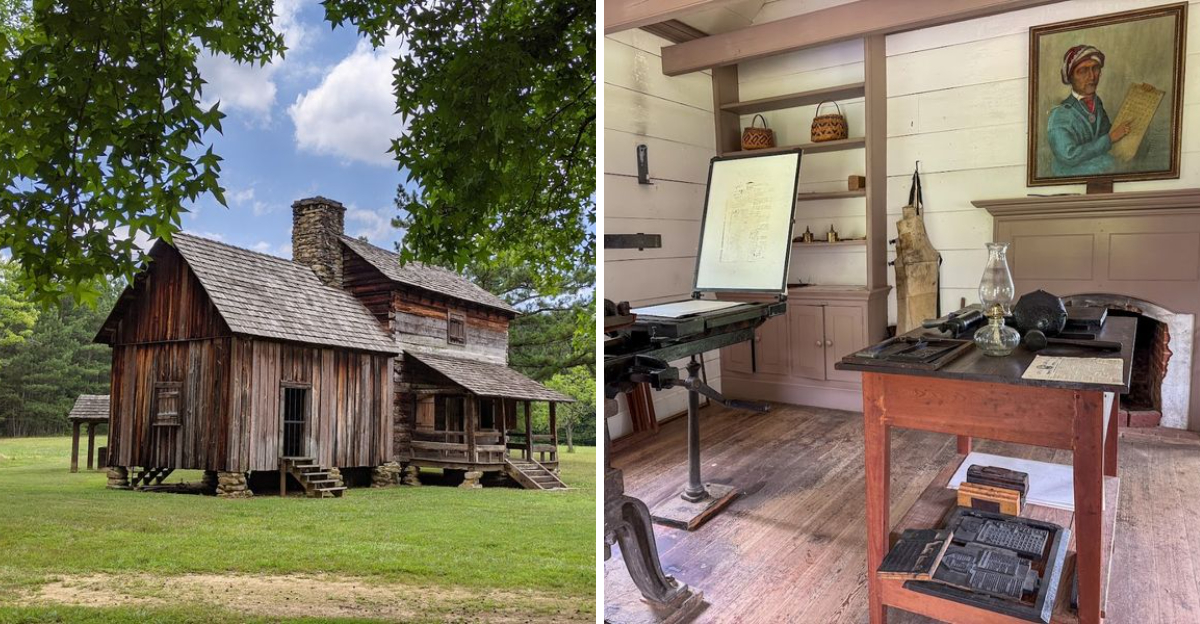
Walk past the reconstructed buildings, peek inside the historic print shop, and stand where lawmakers once debated the issues of their day. It’s easy to picture a community filled with hope, determination, and a vision for the future.
Then the story takes a heartbreaking turn. The events that unfolded here helped change the lives of thousands of Cherokee people forever, giving New Echota a place unlike any other in Georgia’s history.
That powerful contrast is what makes a visit so unforgettable.
Whether you’re fascinated by American history, Cherokee culture, or hidden gems that leave a lasting impression, New Echota offers an experience that’s far more than a walk through the past.
It’s a chance to stand where history happened and leave with a deeper understanding of the people who once called this remarkable place home.
The Birth of the Cherokee Nation’s Capital
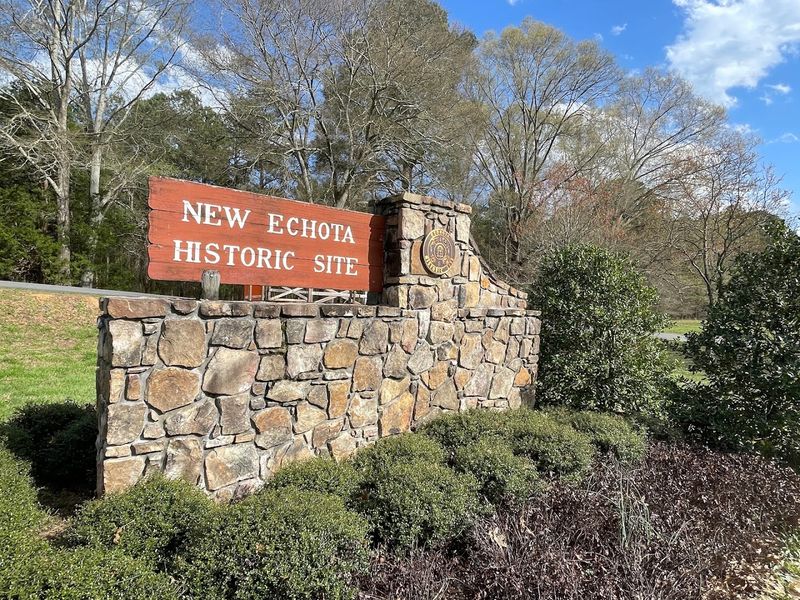
When I first learned that the Cherokee Nation deliberately chose this spot to build their capital, I couldn’t help but think about how bold that decision was. Back in 1825, the Cherokee people weren’t just surviving—they were building something remarkable.
They selected New Echota to serve as the beating heart of their government, their culture, and their future.
The location made perfect sense strategically. Situated in northwest Georgia, it gave Cherokee leaders a central meeting place accessible to communities throughout their territory.
The town grew quickly, with homes, businesses, and government buildings sprouting up like wildflowers after spring rain.
What strikes me most is how New Echota represented hope and determination. The Cherokee people were adapting to a changing world while fiercely protecting their identity.
They weren’t abandoning their heritage—they were proving Indigenous nations could thrive using both traditional wisdom and new ideas. Walking these grounds today, you can almost feel that spirit of resilience in the air.
A Remarkably Advanced Cherokee Government
Most Americans have no clue that the Cherokee Nation beat several U.S. states to the punch when it came to modern governance. In 1827, they adopted a written constitution modeled after the U.S.
Constitution—complete with executive, legislative, and judicial branches. Talk about being ahead of the curve!
The government wasn’t just for show either. Cherokee leaders created a sophisticated system with elected representatives, Supreme Court justices, and a principal chief.
They passed laws, collected taxes, and ran a functioning democracy that would make any political science professor proud.
New Echota became ground zero for these governmental innovations. The capital buzzed with political activity as leaders debated policy and shaped their nation’s future.
Standing where Cherokee lawmakers once gathered gives me goosebumps every single time. These weren’t primitive people struggling to adapt—they were visionaries building a government that rivaled anything European settlers had created.
The Cherokee Nation proved Indigenous peoples could compete politically on equal footing with any nation on earth.
The Council House Where History Was Made
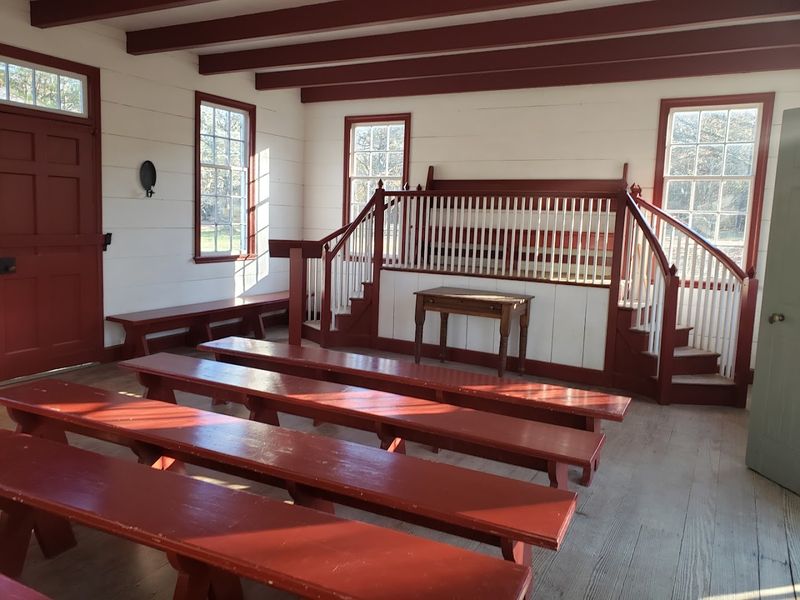
Picture this: Cherokee leaders in formal dress, voices echoing off wooden walls, debating the future of their entire nation. That’s exactly what happened inside the Council House, and today’s reconstruction lets you step right into that powerful atmosphere.
The building isn’t fancy by modern standards—it’s actually pretty simple. But simplicity doesn’t diminish importance.
Within these walls, Cherokee representatives hammered out legislation, negotiated treaties with U.S. officials, and made gut-wrenching decisions about their people’s survival.
I’ve visited state capitols and federal buildings across the country, yet few spaces feel as historically charged as this one. The Council House represents self-governance at its finest—a nation refusing to be silenced or sidelined.
Every corner whispers stories of passionate debates and difficult choices.
When you visit, take a moment to sit on those benches and imagine the weight these leaders carried. They weren’t just politicians; they were guardians of Cherokee sovereignty fighting against impossible odds.
The Cherokee Phoenix And Sequoyah’s Legacy
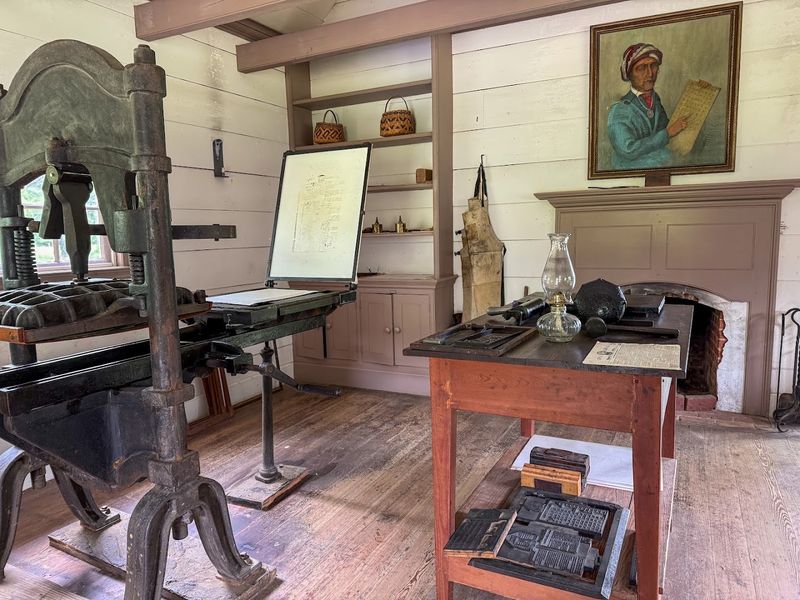
Sequoyah never attended school, yet he created something scholars couldn’t—a complete written language for the Cherokee people. His syllabary transformed Cherokee society almost overnight, and the Cherokee Phoenix newspaper became its most powerful voice.
The reconstructed print shop at New Echota houses a working press similar to the original. Printed in both English and Cherokee syllabary, the Phoenix published national news, laws, editorials, and even poetry.
It wasn’t just a newspaper—it was a weapon of cultural preservation and political resistance.
Editor Elias Boudinot used the Phoenix to argue against removal and educate both Cherokee citizens and white Americans. My favorite part?
The paper had subscribers across the United States and Europe. Indigenous voices reaching global audiences in 1828—absolutely revolutionary!
Touching the replica printing press gave me chills. This technology spread literacy throughout the Cherokee Nation within just a few years.
Kids who couldn’t read suddenly devoured books and newspapers in their own language.
Historic Buildings That Bring The Cherokee Capital Back To Life
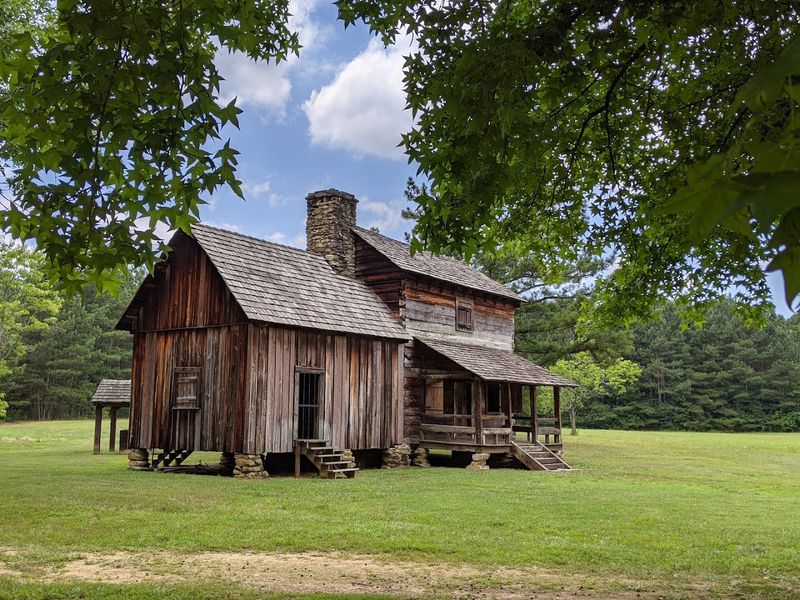
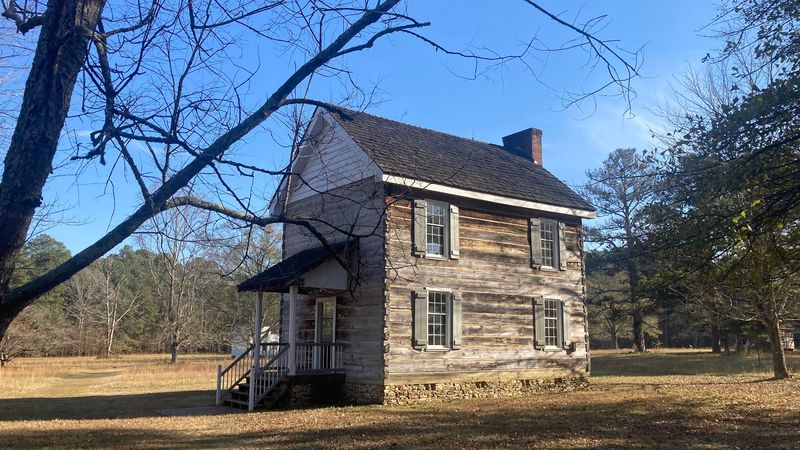
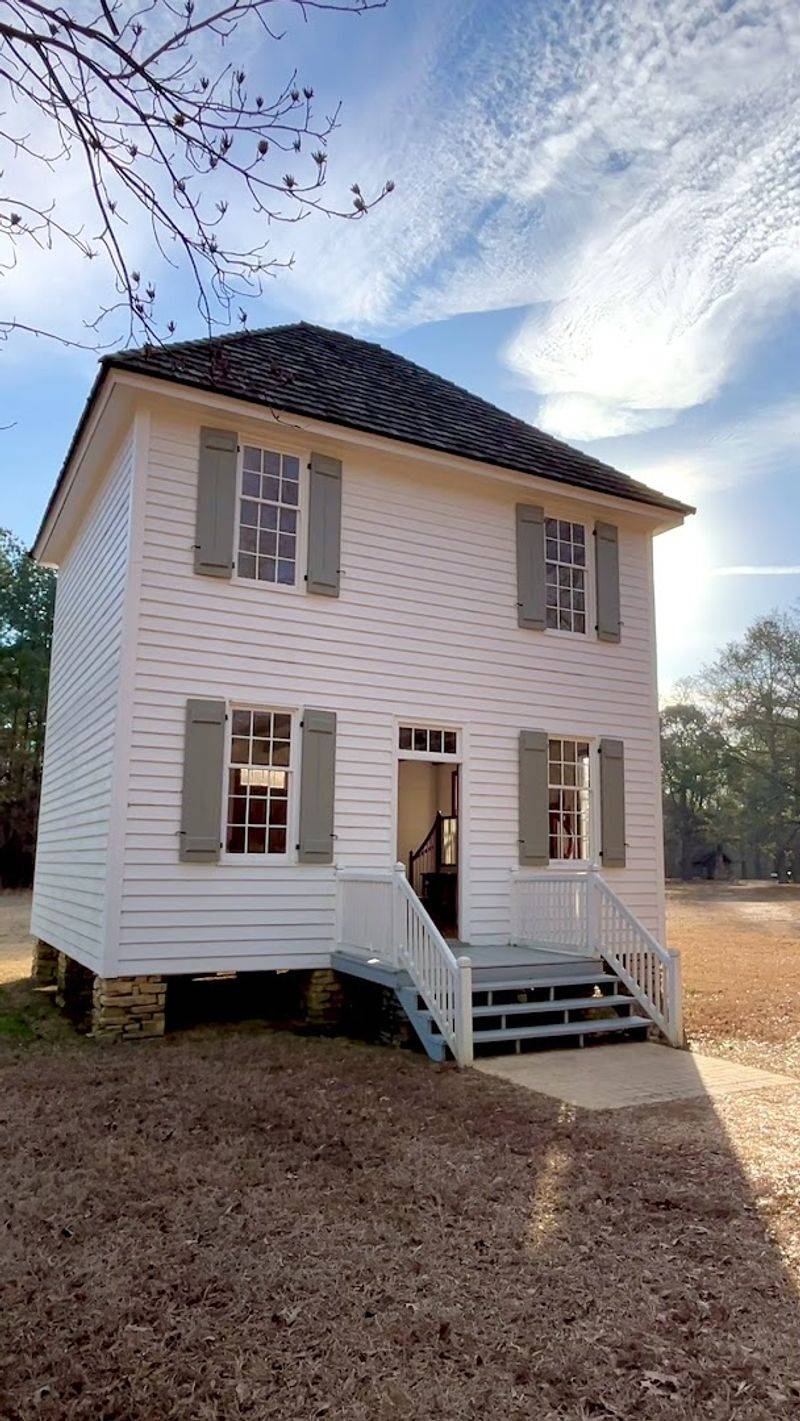
New Echota isn’t just one building—it’s an entire town frozen in time. Wandering between the Supreme Court, Vann’s Tavern, and the Samuel Worcester House feels like channel-surfing through different aspects of 1820s Cherokee life.
Each structure tells its own story. The Supreme Court building showcases the Cherokee judicial system at work.
Vann’s Tavern recreates a bustling commercial hub where travelers shared meals and gossip. The Worcester House honors the missionary who went to prison defending Cherokee rights.
Traditional Cherokee farmsteads complete the picture, showing how ordinary families lived alongside government institutions. The blend of Cherokee architectural traditions with newer building styles perfectly captures a culture in transition—adapting without abandoning its roots.
What impressed me most was the authenticity. These aren’t Hollywood set pieces—they’re faithful reconstructions based on archaeological evidence and historical records.
Walking from building to building connects dots that textbooks can’t. You see how government, religion, commerce, education, and daily life intertwined in this remarkable capital city.
The Treaty That Changed Cherokee History Forever
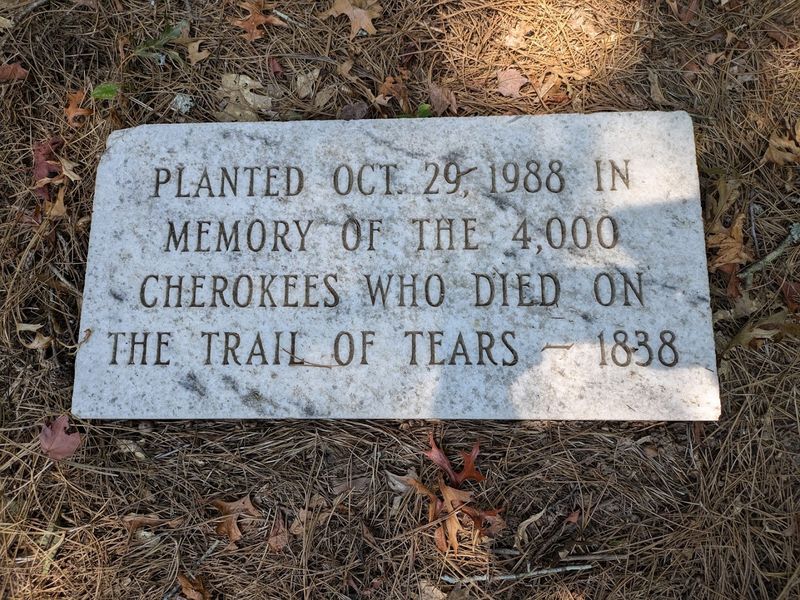
Some places commemorate triumphs; New Echota also marks tragedy. The Treaty of 1835 signed here became the legal excuse for the Trail of Tears, even though the vast majority of Cherokee people never agreed to it.
Here’s what happened: A small group of Cherokee representatives—acting without authorization—signed away the entire Cherokee homeland east of the Mississippi. Principal Chief John Ross and thousands of Cherokee citizens protested vehemently, collecting petitions with over 15,000 signatures opposing removal.
The U.S. government ignored those protests. President Andrew Jackson and Congress used the fraudulent treaty to justify forced removal, leading to the deaths of approximately 4,000 Cherokee people on the brutal westward march.
Standing at New Echota knowing what unfolded here hits differently than reading about it in books. This ground witnessed both the Cherokee Nation’s greatest achievements and its darkest hour.
The site doesn’t shy away from this painful history—it honors it, ensuring visitors understand the full story.
Museum Exhibits Filled With Cherokee History
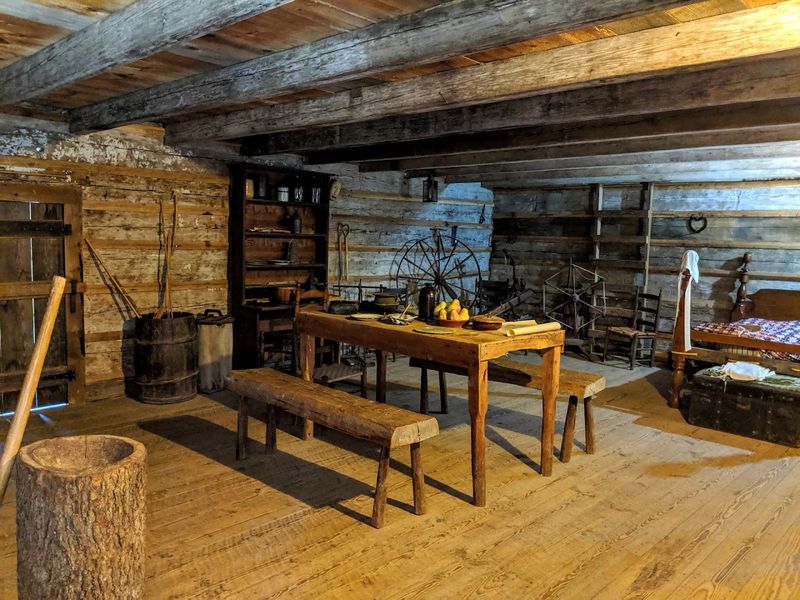
Before exploring the outdoor sites, hit the museum first—seriously, don’t skip it. The exhibits provide crucial context that makes everything else click into place.
You’ll find authentic artifacts that Cherokee families actually used, from household tools to ceremonial items. Historical documents include original newspaper pages, letters, and legal papers that bring individual voices back to life.
Archaeological discoveries reveal how Cherokee communities organized their spaces and lived their daily lives.
The interpretive displays deserve special mention. They don’t just present facts—they tell stories.
Maps show the Cherokee Nation’s vast territory before removal. Timelines connect local events to broader American history.
Personal accounts humanize the statistics and dates.
I spent way longer in the museum than planned because each exhibit answered questions I didn’t know I had. How did Cherokee democracy actually function?
What did families eat for dinner? How did the syllabary revolutionize education?
The answers are all here, presented clearly and respectfully without dumbing down complex topics.
Walking Through One Of Georgia’s Most Important Historic Landscapes
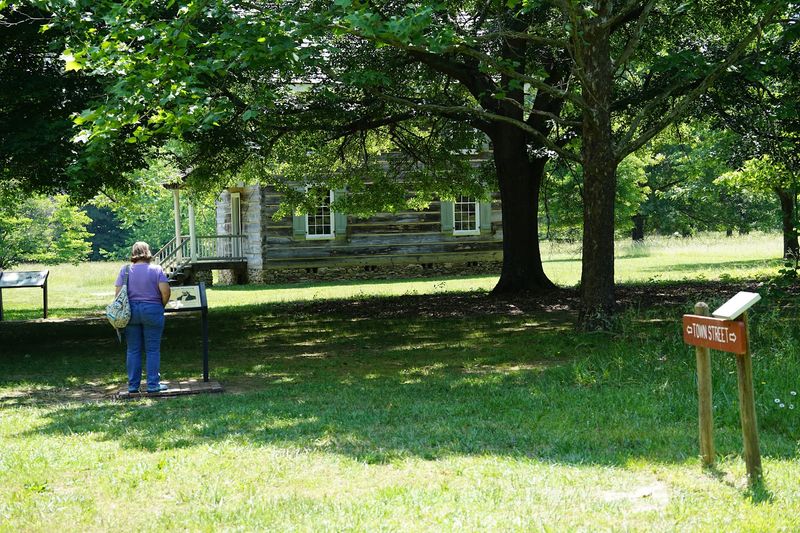
Slow down when you visit New Echota. This isn’t a place to rush through—the landscape itself tells stories that buildings can’t.
Peaceful pathways wind between reconstructed structures, original archaeological foundations, and thoughtfully placed monuments. Interpretive markers dot the grounds, explaining what once stood on now-empty plots.
The quiet setting encourages reflection rather than Instagram photo ops.
I love how the site balances preservation with accessibility. You can examine foundation stones from original buildings while walking modern paths.
Archaeological sites sit protected but visible. The landscape hasn’t been manicured into some Disney version of history—it retains an authentic, slightly rough-around-the-edges quality.
What makes New Echota powerful isn’t just what happened here—it’s the space to process those events. Sitting under shade trees where Cherokee leaders once walked, you can contemplate both incredible achievements and unbearable losses.
The landscape holds both triumph and tragedy, refusing to let visitors forget either part of the story.
Living History Demonstrations And Educational Programs
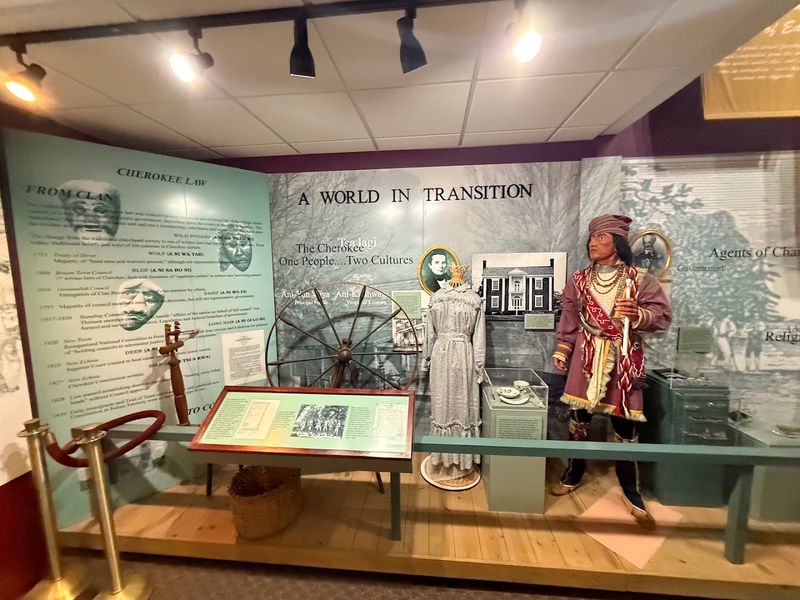
New Echota doesn’t just preserve history—it brings it to life through demonstrations that engage all your senses.
Guided tours led by knowledgeable staff reveal details you’d miss wandering alone. Living history events feature interpreters in period clothing demonstrating traditional crafts, early printing techniques, and daily activities from the 1820s-1830s.
Seasonal programs celebrate Cherokee culture through music, storytelling, and hands-on activities.
School groups flood the site during weekdays, and for good reason—New Echota’s educational programs are outstanding. Kids who normally zone out during history lessons suddenly engage when watching someone operate a nineteenth-century printing press or demonstrate traditional Cherokee skills.
Check the calendar before visiting because special events throughout the year offer unique experiences. Cherokee Heritage Week, living history weekends, and cultural presentations provide deeper dives into specific topics.
I’ve attended several programs, and each one revealed new layers of understanding I hadn’t considered.
Even casual visitors benefit from asking staff questions. These folks know their stuff and love sharing stories that textbooks leave out.
Visitor Information & What To Know Before You Go
Practical stuff first: New Echota sits at 1211 GA-225, Calhoun, GA 30701. Call +1 706-624-1321 for current hours and admission fees, which are remarkably affordable.
Parking is free and plentiful, with accessible spaces near the visitor center.
The site welcomes visitors Tuesday through Saturday, with reduced winter hours—always confirm before driving out. Admission fees support preservation efforts, and annual Georgia park passes work here.
Guided tours enhance the experience tremendously, though self-guided exploration works fine too.
Plan at least two to three hours for a thorough visit. Wear comfortable walking shoes because you’ll cover significant ground.
Bring water, especially during Georgia summers. The museum has restrooms and climate control for when you need a break.
Best visiting times? Spring and fall offer perfect weather and smaller crowds.
Weekday mornings beat weekend rushes. Nearby Calhoun offers restaurants and lodging if you’re making a day trip.
New Echota isn’t flashy or commercialized, which somehow makes it more powerful. Come prepared to think, feel, and learn.