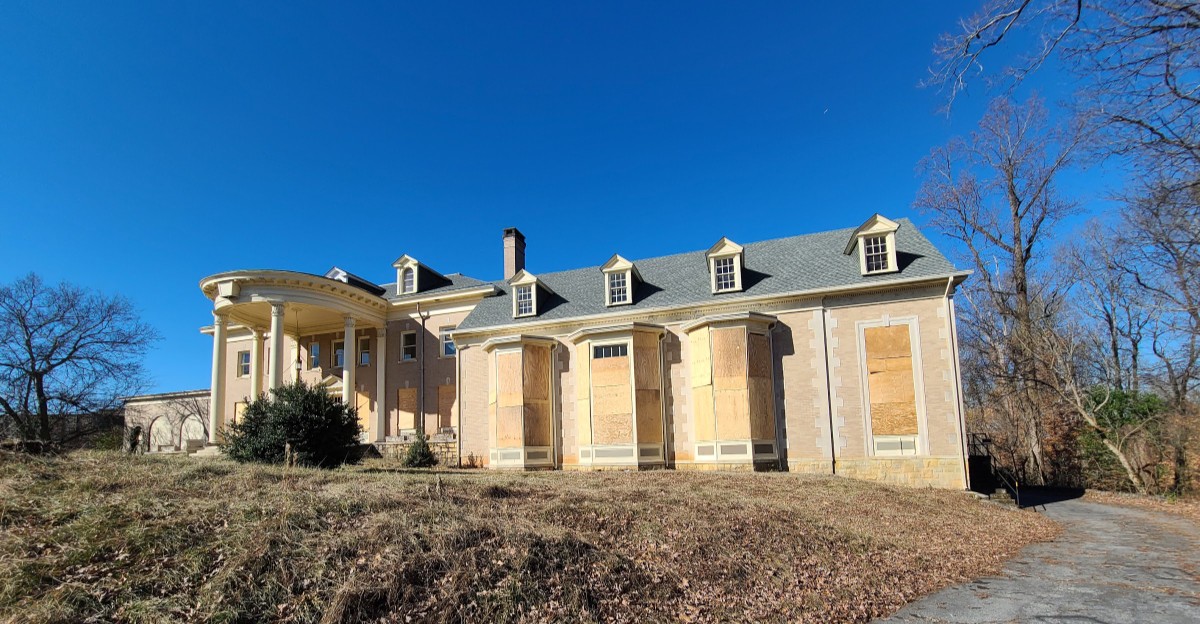
Hidden behind fences, trees, and warning signs in Atlanta, Briarcliff Mansion looks like the kind of place a storybook forgot to finish, still pulling people in with its grand shape and strange quiet.
The mansion is famous because it once belonged to the Candler family, the name tied to Coca-Cola history, and later became part of Emory University property.
Today, it is not a normal tourist stop, but its weathered walls, movie history, and long list of local stories make it one of Georgia’s most talked-about landmarks.
People are drawn to places that feel frozen in time because they help us picture another world.
Briarcliff does that without trying.
Even from a safe and legal distance, you can sense the wealth, drama, and decay wrapped into one building.
Its story reminds us that even huge mansions can become quiet, fragile, and mysterious.
A Grand Atlanta Mansion With a Faded Glow
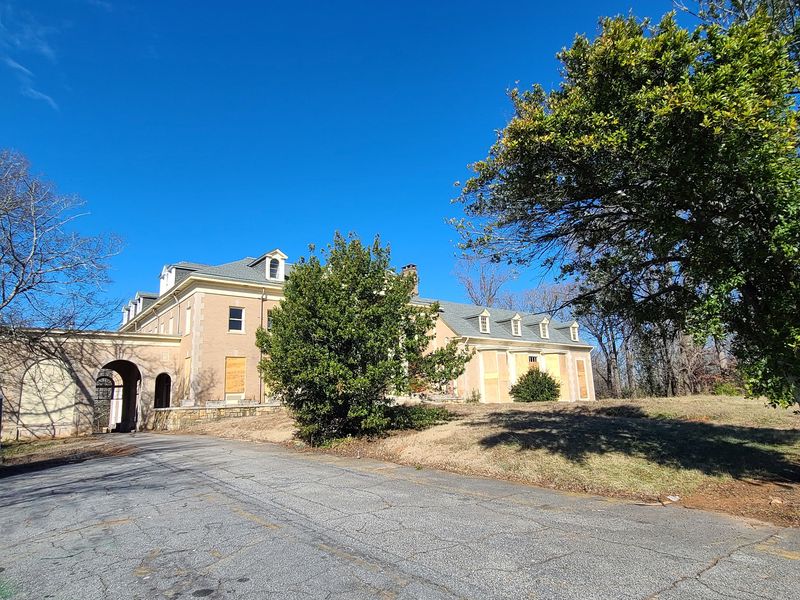
Some old buildings whisper, but Briarcliff Mansion seems to hold its breath.
The home was built in the 1920s for Asa Griggs Candler Jr., the son of Coca-Cola founder Asa Griggs Candler.
It was designed to show wealth, taste, and power, with grand rooms, formal spaces, and a large estate around it.
The mansion is often linked to Georgia history because it tells a story about rich families, changing neighborhoods, and buildings that outlive their first purpose.
Its look is usually described as Georgian Revival, with balanced shapes and a serious, elegant face.
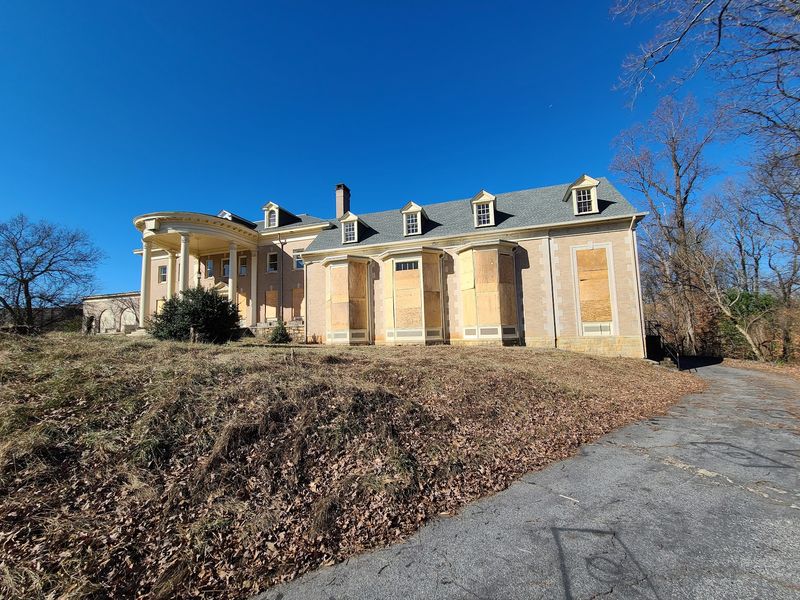
Even in poor condition, the building still feels impressive.
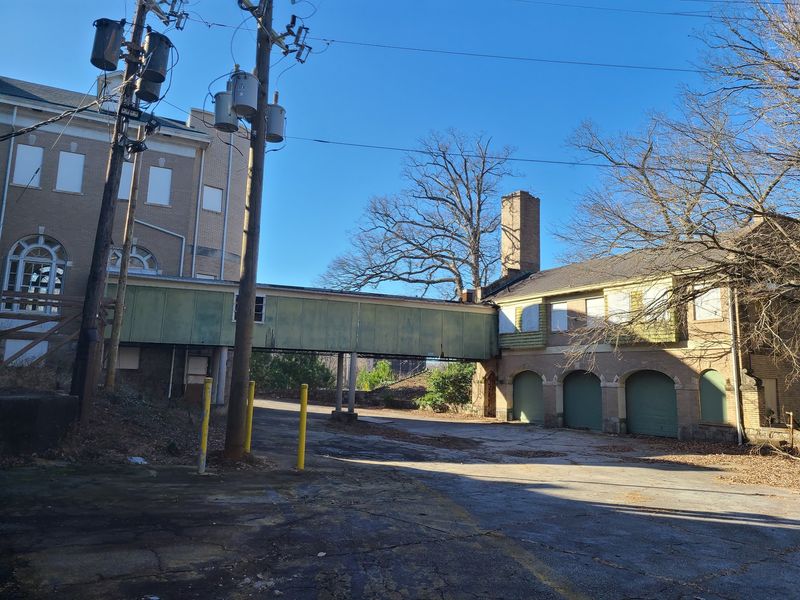
Cracked surfaces, boarded openings, and overgrown edges make it feel like time paused halfway through a scene.
Visitors should understand that Briarcliff is not an open museum.
The property has barriers, posted warnings, and security concerns.
The safest way to appreciate it is from public areas, through official history pages, or approved events if they ever become available.
Respect keeps the landmark from suffering more damage, and it protects curious people too.
Coca-Cola Roots Give the Place Extra Spark
Here is the quirky twist: this quiet mansion has a fizzy connection to one of the world’s most famous drinks.
Briarcliff was the home of Asa Candler Jr., often called Buddy Candler, whose family fortune was tied to Coca-Cola.
That link gives the mansion more than a rich-person-house story.
It connects the property to Atlanta’s business history, a time when new money helped shape large homes, private estates, and bold dreams.
Buddy Candler was known for unusual tastes.
Historical accounts often mention animals on the grounds, including elephants and even a Bengal tiger.
Stories like that make the mansion feel less like a dusty landmark and more like a place from a wild family legend.
When you look at Briarcliff today, that past can feel surprising.
The broken mood does not match the old tales of parties, animals, and luxury.
That contrast is exactly why people keep talking about it.
A place once built to impress now asks a quieter question: what happens when fame, money, and care move somewhere else?
The Address Places It in a Busy Historic Pocket
At 1260 Briarcliff Rd NE, the mansion sits in a part of Atlanta where daily traffic passes close to hidden history.
Briarcliff Mansion is located at 1260 Briarcliff Rd NE, Atlanta, GA 30306, United States, near the Druid Hills area and close to Emory-related property.
Its listed coordinates are about 33.7895759, -84.3408716.
Google Maps identifies it as a historical landmark with a 4.1-star rating from 74 reviews.
That rating can be confusing because this is not a normal place with tours, tickets, and friendly front-desk staff.
Many reviews mention blocked views, locked gates, no trespassing signs, security guards, and limits on photos.
Others talk about its beauty, eerie mood, and history.
If you go near the area, plan like a respectful neighbor, not an explorer in a movie.
Stay on public sidewalks or roads, obey signs, and never cross cones, fences, or gates.
A quick look from a legal spot is smarter than risking a fine, injury, or damage to a fragile landmark.
Boarded Windows Create a Frozen-In-Time Feeling
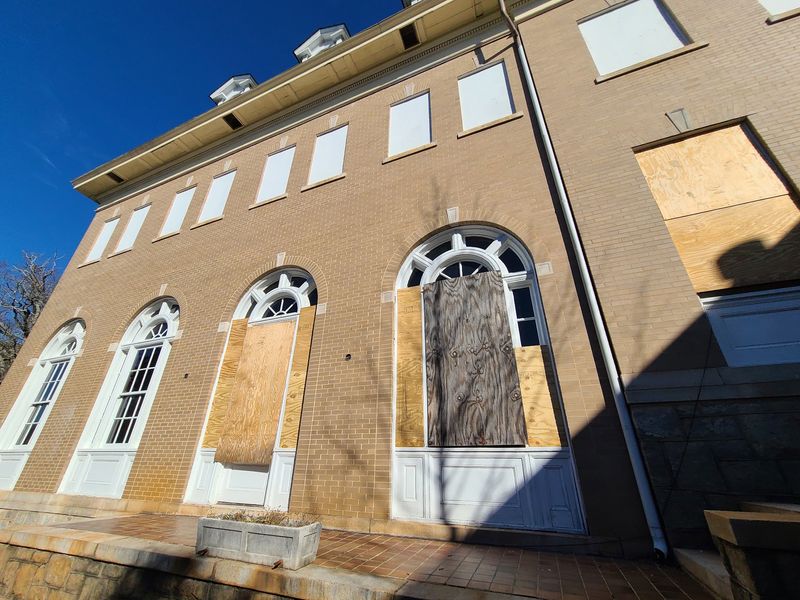
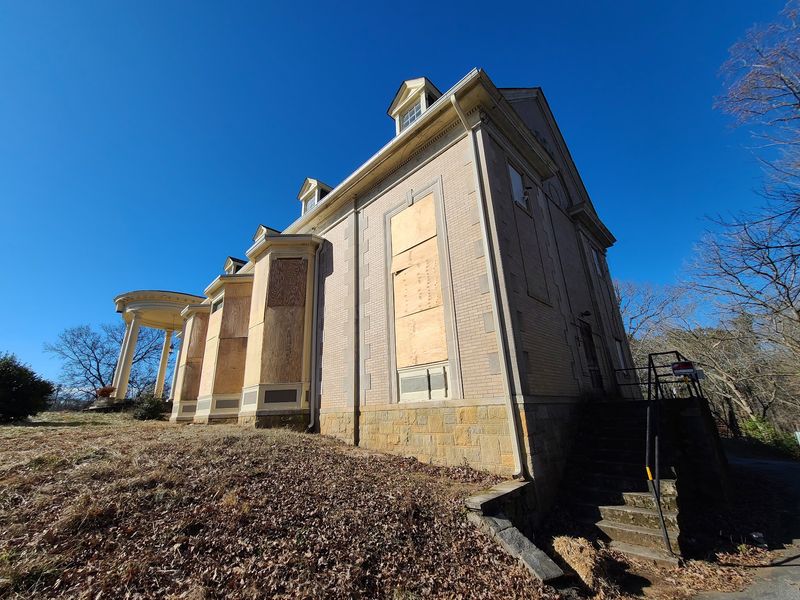
Boarded windows can make a building look blind, but at Briarcliff they also make it feel secretive.
People who pass the mansion often notice that the inside is not visible to everyday visitors.
The covered openings, blocked access, and worn exterior add to the feeling that the house has been paused for years.
That can be exciting to imagine, but it is also a sign of risk.
Old buildings can hide weak floors, loose plaster, exposed nails, mold, falling pieces, and unstable stairs.
A mansion that looks dramatic in photos may be dangerous up close.
The mystery is part of the appeal, yet safety has to matter more than curiosity.
A better way to enjoy the frozen-in-time feeling is to study exterior details from legal viewpoints.
Look for the shape of the roofline, the balance of the front, and the way nature has grown around the estate.
Those clues tell a story without needing to step inside.
Photography from public areas can still capture mood, texture, and history while keeping both you and the building protected.
Movie Crews Helped Keep the Legend Alive
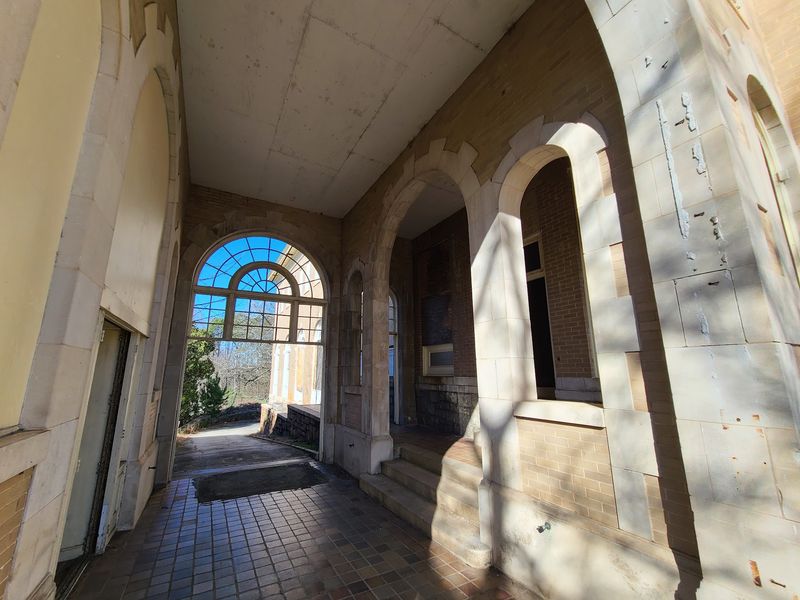
Film people love places with texture, and Briarcliff has texture in every cracked corner.
Several local comments and visitor reviews mention movies, photo shoots, staged scenery, and filming activity connected to the property.
That makes sense.
A mansion with grand bones, peeling age, and a strange quiet can save a film crew a lot of set-building.
It already looks like a haunted drama, a forgotten fortune, or a secret hideout.
Still, movie use does not mean the public can wander in.
Film crews usually work with permission, insurance, safety plans, and controlled access.
Regular visitors do not have those protections.
That difference matters.
If you enjoy film locations, treat Briarcliff as a research stop rather than a walk-in set.
Search for productions tied to the campus area, read location notes, and compare scenes with public exterior images.
It can be fun to spot how directors use real decay to create mood.
Just avoid copying risky online behavior.
The best fans protect the places they admire, because one careless visit can lead to more fences, more damage, and less public trust.
Its Emory Connection Adds a Second Life
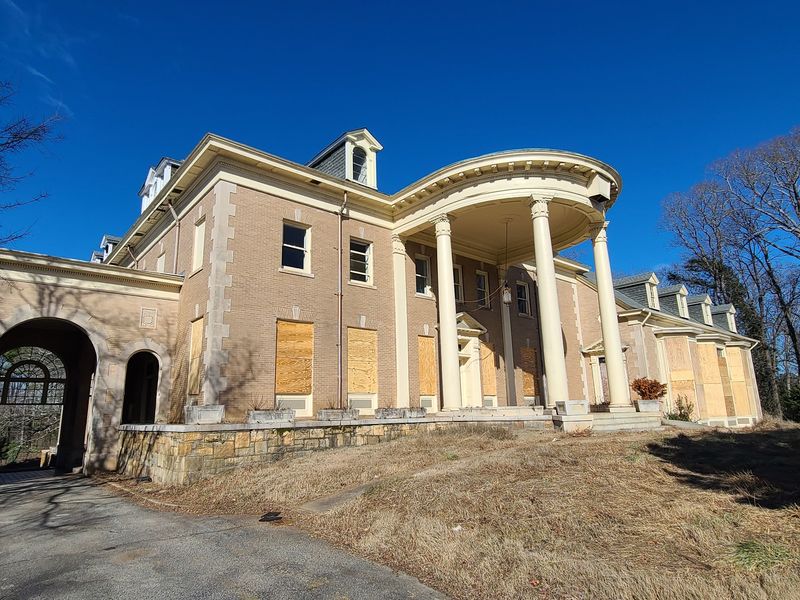
A mansion can change jobs, and Briarcliff has done that more than once.
After its private estate years, the property became connected with institutional uses and later with Emory University.
Reviews and history notes mention that the mansion was once part of a larger campus setting.
One reviewer remembered it as connected to the Metro Atlanta Recovery Residence in the mid-1980s, with programs, meetings, and nearby houses serving recovery needs.
That second life is important because it shows how historic buildings do not always stay fancy homes.
They may become offices, treatment centers, classrooms, storage areas, or empty shells.
Each use leaves a layer of memory behind.
For readers, that makes Briarcliff more human.
It was not only a rich family’s showplace.
It also became part of people’s healing, work, and daily routines.
When locals feel sad about its condition, they may be remembering more than architecture.
They may remember a place that once had lights on, people inside, and a purpose.
That emotional history is hard to rebuild once it fades.
Restoration Talk Keeps Hope on the Table
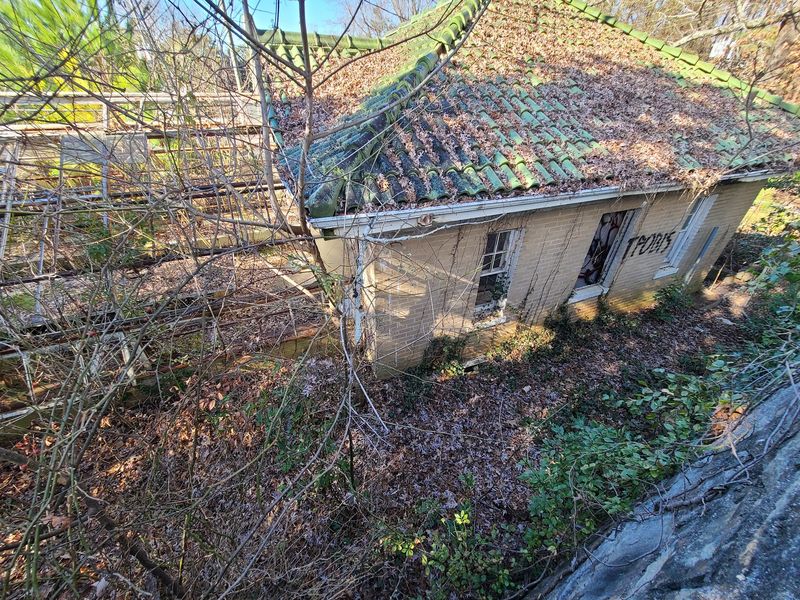
Every cracked wall raises the same hopeful question: could Briarcliff shine again?
Many people who know the mansion talk about restoration, rebuilding, or bringing it back to its former glory.
That dream is easy to understand.
Historic homes can become museums, event spaces, campus centers, or cultural landmarks when money, planning, and safety line up.
Restoration, however, is not as simple as painting walls and opening doors.
A building like Briarcliff may need structural studies, roof work, electrical updates, fire protection, accessibility planning, preservation approval, and long-term care funds.
The older and weaker a place becomes, the harder and more expensive the rescue can be.
Fans can help by supporting preservation groups, sharing accurate information, and avoiding trespassing.
Damage from break-ins can make restoration harder.
So can viral attention that sends crowds to a closed property.
If Briarcliff ever gets a full comeback, it will likely happen because people treated it as a landmark, not a playground.
Hope needs patience, paperwork, and respect to become real.
How to Experience the Mystery Without Trespassing
Curiosity is fun, but a locked gate is still a locked gate.
The most useful advice for Briarcliff is simple: do not trespass.
Recent reviews mention locked entrances, orange cones, security, blocked access, and strict limits on vehicle and foot traffic.
Some older comments describe walking around or requesting access, but conditions can change.
Current signs and property rules should guide your choices.
You can still enjoy the story in smart ways.
Read the National Register information through the National Park Service listing.
Look up historic photos, study the Candler family background, and explore legal public views nearby if parking and sidewalks allow it.
Bring a zoom lens instead of crossing a boundary.
Urban exploration often looks exciting online, yet real landmarks are fragile.
Breaking rules can lead to tickets, injuries, or more damage to a place people want saved.
Briarcliff feels frozen in time because it has survived many chapters.
Respectful visitors help make sure there is still something left for historians, preservationists, and future Atlantans to understand.