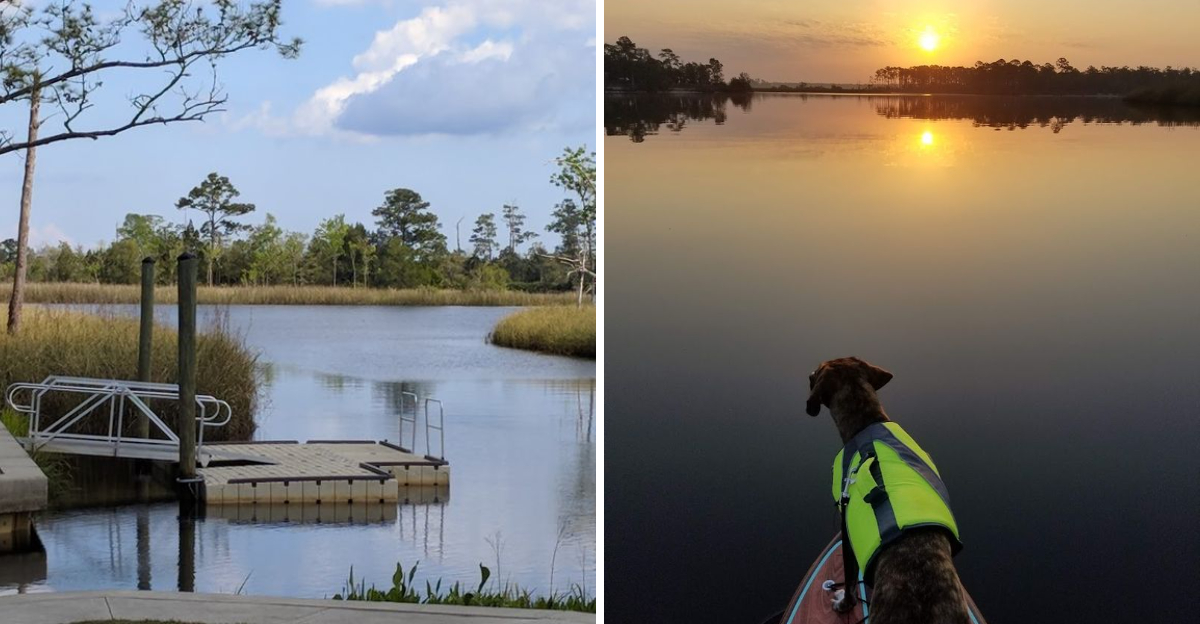
Tucked along Florida’s Gulf Coast, Ochlockonee River State Park is one of those rare places where wild nature still runs the show.
Though the park covers just 540 acres, it borders the enormous Apalachicola National Forest, giving paddlers access to a seemingly endless maze of tidal creeks, blackwater rivers, and coastal marshes.
Whether you’re a first-time kayaker or a seasoned paddler, this park delivers an experience that feels genuinely untouched.
Pack your paddle and get ready — this is Florida the way it used to be.
A Gateway to a Vast Coastal Wilderness
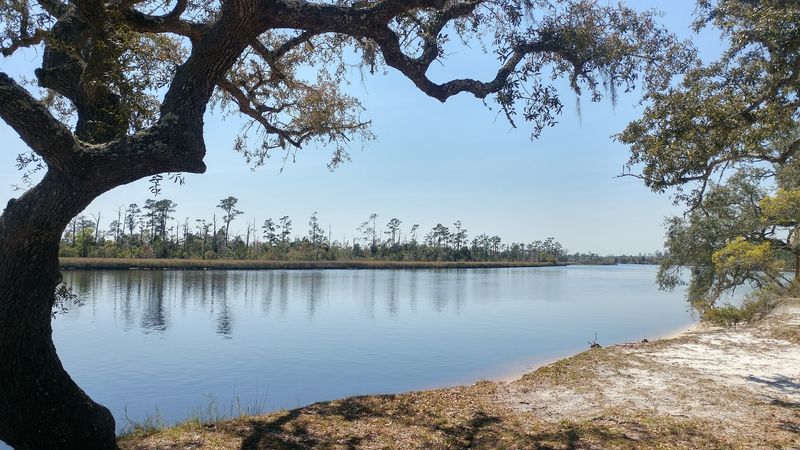
Imagine launching your kayak from a quiet riverbank and knowing that the forest stretching out around you covers roughly 600,000 acres. That’s exactly the feeling you get at Ochlockonee River State Park.
Although the park itself is a modest 540 acres, it sits right on the doorstep of the Apalachicola National Forest — one of the largest national forests in the eastern United States.
This massive natural backdrop means paddlers aren’t just floating through a small park. They’re accessing the outer edge of a vast, largely undeveloped coastal wilderness.
Few roads cut through this landscape, and development is almost nonexistent, which keeps the scenery wild and the atmosphere peaceful.
For anyone craving a true escape from busy modern life, this park punches way above its weight. The contrast between its small size and the enormous forest behind it is part of what makes it so special.
You could spend days exploring and still discover new channels, coves, and hidden corners. It’s the kind of place that reminds you just how big and beautiful Florida’s natural landscape really is when left alone.
Paddle Into a Maze of Tidal Creeks
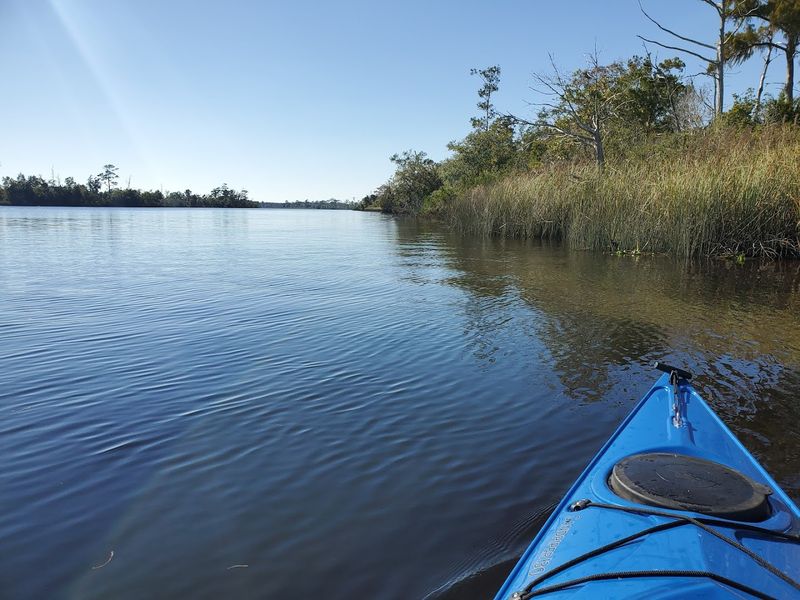
Some paddling destinations give you one river and call it a day. Ochlockonee River State Park gives you a whole web of waterways to get gloriously lost in.
Branching off from the main river are winding tidal creeks, quiet backwaters, and narrow marsh channels that twist and turn through the coastal landscape in every direction.
What makes this network so exciting is its unpredictability. Around one bend, you might find a wide open estuary.
Around the next, a tight, tree-shaded creek barely wide enough for your kayak. Each turn feels like flipping to a new page in a very good book.
The variety keeps paddlers engaged and curious throughout the entire journey.
Tidal creeks are also ecologically rich environments. As the tide moves in and out, it carries nutrients and small creatures that attract fish, birds, and other wildlife.
Paddling through these channels puts you right in the middle of that natural activity. You’re not just a visitor watching from a distance — you’re moving through the ecosystem itself.
Bring a waterproof map or download an offline GPS route before heading out, because it’s easy to lose your bearings in the most wonderful way.
Two Scenic Paddling Loops to Explore
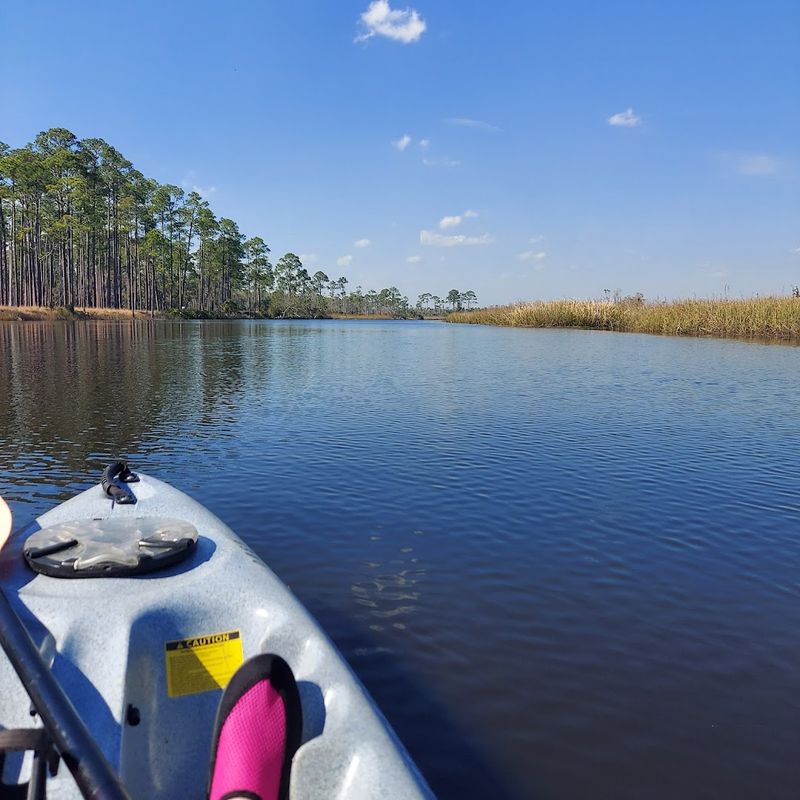
Not everyone wants to freestyle their way through an unfamiliar waterway system, and that’s completely fair. Fortunately, the park has two established paddling routes that take the guesswork out of planning while still delivering an incredible experience.
The Dead River–Sopchoppy Loop and the Bear Creek Trail each cover roughly 7.5 miles of scenic, varied waterway.
Both routes are structured enough to follow confidently but flexible enough to pause, explore, and soak in the surroundings at your own pace. The Dead River–Sopchoppy Loop takes paddlers through a mix of river channels and tidal marsh, while Bear Creek Trail winds through forest-lined stretches with quieter, more sheltered water.
Each has its own personality and charm.
Seven and a half miles might sound like a lot, but on calm blackwater with minimal current, most paddlers find it very manageable. Plan for about three to five hours on the water depending on how often you stop to watch wildlife or take photos.
Starting early in the morning is a smart move — the light is softer, the air is cooler, and the wildlife is far more active. Carrying snacks, sunscreen, and extra water will make the trip even more enjoyable.
A Unique Mix of Freshwater and Saltwater
Here’s something you won’t find at your average inland paddling spot: brackish water. Because the Ochlockonee River flows southward toward the Gulf of Mexico, its lower reaches experience a blending of freshwater and saltwater that creates a genuinely unique ecosystem.
Scientists call this transition zone an estuary, and it’s one of the most biologically productive environments on the planet.
For paddlers, this mix means you’re moving through two worlds at once. On one stretch, you might pass cypress trees draped in Spanish moss — classic freshwater scenery.
A little further downstream, saltmarsh cordgrass takes over, and the landscape opens up into wide, wind-swept flats typical of the Gulf Coast. The shift is subtle but unmistakable.
Brackish water also supports an impressive range of fish and invertebrates, which in turn attracts hungry birds and other predators. Mullet jumping out of the water, blue crabs scuttling along the bottom, and ospreys diving overhead are all common sights.
The ecological richness of this transition zone is one reason the park’s waterways feel so alive and full of surprises. Paddling here is genuinely educational — every stretch of water tells a different environmental story worth paying attention to.
Blackwater Beauty and Calm Currents
There’s something almost meditative about paddling a Florida blackwater river. The Ochlockonee earns its “blackwater” label from tannins — natural compounds released by decaying leaves and vegetation that stain the water a deep amber-brown, similar to strong tea.
The result is a river that looks dark and mysterious but is actually clean and natural.
One of the best things about blackwater rivers is how calm they tend to be. The Ochlockonee flows gently, with minimal rapids or strong currents in most sections.
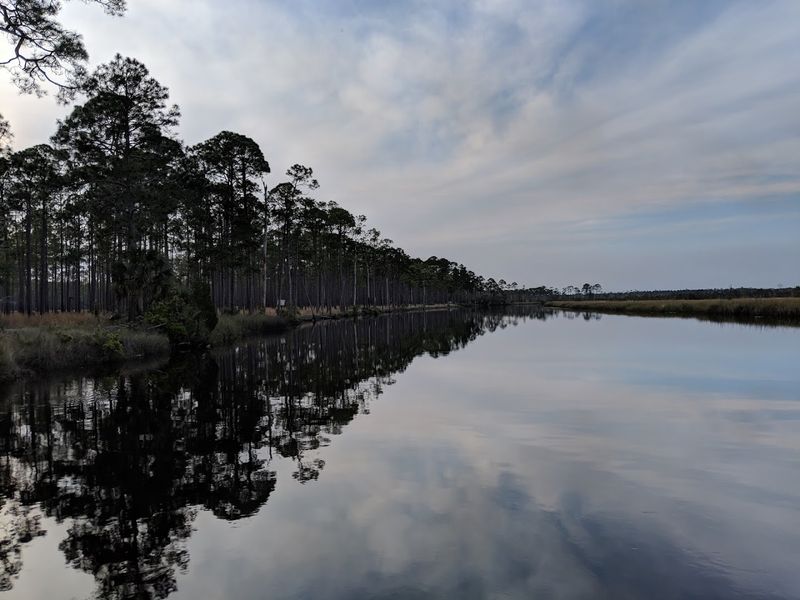
On still mornings, the water becomes almost perfectly reflective, mirroring the trees, sky, and clouds above in a way that feels almost surreal. Photos taken on glassy blackwater mornings look like paintings.
This calm, predictable nature makes the river genuinely beginner-friendly. You don’t need whitewater experience or advanced skills to enjoy a full day on the Ochlockonee.
Kids, older adults, and first-time paddlers all find the experience accessible and enjoyable. That said, even experienced kayakers love blackwater rivers for their peaceful rhythm and atmospheric beauty.
Renting a kayak locally or bringing your own inflatable is a great option for those who don’t own a hard-shell boat.
Wildlife Encounters at Every Turn
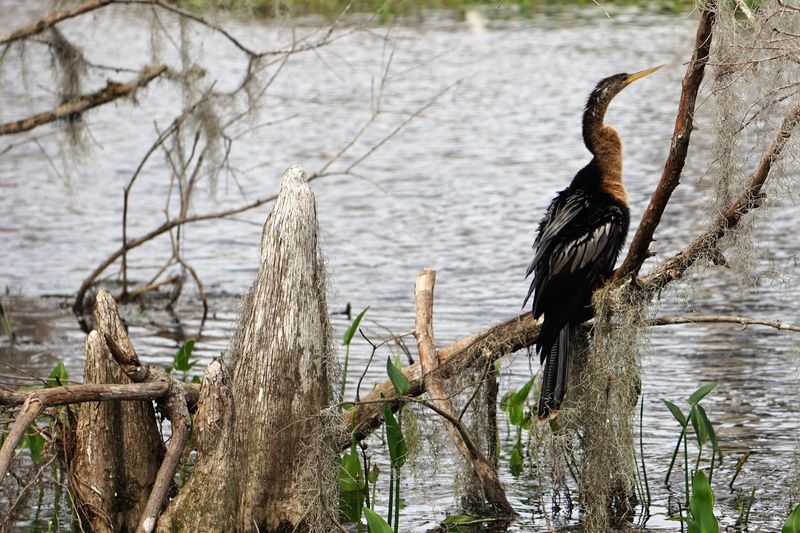
Wildlife watching and kayaking go together perfectly, and Ochlockonee River State Park delivers on both fronts without any effort required on your part. The animals simply show up.
Ospreys are practically guaranteed — these fish-hunting raptors nest in the area and can often be spotted hovering over the water before making a dramatic dive. Great blue herons stand motionless along the banks like statues until something moves nearby.
Turtles are another constant companion. They’ll sun themselves on logs just inches from your kayak before splashing into the water as you pass.
Alligators are present too, though they’re typically more cautious around kayakers than people expect. Spotting one gliding silently through the marsh is thrilling and perfectly safe as long as you maintain a respectful distance.
The surrounding forest adds another layer of wildlife opportunity. The red-cockaded woodpecker — a federally listed endangered species — lives in the longleaf pine forests near the park.
Spotting one is a genuine treat for birders. Deer, river otters, and occasionally black bears round out the wildlife list.
Bringing binoculars and a waterproof camera or phone case will help you document the incredible variety of creatures that call this ecosystem home.
Paddle Where Rivers Converge
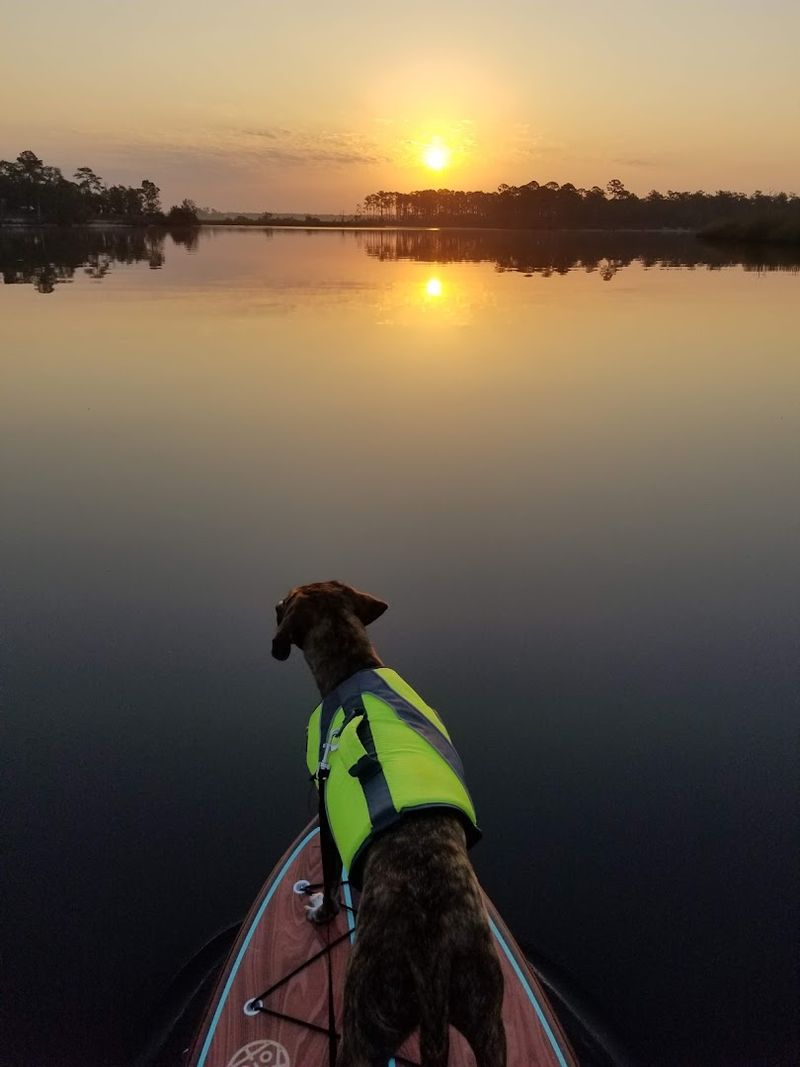
Not many paddling destinations offer the luxury of multiple rivers meeting at a single launch point. Ochlockonee River State Park sits right at the confluence of the Ochlockonee and Dead rivers, which means paddlers can choose their direction and access entirely different waterway systems without ever moving the car.
That kind of flexibility is rare and genuinely exciting.
River confluences are also fascinating from a natural science perspective. Where two rivers meet, currents interact, sediment patterns shift, and wildlife congregates.
Fish gather near confluences to feed, and birds follow the fish. Paddling through or near the meeting point of these two rivers gives you a front-row seat to that dynamic natural activity.
From a practical standpoint, having two rivers to choose from on any given day means you can tailor your paddle to your mood, energy level, or time available. Feeling ambitious?
Follow the Dead River deep into its forested corridor. Want something shorter and more open?
Stay near the Ochlockonee’s wider main channel. The options make return visits feel fresh and different every single time.
Many paddlers who visit once end up planning a second trip before they’ve even driven home, simply because there’s too much left to explore.
Easy Launch Access for All Skill Levels
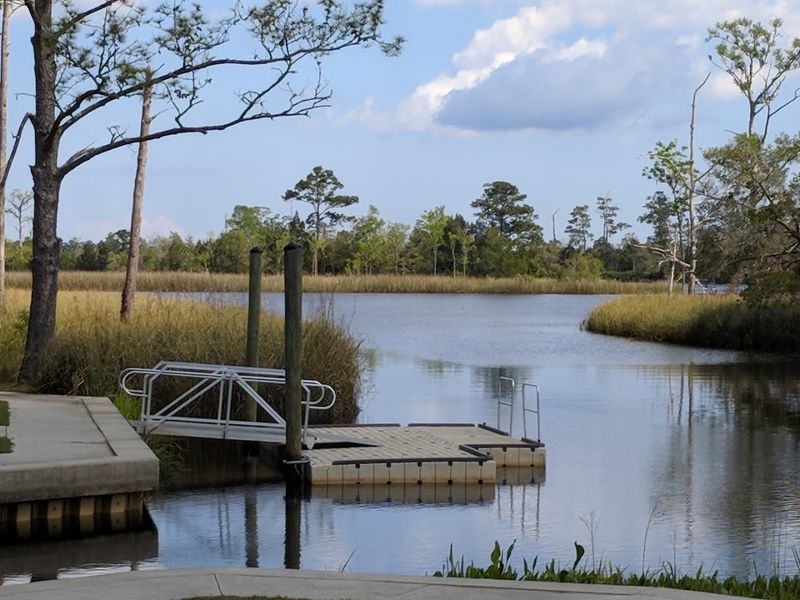
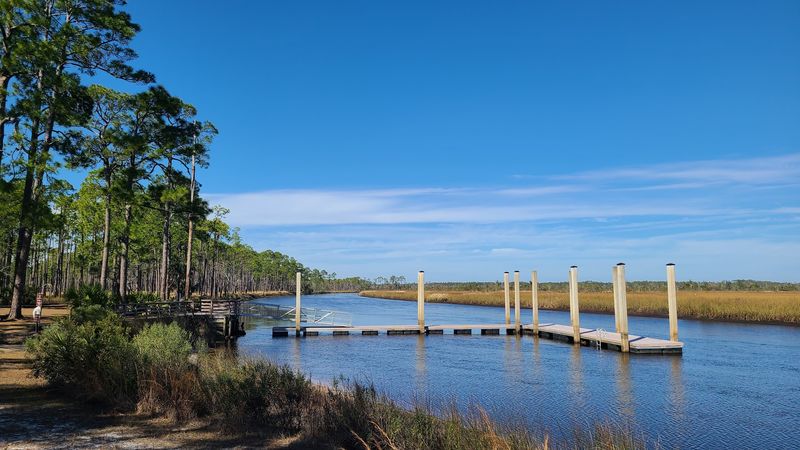
Getting on the water should be the easy part of a paddling trip, and at Ochlockonee River State Park, it genuinely is. The park provides an accessible kayak launch, a floating dock, and a boat ramp — giving paddlers multiple convenient options depending on their boat type and physical needs.
You won’t be scrambling down a muddy bank or hauling gear through thick brush just to get started.
The floating dock is especially helpful for beginners and older paddlers who might find it tricky to enter a kayak from a sloped ramp or uneven shoreline. Being able to step onto a stable platform and lower yourself into the boat dramatically reduces the awkward wobble factor that puts many newcomers off paddling.
It’s a small detail that makes a big difference in confidence and comfort.
Parking is available close to the launch area, which simplifies the process of unloading kayaks, canoes, or paddleboards from roof racks or trailers. The park also has restrooms and basic facilities nearby, making it a comfortable base for a full day on the water.
For anyone renting equipment locally, several outfitters in the surrounding area offer delivery or guided options that use this same launch point as their starting spot.
Endless Exploration Beyond Marked Trails
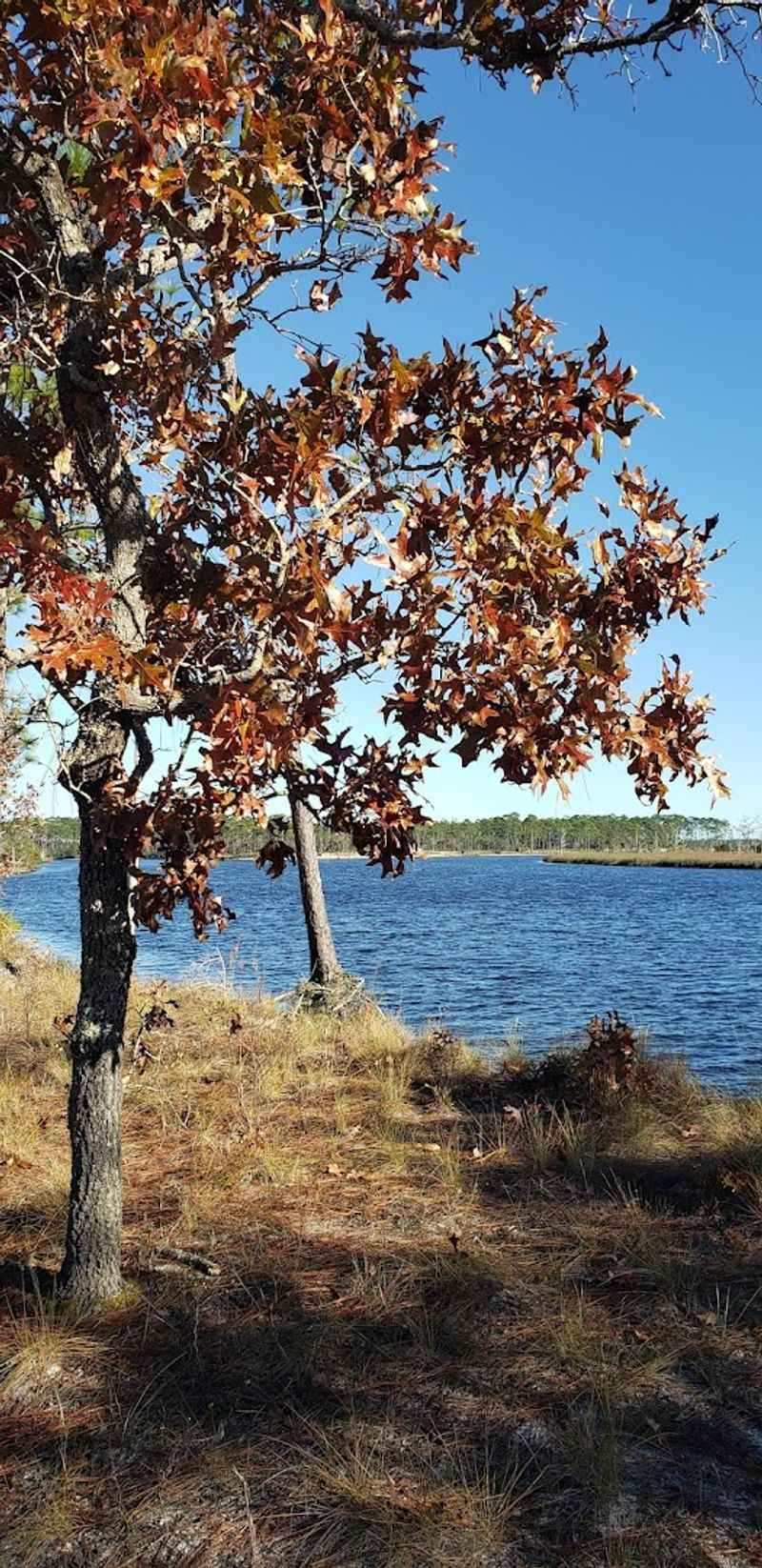
One of the most rewarding parts of paddling at Ochlockonee River State Park is the freedom to explore far beyond the designated routes. While established loops like the Dead River–Sopchoppy Trail provide a helpful framework, the real magic begins when you drift off into the narrower, lesser-known channels that branch away from the main waterways.
These winding tidal creeks weave through salt marsh, cypress-lined corridors, and quiet estuaries, offering a sense of discovery that feels different every time you visit.
Because the river system is influenced by tides from the nearby Gulf, water levels and currents subtly change throughout the day, reshaping your path and revealing new passages or hidden sandbars. This dynamic environment makes each trip unique, even if you launch from the same spot.
Paddlers can follow their curiosity, tracing the edges of grassy marshes or slipping into shaded backwaters where the only sounds are birds and the gentle dip of a paddle.
Navigation does require some awareness—bringing a map or GPS is recommended—but that sense of self-guided adventure is exactly what draws experienced kayakers here. It’s a place where exploration isn’t just possible—it’s the entire point.
A True “Old Florida” Paddling Experience
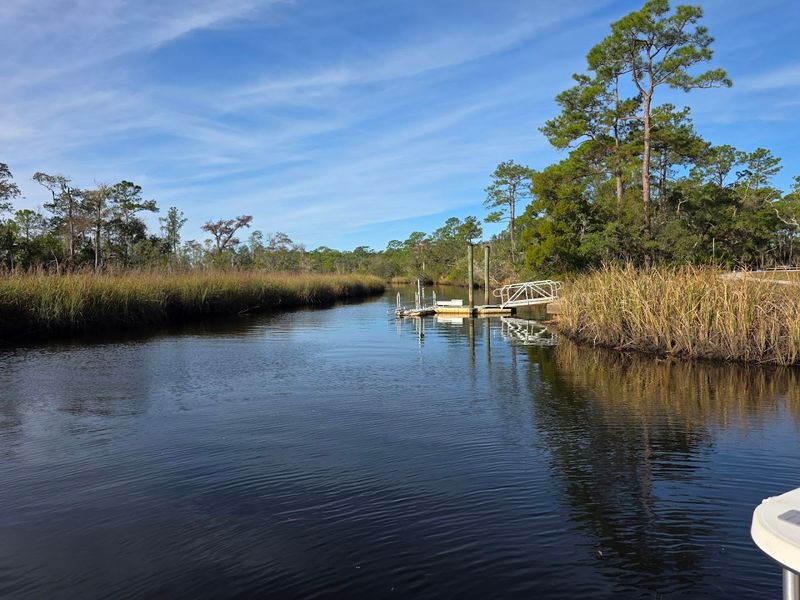
Paddling through Ochlockonee River State Park offers a glimpse of what many call “Old Florida”—a landscape that feels largely unchanged by modern development. Here, the waterways wind quietly beneath canopies of longleaf pine, bald cypress, and hardwood forest, with no high-rises or busy marinas in sight.
Instead, the scenery is defined by natural textures: tannin-dark water reflecting the sky, marsh grasses swaying with the tide, and fallen logs resting undisturbed along the banks.
This stretch of the river flows along the edge of the vast Apalachicola National Forest, reinforcing the sense of scale and solitude. It’s not uncommon to paddle for long stretches without encountering another person, especially on weekday mornings or in the quieter seasons.
The absence of crowds allows the natural rhythms of the river to take center stage—bird calls echo through the trees, fish ripple the surface, and the occasional alligator slips silently into the water.
What makes the experience especially memorable is its simplicity. There are no elaborate routes or built-up attractions competing for attention—just a slow-moving river and the freedom to explore it at your own pace.
It’s a reminder of Florida as it once was, best appreciated from the seat of a kayak.