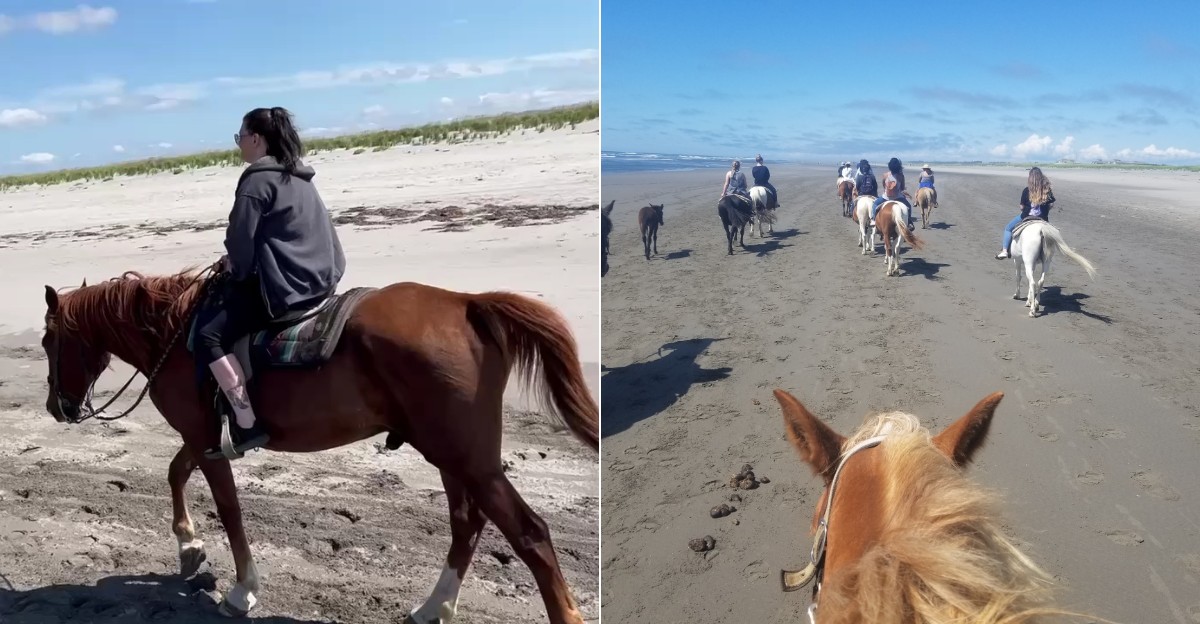
The sound of hooves on wet sand makes a beach adventure feel completely different from an ordinary afternoon by the ocean.
With the Pacific stretching toward the horizon, horseback riding offers families a memorable way to experience the coastline.
In Long Beach, Washington, riders can explore scenic coastal surroundings while enjoying time with horses.
The combination of fresh ocean air, sandy stretches, and beautiful views makes this outing especially appealing.
Beginners can discover what it feels like to ride a horse, while more experienced visitors may have opportunities suited to their abilities.
Knowledgeable guides help riders prepare for the experience and understand what to expect along the route.
Choosing the right ride length and preparing for changing coastal weather can make the day more comfortable.
A little planning helps families focus on the scenery, the horses, and the excitement of exploring the Washington coast.
Where the Trail Begins
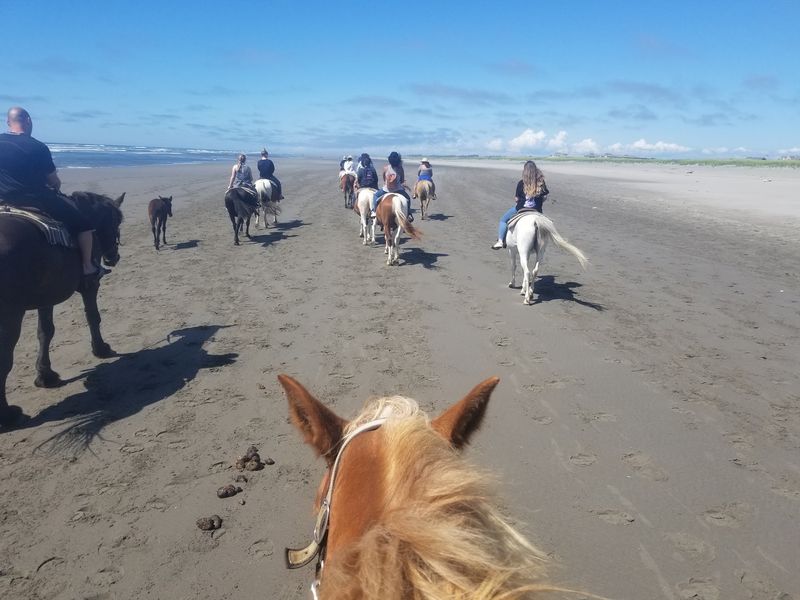
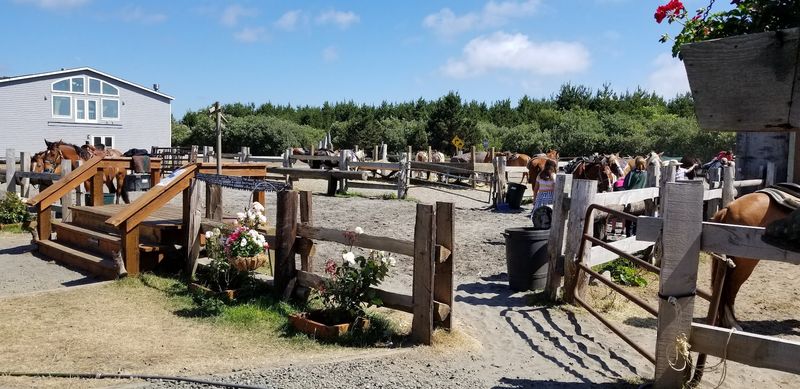
Every great ride needs a starting line, and this one sits right off a main route into town. Long Beach Family Horse Rides welcomes visitors near the Sid Snyder Drive beach approach in Long Beach, Washington.
Sid Snyder Drive is one of the main roads that connects the town to the beach approach. That makes the ranch easy to find for first timers who are still learning the area.
The location also matters for the ride itself. From here, groups head out through wooded paths and dunes before reaching the open sand of the Washington coast.
Many families stay in Long Beach, while others drive over from Astoria, Oregon, for the day. The trip across the river is short enough to fit into a vacation morning without much stress.
Parking is right at the site, so there is no long hike before the fun starts. Arrive a little early, check in, and get ready to swap four wheels for four hooves.
The coast is closer than it looks on the map.
Woods First, Then the Wide Open Sand
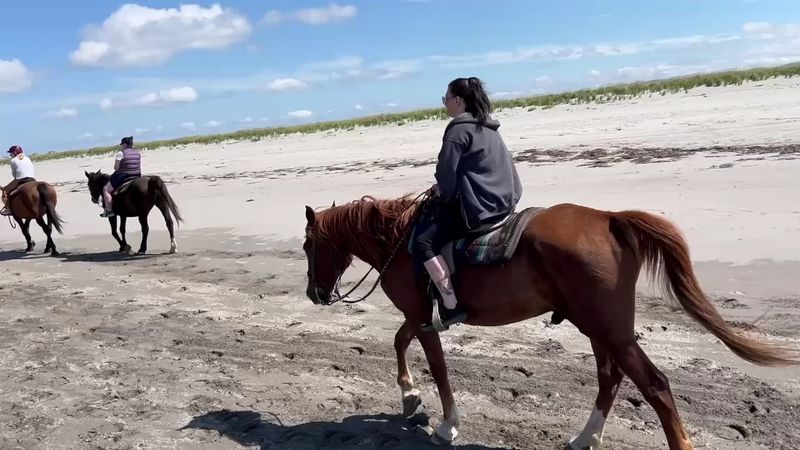
Plenty of beach rides start and end on sand. This one adds a bonus chapter before the ocean even shows up.
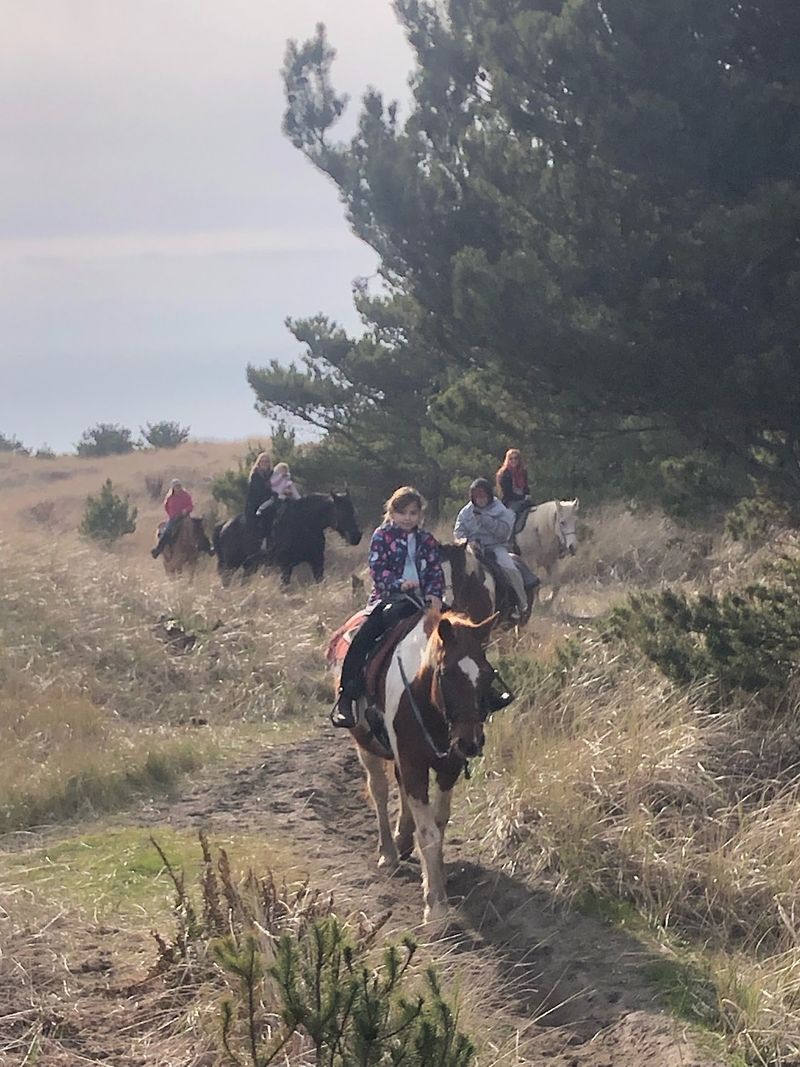
Groups usually pass through a stretch of woods on the way to the beach. Tall coastal trees line the path, which gives riders a chance to settle into the saddle before the scenery opens up.
After the trees, the trail crosses the dunes. The dune section is a favorite part for many riders because it feels like a slow reveal of what is coming next.
Then comes the big moment. The trail opens onto the Long Beach shoreline, and the Pacific Ocean stretches out to the horizon.
That mix of forest, dunes, and beach turns a simple ride into a small adventure with three different settings. Kids especially seem to love the change of scenery along the way.
Riders who think a beach ride is just sand and water often leave surprised.
The journey there turns out to be half the story, and the coastline handles the rest.
Horses With Nerves of Steel
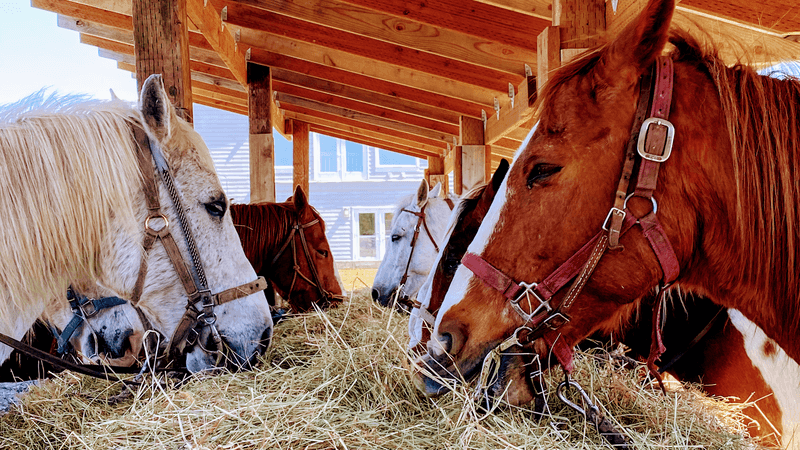
Kites diving overhead, a dog barking down the beach, and waves sliding up beside the hooves would rattle plenty of animals. The horses here barely flick an ear.
That steady attitude is one of the most talked about parts of the ride. Families with nervous riders find real comfort in a horse that does not spook at every new thing on a busy beach.
Long Beach is famous for kites, so they are a common sight along the shore. A horse that ignores them is worth its weight in hay.
The herd is also known for being well trained and easy to handle. Beginners can focus on sitting tall and holding the reins instead of worrying about surprises.
Calm horses make a calm rider. That is a simple truth any wrangler will share.
For parents watching their kids on horseback for the first time, it helps a lot to see an animal so relaxed. Confidence grows fast when the horse underneath already has plenty to spare.
The Wranglers Steal the Show
Great horses are only part of the deal. The people leading them make a huge difference.
The wranglers here have earned a strong following. Names like Jeff and Bryan come up again and again for their patience, clear teaching, and friendly attitude.
First time riders get calm, simple instructions before the group leaves. Older kids who start out nervous often relax quickly once they know what to do.
Guides also share facts along the way. Some riders learn about horse history, while others get pointed toward interesting spots along the coastline.
Safety stays front and center the whole time. The team keeps an eye on every horse and rider so the group moves together.
The operation has a family feel too. Relatives of the owner help out, and the team treats both guests and horses with real care.
A good guide can turn a nice ride into a story people repeat on the drive home.
Here, that seems to happen a lot.
One Hour or Two
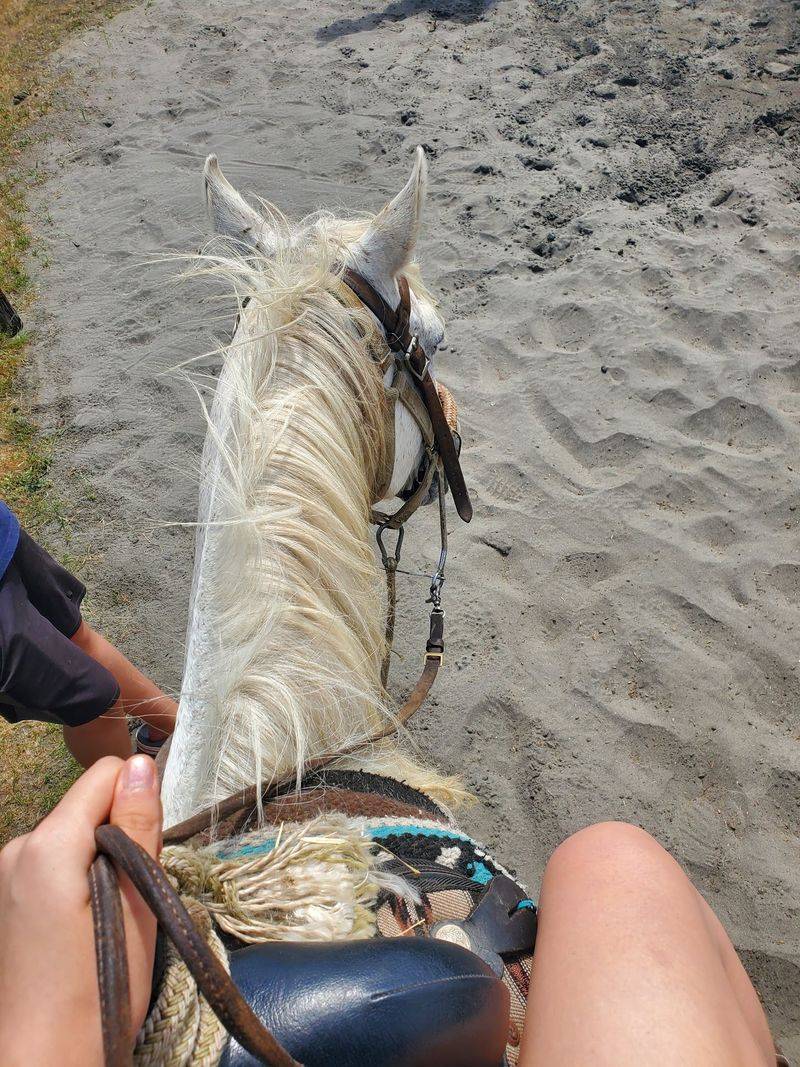
Choosing a ride length is a bit like choosing a slice of cake. Some people want a taste, and others want the whole plate.
The one hour beach ride is the classic choice. It works for complete beginners and experienced riders alike, and it fits easily into a busy vacation day.
Families with young kids often find an hour is the sweet spot. It is long enough to feel like a real outing without anyone getting tired in the saddle.
The two-hour ride is designed for experienced riders and is scheduled for the morning. It offers a more demanding experience for people already comfortable handling a horse.
Private rides are also available by arrangement, with scheduling and availability confirmed directly by the staff. Families should ask which option best suits their group’s riding experience before booking.
Not sure which to pick? Call ahead and ask the staff for advice based on your group.
They know the trails and the horses, so their suggestion is usually spot on.
Trotting, Cantering, and Growing Confidence
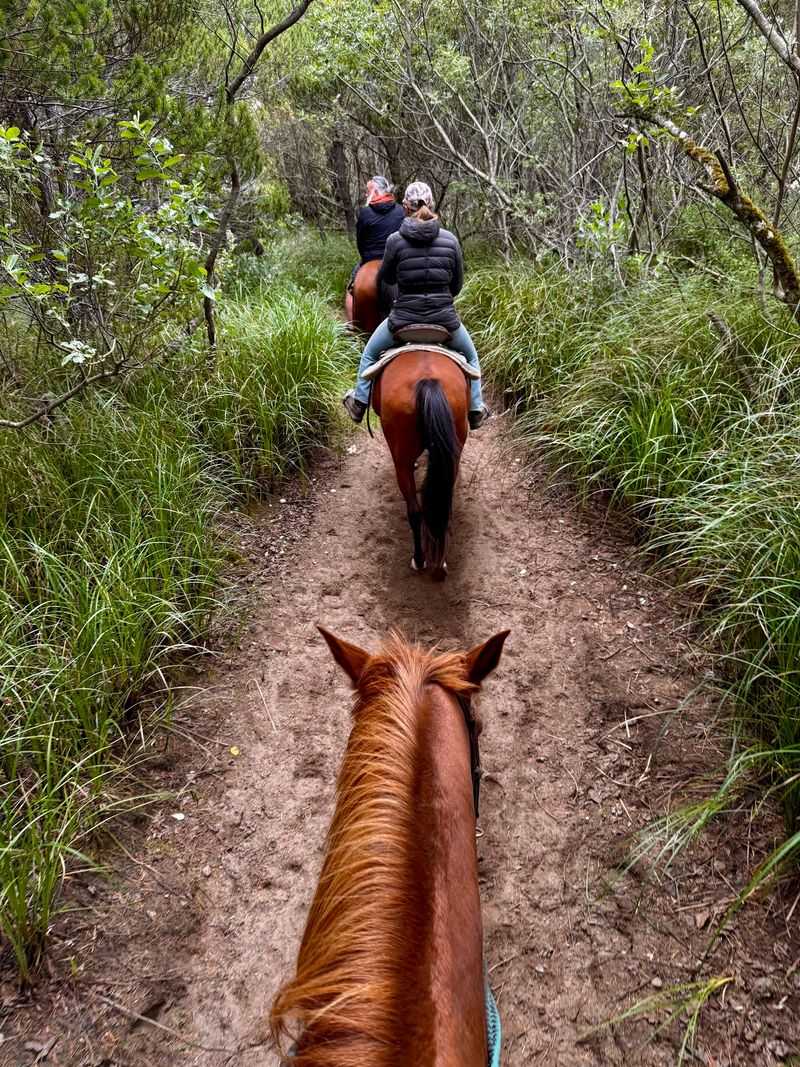
Walking is fine. Trotting along the edge of the Pacific is something else entirely.
The standard beach ride focuses on a comfortable, guided experience suitable for beginners. Riders can enjoy the coastal scenery while getting accustomed to their horses at a manageable pace.
Experienced riders interested in trotting or cantering can ask about the dedicated morning ride. The guides can explain the experience requirements and help visitors choose the appropriate option.
Being honest about riding ability is especially important when booking a faster-paced outing. Choosing the right ride allows everyone to enjoy the experience without taking unnecessary risks.
A quick tip helps here. Be honest about your skill level when booking, so the team can plan the right horse and pace.
Fun fact: a trot is a two beat gait, while a canter has three beats. That is why a canter often feels smoother once you get the rhythm.
Speed is never forced, though. The goal is fun, safety, and the proud feeling of doing something new.
The Early Ride for Seasoned Riders
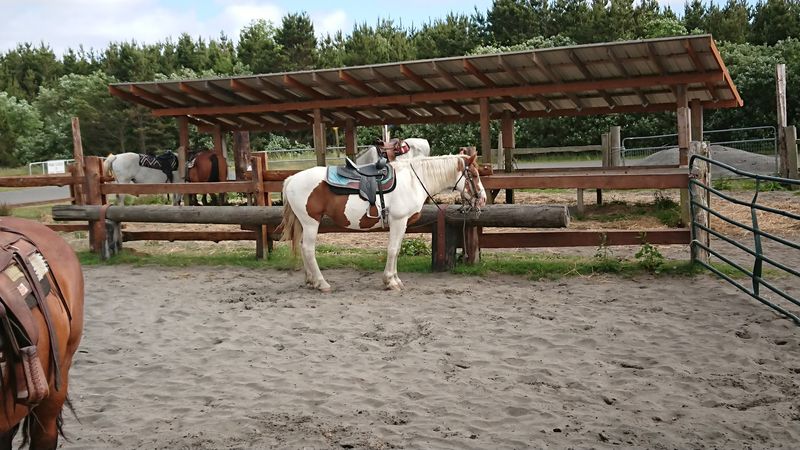
Early birds get the beach. That is the idea behind the experienced morning ride.
This option is built for riders who already know their way around a saddle. It runs as a two hour trip and gives skilled riders more freedom to move.
Trotting and cantering are part of the plan for those who can handle it. Riders who have done it describe it simply as so much fun.
The morning timing also means the beach is often quieter. Fewer people on the sand gives the horses and riders more open space.
Beginners should skip this one at first. The regular beach ride is a better place to learn the basics.
Riders who start with a standard trip often set this early ride as their next goal. It gives a clear reason to come back and level up.
Spots can be limited, so ask about this option when you call to reserve.
A morning like that is worth setting an alarm for.
Photos Without the Juggling Act
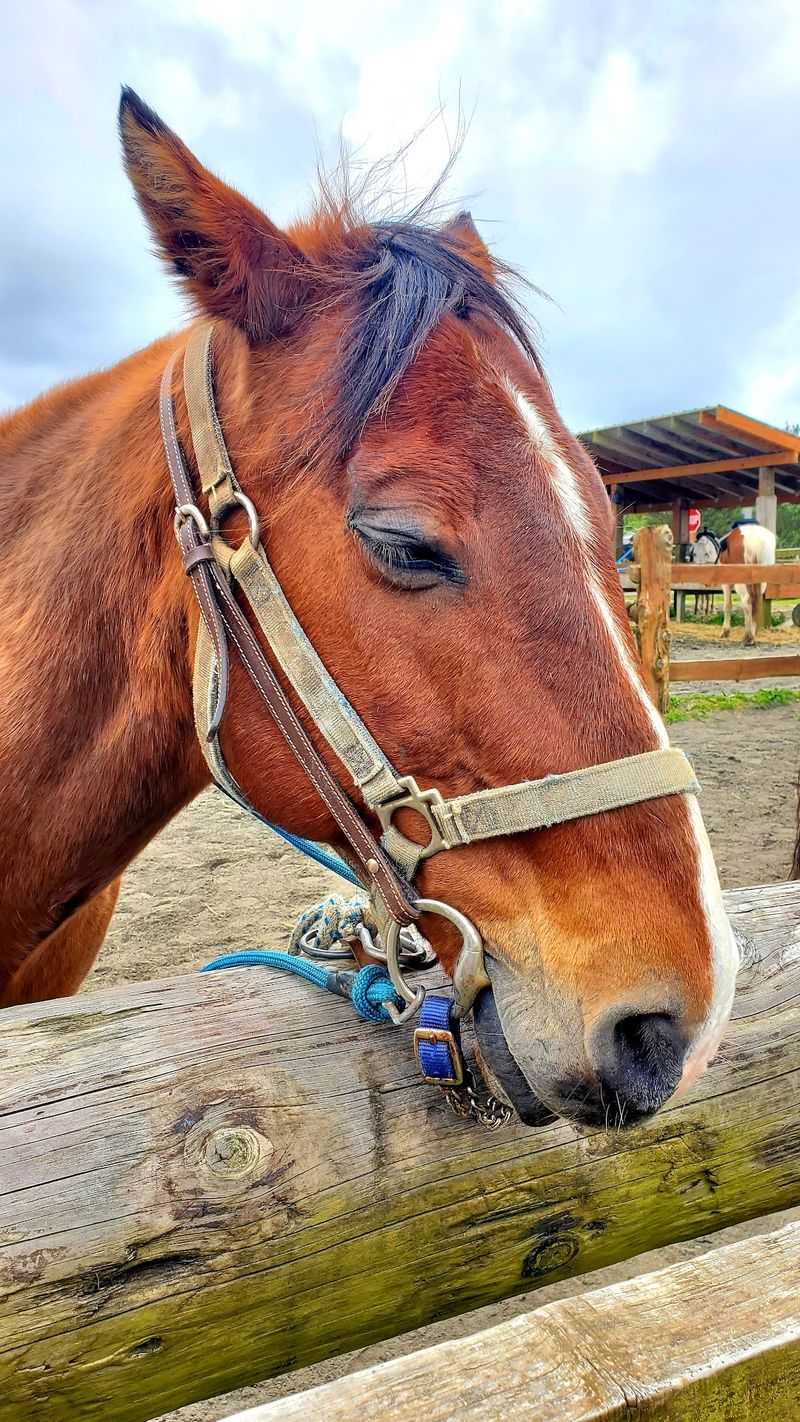
Holding reins in one hand and a phone in the other is a bad plan. Luckily, nobody has to try it here.
Riders interested in photos should ask the staff what opportunities are available during their visit. Keeping phones safely stored while handling the reins helps everyone stay focused on the ride.
Some visitors may have opportunities to capture memorable moments before or after their ride. Asking about photography options in advance can help families plan without distractions.
The beach itself provides a beautiful backdrop for vacation pictures. Horses, coastal dunes, and the Pacific Ocean create a setting worth remembering.
Families can also arrange to take pictures together before heading out or after returning. Checking with the guides first helps ensure everyone follows the riding area’s safety rules.
Those pictures tend to become favorites from the whole trip. Somehow a horse on the beach always looks good in a frame.
Surprise Guests Offshore
Some riders head out hoping to see the ocean. One group came back saying they saw three whales.
The Long Beach Peninsula sits along the Pacific, where gray whales pass during their yearly migration. Spotting one from horseback is never promised, but it does happen.
Spring and late winter are usually the best times to watch for gray whales along the Washington coast. Even outside those months, the open view from the beach makes it worth scanning the water.
Guides may also point out places of interest along the shoreline. A ride can turn into a mini tour of the coast without anyone opening a guidebook.
Kites are another common sight, since Long Beach is well known for kite flying. Dogs and beach walkers often share the sand too.
Keep your eyes moving between the horse ahead and the horizon.
The Pacific likes to keep a few surprises in its pocket, and a saddle offers one of the best seats to catch them.
Care That Shows in Every Horse
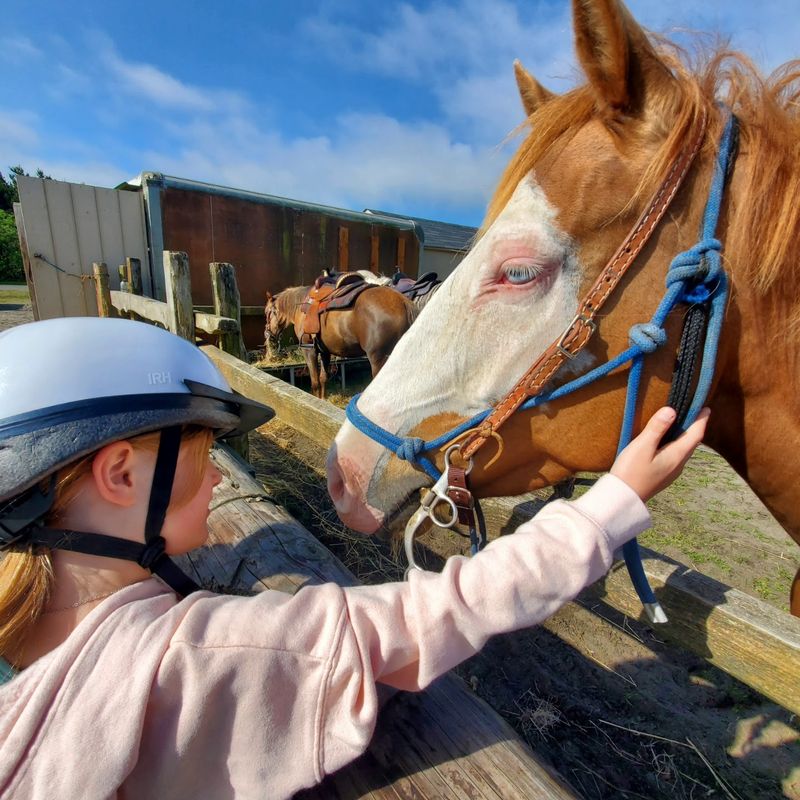
Happy horses make for happy rides. That simple idea seems to guide the whole operation.
The herd is widely known as healthy, calm, and well cared for. Riders often mention how good it feels to support a place that clearly puts its animals first.
Longtime guests have noticed a change under the newer ownership. They point out that the horses are in much better shape than in past years.
The owner’s family is part of the daily work. That hands-on approach helps explain why the team treats horses with such attention.
Prices have risen over time, as they have almost everywhere. Many riders still feel the money and time were well spent.
Good care also shows up on the trail. A healthy, rested horse is more relaxed, which makes the ride safer for everyone.
Feel free to ask the staff about the horses before or after your ride. They are glad to share.
A short chat can tell you a lot about the place.