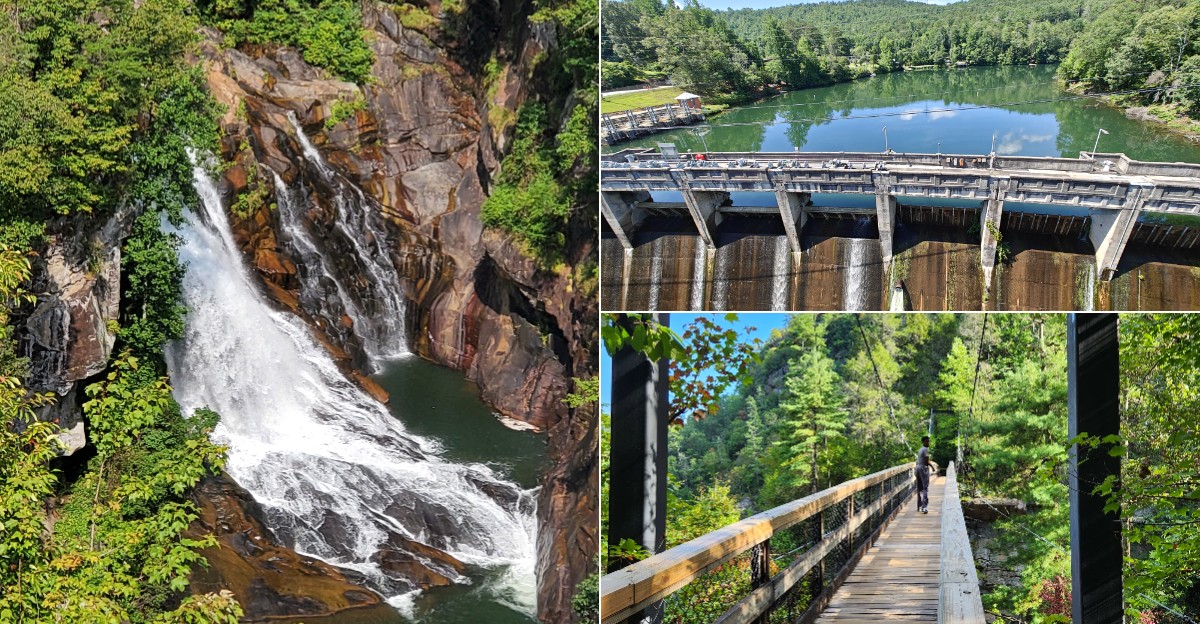
The roar of rushing water echoes off steep rock walls long before you catch your first glimpse of the falls.
Tallulah Gorge State Park, near the small town of Tallulah Falls in northeast Georgia, protects one of the most dramatic canyons in the Southeast.
The gorge plunges nearly 1,000 feet deep and stretches about two miles, with a string of cascading waterfalls along the way.
Rim trails and overlooks serve up jaw-dropping views, while a suspension bridge sways high above the rocky floor below.
Adventurous families can tackle the long staircase into the gorge for an up-close look at the thundering water.
Wear sturdy shoes, bring plenty of water, and save some energy for the climb back up.
Start With the Real Scale of the Gorge
The first glimpse can make the river look tiny. At Tallulah Gorge State Park, 338 Jane Hurt Yarn Rd, Tallulah Falls, GA 30573, the canyon is roughly two miles long and reaches about 1,000 feet deep. That height describes the gorge, not one waterfall.
The title’s claim of a 729-foot waterfall is not supported by the park details provided here, so do not plan on finding a single waterfall of that height. Instead, expect a series of falls along the Tallulah River, with different views from different trails. Some viewpoints sit high above the water, while other approved routes bring you much closer.
Before walking, stop at the Jane Hurt Yarn Interpretive Center for a map and current trail information. Ask a ranger which overlooks are open, how much climbing your route involves, and whether water conditions have changed access. A view that looks close on a map may still require a long descent followed by a steep return.
Give yourself time to enjoy the canyon without racing toward a number on a sign. The sight of water cutting through rock is the real attraction, and understanding the landscape makes each stop more interesting. Wear sturdy shoes even if you plan to stay near the rim.
Choose an Overlook Before Choosing a Workout
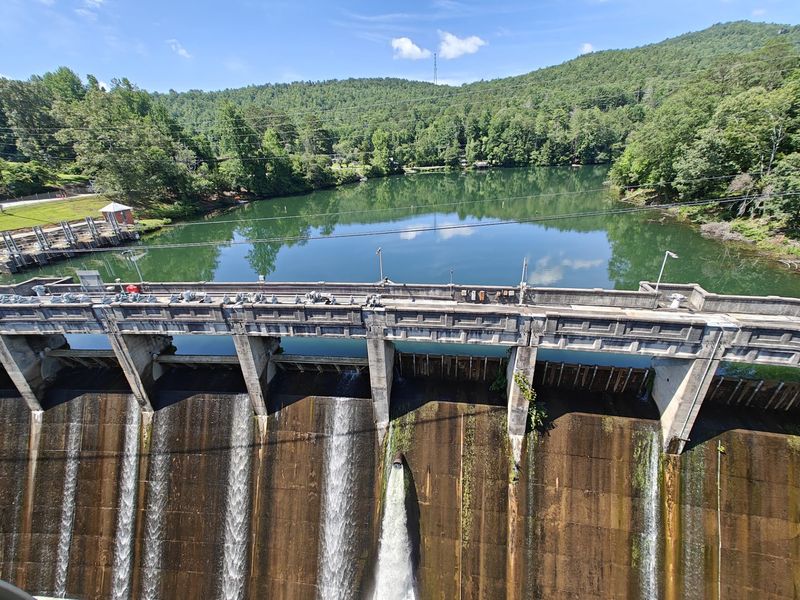
A waterfall view does not have to begin with hundreds of stairs. The rim trails offer places to look into the canyon while keeping your walk more flexible. From some overlooks, you can spot sections of the river and falls without going down toward the bridge.
Pick up a trail map before you start, since each viewpoint shows a different part of the gorge. L’Eau d’Or Falls and Tempesta Falls are among the sights visitors may see from the north rim. Trees, weather, and water levels can change how clearly a fall appears, so a single overlook should not decide your whole visit.
If you are walking with someone who tires easily, agree on a turning point before setting off. The rim is a useful choice for families who want to share the scenery without committing to a demanding climb back up. Stay behind railings, and keep children close wherever the ground drops away.
For photos, take a moment to look with your eyes before using your camera. A wide shot can show the canyon’s size, while a closer frame can highlight moving water. Pause at more than one overlook if you have time; the change in angle is part of the fun.
Count the Climb Before Taking the Stairs
The stairs have a way of making the canyon feel much deeper. Descending toward the river can be exciting, but every step down becomes a step you must climb on the way out. Visitors often mention the stairways as the hardest part of their day.
Check the route map and ask staff about the current stair count for the path you choose. Numbers shared by visitors differ because people take different routes and count different sections. What matters most is whether everyone in your group can manage a long uphill return.
Wear shoes with dependable grip, carry water, and leave enough time for breaks. A slow, steady pace is better than rushing to keep up with someone else. If your knees bother you, consider enjoying the rim overlooks instead of feeling pushed to reach the bottom.
Landings are good places to catch your breath and let faster walkers pass. Hold the railing when needed, especially if steps are wet, and watch where you put your feet. The trip is not a race, and stopping early is a sensible choice.
On the way back, save a little energy for the final climb. That simple plan can turn a tiring mistake into a satisfying walk with plenty of time to enjoy the views.
Cross the Bridge for a New Point of View
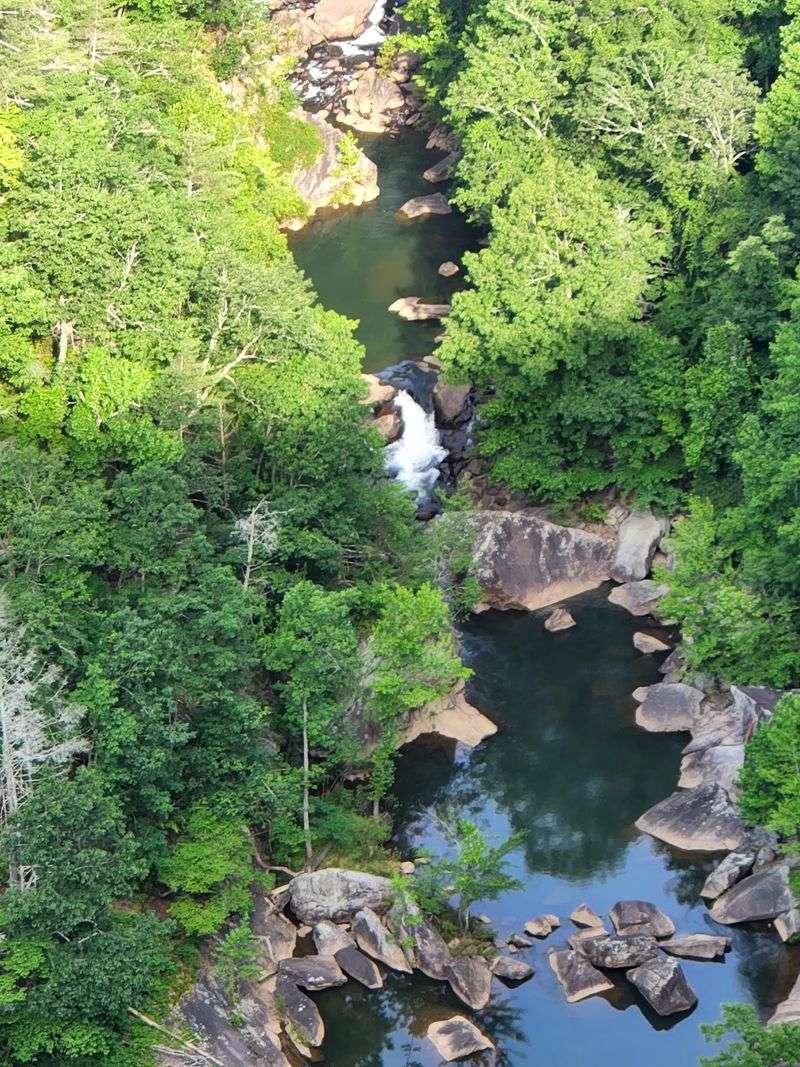
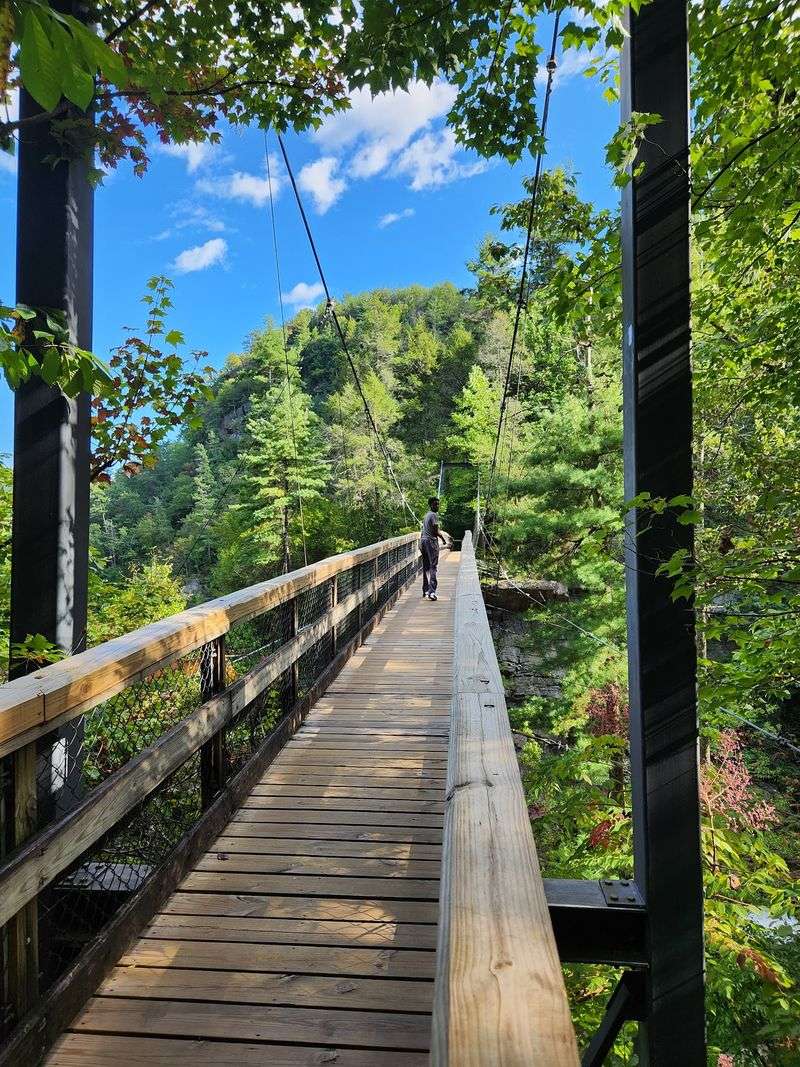
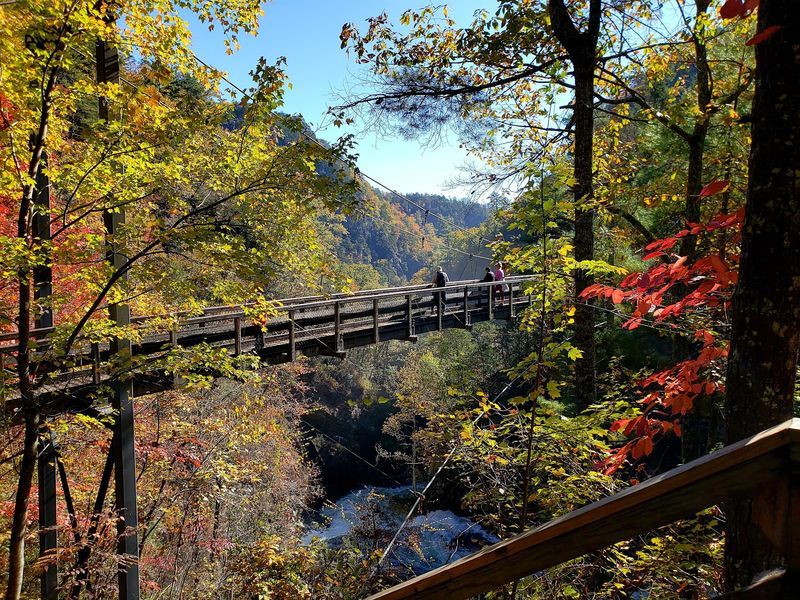
Halfway across the suspension bridge, the canyon feels different. Water moves below your feet, and the opposite wall rises in front of you. The bridge gives visitors a memorable view, but reaching it means using the stair route rather than simply stepping off the rim trail.
Check the park’s current rules before heading down, especially if someone in your group has a pet. Not every trail area allows animals, and a bridge trip is much easier to enjoy when you have planned for those limits. Keep both hands free if possible so you can use the railing.
People who dislike heights can still have a rewarding visit from the overlooks. There is no reason to force a crossing just because the bridge appears in so many photos. If you do cross, give others room, walk at a calm pace, and stop only where it is safe to do so.
Afterward, remember that the bridge is not the end of the physical effort. Your route may include more stairs before you reach a waterfall viewing area, followed by the climb back to the rim. Ask staff to explain that full trip before you begin. Knowing what comes next helps the bridge feel like an adventure, not a surprise.
Get a Closer Look at Hurricane Falls
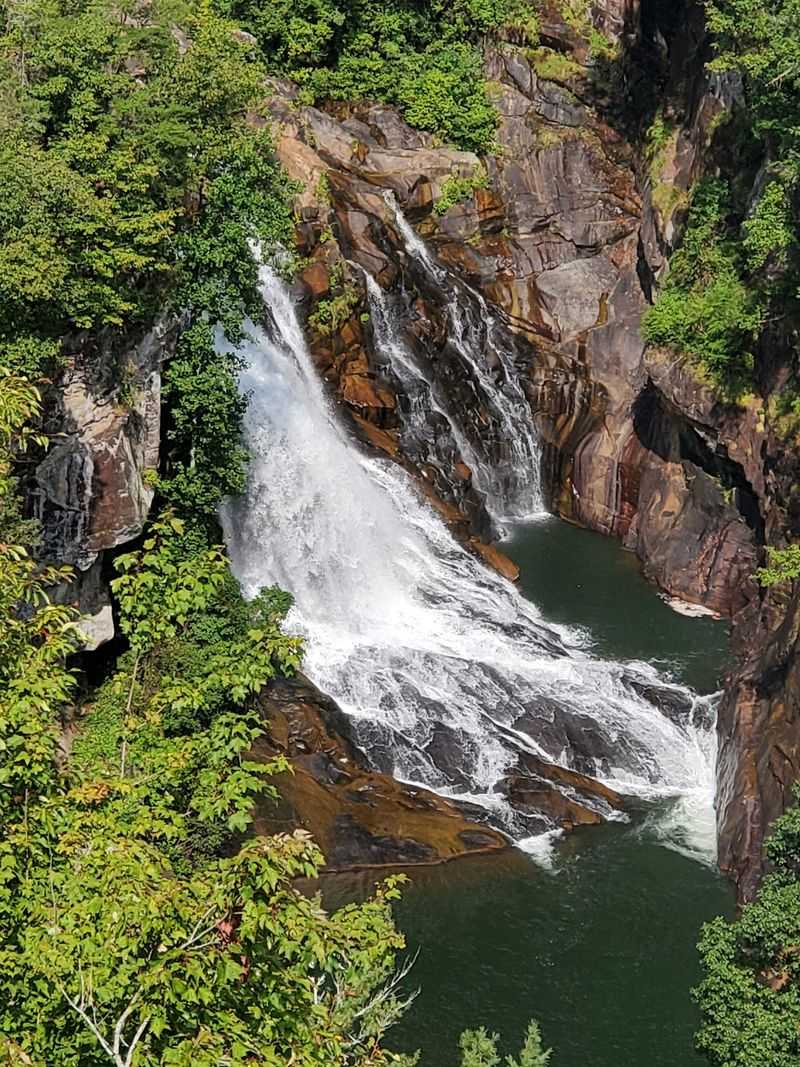
Rushing water sounds louder after you leave the high overlooks behind. For many visitors, the designated viewing area near Hurricane Falls is the closest waterfall experience on the maintained stair and bridge route. It offers a stronger sense of the river’s power than a distant view from the rim.
Close does not mean you can walk up to the falling water or step wherever you like. Stay on the marked route and viewing platform, and follow signs that protect both visitors and the gorge. Wet rock can be slippery even when the trail itself seems dry.
Take a few minutes here instead of snapping one picture and leaving. Notice how the water changes around the rocks, then look back up at the walls you walked between. The sound may make conversation difficult, which is part of what makes this stop feel special.
Think ahead before starting the descent. The return involves a significant climb, so bring water and allow time to rest on the way up. If the stairs are beyond your comfort level, choose a rim viewpoint and enjoy the falls from above. Both choices count as seeing the gorge; the better one is the route you can finish safely.
Treat the Gorge Floor as a Separate Adventure
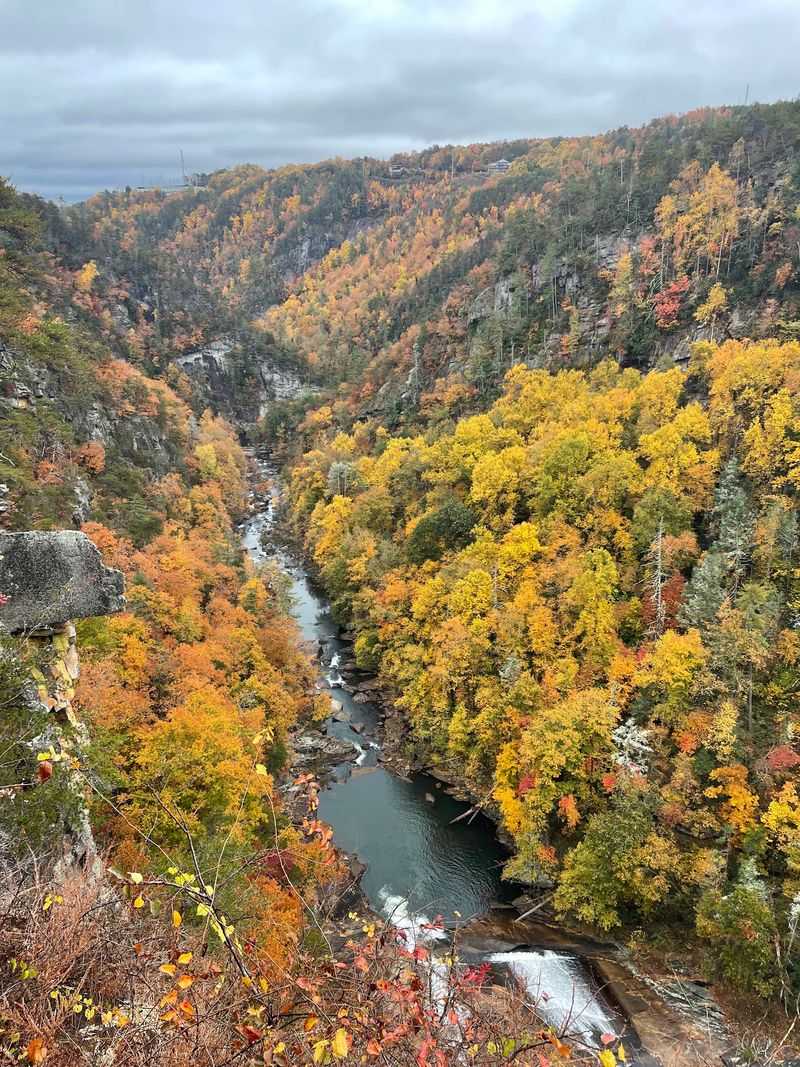
Past the easy viewpoints, the trip becomes a different kind of hike. The gorge floor route can involve river crossings, slick rocks, and a steep climb out. It is not the same as walking down the stairs to a viewing platform, so do not follow other hikers without knowing which route they are taking.
Access to the gorge floor requires a permit, and permits may be unavailable when conditions are unsafe. Check with park staff on the day of your visit for current rules, required safety instructions, and a trail map. Water releases, high water, and weather can affect access.
Choose this route only if everyone in your group is ready for a strenuous hike. Wear sturdy footwear with strong traction and bring water in a pack that leaves your hands free. Protect anything that must stay dry, such as your phone or car keys, because river crossings can splash your gear.
Do not count on a shortcut if you get tired. Listen carefully to the ranger’s directions, follow the approved route, and turn back if instructed. The reward is a close view of the river’s rocky world, but reaching it safely matters more than checking off a destination.
Let the River Set Your Schedule
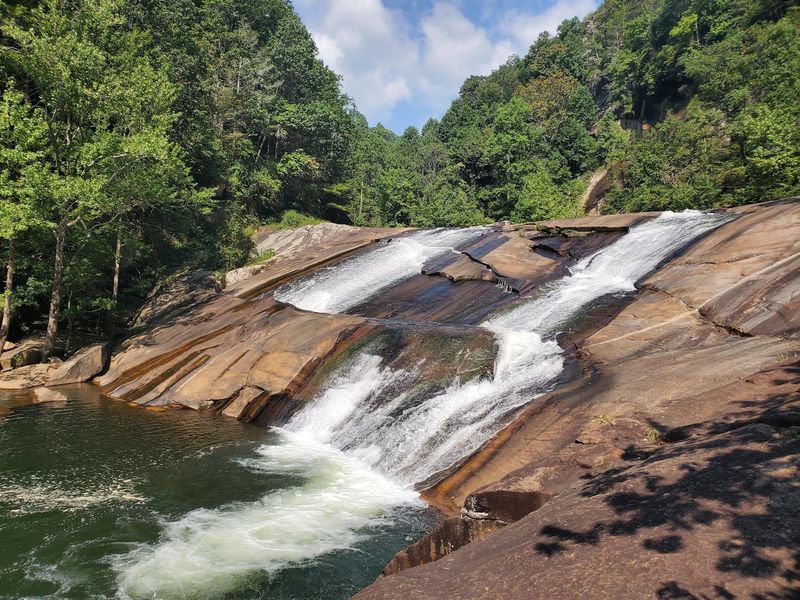
A calm river one day can look completely different on another. Water flow through the gorge changes, and conditions near the falls may not match what you saw in a photo. That makes it especially important to check current information before planning a close approach.
Ask staff about weather, water levels, trail closures, and any scheduled water releases. Some routes close when the river is too high or conditions become dangerous. A permit is not a promise that a trail will be open when you arrive.
Rain also changes the ground under your feet. Steps, roots, and exposed rocks can be slick, while a river crossing can become much harder than it looked earlier. Never enter a closed area or try to get around a barrier for a photograph.
If conditions rule out your first choice, switch to an approved overlook and enjoy the view from there. The sound and speed of the water can be striking from above, even when the gorge floor is off limits. A flexible plan saves you from rushing into a risky decision.
Check the forecast before leaving home, then check again at the visitor center. Local guidance matters most because staff can tell you what is happening on the trails that day.
Finish With a Plan That Fits Your Group
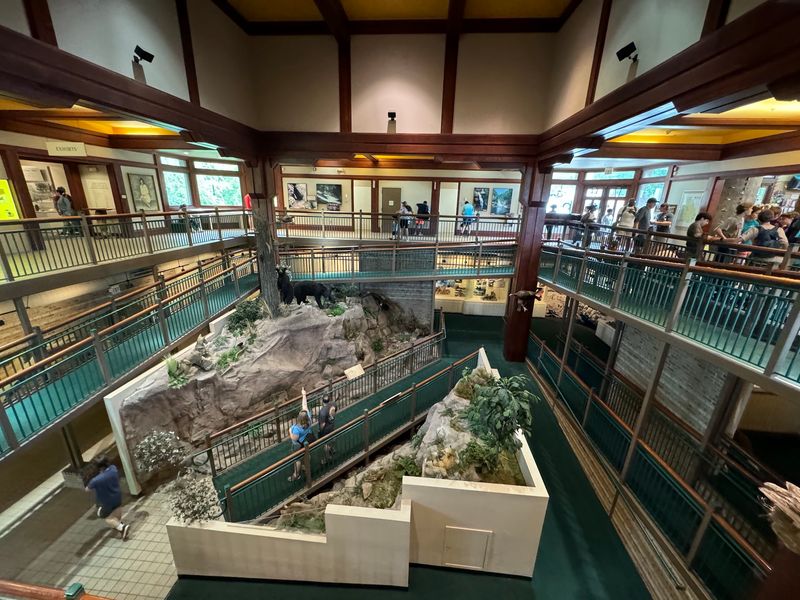
The best visit begins before anyone takes a trail photo. Stop at the interpretive center to use the restrooms, get a map, and ask which routes suit your group. It is also a good place to learn about the gorge before seeing it from the rim.
Decide whether your main goal is a short walk, a bridge crossing, or a demanding hike near the river. Those choices require different amounts of time and energy. If you are traveling with children or anyone who needs frequent breaks, make your turnaround point clear to everyone.
Bring water, comfortable layers, and shoes made for walking on uneven ground. Check the official park website for current parking costs, hours, pet rules, and trail access instead of relying on an old review. Fees and restrictions can change, particularly when weather affects the gorge.
Leave room in your schedule to pause at the overlooks rather than trying to see every stop. A picnic or a quiet break can make the trip feel less hurried after a climb. Before heading home, take one last look into the canyon from a safe spot.
You may remember the roar of the falls more clearly than any height claim, and that is a fine reason to visit.