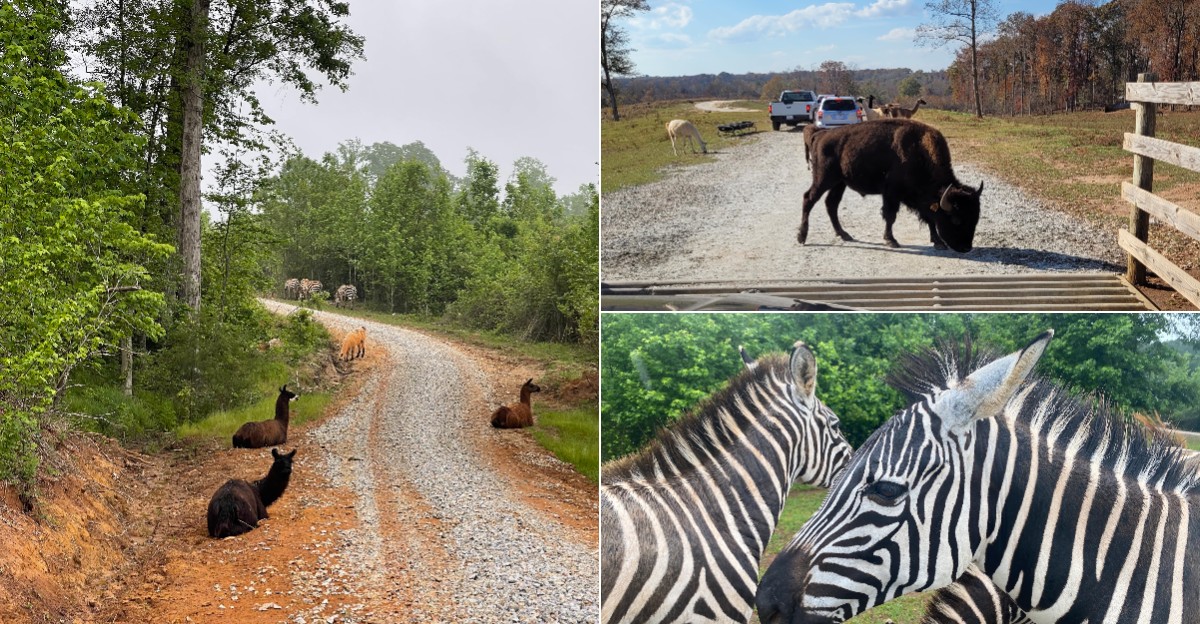
A zebra beside your car window can turn an ordinary family outing into a story everyone keeps telling, especially when those bold stripes suddenly seem close enough to count and the back seat fills with excited whispers.
At Atlanta Safari Park, visitors describe driving past roaming animals, sharing park-approved feed from buckets, and watching curious faces approach their vehicles, all while enjoying a wildlife outing that feels different from looking through a fence.
The zebras may grab your attention first, but reports of llamas, towering birds, giraffe feeding, and a lively parakeet aviary give families plenty of reasons to slow down, stay curious, and leave room for surprises along the way.
Before you pack the car, take a look at these practical tips for planning your visit, keeping animal encounters safe, saving some feed for later, and making the most of a day where the most memorable traffic has hooves instead of wheels.
Striped Visitors Make the Window Seat Special
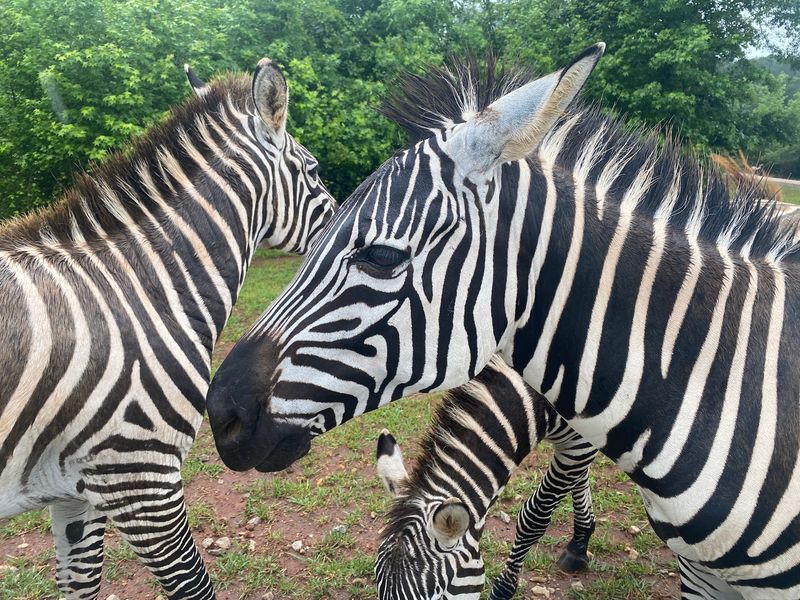
Black and white stripes look very different when they belong to an animal standing beside your car. Visitors to Atlanta Safari Park often mention zebras among their most exciting encounters, including moments when animals approach the windows. That closeness is the big draw, but it should never become a promise.
Animals choose where they wander and whether they come near a vehicle. A zebra might pause nearby, stay with its group, or show little interest in your bucket. Enjoy whichever view you get rather than trying to lure an animal closer against staff guidance.
Before entering, ask employees which animals visitors may feed and how to offer the approved food safely. Keep fingers clear of mouths, avoid touching animals unless staff specifically allow it, and help children follow every instruction.
Give everyone a chance to look without leaning outside the car. A quiet voice and a little patience can make the encounter feel even more special. Sometimes the best souvenir is simply remembering the exact second your child stopped talking because a zebra had suddenly become the most interesting neighbor in the whole world.
A Slow Drive Leaves Room for Surprise
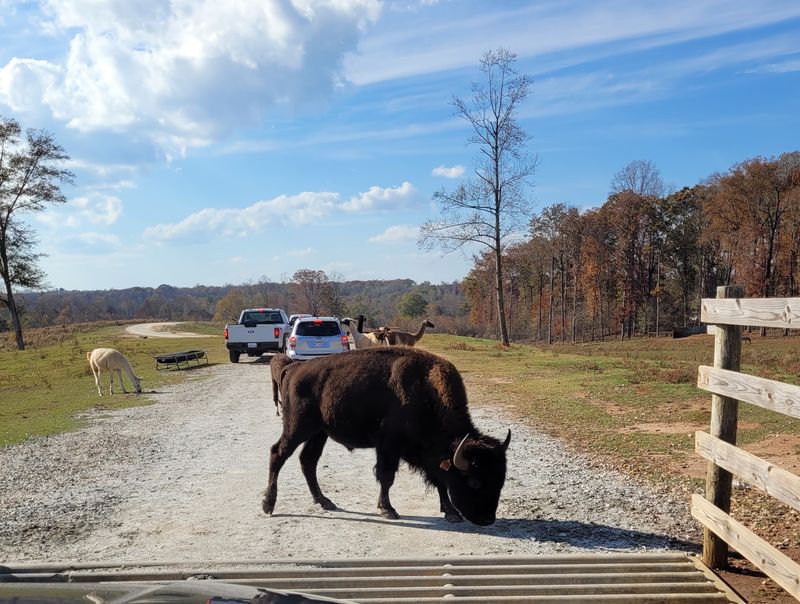
Your usual road trip rules get a funny little twist when the traffic ahead has four legs. The drive through safari lets visitors watch animals from their own vehicles, turning the car into a moving viewing spot. Several reviewers describe a route that rewards an unhurried pace.
One visitor reported spending about thirty to forty five minutes on the loop, depending on stops and feeding. Treat that as a personal account rather than a fixed schedule. Crowds, animal movement, weather, and park instructions can change how long your drive takes.
Follow the posted speed limit and leave room between vehicles. If an animal stands in the lane, wait calmly and follow staff directions instead of pushing forward. The driver should focus on the route while passengers handle pictures and any permitted feeding.
Keep seat belts fastened and children seated throughout the drive. Before moving again, make sure animals have cleared the vehicle and everyone has brought their hands inside. A relaxed pace gives you time to notice ears, markings, and animal behavior that would disappear during a hurried lap around the park.
Feed Buckets Need a Little Strategy
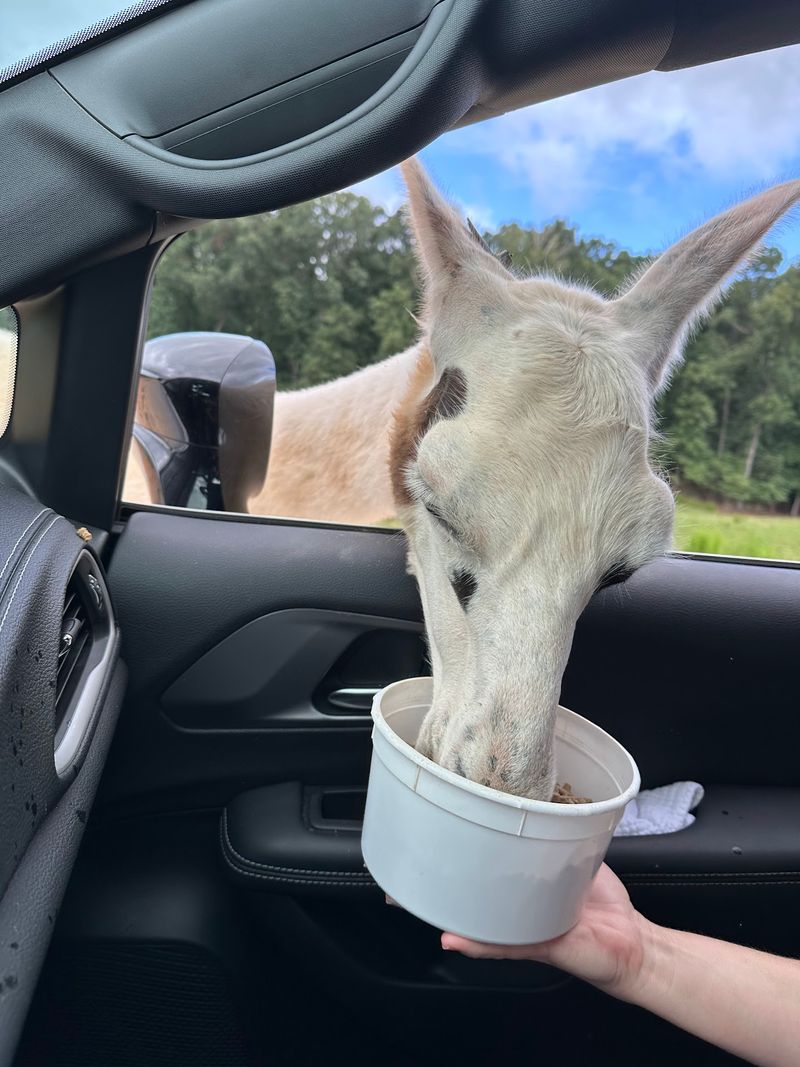
A full feed bucket can make you feel popular in a hurry. Reviewers regularly mention buying animal feed at entry, then discovering that the first eager visitors can use up a surprising amount. Saving some for later helps spread the fun across the drive.
Ask staff about current feed prices, approved feeding methods, and whether an extra empty bucket is available. Several guests recommend using one to divide feed into smaller amounts. Only offer food supplied or approved by the park, not snacks brought from home.
Adults should supervise closely and take over whenever an animal pulls hard. Multiple visitors report that camels sometimes grab buckets, so follow employee advice rather than turning the encounter into a tug of war. Never reach toward an animal to recover something it has taken.
Keep loose belongings away from open windows and bring wipes for cleanup afterward. Crumbs and animal slobber are recurring themes in visitor stories, which explains why a spotless car may not stay spotless. Budgeting feed is less about counting every pellet and more about keeping the experience comfortable for people and animals alike.
The Supporting Cast Steals Plenty of Scenes
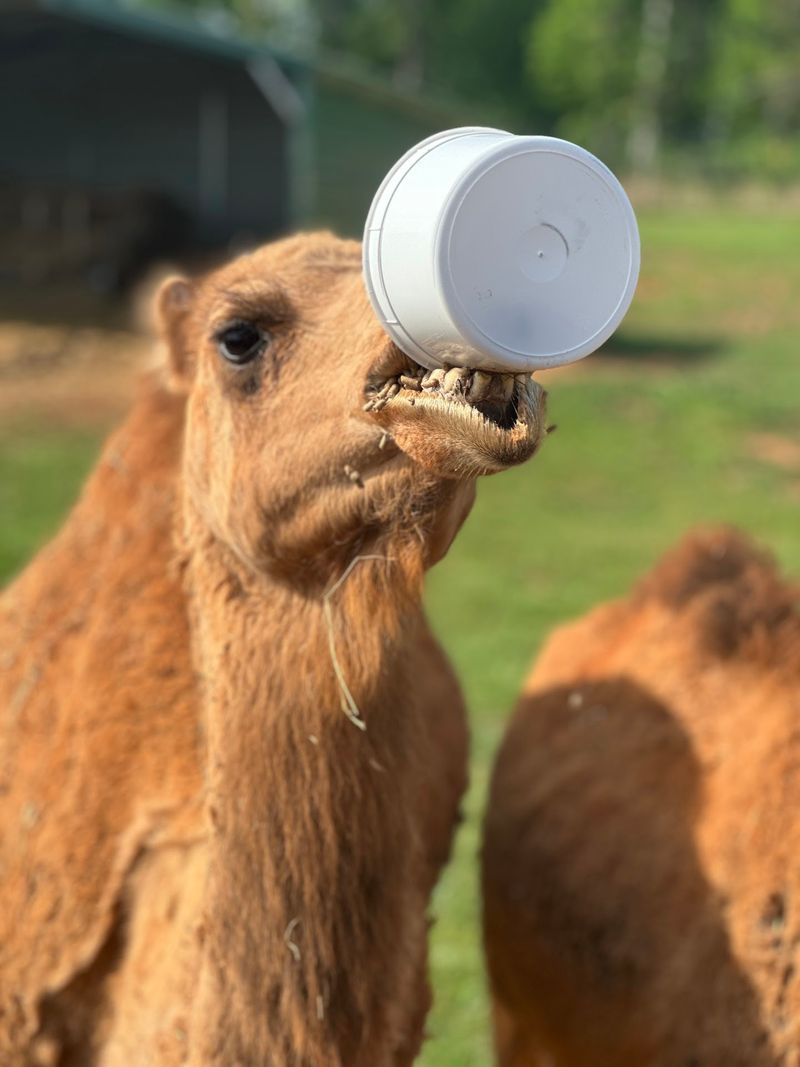
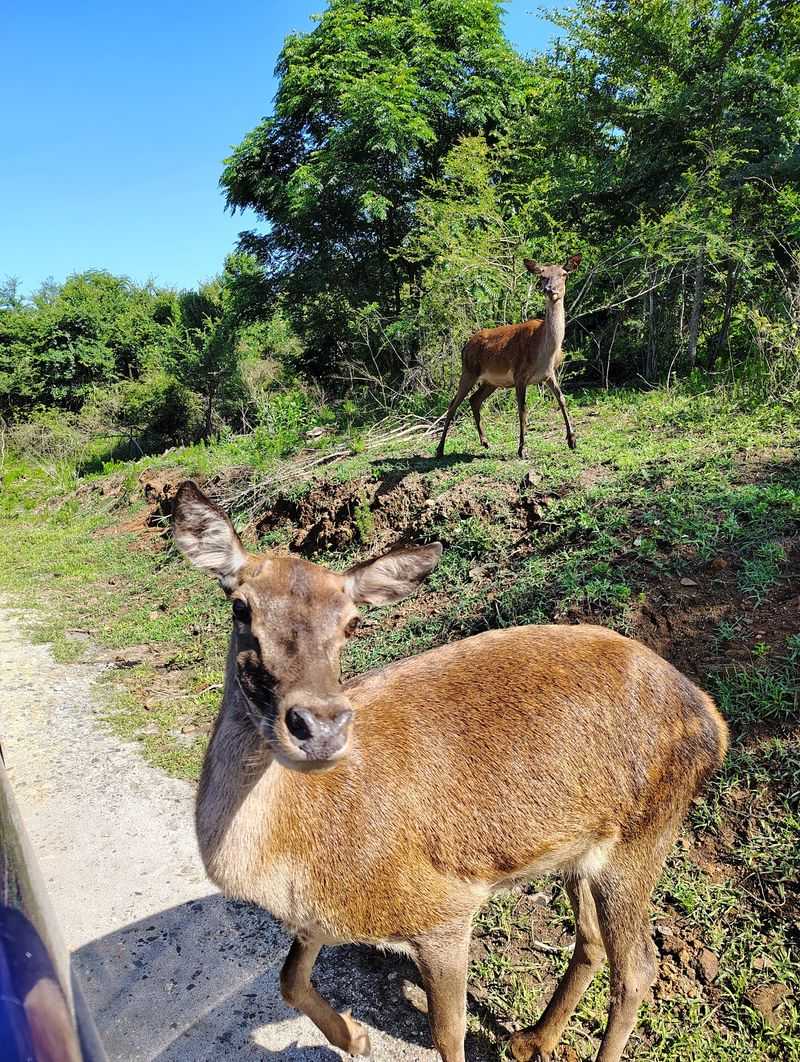
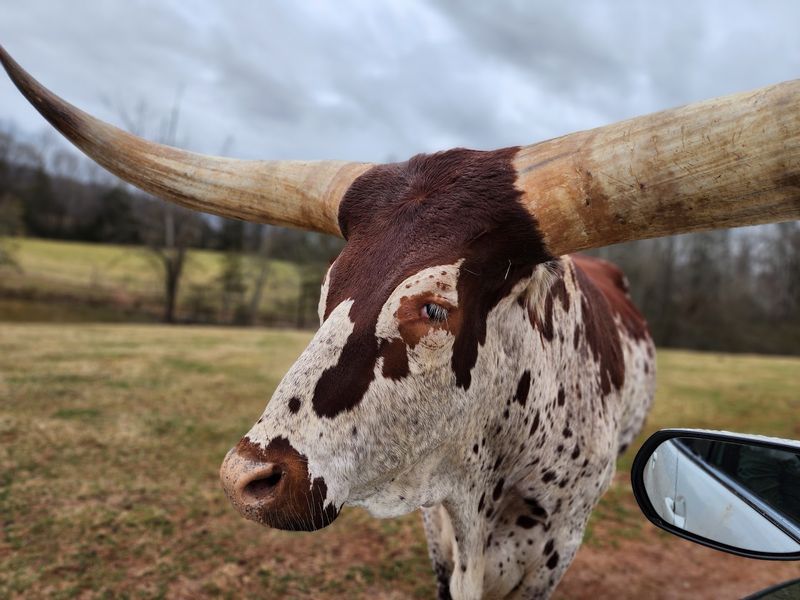
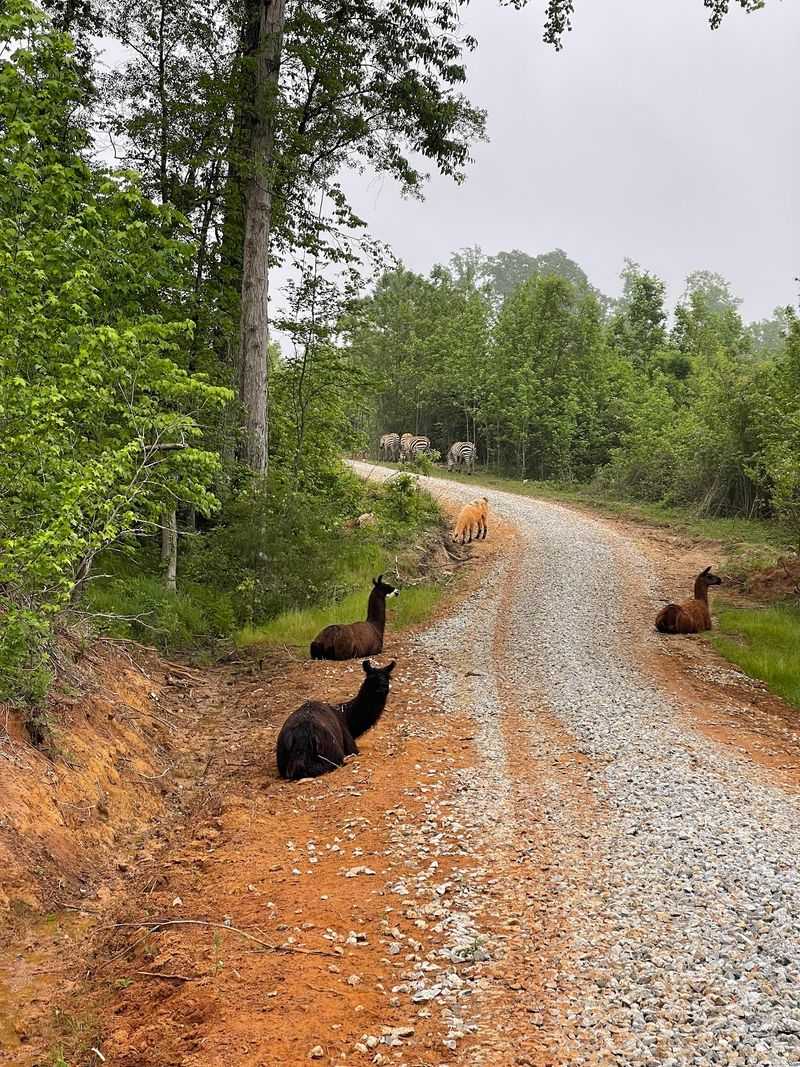
An emu does not need stripes to make a memorable entrance. Visitor accounts mention llamas, ostriches, camels, cattle, and other animals alongside the zebras. That variety gives passengers plenty to watch between the moments that inspired the whole trip.
Make a simple spotting game before you enter the route. Children can look for long necks, shaggy coats, tall ears, or different ways of walking. Keep the game focused on observation rather than shouting, tapping windows, or trying to get an animal’s attention.
Reviews sometimes describe animals gathering near the start of the drive. If that happens during your visit, resist the urge to spend all your feed immediately. There may be more chances to observe animals farther along, although their locations and activity will vary.
Ask employees about any species you cannot identify instead of guessing from a quick glimpse. A short conversation can turn a funny encounter into a useful lesson about wildlife. For families, that mix of laughter and learning is part of the appeal: one passenger spots a zebra while another becomes completely fascinated by a bird with remarkably serious eyes.
Better Photos Start With Patient Passengers
The camera roll can wait until the car is safely stopped. A zebra near your window makes a tempting photo subject, but a clear picture is never worth distracting the driver. Choose a passenger to handle photography before you begin the safari.
Clean your phone lens and clear some storage while you are still parked. Use a short video when an animal is moving, or take a few photos without demanding a perfect pose. Keep your phone securely inside the vehicle rather than stretching it toward curious noses.
Include a little of the window frame in a picture to show how close the encounter felt. For a quieter image, focus on stripes, ears, or the animal’s face from a safe position. Avoid flash and follow any photography instructions given by staff.
Put the phone down for part of the drive, too. Children’s expressions, small animal movements, and shared laughter are easier to notice when nobody is busy checking a screen. The best photo may capture a zebra, but the strongest memory might be the surprised silence just before everyone starts laughing together inside the car.
The Walkabout Keeps the Adventure Going
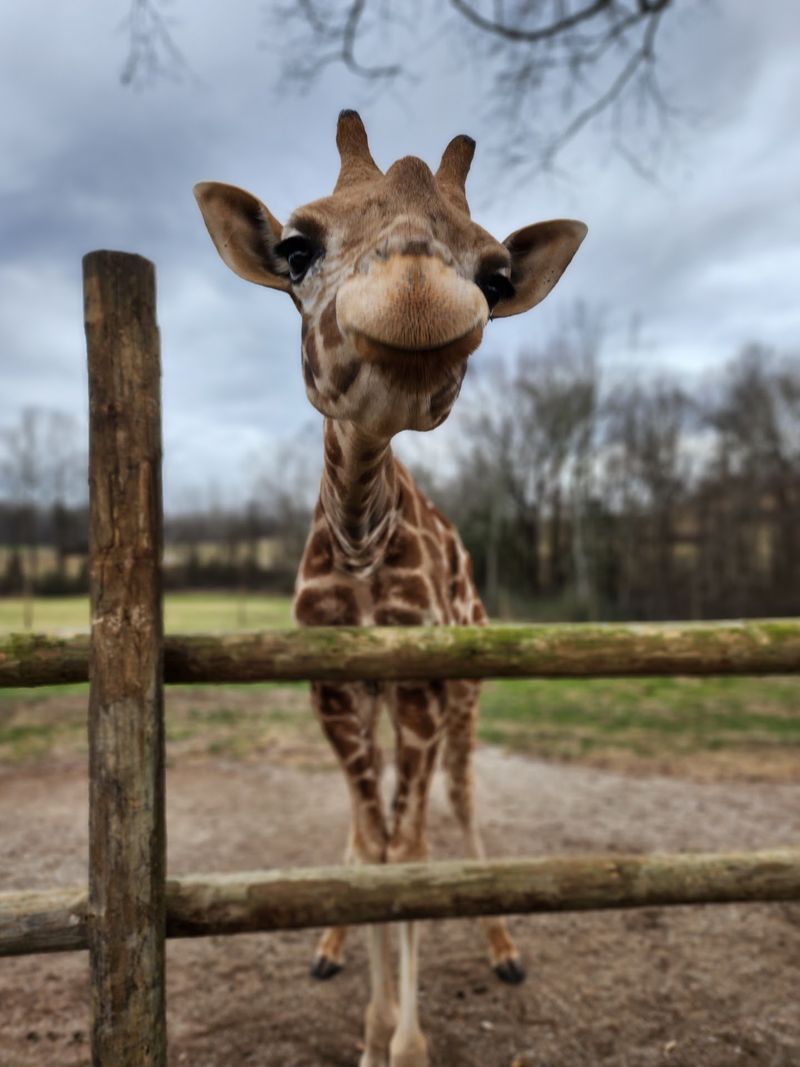
Stretching your legs does not have to mean the animal watching is over. Visitors describe a walking area with a petting zoo, giraffe feeding, and a parakeet aviary after the safari drive. Those stops add a different kind of activity to the day.
Check which experiences are open and whether special feed costs extra before making promises to children. Giraffe access can depend on weather and animal care needs. Reviews describe cold weather affecting availability, so ask the park directly rather than relying on an old visitor report.
At the aviary, move calmly and follow staff instructions about feeding birds. Some visitors describe parakeets gathering around people with approved treats, which can feel thrilling or overwhelming depending on the child. Let nervous family members watch first without pressure to join in.
Wash hands after animal contact and before eating, especially after the petting area. Allow enough time for these stops instead of treating them as a rushed extra. The safari may supply the headline moment, but a tiny bird or a giraffe’s long reach could become somebody else’s favorite memory of the whole visit.
Comfort Makes the Close Encounters More Fun
Happy passengers usually begin with a little planning, not a bigger bucket. Bring drinking water, comfortable clothes, and supplies for cleaning small spills. Animal feeding can be messy, and several reviewers mention crumbs, slobber, or possible marks on their vehicles.
Ask the park about vehicle restrictions before arriving, especially if you drive a rental or worry about scratches. Do not assume every vehicle type is suitable for the route. Protecting your car starts with understanding the rules, not improvising once animals are beside it.
Talk with children about what will happen before opening any windows. Explain that they can choose to watch without feeding and that adults will manage any encounter that feels uncomfortable. There is no prize for being the bravest person in the back seat.
Visitors with mobility needs should contact staff about access to walking attractions and available assistance. One review mentions portable ramps after an earlier access problem, but current arrangements need confirmation. Planning around comfort, weather, and access helps everyone enjoy the same outing at their own pace, with fewer surprises that have nothing to do with wildlife.
Plan Your Arrival Without Rushing the Day
A good safari day starts before the first animal appears. Atlanta Safari Park is at 6210 GA-326, Commerce, GA 30530. Use that address for navigation rather than assuming the park sits in central Atlanta.
The supplied listing shows daily hours of 9 AM to 5 PM. Confirm current hours, admission prices, last entry, and weather related changes through the park’s website or by calling 706-310-5093. An opening time does not necessarily tell you when the final safari vehicle may enter.
Some reviewers prefer arriving near opening, especially after finding animals less active later in the day. That is useful advice, not a guarantee of closer encounters. Animals may rest, move away, or decline food at any hour, so leave room for their choices.
Ask whether repeat drives are included with your ticket, since visitors have reported enjoying additional loops. If you hope to bring lunch, confirm current picnic rules and available areas first. Give your schedule breathing room for the drive, walking attractions, bathroom breaks, and cleanup, because a relaxed family outing beats watching the clock while a zebra strolls past your window.