A wooden bridge built in 1871 still stands over a Missouri creek, and you can walk right across its creaky boards. Cars haven’t rolled through it since 1970.
Feet, though, are more than welcome.
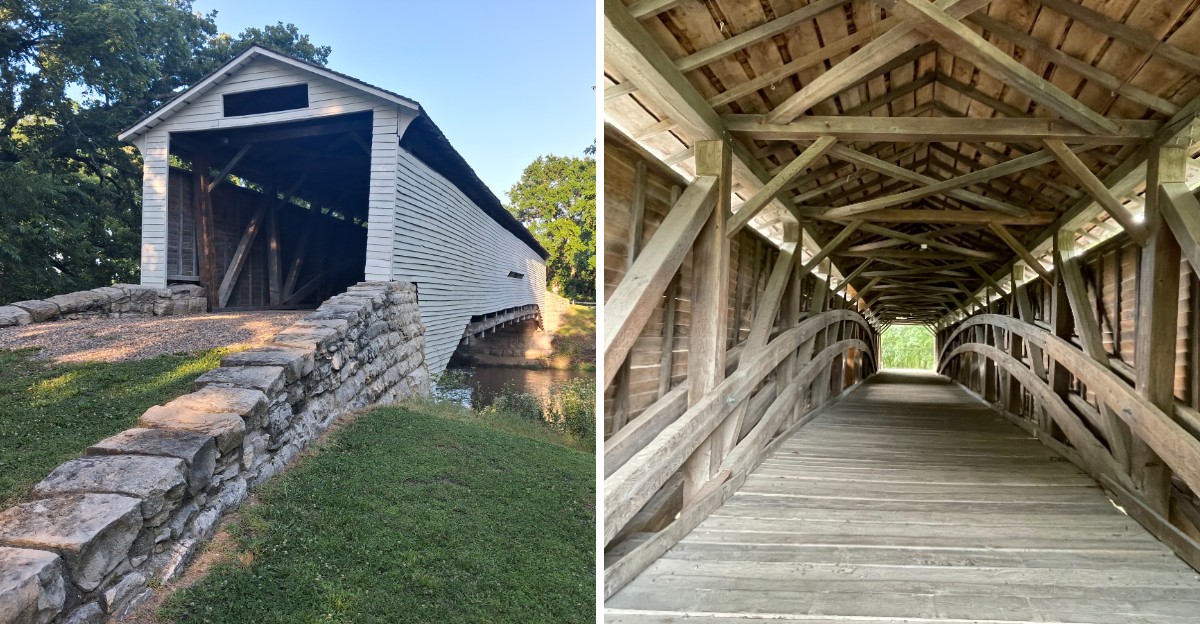
The bridge stretches about 120 feet over the water. Giant wooden arches curve along both sides like the ribs of an old ship.
Nothing else in Missouri is built quite like it, which still amazes me.
I like how quiet the whole scene feels. Corn fields roll around it, and the water keeps up a steady soundtrack below.
You can sit by the bank, wade in when it’s low, or just stare up at those beams.
It’s the kind of stop that makes grandparents tell stories. So why does this old crossing still draw people way out into farm country?
An 1871 Bridge Waiting Out In Monroe County Farm Country
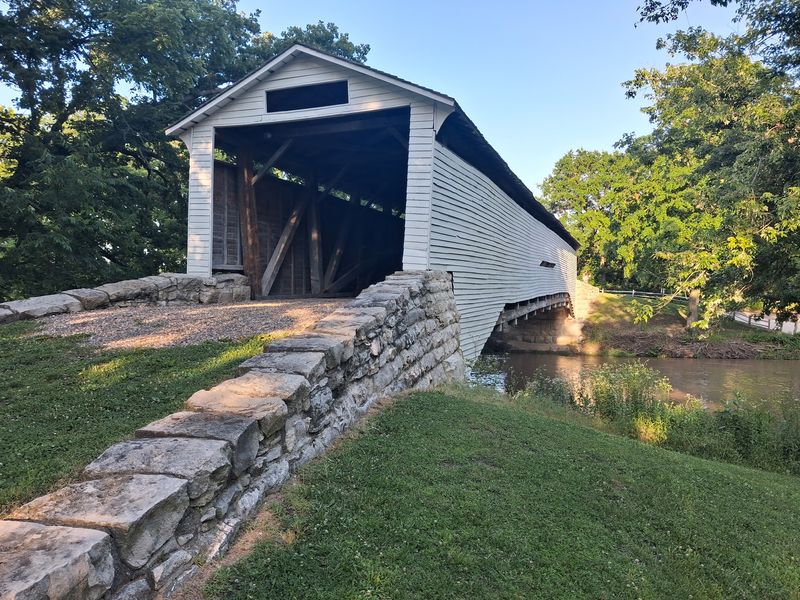
Out among the corn fields of Monroe County sits Union Covered Bridge State Historic Site. It protects one of Missouri’s oldest surviving wooden bridges, still standing where farm traffic once rattled through.
The bridge spans the Elk Fork of the Salt River near the small town of Paris. It’s about half a mile off the main road, so it feels remote without being a chore to reach.
What you get here is wonderfully simple. There’s the covered bridge, a creek running beneath it, a parking area, and signs explaining what makes the structure special.
Nobody is selling tickets or souvenirs. The draw is a genuine piece of 1800s engineering you can touch, walk through, and photograph from every angle.
Union Covered Bridge State Historic Site earns a 4.8-star rating on Google from more than 400 visitors. That’s a lot of happy people for a bridge sitting in the middle of nowhere.
The site works well as a quick stop on a Sunday drive or part of a bigger backroads loop. Kids can stretch their legs, and grown-ups get a dose of real Missouri history.
Honestly, it’s hard to find a better roadside break. You leave knowing more than when you pulled in.
How A Country Church Gave A Bridge Its Name
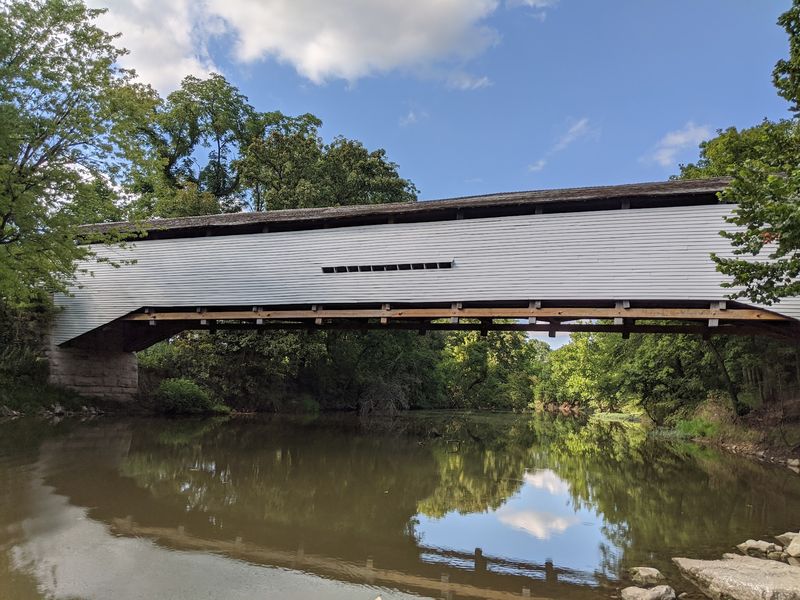
Ever wonder where the name came from? The bridge borrowed it from Union Church, which stood nearby when the crossing was built in 1871.
Back then, the bridge carried travelers along the road between Paris and Fayette. Wagons, buggies, and later cars all depended on it to cross the Elk Fork.
Modern highways eventually took over that route. The old bridge stayed put, quietly aging while newer roads hummed past elsewhere.
Neglect and flooding nearly finished it off. Thankfully, the state stepped in and added the bridge to its park system in 1967.
A partial restoration followed in 1968. Then in 1970, the bridge closed to vehicles and joined the National Register of Historic Places that same year.
The work didn’t stop there. Crews reportedly made extensive repairs in the 1980s to fix sagging caused by rotted beams.
Floods have tested it again since, and repairs reportedly followed as recently as 2019. Every round of care has kept this survivor standing.
Think about that for a second. Your great-great-grandparents could have crossed these same timbers on their way to town.
Those Giant Wooden Arches Are The Real Showstoppers
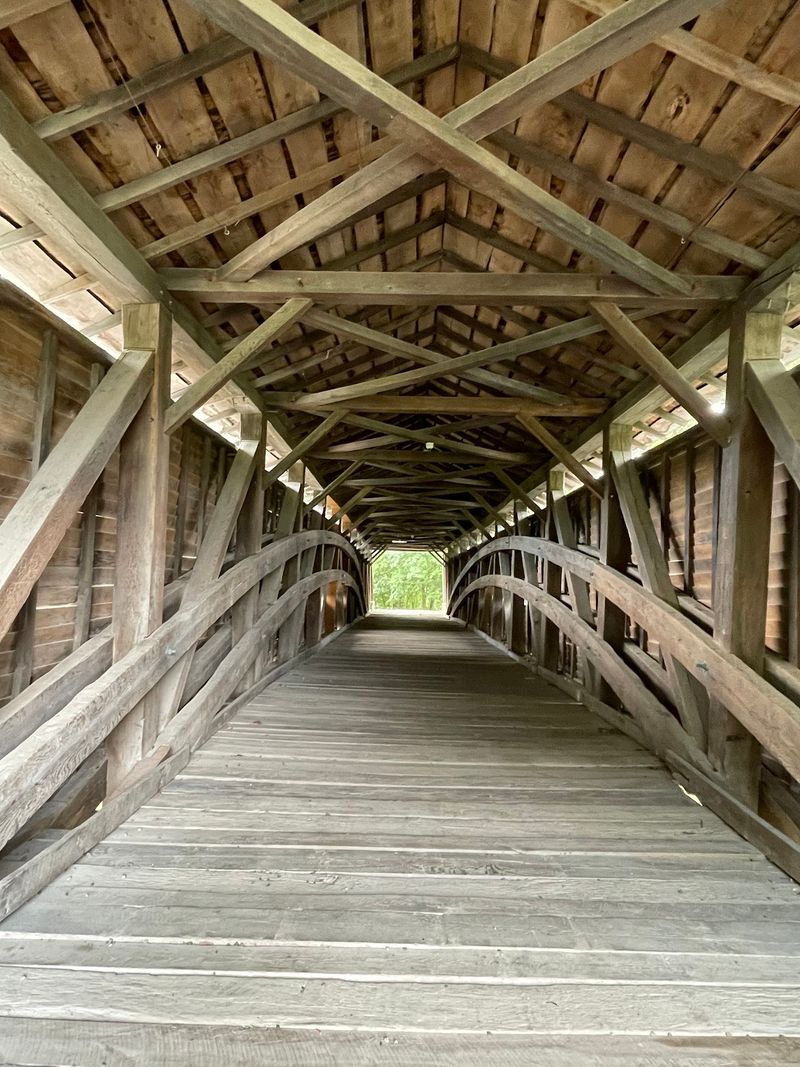
Look up once you’re inside, and the arches steal the show. Huge curved timbers sweep along each side, carrying the weight like a pair of wooden rainbows.
The design is called a Burr-arch truss. It pairs a series of king posts with an arch to support the bridge’s frame.
Here’s the bragging point for Missouri. Union Covered Bridge is the only Burr-arch truss bridge left in the state.
Several sources describe it as a double Burr arch design. Either way, those arches are the centerpiece of the whole structure.
Keep an eye out for the joints too. Wooden pegs called trunnels hold pieces together, giving the restored framing an old-time look.
The roof isn’t just for show, by the way. Covering a wooden bridge shielded the structural timbers from rain and sun, helping them last much longer.
That clever thinking explains why a bridge from 1871 still exists at all. Builders back then knew exactly what weather could do to bare wood.
Engineering fans will want extra time here. Even folks who skipped shop class tend to stop and stare at that framing.
Every Creaky Plank Underfoot Adds A Little Thrill
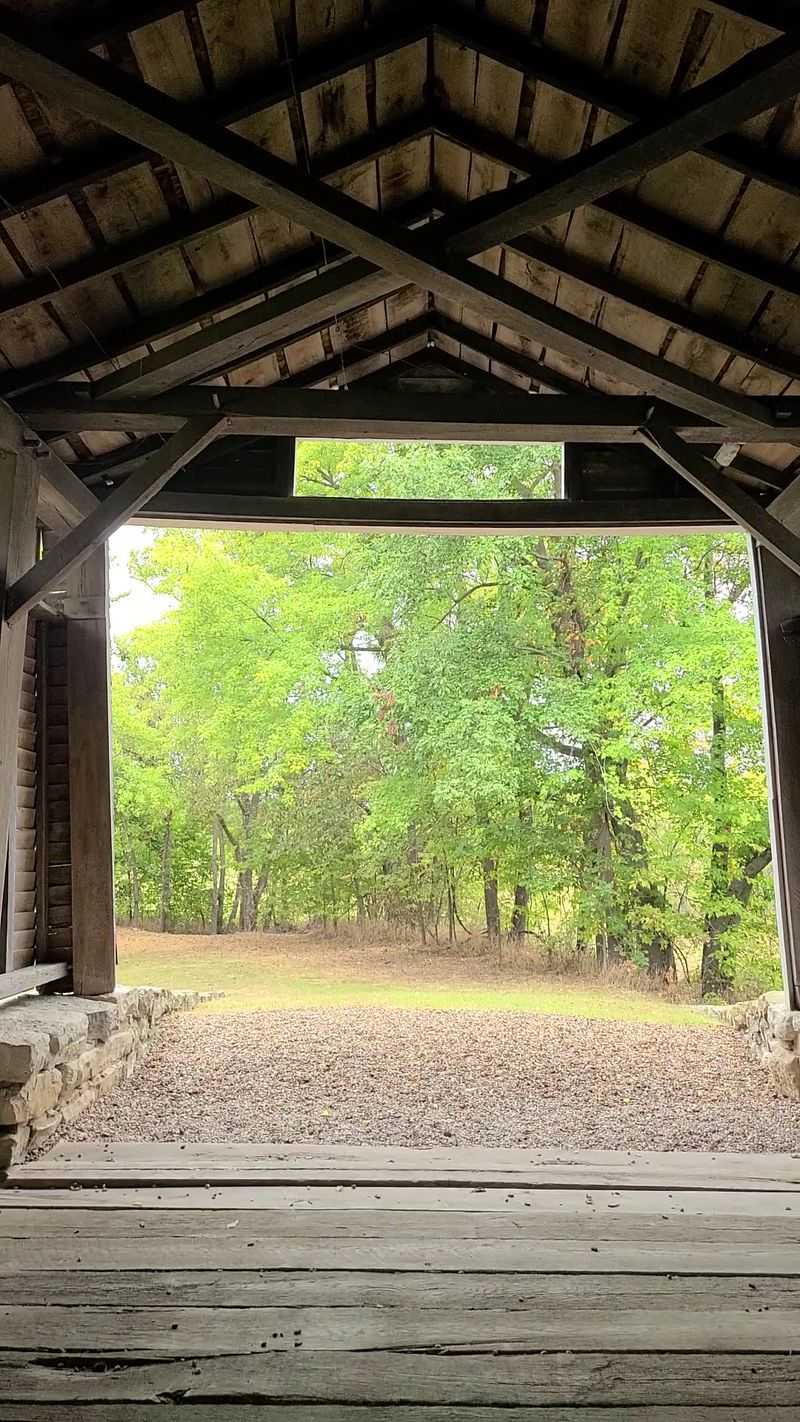
Walking across is the main event, and your feet will know it. The wooden floorboards creak, and some sit a bit loose as you go.
Plenty of visitors call that part of the fun. Others admit it made them a little nervous, so take your time and watch your step.
Cars aren’t allowed through anymore. That leaves the whole span to walkers, photographers, and curious kids who want to hear their footsteps echo.
The interior measures roughly 17.5 feet wide and 12 feet high, according to visitor accounts. That’s plenty of room to stroll side by side with Grandma.
Fair warning about the walls. Graffiti covers parts of the inside, a downside of sitting so far from town.
It doesn’t erase the history, though. The beams, arches, and pegged joints still tell their story loud and clear.
Hold little hands tight and wear sturdy shoes. Flip-flops and loose boards aren’t the best partnership.
Once you reach the far end, turn around and look back. The long tunnel of timber framing the light makes a great photo.
Down By The Water, The Bridge Looks Even Better
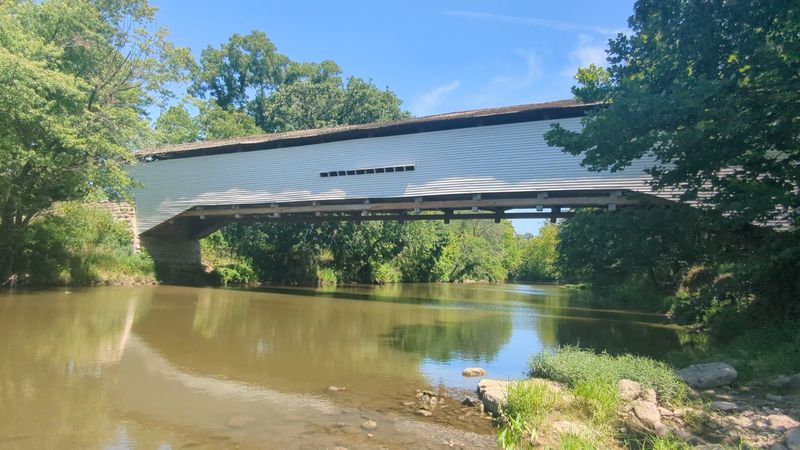
Some of the best views happen below the bridge, not on it. The Elk Fork of the Salt River runs right underneath, and you can get down close.
Next to the covered bridge sits a low-water crossing. It offers access to the stream, where visitors have waded in to see the arches from below.
On calm days, the water stays low enough that people sit right in it. Dogs seem to approve too, splashing around to cool off.
Bring a fishing pole if that’s your thing. Visitors mention river access for fishing near the bridge.
Conditions can change quickly with rain, though. Some nights the creek runs too high to cross safely, so use good judgment.
Driving through that low-water crossing in a big vehicle isn’t for everyone either. When in doubt, park and walk.
Stay alert to your surroundings out here. It’s a remote spot, and a little awareness goes a long way.
Then just listen for a while. Running water and an 1871 bridge overhead make for a pretty fine afternoon soundtrack.
Fall Color And Quiet Afternoons Suit This Spot Best
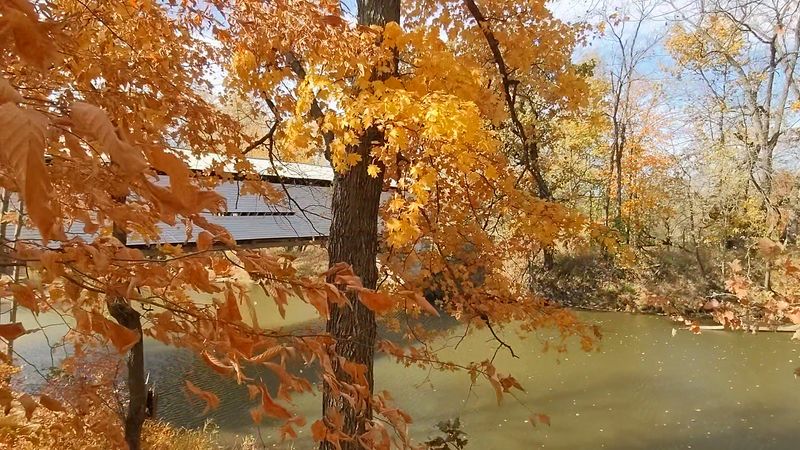
Autumn turns this little valley into a postcard. The trees around the bridge pick up fall color, and the weathered wood looks right at home against it.
October drives through northeast Missouri pair nicely with a stop here. Add a scenic loop on back roads, and you’ve got a full day.
Summer brings its own charm. Shallow water invites wading, and the shade near the creek feels welcome on warm afternoons.
The mood stays peaceful no matter the season. Visitors often describe it as serene, quiet, and a good place to simply relax.
Some folks come back again and again just to sit beside the creek. Few attractions can pull that off with no gift shop.
Families with curious kids will find plenty to explore. History buffs and photographers will likely linger even longer.
Retirees on a slow road trip might love it most. No crowds, no rush, and no long hikes required.
If you want thrills and snack bars, look elsewhere. If you like sitting quietly with something old and beautiful, you’re in the right place.
Plan Ahead, Because Out Here The Gas Stations Get Shy
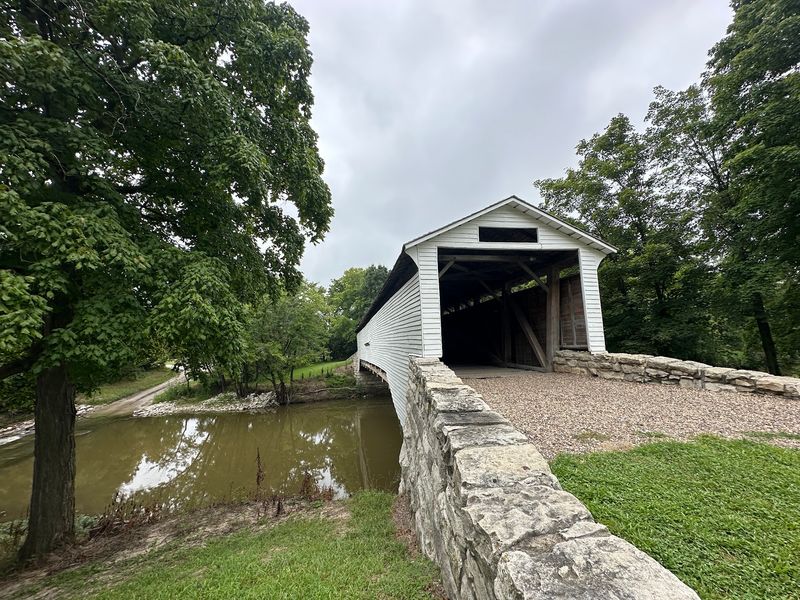
Set your GPS for 20700 Monroe County Road 962, Paris, MO 65275. The site sits southwest of Paris, surrounded by farmland.
Directions can get a little silly. One visitor joked that their phone had them turning from Highway C onto Highway C, then onto Highway C again.
Once you arrive, parking is easy. There’s a small lot plus grassy space, with room to turn around.
An information kiosk stands near the bridge. Signs explain covered bridge construction, the rarity of this design, and other covered bridges around Missouri.
The path to the bridge is short, with no long hikes involved. At least one visitor described the site as wheelchair accessible.
Amenities are minimal, so plan accordingly. Visitors report no restrooms, and picnic tables seem to come and go.
Pack water, snacks, and maybe a folding chair. A cooler in the trunk turns this into an easy picnic stop.
Hours can vary, so check with Missouri State Parks before heading out. A quick call saves a long drive and a disappointed carload.
One Of Four Survivors Makes A Mighty Good Excuse For A Drive
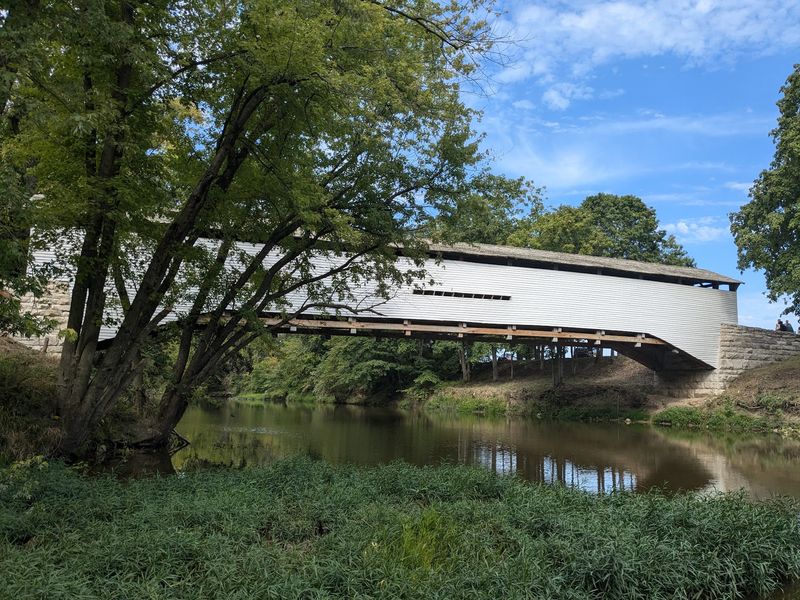
Only four historic covered bridges remain standing in Missouri. Union Covered Bridge State Historic Site holds one of them, plus the state’s lone Burr-arch truss design.
That alone makes the trip worthwhile. You’re not just seeing an old bridge, you’re seeing the last of its kind here.
Collecting all four could make a fun family project. Start here, then plan the others for future weekends.
The visit itself doesn’t need to be long. Thirty minutes covers the walk, the signs, and some creekside photos.
Stay longer if the water looks inviting. Sitting by the bank has a habit of stretching an afternoon happily.
Value matters, and this stop delivers plenty of it. No tickets were mentioned anywhere, and the memories cost only a tank of gas.
Bring the grandkids and let them count the arches. Bring your camera and catch the light pouring through the openings.
Old timbers, running water, and quiet fields make a pretty convincing case. Walk across those creaky boards once, and you might start planning your next visit before you even reach the car.