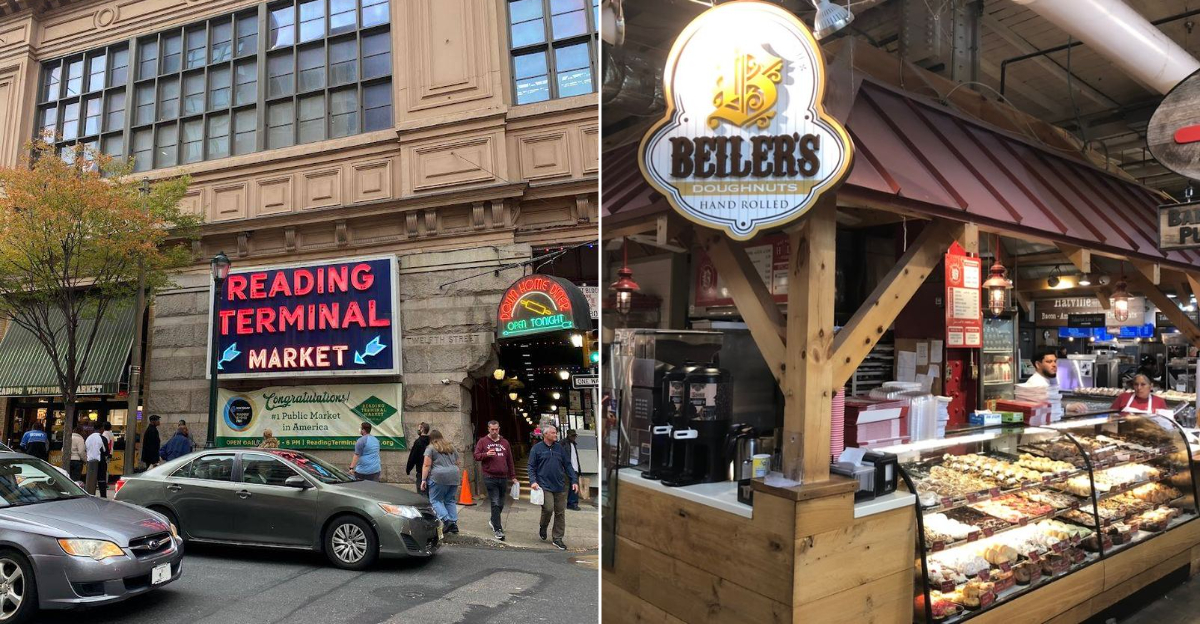
Tucked beneath the old Reading Railroad train shed in the heart of Philadelphia, Reading Terminal Market has been feeding hungry visitors since 1893. With over 80 vendors packed under one historic roof, this bustling indoor market blends Pennsylvania Dutch farm traditions with global street food flavors you would never expect to find side by side.
From Amish scrapple and fresh-baked soft pretzels to Thai noodles and Filipino adobo, the market is a living, breathing celebration of food culture. Whether you are a first-time visitor or a lifelong Philadelphian, there is always something new to discover here.
The Historic Building and Train Shed Architecture
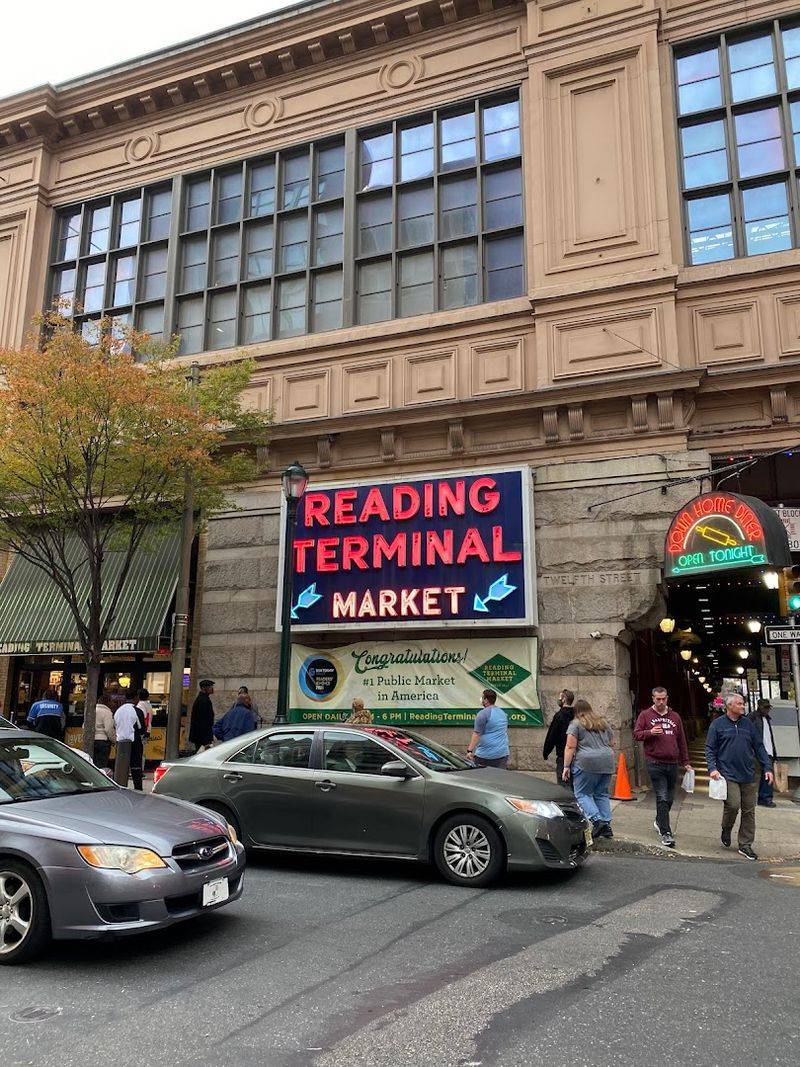
Back in 1891, the Reading Railroad needed a new terminal, and the solution they came up with changed Philadelphia forever. Workers built a grand train shed above street level and tucked a public market underneath it, creating one of the most unusual and beloved spaces in American history.
The cast-iron structure and soaring roof trusses are still visible today, giving the market a dramatic, cathedral-like atmosphere that no modern food hall can replicate.
Walking through the entrance on Arch Street feels like stepping into a time machine. The exposed beams overhead, the worn brick floors, and the neon vendor signs create a mashup of old and new that is genuinely hard to describe until you see it yourself.
Photography lovers and history buffs always spend extra time just looking up.
The building was added to the National Register of Historic Places, and preservationists have worked hard to maintain its original character. Even after major renovations over the decades, the bones of the 1893 structure remain proudly intact.
If you appreciate architecture, arrive early before the crowds fill the aisles, grab a coffee, and take a slow lap around the perimeter to soak it all in.
Amish Vendors from Lancaster County
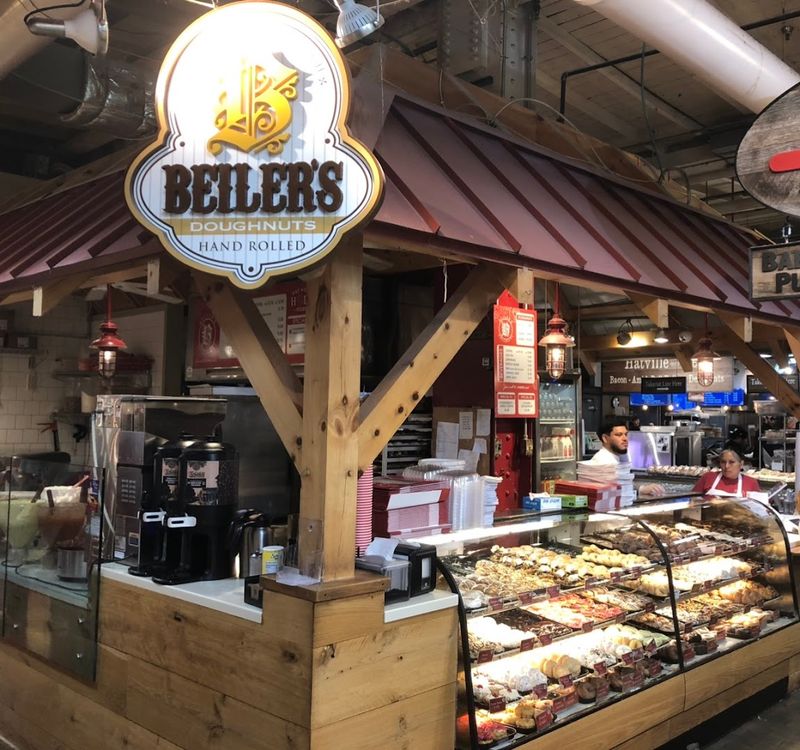
Every Wednesday through Saturday, a group of vendors makes the roughly 70-mile trip from Lancaster County to set up some of the most talked-about stalls in the entire market. These are Old Order Amish and Mennonite farmers and bakers who bring with them generations of food tradition rooted in simplicity, quality ingredients, and no shortcuts.
Their presence at Reading Terminal Market stretches back decades, and regulars plan their visits specifically around the days these vendors appear.
Beiler’s Donuts is probably the most famous of the bunch, with lines that can stretch down the aisle on busy mornings. The Dutch Eating Place serves up scrapple, egg sandwiches, and sticky buns that locals swear by.
Meanwhile, other Amish stalls sell handmade noodles, fresh-churned butter, shoofly pie, and whole-grain breads that you simply cannot find at a grocery store.
Scrapple deserves its own mention here. Made from pork scraps and cornmeal, then pan-fried until crispy, it is a Pennsylvania Dutch breakfast staple that first-timers either love immediately or need a second try to appreciate.
Go on a Wednesday morning when the stalls are freshly stocked and the energy around the Amish section is at its most lively and welcoming.
The Legendary Philly Cheesesteak
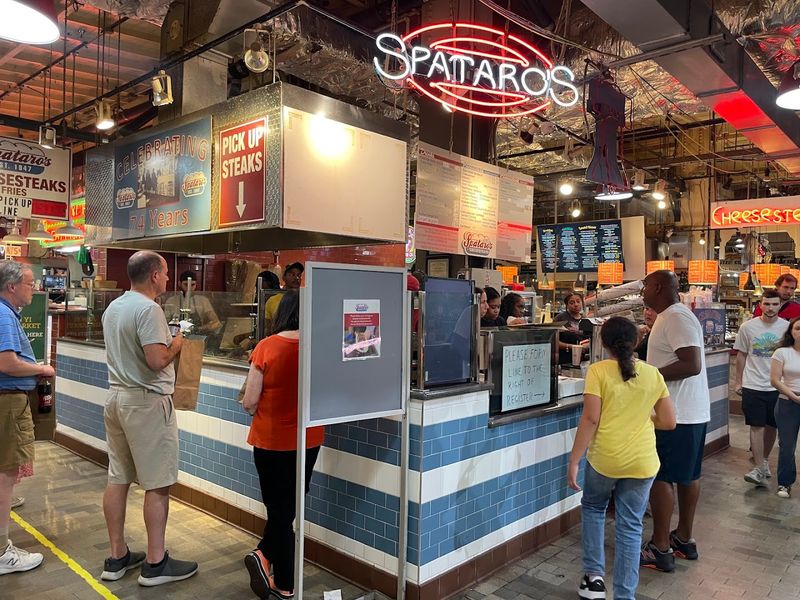
No trip to Philadelphia is complete without eating a proper cheesesteak, and Reading Terminal Market happens to be home to one of the most respected versions in the entire city. Spataro’s Cheesesteaks has been slinging thinly shaved ribeye on long hoagie rolls since the market was in a very different era.
The sizzle from the flat-top grill and the smell of caramelized onions drifting through the aisle is practically impossible to walk past without stopping.
The cheesesteak debate in Philadelphia is serious business. Locals argue passionately about whether Cheez Whiz, provolone, or American cheese is the correct choice.
First-timers are encouraged to go with Whiz wit, which means Cheez Whiz with onions, the most traditional order. It sounds simple, but the combination of textures and flavors is genuinely something special.
What makes the market version unique is the atmosphere around ordering one. You are standing in a 130-year-old building, surrounded by dozens of other food smells competing for your attention, and yet the cheesesteak still wins.
Multiple vendors inside the market offer their own take, so adventurous eaters can actually do a side-by-side comparison without ever leaving the building.
That alone makes it worth the visit.
DiNic’s Roast Pork Sandwich
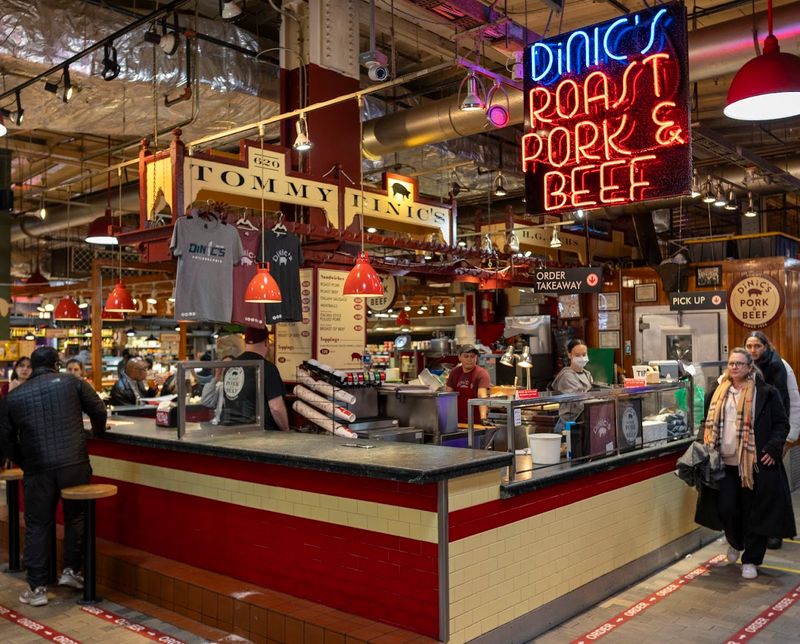
Food Network and the Travel Channel have both pointed cameras at DiNic’s, and for good reason. This stall has been serving slow-roasted pork on Italian rolls since 1918, making it one of the oldest continuously operating vendors in the market.
In 2012, the Travel Channel named it the best sandwich in America, a title that still draws long lines of curious first-timers and devoted regulars alike.
The signature order is the roast pork with sharp provolone and broccoli rabe. That last ingredient surprises some people because the rabe is slightly bitter, but it balances the rich, juicy pork in a way that feels almost too good to be true.
The bread is a sturdy Italian roll that holds everything together without getting soggy, which is the mark of a well-engineered sandwich.
Locals will tell you that the roast pork sandwich is actually more authentically Philadelphian than the cheesesteak, even though the cheesesteak gets most of the national attention. DiNic’s is the best argument for that claim.
Arrive before noon on weekends if you want to avoid a wait that can stretch 20 minutes or longer.
The sandwich is absolutely worth every second of standing in line.
Miller’s Twist Soft Pretzels
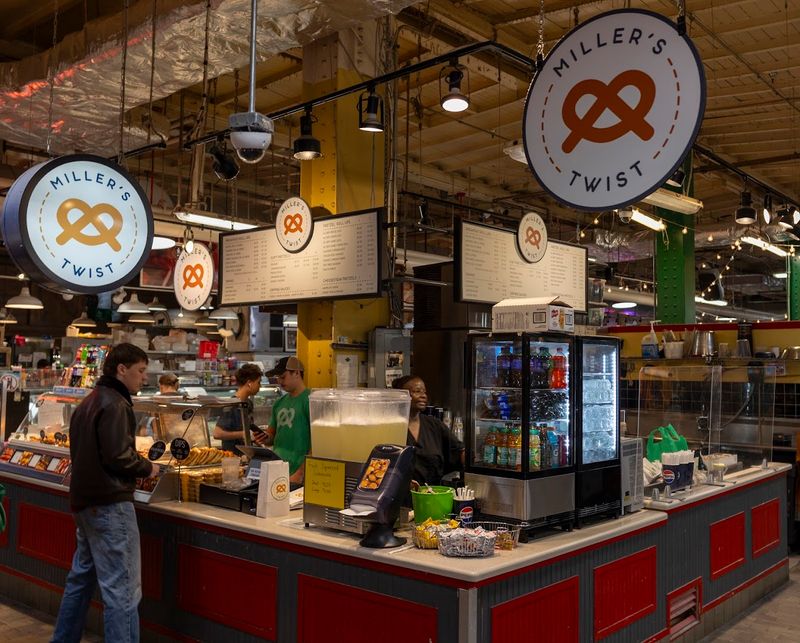
You can smell Miller’s Twist before you see it. The warm, yeasty scent of freshly baked soft pretzels drifts through a wide radius of the market floor, acting like a beacon for anyone who has ever loved a good pretzel.
This vendor has perfected the art of the hand-rolled, oven-fresh Philly soft pretzel, which is chewier and denser than the stadium-style pretzels most people grow up eating at sports events.
The menu goes far beyond plain salted pretzels. Miller’s Twist also makes pretzel dogs stuffed with hot dogs inside twisted dough, cinnamon sugar pretzels for the sweet-toothed crowd, and cheesesteak-stuffed pretzels that manage to combine two Philadelphia icons into one portable snack.
Reviewers consistently mention the pretzel dog as a standout that they still think about long after leaving the city.
Soft pretzels have deep roots in Pennsylvania Dutch culture, and this vendor keeps that tradition alive in a way that feels genuine rather than touristy. The pretzels are made throughout the day, so catching a fresh batch right out of the oven is very possible if you time your visit right.
Pair one with a cup of spicy brown mustard and you have the most Philadelphia snack experience imaginable.
Flying Monkey Bakery and Desserts
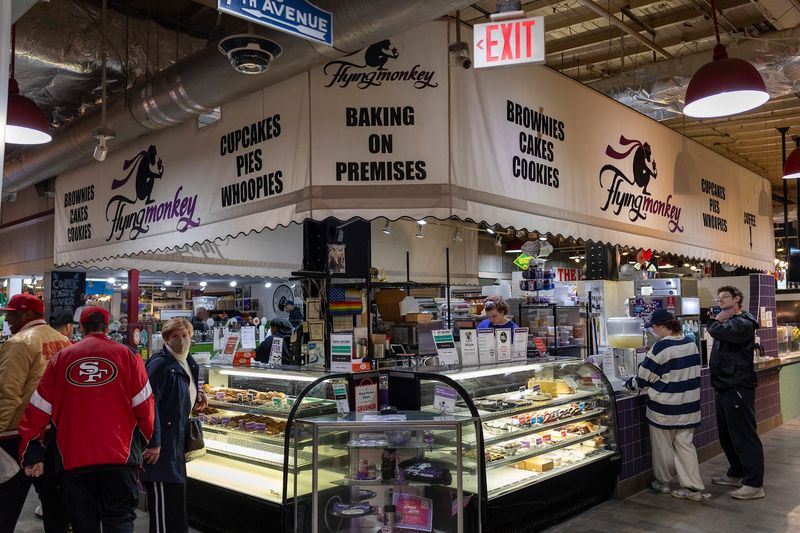
Flying Monkey Bakery operates on the philosophy that dessert should be fun, a little ridiculous, and absolutely delicious. The display case at this stall is one of the most photographed spots in the entire market, loaded with towering layer cakes, oversized cookies, and creative seasonal treats that change throughout the year.
Their Coconut Almond Crunch Cookies have developed a near-cult following among repeat visitors who plan their market trips around restocking their supply.
The creativity here goes well beyond standard bakery fare. Past offerings have included cake slices in flavors like salted caramel pretzel, red velvet with cream cheese frosting, and birthday cake with rainbow sprinkles baked right into the batter.
The bakery also produces cookies in flavors that push into unexpected territory, like blueberry muffin cookies that reviewers have compared to eating a Dunkin donut in cookie form.
Dessert at Reading Terminal Market is genuinely competitive, with multiple vendors fighting for the sweet-tooth crowd. Flying Monkey stands out because of its sense of humor and willingness to experiment.
If you are visiting with kids or teenagers, this stall almost always produces a genuine reaction of excitement and indecision.
Budget extra time here because choosing just one thing is harder than it sounds.
Global Food Diversity: Thai, Filipino, and Beyond
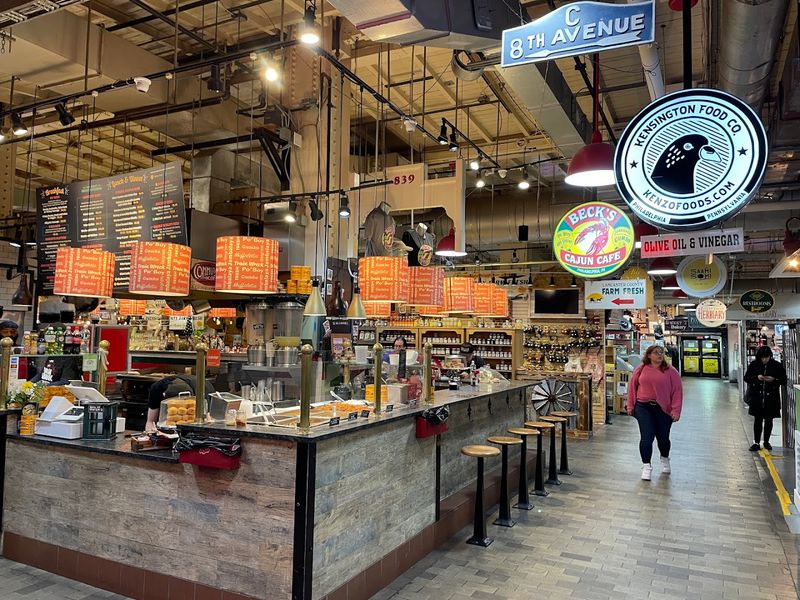
One of the most genuinely surprising things about Reading Terminal Market is the range of international cuisines available in what is technically a 19th-century Pennsylvania farmers market building. Walk 20 feet from an Amish sticky bun and you might land in front of a steaming bowl of pad Thai.
Another few steps and Filipino adobo or Japanese ramen is right there waiting. The contrast is jarring in the best possible way.
This diversity is not accidental. Over the decades, Philadelphia’s immigrant communities have found a home inside the market, bringing their culinary traditions with them and building loyal followings.
Thai, Vietnamese, Korean, Filipino, and Middle Eastern vendors operate alongside traditional American and Pennsylvania Dutch stalls, creating a food landscape that mirrors the city’s actual cultural makeup rather than a sanitized tourist version of it.
For travelers who want to experience global food in a single afternoon, the market is remarkably efficient. You can try Southeast Asian noodles, a Cajun po’boy, and a slice of shoofly pie without ever stepping outside.
Adventurous eaters are encouraged to skip the familiar and try at least one vendor from a cuisine they have never sampled before.
The market rewards curiosity generously and without judgment.
Fresh Produce, Meat, and Seafood Markets
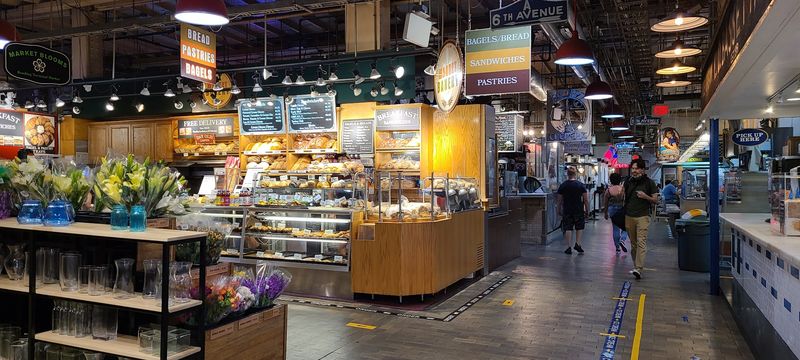
Not everything at Reading Terminal Market is about grabbing a quick meal and moving on. A significant portion of the vendors are full-service specialty grocers selling the kind of fresh, high-quality ingredients that home cooks dream about.
The seafood stalls, in particular, are impressive, offering whole fish, live shellfish, fresh shrimp, and smoked fish that locals have been buying for generations rather than making a separate trip to a grocery store.
The butcher shops inside the market carry heritage breed meats, house-made sausages, and cuts that most supermarkets simply do not stock. Buying a pound of fresh kielbasa or a rack of locally sourced pork ribs feels like a completely different experience from picking up plastic-wrapped meat from a refrigerated case.
The vendors know their products and are genuinely happy to answer questions about preparation and sourcing.
Fresh produce vendors round out the grocery offerings, with several stalls carrying seasonal fruits and vegetables from regional farms. Some vendors even participate in the Too Good To Go app, offering discounted bags of produce near closing time for budget-conscious shoppers.
If you live in or near Philadelphia, the market functions beautifully as a weekly farmers market destination, not just a tourist attraction worth visiting once.
4th Street Cookie and Sweet Treat Vendors
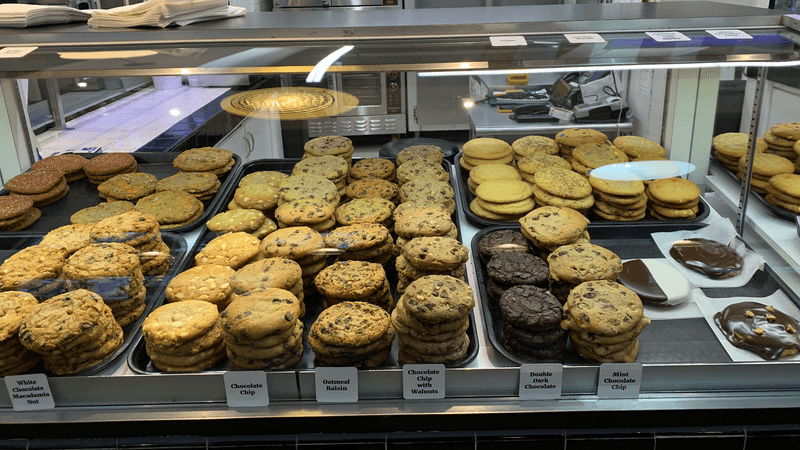
Cookies at Reading Terminal Market are not an afterthought. The 4th Street Cookie stall has earned a reputation for producing some of the most inventive and satisfying cookies in Philadelphia, with flavors that go well beyond the standard chocolate chip.
The blueberry muffin cookie became a social media moment after multiple visitors described it as tasting exactly like a Dunkin blueberry muffin, which is either high praise or the most relatable food compliment imaginable.
The stall keeps rotating seasonal flavors on the menu, which gives repeat visitors a reason to check back every time they pass through. Classic options like snickerdoodle and double chocolate remain popular anchors, but the limited-edition flavors tend to generate the most buzz online and in the aisles.
The cookies are generously sized, which means one is genuinely satisfying rather than leaving you reaching for a second immediately.
Beyond 4th Street Cookie, the market has no shortage of sweet options competing for your attention. Wilt’s chocolate-covered strawberries, Beiler’s donuts, and Flying Monkey cakes all occupy the same dessert-hungry market segment.
The smart strategy is to share with a travel companion so you can sample more without the guilt.
Saving room for dessert is genuinely required planning, not just a polite suggestion, at this market.
Tips for Visiting Reading Terminal Market Like a Local
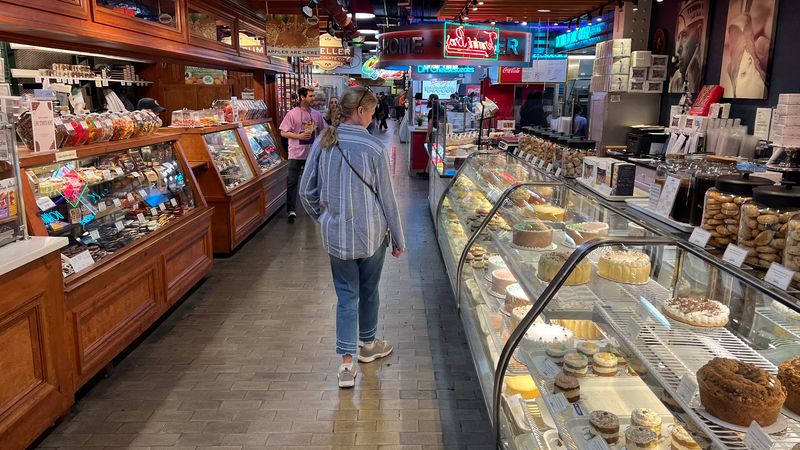
Arriving early is the single best piece of advice anyone can give you about visiting Reading Terminal Market. The market opens at 8 AM every day of the week, and the morning hours before 11 AM are noticeably calmer, easier to navigate, and better for actually having a conversation with vendors.
Weekends after noon can feel like a concert crowd squeezed into a building, which is exciting but not always comfortable for first-timers trying to figure out where everything is.
Parking nearby is available but genuinely challenging and expensive in Center City Philadelphia. The market validates parking tickets for a discount, so save your ticket and ask about validation inside.
Public transit is the smarter choice, with the Market-Frankford Line and SEPTA buses stopping very close to the Arch Street entrance. Walking from the Convention Center or most downtown hotels takes under ten minutes.
Bring cash because several vendors, particularly the Amish stalls, do not accept credit cards. A budget of around 20 to 30 dollars per person covers a solid meal plus a snack or small grocery purchase.
Come hungry, wear comfortable shoes, and resist the urge to fill up at the first stall you see.
Walking the full perimeter before committing to your order is how locals always approach their first meal of the visit.