Late afternoons in small-town Georgia have a gentle rhythm—sunlight slipping through storefront windows, a soft breeze moving across quiet streets, and the scent of home cooking drifting through the air. In Chatsworth, that feeling seems to settle most naturally in places where time moves a little slower.
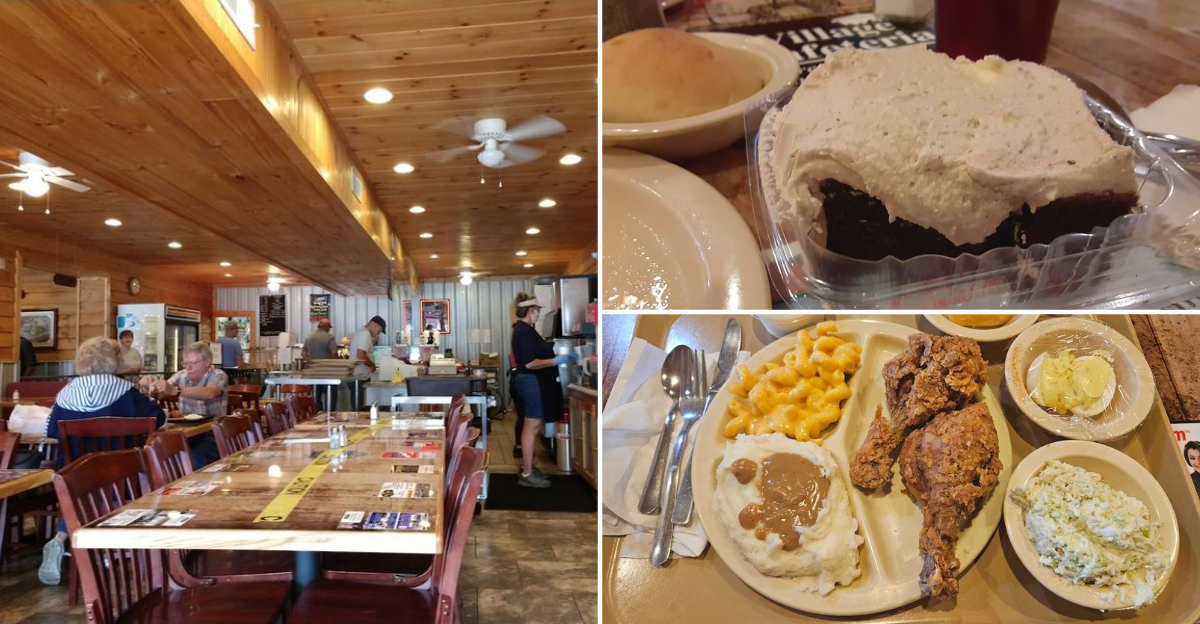
At Village Cafeteria, the atmosphere is simple in the best possible way. Trays clatter softly, familiar faces greet each other without hurry, and the warmth of freshly prepared dishes fills the room like something passed down rather than prepared.
It’s the coconut cake that quietly steals attention—light, moist, and layered with that unmistakable homemade sweetness that feels tied to older kitchens and family gatherings. It doesn’t try to impress; it simply lingers in memory after the last bite.
On warm spring days, when Chatsworth is dotted with blooming trees and easy light, this kind of dessert feels perfectly at home.
From here, we’ll take a closer look at what makes this cafeteria favorite so enduring.
The Legendary Three-Minute Frosting
When you ask about the frosting on that towering white cake behind the glass, you’ll get an answer that sounds like poetry to anyone who grew up in the South. The kind your granny used to make, they’ll tell you, and they mean it literally.
Three-minute frosting isn’t just a name but a technique passed down through generations, creating clouds of sweet meringue that cling to every layer.
This old-fashioned method produces something magical that modern shortcuts simply can’t replicate. The frosting gets whipped to stiff peaks, creating a texture that’s simultaneously light and substantial.
It holds the generous coating of fresh coconut flakes perfectly, creating that classic appearance everyone remembers from church suppers and Sunday dinners.
What makes this cake special isn’t just nostalgia, though that certainly plays a role. The quality shines through in every bite, from the moist cake layers to the perfectly shey don’t miss out on a slice, knowing that some batches sell out quickly during busy lunch hours.weetened frosting.
Many longtime customers at Village Cafeteria specifically time their visits to ensure t
Cafeteria-Style Service That Feels Like Home
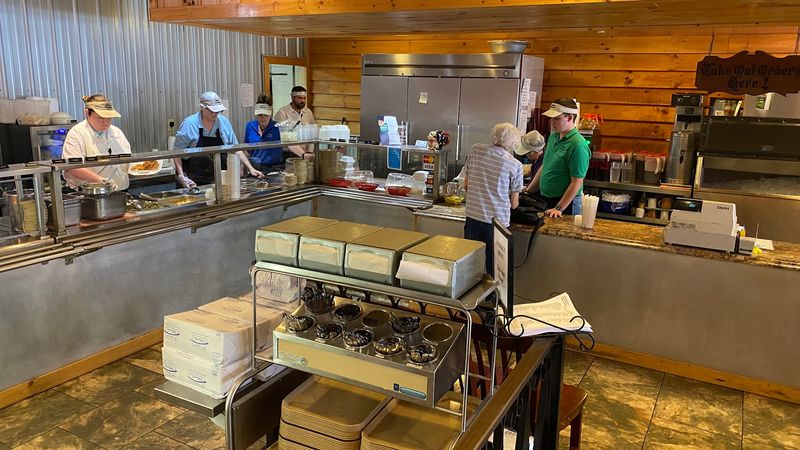
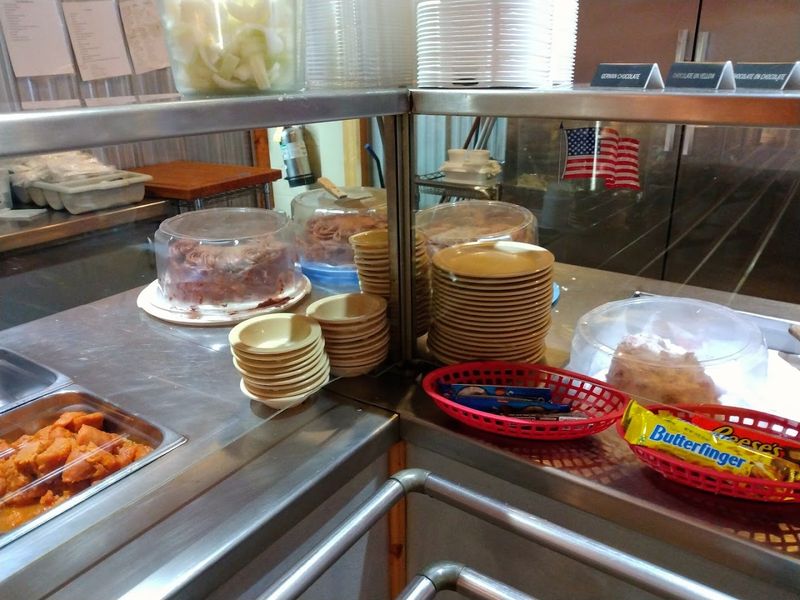
Walking through with your tray might remind you of school lunches, except everything smells incredible and looks like comfort itself. The serving line setup lets you see exactly what you’re getting before committing to a choice.
Friendly faces behind the counter guide you through the process, explaining options to first-timers with genuine warmth rather than impatience.
Some reviews compare the setup to a prison commissary, but that’s missing the point entirely. This traditional format has fed American communities for decades, from church basements to military bases.
It’s efficient, transparent, and encourages conversation between servers and diners in a way that modern restaurants rarely achieve.
At Village Cafeteria, the staff treats regulars like extended family while making newcomers feel equally welcome. They’ll offer tastes of new recipes or steer you toward Thursday’s meatloaf if you seem uncertain.
The system works beautifully once you understand the flow—grab silverware, move down the line, point to what looks good, and let the servers fill your plate generously with whatever southern specialties catch your eye that particular day.
Down-Home Cooking That Brings Back Memories
There’s something powerful about food that tastes like memory itself. One customer mentioned their veggie plate transported their wife straight back to Sundays at Grandmother’s house, which might be the highest compliment any Southern restaurant can receive.
These aren’t fancy interpretations or modern twists on classics—they’re the genuine articles, prepared the way they’ve been made for generations.
The recipes here reflect authentic country cooking, the kind that sustained farming families and filled church fellowship halls across the South. Green beans cooked low and slow, potatoes prepared with real butter, and cornbread that crumbles just right.
Some critics complain about canned vegetables or lack of seasoning, but others find the flavors perfectly balanced and wonderfully familiar.
Village Cafeteria serves food that prioritizes comfort over innovation, nostalgia over novelty. Regular customers visit multiple times weekly, always finding something that satisfies their craving for genuine Southern cuisine.
The consistency matters tremendously—when you know exactly what you’re getting, you can build it into your routine, making this spot part of your weekly rhythm rather than just an occasional treat.
The Meat-and-Three Tradition Lives On
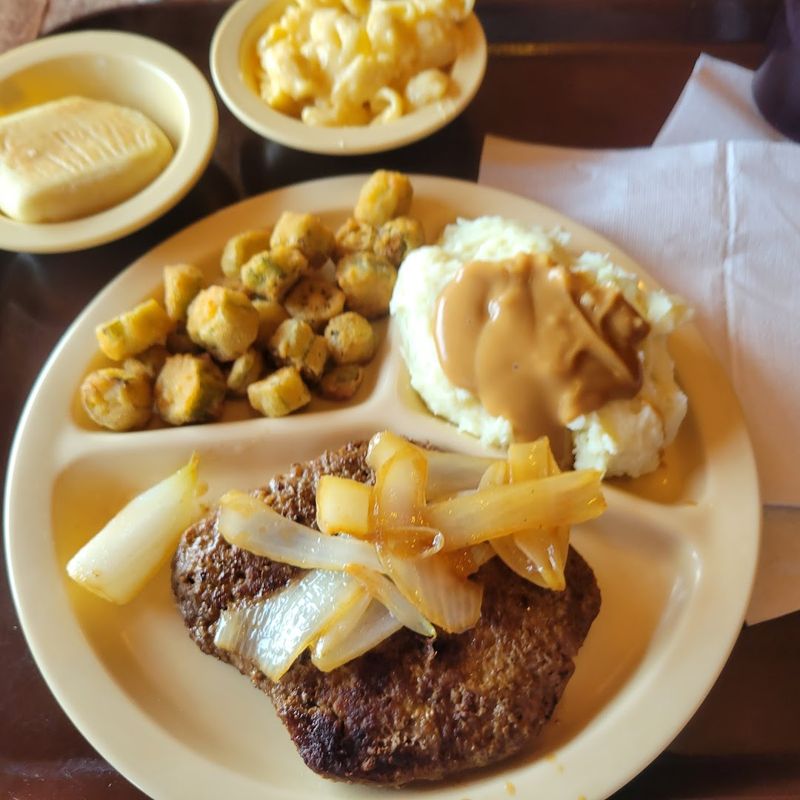
Choosing one protein and three sides sounds simple until you’re standing there trying to decide between eight vegetable options. This classic Southern dining format puts you in control of building your ideal meal.
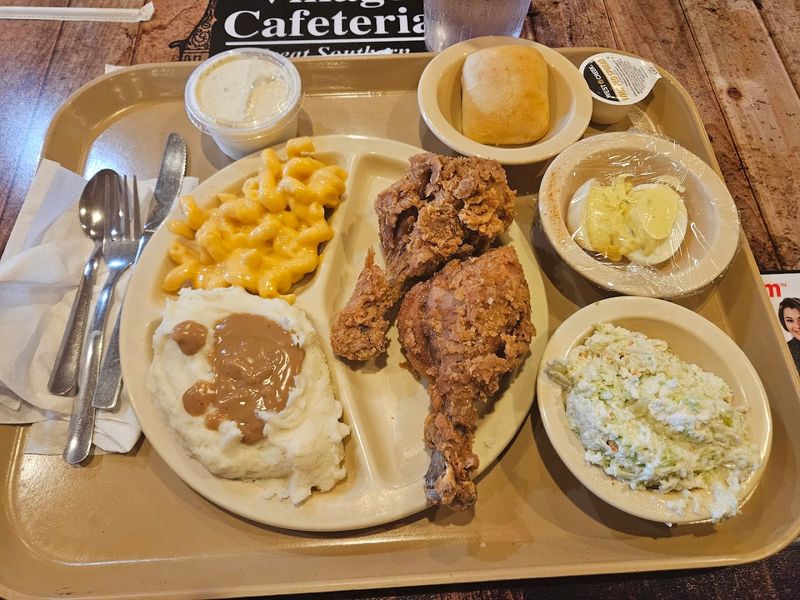
Maybe you want fried chicken with mac and cheese, green beans, and okra. Perhaps cube steak with mashed potatoes sounds better.
The possibilities shift daily as the menu changes.
This serving style originated in Southern boarding houses where workers needed filling, affordable meals. The format survived because it makes perfect sense—protein for energy, vegetables for nutrition, all served on one convenient plate.
Modern chains sometimes attempt this concept, but authentic versions remain rare outside small-town establishments that never abandoned the tradition.
What really matters is execution, and that’s where Village Cafeteria shines for most diners. The portions run generous without being wasteful.
The prices stay reasonable enough for regular visits. You leave satisfied but not uncomfortable, having consumed real food rather than processed shortcuts or oversalted preparations designed to mask inferior ingredients.
Dessert Selection Worth Saving Room For
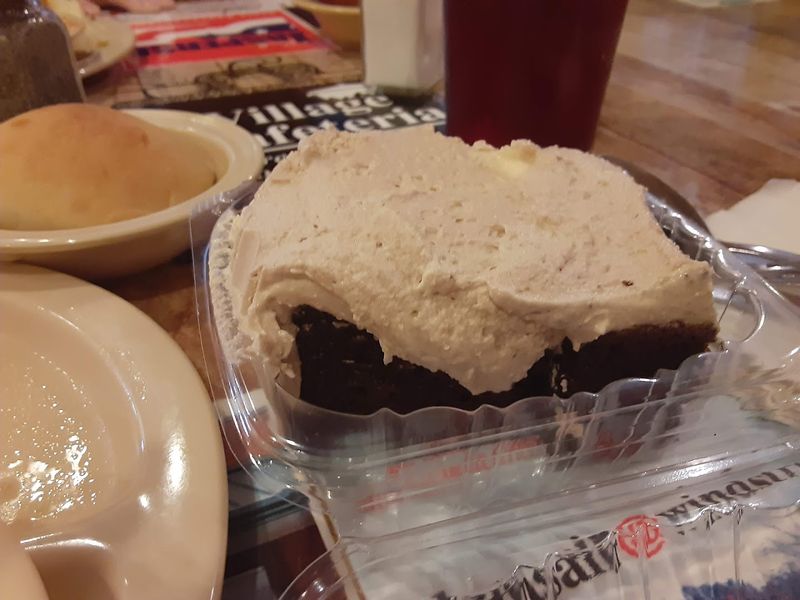
Smart diners survey the dessert case before filling their plate with entrees and sides. That way they know exactly how much room to save for the grand finale.
The selection changes somewhat, but certain favorites appear regularly, each one made from scratch using traditional methods that produce superior results to anything mass-produced or shipped from a factory.
Beyond the famous coconut cake, you’ll find peanut butter pie that customers rave about in reviews. Strawberry cake makes frequent appearances, earning its own dedicated fan base.
Some days feature peach cobbler so good that one reviewer claimed it was made with tears of angels—hyperbolic perhaps, but enthusiastic testimonials like that speak volumes about quality.
The desserts here aren’t afterthoughts or purchased wholesale from restaurant suppliers. They’re baked in-house using recipes that grandmothers would recognize and approve.
This commitment to homemade sweets sets Village Cafeteria apart from competitors who might excel at main courses but phone in dessert. When the cook asks for feedback on new recipes, regular customers feel honored to participate in this ongoing culinary tradition.
Fried Chicken That Measures Up to Memories
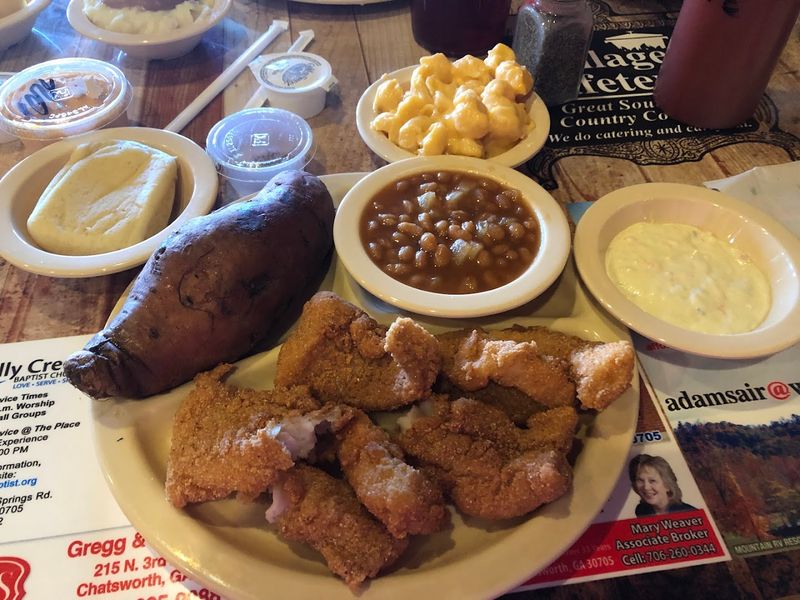
Chicken legs bigger than you’ve ever seen before, according to one amazed customer. The coating achieves that golden crispiness everyone seeks but few restaurants actually deliver.
Inside, the meat stays juicy and flavorful, never dry or stringy from overcooking. One reviewer even joked that the chicken contained the cure for various ailments—obviously exaggeration, but the kind that reveals genuine enthusiasm.
Southern fried chicken carries enormous expectations because nearly everyone has a reference point, whether from their own grandmother’s kitchen or a beloved relative’s Sunday dinner table. Meeting those high standards consistently requires skill, quality ingredients, and refusing to take shortcuts even when nobody’s watching.
The chicken at Village Cafeteria passes this crucial test for most diners.
Some customers specifically choose chicken as their protein option when building their meat-and-three plate. Others make it the centerpiece of their entire meal.
Either way, the preparation style remains traditional—no exotic spice blends or trendy twists, just properly seasoned and expertly fried chicken that tastes exactly like what you remember or wish you could remember from childhood.
Nostalgic Atmosphere From Decades Past
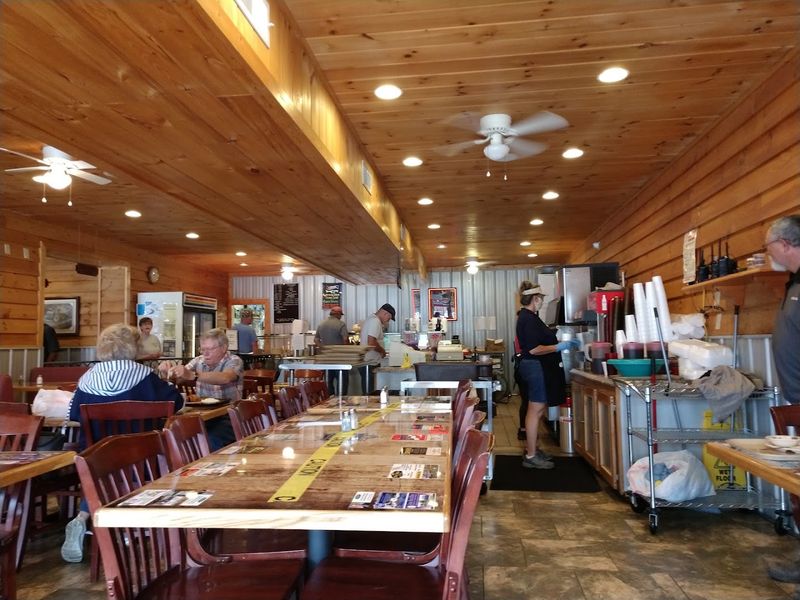
Wood paneling covers the walls and ceiling, creating an environment that feels preserved from the 1970s and early 1980s. For some diners, this represents a delightful time capsule that adds to the overall experience.
The aesthetic isn’t trying to be ironic or hip—it’s simply remained unchanged because it works, creating the perfect backdrop for food that similarly resists modernization.
This authenticity matters tremendously to customers seeking genuine experiences rather than carefully calculated nostalgia manufactured by corporate design teams. Everything about the space feels organic and unforced.
The wood-paneled interior wasn’t selected to be trendy; it was installed decades ago and maintained because it’s functional and appropriate for this type of establishment.
Walking through the door transports you backward in time, to an era when life moved slower and people valued different things. Some find this comforting; others might consider it dated.
The restaurant doesn’t apologize for its appearance or rush to remodel into something more contemporary. This confidence in remaining true to its roots attracts customers who appreciate that same quality in their food—traditional, uncomplicated, and unapologetically what it’s always been.
Staff That Treats Customers Like Family
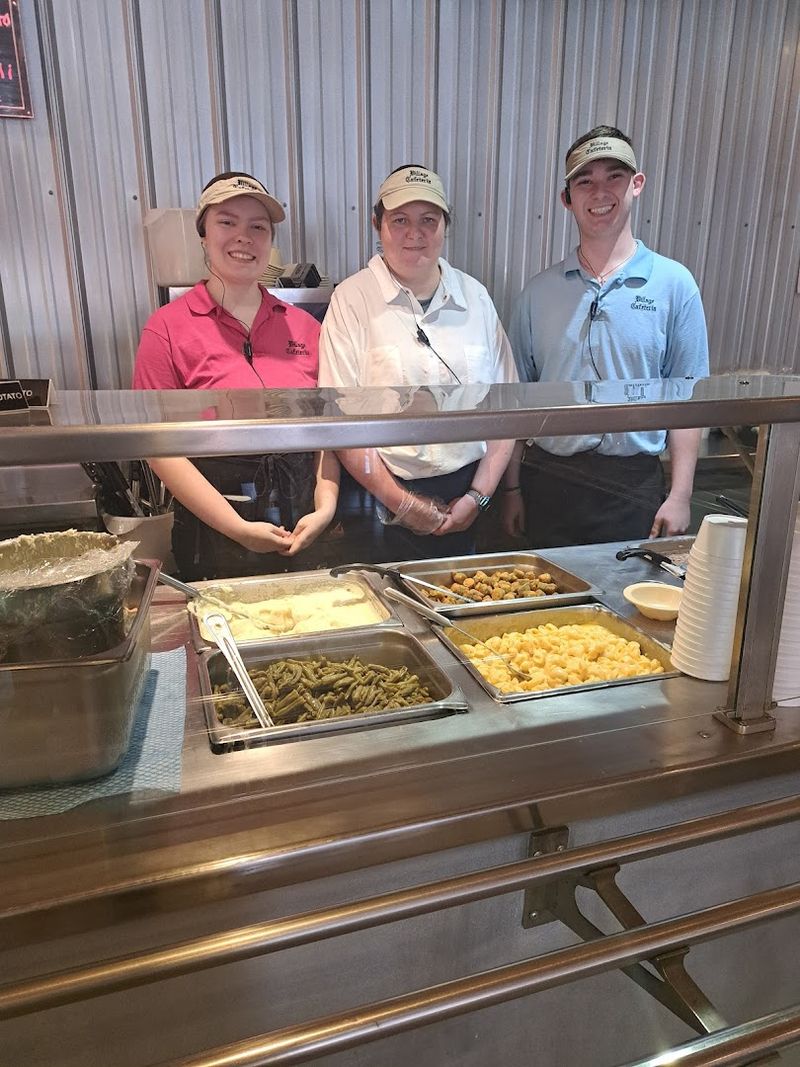
Some restaurants employ servers; Village Cafeteria seems to collect family members. Regular customers mention staff by name in reviews, sharing stories about friendships that developed over years of weekly visits.
The waitress who meticulously cleans each salt and pepper shaker before returning it to tables demonstrates pride in her work. The cook who shares samples of experimental recipes values customer input genuinely.
This level of connection doesn’t happen accidentally or quickly. It develops when people stay at jobs for years rather than months, when ownership treats employees well enough that they want to remain.
The extended-family feeling that permeates the dining room creates an atmosphere money can’t buy—it requires time, consistency, and mutual respect between staff and customers.
New visitors receive patient explanations about how everything works, with servers guiding them through the cafeteria line process without making anyone feel rushed or foolish. This welcoming approach converts first-timers into regulars, who eventually become part of the extended family themselves.
Whether you visit three times weekly or once during a camping trip, the staff aims to make your experience pleasant and your food exactly what you hoped for.
Daily Changing Menu Keeps Things Interesting
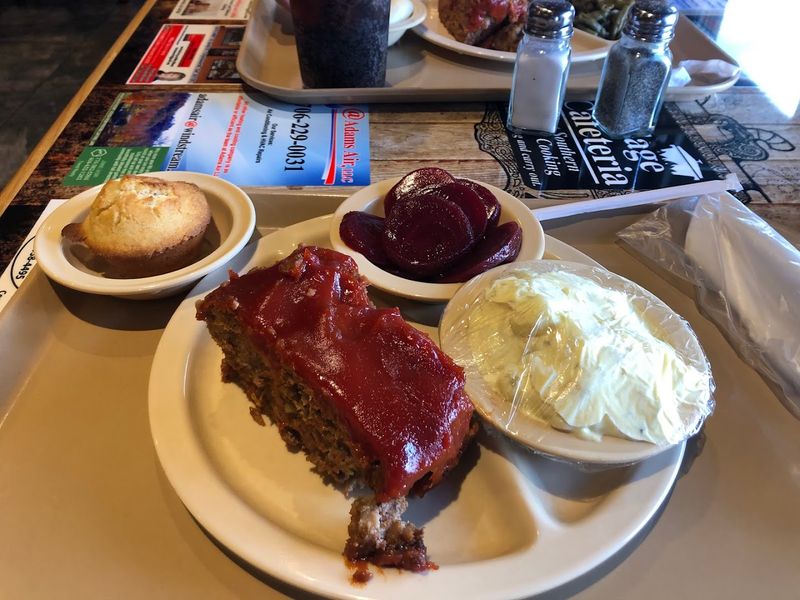
Predictability has its place, but so does pleasant surprise. The rotating menu at Village Cafeteria means regular customers never fall into boring routines.
Monday’s options differ from Wednesday’s offerings, and Thursday brings meatloaf fans out in force. This variety encourages frequent visits because you might miss something special if you wait too long between trips.
The changing selections also reflect seasonal availability and the kitchen’s creative energy. Sometimes they test new recipes, gathering feedback from trusted regulars before adding items permanently.
Other times they rotate through classics, ensuring everyone eventually gets their favorite even if it’s not available every single day. This approach keeps the cooking staff engaged and excited about their work.
For travelers passing through Chatsworth, this means one visit barely scratches the surface of what Village Cafeteria offers. Many reviews mention plans to return specifically to try different items.
Locals benefit from this variety throughout the year, building their routines around favorite dishes that appear on specific days. The system creates anticipation and rewards loyalty, turning meals into events worth planning your schedule around rather than just convenient fuel stops during busy days.