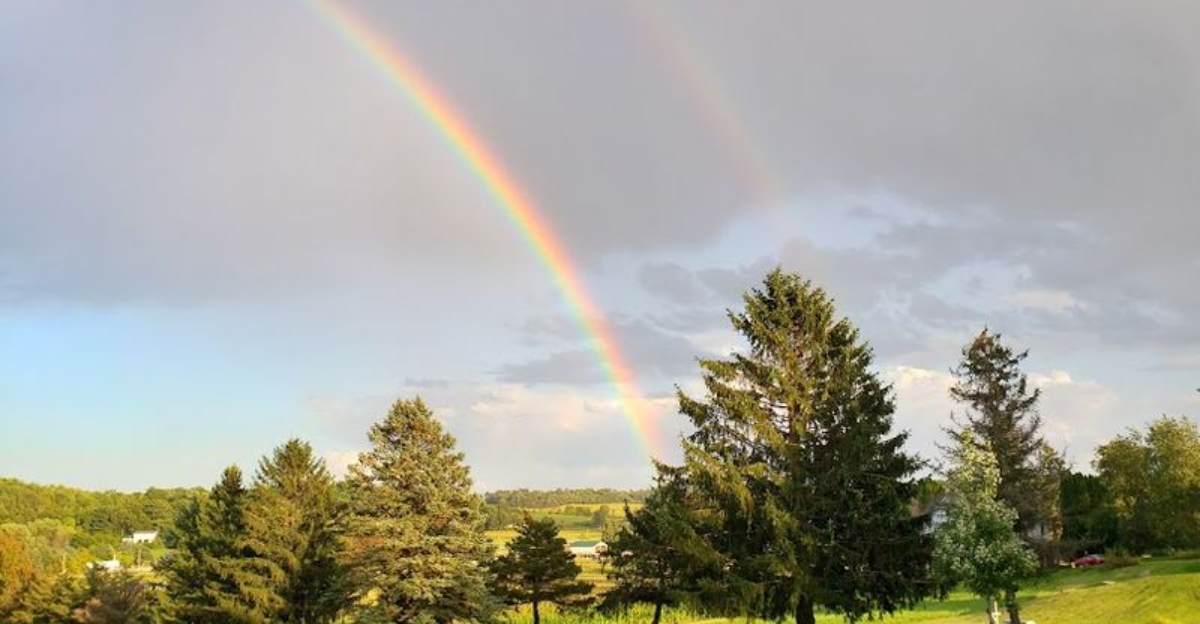
The Driftless Area stretches across parts of Wisconsin and Minnesota, where ancient rivers carved deep valleys through limestone bluffs that glaciers never touched.
Families searching for authentic outdoor experiences find something special here—quiet riverside towns surrounded by dramatic scenery where campfires glow under bright stars and morning mist rises from winding waterways.
These ten towns offer more than just camping; they provide doorways to exploring bluff-top trails, paddling peaceful rivers, and waking to landscapes that feel untouched by time.
Whether you pitch a tent beside the Mississippi or nestle into a valley along smaller streams, these Driftless communities welcome families ready to trade screens for starlight and alarm clocks for birdsong.
La Crosse, Wisconsin
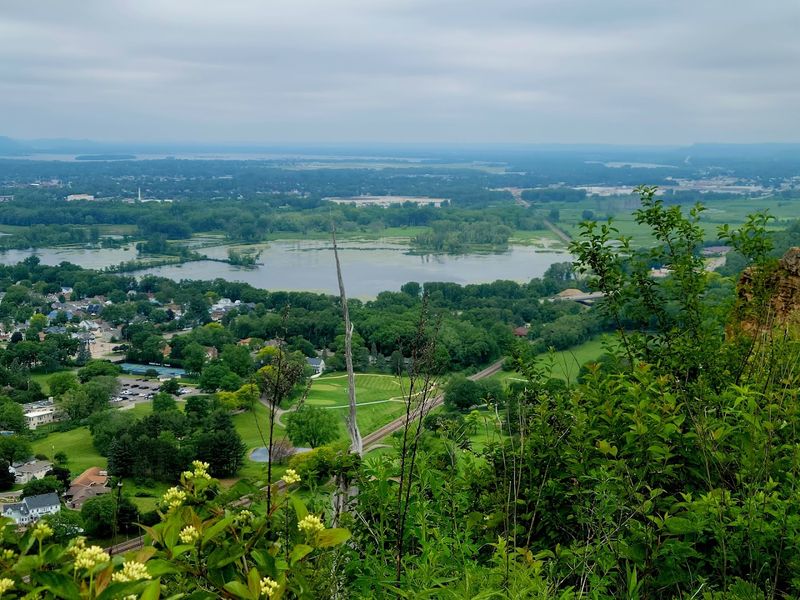
Where city conveniences meet wilderness beauty, La Crosse stands as the largest hub in Wisconsin’s Driftless region. The Mississippi River flows wide here, bordered by towering bluffs that catch sunset colors and hold the morning fog in place like a natural theater.
Families camping at nearby Goose Island or Pettibone Park wake to something magical—layers of river mist drifting upward as daylight breaks across the water. Kids can spot bald eagles from shoreline trails while parents sip coffee watching paddleboarders glide through glassy morning conditions.
The town itself offers farmers markets, ice cream shops, and riverside bike paths when you need a break from tent life.
Grandad Bluff provides sunset views that stretch for miles across three states. Local campgrounds range from full-hookup sites to primitive spots tucked along backwater channels.
The combination of natural beauty and town amenities makes La Crosse ideal for families testing their camping skills or experienced outdoors lovers wanting comfortable base-camp access to Driftless exploration.
Trempealeau, Wisconsin
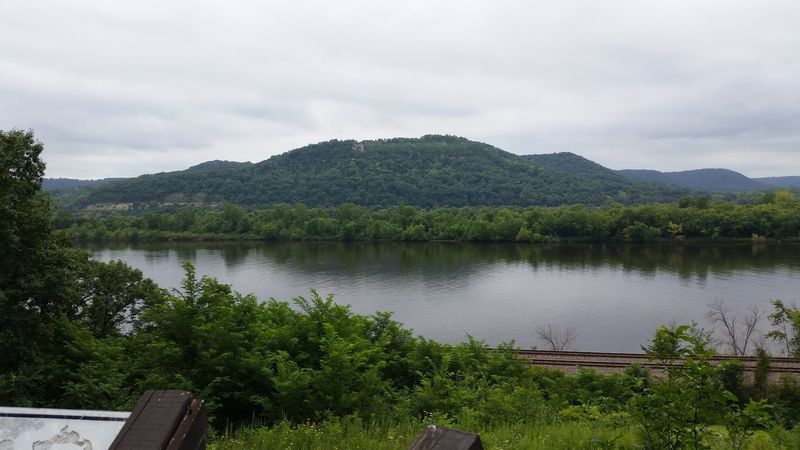
Population barely breaks 1,700, but Trempealeau punches above its weight in natural drama. Wedged between ancient limestone formations and protected river backwaters, this village feels like a secret even locals from nearby cities haven’t fully discovered.
Perrot State Park campground sits right where glacial meltwater carved Trempealeau Mountain into an island bluff. Morning fog behaves differently here—it pools in the bay, swirls around tent sites, and creates pockets of visibility that shift as the sun climbs higher.
Your family might watch great blue herons emerge from the mist like prehistoric creatures while breakfast sizzles over the camp stove.
The national wildlife refuge next door protects thousands of acres where kids can paddle quiet channels searching for turtles and beavers. Town amenities include a historic hotel restaurant and a single convenience store, keeping things wonderfully simple.
Trempealeau teaches families what camping felt like before everything became commercialized—just you, the river, and bluffs that have watched over this valley for thousands of years.
Prairie du Chien, Wisconsin
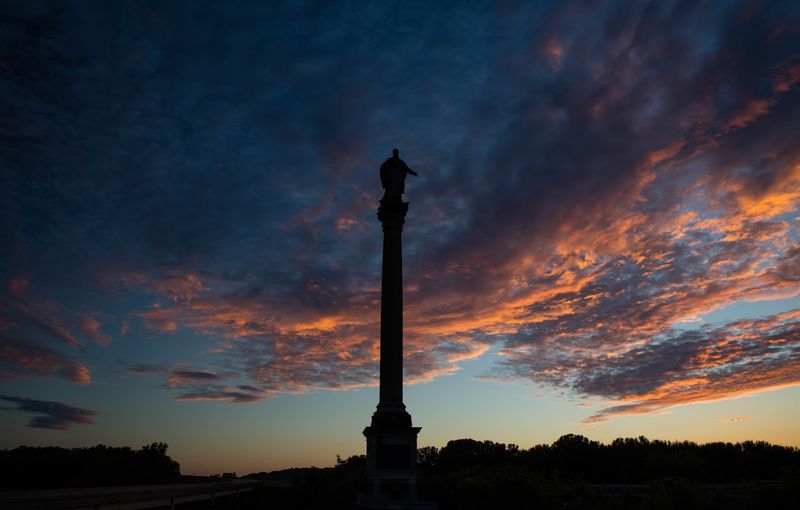
History runs deep where two mighty rivers collide. Prairie du Chien witnessed French fur traders, Native American councils, and Civil War preparations, all while the Wisconsin River poured its clear water into the muddy Mississippi at a dramatic confluence families still camp beside today.
Wyalusing State Park perches on bluffs 500 feet above this meeting point, offering campsites where you can watch fog settle across the floodplain below like someone pouring cream into coffee. Younger kids love the accessible overlooks while older ones tackle challenging trails through forests that seem untouched since pioneer days.
The mist creates layers of visibility at sunrise—first the nearest channel appears, then islands emerge, finally the far shoreline materializes from gray nothing.
Back in town, Fort Crawford Museum and Villa Louis mansion provide rainy-day options, though most families stay glued to the rivers. Pike and catfish patrol the confluence zone where campers can fish from shore or rent kayaks.
The wide-open floodplain geography means big skies, brilliant stars, and weather you can watch approaching from miles away.
Viroqua, Wisconsin
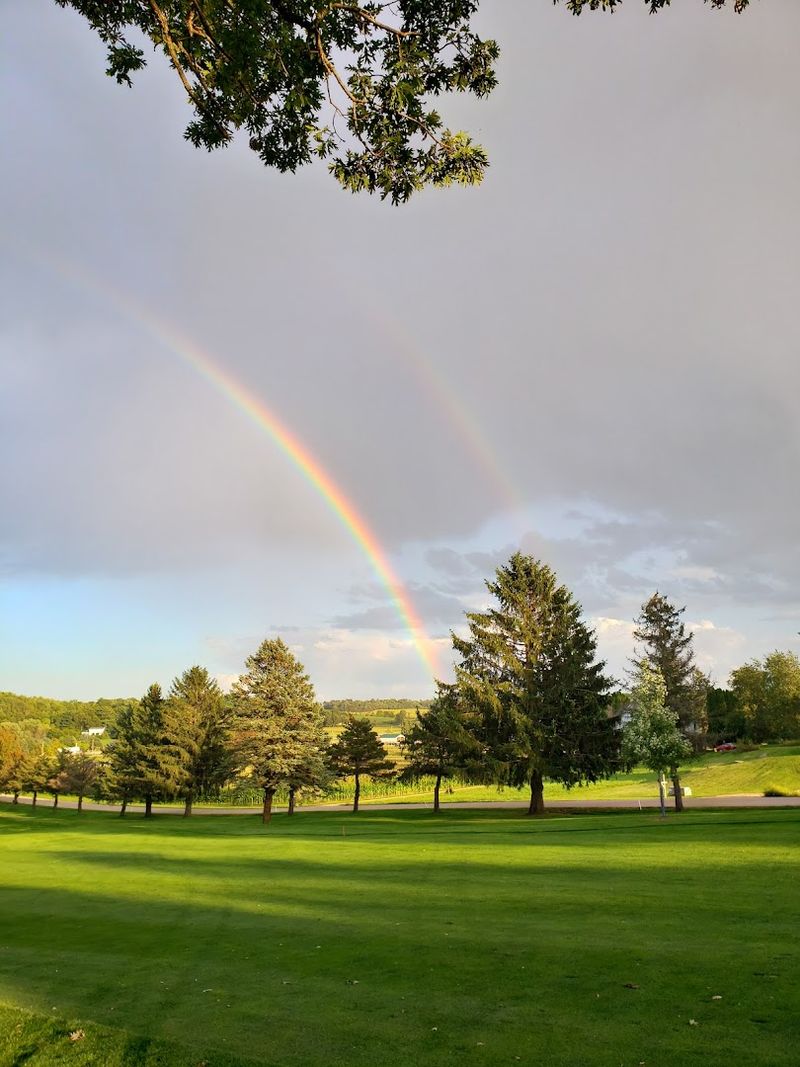
Up in the highlands where the Kickapoo River system carves deep into ancient bedrock, Viroqua built a reputation for organic farms and independent spirit. Unlike the river towns hugging the Mississippi, this community sits higher up where valleys narrow and forests close in around you.
Camping here feels different—cooler nights, thicker woods, and fog that pools in valley bottoms rather than spreading across wide floodplains. Families setting up at nearby Kickapoo Valley Reserve campgrounds discover terrain that challenges their legs on daytime hikes but rewards them with swimming holes so clear you can count pebbles on the bottom.
Morning mist hangs around longer in these protected hollows, sometimes not burning off until mid-morning.
Viroqua’s downtown packs serious charm with its co-op grocery, local brewery, and art galleries that somehow thrive in a town of 5,000. Kids can stock up on trail snacks while parents grab locally-roasted coffee.
The Driftless landscape around here rolls and twists in ways that make every camping trip an adventure in navigation and discovery.
Gays Mills, Wisconsin
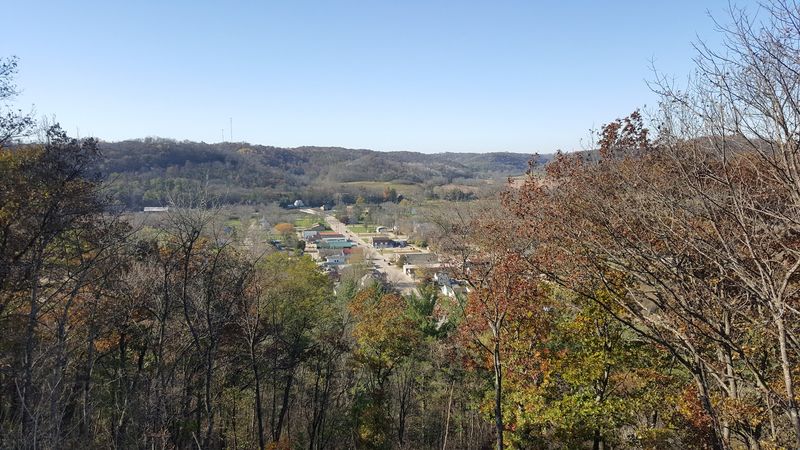
When spring frost threatened the original town site one too many times, Gays Mills picked up and moved itself to higher ground. That kind of determination defines this small community famous for apples, narrow valleys, and the wild Kickapoo River that refuses to flow straight for more than a few hundred yards.
Campgrounds near town tuck into valley folds where morning mist behaves like a living thing—drifting through orchard rows, clinging to tent flies, and creating photographs that look professionally staged but happen naturally every clear morning. September brings harvest season when families can camp and pick their own apples, filling coolers with fruit that tastes nothing like grocery store versions.
The Kickapoo curves past town in such tight bends that paddlers joke they see the same great blue heron four times during a float trip.
Local campgrounds stay blessedly simple—pit toilets, pump water, and fire rings—which keeps crowds away and wildlife close. Kids spot white-tailed deer at dusk while parents appreciate how complete darkness at night makes star-viewing absolutely spectacular.
Soldiers Grove, Wisconsin
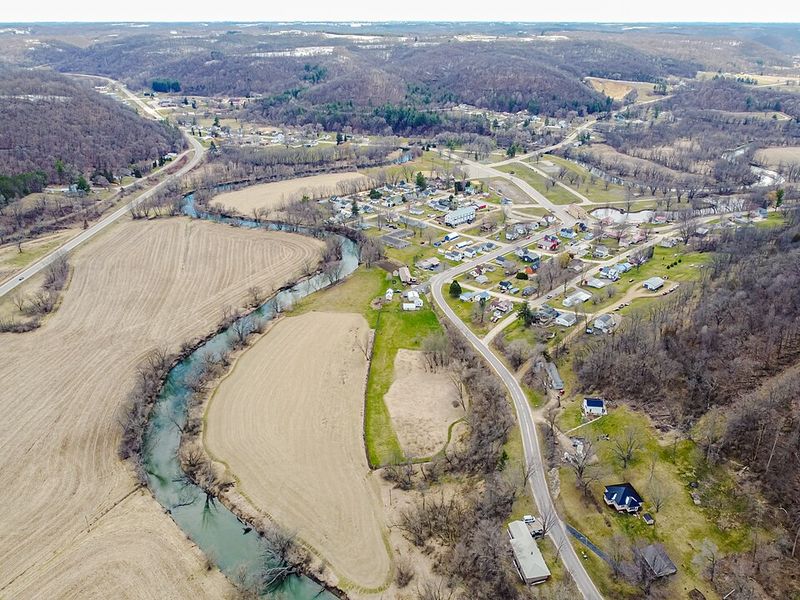
After devastating floods convinced everyone the old town site made no sense, Soldiers Grove became America’s first solar village by relocating to higher ground in the 1980s. Today it quietly welcomes campers who appreciate history, resilience, and the Kickapoo River’s untamed personality.
Valley walls rise steeply on both sides here, creating a natural channel where morning fog settles thick and stays late. Families camping at nearby county parks wake to complete immersion in mist—you can hear the river but not see it until sunlight finally burns through sometime mid-morning.
This creates a cozy, enclosed feeling that kids find either mysterious or spooky depending on their age and imagination. The rebuilt downtown features solar panels and environmental consciousness that runs deeper than trendy greenwashing.
Paddling remains the main attraction, with the Kickapoo offering gentle current perfect for beginners and enough twists to keep experienced kayakers engaged. Sandbars appear during low water, creating perfect lunch stops where families can swim in thigh-deep pools.
Evening campfires under the stars finish days spent exploring a valley that refused to be conquered by floods or forgotten by time.
Winona, Minnesota
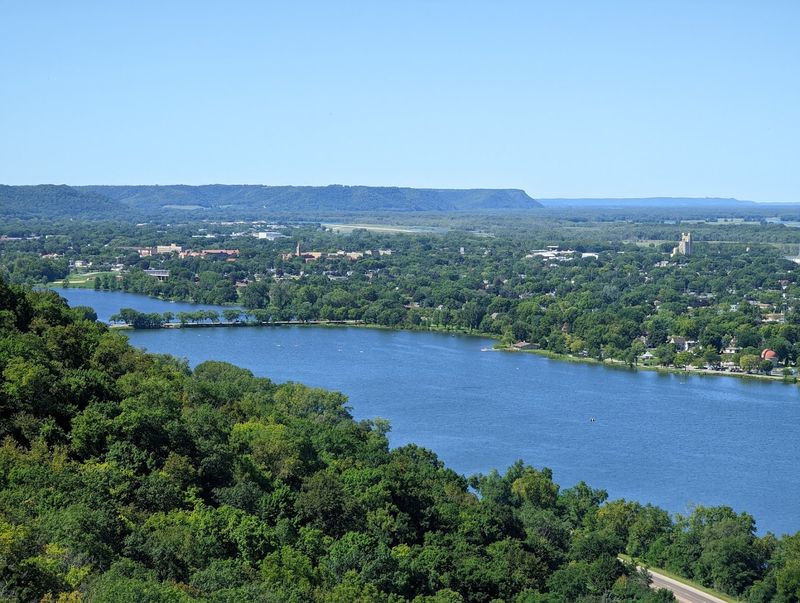
Bluffs rise like fortress walls on both sides of Winona, squeezing the Mississippi into a channel that creates some of the most photogenic sunrises in the entire Driftless region. This Minnesota river town built its economy on lumber mills and steamboats, but today it thrives on outdoor recreation and college students who stick around after graduation.
Great River Bluffs State Park offers camping with million-dollar views—literally perched on cliff edges where you can watch weather systems roll across the river valley below. Morning mist rises from the Mississippi in columns that swirl and merge as they climb toward your campsite.
Families with younger kids prefer the riverside parks where playgrounds and swimming beaches provide backup entertainment when nature appreciation loses its appeal.
Winona’s downtown surprises visitors with its preserved Victorian architecture and genuine river-town culture. Bike trails connect campgrounds to town amenities, making car-free camping realistic for families who pack smart.
Sugar Loaf bluff dominates the skyline—kids love spotting it from different angles during valley exploration. The combination of dramatic topography and functional town infrastructure makes Winona equally appealing for first-time campers and veteran outdoors families.
Lanesboro, Minnesota
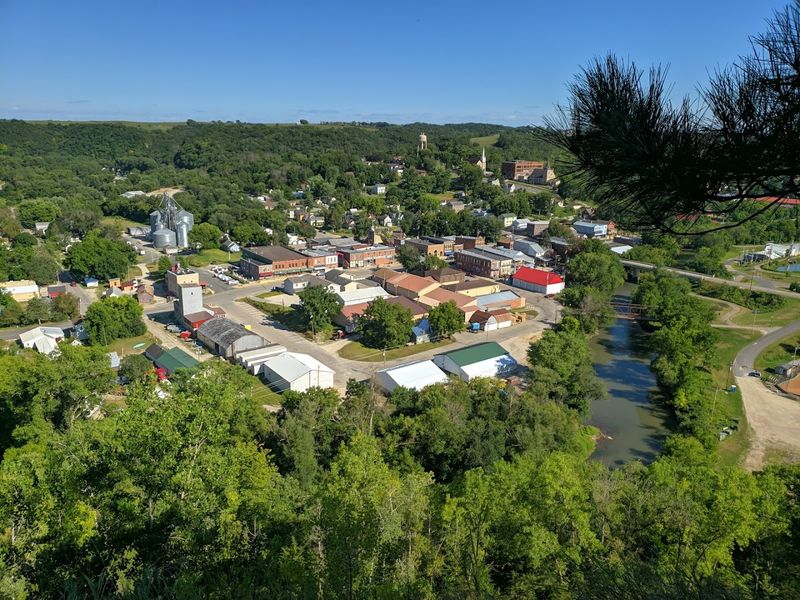
Ask Midwestern cycling enthusiasts about Lanesboro and watch their faces light up. This Root River valley town transformed abandoned railroad grades into 60 miles of paved trails that wind through some of Minnesota’s prettiest Driftless terrain, creating a camping destination where bikes matter as much as tents.
Morning mist hangs in the river corridor like stage curtain fabric, parting as cyclists pedal through at dawn before tourist crowds arrive. Families camping at Sylvan Park or Eagle Cliff wake to that distinctive sound of bike tires on pavement mixed with birdsong and the Root River’s gentle murmur.
The limestone cliffs surrounding town create natural amphitheater acoustics where sounds carry and echo in unexpected ways.
Lanesboro’s downtown deserves its reputation—art galleries, pie shops, and a community theater that somehow sustains professional summer productions in a town of 800 people. Kids can rent bikes in any size and cruise car-free trails to nearby towns for ice cream or trout fishing.
Evening returns bring campfire cooking and stars so bright they reflect off the river surface, creating doubled constellations above and below.
Houston, Minnesota
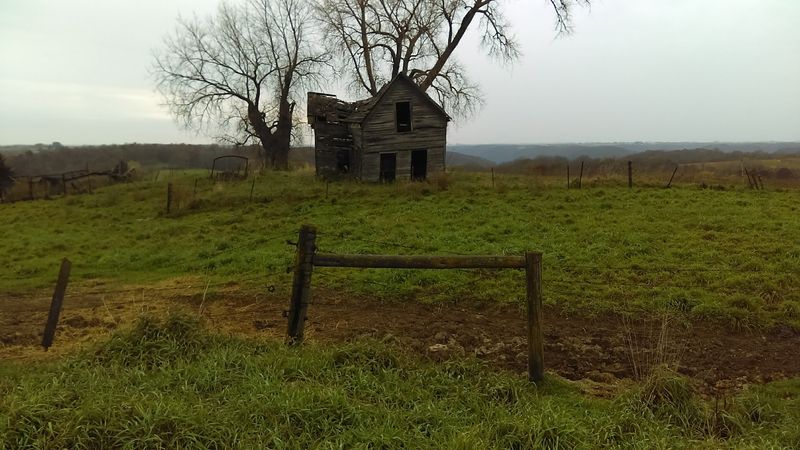
Deeply embedded in Root River valley folds, Houston feels genuinely remote despite sitting just miles from busier towns. The valley narrows here, squeezing between bluff walls that block cell signals and hold morning mist in place like a kept secret.
Families who camp at Houston County’s Money Creek Haven discover what Minnesota looked like before development—dense hardwood forests, spring-fed streams so cold they shock your ankles, and campgrounds where deer wander through sites with complete indifference to human presence. Morning fog doesn’t just drift here; it pools and thickens until you can barely see neighboring campsites.
Kids find this alternately awesome and unsettling, creating stories about what might be hiding just beyond visibility. The Root River Trail passes through town, but Houston attracts families seeking quieter camping away from peak-season bike traffic.
Town amenities stay minimal—one gas station, one bar—which suits campers just fine because you came here to disconnect anyway. Trout fishing pulls in anglers year-round while spring wildflower blooms carpet the forest floor.
Houston teaches families that sometimes the best camping happens in places nobody’s trying to develop or commercialize.
Rushford, Minnesota
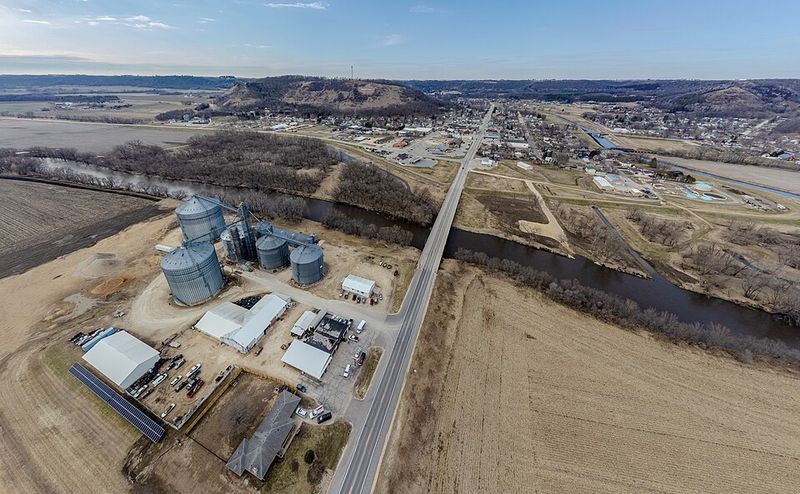
Where the Root River makes a particularly scenic bend, Rushford built a community that never grew large enough to lose its small-town authenticity. Steep bluffs rise immediately from town edges, creating geography that feels more dramatic than population numbers would suggest.
Camping here delivers that increasingly rare sense of remoteness—you’re not far from civilization, but thick fog at sunrise and deep valley acoustics create isolation that feels much farther from help than reality dictates. Families at nearby campgrounds wake to mist rolling downstream in waves, sometimes so thick that breakfast cooking happens entirely by sound rather than sight.
By mid-morning everything burns off, revealing bluff-top vistas and trout streams so clear you can watch fish holding in current.
Rushford maintains the Root River Trail but sees less traffic than Lanesboro or Harmony, making it ideal for families preferring solitude over social camping. Local pride shows in well-maintained parks and a downtown that hasn’t surrendered to boarded windows.
Kids can fish for brookies in tributary creeks while parents appreciate campgrounds priced for actual families rather than glamping influencers. Sometimes the best camping towns are the ones nobody’s written viral articles about yet.