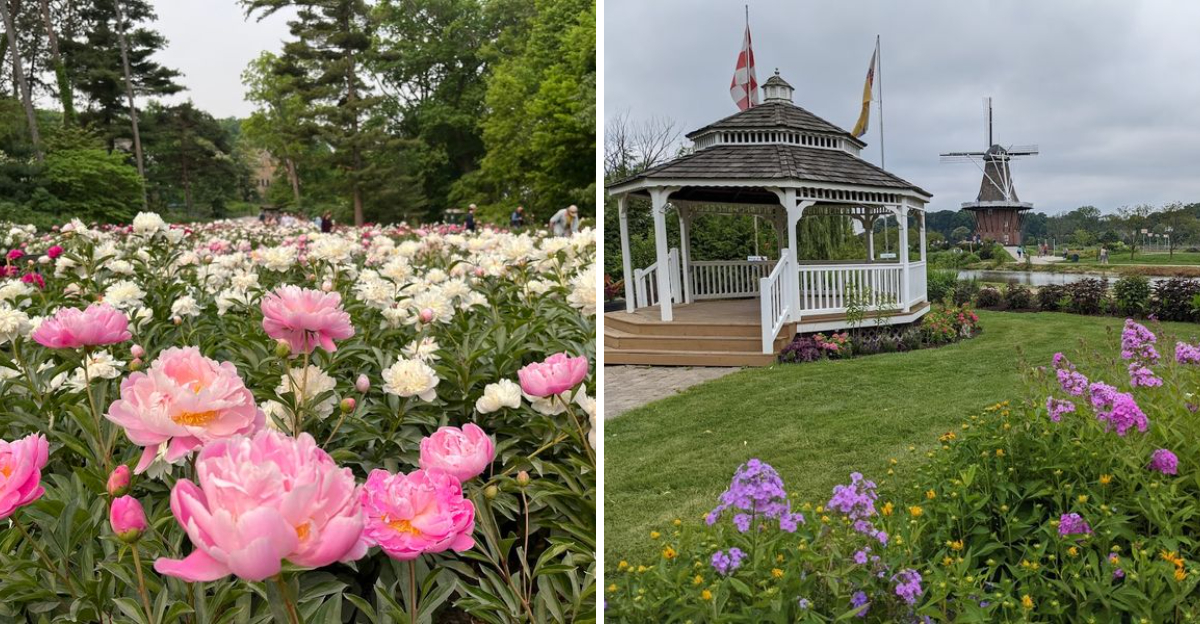
Michigan bursts into color when summer arrives, and its botanical gardens turn into living paintings you can walk through.
Bright petals, humming pollinators, and winding paths pull you in from the first step.
One moment you’re under towering trees, the next you’re surrounded by bursts of roses, lilies, and prairie blooms swaying in the warm air.
From Grand Rapids to Detroit and quiet corners in between, these gardens invite slow wandering, quiet awe, and long pauses in the shade.
Each stop on this list offers its own rhythm—glasshouses filled with tropical plants, meadow trails alive with wildflowers, and lakeside paths that feel almost untouched.
Frederik Meijer Gardens & Sculpture Park (Grand Rapids)
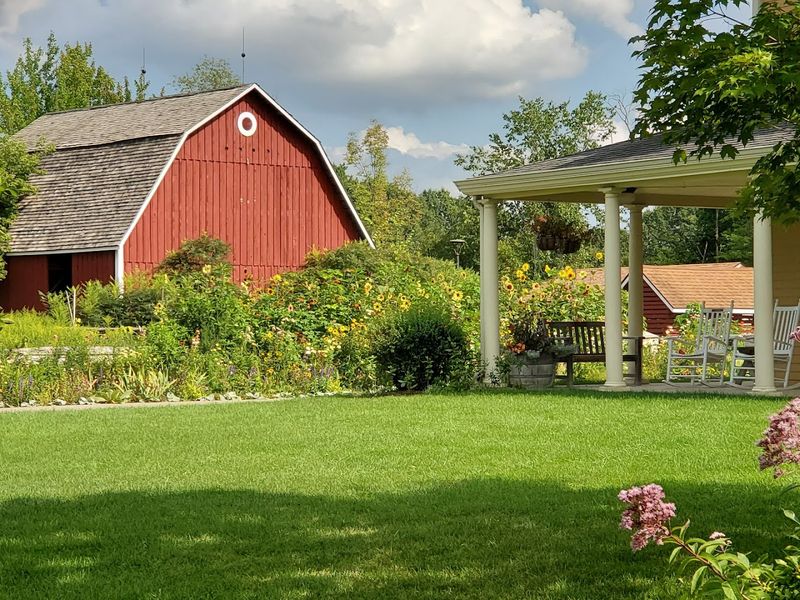
Combining art and horticulture creates magic at this world-renowned destination. Frederik Meijer Gardens blends massive outdoor sculptures with perfectly manicured themed gardens that explode with color during summer months.
Inside the conservatory, tropical palms tower overhead while exotic orchids bloom year-round. The desert garden displays fascinating cacti and succulents that survive in harsh conditions.
These climate-controlled spaces provide cool retreats on hot Michigan days.
Outside, summer brings peak bloom times for the rose garden, where hundreds of varieties perfume the air. Perennial borders overflow with coneflowers, daylilies, and ornamental grasses swaying in the breeze.
The prairie-style plantings attract butterflies and songbirds throughout the season.
Walking paths wind through forested areas and past reflecting pools, offering both sunny strolls and shaded respites. Art installations surprise visitors around every corner, turning garden walks into cultural experiences.
Families spend entire days exploring without seeing everything this expansive property offers.
Matthaei Botanical Gardens (Ann Arbor)
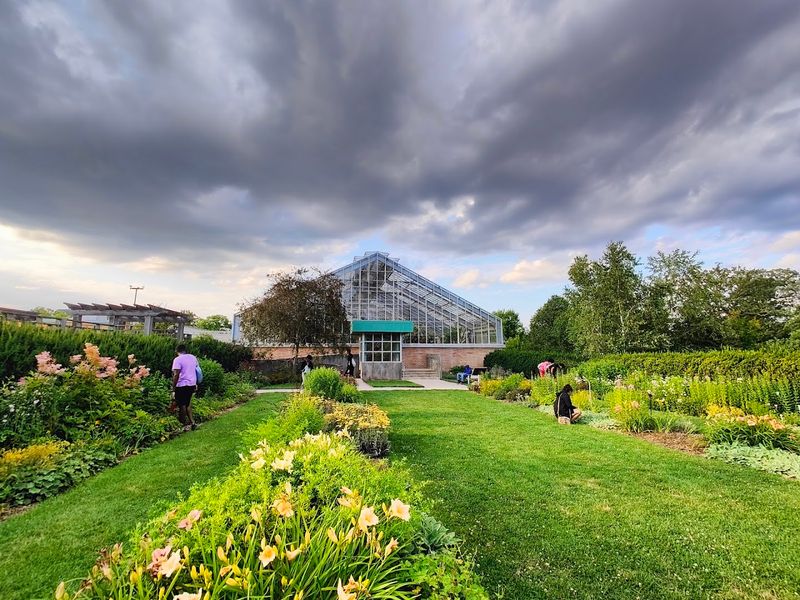
Run by the University of Michigan, this garden serves as both research facility and public treasure. Scientists study plant genetics here while visitors wander through ecosystems representing different corners of the globe.
The conservatory houses three distinct climate zones under one roof. Tropical plants drip with moisture in the warm house, while desert species thrive in bone-dry conditions nearby.
Temperate displays change with seasons, always offering something fresh to discover.
Summer transforms the outdoor beds into pollinator paradise. Native Michigan wildflowers draw countless butterflies, bees, and hummingbirds seeking nectar.
Purple coneflowers stand tall beside golden black-eyed Susans, creating color combinations nature perfected long ago.
Woodland trails meander through shaded forests where ferns carpet the ground beneath oak canopies. These quiet paths stay cool even during July heat waves.
Educational signs teach visitors about plant adaptations and ecological relationships, making walks both peaceful and informative for curious minds.
Nichols Arboretum (Ann Arbor)
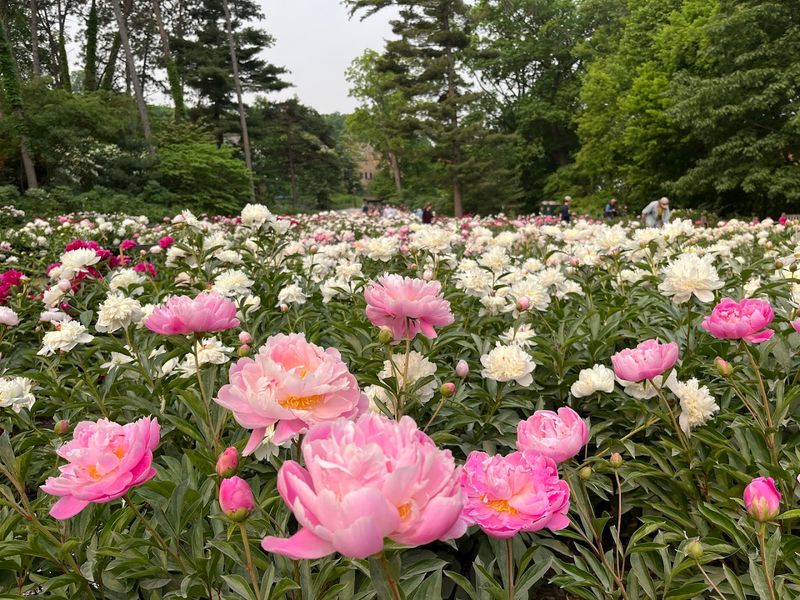
Locals simply call it “The Arb,” and this beloved landscape has welcomed generations of walkers, joggers, and nature lovers. Rolling hills slope down to the Huron River, creating picturesque views from multiple vantage points throughout the property.
Spring brings the famous peony garden to life, but summer holds its own special charm. Mature trees provide cathedral-like canopies over winding trails where dappled sunlight dances across the path.
Native grasses and prairie flowers take their turn blooming as temperatures climb.
River overlooks offer perfect spots for quiet reflection or picnics on warm afternoons. The sound of flowing water mingles with birdsong, creating natural music that soothes stressed minds.
These peaceful moments feel miles away from campus hustle, though downtown Ann Arbor sits just minutes away.
Miles of interconnected trails mean every visit can follow a different route. First-time visitors might get pleasantly lost exploring hidden corners.
Regular walkers develop favorite loops they return to season after season, watching how the landscape transforms.
W.J. Beal Botanical Garden (East Lansing)
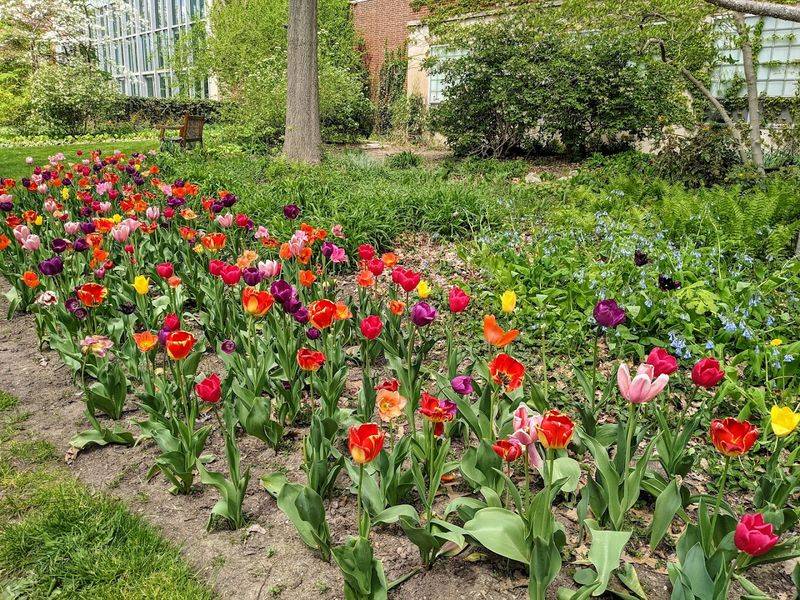
Did you know this garden has operated continuously since 1873, making it America’s oldest botanical garden of its kind? Professor William James Beal created this living laboratory for students, and that educational mission continues today.
Unlike ornamental gardens focused purely on beauty, Beal Garden organizes plants by scientific relationships. Walking through feels like reading a botanical textbook brought to life.
Each bed represents plant families, showing visitors how seemingly different species actually share common ancestors.
Summer highlights include the medicinal plant section, where historic healing herbs grow alongside modern pharmaceutical sources. The vegetable garden showcases heirloom varieties gardeners grew generations ago, preserving genetic diversity.
Labels explain each plant’s uses, origins, and interesting facts.
Michigan State students study here between classes, while curious visitors discover plants they never knew existed. The compact campus location means you can explore thoroughly in under an hour.
However, plant enthusiasts often linger much longer, reading every label and photographing unusual specimens for their garden inspiration files.
Hidden Lake Gardens (Tipton)
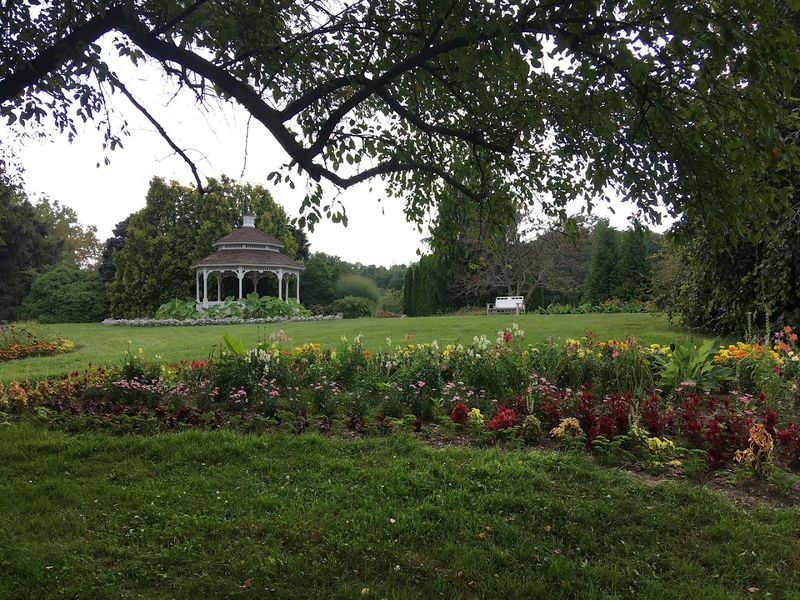
Spanning over 750 acres, this Michigan State University property ranks among the state’s largest botanical gardens. Forests, meadows, and six lakes create diverse habitats where both native and exotic plants flourish under expert care.
The Plant Collections Garden bursts with color all summer long. Hosta collections showcase hundreds of varieties in every shade of green, blue, and gold.
Daylilies bloom in succession, ensuring fresh flowers appear daily throughout the season.
Driving through is permitted, but walking reveals details drivers miss. The dwarf conifer garden displays miniature evergreens shaped by careful pruning into living sculptures.
These slow-growing specimens represent decades of horticultural dedication.
The canopy walk ranks as the garden’s most thrilling feature. Elevated boardwalks lift visitors into the treetops for bird’s-eye views of the forest.
Looking down through leaves to the woodland floor below creates perspective shifts that transform familiar landscapes. Summer greenery stretches to the horizon, making Michigan’s natural beauty truly appreciated from this unique vantage point.
Dow Gardens (Midland)

Herbert Dow’s personal garden has grown into 110 acres of meticulously maintained landscapes. The chemical industry pioneer’s love for plants created this legacy that now serves thousands of visitors annually seeking beauty and tranquility.
Formal beds showcase traditional garden design at its finest. Summer annuals planted in precise patterns create living artwork that changes yearly.
Perennial borders overflow with blooms in coordinated color schemes that photographers adore.
Red bridges inspired by Japanese garden design span streams throughout the property. These architectural accents create perfect photo opportunities while connecting different garden rooms.
Water features add soothing sounds to peaceful walks.
The adjacent Whiting Forest opened recently, adding 54 acres of woodland trails to explore. The suspended canopy walk lets visitors stroll through tree branches 40 feet above ground.
This engineering marvel provides unforgettable views while protecting the forest floor below. Summer visits combine classic garden beauty with modern outdoor adventure, appealing to multiple generations exploring together.
Fernwood Botanical Garden and Nature Preserve (Niles)
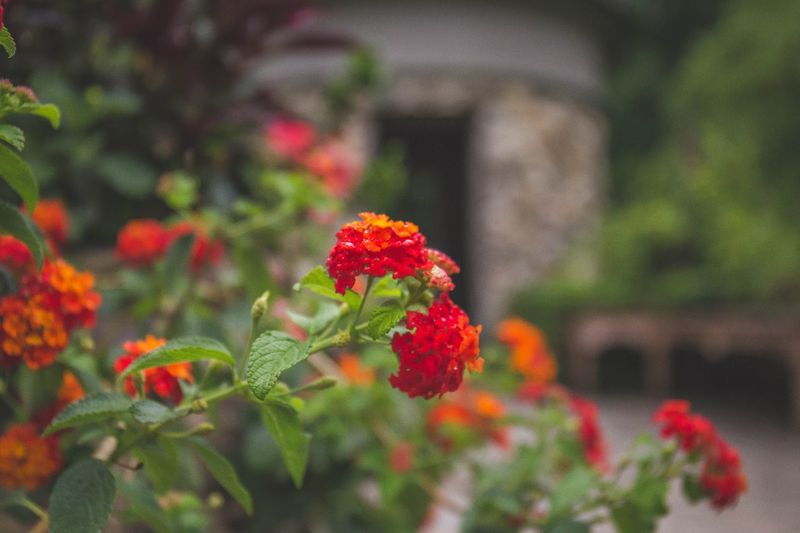
Southwest Michigan hides this peaceful gem where nature takes center stage. Fernwood prioritizes native plants and natural ecosystems over formal garden displays, creating authentic habitats where wildlife thrives alongside cultivated areas.
Wildflower meadows paint the landscape with purple, yellow, and orange blooms throughout summer. These prairie-style plantings require less water and maintenance than traditional lawns while supporting countless insects and birds.
Watching butterflies work from flower to flower teaches visitors about pollination in action.
Forest trails wind through mature hardwood stands where shade provides relief from summer heat. Wetland boardwalks let visitors explore marshy areas usually inaccessible on foot.
These diverse habitats demonstrate Michigan’s natural plant communities beautifully.
The conservatory features rotating seasonal displays alongside permanent tropical collections. Ferns cascade from hanging baskets while exotic blooms add splashes of color.
Educational programs teach both children and adults about plant science, conservation, and sustainable gardening practices that protect our environment for future generations.
Leila Arboretum (Battle Creek)
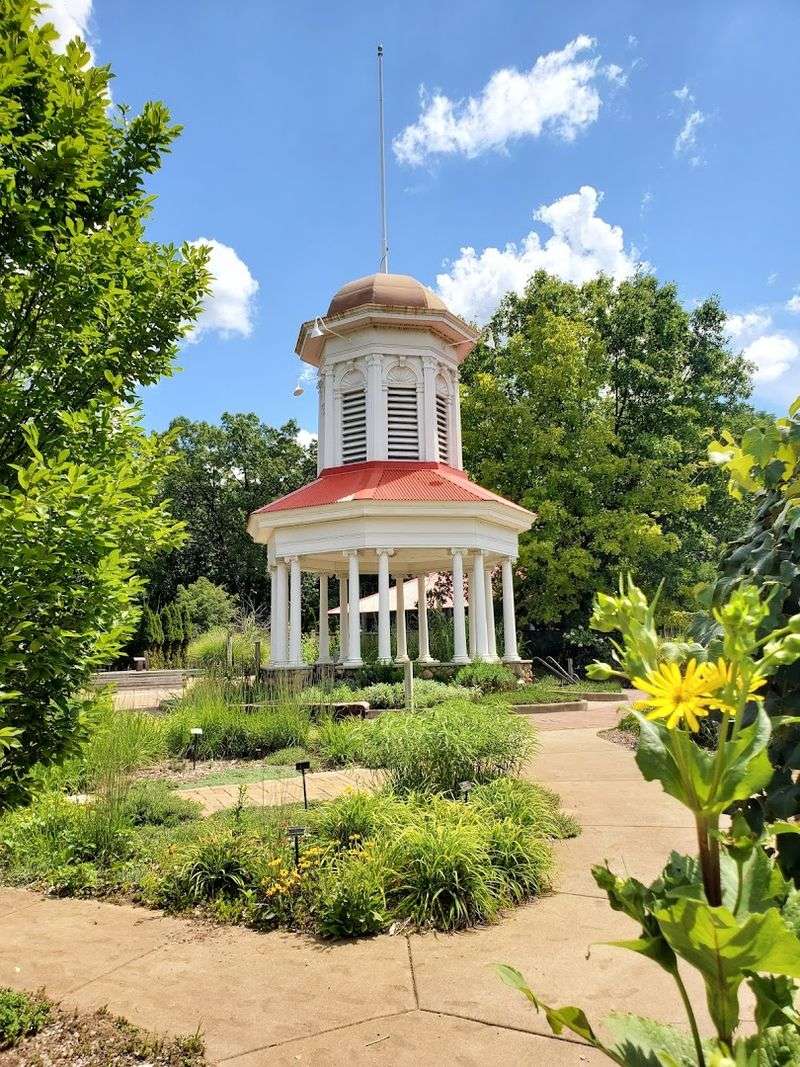
Whimsy meets horticulture at this charming Battle Creek treasure. Walking paths curve past themed gardens that surprise and delight visitors of all ages.
Each turn reveals new plantings designed to spark imagination alongside botanical appreciation.
The perennial walkway reaches peak performance in summer months. Drifts of daylilies in every color imaginable line the paths, joined by coneflowers, salvia, and ornamental grasses.
These tough plants handle Michigan’s variable weather while providing months of continuous color.
Rose enthusiasts flock to the dedicated rose garden where hybrid teas, floribundas, and climbing varieties perfume the air. Deadheading and care keep blooms appearing from June through September.
Benches placed strategically invite visitors to sit and simply enjoy the sensory experience.
Large annual displays create bold statements with thousands of plants grouped by color. These labor-intensive beds get replanted each spring, ensuring fresh designs every season.
Mature trees shade walking loops, creating cool corridors perfect for summer afternoon strolls when sunshine feels too intense.
Windmill Island Gardens (Holland)
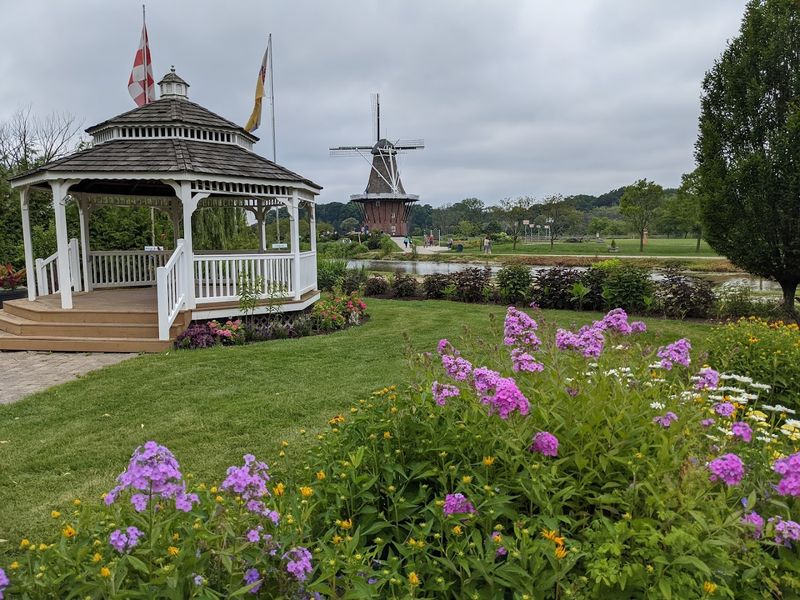
Everyone knows Holland’s spring tulip festival, but summer transforms this Dutch-themed island into something equally special. After tulips fade, gardeners replant beds with colorful annuals that maintain the vibrant tradition through warm months.
The authentic Dutch windmill towers over landscapes designed to evoke Netherlands countryside. Canals reflect blue summer skies while flowers line the waterways in cheerful profusion.
Walking paths meander past gardens inspired by traditional Dutch planting styles.
Summer annuals fill formal beds with waves of color. Petunias, marigolds, and zinnias create bold patterns visible from the windmill’s upper levels.
These heat-loving plants thrive in Michigan’s summer weather, looking fresh even during July’s hottest weeks.
Shaded pathways provide respite between sunny garden areas. Wooden bridges cross canals where ducks paddle lazily.
The island atmosphere creates a peaceful retreat where Dutch heritage meets Michigan charm. Children love watching the windmill’s massive blades turn while parents appreciate the carefully maintained grounds that honor Holland’s cultural roots beautifully.
Anna Scripps Whitcomb Conservatory (Detroit – Belle Isle)
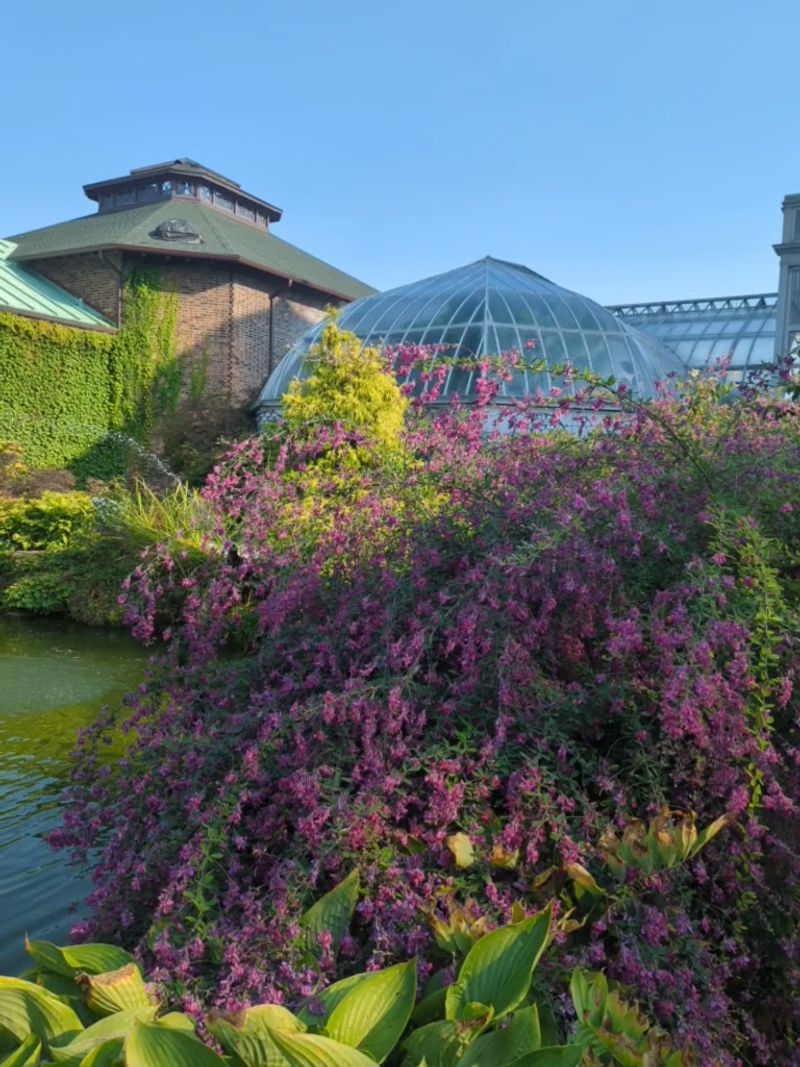
Belle Isle’s jewel shines under its historic glass dome, which has sheltered exotic plants since 1904. This architectural masterpiece houses one of America’s oldest continuously operating conservatories, transporting visitors to tropical and desert climates without leaving Detroit.
Towering palms create a jungle canopy inside the main room. Ferns hang from every available surface while orchids bloom in rainbow colors.
The humid air smells earthy and alive, completely different from Michigan’s dry summer atmosphere outside.
The cactus house presents complete contrast with spiny specimens adapted to survive months without rain. Educational displays explain how these tough plants thrive in harsh conditions.
Children marvel at the variety of shapes, sizes, and defense mechanisms evolution created.
Outside, Belle Isle’s gardens and waterfront paths extend the botanical experience. Detroit River views frame summer walks where city skyline meets natural beauty.
Historic fountains and formal beds maintain the island’s reputation as Detroit’s premier park destination where nature, history, and horticulture blend seamlessly together.
Taylor Conservatory & Botanical Gardens (Taylor)
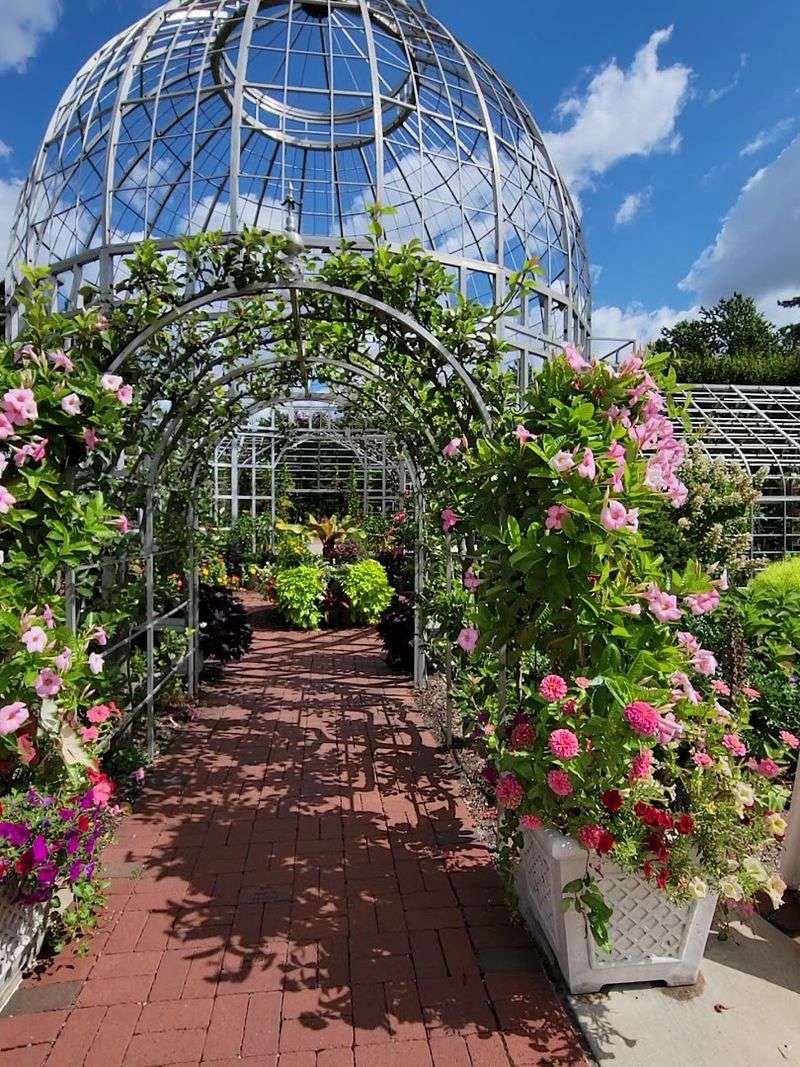
Metro Detroit’s hidden botanical surprise awaits in Taylor, where smaller scale creates intimate garden experiences. This community treasure proves you don’t need massive acreage to create beautiful, meaningful green spaces that serve local residents wonderfully.
Formal plantings demonstrate classic garden design principles in manageable sizes. Visitors can study plant combinations up close, gaining inspiration for their own yards.
The neat, organized beds make identifying plants and reading labels easy for curious gardeners.
Summer brings pollinator gardens to peak performance. Bees buzz between blooms while butterflies float lazily across flower-filled beds.
These specially designed spaces show homeowners how to create wildlife-friendly yards that support beneficial insects.
The conservatory houses tropical specimens and seasonal displays that change throughout the year. Perennial beds showcase reliable performers perfect for Michigan gardens.
Walking paths loop through the property in minutes, but benches encourage lingering. This accessible garden serves as a neighborhood gathering space where families enjoy nature without traveling far from home.