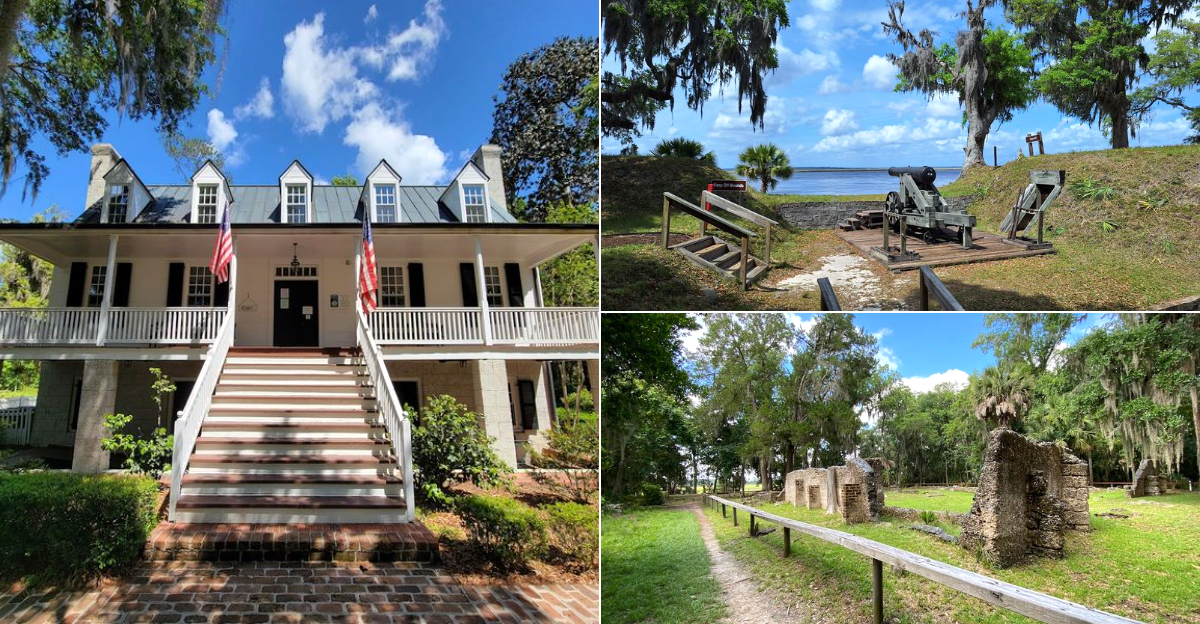
Georgia played a far more significant role in the American Revolution than most people realize, and its historic sites carry that largely untold story.
While the battles of the northern colonies often dominate the textbooks, Georgia’s Revolutionary War sites speak to a fierce and complex struggle that shaped the southern theater of the war.
From coastal fortifications to inland battlefields, the state preserves places where ordinary colonists and Continental soldiers risked everything for independence.
That complexity is precisely what makes Georgia’s Revolutionary history so compelling and worth exploring firsthand.
These thirteen historic sites reveal the Georgia that helped forge a nation, one often-overlooked chapter at a time.
1. Kettle Creek Battlefield, Washington, Wilkes County
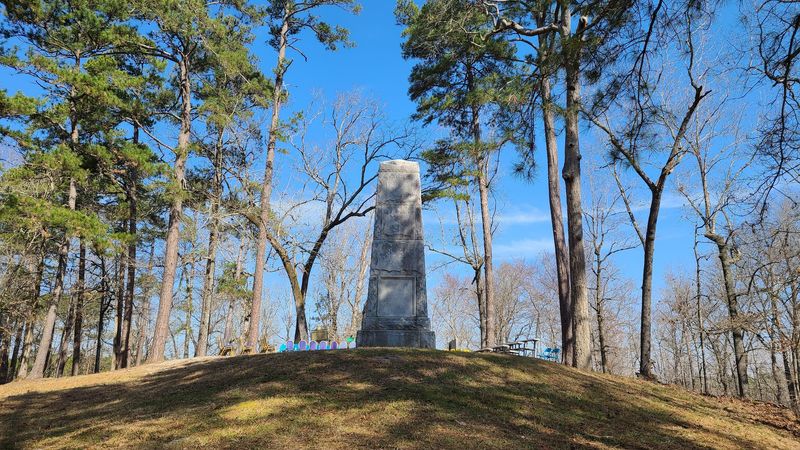
Mist hangs low over the grass here, and the calm can fool you into thinking nothing urgent ever happened on this ground.Yet this landscape preserves one of the most important Patriot militia victories in the Georgia backcountry during 1779.
When you walk into Kettle Creek Battlefield, near Washington in Wilkes County, you step into a story of ambush, confusion, and stubborn local resistance.
The battle unfolded as Patriot forces under Andrew Pickens, John Dooly, and Elijah Clarke struck Loyalist militia gathering support for the British cause.The fighting was messy, close, and personal, exactly the kind of combat that defined much of the Revolution in the South.
What stands out most is how this win disrupted Loyalist momentum and proved that Georgia’s interior was still fiercely contested.
I think this site matters because it shows the war was never only about famous generals or polished battle lines.Here, neighbors fought neighbors, and the outcome shaped morale across the region.
Markers, trails, and the memorials make it easier for you to picture the hidden violence beneath the quiet pines, and that contrast stays with you long after leaving.
2. Fort Morris State Historic Site, Midway, Liberty County
Salt air and open marsh views give this place a strange serenity, but the history here is anything but gentle.At Fort Morris State Historic Site in Midway, Liberty County, you stand where a small Patriot garrison faced overwhelming British pressure in 1778.
The fort is remembered for Colonel John McIntosh’s fearless message, “Come and take it,” words that still define the site’s spirit.
That bold response came before the British finally captured the fort, and that tension between bravery and defeat is what makes this stop so compelling.You are not visiting a simple victory monument, but a place that honors determination under impossible odds.
The reconstructed earthworks and river setting help you imagine what defenders saw as enemy ships approached through coastal waters.
I like how Fort Morris widens the Revolutionary story beyond famous northern campaigns and into Georgia’s vulnerable shoreline.It reveals how strategically important this coast was for trade, troop movement, and British attempts to reclaim the South.
When you pause on the fort’s edge, the breeze, the silence, and the exposed position make one thing clear – courage here meant holding your ground even when history suggested you could not win.
3. Fort King George, Darien, McIntosh County
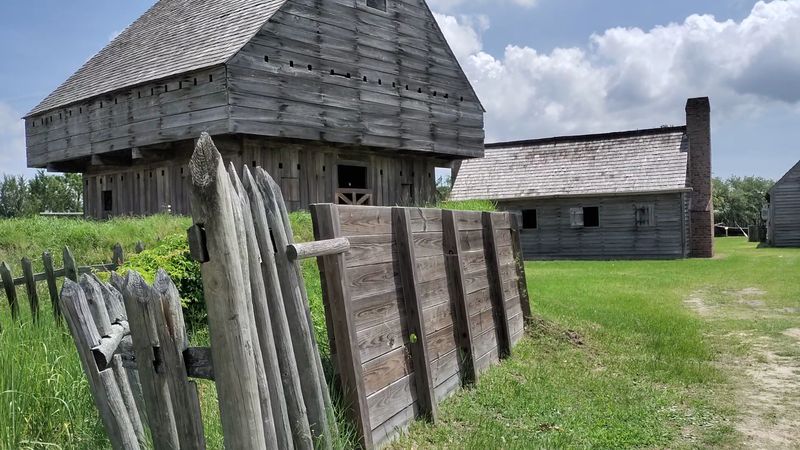
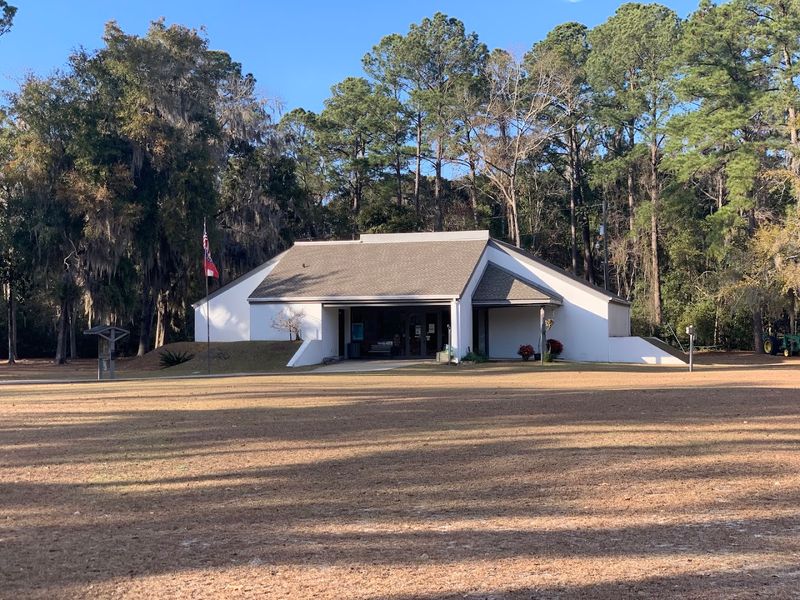
Wind moves through the palisades here with a lonely sound, and it immediately reminds you how exposed early coastal outposts could be.Fort King George in Darien, McIntosh County, predates the Revolution, yet it helps explain the contested imperial world that made the war in Georgia so intense.
Visiting it gives you valuable context for why forts, rivers, and coastal control mattered so much later.
Although the reconstructed fort represents an earlier British presence, the site frames Georgia as a borderland shaped by military planning, trade competition, and uneasy alliances.That background is essential if you want to understand the Revolution in the South as more than a string of isolated battles.
Here, you can trace the long buildup of imperial ambition that eventually collided with local resistance and revolutionary politics.
I would not treat Fort King George as a conventional battlefield stop, and that is exactly why it deserves a place on this list.It teaches you to see the Revolution as part of a deeper coastal story involving empire, defense, and control of waterways.
The museum exhibits, reconstructed buildings, and river scenery make that lesson vivid, giving you a stronger sense of how Georgia’s wartime struggles grew from decades of strategic anxiety along this beautiful but vulnerable shore.
4. Savannah’s Colonial Cemetery, Savannah, Chatham County
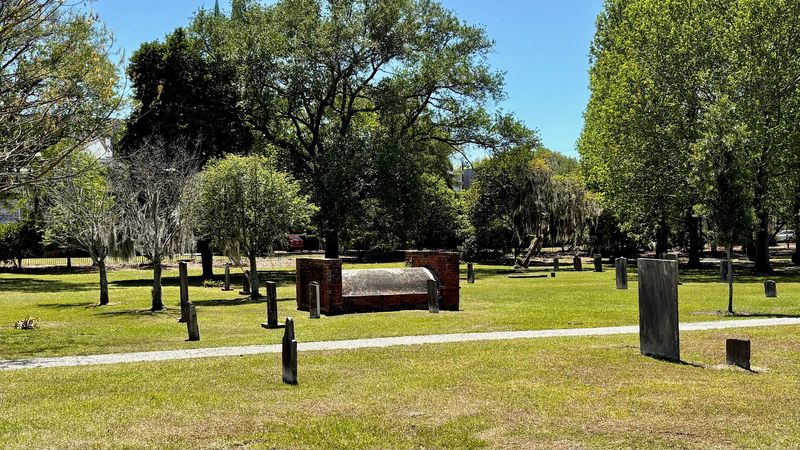
Shadows from the oaks stretch over old stones here, and the setting feels less like a tourist stop than a conversation with the city’s buried past.Savannah’s Colonial Cemetery in Chatham County holds layers of memory tied to disease, daily life, and the upheaval of the Revolutionary era.
If you want to feel how war lingers long after battles end, this is one of the most affecting places to stand.
The cemetery includes graves and memorial associations connected to people who lived through occupation, siege, and the political fracture of British and Patriot Savannah.During wartime, cities like this were not only strategic prizes but places where civilians endured fear, shortages, and divided loyalties.
Walking these grounds helps you imagine that human cost in a way battle statistics never can.
I think the power of Colonial Cemetery comes from its emotional range.It is beautiful, quiet, and deeply unsettling once you remember how many of the dead belonged to a city trapped in one of Georgia’s most turbulent chapters.
You leave with a clearer sense that the Revolution in Savannah was fought not just on formal lines outside town, but in homes, churches, hospitals, and burial grounds where the consequences of occupation settled into everyday life.
5. Spring Hill Redoubt, Savannah, Chatham County
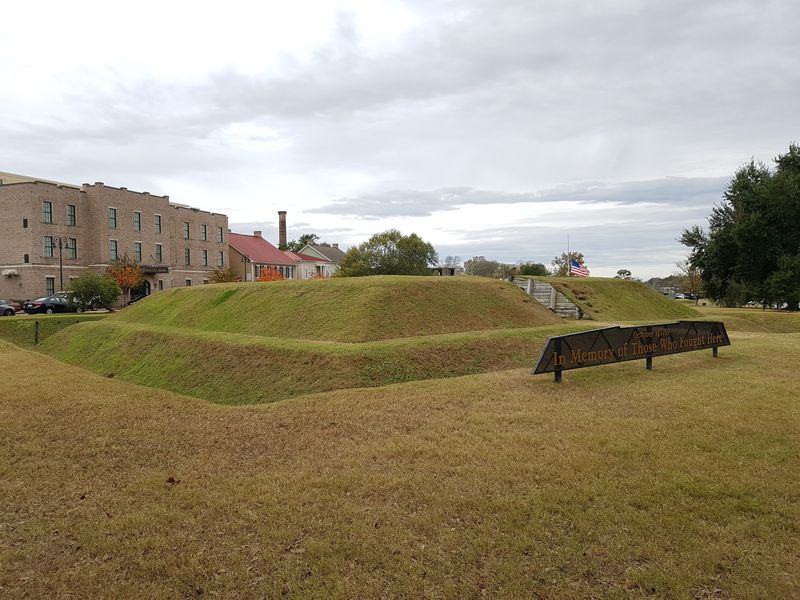
At first glance, the ground here can seem almost ordinary, which makes the history underneath it even more arresting.Spring Hill Redoubt in Savannah, Chatham County, was one of the key British defensive positions during the 1779 Siege of Savannah.
This is where hopes for a dramatic allied breakthrough met brutal reality in one of the deadliest moments of the Southern campaign.
French and American forces launched an assault against the British lines, and the attack collapsed under intense fire.Among the fallen was Count Casimir Pulaski, whose death turned this already pivotal battle into a story remembered across nations.
When you picture troops advancing through darkness and confusion toward fortified earthworks, the site becomes far more than a patch of urban history.
I find Spring Hill Redoubt especially important because it confronts the myth that Revolutionary battles always unfolded as clean heroic set pieces.What happened here was courageous, costly, and chaotic, with devastating consequences for the Patriot cause in Georgia.
Even if the original landscape has changed, knowing where the redoubt stood helps you map the siege onto modern Savannah, and that connection makes the city’s elegant streets feel inseparable from a much harsher and bloodier revolutionary past.
6. Midway Church, Midway, Liberty County
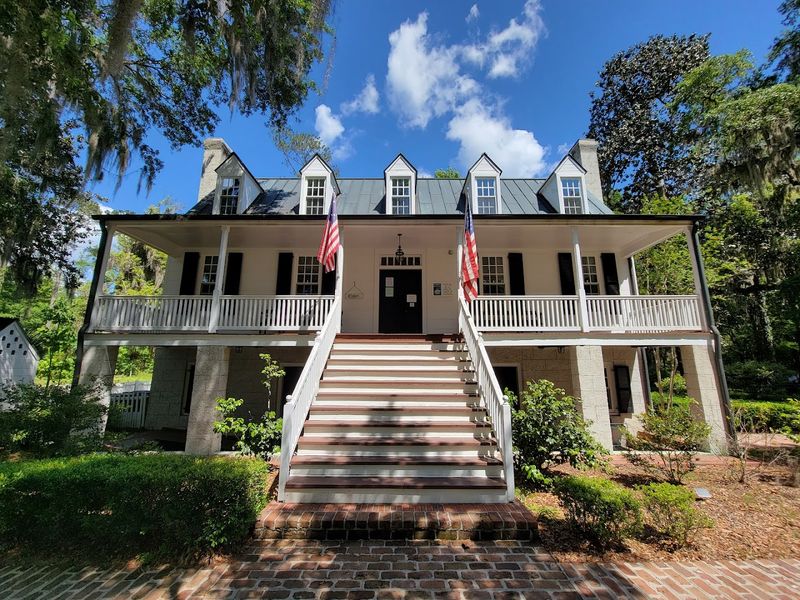
Beneath the live oaks, this churchyard feels hushed enough for reflection, but its roots reach into political defiance and wartime sacrifice.Midway Church in Midway, Liberty County, was founded by a community known for its strong Patriot leanings long before independence was secured.
That alone makes a visit feel less like a stop at a religious site and more like entering a center of Revolutionary conviction.
The congregation included influential supporters of the Patriot cause, and the surrounding cemetery preserves the memory of families shaped by war, displacement, and public service.British forces burned the original church during the conflict, a reminder that sacred places were never shielded from military violence.
What you see today carries the weight of destruction, rebuilding, and a community’s refusal to let its story disappear.
I find Midway Church especially moving because it reveals how belief, politics, and local identity blended in coastal Georgia.You are not just looking at architecture or gravestones, but at evidence of how ordinary worshippers became participants in a revolutionary movement.
The site encourages a slower kind of history reading, where names on markers, familiar family ties, and lingering silence show you the Revolution as a lived experience rather than a distant national legend.
7. Wormsloe Historic Site, Savannah, Chatham County
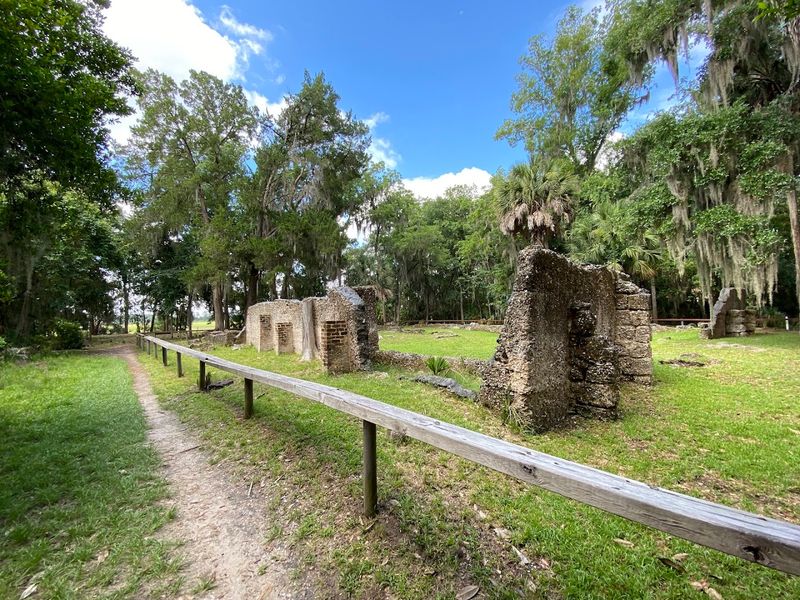
The famous avenue of oaks feels almost cinematic, but the beauty can distract you from the harder political history rooted here.Wormsloe Historic Site in Savannah, Chatham County, centers on the colonial estate of Noble Jones, a founder-era figure whose world shaped the Georgia that entered the Revolution.
While not a battlefield, it reveals the social and economic foundations behind coastal loyalty, rebellion, and survival.
The tabby ruins and museum exhibits help you understand plantation life, defense concerns, and the fragile nature of settlement on Georgia’s edge.That larger setting matters because the Revolution disrupted not just governments but households, landholding networks, and the entire rhythm of coastal life.
When you visit Wormsloe, you are seeing the kind of place that war could threaten, divide, and transform.
I think this stop works best when you let it broaden your view of Revolutionary history beyond military action alone.Places like Wormsloe explain who had power in colonial Georgia, what was at stake economically, and why allegiances could become complicated very quickly.
The blend of natural beauty and exposed ruins creates a subtle tension you can actually feel, reminding you that elegant landscapes often conceal stories of insecurity, labor, conflict, and the uncertain future that independence promised but never guaranteed.
8. Sunbury Cemetery, Sunbury, Liberty County
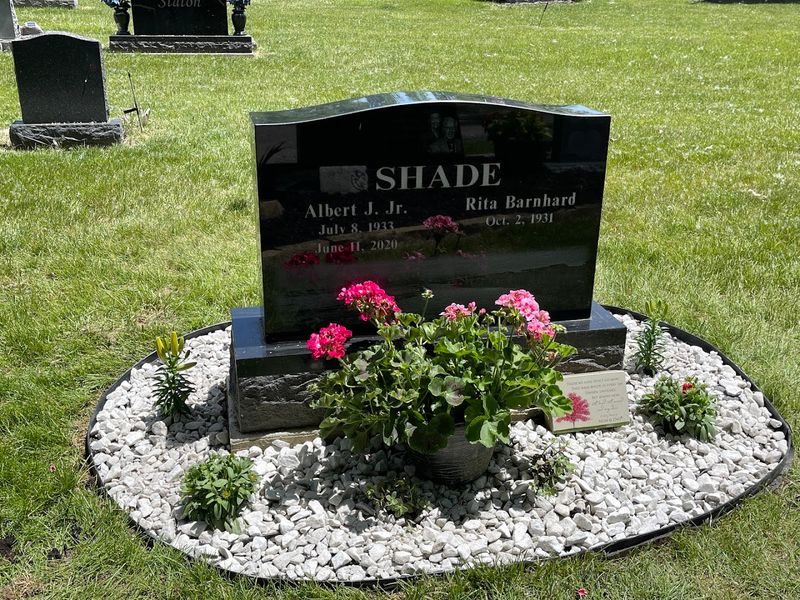
Few places feel more haunting than a cemetery in a nearly vanished town, where the silence seems to hold onto every unfinished story.Sunbury Cemetery in Sunbury, Liberty County, preserves the memory of what was once one of Georgia’s busiest colonial ports and a community deeply affected by the Revolutionary War.
Standing here, you can sense how quickly war and time can erase even important places from public memory.
Sunbury changed hands during the conflict, and the broader region saw military movement, raids, and uncertainty tied to British operations along the coast.The cemetery is one of the clearest surviving links to that lost town, with graves that connect you to families who lived through occupation and instability.
It is a powerful reminder that the Revolution reshaped communities not only through combat but through disruption, abandonment, and economic collapse.
I like visiting places like this because they force you to imagine the missing pieces.There are no grand walls or dramatic reenactments here, only weathered markers, open sky, and the knowledge that a significant port once stood nearby.
That emptiness tells its own truth, showing you how Georgia’s Revolutionary past survives in fragments, and how those fragments can speak just as loudly as better known forts and battlefields if you give them enough time and attention.
9. Fort McAllister, Richmond Hill, Bryan County
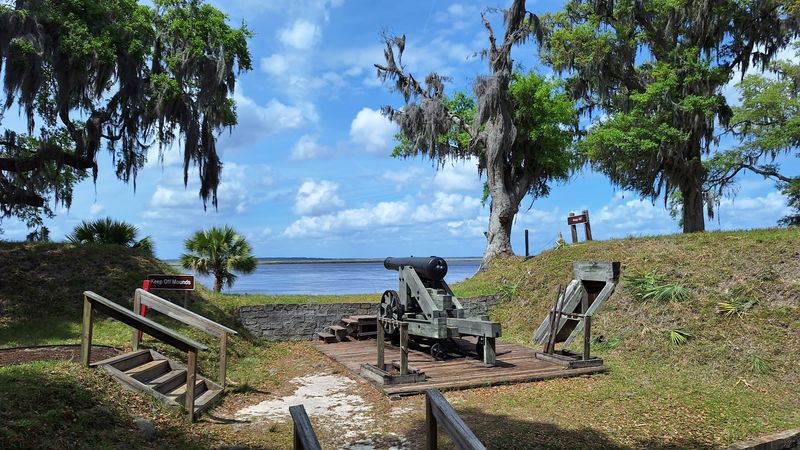
Dense woods, river light, and heavy earthworks make this site feel built for endurance, though its fame usually belongs to a later war.Fort McAllister in Richmond Hill, Bryan County, is best known for the Civil War, yet its location also opens a window onto the coastal strategy that mattered in the Revolution.
That makes it a surprisingly useful stop when you want to think about how Georgia’s shoreline invited repeated military contest.
The Ogeechee River corridor was a valuable approach route, and coastal defenses in this region always reflected the same basic concerns – access, supply, and control.Even though the standing fortifications date later, the landscape helps you imagine why earlier generations also fortified rivers, watched the marshes, and feared seaborne attack.
In that sense, Fort McAllister complements Revolutionary sites by grounding their strategy in a real, visible coastal environment.
I would include it in a well-researched outline because forgotten history is often easier to recover when you read one era through another.Here, you can physically grasp the defensive logic that shaped Georgia long before and long after independence.
The fort, museum interpretation, and surrounding marshland encourage you to connect geography with conflict, and that connection makes Revolutionary stories at places like Sunbury, Fort Morris, and Savannah feel more coherent once you have seen how exposed this coast truly is.
10. Augusta’s St. Paul’s Church, Augusta, Richmond County
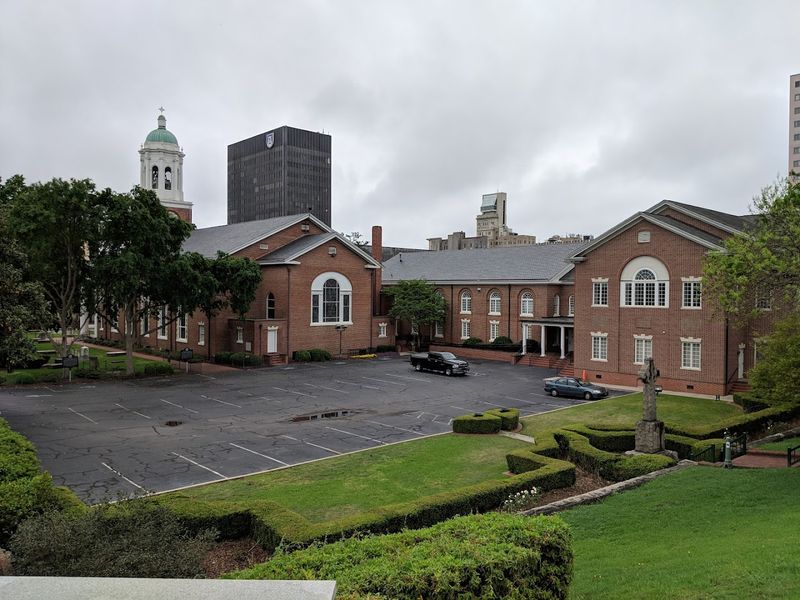
In the middle of a modern city, this church offers one of those rare moments when the eighteenth century suddenly feels close enough to touch.St. Paul’s Church in Augusta, Richmond County, connects you to a town that became critically important during the Revolutionary War as fighting shifted inland.
Augusta was contested repeatedly, and this parish stood within a community shaped by military occupation, political struggle, and dramatic reversals.
The church’s history reaches back to the colonial period, and the surrounding grounds preserve the presence of figures linked to Georgia’s wartime leadership.When British and Patriot forces battled for Augusta, the conflict affected every institution around them, including places of worship and burial.
That broader civic context is what makes this stop so worthwhile for anyone tracing the Revolution beyond famous battlefield names.
I think St. Paul’s works best as a lens on urban wartime life in Georgia’s interior.You can read it not just as a religious landmark, but as part of a larger network of streets, homes, and public spaces caught in a struggle for regional control.
The surviving church and cemetery invite you to slow down and consider how faith, memory, and power overlapped in Augusta, where the Revolutionary War was never a distant event but a force that shaped the city’s identity in lasting ways.
11. Elijah Clarke State Park, Lincolnton, Lincoln County
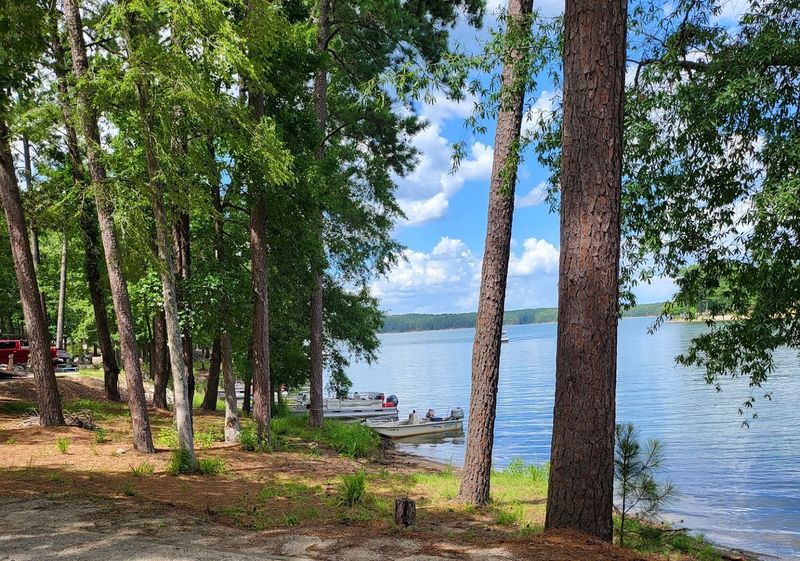
Wood smoke, rough timber, and quiet forest edges make this place feel much closer to the backcountry world that produced some of Georgia’s fiercest Patriots.Elijah Clarke State Park in Lincolnton, Lincoln County, honors one of the key militia leaders associated with the 1779 victory at Kettle Creek.
That connection gives the park real Revolutionary significance, especially if you want to understand the war through frontier leadership and local resistance.
Clarke was a controversial, forceful figure, and his career reflects the rough realities of fighting in Georgia’s interior.This was not polished parade-ground warfare, but a conflict of raids, militia mobilization, hard geography, and constant uncertainty.
The park’s reconstructed log cabin and interpretive material help you imagine the domestic world that stood behind those campaigns.
I like this site because it personalizes the Revolution without turning its heroes into simple legends.You get a sense of how families lived, what they defended, and how leadership in the backcountry required endurance as much as battlefield daring.
For you, that means the story of Elijah Clarke becomes easier to place within everyday Georgia life, where cabins, fields, and wooded paths were inseparable from the political violence of the era and from the fragile hope that local victories could eventually secure independence.
12. Travelers Rest State Historic Site, Toccoa, Stephens County
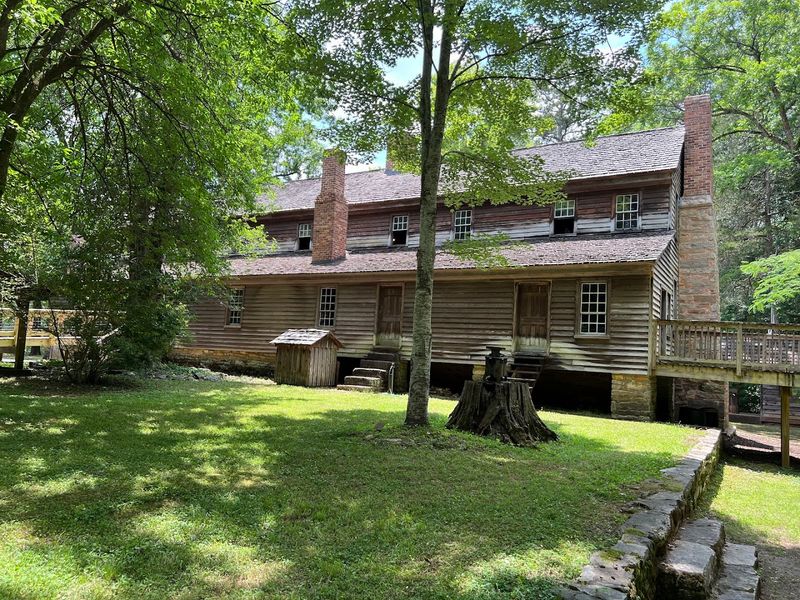
Some Revolutionary stories survive not in forts or battlefields, but in stopping places where routes, rumors, and memory converged.Travelers Rest State Historic Site in Toccoa, Stephens County, belongs more directly to the early republic, yet it still enriches a Revolutionary itinerary through its connection to postwar movement and frontier Georgia.
If you want the larger story of what independence looked like on the ground, this site helps bridge that gap.
The historic inn welcomed travelers moving through the northeastern corridor, and that mobility mattered in the decades shaped by the Revolution’s aftermath.Veterans, settlers, politicians, and merchants all inhabited a landscape transformed by the war and by the contested opening of interior regions.
Seen that way, Travelers Rest lets you follow the Revolution beyond combat into the practical business of nation building, migration, and regional identity.
I would not pretend this is a standard wartime landmark, but I would argue it deserves inclusion in a thoughtful outline precisely because it shows consequences rather than cannon fire.You leave with a stronger sense that Georgia’s Revolutionary legacy unfolded over roads, taverns, and expanding settlements as much as over battle lines.
That perspective makes the past feel more lived in, and it helps you connect military victory to the ordinary travel, exchange, and restless movement that followed independence.
13. Musgrove Mill, Clinton, Laurens County
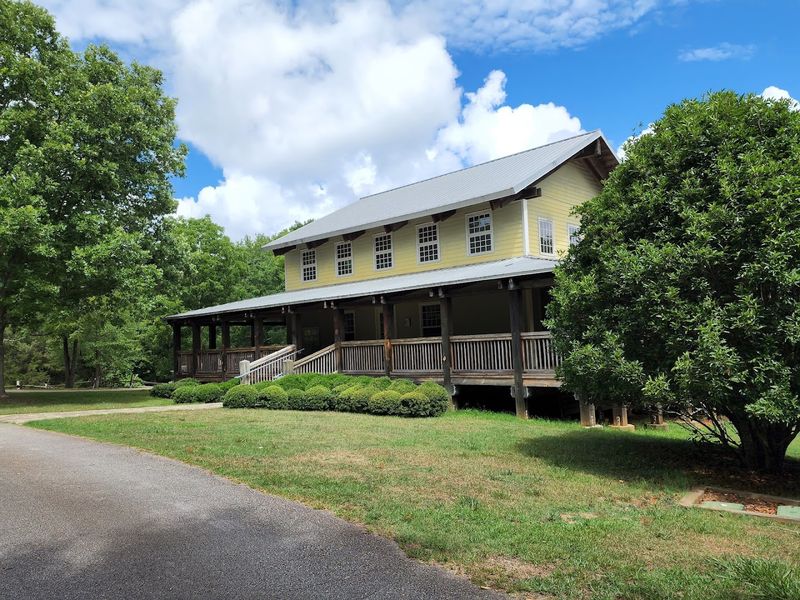
Along the river, the backcountry closes in around you, and the setting immediately explains why surprise and terrain mattered so much in southern fighting.Musgrove Mill, near Clinton in Laurens County, sits in South Carolina, but it belongs in this story because Georgia Patriots helped shape what happened here in 1780.
Including it makes the regional war easier to understand on its own terms rather than through modern state lines.
After the fall of Charleston and the disaster at Camden, Patriot morale was dangerously low.Then militia forces, including men connected to Georgia’s resistance, won an unexpected victory at Musgrove Mill against Loyalist troops.
That success helped prove that the backcountry struggle was still alive and that irregular Patriot forces could hit effectively even in bleak moments.
I think this site is worth your time because it clarifies how Georgia’s Revolutionary story spilled across borders and depended on networks of fighters moving through a wider southern theater.The battlefield interpretation, wooded trails, and river setting make the combat’s tactical realities easier to picture than a map ever could.
When you leave, you understand Georgia’s war not as an isolated chapter, but as part of a fluid frontier conflict where local victories, shared leadership, and regional alliances kept the Patriot cause from collapsing completely.