Forget everything you think you know about quilts. Inside this one-of-a-kind Massachusetts museum, every stitch becomes part of a story, every pattern holds a memory, and every handmade masterpiece proves fabric can be just as breathtaking as paint on canvas.
The New England Quilt Museum in Lowell celebrates generations of creativity through colorful works that capture family traditions, historic moments, and remarkable craftsmanship.
From delicate antique quilts to bold modern designs, every gallery offers something that makes you stop and look a little closer.
You’ll find dazzling colors, tiny hand-sewn details, and surprising artistic techniques that turn everyday cloth into gallery-worthy creations. Whether you sew yourself or have never picked up a needle, these remarkable quilts have a way of leaving visitors amazed.
If you’re searching for a museum that’s completely different from the ordinary, this hidden gem deserves a place on your Massachusetts travel list.
One visit may change the way you see quilts forever.
A Museum Dedicated Entirely to the Art of Quilting
Most art museums display paintings and sculptures, but this special place focuses completely on quilts and textile arts. The New England Quilt Museum opened in 1987 and became one of only a handful of museums in the entire United States devoted exclusively to quilting.
Since then, thousands of visitors have discovered that quilts deserve respect as serious art forms.
The museum’s mission goes beyond simply hanging quilts on walls. Staff members work hard to preserve delicate fabrics, research quilting history, and share knowledge with communities near and far.
They organize traveling exhibitions that bring quilt appreciation to people across the country.
Every quilt displayed here demonstrates incredible skill, patience, and creativity. Whether made by grandmothers in rural farmhouses or contemporary artists in modern studios, each piece receives equal treatment as fine art.
The museum proves that traditional crafts can stand proudly alongside paintings by famous artists. Visitors quickly realize that quilting combines technical precision with artistic vision in ways few other crafts can match.
A Historic 1845 Building in Downtown Lowell
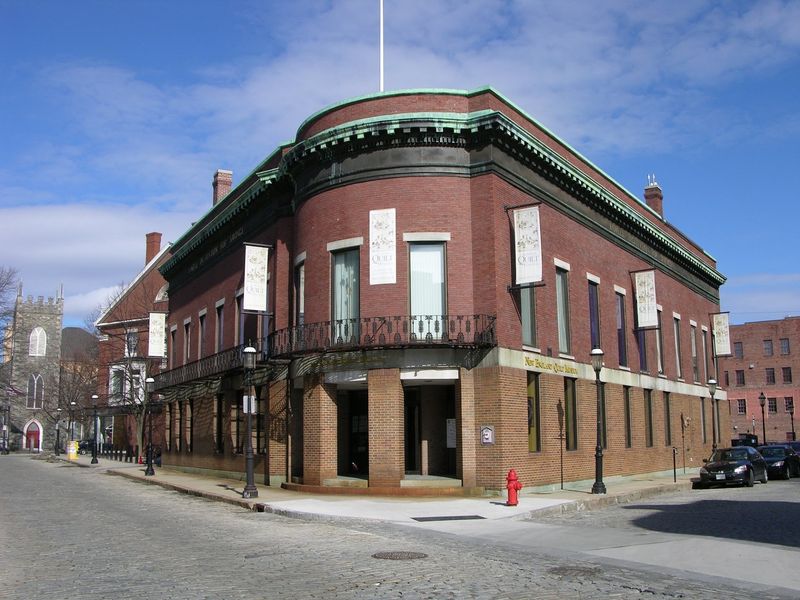
The museum calls home a gorgeous Greek Revival building that dates back to 1845. Tall white columns and elegant architectural details make the structure look like something from ancient Athens transported to modern Massachusetts.
Originally, this building served as the Lowell Institute for Savings, where factory workers deposited their hard-earned wages.
Choosing this location makes perfect sense when you understand Lowell’s history. During the 1800s, Lowell became America’s leading textile manufacturing center.
Massive mills produced cotton cloth that clothed the entire nation. Thousands of young women, called mill girls, operated looms and created fabric in dangerous, noisy conditions.
Today, the museum sits in Lowell’s National Historical Park district. Walking through these streets feels like stepping backward in time.
The restored building’s elegant rooms provide the perfect backdrop for displaying delicate quilts. High ceilings and large windows offer plenty of natural light without damaging fragile fabrics.
Every architectural detail complements the quilts beautifully, creating an atmosphere where history and artistry blend seamlessly together.
Extraordinary Exhibits That Change Throughout the Year
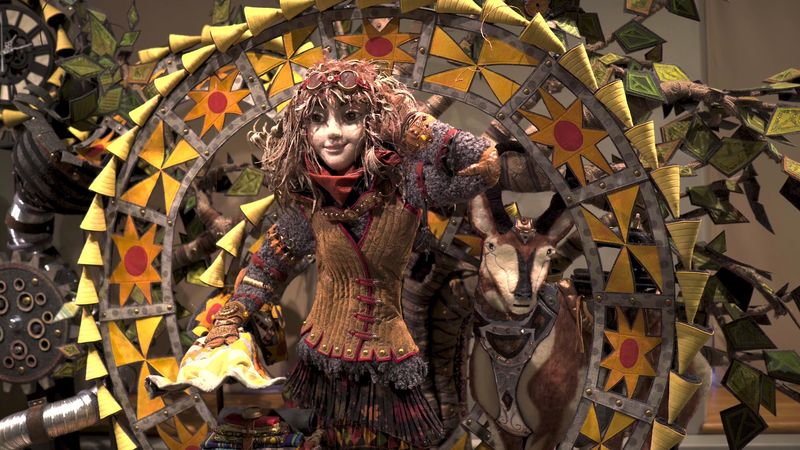
Walking into the museum feels different every single visit because exhibitions rotate regularly throughout the year. One month might feature delicate antique quilts stitched by hand during the Civil War era.
The next visit could showcase bold, modern fiber art that looks nothing like traditional quilts. This constant change keeps even frequent visitors excited about returning.
Exhibition themes vary wildly based on available collections and current trends. Some shows celebrate specific techniques like applique or paper piecing.
Others honor individual quiltmakers who’ve won national awards or made significant contributions to the craft. Themed collections might explore patriotic quilts, wedding quilts, or quilts created for special causes.
Each exhibition receives careful planning from museum curators who select pieces that educate and inspire. Detailed labels explain techniques, historical context, and artistic choices made by each quiltmaker.
Some exhibits include tools, photographs, and historical documents that help visitors understand how quilts fit into broader American culture. Nobody leaves without learning something completely new about this ancient craft’s incredible diversity and continuing evolution.
More Than 450 Quilts Spanning Over 250 Years
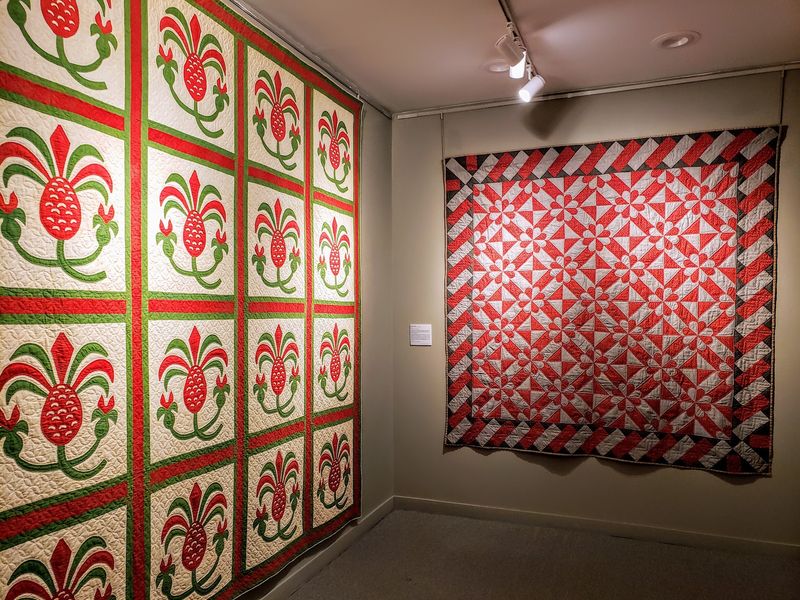
Behind the scenes, museum storage holds an astounding permanent collection of over 450 quilts representing more than two and a half centuries of American creativity. These treasures range from late 1700s whole-cloth quilts made entirely from single fabrics to cutting-edge contemporary pieces that challenge every quilting rule.
Together, they document how quilting evolved alongside American society itself.
Early quilts in the collection often used simple geometric patterns and homespun fabrics. Colonial women worked by candlelight, stitching tiny, precise stitches without modern tools or electric lighting.
Victorian-era quilts became more elaborate, featuring complex designs and expensive imported fabrics that showed off family wealth.
Twentieth-century pieces demonstrate how quilting survived the Great Depression, two World Wars, and countless social changes. Modern quilts explode with color, incorporating unusual materials like metallic threads, painted fabrics, and even photographs printed onto cloth.
Each piece tells part of America’s story through fabric choices, pattern selections, and stitching styles. The collection proves that quilting never stopped evolving, adapting constantly to new technologies and changing artistic sensibilities.
Quilts That Tell Powerful Stories

Fabric and thread become powerful storytelling tools in the hands of skilled quilters. Many museum pieces preserve precious family histories, with each fabric scrap representing a departed loved one’s favorite dress or shirt.
Signature quilts feature hundreds of embroidered names from church congregations, school classrooms, or entire towns. These fabric time capsules connect modern viewers to people who lived decades or centuries ago.
Some quilts commemorate specific historical events like presidential elections, world’s fairs, or technological inventions. Others honor military service, with patterns specifically created to remember soldiers who fought in various wars.
Civil War quilts sometimes contain hidden messages that helped escaped slaves navigate the Underground Railroad, though historians debate these claims.
Social movement quilts document women’s suffrage campaigns, temperance crusades, and civil rights struggles. Everyday quilts capture ordinary American life through fabric choices that reveal economic conditions, fashion trends, and regional preferences.
Standing before these textile documents feels almost magical. You’re not just viewing pretty patterns but reading visual diaries that speak across generations without using a single written word.
Where Traditional Craft Meets Contemporary Fine Art
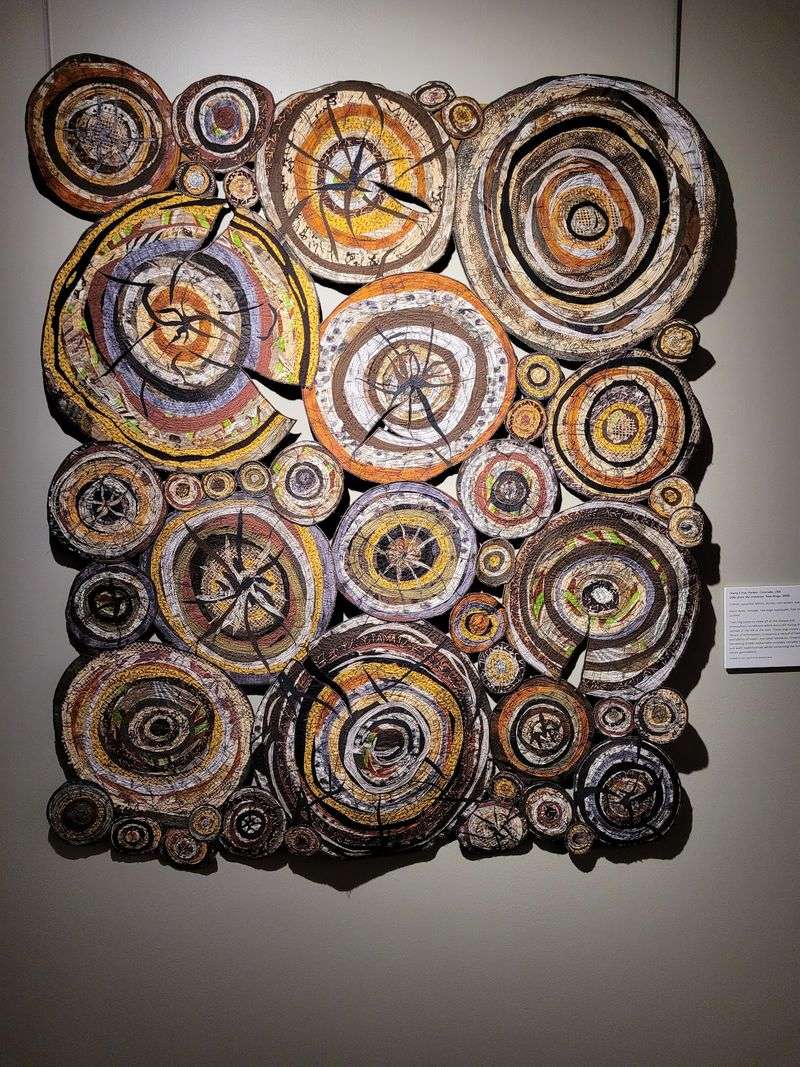
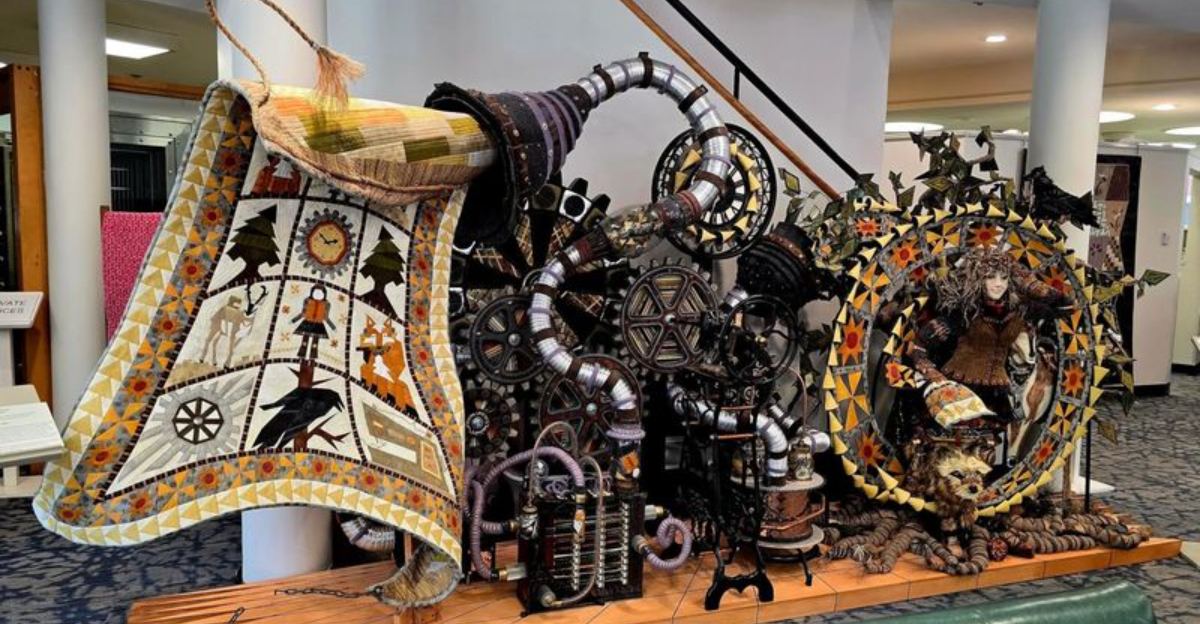
Something extraordinary happens when you place a 200-year-old Log Cabin quilt beside a wildly abstract contemporary fiber art piece. Suddenly, you understand how quilting connects past and future through continuing threads of creativity.
The museum deliberately displays traditional and modern works together, proving that both deserve equal artistic respect.
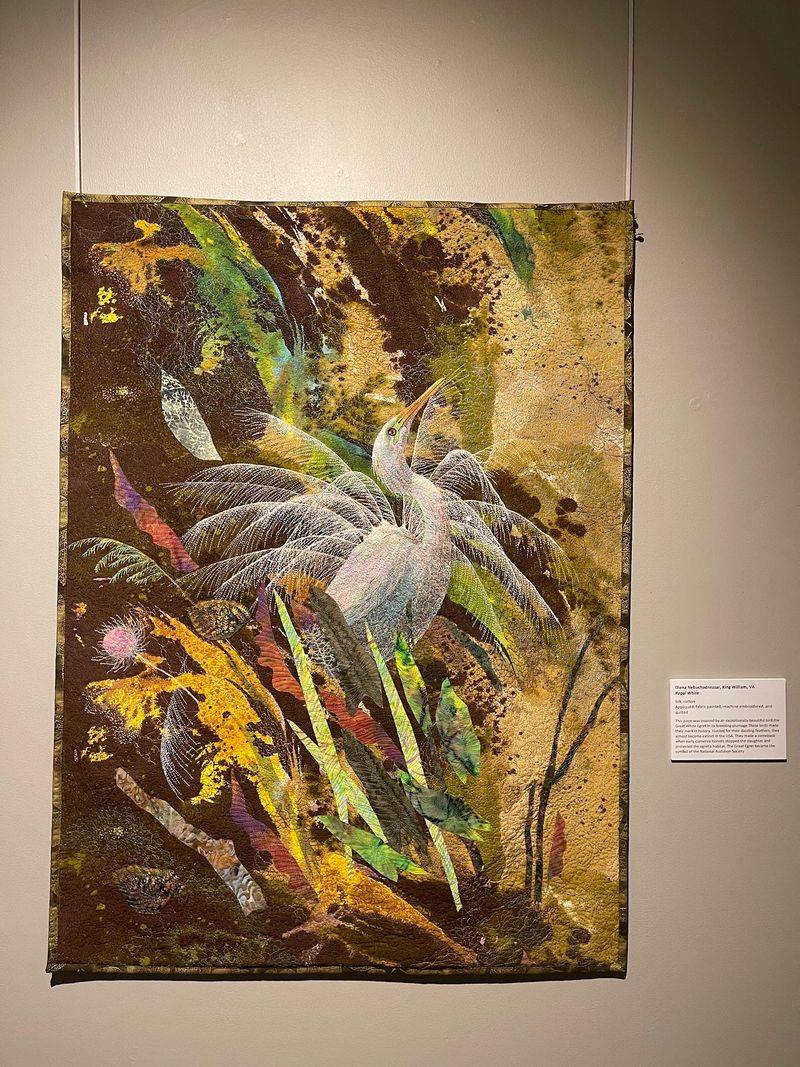
Contemporary quilt artists push every boundary imaginable. They dye fabrics by hand, creating custom colors impossible to buy in stores.
Some paint directly onto cloth, incorporate photography, or attach three-dimensional objects that make quilts sculptural. Others abandon traditional piecing entirely, instead slashing, burning, or manipulating fabric in shocking ways.
These innovative techniques might seem disrespectful to quilting traditions, but they actually honor the craft’s experimental spirit. Early quilters constantly invented new patterns and techniques using whatever materials they could afford.
Today’s artists continue that legacy, just with different tools and artistic goals. Whether you prefer precise geometric antiques or wild modern creations, the museum shows how quilting remains vibrantly alive, constantly reinventing itself while respecting its roots.
Educational Programs for Every Skill Level
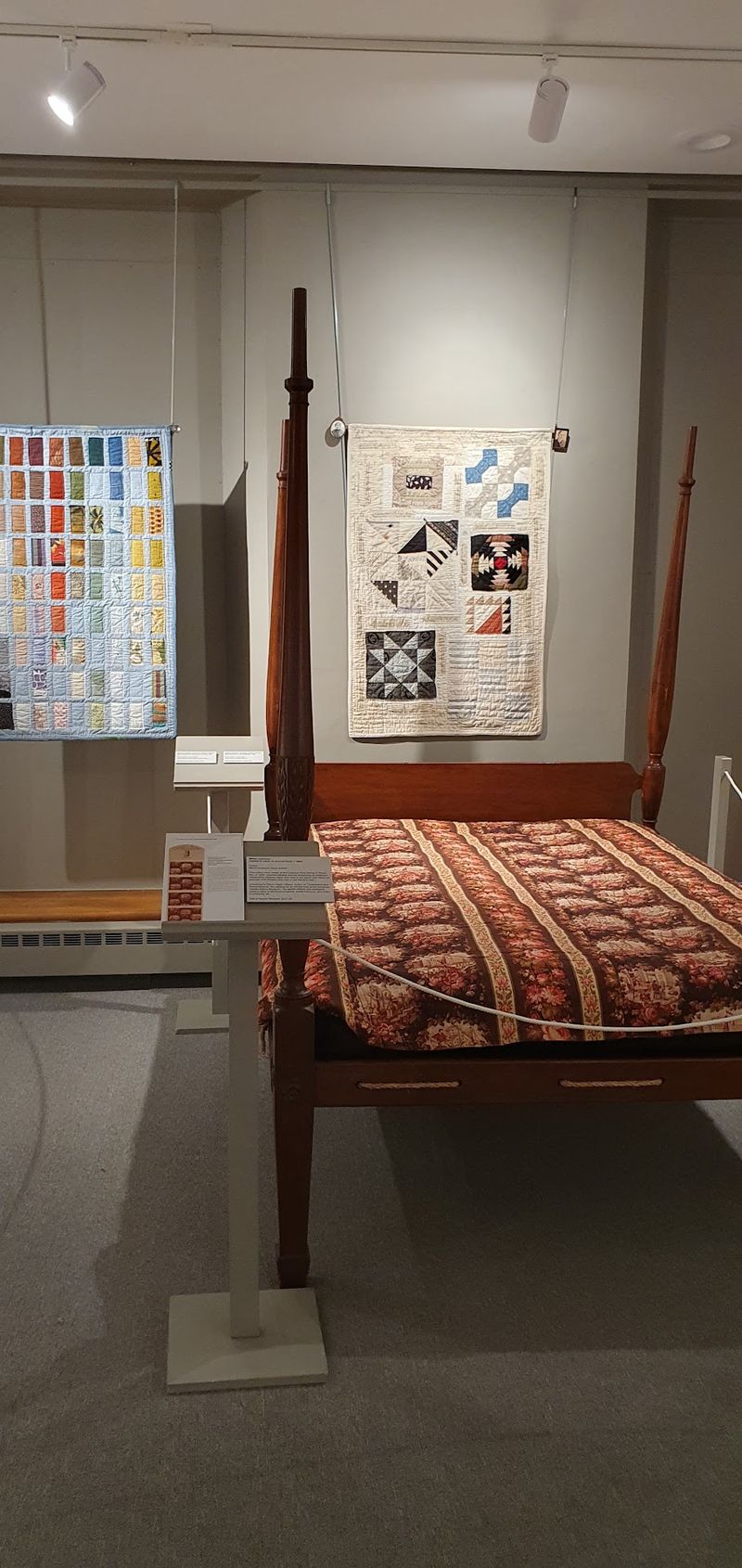
Anyone can deepen their quilting knowledge through the museum’s rich variety of educational offerings. Expert lecturers share research about quilt history, fabric dating techniques, and regional quilting traditions.
Gallery talks led by knowledgeable docents help visitors understand what makes specific quilts historically important or artistically significant. Even complete beginners leave feeling more confident about appreciating textile arts.
Hands-on workshops teach practical quilting skills from basic stitching to advanced techniques like curved piecing or hand applique. Experienced quilters demonstrate traditional methods that modern sewers rarely encounter.
Some classes focus on quilt conservation, showing how to properly clean, store, and repair precious family heirlooms without causing damage.
Group tours welcome schools, quilting guilds, and senior centers interested in private guided experiences. Tour guides customize presentations based on group interests and knowledge levels.
Special events throughout the year celebrate quilt-related holidays, honor famous quilters, or coincide with major national quilting conferences. Whether you’re a curious beginner or an expert quilter seeking inspiration, educational programs offer something valuable for absolutely everyone who walks through the museum doors.
The Museum Shop and Quilt-Lover Treasures
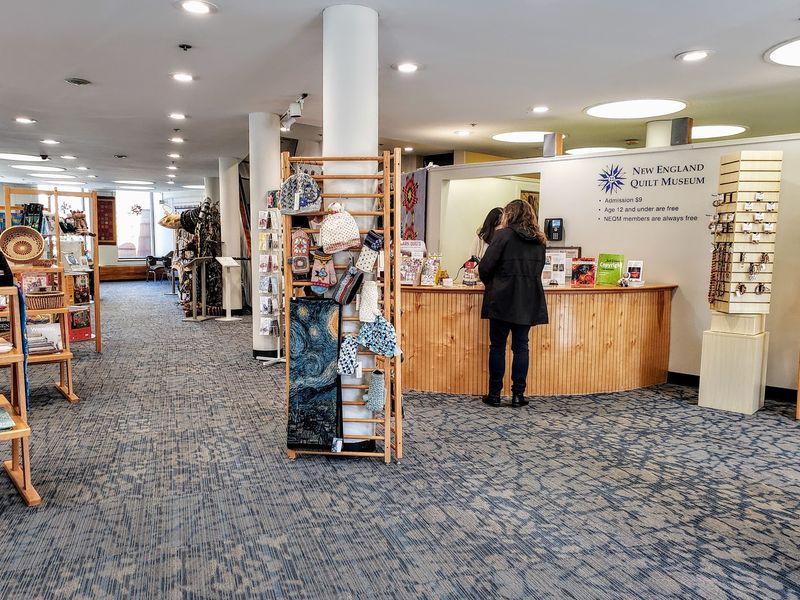
Before leaving, smart visitors always browse the carefully stocked museum shop filled with quilting treasures. Floor-to-ceiling shelves hold hundreds of quilting books covering every topic imaginable, from beginner guides to scholarly historical research.
Pattern collections feature both reproductions of antique designs and cutting-edge modern templates that challenge advanced quilters.
Fabric bundles in coordinated colors tempt sewers to start immediate projects. These aren’t ordinary craft store fabrics but specially curated selections from independent designers and small fabric companies.
Quilting notions include specialty rulers, unique thread colors, and hard-to-find tools that serious quilters appreciate discovering.
Handmade gifts support local artisans who create pottery, jewelry, and textile items inspired by quilting traditions. Greeting cards feature photographs of museum quilts, perfect for sending to fellow craft enthusiasts.
Every purchase supports the museum’s mission of preserving and promoting quilt appreciation. Even non-quilters find appealing items like cozy throws, decorative pillows, and coffee table books celebrating textile arts.
Shop staff offer friendly advice about products and often share personal quilting experiences with interested customers.
Why Even Non-Quilters Leave Inspired
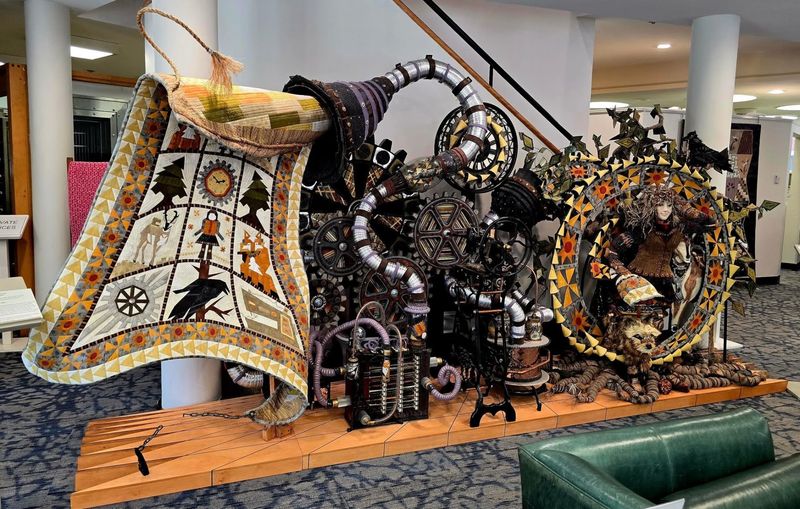
You absolutely don’t need quilting experience to appreciate this museum’s incredible offerings. Visitors who’ve never touched a sewing needle frequently report feeling amazed by the artistry, skill, and creativity displayed in every exhibition.
The stunning color combinations alone inspire graphic designers, painters, and decorators seeking fresh ideas.
Understanding the hours of labor invested in each quilt creates deep respect for the makers’ dedication. A single bed-sized quilt might contain over 100,000 tiny hand stitches requiring months of focused work.
Recognizing this commitment helps viewers appreciate quilts as serious artistic endeavors deserving museum display alongside oil paintings and marble sculptures.
History enthusiasts love discovering how quilts document American life across different eras. Architecture fans admire the beautiful 1845 building housing the collections.
Photographers find endless inspiration in the bold patterns and vibrant colors. Anyone interested in craft, design, cultural heritage, or women’s history finds something personally meaningful.
The museum successfully demonstrates that quilting transcends simple handicraft, becoming a legitimate fine art form that communicates powerful messages through carefully chosen fabrics, colors, and stitching techniques.
Visitor Info and Tips
Planning your visit ensures the best possible experience at this unique museum. You’ll find it located at 18 Shattuck Street in downtown Lowell, easily accessible from major highways.
Operating hours run Tuesday through Saturday from 10:00 AM until 4:00 PM, giving plenty of time to explore without feeling rushed. Calling ahead at 978-452-4207 helps confirm current exhibitions and special events.
Most visitors spend between one and two hours viewing exhibitions and browsing the gift shop. The entire museum is wheelchair accessible, welcoming guests with mobility challenges.
Free public parking lots sit nearby, eliminating parking worries. Downtown Lowell offers excellent restaurants, coffee shops, and additional historical attractions within easy walking distance.
Smart visitors check the exhibition schedule online before visiting since displays rotate every few months. Photography is permitted in most areas, so bring your camera to capture favorite quilts and architectural details.
Group tours require advance reservations but provide enhanced educational experiences. Remember to budget time for the museum shop, where unique quilting books and supplies make perfect souvenirs or gifts for craft-loving friends and family members.