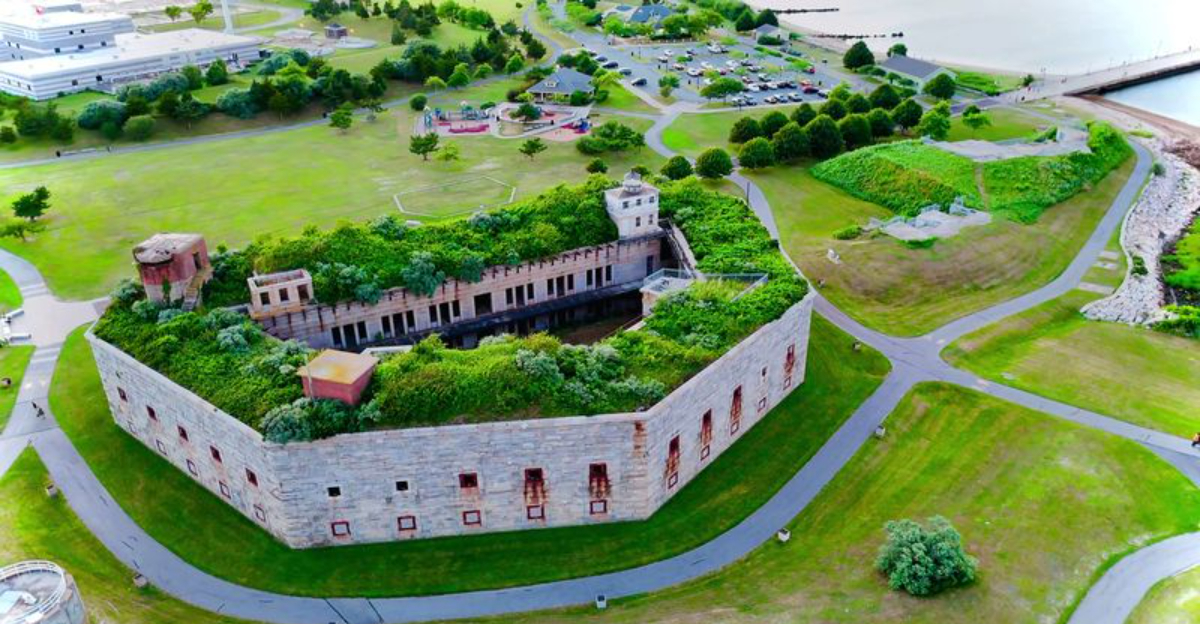
The strongest reminders of history are not always found behind museum walls—they often stand on windswept shores where waves continue to crash against the same stone defenses built centuries ago. Across Massachusetts, historic forts offer that rare chance to experience the past while surrounded by remarkable coastal scenery.
From harbor fortifications that once protected bustling ports to quiet seaside strongholds overlooking sandy beaches and rocky headlands, these Massachusetts landmarks tell stories of soldiers, sailors, and the communities they defended. Walking weathered ramparts, exploring old stone walls, and gazing across the Atlantic brings history into sharp focus in a way that books never quite can.
The spectacular views are every bit as memorable as the stories behind them.
If you enjoy places where fascinating history and breathtaking landscapes come together, these 9 historic forts in Massachusetts showcase some of the state’s most rewarding destinations to explore.
Fort Warren
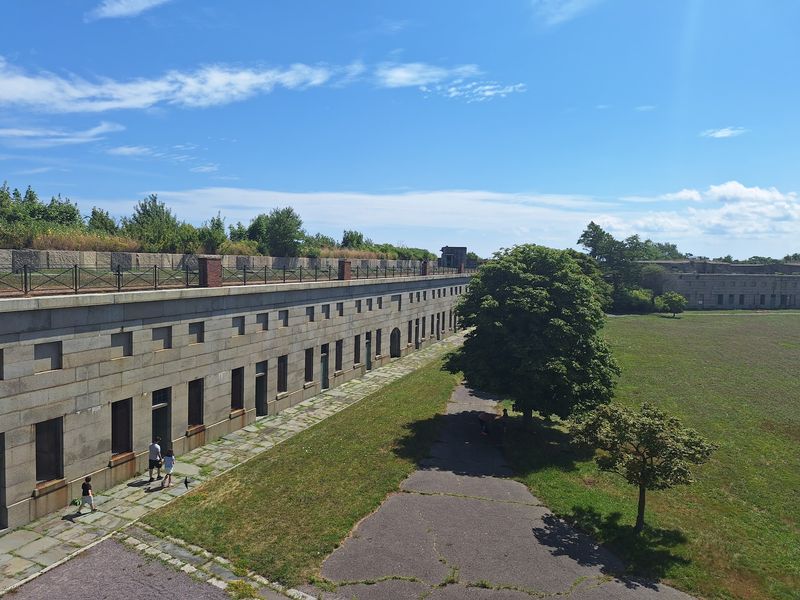
Salt air hits differently when you arrive by boat, and that first glimpse of heavy granite walls rising from Georges Island feels almost theatrical. Gulls circle overhead, the harbor flashes silver, and suddenly history seems much closer than anything in a classroom.
Fort Warren sits within Boston Harbor Islands, and the trip there is part of the charm. Built in the 1800s, it later held Confederate officers during the Civil War.
Today, visitors wander through dark corridors, broad parade grounds, and stairways that open to wide water views in every direction.
Bring water, good walking shoes, and a little curiosity because the fort rewards slow exploring. Picnic spots near the shore make it easy to pause, and the ferry ride back offers one more sweeping look at Boston Harbor.
It is a place where old stone, sea breeze, and silence stay with you.
Fort Independence
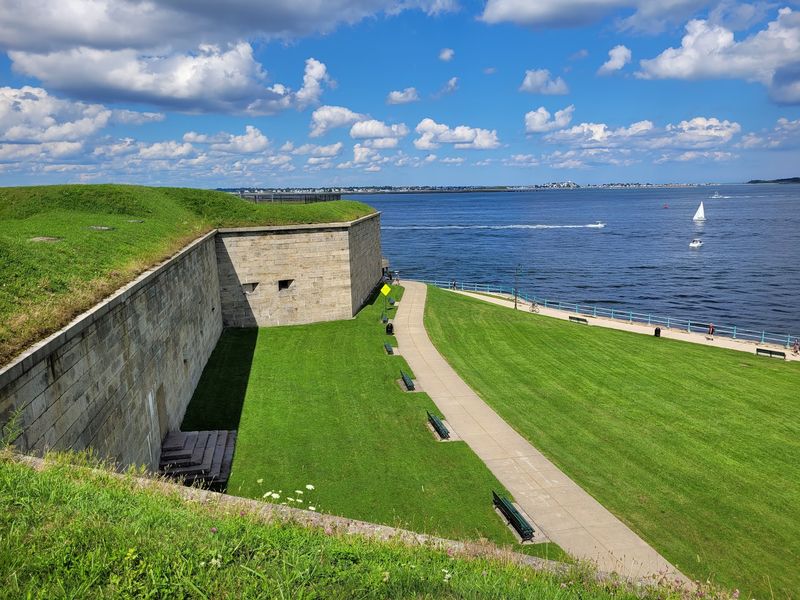
Morning light on the water can make South Boston feel calm in a way people do not always expect. Joggers pass, kids watch planes overhead, and the old stone walls at Castle Island hold their ground beside all that modern motion.
That landmark is Fort Independence, one of the best-known historic sites on Boston Harbor. The fort has roots going back to the colonial era, though the current structure took shape in the 1800s.
Walking around it, you get broad harbor views, sea air, and a clear sense of how important coastal defense once was here.
A visit works well with simple pleasures nearby. Many locals grab a lobster roll or fries from Sullivan’s and then stroll the waterfront path.
If you go near sunset, the sky often turns soft pink over the water. Few places combine city energy, military history, and open shoreline as naturally as this one does.
Fort Revere Park
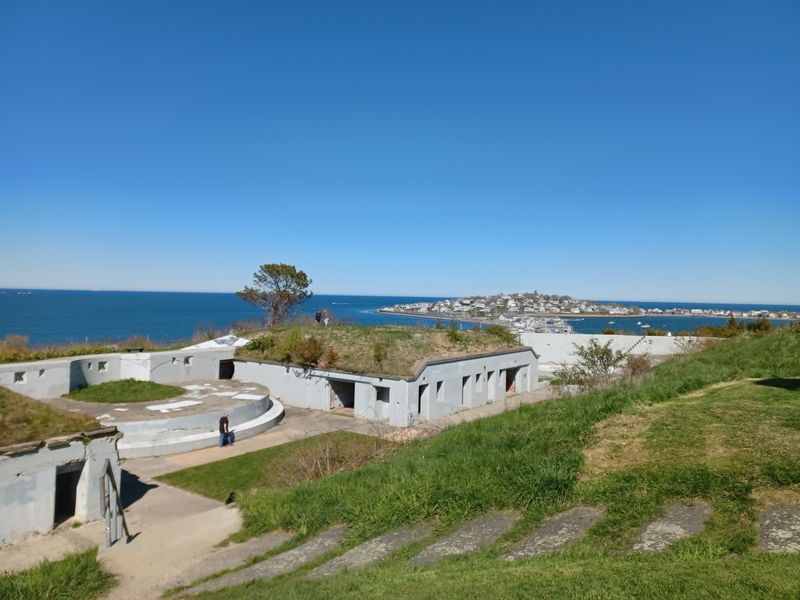
Wind moves fast across the headland here, carrying the smell of the ocean and the sound of gulls from nearby shore. Stand still for a minute, and the view seems to stretch forever, with water, beach, and sky all sharing the same bright stage.
Fort Revere Park in Hull mixes military history with one of the prettiest outlooks on the South Shore. The site includes older earthworks and later gun batteries, showing how coastal defense changed over time.
From the hill, you can see Nantasket Beach, passing boats, and long sweeps of Atlantic blue.
It feels less formal than some famous forts, which is part of its appeal. Families spread out on the grass, photographers chase changing light, and history lovers can study the remains without crowds pressing in.
Wear layers because the breeze can be sharp even on sunny days. For a relaxed stop with both stories and scenery, Fort Revere Park leaves a strong impression.
Fort Taber State Reservation
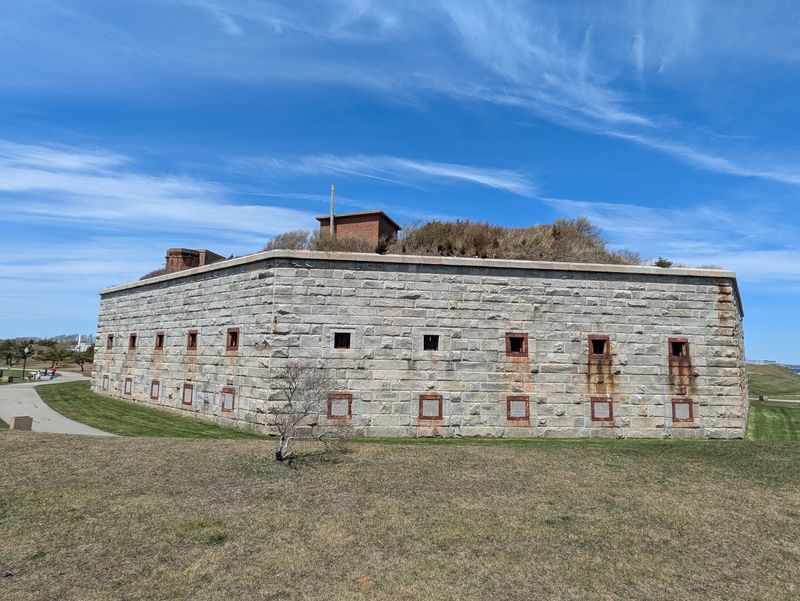
There is something quietly satisfying about a place where fishing boats, sea breeze, and old defenses all share the same shoreline. The mood at the edge of New Bedford feels reflective, especially when the water is calm and the horizon looks almost painted.
Fort Taber State Reservation sits on a scenic point overlooking Buzzards Bay. The site preserves military history from different eras, and the nearby museum adds useful context if you want names, dates, and stories behind the walls.
Outside, the grounds are open and inviting, with shoreline views that make even a short walk feel meaningful.
Many visitors come for the balance between learning and lingering. You can watch boats move across the bay, notice memorials nearby, and then settle on a bench for a slow break.
Bringing a snack works well, though New Bedford seafood before or after your visit is even better. The setting gives the history room to breathe.
Fort Phoenix State Reservation
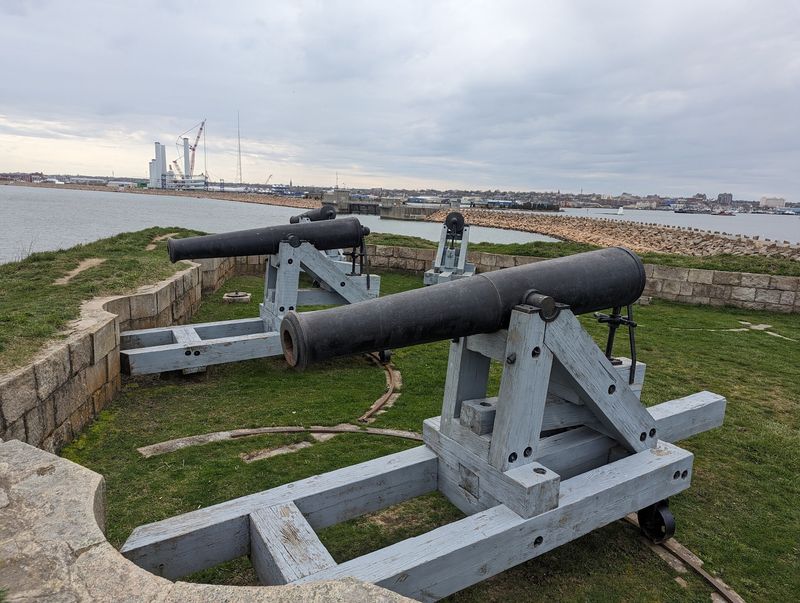
Soft sand and old cannons are not a pairing you forget quickly. At this shoreline stop, the atmosphere shifts between beach day ease and reminders of the Revolutionary era, giving the whole place a character that feels both gentle and serious.
Fort Phoenix State Reservation in Fairhaven is linked to some of the earliest naval conflict in the American Revolution. Today, visitors see reconstructed fort features, open lawn, and a small beach beside sparkling water.
The scenery is especially appealing for families because history does not feel boxed in or distant here.
You can walk the grounds, read markers, and then listen to waves only a few steps away. On warm days, people often bring towels, snacks, and a camera for the harbor views.
It is smart to visit with sun protection since shade can be limited. Fort Phoenix stands out because it makes the past feel local, outdoor, and surprisingly easy to picture against a beautiful coastal backdrop.
Fort Rodman
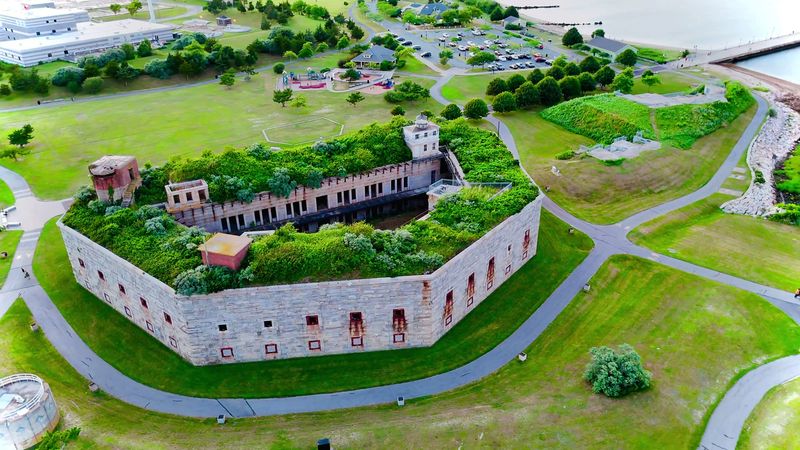
Some places carry layers of time so openly that you can almost read them from the ground up. Stone, concrete, and open sky come together at this New Bedford site, where every angle hints at another chapter in coastal defense.
Fort Rodman stands within the larger Fort Taber area and adds a deeper military story to the waterfront setting. Named for a Civil War general, it later evolved with modern defenses, so visitors can notice how fort design changed with new threats and technology.
Looking out over Buzzards Bay, it is easy to understand why this position mattered.
The best approach is to wander slowly and pay attention to small details, like old gun placements, sea walls, and the changing color of the water. Nearby memorials and the military museum help connect the scenery to real lives.
If you enjoy history with texture, rather than polished presentation alone, Fort Rodman offers a thoughtful and windswept experience that feels grounded and memorable.
Fort Sewall
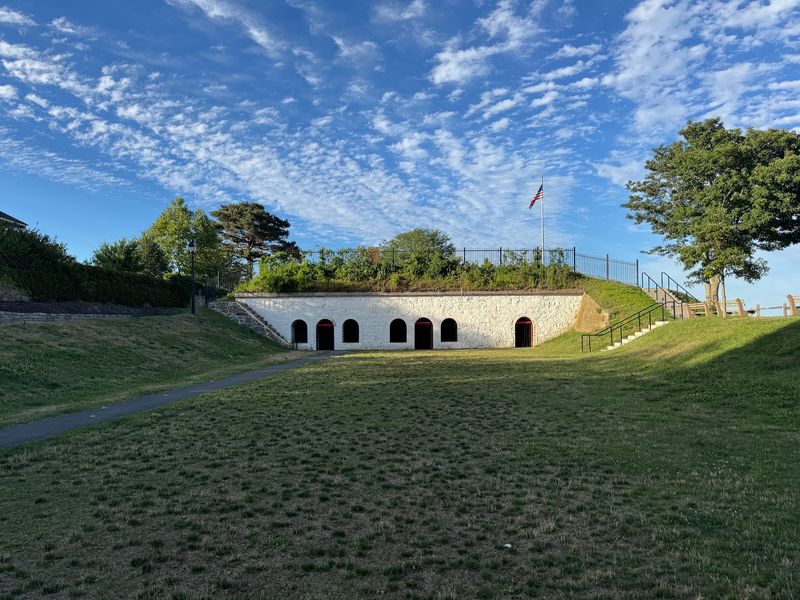
Sailboats drifting across the harbor give this hilltop setting an almost peaceful charm, which makes its military past feel surprising at first. Then the view opens wider, and you understand why people once watched this water so carefully.
Fort Sewall in Marblehead played a role during the War of 1812 and remains one of the town’s most scenic historic spots. The grassy site overlooks Marblehead Harbor, where masts, islands, and changing tides create a classic New England panorama.
It is not crowded with heavy structures, so the landscape itself becomes part of the story.
Bring a camera, especially in late afternoon when the light softens over the boats and rooftops. Afterward, a walk through Marblehead’s old streets adds another layer of history, with narrow lanes and colonial homes close by.
The fort is easy to visit but hard to forget. Few places show how beauty and strategy could sit side by side along the Massachusetts coast.
Fort Pickering
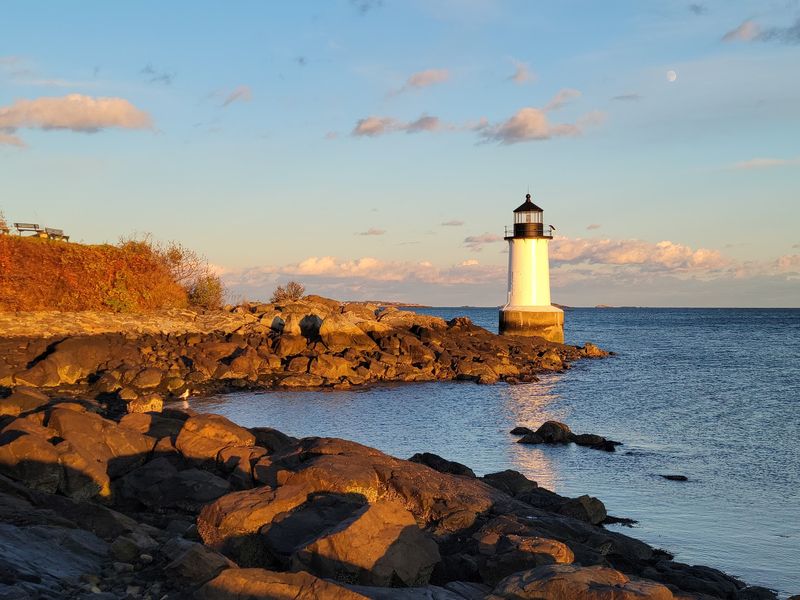
A harbor can feel playful and mysterious at the same time, and that mix fits Salem especially well. Out on Winter Island, the mood shifts away from downtown crowds, with breezy paths, rocky edges, and traces of old defenses watching the water.
Fort Pickering has guarded this area in different forms since the 1600s, which gives it one of the longest histories on the list. Located inside Winter Island Park, it shares space with shoreline walks, boating activity, and views across Salem Harbor.
The remains are modest, but the setting does much of the storytelling.
Families often pair the fort with a longer afternoon outdoors, and campers staying nearby get a special sense of the place after the day visitors leave. You can watch the harbor, spot the lighthouse, and imagine how exposed this point once felt.
For travelers who like layered local history more than grand monuments, Fort Pickering offers atmosphere, sea air, and a quieter side of Salem.
Fort Hill
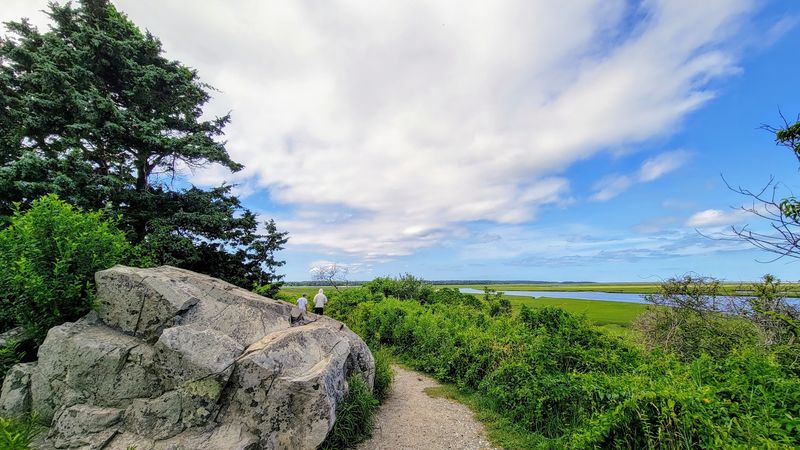
Marsh light has a way of slowing everything down. The grasses shimmer, birds cut across the sky, and the land seems to breathe with the tide, making the history here feel tied to nature instead of separated from it.
Fort Hill in Eastham is different from the heavy stone forts many travelers picture. Part of Cape Cod National Seashore, it is known for sweeping views over Nauset Marsh and for its connection to early defense and colonial history.
The site invites walking, looking, and thinking more than dramatic fort exploration, which gives it a gentler but still meaningful presence.
Trails nearby are excellent for a slow visit, especially if you enjoy birdwatching or photography. Morning and evening light are beautiful, and comfortable shoes help on uneven ground.
The historic setting combines with one of the Cape’s finest landscapes, creating a stop that feels calm, spacious, and deeply rooted in place. Fort Hill proves a fort site can be scenic in a quieter, wider sense.