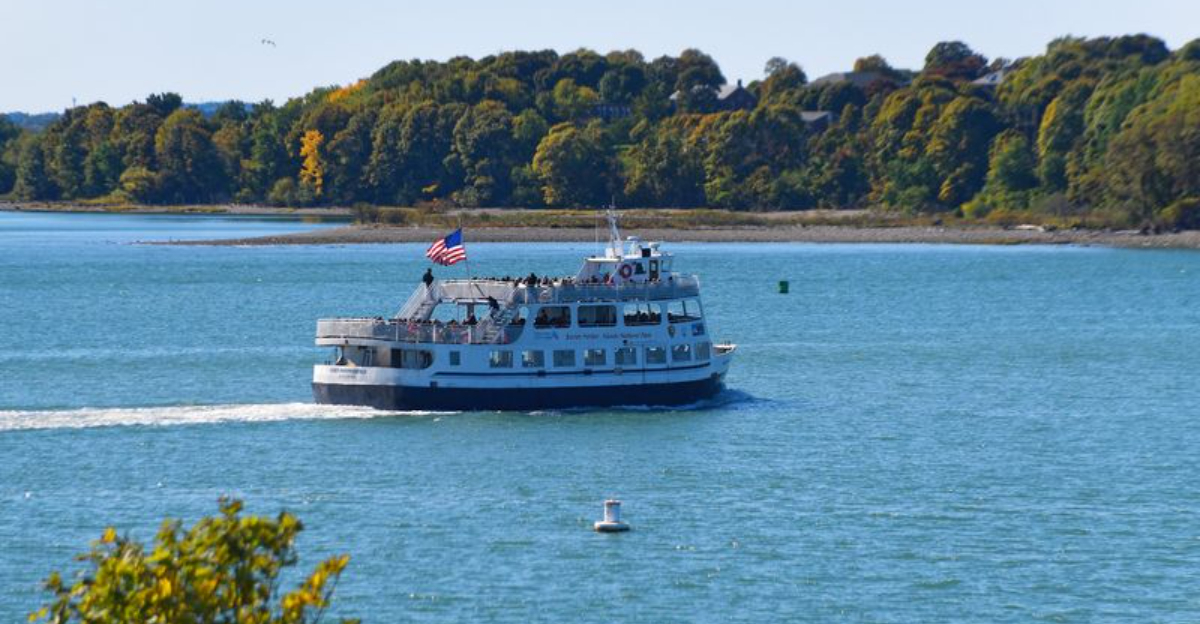
The coastline of Massachusetts looks completely different when you see it from the deck of a ferry. As the boat leaves the harbor, city skylines fade behind you, waves roll alongside the rails, and quiet islands slowly appear across the water.
The 10 Massachusetts ferry rides I took revealed some of the best coastal views around, offering a unique way to experience the state’s famous shores. From crossings to island communities like Nantucket and Martha’s Vineyard to harbor routes with historic landmarks in sight, each trip brings its own scenery and sense of discovery.
These journeys are about more than reaching a destination. They offer moments to feel the sea breeze, watch changing landscapes, and enjoy a slower pace of travel.
If you are ready to explore Massachusetts from the water, these 10 ferry rides are the routes worth adding to your itinerary.
Hyannis to Nantucket Ferry
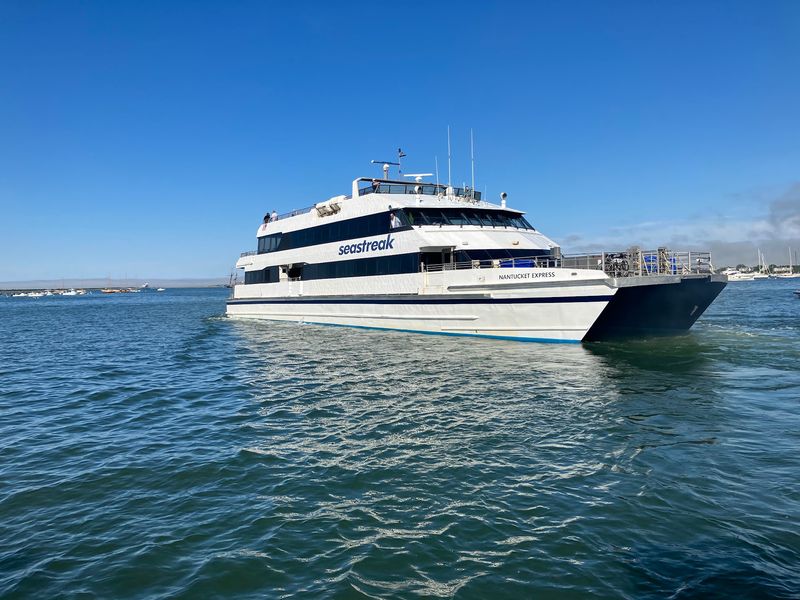
Salt wind hits your face almost right away, and the busy mood of Hyannis starts to fade. Out on Nantucket Sound, the ride feels like a small break from everyday life, with gulls tracing the wake and sunlight bouncing off the water.
Later, the approach to Nantucket becomes the real reward. Church steeples, tidy docks, and weathered gray buildings come into view slowly, which somehow makes the island feel even more special.
On clear days, the horizon seems huge, and the sky looks twice as big as it does on land.
I liked taking an outside seat and bringing a light jacket because the breeze can turn cool, even in summer. Once you arrive, it is easy to walk to cobblestone streets, sandwich shops, and the Whaling Museum.
That mix of open water and storybook harbor scenery makes this ferry ride easy to remember.
Hyannis to Martha’s Vineyard Ferry
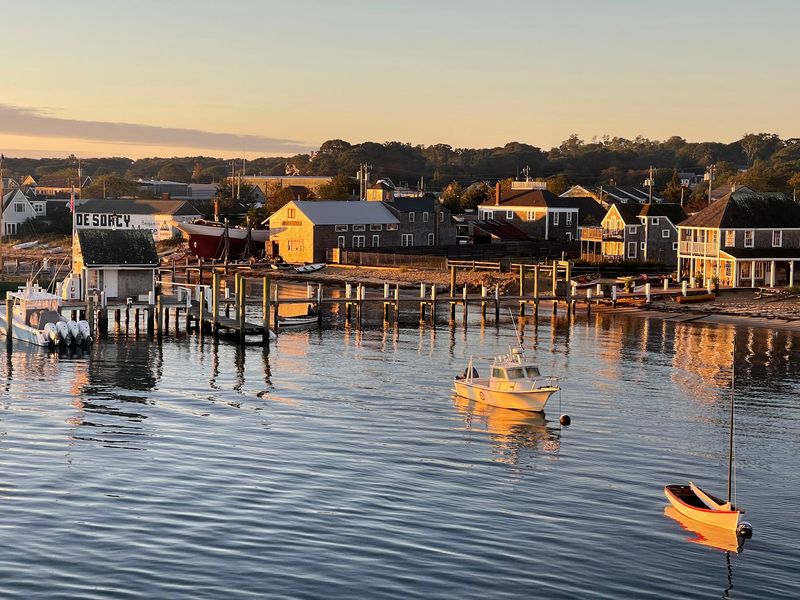
The water on this route often feels calmer than expected, and that gentle start sets the tone. Leaving Hyannis behind, you get a wide view of open sound, small boats in the distance, and long stretches of sky that make the trip feel peaceful.
As Martha’s Vineyard gets closer, Vineyard Haven appears in a quiet, graceful way. You notice white boats rocking near the harbor, tree-lined edges, and the soft shape of the shoreline before the ferry reaches the dock.
It feels less flashy than some arrivals, which is part of its charm.
I found this crossing especially nice for travelers who want a slower beginning to the island. Bring sunglasses and stand outside for at least part of the trip because the changing light on the water is half the experience.
Once ashore, cafes, local shops, and shaded streets are close by, making the whole ride feel smooth and easy from start to finish.
Woods Hole to Martha’s Vineyard Ferry
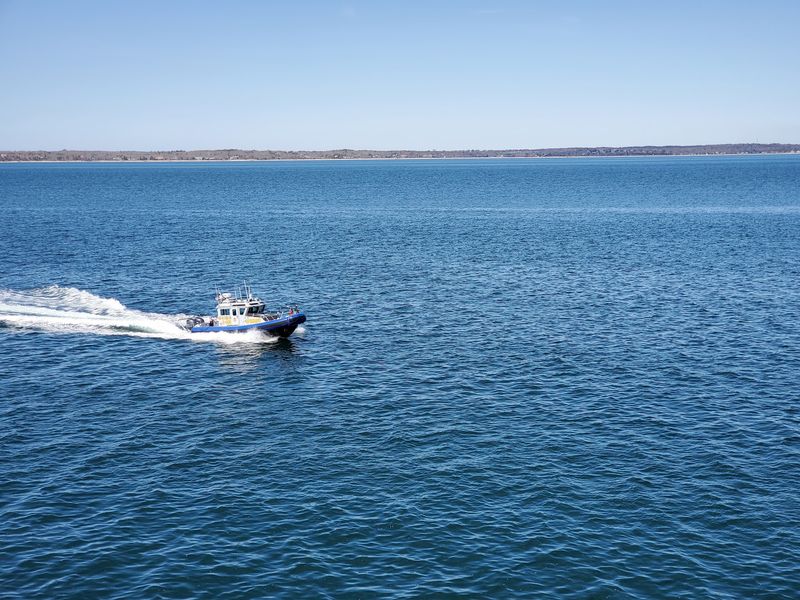
Something about Woods Hole makes this ride feel grounded and real from the start. Fishing boats, research vessels, and the village shoreline create a working harbor scene, so the crossing begins with movement and texture instead of grand drama.
Once the ferry clears the harbor, the view opens fast. The water between Falmouth and Martha’s Vineyard has a sturdy, sea-going feel, and the changing angle of the coast keeps your eyes busy.
Vineyard Haven arrives with sailboats, masts, and waterfront houses that look especially pretty after the short open-water stretch.
I liked how practical this route felt while still being scenic. It is a good choice if you want a classic Massachusetts ferry experience without a very long ride.
Try to arrive early enough to watch the loading process because even that is interesting here. After landing, you can walk into town for coffee, browse bookstores, or simply stay near the harbor and watch boats come and go.
Hy-Line Cruises Nantucket Ferry
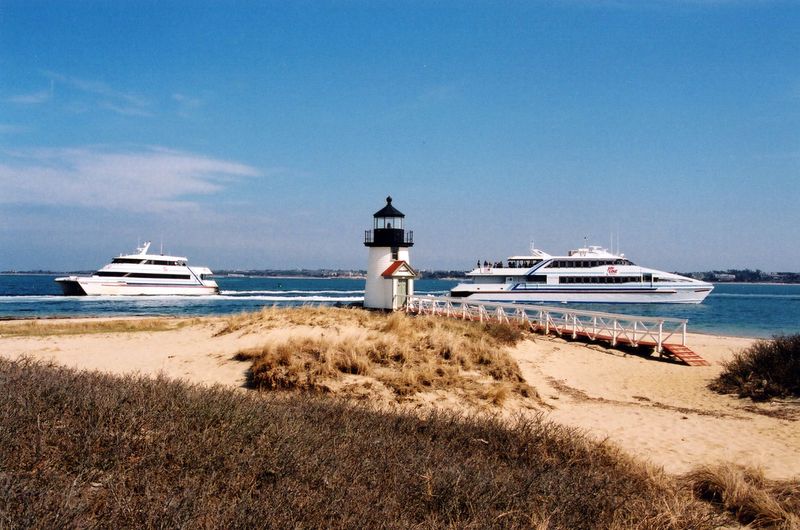
You notice the speed first. The ferry lifts the mood of the trip by moving with purpose, and the long white wake behind the boat adds a sense of excitement that makes the crossing feel like part adventure, part escape.
From Hyannis, the route stretches across a broad sweep of blue water before Nantucket Harbor starts to take shape. The quicker pace does not take away the scenery.
Instead, it gives you changing views in a neat, fast sequence, from open sound to harbor boats to the island’s neat gray buildings.
I found this ride great for travelers who want scenic views without giving up much of the day. An outside seat is still worth it, even on a faster boat, because the salt air and wide horizon are half the fun.
Once in Nantucket, you are close to shops, seafood spots, and easy harbor walks. The trip feels efficient, but it never loses that special island-arrival feeling.
Hy-Line Cruises Martha’s Vineyard Ferry
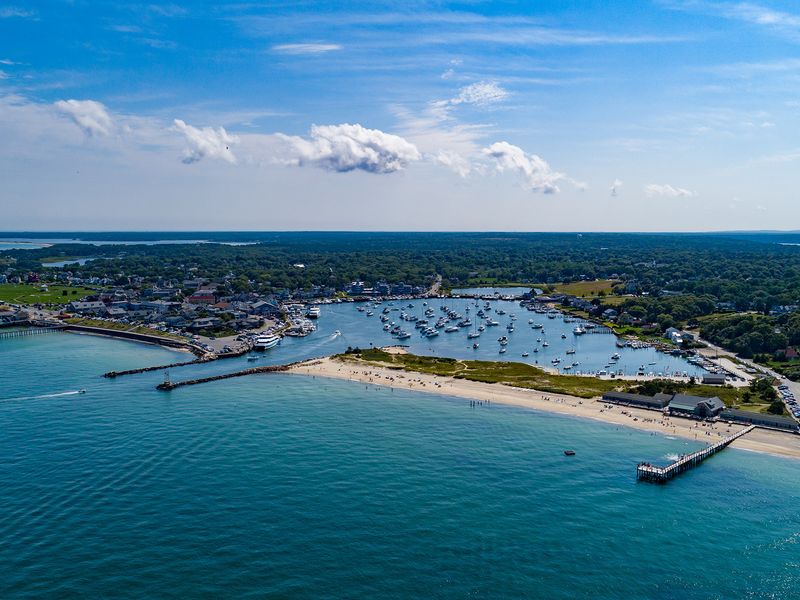
Morning light makes this crossing feel cheerful from the first minute. The boat leaves Hyannis with a quick, confident rhythm, and soon the wind, spray, and bright water turn a simple ride into something that feels fresh and lively.
As Oak Bluffs gets closer, the harbor starts to look almost theatrical. Masts rise above the boats, buildings gather along the waterfront, and the town’s playful energy appears before you hear a single sound from shore.
That approach gives the route a distinct personality compared with quieter island arrivals.
I liked this ferry for a day when I wanted to get moving early and make the trip part of the fun. Keep your phone ready during the final approach because the harbor scene is especially photogenic.
After docking, you can walk to coffee shops, browse local stores, or head toward the beach without much planning. The ride feels quick, bright, and perfectly matched to Oak Bluffs itself.
New Bedford to Martha’s Vineyard Ferry
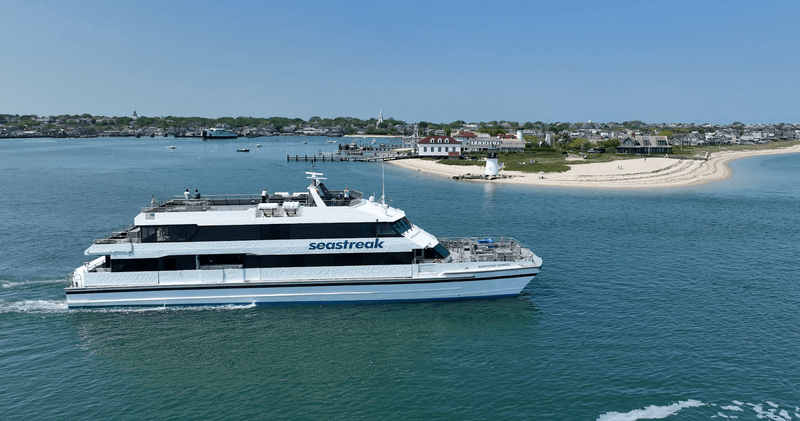
There is something satisfying about starting in a city harbor and heading toward an island. New Bedford gives this trip a stronger, grittier opening, with working waterfront scenes, old maritime character, and a sense of history in the air.
Once the ferry pushes farther out, the landscape softens. The busier harbor gives way to wider water and cleaner lines, and that contrast makes the approach to Martha’s Vineyard feel especially pleasant.
Depending on the run, Vineyard Haven or Oak Bluffs comes into view with a gentler mood than the departure point, almost like the ride is carrying you from industry into leisure.
I appreciated this route because the scenery changes more dramatically than on some others. It is a smart pick if you enjoy places that feel layered and real, not just pretty.
Try to watch both ends of the trip closely. The difference between New Bedford’s sturdy waterfront and the island’s relaxed shoreline is what makes this crossing stand out.
Harwich Port to Nantucket Ferry
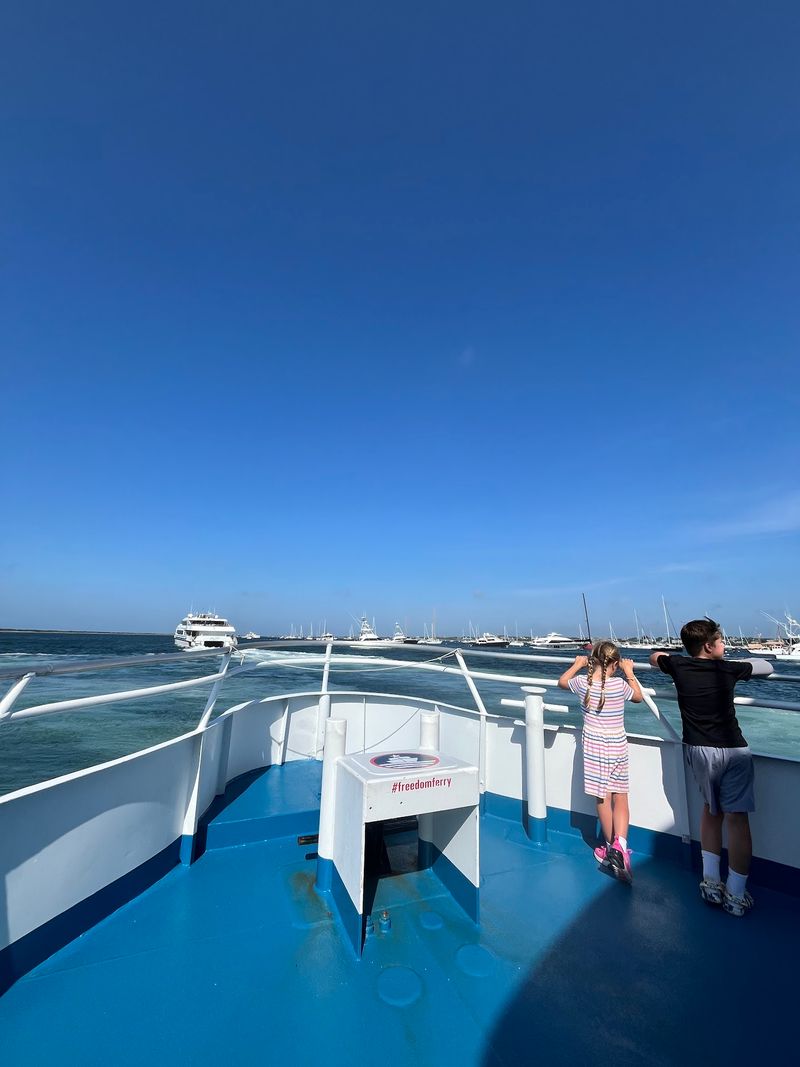
The Lower Cape has a softer, more laid-back mood, and this route carries that feeling onto the water. Departing from Harwich Port, the ride begins in a quieter way, which makes the open stretch toward Nantucket feel especially spacious and calm.
I remember the light on this crossing more than anything else. The water seemed to change shades every few minutes, from silvery blue to deeper tones, and the long horizon made the trip feel unhurried.
When Nantucket finally appears, the harbor scene lands with more impact because the route gives you so much room and sky first.
This ferry is a good fit if you like scenic travel that feels less crowded and less rushed. Bring a hat, a drink, and time to simply look around instead of staring at your phone.
Once you dock, you can trade the quiet crossing for Nantucket’s shops, bakeries, and old streets. That gentle buildup is what makes the ride memorable.
New Bedford to Cuttyhunk Ferry
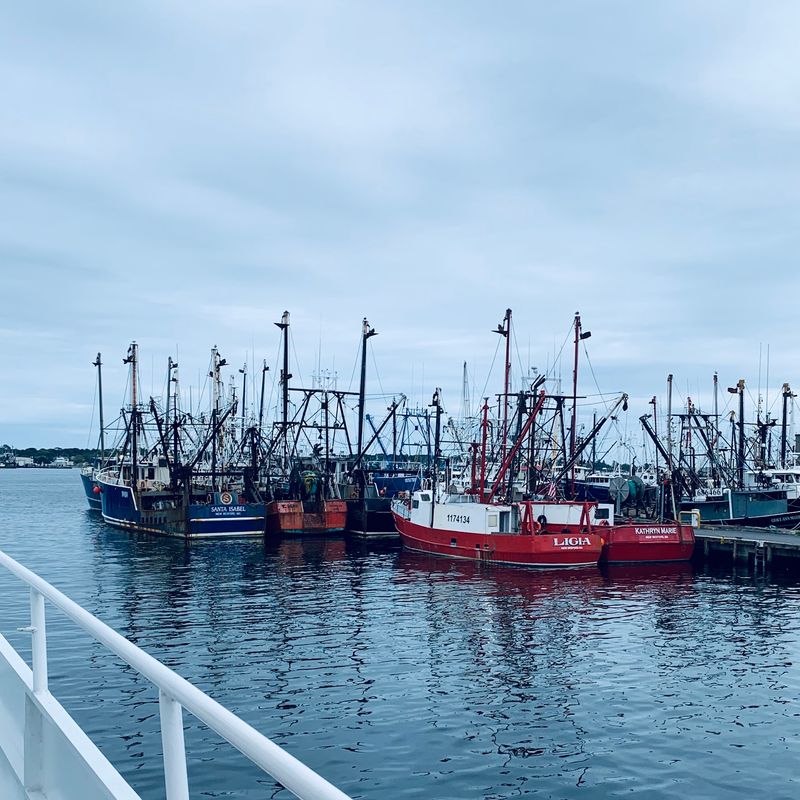
By the time this boat is well underway, it feels like you are leaving the usual map behind. The ride from New Bedford to Cuttyhunk has a more remote feeling than many Massachusetts ferries, and that alone gives it a different kind of beauty.
Water and sky do a lot of the work here. The route feels spacious, almost spare, with fewer visual interruptions and a stronger sense of distance.
When Cuttyhunk comes into view, the island looks modest and quiet, not flashy, and that understated arrival is exactly why it sticks in your mind.
I would recommend this crossing to anyone who likes places that feel tucked away. The scenery is not about busy harbors or polished waterfront towns.
It is about space, silence, and the feeling of reaching somewhere smaller and less touched. After arriving, simple walks, harbor views, and a slower pace make the whole trip feel like a reset rather than a checklist stop.
Boston Harbor Islands Ferry to Spectacle Island
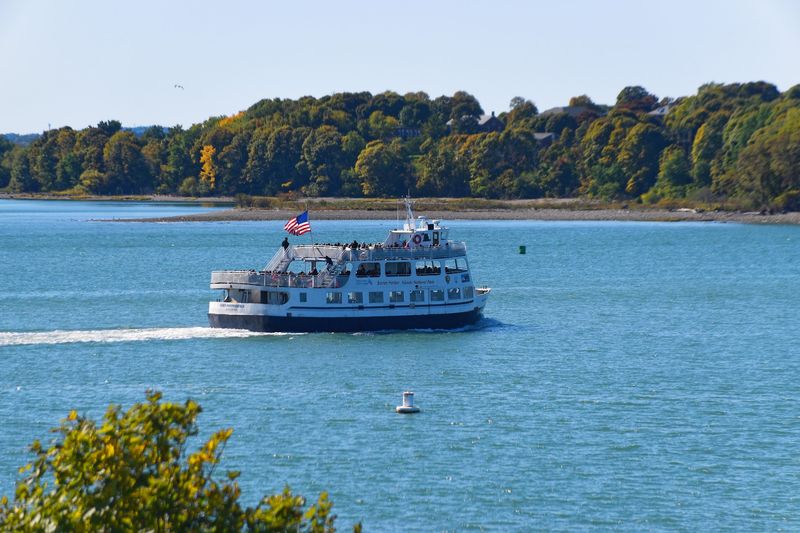
Watching a city skyline shrink behind you is its own kind of thrill. The ferry from Long Wharf to Spectacle Island gives you that feeling quickly, trading downtown Boston’s busy edges for open harbor views and fresh air in a surprisingly short time.
What makes this ride stand out is the contrast. One moment you are near glass towers and crowded streets.
Soon after, Spectacle Island rises ahead with green slopes, walking paths, and a cleaner, more relaxed shape than many people expect so close to the city. Looking back at Boston from the boat adds another strong view to the trip.
I liked this route because it works for both visitors and locals who want a simple escape without much planning. Bring water and good walking shoes if you plan to explore after landing.
The mix of skyline, harbor, and island scenery keeps the crossing interesting from start to finish, and the payoff comes fast once the ferry reaches shore.
Boston Harbor Islands Ferry to Georges Island
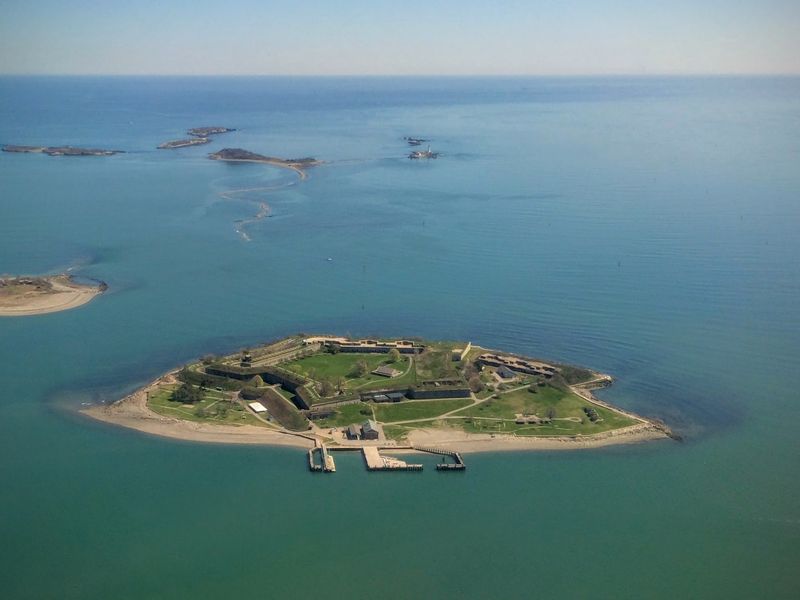
History shows up on the horizon before you even step ashore. The ride from Long Wharf to Georges Island has the fun of a harbor crossing, but it also carries a sense of old stories because Fort Warren becomes part of the view as you approach.
That changing perspective is what makes the trip memorable. Boston starts behind you as a neat wall of buildings, while Georges Island grows ahead with stone defenses, low green land, and the kind of silhouette that sparks curiosity.
It feels less like heading to a beach day and more like entering a chapter from another time.
I enjoyed standing outside for most of this ride because the harbor traffic, skyline angles, and fort approach all give you something to watch. If you visit, plan enough time to walk around once you land, since the island’s history deepens the crossing experience.
The route is scenic, but its strongest quality is how it blends water views with a real sense of place.