Before most visitors have finished breakfast, fishing boats are already returning to the harbor, continuing a tradition that has defined this coastline for generations. The scent of salt air, the cries of gulls overhead, and the sight of working docks make it clear that this is more than a picturesque seaside town.
In Gloucester, America’s oldest working seaport, history and everyday life remain closely connected. Stroll past weathered wharves, historic neighborhoods, art galleries, and waterfront seafood restaurants while watching commercial fishing vessels share the harbor with pleasure boats.
Every corner reflects centuries of maritime heritage shaped by the Atlantic Ocean.
A day here can include fresh lobster rolls by the water, quiet walks along rocky beaches, and unforgettable sunsets over the harbor. As you explore Gloucester, you’ll discover the places, flavors, and stories that continue to make this Massachusetts coastal destination unlike any other.
The Bronze Fisherman Standing Watch Over the Harbor
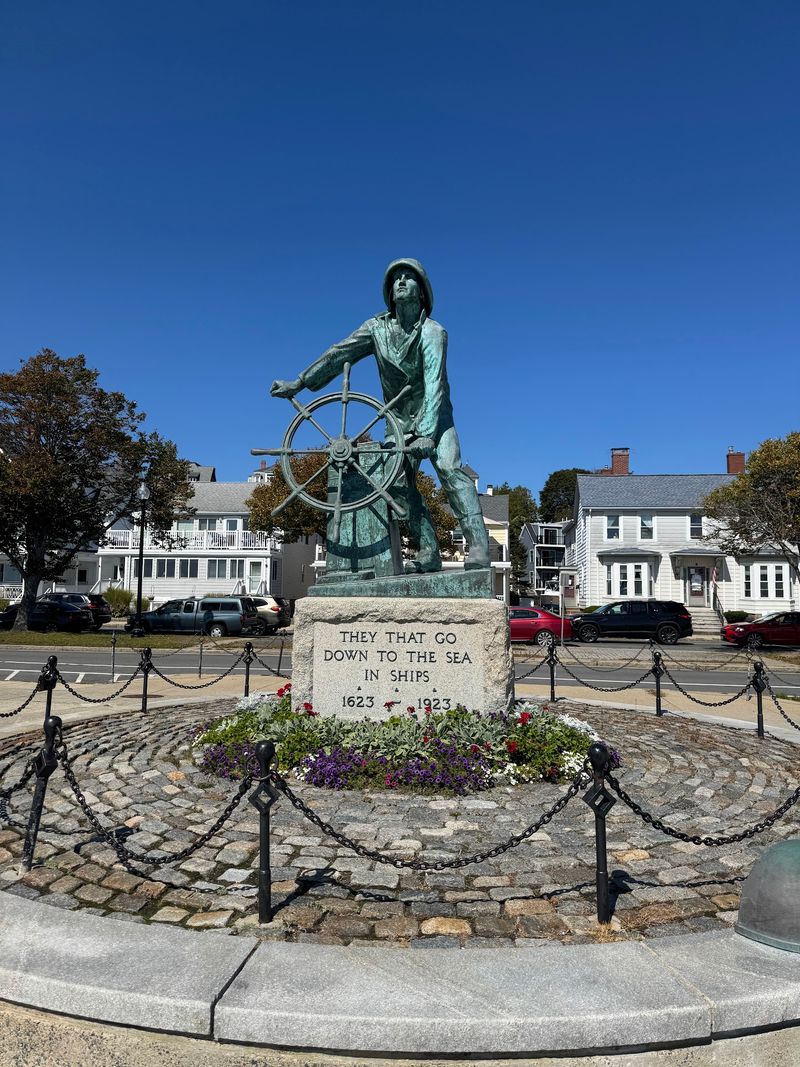
Standing on Gloucester’s waterfront, the Gloucester Fisherman’s Memorial is one of Massachusetts’ most moving landmarks. The bronze statue depicts a determined fisherman gripping the wheel of his vessel, his eyes fixed on the horizon as though facing another North Atlantic storm.
Dedicated in 1925, the memorial honors the thousands of Gloucester fishermen who lost their lives at sea, serving as a lasting tribute to a community shaped by courage, sacrifice, and the fishing industry.
Visitors often pause to read the names and dates engraved around the monument, reflecting on the generations of families whose lives were tied to the ocean. The memorial overlooks Gloucester Harbor, where working fishing boats still come and go, creating a powerful connection between the town’s past and present.
Surrounded by harbor views, sea breezes, and historic waterfront streets, the Gloucester Fisherman’s Memorial offers more than a scenic stop. It tells the story of one of America’s oldest fishing ports and the people whose resilience helped define it.
Sandy Perfection at a Beach That Disappears and Reappears
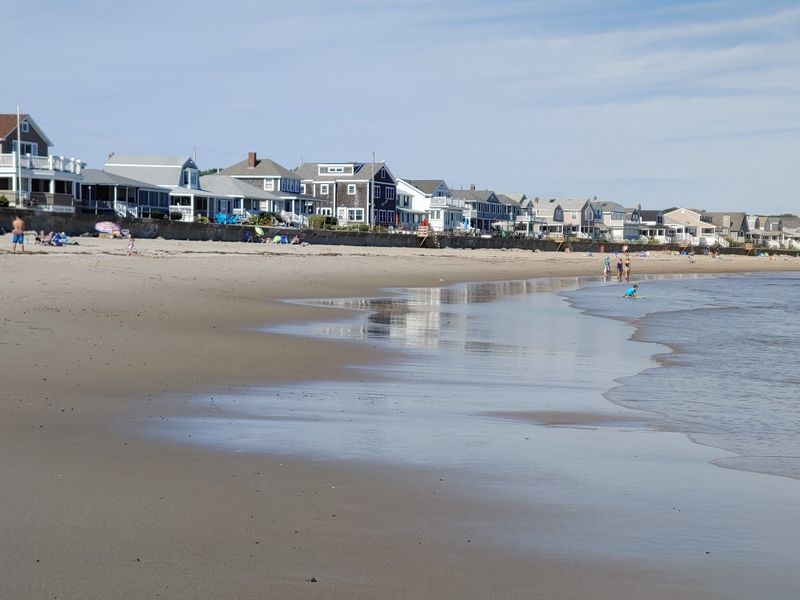
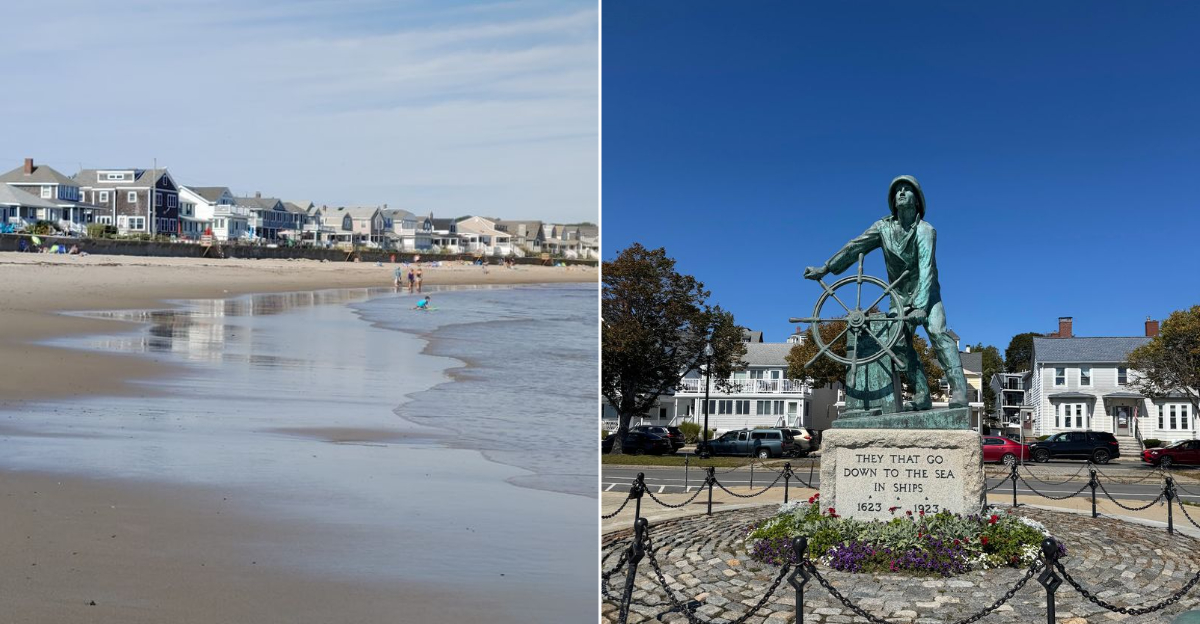
Watch the ocean perform a magic trick twice daily. Good Harbor Beach stretches golden and wide, but the real show happens when the tide pulls back.
Suddenly, you can walk across exposed sand bars all the way to Salt Island, like Moses parting the waters.
Families spread blankets on some of the softest sand north of Cape Cod. The water stays relatively calm here, protected by the curve of the coastline.
Surfers catch small waves on the south end while kids build castles that the Atlantic will reclaim by dinner.
This spot fills up fast on summer weekends, so arrive early or visit in September when the crowds thin but the water’s still swimmable. The beach closes to new arrivals once the parking lot reaches capacity, a policy that keeps it from becoming overcrowded chaos.
Where Artists Have Painted the Same View for a Century
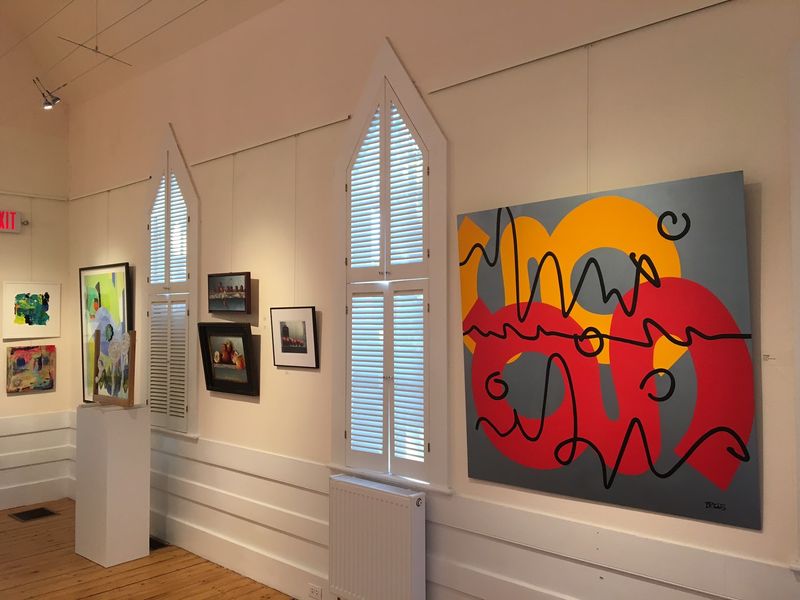
Smell oil paint mixing with salt air in America’s oldest continuously operating art colony. Rocky Neck has been drawing painters, sculptors, and writers since the 1850s.
Weathered fishing shacks now house galleries where you can watch artists work.
Wander narrow lanes where Winslow Homer once set up his easel. Today’s artists continue that tradition, capturing lobster boats and morning light in ways that make you see familiar scenes differently.
Many galleries welcome visitors to peek inside working studios, where half-finished canvases lean against walls and paintbrushes soak in jars.
The peninsula juts into Gloucester Harbor, offering water views from almost every angle. Stop for lunch at one of the casual restaurants built on old docks, where deck seating lets you eat while watching boats navigate the channel.
It’s the kind of place that makes non-artists wish they’d paid more attention in art class.
Maritime History Told Through Paintings and Ship Models
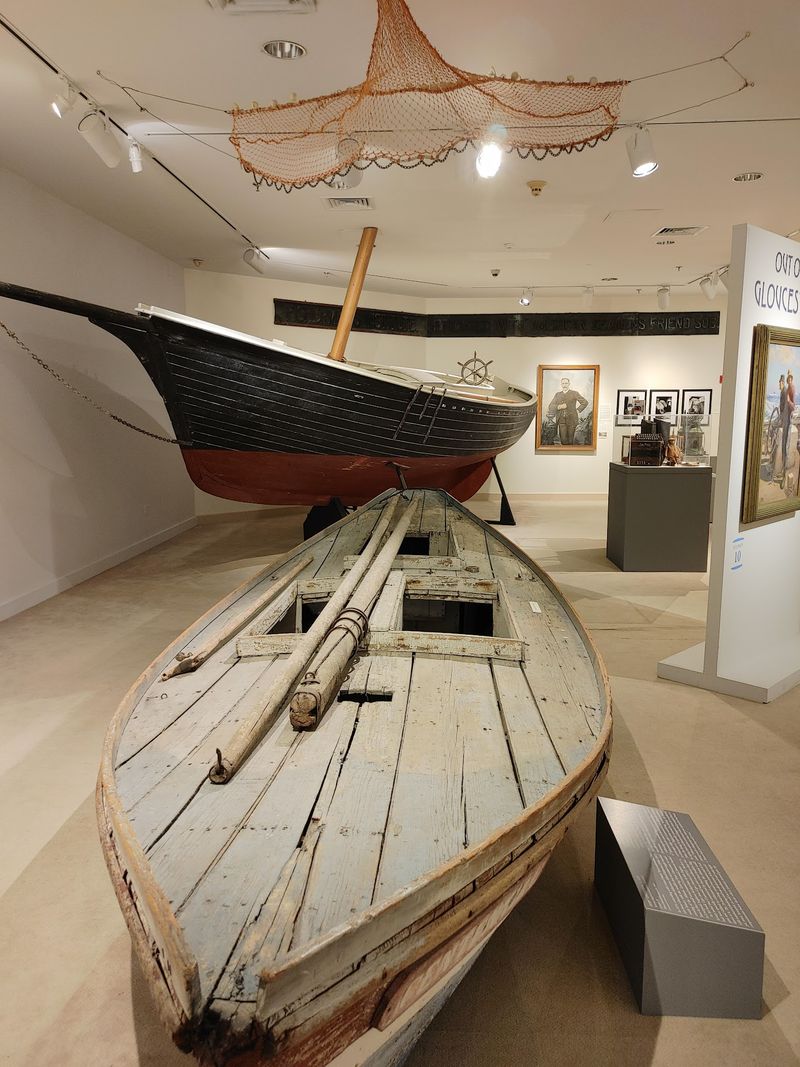
Step into rooms where Gloucester’s entire story unfolds through objects and art. The Cape Ann Museum holds the world’s largest collection of works by Fitz Henry Lane, a 19th-century painter who captured harbor scenes with almost photographic precision.
His luminous paintings make you understand why artists keep returning to this coastline.
Beyond the galleries, you’ll find incredibly detailed ship models built by retired fishermen with too much knowledge and skill to let fade away. Fishing gear, old photographs, and personal belongings of sea captains fill cases with stories.
One room recreates a fisherman’s home from the 1800s, complete with the simple furniture and tools families used.
The museum doesn’t just preserve the past. It actively documents present-day fishing culture, recognizing that Gloucester’s working waterfront continues evolving.
Temporary exhibits often feature contemporary artists inspired by the same harbors Lane painted 150 years ago.
A Medieval Castle That Has No Business Being in Massachusetts
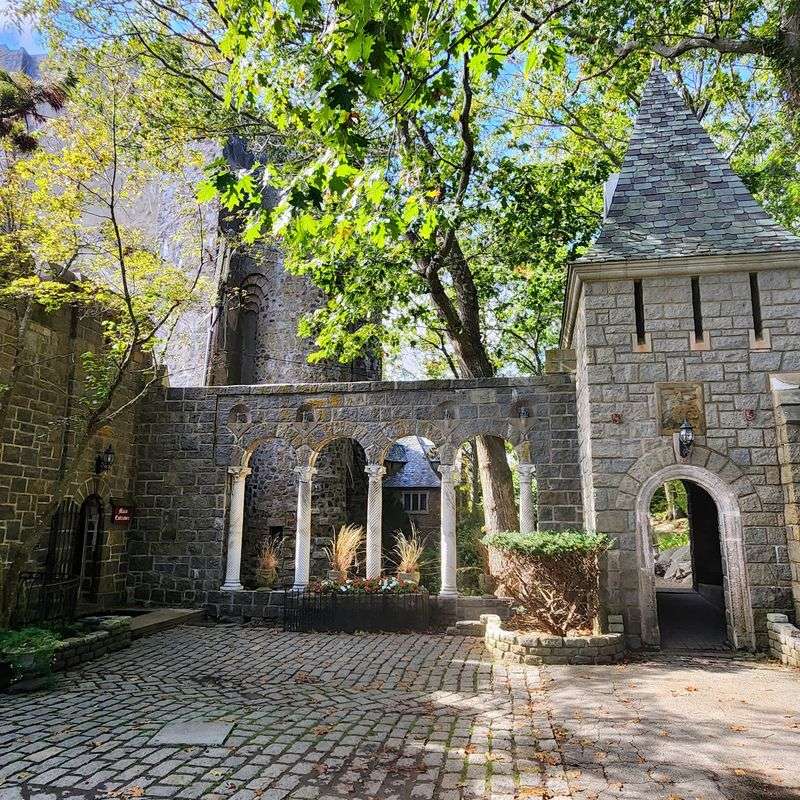
Climb stone steps into a building that looks stolen from the European countryside. Hammond Castle rises above the rocky shore like something from a fairy tale, except this medieval fortress was built in the 1920s by an eccentric inventor who held over 400 patents.
John Hays Hammond Jr. designed this eight-story castle as both home and laboratory. He collected authentic pieces from European churches, monasteries, and castles during his travels, then incorporated Roman columns, medieval doorways, and Renaissance windows into his Massachusetts mansion.
The Great Hall features a massive pipe organ that Hammond played during elaborate dinner parties.
Guided tours reveal secret passageways, a indoor courtyard that simulates rain, and Hammond’s workshop where he pioneered radio remote control technology. The castle perches on a cliff with dramatic ocean views, especially striking when waves crash against the rocks below.
It’s wonderfully bizarre and utterly fascinating.
Working Wharves Where Real Fishing Happens
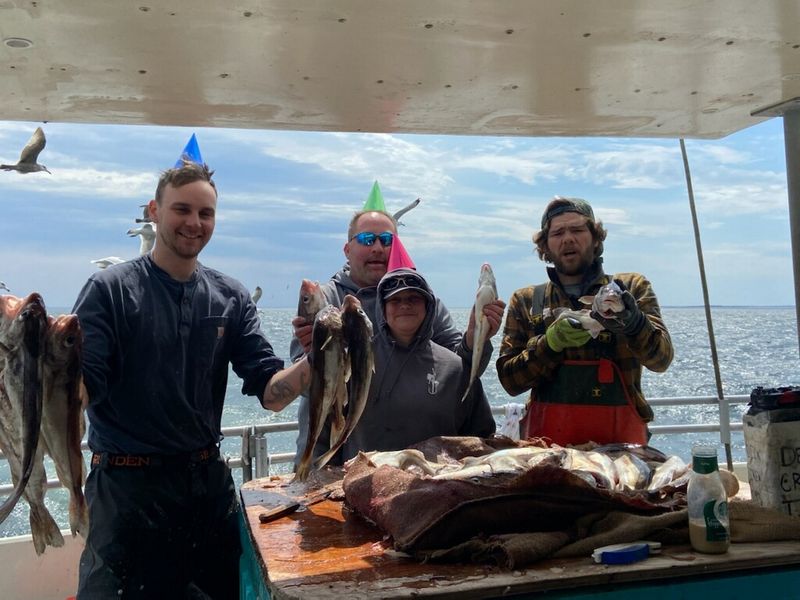
Hear the clang of rigging against masts and the rumble of diesel engines starting up before sunrise. Gloucester Harbor remains stubbornly, proudly functional.
This isn’t a marina full of pleasure boats. These are working vessels that head out to Georges Bank and return loaded with fish.
Walk the public areas along the waterfront to watch crews unload their catch, mend nets, and prepare for the next trip. Seagulls wheel overhead, hoping for scraps.
The smell of fish, diesel fuel, and ocean creates a scent you’ll either love or tolerate, but it’s authentic.
Several seafood processing facilities still operate near the docks, maintaining the supply chain that made Gloucester famous. You can buy fish so fresh it was swimming that morning from vendors near the harbor.
The waterfront also hosts the occasional festival celebrating Portuguese, Italian, and Sicilian fishing heritage that shaped the city’s culture.
Seafood So Fresh It Spoils You Forever
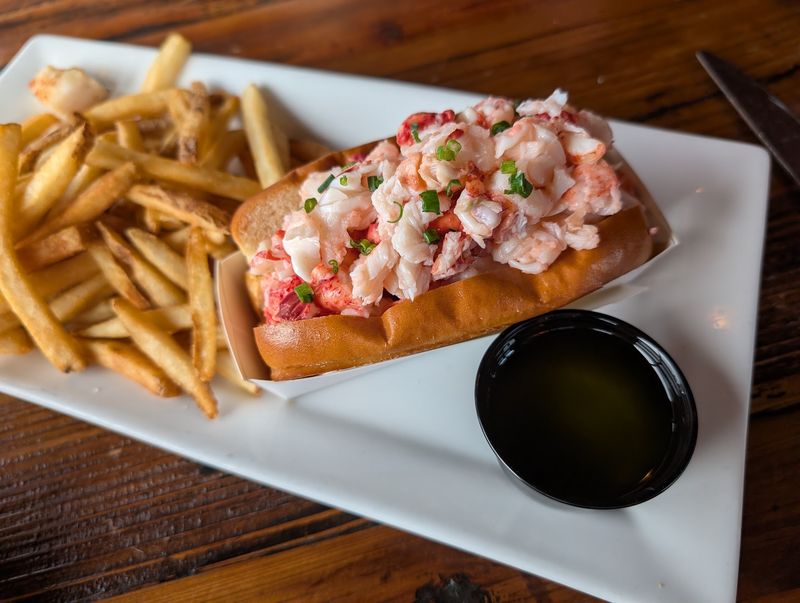
Bite into a lobster roll where the meat was caught hours ago, not days. Gloucester’s restaurants serve seafood with a directness other towns can’t match.
The fish didn’t fly across the country frozen. It came off a boat you can probably see from your table.
Local institutions like Latitude 43 and The Gloucester House have been feeding hungry diners for decades. Fried clams here set the standard, sweet and tender in a light, crispy coating.
Chowder arrives thick with chunks of fish, potatoes, and cream. Even simple fish and chips tastes different when the fish is this impossibly fresh.
Don’t overlook the Portuguese and Italian influences in Gloucester’s food scene. Family restaurants serve bacalhau, linguica, and other dishes reflecting the immigrant communities that built the fishing fleet.
Save room for something sweet from a local bakery, where pastries follow old-country recipes.
Watching Giants Breach Just Miles From Shore
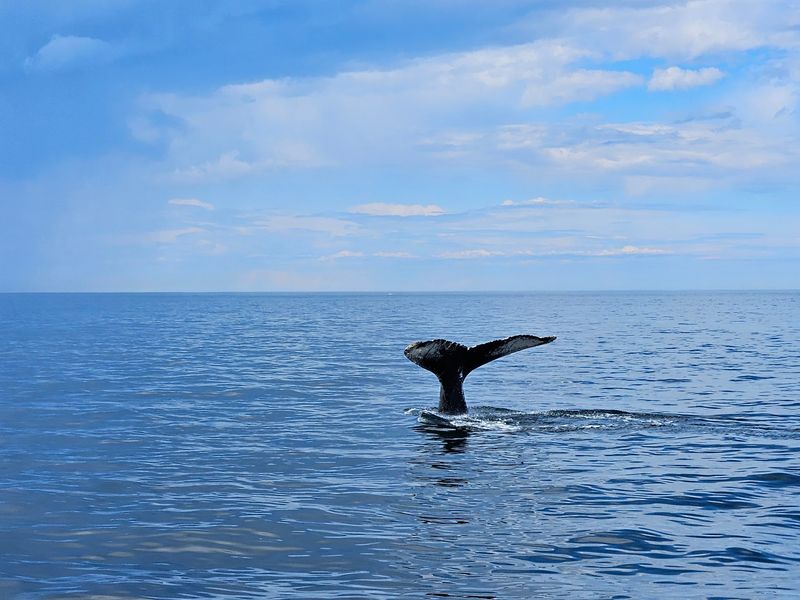
Feel the boat slow as the naturalist points toward a massive shadow beneath the surface. Then, tons of humpback whale explodes upward, water streaming off its body as it crashes back down.
People scream, kids jump, cameras click frantically. Whale watching from Gloucester puts you right in the action.
Several companies run tours from the harbor to Stellwagen Bank National Marine Sanctuary, one of the Atlantic’s best feeding grounds for whales. The relatively short boat ride means less time traveling and more time watching these magnificent creatures feed, breach, and slap their tails.
Humpbacks, finbacks, and minke whales appear regularly during the season.
Naturalists aboard the boats identify individual whales by their tail patterns and share stories about their behaviors and migrations. You’ll learn these aren’t just whales, they’re known personalities that return year after year.
The experience changes how you think about ocean conservation.
A Lighthouse Walk That Rewards the Journey
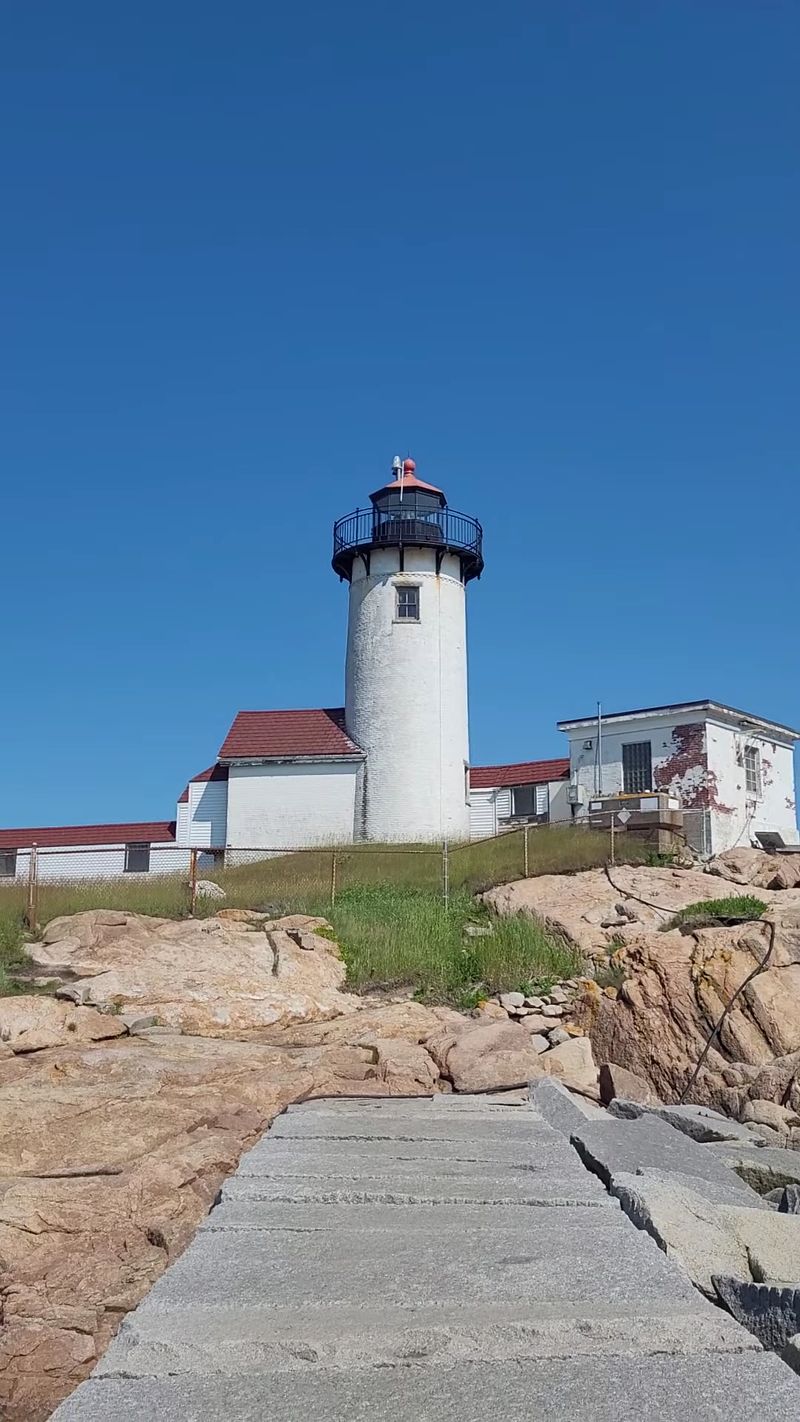
Leave your car behind and walk the causeway toward a lighthouse that marks Gloucester Harbor’s entrance. Eastern Point Light stands white and proud on a rocky outcrop, though you can’t go inside since it’s on Coast Guard property.
The real treasure is the walk itself and the views it delivers.
The narrow road crosses water on both sides, giving you the sensation of walking on the ocean. Waves crash against the rocks just feet away.
Seabirds float on the current. At the end, you can explore the rocky coastline, watching boats navigate the channel while waves pound the granite.
This area forms part of a scenic drive through some of Gloucester’s most beautiful residential neighborhoods, where sea captains’ homes perch above the water. The entire Eastern Point peninsula offers one stunning view after another.
Bring a camera and plan to stop frequently, because you won’t be able to help yourself.