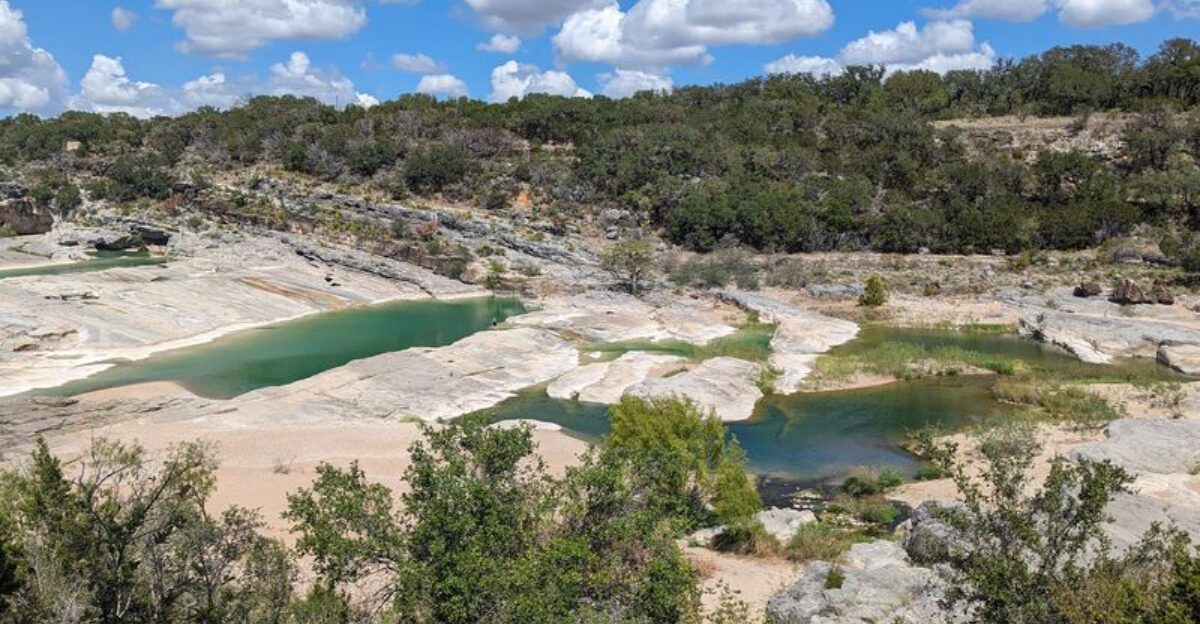
Texas hides old stories under dusty trails, creek beds, riverbanks, and limestone ledges.
A tiny shell, shark tooth, or dinosaur track can turn a normal weekend into a treasure hunt from millions of years ago.
Fossil hunting also teaches patience, science, and respect for wild places, because the best finds often come from slow looking, safe steps, and careful hands.
Grab sturdy shoes, water, sun protection, and a curious mind, then follow along as we visit fossil spots where families, beginners, and rock lovers can search for clues from ancient seas, forests, and giant reptiles.
Some places welcome collecting, while others protect fossils for everyone to see, so rules matter as much as excitement.
Check park pages before you go, bring a small bag for legal finds, and leave fragile sites cleaner than you found them.
The past is waiting, and Texas makes it surprisingly easy to meet it.
1. Mineral Wells Fossil Park – Mineral Wells
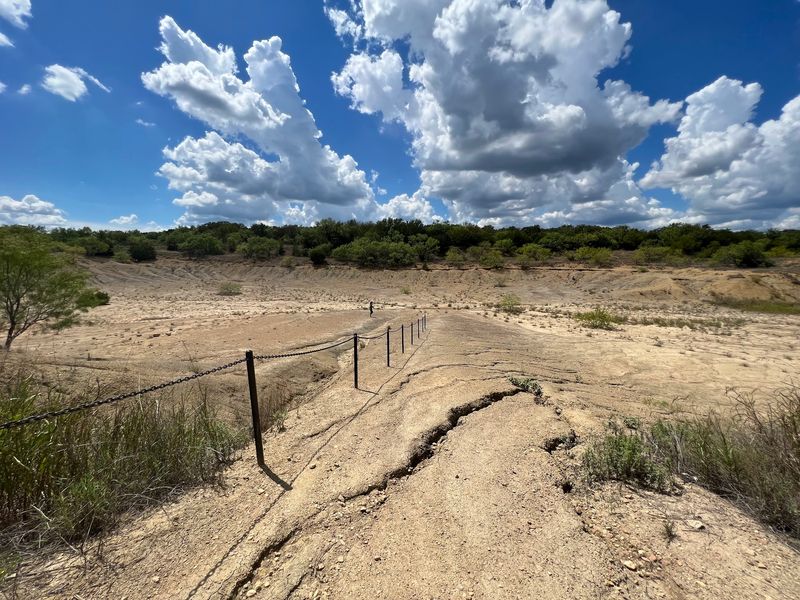
Crunchy gray shale makes Mineral Wells Fossil Park feel like a giant broken cookie full of ancient prizes.
Located in Mineral Wells, west of Fort Worth, this free park is famous for Pennsylvanian-age marine fossils around 300 million years old.
You may spot crinoid stems, brachiopods, clams, corals, and tiny sea creatures from a time when Texas sat under warm water.
Bring gloves, a hat, water, and a small container, but skip heavy tools because the fossils often weather out naturally.
Kids usually love this place because finds can appear within minutes after a slow walk across the loose rock.
Look closely at small pieces, since the best fossils are not always the biggest ones.
The park allows collecting for personal use, which makes it friendly for beginners.
Still, follow posted rules, fill no deep holes, and avoid climbing steep cuts after rain.
A quick stop at the city website before visiting helps confirm hours and any temporary closures.
For an easy first fossil trip, Mineral Wells feels welcoming, low-pressure, and wonderfully dusty.
Pack snacks, take photos of unusual finds, and label your treasures when you get home so the story stays attached.
2. Ladonia Fossil Park – Ladonia
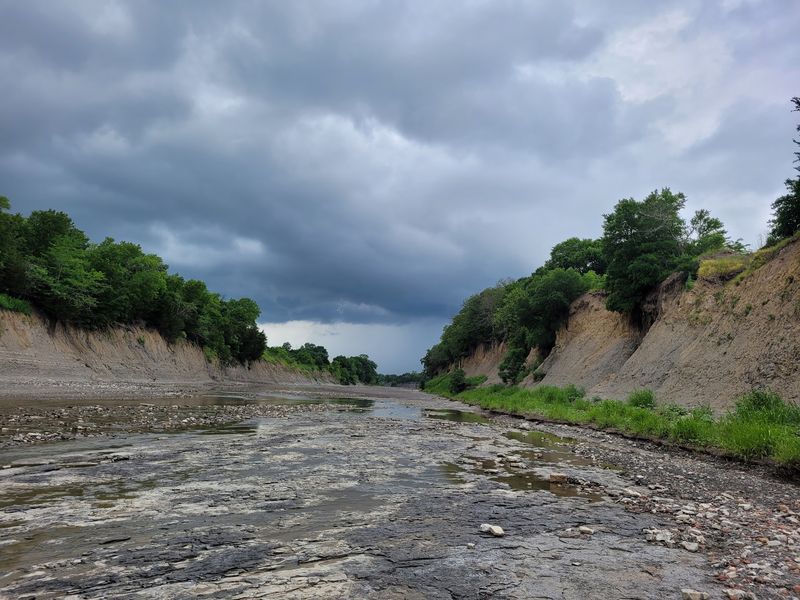
A muddy boot may be your best souvenir from Ladonia Fossil Park, and honestly, that is part of the charm.
Near the town of Ladonia in northeast Texas, this park gives visitors access to fossil-bearing areas along the North Sulphur River system.
The ground can reveal Cretaceous marine fossils, including shells, shark teeth, ammonites, and bone fragments washed from the banks.
Weather changes the hunt here more than at many places.
After safe water levels return from rain, new material may appear on gravel bars and exposed clay.
Always check conditions first, because flash floods and slick banks can turn a fun outing dangerous fast.
Use your eyes before your hands, scanning for shapes that look too neat to be random.
A small garden trowel, kneeling pad, and mesh bag can help, but respect rules about digging and collecting.
If you find something large or unusual, photograph it in place and report it rather than dragging it away.
Ladonia rewards patient walkers who do not mind dirt under their fingernails.
Go early, carry extra water, and expect the river to rewrite the treasure map between visits.
3. North Sulphur River – Ladonia
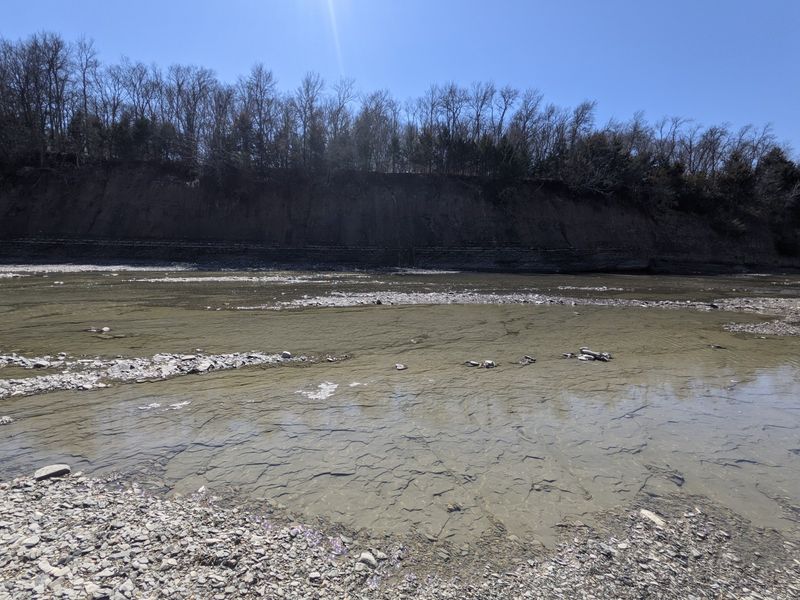
One bend of the North Sulphur River can look empty until your eyes adjust, then shapes begin to pop from the gravel.
Near Ladonia, this river cuts through Cretaceous layers that once formed the floor of an inland sea.
Hunters often search for shark teeth, mosasaur bits, ammonite pieces, oysters, and other marine fossils loosened by erosion.
Safety deserves top billing here.
The river can rise quickly, banks crumble, and mud can grab shoes with surprising force.
Check weather, avoid storms, and never enter deep or fast water just to reach a tempting rock bar.
A smart plan is to walk slowly downstream while scanning gravel piles, then return before you feel tired.
Wear boots with grip, bring a walking stick, and keep your phone protected in a waterproof bag.
Summer heat can be fierce, so shade breaks and water matter more than one extra fossil.
Because important fossils sometimes appear along this river, treat big finds with care.
Take location notes, snap clear photos, and contact a local museum or university if the piece seems rare.
Small treasures make great keepsakes, but major discoveries can help scientists understand ancient Texas.
4. Post Oak Creek – Sherman
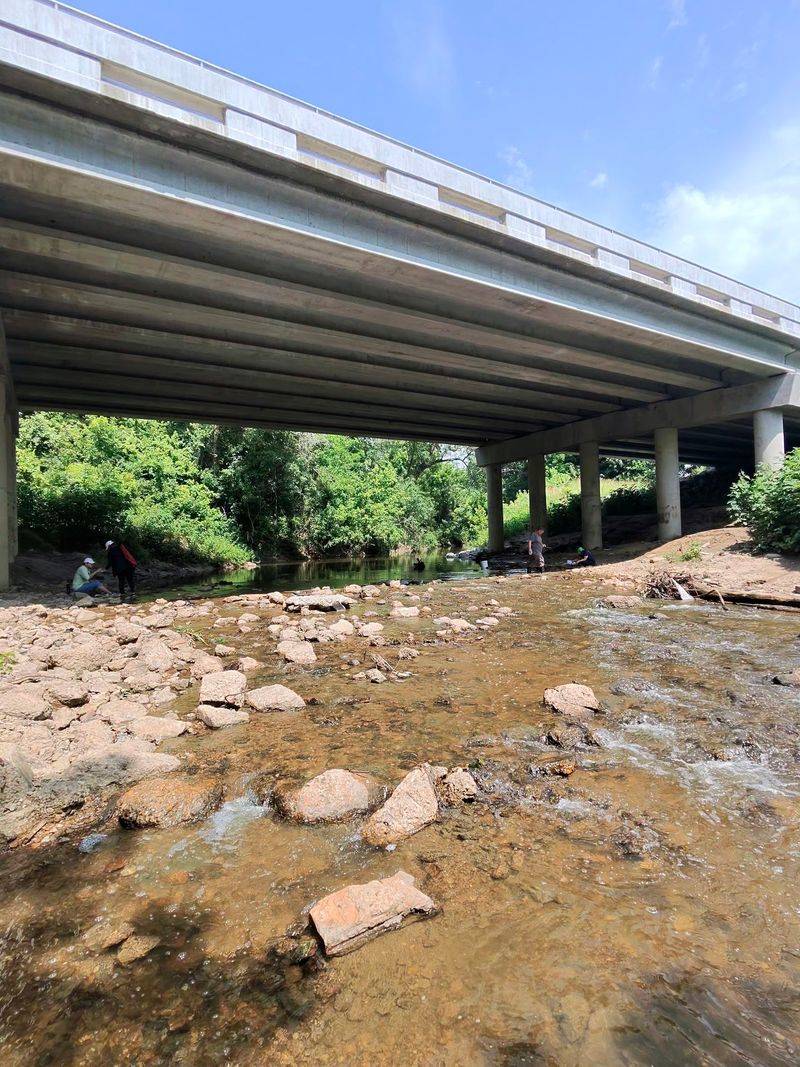
Tiny black triangles are the stars at Post Oak Creek, and spotting one feels like finding nature’s lost arrowhead.
This Sherman creek is well known for fossil shark teeth, along with small marine fossils from ancient seas that covered the area.
Many visitors search gravel bars where water has sorted heavier pieces into easy-to-check pockets.
A simple sifter can make the day more productive.
Scoop gravel from shallow areas, rinse it gently, and look for glossy teeth, bone bits, and shell fragments.
Move carefully so you do not damage the creek banks or private property nearby.
Access can be tricky because not every stretch is public.
Research legal entry points before you go, obey signs, and never cut through yards or fenced land.
Local fossil groups often share helpful guidance about safe spots, water levels, and what to expect.
Post Oak Creek works well for patient beginners because finds are often small and satisfying.
Bring a toothbrush for cleaning later, not in the creek, and separate sharp teeth in a small case.
When you return home, compare shapes with fossil guides, since different shark species left different tooth styles behind.
5. Brazos River – Central Texas
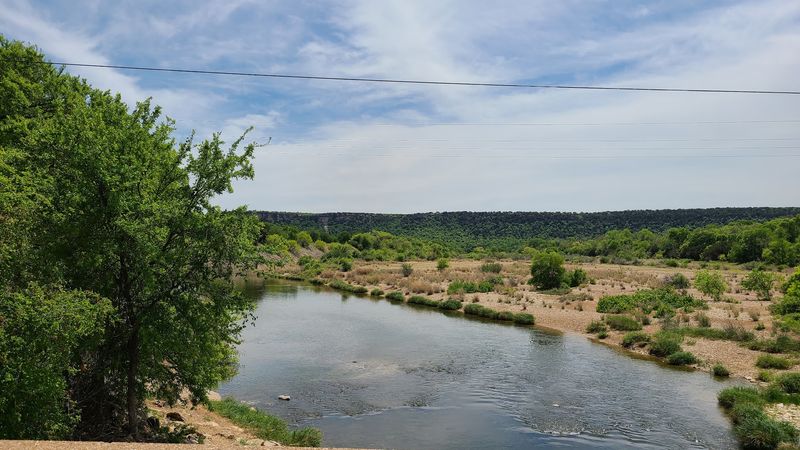
The Brazos River carries more than water; it carries scraps of Texas history from far upstream.
Across Central Texas, gravel bars and cutbanks may hold fossils, petrified wood, and ancient shell material depending on the exact location.
Because the river is long, each stretch has its own geology, access rules, and collecting limits.
Plan this trip like a mini expedition, not a random roadside stop.
Start with public access points, state park information, or local geology maps before choosing a stretch.
Private land borders much of the river, so permission is not optional.
Gravel bars are usually the best places to scan after water levels drop safely.
Look for textures that stand apart from normal rock, such as patterned shell, honeycomb coral, or wood grain turned to stone.
A hand lens can turn a plain pebble into a tiny museum display.
The Brazos also asks for respect.
Currents can be stronger than they look, sand can shift, and hot days can wear people down quickly.
Travel with a buddy, tell someone your plan, and leave wildlife alone while you search.
For curious explorers, the reward is variety.
You may not know exactly what the river will show you, and that surprise keeps the hunt lively.
6. Colorado River – Smithville
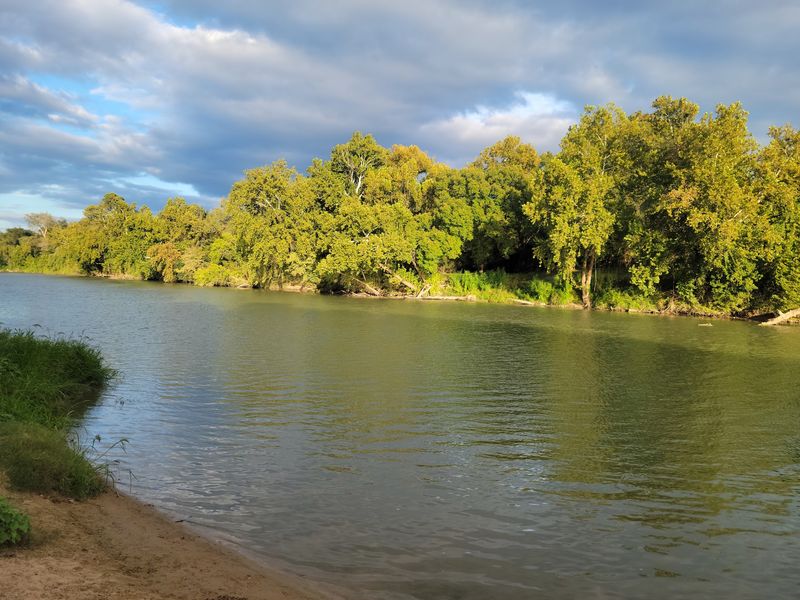
Morning light on the Colorado River near Smithville can make every wet stone shine like a clue.
This Central Texas river area offers gravel bars, sandy banks, and eroded layers where fossil fragments may wash into view.
Finds can vary, but patient searchers may notice shell impressions, worn marine fossils, or pieces of petrified wood.
Smithville gives the trip extra personality with small-town food, parks, and river scenery close by.
That makes it a nice choice for families who want a fossil hunt without spending the whole day in rough country.
Check public river access points and local regulations before collecting anything.
Water levels shape the experience.
Low, calm conditions expose more gravel, while recent floods can rearrange bars and uncover fresh material.
Never trust a slippery bank, and keep children away from sudden drop-offs.
A good method is to scan slowly from different angles.
Sunlight can hide or reveal ridges, so turn stones over gently and watch for repeated patterns.
Carry out trash, even if it is not yours, because clean rivers make better adventures.
The Colorado near Smithville feels relaxed, scenic, and a little mysterious.
Some days give only pretty rocks, but the peaceful search is still worth the drive.
7. Davy Crockett National Forest – Ratcliff
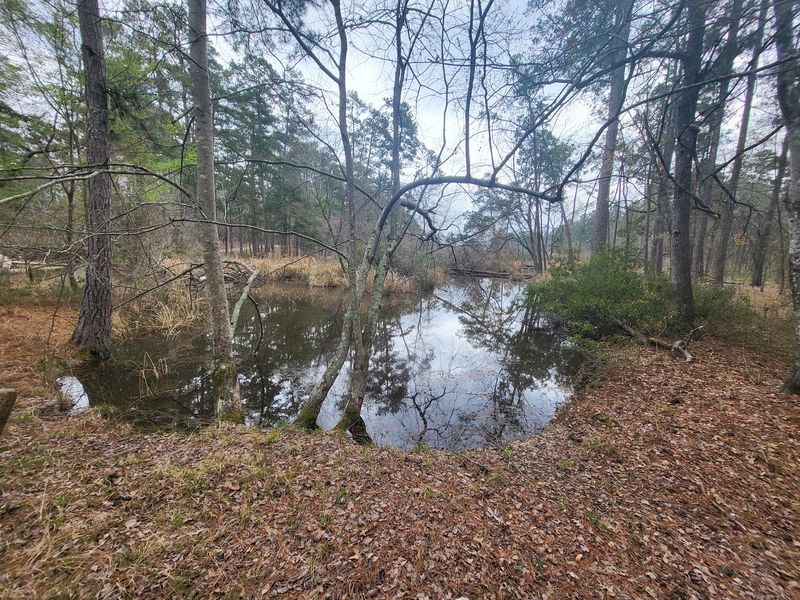
Pine needles, sandy trails, and quiet creeks give Davy Crockett National Forest a different fossil-hunting mood from open riverbeds.
Near Ratcliff in East Texas, the forest sits in a region with complex layers that can include ancient marine sediments and petrified wood in some areas.
The real fun is mixing nature study with careful observation.
Rules matter strongly on national forest land.
Before collecting, contact the ranger district or check current U.S.
Forest Service guidance, because protected resources and special areas may have limits.
When in doubt, photograph a find and leave it where it rests.
Ratcliff Lake Recreation Area makes a handy base for hiking, picnicking, and exploring nearby scenery.
Walk creek edges only where access is allowed, and avoid digging into banks, roots, or trail cuts.
Small surface pieces can be interesting, but habitat damage is never worth it.
This spot suits travelers who enjoy the whole outdoor package.
Bird calls, tall pines, and soft forest light turn the search into a slower adventure.
Bring bug spray, a map, and a sense of wonder rather than a giant tool kit.
East Texas may not shout fossils at you, but it rewards careful eyes and respectful footsteps.
8. Lake Casa Blanca – Laredo
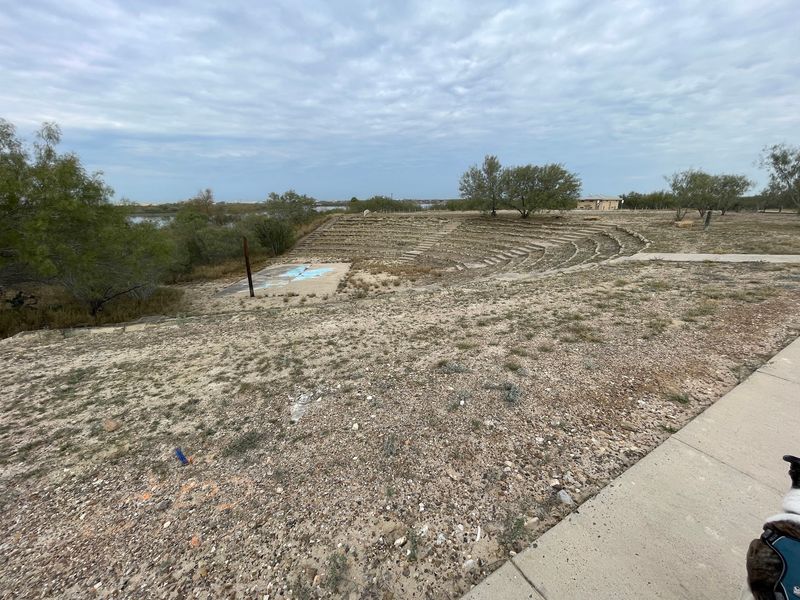
South Texas heat adds drama to Lake Casa Blanca, where the shoreline can feel like a sunbaked history book.
Located in Laredo, Lake Casa Blanca International State Park sits in an area with limestone and sedimentary rocks tied to ancient marine environments.
Visitors may notice fossil shell impressions or interesting rock textures while exploring legal public areas.
This is a state park, so collecting rules are different from open fossil parks.
Texas state parks generally protect natural and cultural resources, which means fossils should usually be observed, photographed, and left in place.
Ask park staff if you are unsure, because rules can change by location and resource.
The lake offers more than fossil curiosity.
Families can fish, picnic, hike, watch birds, and enjoy wide South Texas skies between short geology stops.
Early morning is best, since summer afternoons can be brutally hot.
Bring plenty of water, sunscreen, and shoes that handle rocky ground.
Look for patterns in limestone, especially shapes that resemble shells or sea life outlines.
A phone photo with a coin for scale makes a helpful record.
Lake Casa Blanca is ideal for fossil fans who can enjoy looking without pocketing.
Sometimes the best treasure is knowing an ancient sea reached this far inland.
9. Paluxy River – Glen Rose
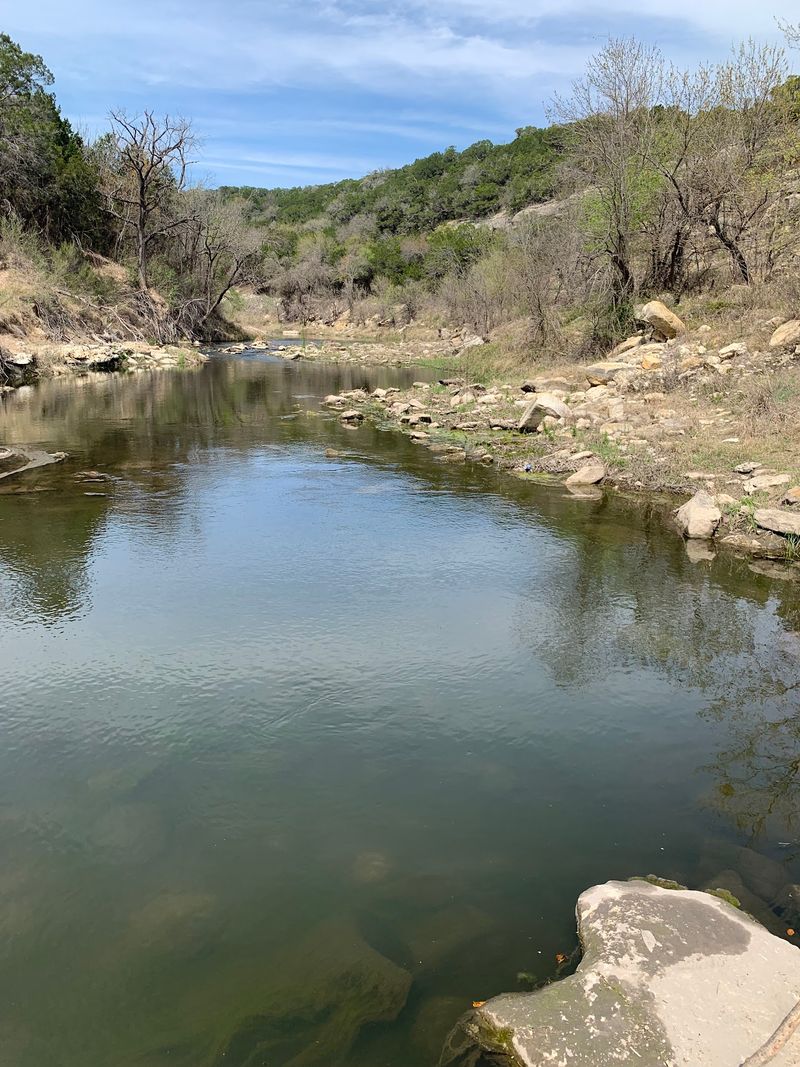
Dinosaur footprints in a Texas riverbed sound made up, yet Glen Rose proves they are wonderfully real.
The Paluxy River at Dinosaur Valley State Park preserves famous tracks left by dinosaurs during the Cretaceous Period.
Many prints are in limestone ledges along or within the river, depending on water level.
This is a looking place, not a collecting place.
The tracks are protected, and visitors should never chip, mark, cast, or damage them.
Park maps and ranger updates can help you find track sites that are visible during your visit.
Low water usually gives the best chance to see footprints clearly.
After rain, some tracks may hide under flowing water or sediment, so check park conditions before driving to Glen Rose.
Wear shoes with grip because wet limestone can be slick.
Kids often connect with this site fast because a footprint feels personal.
It shows where a living animal stepped, not just where a bone ended up.
That simple idea can turn a short walk into a time-travel moment.
Bring a camera, patience, and maybe a picnic for after the hunt.
The Paluxy reminds visitors that ancient treasures do not always fit in a backpack.
Some belong exactly where time left them.
10. Pedernales Falls – Johnson City
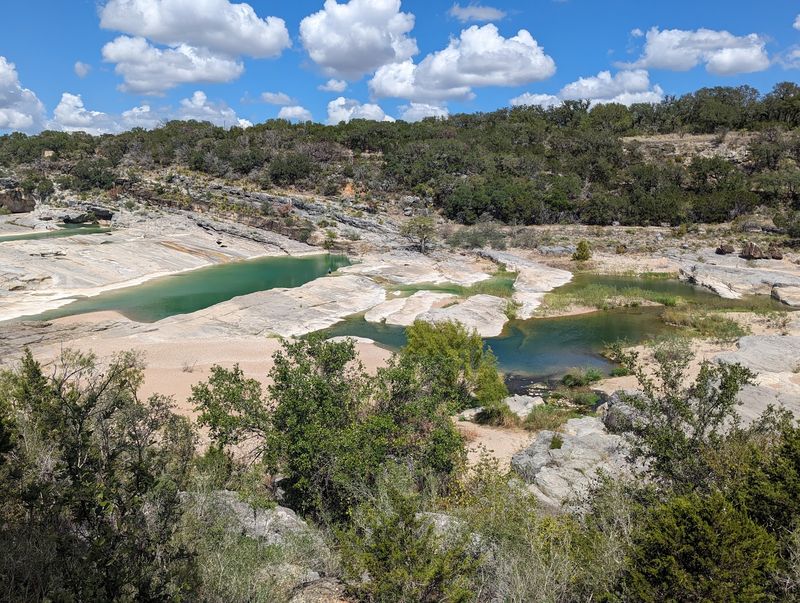
At Pedernales Falls, water slides over pale limestone like glass over an old stone table.
Near Johnson City in the Texas Hill Country, Pedernales Falls State Park shows off layered rock shaped by the Pedernales River.
Fossil impressions can sometimes be seen in limestone, hinting at ancient seas that covered the region long before the falls existed.
Collecting is not the goal inside the state park.
Natural objects are protected, so enjoy fossils with your eyes and camera instead of your pockets.
That rule keeps the site beautiful and educational for the next visitor.
The rocks here deserve caution as much as admiration.
Flash floods can arrive suddenly, even when the sky above looks calm.
Stay out of closed areas, follow warning signs, and leave the riverbed when water rises or changes color.
A slow walk along approved trails gives you the best chance to notice details.
Look for shell-like shapes, ripples, and textures in exposed limestone surfaces.
A field guide or geology app can help turn odd marks into understandable clues.
Pedernales Falls works beautifully as a fossil-themed day trip for people who love scenery first.
You get waterfalls, Hill Country views, and a quiet reminder that Texas stone has a very long memory.