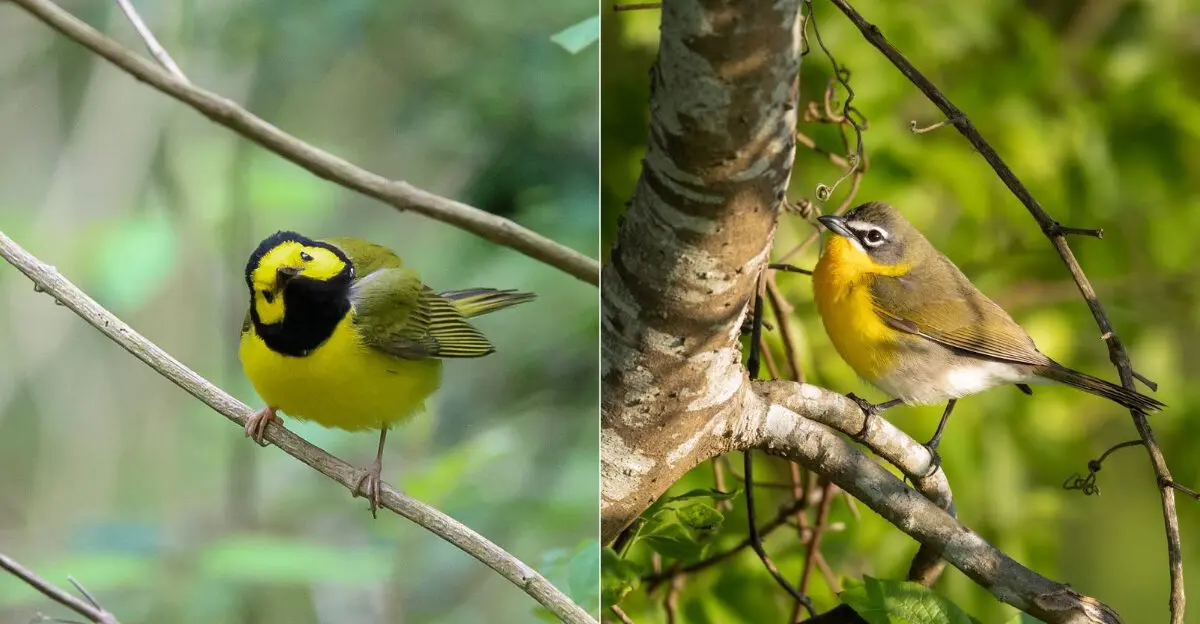
A single quiet pond can suddenly become the busiest place in the landscape. A heron may lift from the reeds, a warbler can flick through the branches, and shorebirds may gather along the water while you stand still enough to notice it all.
Texas bird sanctuaries offer countless moments like these. From the Gulf Coast to inland wetlands and wooded habitats, these protected places give birds room to rest, feed, nest, and continue their journeys.
For visitors, they create rewarding opportunities to see everything from colorful songbirds to graceful wading birds and energetic shorebirds in settings that range from peaceful boardwalks to wide-open coastal spaces.
The appeal is not just the number of birds, but the feeling of slowing down and watching their world unfold. If you are ready to spend more time outside with binoculars in hand, these 11 Texas bird sanctuaries are worth exploring.
Boy Scout Woods Sanctuary
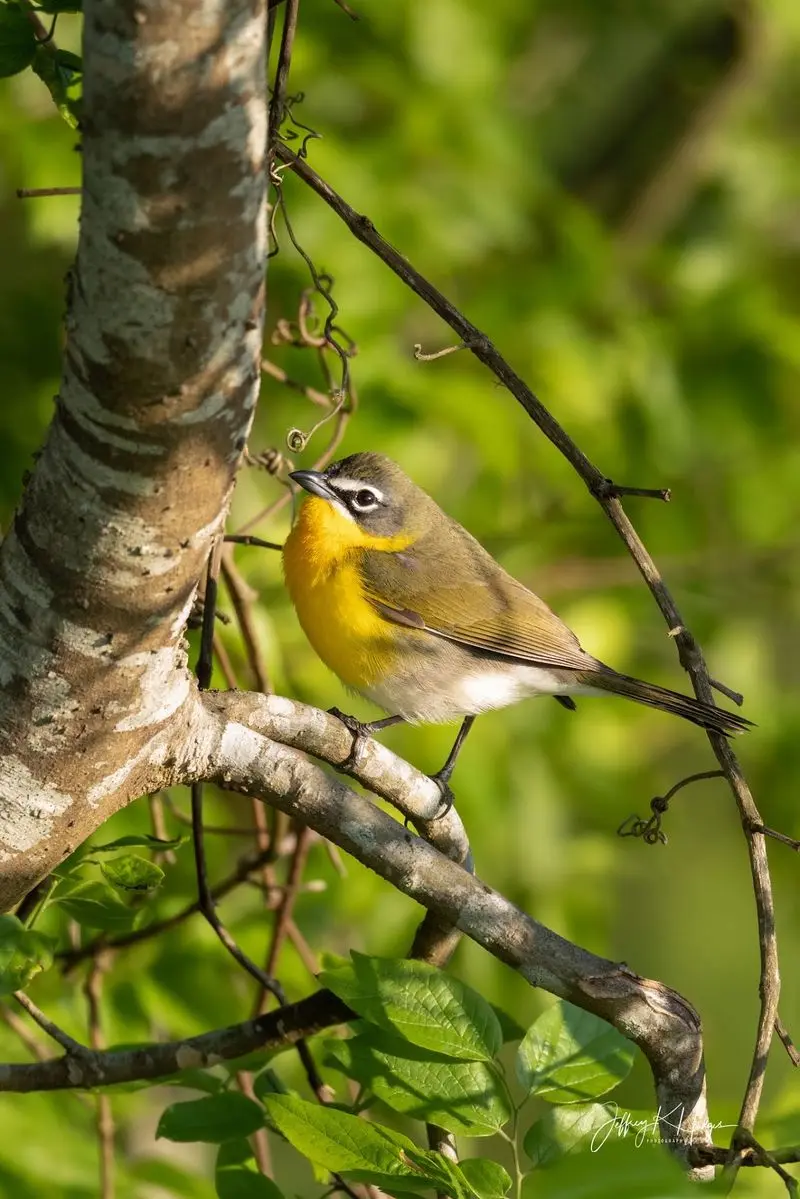
The woods feel hushed at first, and then the sound builds. Leaves shake, water ripples, and suddenly every branch seems to hold a traveler fresh from crossing the Gulf.
That sense of quiet surprise is what makes a visit here so memorable.
Later, you realize you are standing in Boy Scout Woods Sanctuary in High Island, one of the best-known migration stops on the Texas coast. Boardwalks make it easier to move through the habitat, and Purkey’s Pond often becomes the star of the show when thirsty birds gather to drink and bathe.
Bring water, bug spray, and a little patience. Early morning usually feels richest, especially in spring, when warblers, orioles, and tanagers can appear close enough to study without rushing.
If you are new to birding, volunteers and regular visitors often help point out what you might miss.
Hours pass quickly here because the action changes minute by minute. One calm bench, one shaded trail, and one lively pond can turn a simple walk into a full day of looking up.
Smith Oaks Sanctuary
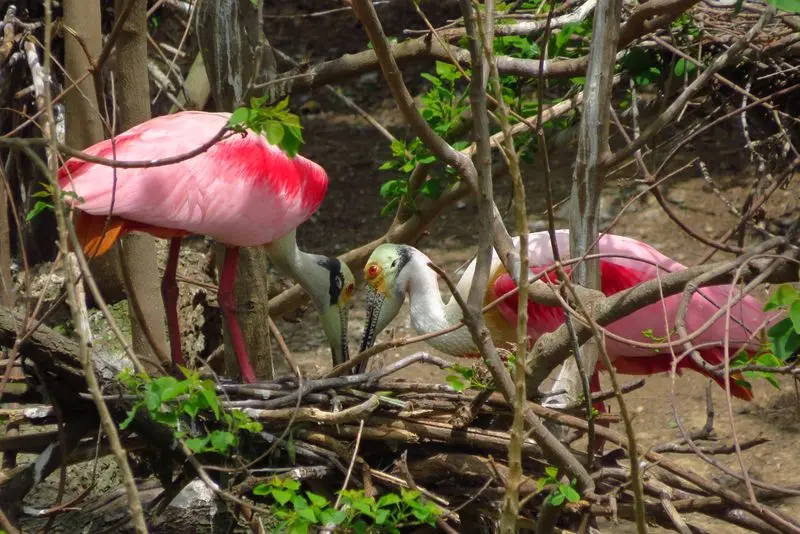
A little noise can mean something wonderful in the bird world. Squawks, wingbeats, and splashing water come together here in a scene that feels busy, wild, and almost theatrical.
Few places make nesting season feel this immediate.
Smith Oaks Sanctuary in High Island is famous for its rookery, where herons, egrets, cormorants, and roseate spoonbills gather in impressive numbers. The canopy walkway gives visitors a rare eye-level view into the treetops, while nearby ponds add even more movement below.
It is the kind of place where one glance becomes twenty.
Plan for more time than you think you need. A camera with a zoom lens helps, but simple binoculars work well too, especially when birds are flying in with sticks or settling onto nests.
Good walking shoes matter because trails, viewing areas, and sudden stops can add up fast.
There is real drama here, but also stillness if you pause. Watching adults feed chicks or hearing the rookery wake up makes the sanctuary feel less like a park and more like a front-row seat to spring.
Eubank Woods Bird Sanctuary
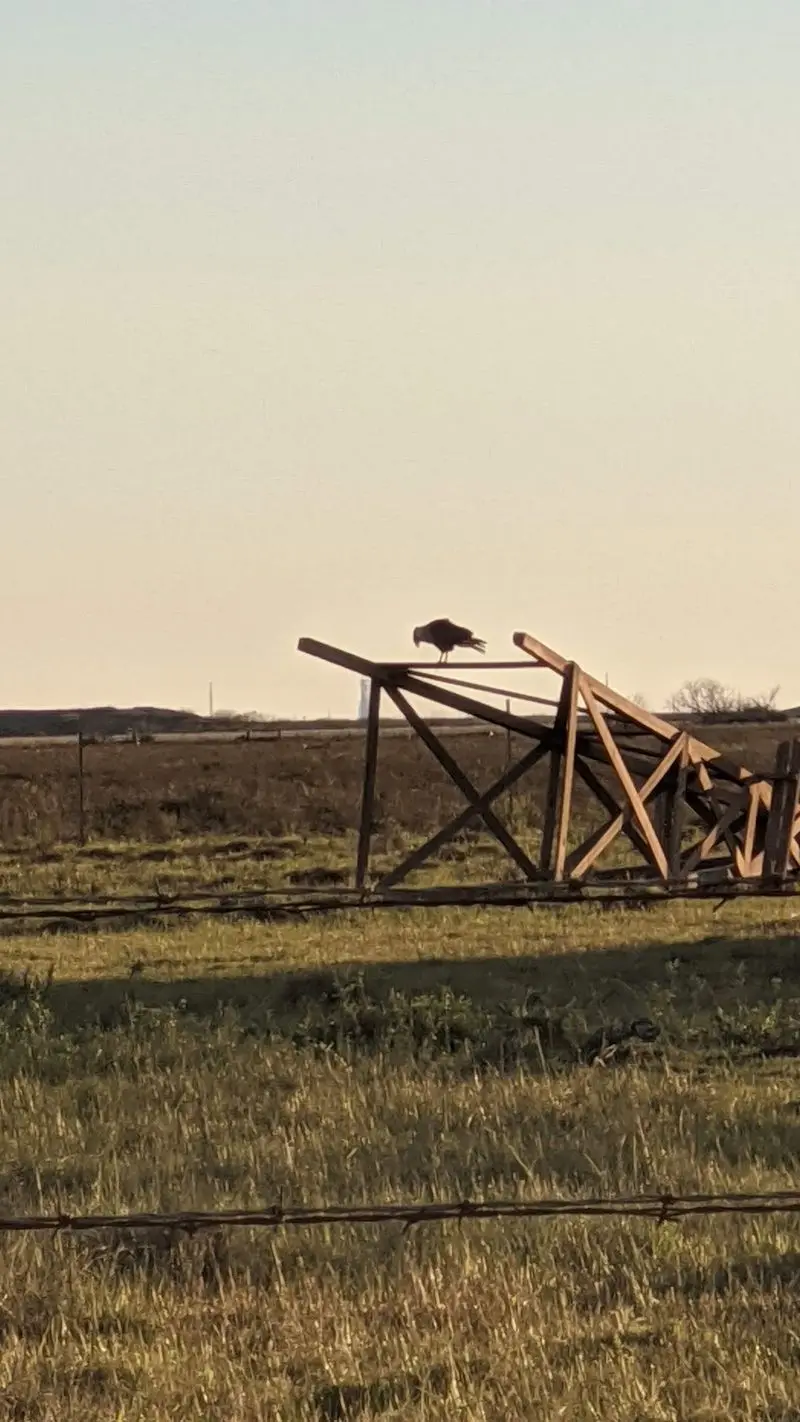
Not every great birding stop announces itself with crowds or big views. Some places work their charm in a softer way, with shaded paths, still water, and the feeling that something bright and feathered could appear at any second.
Eubank Woods Bird Sanctuary in High Island has that kind of mood. It is smaller than some nearby sanctuaries, yet the mix of woods and wetlands gives migrating birds a useful place to rest.
Because the setting feels more tucked away, many visitors find it easier to slow down and notice little movements in the leaves.
Come ready to listen as much as look. A faint chip note or a sudden flutter may lead you to a warbler, vireo, or flycatcher that blends neatly into the branches.
Mornings after bad weather can be especially rewarding, since tired migrants often stay low and visible.
What stays with people is not only the species list, but the calm. Eubank Woods rewards gentle attention, and that makes a couple of quiet hours feel richer than a rushed stop somewhere larger or louder nearby.
Bolivar Flats Shorebird Sanctuary
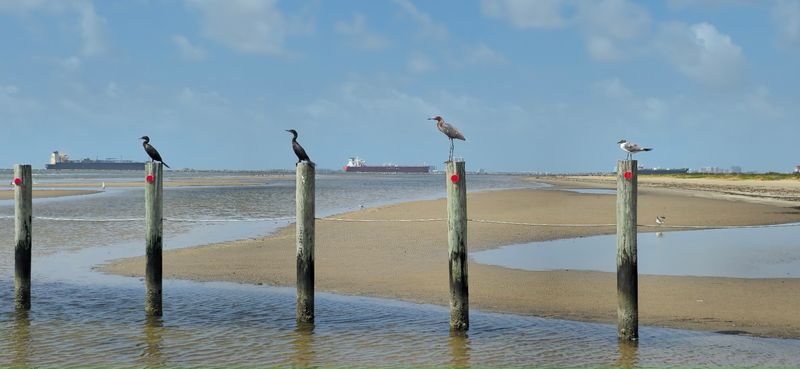
The beach looks almost empty until you really focus. Then the sand begins to move with tiny legs, quick beaks, and whole flocks shifting like silver confetti along the shoreline.
Shorebird fans can lose track of time in a place like this.
Bolivar Flats Shorebird Sanctuary in Port Bolivar protects one of the most important coastal habitats in Texas. Mudflats, salt marsh, and beach create feeding space for plovers, sandpipers, avocets, and many other birds.
At low tide, the exposed ground often turns into a busy dining room for species that seem plain at first glance but become fascinating up close.
Wear shoes that can handle sand and damp ground, and bring sun protection because shade is limited. A spotting scope is helpful, though binoculars still reveal plenty.
The key is to move slowly and give birds space, especially when they are feeding or resting near the waterline.
What makes Bolivar Flats special is the scale. You are not just seeing a few birds.
You are watching an entire coastal system at work, and that bigger picture stays with you long after you leave.
Dos Vacas Muertas Bird Sanctuary
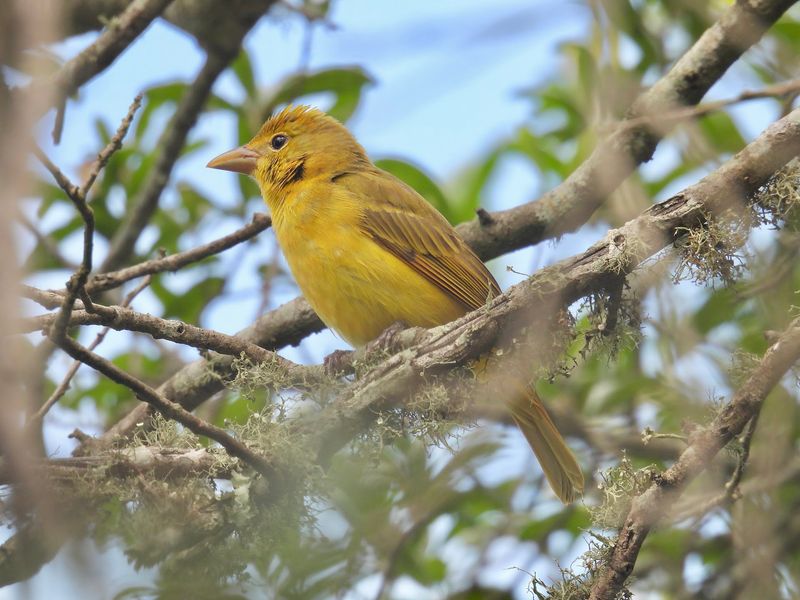
Small sanctuaries can surprise you the most. A turn in the boardwalk, a patch of oak shade, and a sudden flash of wings over the pond can make a compact place feel much larger than it looks on a map.
That is part of the charm of Dos Vacas Muertas Bird Sanctuary in Galveston. Despite its modest size, it includes a pond, marsh, coastal grassland, and live-oak woodland, plus views toward West Bay.
The variety packs a lot into one stop, and different habitats mean different bird possibilities within a short walk.
Spend a few extra minutes near any water feature, especially when songbirds are active or waders are working the shallows. Benches make it easier to sit and wait, which is often when the best moments happen.
The sanctuary also pairs well with a wider Galveston day, whether that means lunch on the island or a sunset drive afterward.
There is a thoughtful, resilient feeling here that lingers. Instead of overwhelming you with size, the place wins you over through texture, contrast, and the simple pleasure of seeing so much life gathered into one small coastal pocket.
Houston Audubon: Winters Bayou Wildlife Sanctuary
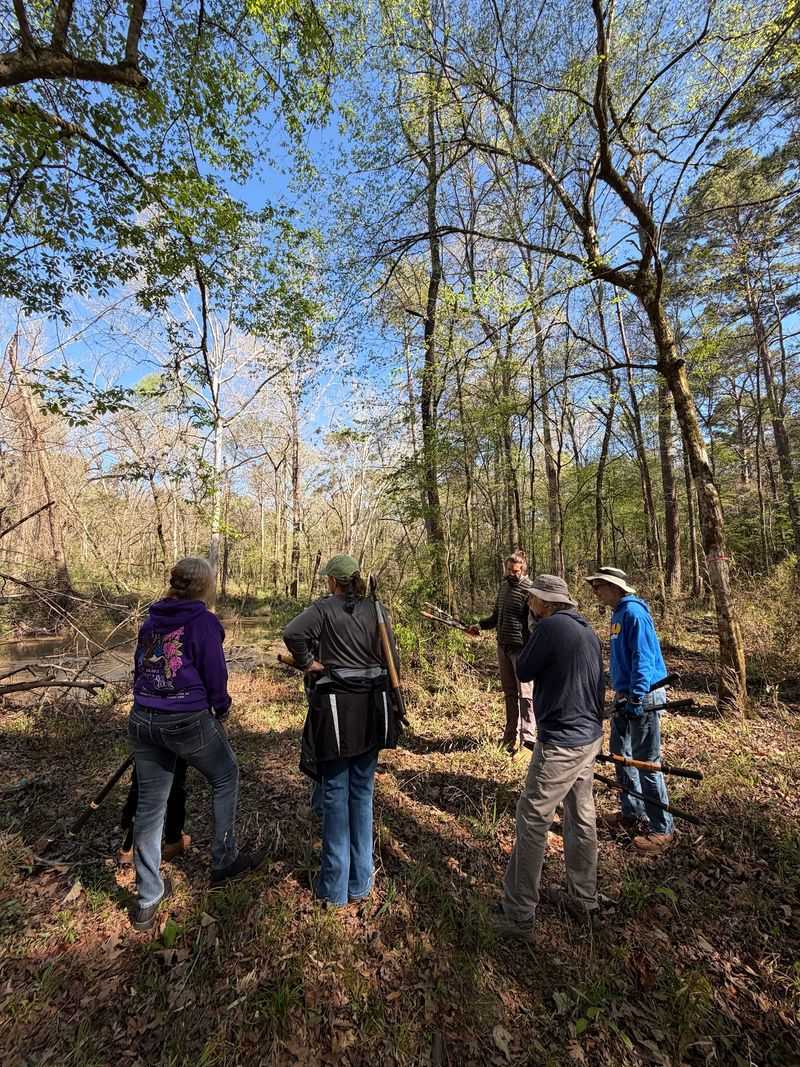
The air feels different away from the coast. Pine scent replaces salt, the light filters through taller woods, and the birding becomes quieter and more patient.
For many visitors, that change alone makes this sanctuary stand out.
Winters Bayou Wildlife Sanctuary near Cleveland offers an inland experience shaped by forest, bayou habitat, and nearby connections to Sam Houston National Forest. Trails, boardwalks, and bridges help visitors move through the landscape without rushing it.
Instead of scanning open flats, you listen for woodpeckers, watch shaded branches, and wait for movement near the understory.
Go early if you can, when the woods feel coolest and bird activity tends to be strongest. A lightweight backpack with water, snacks, and bug spray will make the walk more comfortable.
Even casual birders often enjoy the broader experience here, since the setting feels restorative whether your checklist grows quickly or not.
What makes Winters Bayou memorable is its mood. The sanctuary trades spectacle for depth, offering a slower kind of reward that builds over time and leaves you feeling as if you visited a very different side of Texas bird life.
Sabine Woods Sanctuary
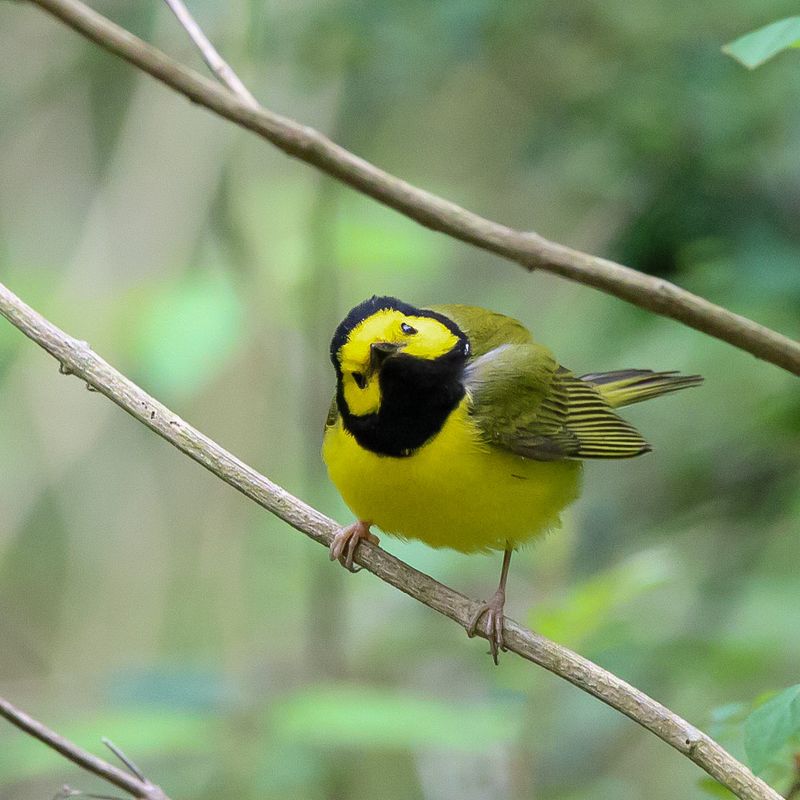
Some migration spots feel legendary long before you arrive. People speak about certain mornings with a kind of awe, when the trees seem to fill overnight and every few steps reveal another songbird catching its breath.
Sabine Woods Sanctuary in Sabine Pass is one of those places. Set on a chenier ridge with large oaks, it gives migrants a vital place to land after crossing the Gulf.
Water drips, shady paths, and benches help both birds and visitors settle in, making the experience feel focused rather than overwhelming.
Spring and fall can both be productive, though timing and weather matter a lot. If winds and conditions line up, warblers, orioles, thrushes, vireos, and cuckoos may appear in exciting numbers.
Bring binoculars, move slowly, and check the lower branches as carefully as the canopy, since tired birds often feed closer to eye level.
The magic of Sabine Woods lies in possibility. Even on a quieter day, the habitat feels charged with purpose.
On a great day, the sanctuary turns into one of those birding memories people talk about for years without needing to exaggerate.
Hooks Woods Bird Sanctuary
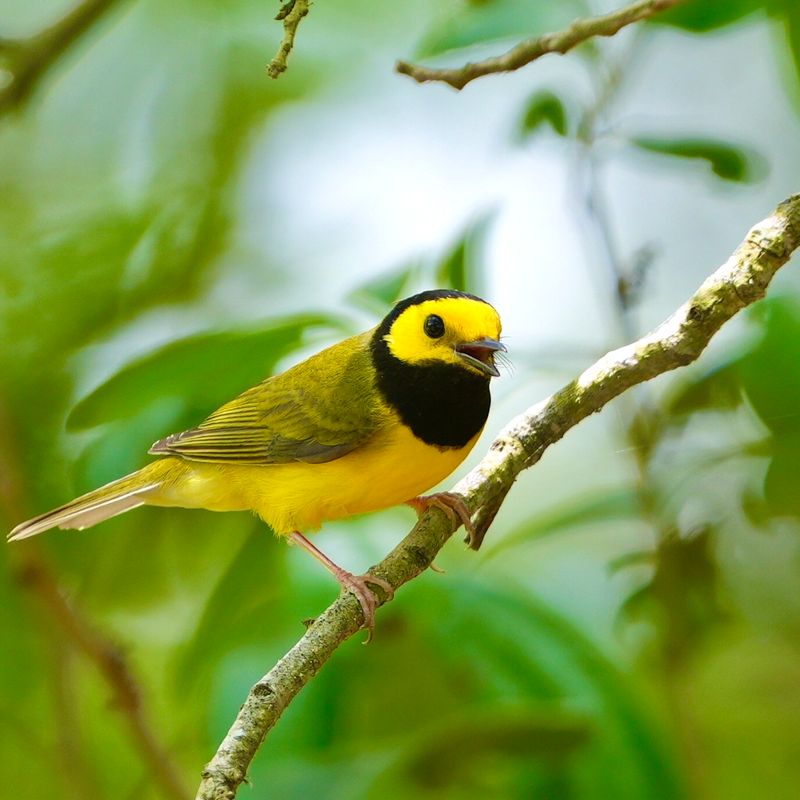
There is something appealing about a birding spot that feels personal right away. Instead of big sweeping scenery, you get a close, almost neighborly setting where every branch, bench, and water source seems placed with care.
Hooks Woods Bird Sanctuary in High Island delivers that intimate kind of visit. Though small, it is managed for migrating songbirds and gives birders a strong chance to watch activity near drips and water features.
The oak cover helps create shelter, and the layout makes it easier to stay still and let the birds come to you.
A blind or quiet viewing area can make all the difference here. Keep your movements slow, and let your eyes adjust before expecting action.
On good migration days, warblers, tanagers, and orioles may pass through in a stream of quick color. Because the space is compact, patience often beats speed.
Many visitors remember Hooks Woods not for its size, but for how close the experience can feel. It is the sort of sanctuary where one excellent look at a bird can outweigh a much longer walk somewhere else entirely.
Sabal Palm Sanctuary
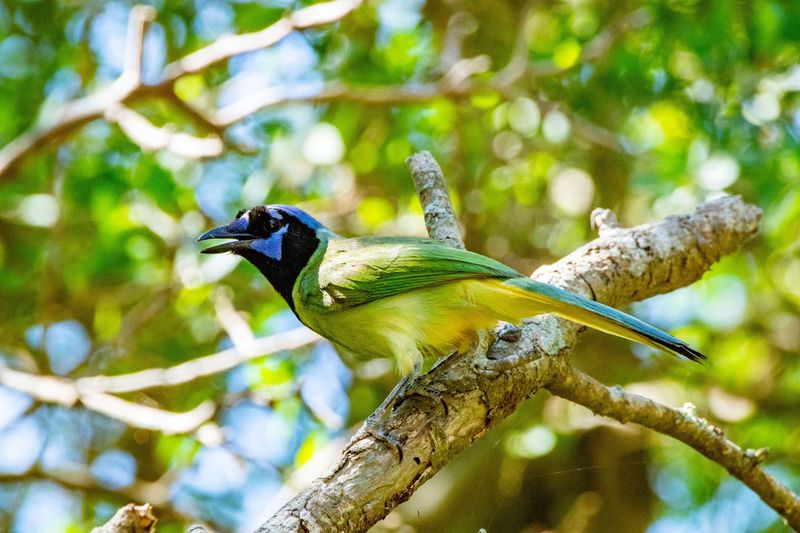
For a moment, Texas barely looks like Texas here. Tall native palms, rich green shade, and flashes of tropical color create a setting that feels closer to another country, which is part of what makes the sanctuary unforgettable.
Sabal Palm Sanctuary in Brownsville protects one of the last stands of native sabal palms in the United States. Trails move through a rare subtropical landscape where birds of the Rio Grande Valley can steal the show.
Green jays, plain chachalacas, and other South Texas favorites give the area a personality unlike anywhere farther north.
The historic Rabb house adds another layer to the visit, and the observation areas help visitors take in both habitat and bird activity without hurrying. Go prepared for heat much of the year, and allow extra time because this is a place where plants, butterflies, and borderland history compete for your attention in a good way.
Sabal Palm feels immersive rather than quick. You are not only checking species off a list.
You are stepping into one of the most distinctive natural corners of the state, and that alone can hold your attention for hours.
Quintana Neotropical Bird Sanctuary
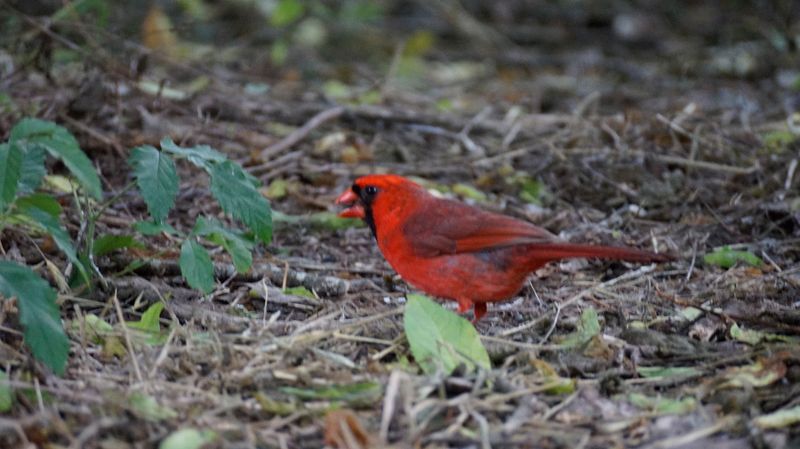
Sometimes the best birding happens in a place that looks modest at first glance. A small patch of green near the coast can become a lifesaving stop for migrants, and that hidden importance gives the sanctuary a special kind of energy.
Quintana Neotropical Bird Sanctuary in Quintana is a well-known migration stop where birds drop in after crossing open water. Water drips, sheltered vegetation, and a photography blind help create close viewing opportunities, especially during spring.
When conditions are right, warblers, buntings, and orioles can appear in quick bursts of color.
The observation tower adds a wider sense of place, but some of the best moments happen lower down along the trails. Move quietly and pause often, since birds may be feeding just a few feet away.
Because it is a day-use sanctuary, it works well for a focused morning trip paired with other coastal stops nearby.
What makes Quintana memorable is its contrast. It may look simple, yet it serves an outsized role in migration.
Once you understand that, every flutter in the brush feels more meaningful and every hour spent there feels well used.
Warbler Woods Bird Sanctuary
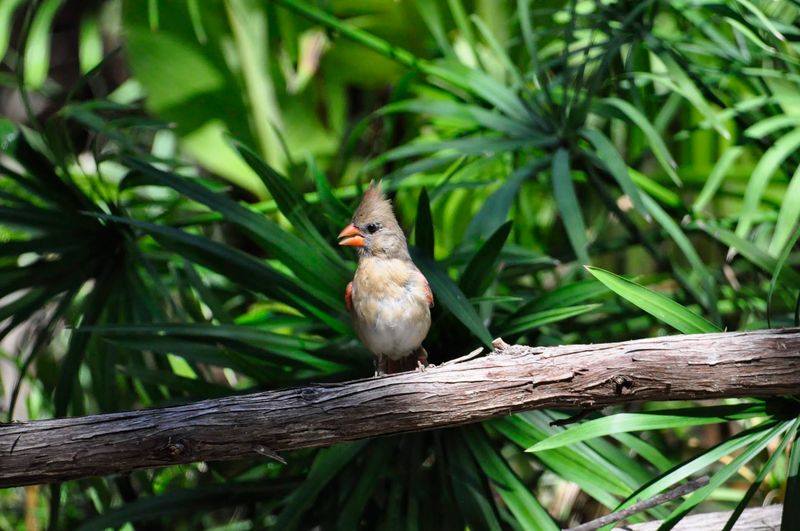
Birders often chase the coast, so finding a richly alive inland refuge can feel like a welcome surprise. Ponds, feeders, and mixed habitat draw attention in different directions, making each stretch of trail feel like its own small chapter.
Warbler Woods Bird Sanctuary in Cibolo offers that layered kind of visit. This private preserve has earned a strong reputation for bird diversity, with habitat that supports a wide mix of species through the year.
Open areas, woods, and water features work together, so the birding changes as you move from one section to another.
Because access may require planning ahead, the trip can feel more intentional than a casual stop. That is not a bad thing.
Once you arrive, you can settle into a quieter pace, watch activity around feeders, and keep an eye on ponds and edges where movement often gathers. Accessible trails also help make the sanctuary welcoming to more visitors.
Warbler Woods stands out for proving that outstanding birding does not belong only to famous coastal migration sites. Its care, variety, and personal feel make time spent here feel meaningful from the first look to the last.