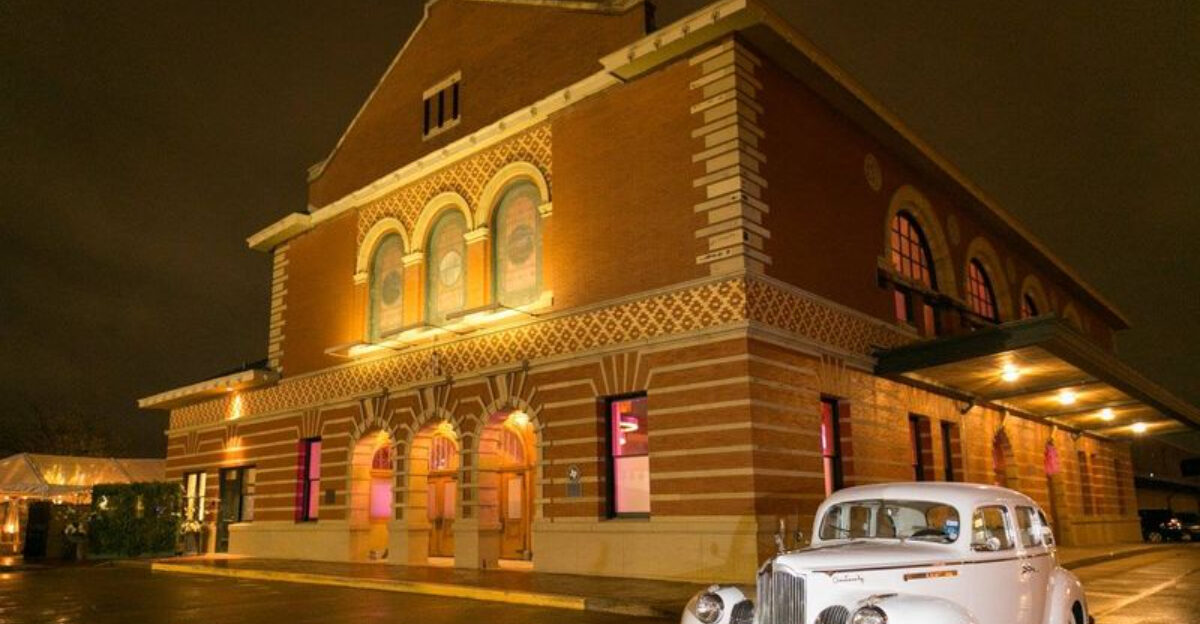
Texas has a way of making the past feel startlingly close, and these old train depots prove it. Once packed with passengers, baggage, mail, and freight, these stations played a huge role in connecting growing communities across the state.
Today, their platforms are much quieter, but the charm is still there.
Weathered brick, grand windows, old ticket counters, and handsome details hint at the busy railroad days when steam engines rolled into town with a roar.
Some of these depots now house museums or community spaces, while others remain striking reminders of the towns they helped build.
Each stop has its own story, and each one makes a road trip a little more memorable.
From East Texas to the Panhandle and beyond, these 10 historic train depots are perfect places to slow down, stretch your legs, and imagine what Texas looked like when the railroad was king.
Palestine – Texas State Railroad Depot
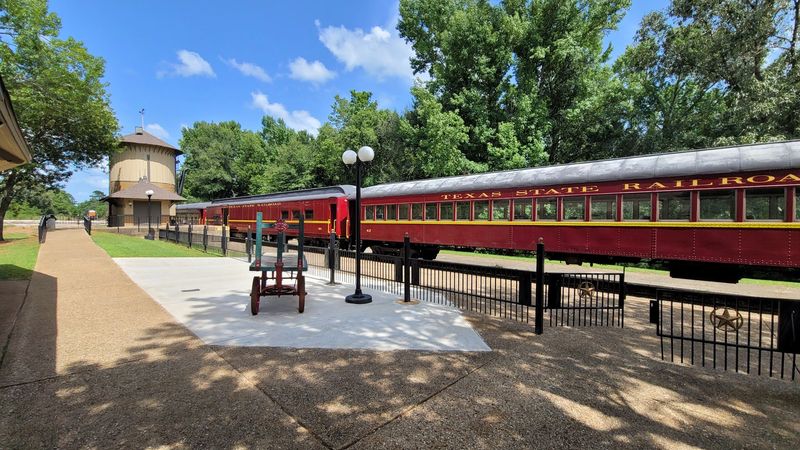
Start your journey where the rails still come alive with steam and history. Palestine’s depot complex serves as the terminus for the Texas State Railroad, a working heritage line that brings passengers back to the golden age of rail travel.
Walking through this station, you can almost hear the conductor’s call and smell the coal smoke drifting from the locomotive. The building connects modern visitors directly to Texas railroad heritage in a way few places can match.
Original details and period features make this more than just a museum stop.
What makes Palestine special is that you can actually ride the historic trains from this very platform. The depot isn’t just preserved history sitting still.
It’s a living reminder of when rail travel shaped Texas communities and connected distant towns across the vast landscape.
Plan your visit around a train excursion for the full experience. The depot staff often share fascinating stories about the railroad’s past and its importance to East Texas development.
Rusk – Texas State Railroad Depot
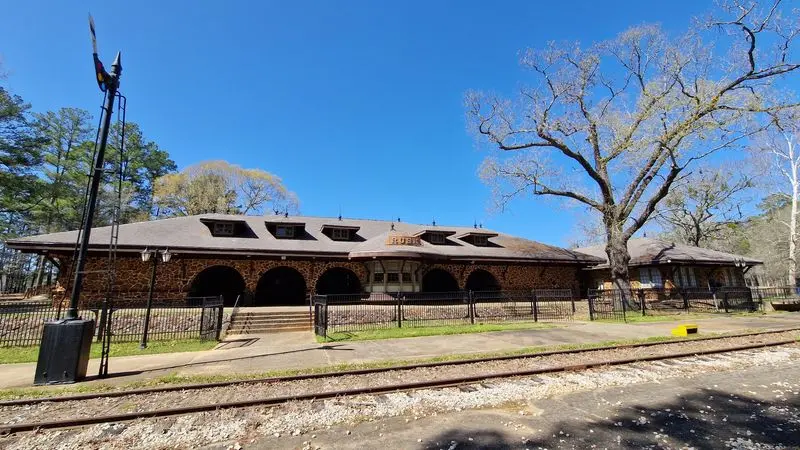
At the opposite end of the line from Palestine sits another gem worth exploring. Rusk’s depot marks the western terminus of the historic Texas State Railroad route, offering travelers a different perspective on the same heritage experience.
This station played a crucial role when the state decided to preserve and revive the historic railroad connection. The building itself reflects the old-fashioned rhythm and pace of early rail travel.
You can still sense what it was like when passengers would disembark here after their journey through the Piney Woods.
Many visitors choose to ride from one depot to the other, turning a simple station visit into a full-day adventure. The Rusk station welcomes you with the same period charm as its Palestine counterpart.
Together, these two depots tell the complete story of this important railroad line.
Consider visiting during special event days when vintage demonstrations bring extra life to the platform. The surrounding area offers pleasant walking paths and picnic spots perfect for extending your stop.
San Angelo – Historic Orient-Santa Fe Depot
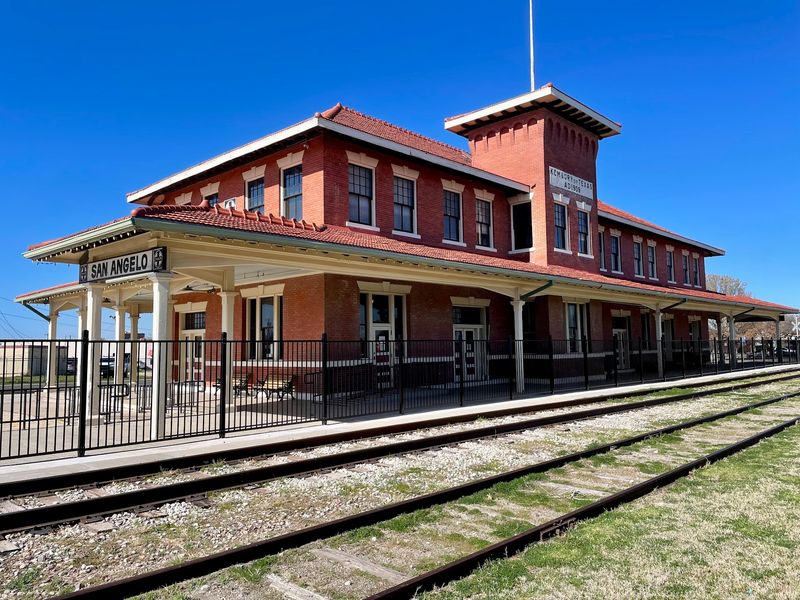
West Texas surprises road trippers with one of the region’s finest railroad landmarks. Built between 1909 and 1910 for the Kansas City, Mexico and Orient Railroad, this impressive brick structure later became associated with the Santa Fe line, giving it a double dose of railroad history.
The building’s solid construction and grand design show just how important rail connections were to West Texas communities. Today, the Railway Museum of San Angelo calls this historic depot home.
Inside, you’ll discover exhibits, artifacts, and stories that bring the railroad era back to life in vivid detail.
The depot’s brick walls and period features have been carefully maintained over the decades. Walking through its halls offers insights into how railroads opened up remote areas of Texas to commerce and settlement.
This ranks among the strongest railroad history destinations in the entire western part of the state.
The museum staff are knowledgeable and eager to answer questions. Don’t rush your visit here because there’s plenty to absorb and appreciate.
Brenham – Southern Pacific Freight Depot
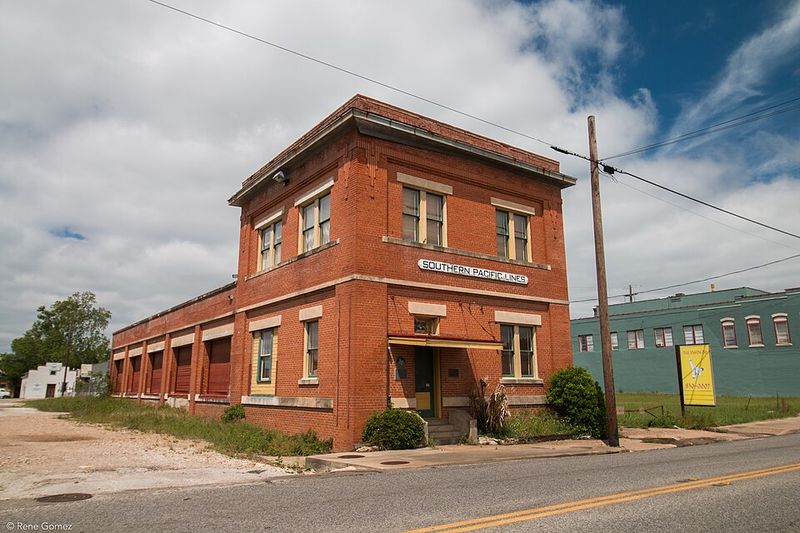
Beauty meets function in this handsome 1916 reminder of the railroad boom era. Brenham’s Southern Pacific depot helped turn this community into a thriving regional distribution center, and the building’s architecture tells that prosperity story beautifully.
The brick construction features lovely limestone detailing that catches your eye right away. Prairie School influences give the depot distinctive period character that sets it apart from more common station designs.
You can tell this wasn’t just any ordinary whistle stop.
The depot represents a time when railroads brought economic opportunity to Texas towns. Freight moved through here in massive quantities, connecting Brenham’s agricultural bounty to markets near and far.
The building stands as proof of those busy, productive years.
The surrounding downtown area offers charming shops and restaurants worth exploring. Many visitors combine a depot visit with sampling Brenham’s famous ice cream.
The depot’s solid construction has helped it survive over a century of Texas weather with grace and dignity still intact today.
Longview – Longview Train Depot
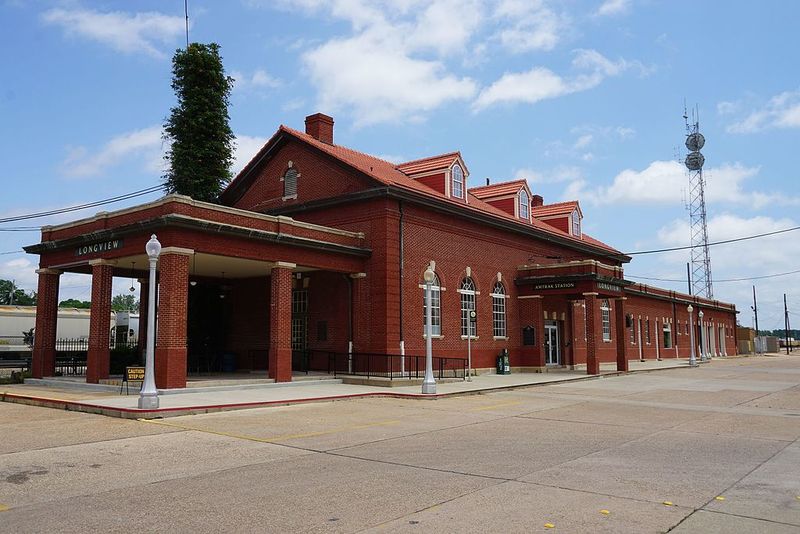
Here’s where history got a second chance. The current 1940 Longview depot replaced an earlier 1874 station that served the community for decades before it.
This replacement building reflects just how deeply railroads ran through the city’s development story.
Colonial Revival architecture gives this depot a distinctive look compared to other Texas stations. The restored dormers, preserved passenger facilities, and period details make it especially interesting for architecture enthusiasts.
Every design element speaks to the era when it was built.
Longview’s railroad connection shaped the entire city’s growth pattern and economy. This depot witnessed countless arrivals and departures during the height of passenger rail service.
The building survived changes in transportation patterns that left many similar depots abandoned or demolished.
Take time to walk around the exterior and notice the architectural details. The restoration work has been thoughtful and respectful of the original design.
Photographers find wonderful angles here, especially during golden hour when the light hits the building just right.
Belton – Belton MK&T Depot
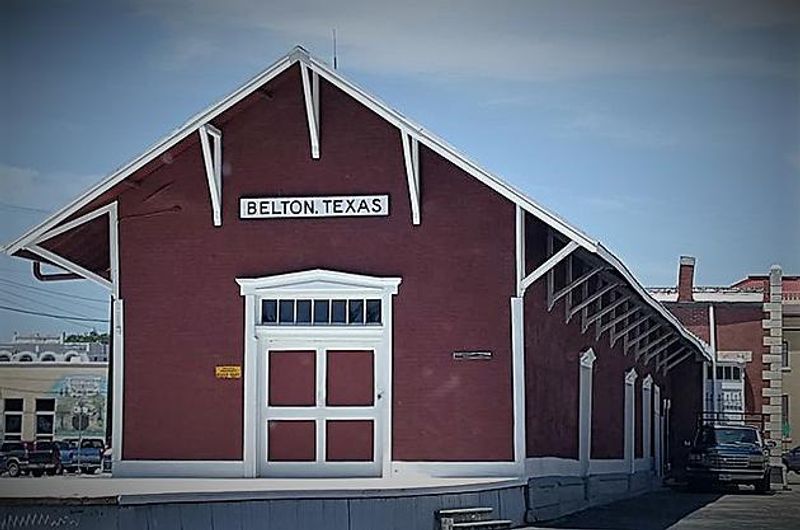
Sometimes old buildings get even better in their second acts. Belton’s 1899 Katy depot spent years sitting underused and forgotten before clever developers saw its potential for new life.
The building has been restored and reopened as a food and drink destination that honors its railroad roots. Original ticket counters remain as part of the interior design, letting diners connect with the depot’s authentic past.
Other railroad details were carefully incorporated into the renovation rather than stripped away.
This approach shows how historic preservation can work in practical, sustainable ways. The depot serves the community again, just in a completely different capacity than its builders imagined.
Visitors can enjoy a meal while surrounded by genuine pieces of Texas railroad history.
The restoration team clearly respected the building’s heritage throughout the renovation process. You’ll spot period features blended seamlessly with modern amenities.
This depot proves that historic buildings don’t have to become museums to stay relevant and valued by their communities for generations to come.
Denison – Katy Depot
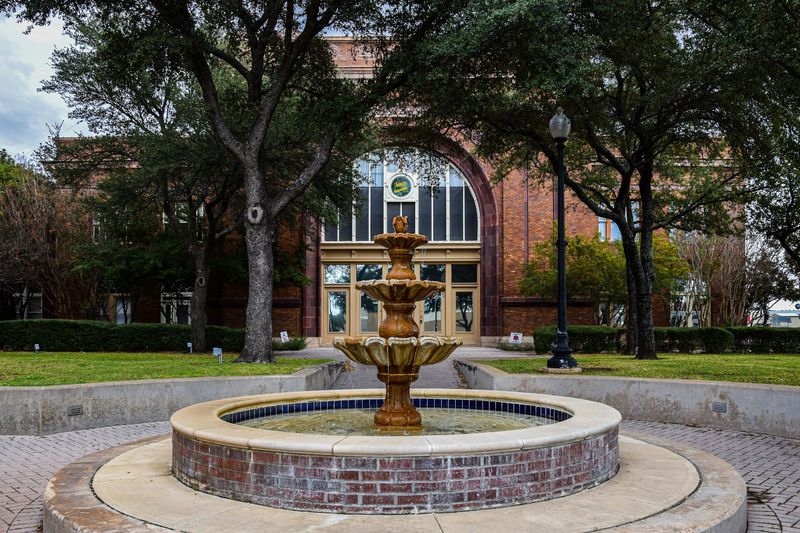
Prepare to be amazed by the sheer scale of this railroad palace. The massive Katy Depot in downtown Denison stretches across 23,413 square feet, showing road trippers exactly how powerful and important railroad towns could become during the industry’s peak years.
Built in 1911, this enormous structure dominated the local skyline and announced Denison’s status as a major railroad hub. The building has undergone a major preservation-minded renovation in recent years.
Today it serves as a multiuse destination that brings new energy to the historic structure.
Walking through this depot feels completely different from visiting smaller stations. The grand scale and elaborate design show the wealth and confidence of the railroad era.
Every detail was built to impress travelers and demonstrate the railroad company’s strength.
The restoration preserved original architectural elements while adapting the space for modern uses. Events, gatherings, and community activities now fill rooms that once processed thousands of passengers.
The depot remains a proud centerpiece of downtown Denison’s historic character and continuing story.
Lubbock – Buddy Holly Center Depot
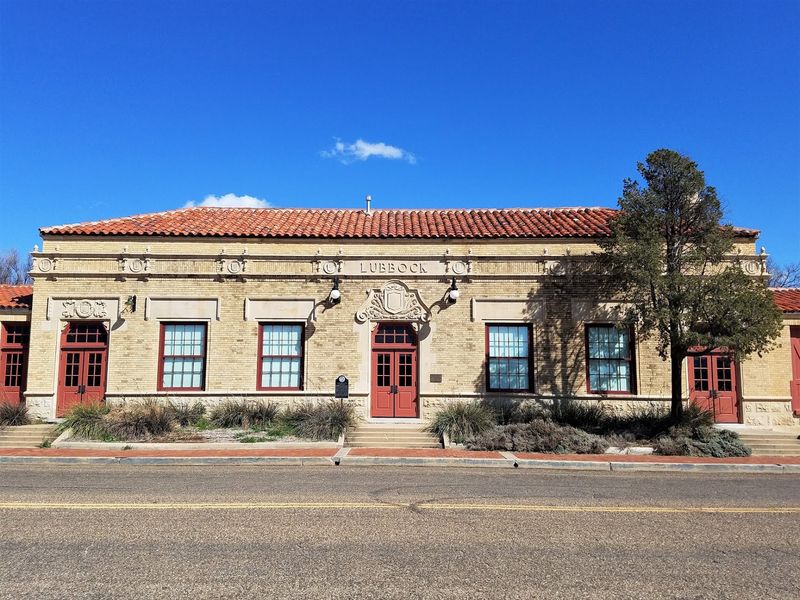
Who knew a train depot could rock and roll? Lubbock’s historic station offers visitors a completely unique combination of railroad heritage and musical legacy under one roof.
The former depot now houses the Buddy Holly Center, celebrating one of Texas’s most famous musical performers. This creative reuse connects the city’s railroad past with its cultural contributions to American music.
The building serves both stories beautifully without losing its authentic depot character.
Inside, you’ll find exhibits about Holly’s life, career, and lasting influence alongside railroad artifacts and history. The depot setting adds an extra layer of Texas authenticity to the museum experience.
It’s a reminder that historic buildings can tell multiple stories when imagination guides their preservation.
Music fans and railroad enthusiasts both find plenty to appreciate during a visit here. The center hosts events, exhibits, and educational programs throughout the year.
Even the building’s exterior retains its depot appearance, making it easy to imagine what this spot looked like when steam engines pulled into the platform.
Pittsburg – Cotton Belt Depot
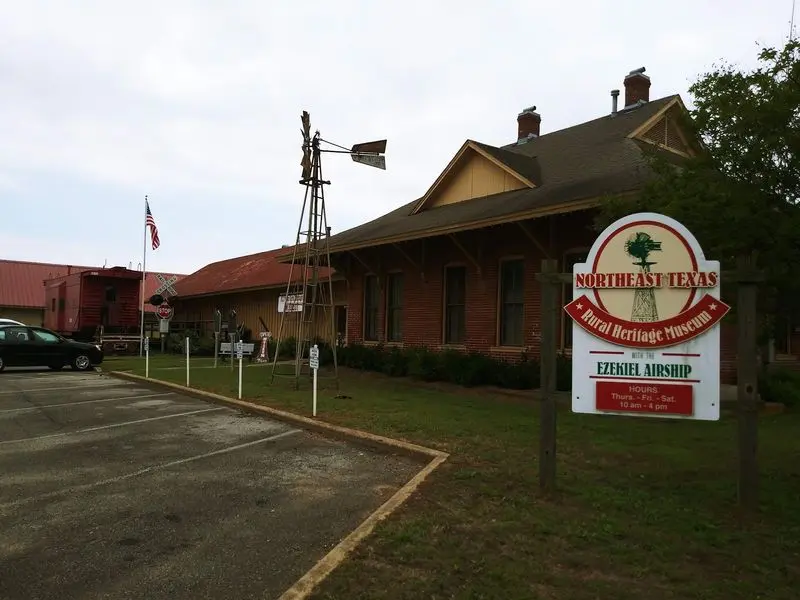
Small-town Texas railroad history shines brightest in places like this. The historic Cotton Belt depot in Pittsburg works especially well as a back-road road trip discovery, offering authentic rural heritage without big-city crowds.
The former railroad building now forms part of the Northeast Texas Rural Heritage experience. This thoughtful pairing gives visitors a chance to explore both railroad history and the area’s agricultural past in one stop.
The depot tells stories about how railroads connected farming communities to distant markets.
Pittsburg’s station represents countless similar small depots that dotted the Texas landscape during the railroad era. Most are gone now, making surviving examples like this one even more precious.
The building’s scale feels more personal and approachable than grand urban stations.
The surrounding area maintains its small-town character and charm. Visitors appreciate the unhurried pace and the chance to explore without feeling rushed.
The depot staff share local knowledge and stories that bring the building’s history alive in memorable ways you won’t find in guidebooks.
Fort Worth – The Ashton Depot
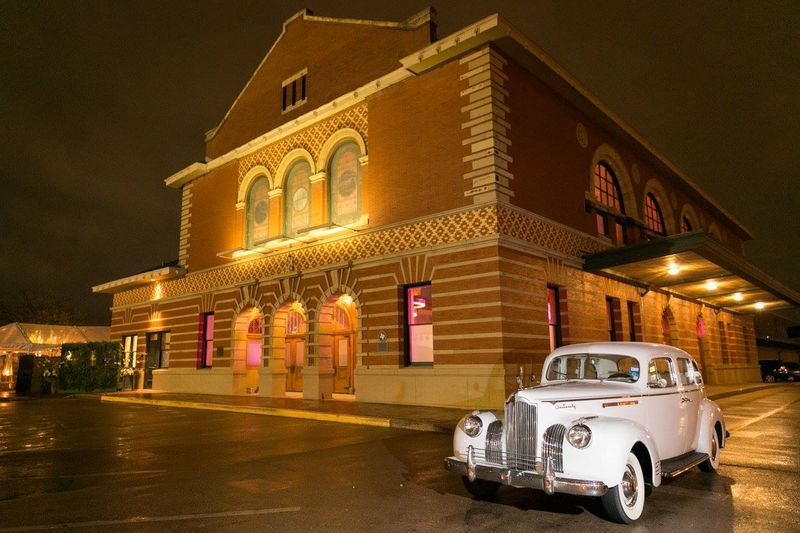
Save the grandest for last. The 1899 Ashton Depot ranks among the state’s most impressive surviving examples of railroad-era architecture, and one visit explains why it earned that status.
Stained-glass windows filter light across the interior in beautiful patterns. Barrel-vaulted ceilings soar overhead while marble floors echo with footsteps.
The ornate interior design makes it incredibly easy to imagine the bustle and excitement of turn-of-the-century rail travel in all its glory.
Every architectural detail was chosen to impress and create a sense of occasion. This wasn’t just a place to catch a train.
It was a destination in itself, a palace for travelers that showed Fort Worth’s importance and sophistication.
Today the depot enjoys modern use as an event venue, giving the landmark a successful second chapter. The building’s preservation allows new generations to experience its beauty and craftsmanship.
Wedding parties, corporate gatherings, and special events now fill spaces where passengers once waited for departing trains, ensuring this magnificent depot remains vital and valued.