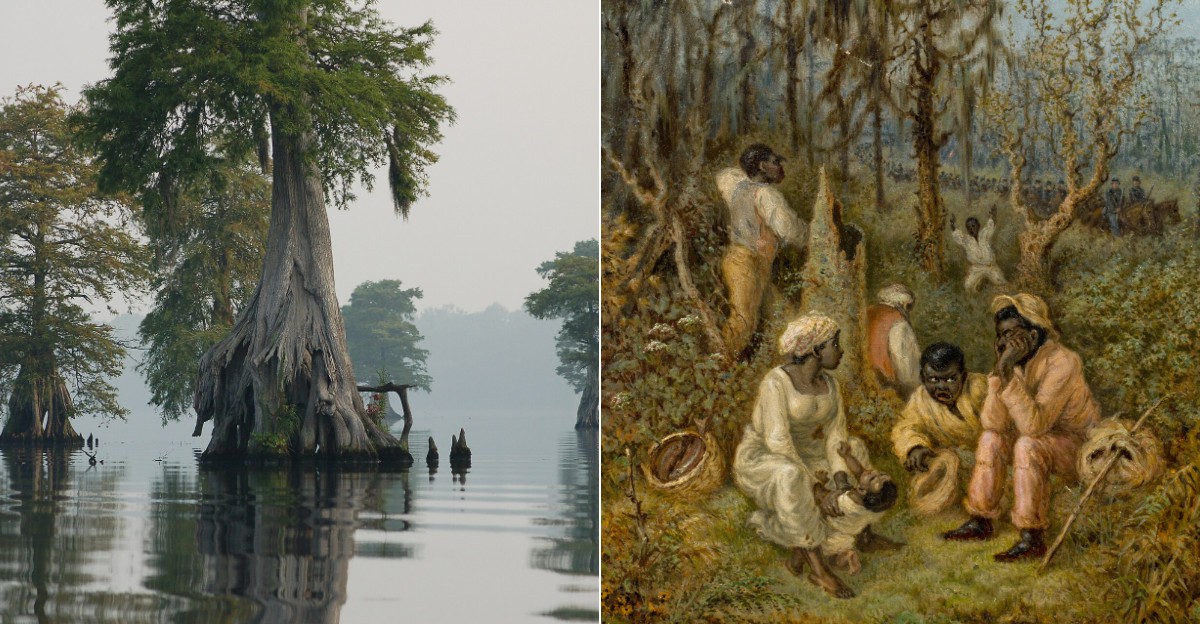
A place that looks peaceful today can carry memories of lives lived under extraordinary pressure. At Great Dismal Swamp National Wildlife Refuge in Suffolk, Virginia, dark water, dense woods, and narrow trails form the setting for a complicated history shaped by people who escaped slavery and sought refuge in the swamp.
Alongside those documented stories, tales of buried treasure have added an enduring layer of mystery.
The landscape can feel quiet as you walk beneath the trees, but that silence invites a closer look at what happened here. The swamp offered difficult terrain that could provide concealment, while enslaved people and freedom seekers faced immense risks in trying to survive there.
Today, visitors can explore this remarkable environment while considering the courage, suffering, and resilience woven into its past. As the trees close around the trail and the water reflects the sky, more of the swamp’s stories begin to come into view.
A Wild Landscape Became a Shelter for Freedom Seekers
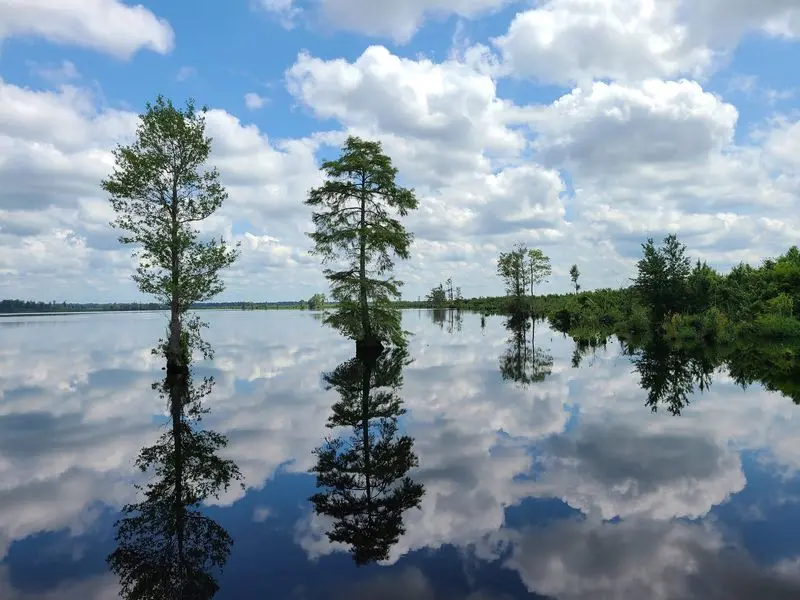
Freedom sometimes meant stepping into a place that others feared. For people escaping slavery, thick brush, muddy ground, and hard travel could offer protection from those trying to capture them.
The swamp was dangerous, but slavery gave them powerful reasons to take that risk.
Across the wider Great Dismal Swamp, freedom seekers used the landscape as shelter. Some passed through, while others stayed and built lives beyond the reach of enslavers.
Today, Great Dismal Swamp National Wildlife Refuge protects part of the land connected to that history.
Standing beside dark water, you can begin to understand how distance and tangled woods helped people remain hidden. Still, a pleasant walk cannot recreate their hunger, fear, or daily struggle.
Their choices deserve more than a passing mention beside a pretty view.
Before visiting, read the refuge’s history information and look for available interpretive materials. Use terms such as freedom seekers when discussing these people with children.
That small choice keeps attention on their courage and humanity, rather than defining them only by the system they escaped and the laws that pursued them.
Hidden Maroon Communities Made Survival Possible
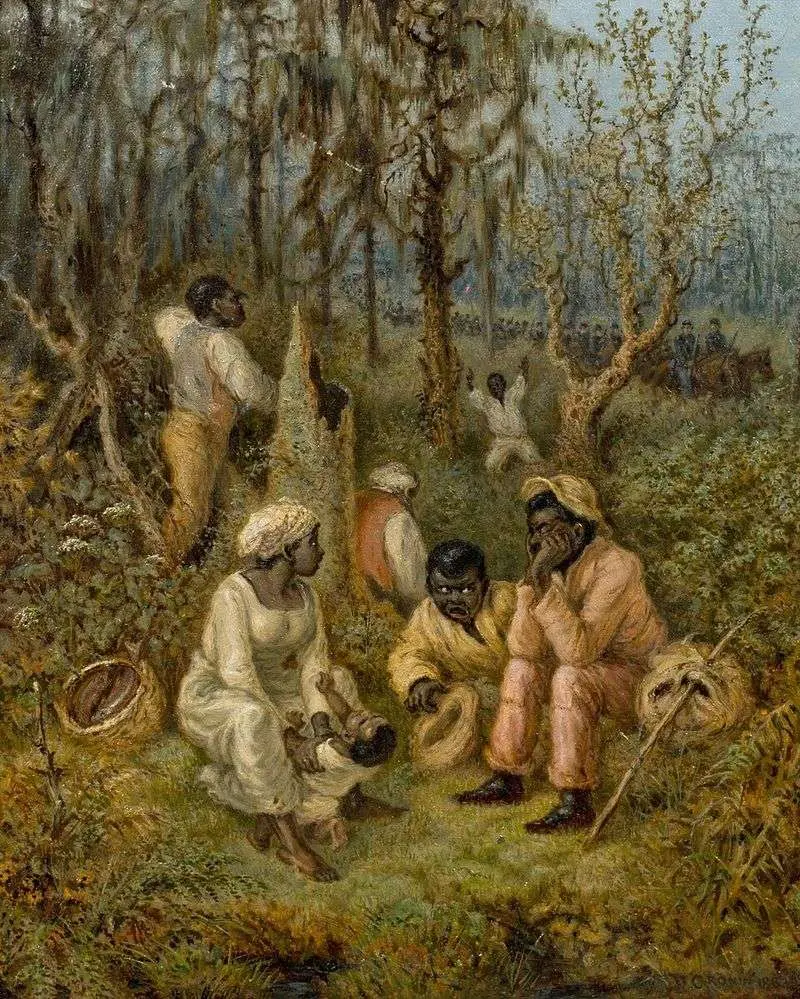
A home does not always leave a doorway you can visit. Deep within the wider swamp, people who escaped slavery formed communities often called maroon communities.
Their homes stood on patches of higher ground, where staying dry could make survival a little more possible.
Life required knowledge, patience, and cooperation. Residents could hunt, gather food, grow crops where conditions allowed, and exchange goods with people outside their settlements.
Each connection offered help, but it could also create the risk of discovery by someone hostile.
At Great Dismal Swamp National Wildlife Refuge, the forest invites you to think about those ordinary needs. Imagine keeping a fire going, finding clean water, or caring for someone who was sick.
Freedom here involved daily work, not simply reaching a hiding place.
Do not expect a restored village or an easy route to settlement remains. Sensitive locations need protection, and much of this history survives through research rather than visible buildings.
Ask refuge staff about public educational resources instead of searching off trail. Learning how people supported one another makes the landscape feel less empty and far more human.
Small Archaeological Finds Tell Powerful Stories
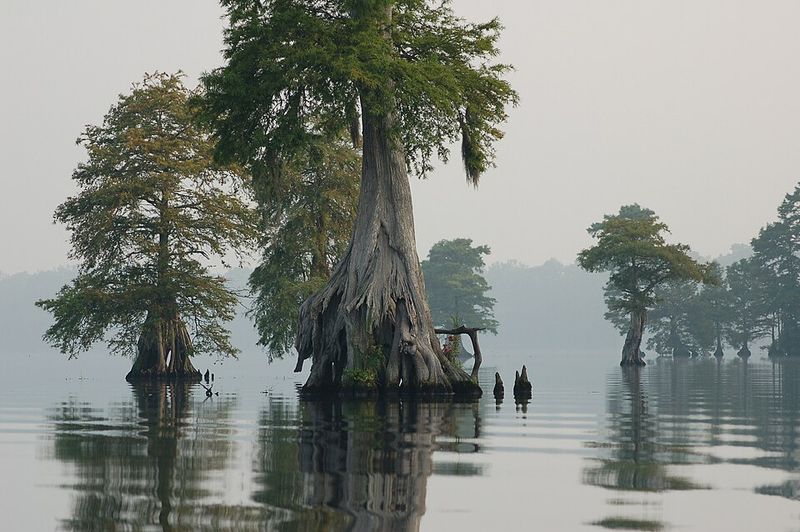
A broken piece of pottery can carry more truth than a dramatic tale. Archaeologists studying the Great Dismal Swamp have used small objects and traces of occupation to better understand people whose lives rarely appeared in written records.
The evidence is often quiet, but meaningful.
Research in the wider swamp has helped reveal long periods of settlement and survival. Researchers examine where objects were found, how they were used, and what surrounded them.
A fragment removed from its setting loses clues that cannot always be recovered later.
That is why a visit to Great Dismal Swamp National Wildlife Refuge should never become an artifact hunt. Leave pottery, metal, glass, and anything that might be historic exactly where it lies.
Do not dig, collect souvenirs, or share sensitive locations online.
If you notice something that may matter, report it to refuge staff without disturbing it. Reading about archaeological work before your walk adds another layer to the trees and water.
You start seeing history not as a single grand monument, but as many small traces of people making meals, repairing tools, and building lives under difficult conditions.
George Washington Saw Land to Change and Profit From
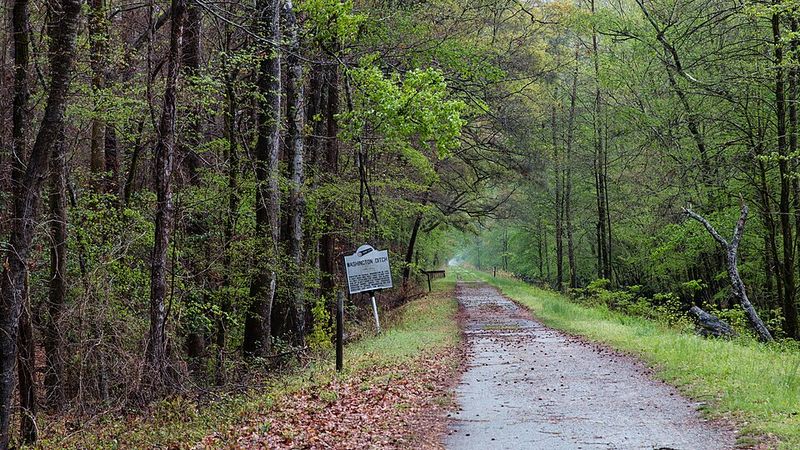
A straight ditch through tangled woods tells a different story from a hidden home. In the eighteenth century, George Washington joined a business venture aimed at draining and developing parts of the swamp.
Investors saw timber, farmland, and possible profit where others found shelter.
Washington’s connection is part of the refuge’s history, but it should not crowd out the people who performed the labor. Enslaved workers helped dig drainage ditches and support efforts to change the land.
Their work was exhausting, dangerous, and done without freedom.
Washington Ditch offers a useful place to consider that contrast at Great Dismal Swamp National Wildlife Refuge. Its straight course reflects a human plan imposed on a wet landscape.
Nearby woods remind visitors that the swamp resisted easy control, even after years of effort.
Check current trail conditions before choosing a walk here, and bring enough water for the return trip. As you follow the route, think beyond the famous name on the map.
The deeper story includes business ambitions, forced labor, and people who used the same difficult landscape to seek independence from the system shaping it.
Waterways Carry a Legacy of Forced Labor
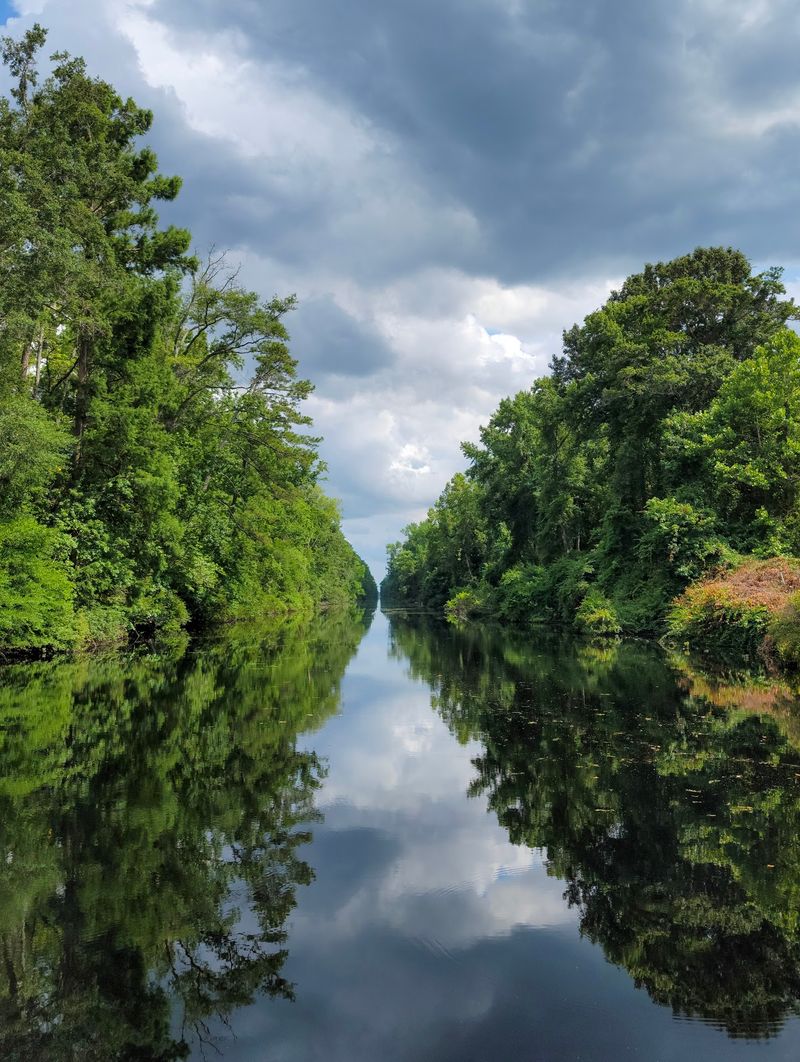
Water can look peaceful while holding a painful past. The ditches and nearby canal system associated with the Great Dismal Swamp reflect years of work meant to move water, timber, and goods.
Enslaved people carried out much of the region’s hardest early construction labor.
The Dismal Swamp Canal belongs to the wider landscape’s history, but it is not the same thing as the refuge’s trail network. Keeping that distinction clear helps you understand maps and avoids expecting every canal attraction at the Suffolk refuge address.
Within Great Dismal Swamp National Wildlife Refuge, straight drainage channels offer visible signs of efforts to reshape the wetland. Timber cutting and drainage changed water movement and forest conditions.
Those changes affected both wildlife habitat and the people trying to survive within the woods.
Pause beside a ditch and notice how different it looks from a winding natural stream. That simple comparison can open a conversation about who planned the work and who was forced to do it.
Consult the refuge’s official visitor map for your route, rather than treating nearby parks, canal paths, and refuge entrances as interchangeable destinations.
Wildlife Reveals Why the Swamp Still Matters
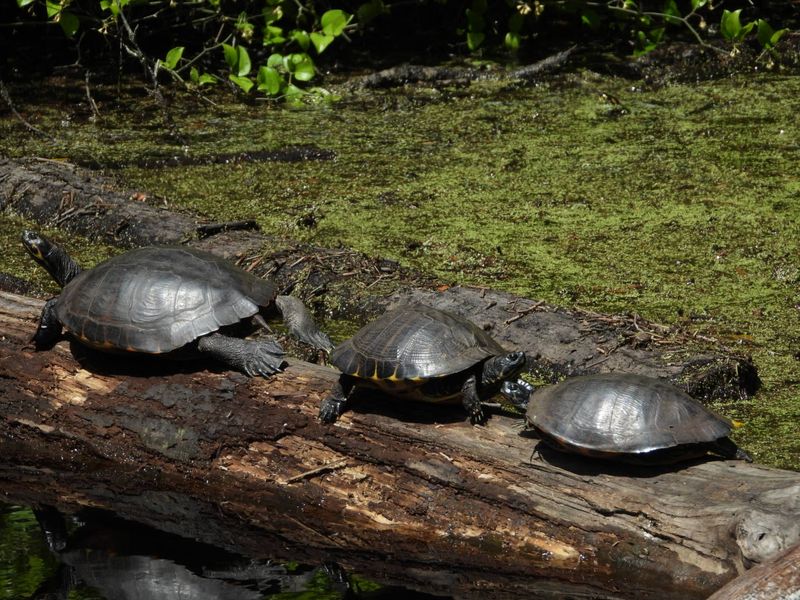
A turtle on a log can bring the biggest history lesson back to the present. The same wet landscape that challenged travelers now shelters bears, birds, and many other animals.
Protecting that habitat is central to the purpose of Great Dismal Swamp National Wildlife Refuge.
Established in 1974, the refuge protects a large portion of the remaining swamp. Earlier logging and drainage changed this environment, so conservation involves more than leaving trees alone.
Managing water and caring for habitat help support the living systems that remain.
During a visit, watch for birds along wooded edges and turtles near water. An otter or bear sighting is possible, but never guaranteed.
Binoculars let you enjoy animals without moving closer, and a slow pace gives you time to notice smaller creatures.
Keep a safe distance, never feed wildlife, and obey posted guidance. If driving an authorized route, watch carefully for animals crossing ahead.
Linking wildlife protection with human history gives the refuge its full meaning. This is both a home for living creatures and a place where people once sought safety, built communities, and endured major changes to the land.
Quiet Trails Reward a Slower Kind of Visit
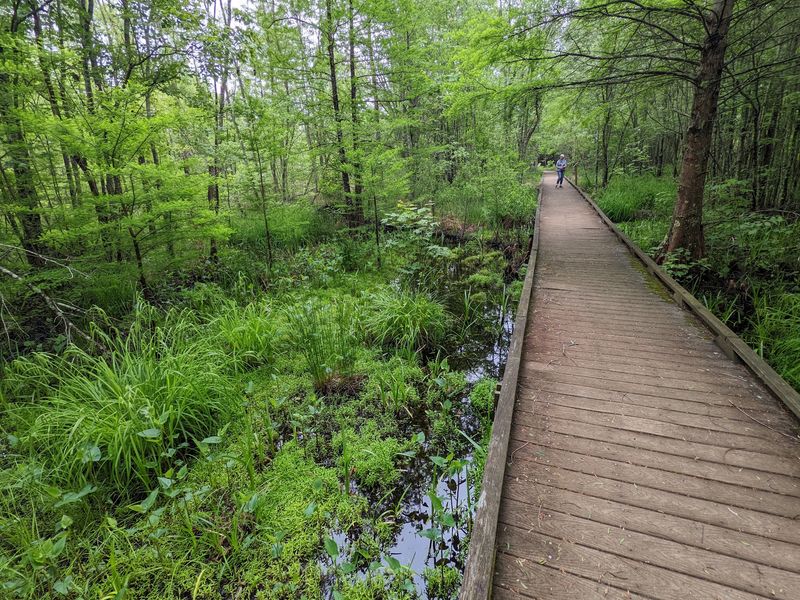
Leave the urge to cover every mile at the entrance. A short walk can reveal more than a rushed outing if you stop to listen, study the water, and read available history materials.
The refuge rewards attention rather than a packed list of attractions.
Great Dismal Swamp National Wildlife Refuge offers routes for walking and, where permitted, biking. Some follow long, flat ditch roads, which can make distance feel deceptive.
An easy outward stroll still requires the same journey back, often with warmer weather and more insects.
Choose your route from an official map and check for closures before leaving. Boardwalk conditions and access can change, so do not assume every structure is open or suitable for a wheelchair.
Contact refuge staff if mobility needs will shape your plans.
Carry water, insect repellent, sun protection, and a downloaded map. Reliable cell service should not be assumed in the woods.
Stop occasionally to imagine how much harder travel was for people without marked routes or secure shelter. That comparison is not a reenactment of their experience, but it can deepen your respect for the landscape and its past.
Arrive Prepared to See More Than Scenery
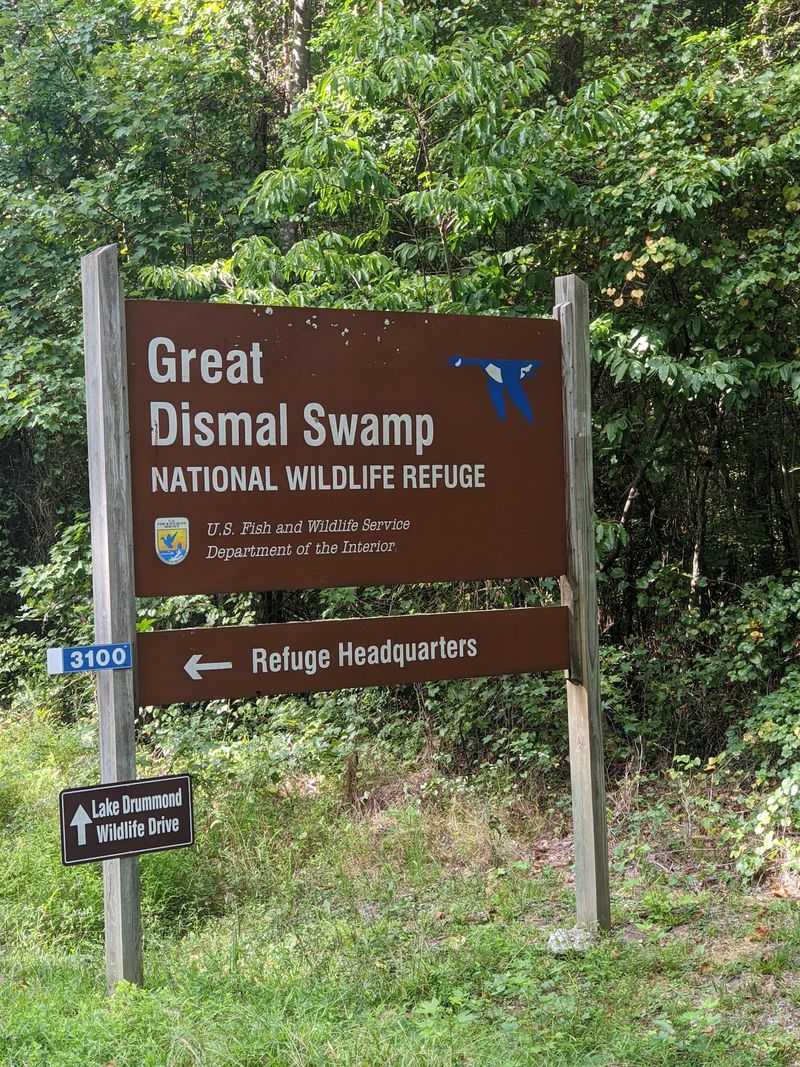
A little homework changes what you notice when you arrive. Instead of seeing only trees and water, you can recognize a landscape shaped by escape, forced labor, settlement, and conservation.
The visit becomes richer when practical planning and historical curiosity travel together.
Use 3100 Desert Rd, Suffolk, VA 23434, as the provided refuge address, then confirm the correct access point for your chosen activity. Great Dismal Swamp National Wildlife Refuge has different routes and entrances.
One address does not describe every trailhead or lake approach.
Before departure, check the U.S. Fish and Wildlife Service website for current hours, access rules, closures, and any fees or permits.
Call 757-986-3705 if you need clarification. Ask specifically about lake access, available historical interpretation, and current accessibility conditions rather than relying on older reviews.
Pack a snack to enjoy where allowed, carry out your trash, and leave natural and historic objects untouched. Give yourself time for both the view and the difficult stories behind it.
A thoughtful visit does not need a treasure discovery or a wildlife encounter to matter. Understanding why people came here can be the most lasting part of the day.