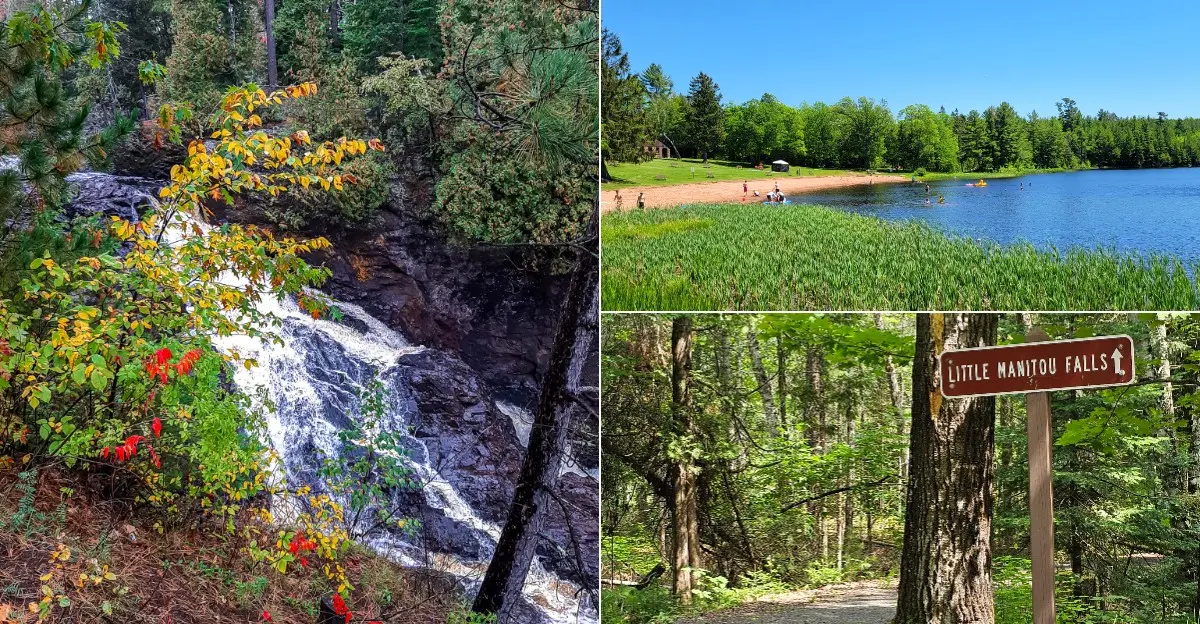
The roar of falling water echoes through a rugged gorge, where amber-tinted river water tumbles past towering walls of rock.
Pattison State Park sits just south of Superior in far northwestern Wisconsin, in Do10/8/2026uglas County.
Its star attraction is Big Manitou Falls, which plunges about 165 feet, making it the tallest waterfall in the state.
The Black River carries its tea-colored water over the cliffs, creating a striking contrast against the dark rock and green forest.
Easy trails and overlooks let families enjoy dramatic views without a long or difficult hike.
Pack your camera and sturdy shoes, and get ready to discover one of the Northwoods’ most breathtaking hidden gems.
A Woodland Escape With a Dramatic Surprise
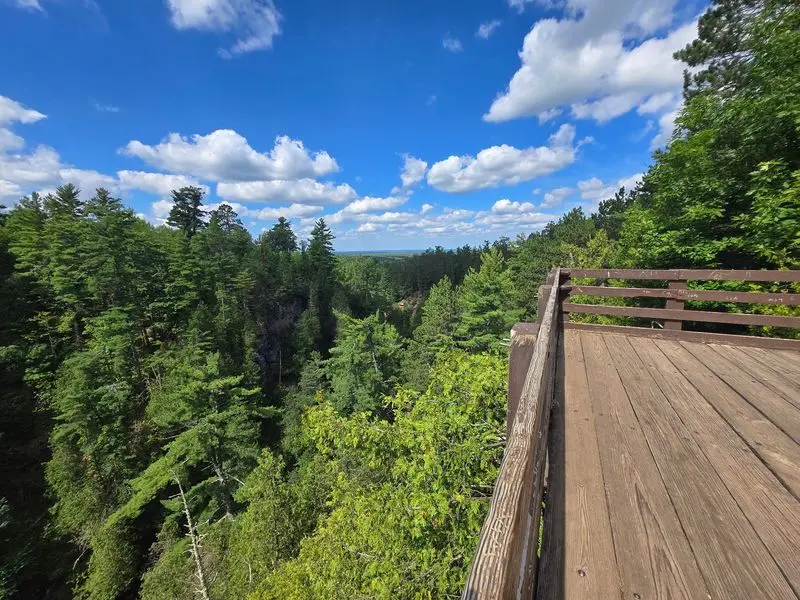
A wall of trees hides the sort of sight you might expect to find far from an ordinary highway. Then the sound of rushing water gives away the secret. At Pattison State Park, 6294 WI-35, Superior, WI 54880, United States, woodland trails lead toward Wisconsin’s tallest waterfall.
The setting feels tucked away, but reaching the main attractions does not require a wilderness expedition. Parking areas and marked paths help visitors build a trip around their energy level. You can focus on a few overlooks or leave extra time for longer walks.
Start by checking the official Wisconsin Department of Natural Resources website for current notices, admission requirements, and facility updates. A vehicle admission pass is generally required, and camping has separate fees. Download a park map before leaving home so your first stop feels simple rather than rushed.
Bring sturdy shoes, drinking water, and a light layer even when the forecast looks warm. Shade, wind, and waterfall spray can change how the day feels. Allow time to pause along the way, because the woods are part of the experience, not just a hallway to the falls.
For a first visit, choose daylight hours and keep your plans flexible enough for weather and trail conditions.
The 165-Foot Drop That Steals the Show
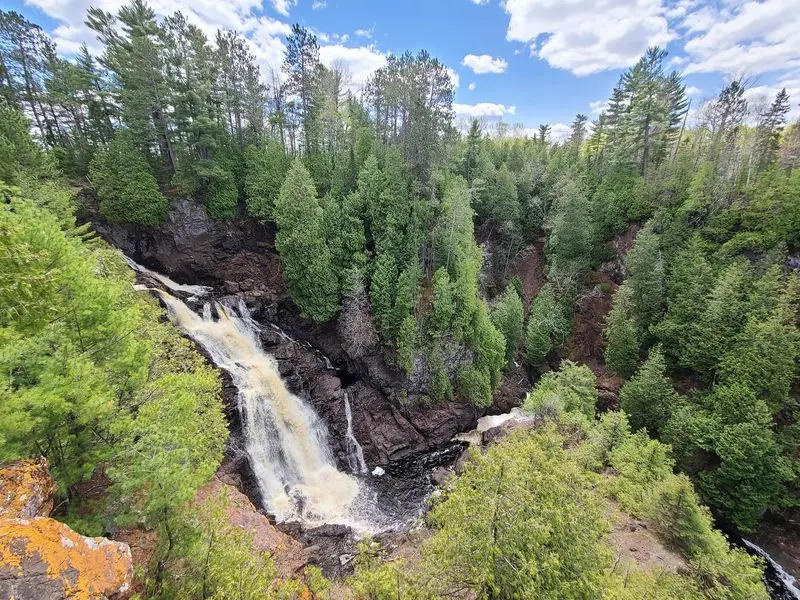
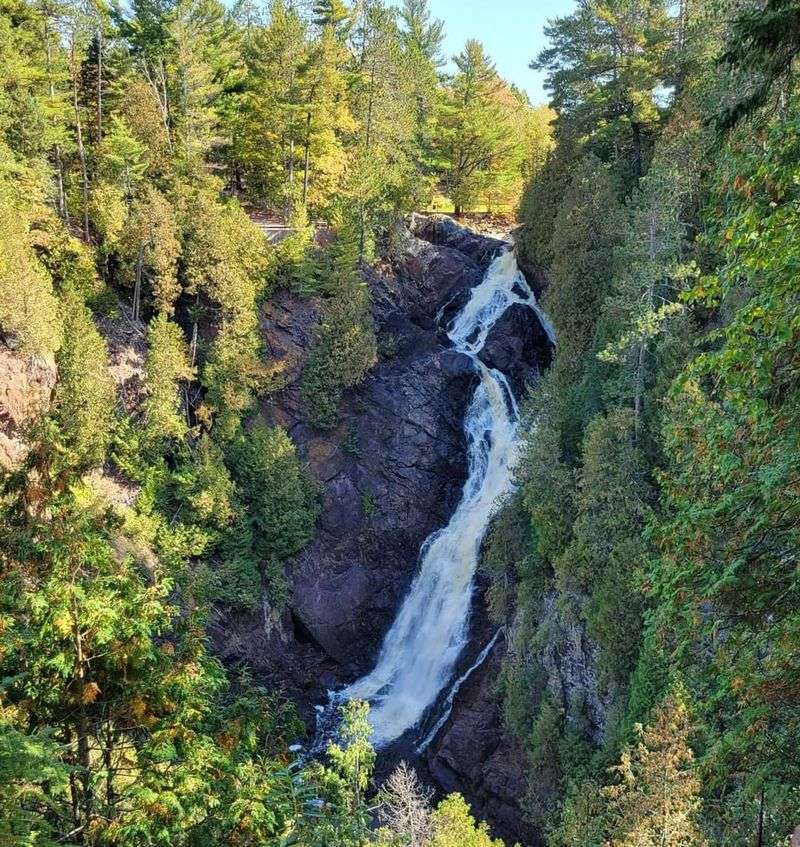
You may hear the roar before you see the full drop. Big Manitou Falls sends the Black River plunging 165 feet, making it the tallest waterfall in Wisconsin. That number becomes much more impressive when you stand at an overlook and follow the water all the way down.
The river gathers at the brink, breaks into falling sheets, and crashes into the gorge below. Water levels change with rainfall and snowmelt, so the same viewpoint can look different from one visit to another. A strong spring flow often brings a louder, fuller display than a dry stretch of summer.
Give yourself several minutes at the first viewing area instead of snapping one picture and leaving. Look for the shape of the ledge, the movement of spray, and the river continuing beyond the plunge. Those smaller details help explain why the scene holds your attention.
Keep behind railings and use only open, marked routes. A waterfall this large deserves respect, even when the nearby path feels easy. Wet surfaces can be slippery, and the edges are not places to test your balance.
If you bring children, set clear boundaries before approaching the overlook. Enjoying the spectacle safely leaves everyone free to notice its power and beauty.
Red Rock Walls Tell an Older Story
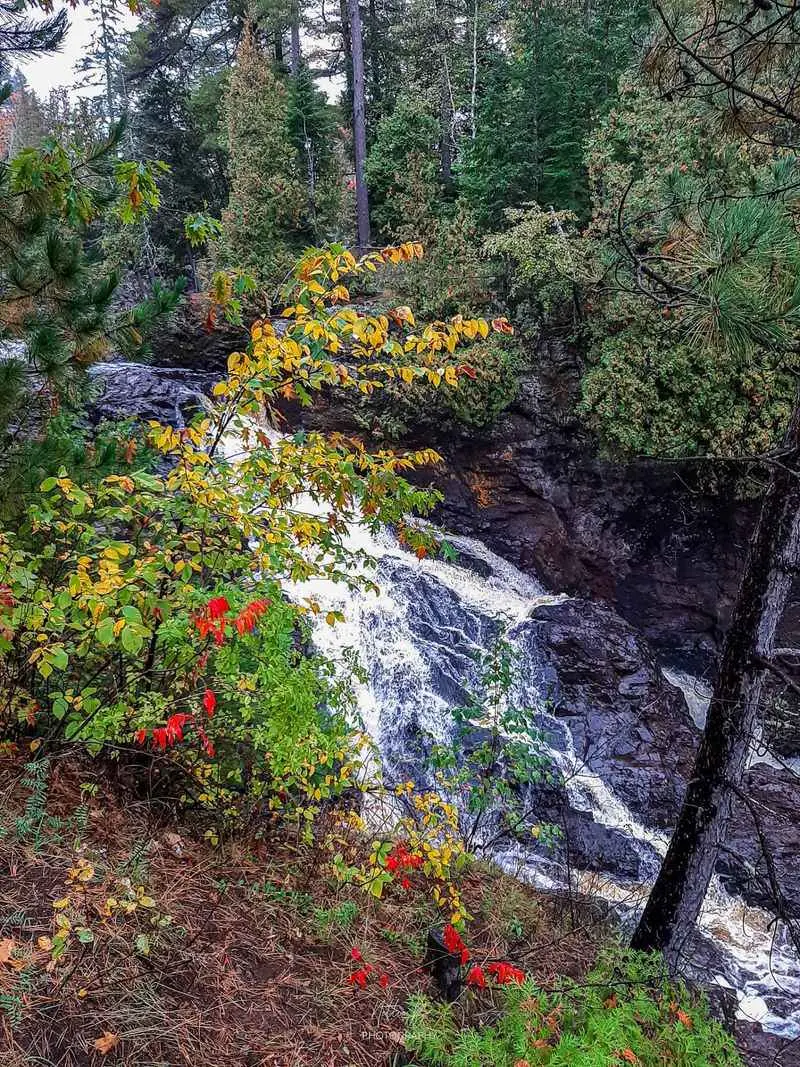
The gorge is more than a frame around falling water. Its exposed rock adds warm red tones and dark contrasts that make the scene feel almost painted. Look beyond the white rush of the falls, and you will notice a landscape shaped over a very long time.
The area’s geology includes ancient volcanic rock and sandstone, rather than one uniform wall of red stone. Iron minerals help give some sandstone its reddish color. The Black River has worn through the landscape, revealing layers and creating the dramatic channel visitors see today.
You do not need to know every rock name to enjoy the view. Try comparing colors, cracks, and ledges from a safe overlook. Notice where trees find room to grow and where bare stone faces the river.
Interpretive signs can help connect those visible details with the larger story. Read them before taking photographs, because knowing what you are looking at often changes what you notice. A closer camera view can capture textures without requiring you to leave the trail.
Keep rocks where they belong and avoid climbing on exposed walls. Loose material and steep drops make exploration beyond marked routes risky. The best souvenir is a photograph that records the gorge exactly as you found it.
Different Overlooks Reveal Different Falls
One photograph rarely tells the whole story of a waterfall this tall. Moving between designated viewpoints can change the angle, the visible rock walls, and the way the river appears below. Think of the overlooks as separate windows onto the same powerful scene.
Use the park map to identify open routes before choosing your walk. Some viewing areas are reached by relatively short paths, while other trail sections involve steeper ground. An easy first stop does not mean every route has the same surface or difficulty.
If anyone in your group uses a wheelchair, walker, or stroller, ask staff about current accessible options. Conditions can change after storms or maintenance work. Checking ahead is more useful than relying on a visitor’s older report about a particular path.
For photographs, begin with a wide view that includes the forest and gorge. Then try a tighter frame showing the falling water against the rock. Cloudy skies can soften harsh shadows, while bright sunlight may create strong contrasts.
Keep your camera strap secure and stop walking before looking through the screen. Never step over a barrier to improve a composition. Leave room for other visitors at popular railings, and enjoy a quiet pause when your turn at the view arrives.
A Smaller Waterfall Adds a Second Reward
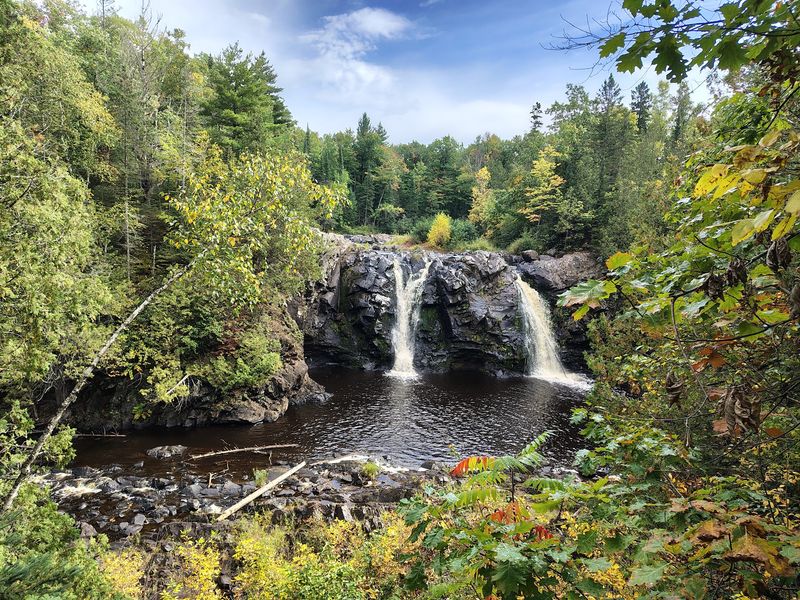
Not every memorable waterfall needs to tower above the trees. Little Manitou Falls offers a different kind of reward, with a drop of about 31 feet and a more compact scene. After the towering main attraction, its smaller scale invites you to study individual streams and rocky ledges.
Depending on water levels, the flow can divide into separate cascades. Watch how the river meets the rock before it tumbles downward. The changing shapes make this stop interesting even if you have already spent plenty of time watching the taller falls.
Plan to see both waterfalls rather than treating the smaller one as an afterthought. Check the map for the best route from your starting point. You can decide whether to connect sights with a longer walk or use available parking areas to shorten the outing.
A slower visit works especially well here. Listen to the water, look at the surrounding trees, and let your eyes settle on details beyond the central drop. You may find that a less dramatic view becomes your favorite photograph.
The same safety rules apply regardless of height. Stay on marked paths, respect barriers, and keep children nearby. Moving water and slippery rocks remain dangerous even when a waterfall looks smaller and more approachable.
Forest Trails Make the Journey Matter
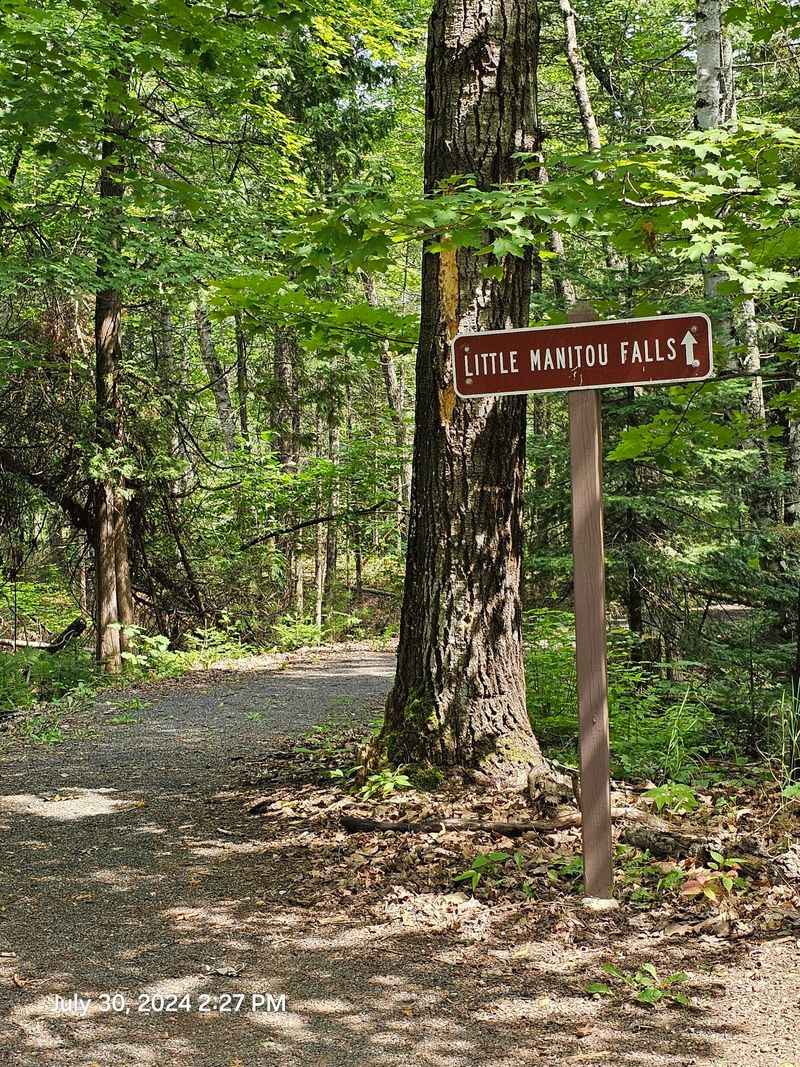
Footsteps on a woodland path provide a welcome change from the thunder of falling water. Away from the overlooks, the forest becomes the main attraction. Trees, damp ground, and glimpses of water give the walk its own rhythm.
The trail system lets visitors combine waterfall stops with longer stretches through the surrounding landscape. Choose a route using the official map, paying attention to distance, terrain, and posted closures. A short outing can still feel complete if you leave time to notice what grows beside the path.
Carry water and wear shoes with dependable grip. Roots, mud, and sloping ground can slow your pace more than you expect. After rain, be ready to turn around rather than pushing through a section that feels unsafe.
Warm weather also calls for insect protection and a tick check afterward. Keep pets leashed where allowed, and clean up after them. Wildlife should have space to move without being followed, fed, or cornered for a photograph.
For families, give children a simple observation game: find three leaf shapes or listen for two different bird calls. Small discoveries can make the walk more engaging than racing toward the next destination. Pack out everything you bring, including snack wrappers, so the next visitor finds the same woodland welcome.
Quiet Lake Time Balances the Roar
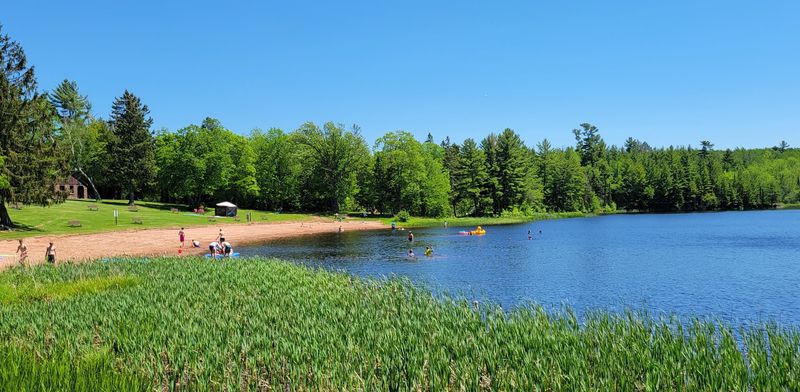
After the noise and motion of the waterfalls, still water feels like a reset. Interfalls Lake offers a quieter part of the visit, with a beach and space nearby for a break. It is a useful reminder that the day does not have to revolve around rushing between viewpoints.
Bring lunch and use a designated picnic area when you are ready to rest. A simple meal outdoors can turn a brief waterfall stop into an easy afternoon. Keep food secured and dispose of scraps properly instead of leaving them for wildlife.
If swimming is part of your plan, check current beach notices and posted rules first. Do not assume a lifeguard will be present. Watch children closely, know your limits, and keep lake swimming separate from any thoughts of entering the waterfall areas.
Weather can shift quickly enough to change your plans. Pack a towel and dry clothes, but also have a backup activity if conditions are poor. A walk or a sheltered lunch may be a better choice than getting into cold water.
Even without swimming, the shoreline makes a pleasant pause. Watch reflections move across the surface and enjoy the contrast with the gorge. Leaving some unplanned time often makes the whole outing feel less hurried.
Plan Around the Season, Then Stay a Little Longer
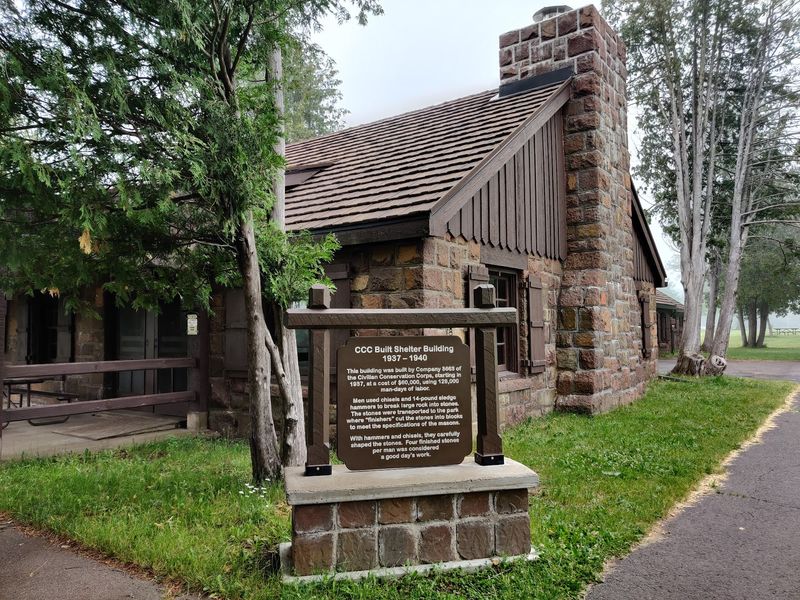
A return trip can feel surprisingly different from your first visit. Spring runoff may strengthen the waterfalls, summer brings leafy shade, and autumn adds bright color around the gorge. Winter can create striking scenery, but ice and snow demand extra care.
Choose your season based on the experience you want, not only the photograph you hope to take. Check weather forecasts and official trail notices shortly before departure. Cold conditions may require traction equipment, warmer clothing, and a shorter route than you would choose in summer.
Camping provides another way to slow the pace. The campground lets you spread walks and waterfall visits across more than one day. Reserve through the official system, review site details, and confirm which facilities will be available during your stay.
Visitor reports about showers, water, and construction can disagree because conditions change. Use current park information rather than assuming an older review describes your travel dates. Bring the supplies your chosen campsite requires and follow posted fire rules.
Whether you stay overnight or visit for an afternoon, leave room for one final overlook stop. Different light can reveal a new side of the same waterfall. A thoughtful plan gives you flexibility, while a little patience lets the forest and river set the pace.