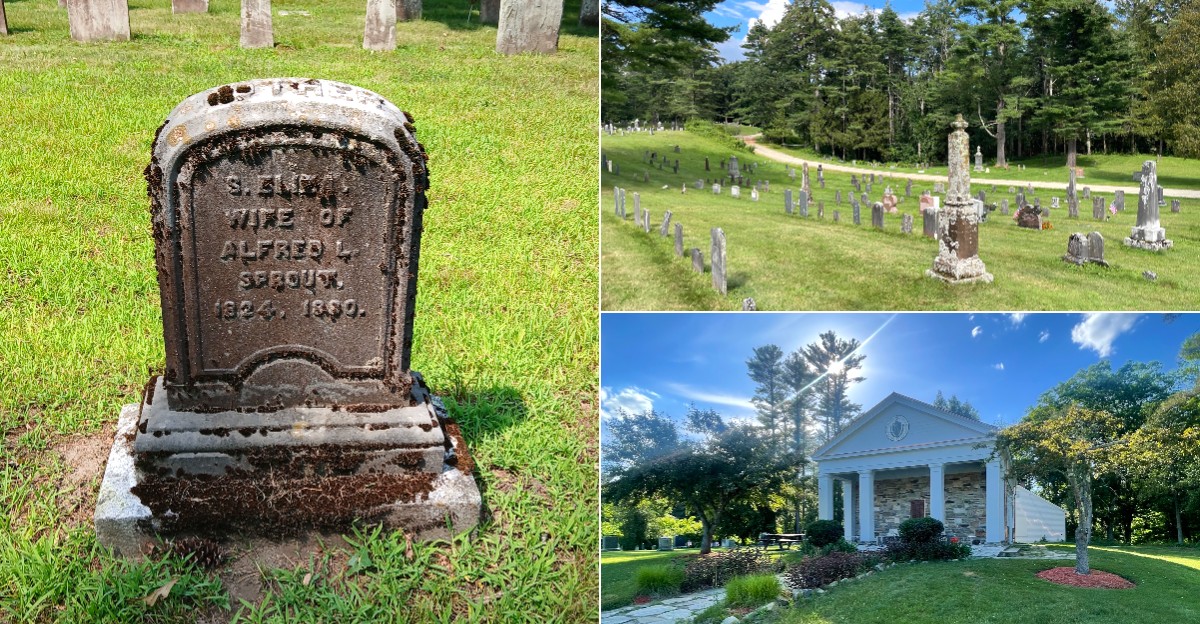
Rows of weathered headstones, quiet monuments, and towering trees hold the memories of towns that no longer exist on any map.
Quabbin Park Cemetery sits along Belchertown Road in Ware, Massachusetts, near the southern edge of the vast Quabbin Reservoir.
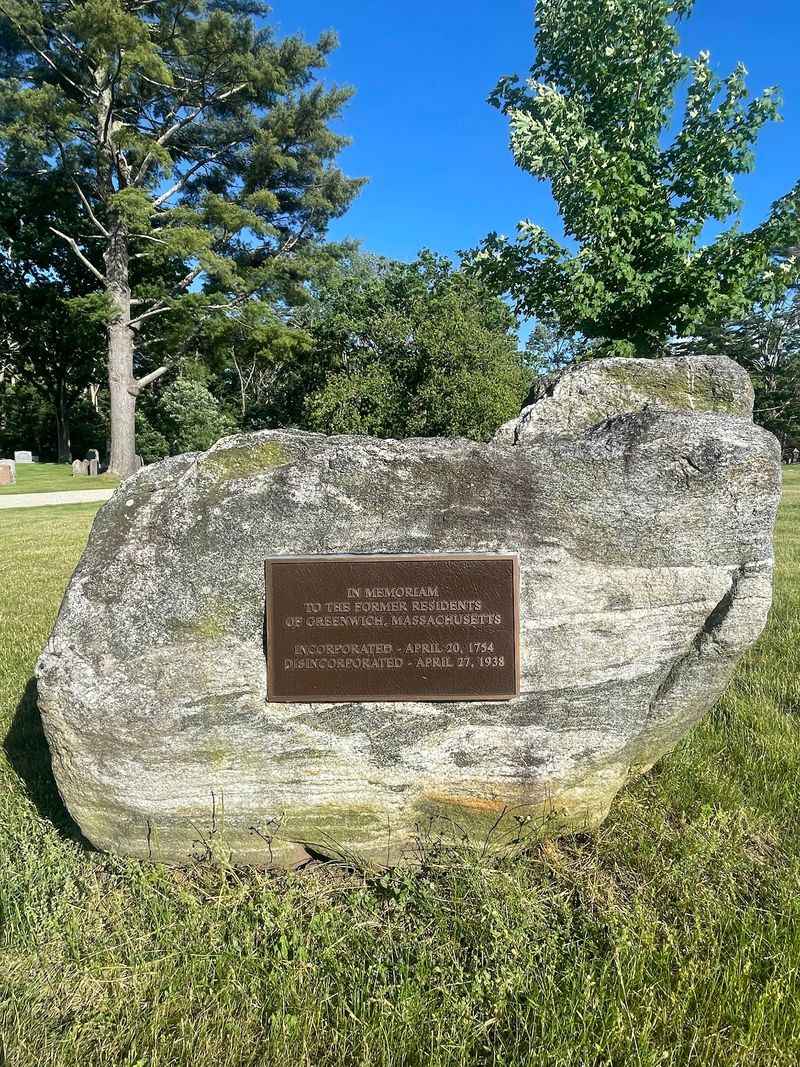
In the 1930s, four Swift River Valley towns, including Enfield, were disincorporated and cleared so the reservoir could be built.
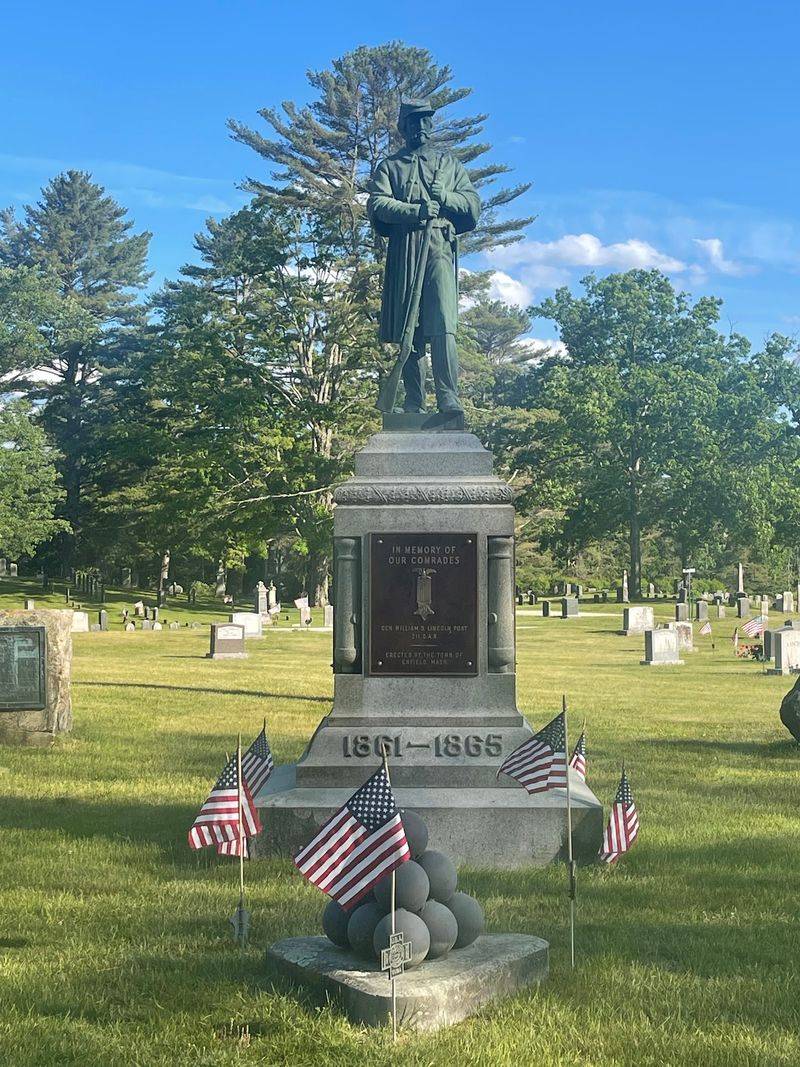
Graves from those lost communities were carefully moved here, and memorials honor the towns and the families who once called them home.
Nearby, Quabbin Park offers scenic lookouts, walking paths, and sweeping views across the water that now covers the old valley.
Visit with respect, take your time reading the markers, and pair your stop with a scenic drive around the reservoir.
A Quiet Place That Holds a Town’s Memory
A quiet row of stones can tell a bigger story than a grand building. At Quabbin Park Cemetery, 557 Belchertown Rd, Ware, MA 01082, United States, the people of a vanished valley still have a place where their names can be remembered.
Start with one helpful correction to the article’s title. The cemetery is not the spot where Enfield’s town center once stood, and visitors should not expect submerged streets beneath its lawns. It became a resting place for people whose original burial grounds were affected by the reservoir project.
That difference makes the visit more meaningful, not less. Instead of standing among surviving town buildings, you are meeting a record of the families who gave the valley its life. Each marker offers a small connection to a community that lost its physical home.
Give yourself time to walk slowly and notice names, dates, and family groups. Avoid assuming that every person buried here came from Enfield, since the cemetery serves a broader history of the displaced valley towns.
For background before visiting, consult the official Massachusetts cemetery page. Knowing why the graves were moved helps turn a peaceful walk into a thoughtful encounter with the past and the people whose stories still matter today.
Enfield Was a Community, Not Just a Name
Before a reservoir changed the landscape, daily life followed familiar patterns. People raised children, worked, attended church, visited neighbors, and buried loved ones in the valley’s cemeteries. The markers preserved here connect that ordinary life to a place that can no longer be visited as a living town.
Enfield was one of four towns removed for the water supply project. Dana, Greenwich, and Prescott shared that fate, so the cemetery’s story reaches beyond a single community. Remembering all four helps explain why so many different families are represented.
As you walk, look for repeated surnames rather than treating each stone as a separate object. Nearby names may suggest family ties, although placement alone does not prove a relationship. Dates can also show several generations linked through one family.
A useful approach is to choose one marker and imagine the questions it raises. Where did that person live, what work did they do, and who remembered them after the move?
The stone may not answer everything, but it gives you a starting point for later research. Pair your observations with reliable town histories or family records instead of guessing. The strongest trace of Enfield here is not a surviving street, but the people who once called it home.
The Water Project Changed Even the Burial Grounds
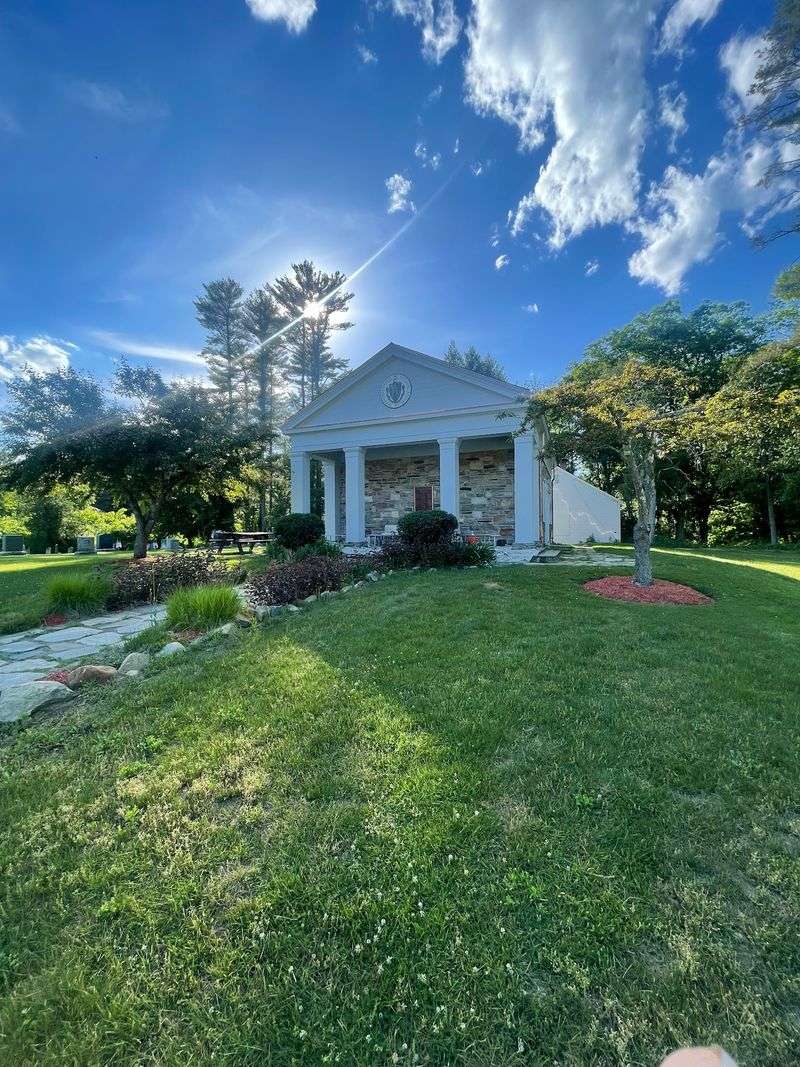
Moving a town meant more than packing furniture and closing doors. Burial grounds also had to be addressed before the valley became part of a major drinking water reservoir. The cemetery stands as evidence of that difficult part of the project.
Thousands of remains were relocated from cemeteries within the affected area. Many were brought here, while others went to burial places selected by relatives. The transfer preserved a place for remembrance after the original cemetery grounds could no longer serve that purpose.
Enfield and the other three towns were officially discontinued in 1938. That date marks the end of their town governments, not a single moment when every building and grave disappeared. Planning, removal, construction, and the filling of the reservoir happened across a longer period.
Keep that timeline in mind when reading older dates on stones. A nineteenth century marker does not mean the person was originally buried on this ground. Its presence may instead reflect the later relocation of an existing burial.
For specific grave histories, seek cemetery records rather than relying on appearance alone. Understanding the move helps explain why this landscape feels both settled and connected to somewhere else. It preserves a resting place while pointing back toward burial grounds the valley once held.
Old Stones Offer Small but Lasting Clues
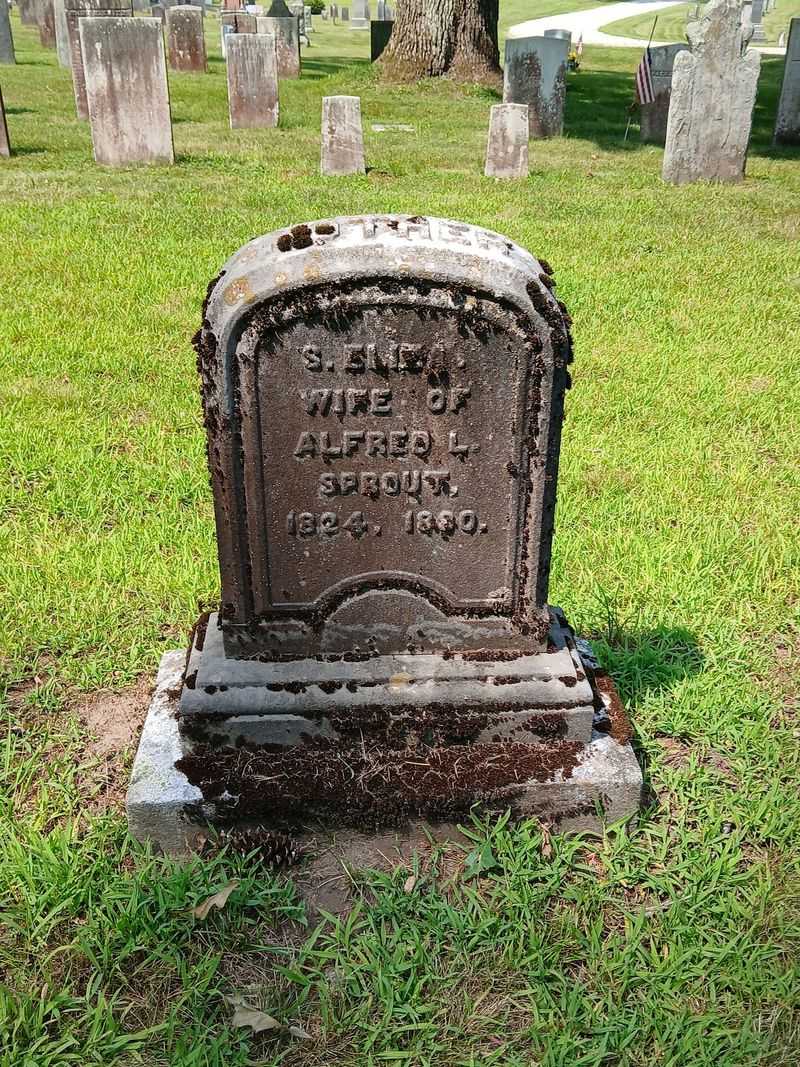
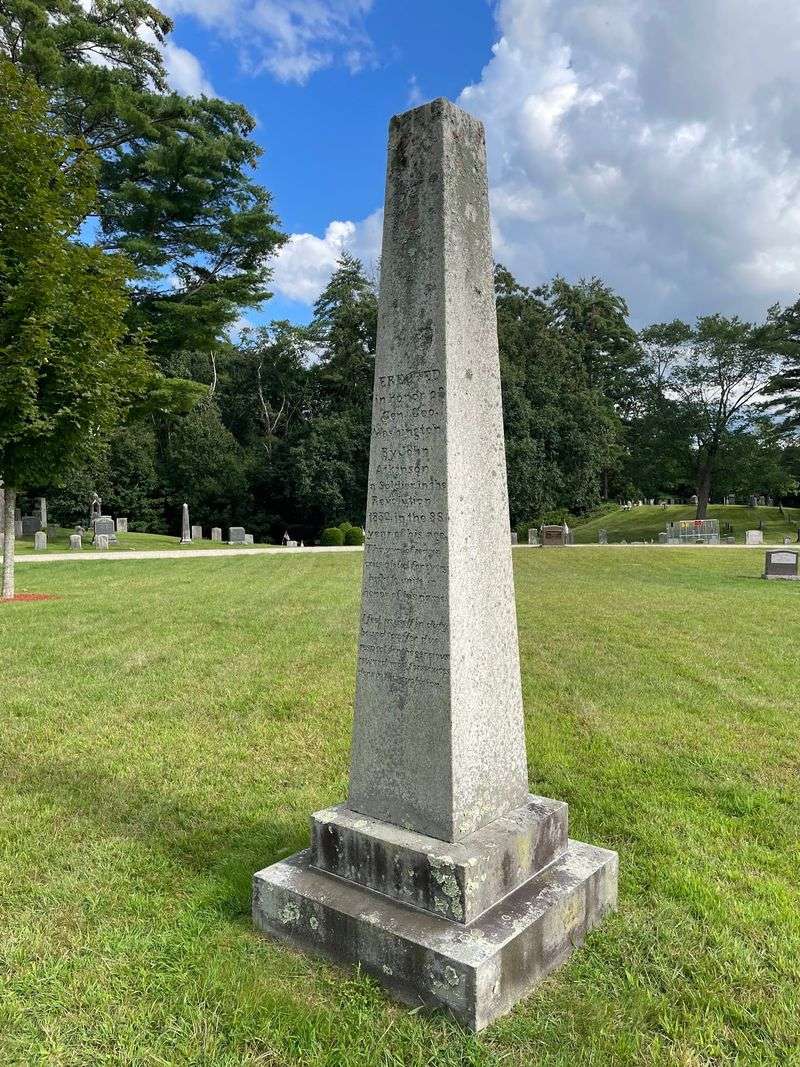
A carved date can make a distant century feel surprisingly close. Names, ages, and short inscriptions give visitors a simple way to connect with lives that ended long before the reservoir existed. You do not need to be a historian to notice those details.
Read a few markers carefully instead of rushing past every row. Some stones identify family relationships, while others offer only a name and dates. Their wording reflects what relatives wanted later generations to remember.
Stone shapes and lettering can also vary across the cemetery. Those differences may suggest changing memorial styles, but they should not be used alone to assign a date or explain someone’s background. An inscription and a reliable record are better guides.
If you photograph a marker, stand where the light makes its surface easier to read. Never apply chalk, shaving cream, cleaning products, or other materials to improve the letters. Avoid rubbings unless cemetery staff specifically allow them.
Weathering is part of the reason these records need care. A clear photograph taken without touching the stone can help you study an inscription later. Small details become useful traces when recorded accurately, allowing the cemetery to share its history without causing damage to the memorials that make that history visible today.
Family Connections Continued After the Move
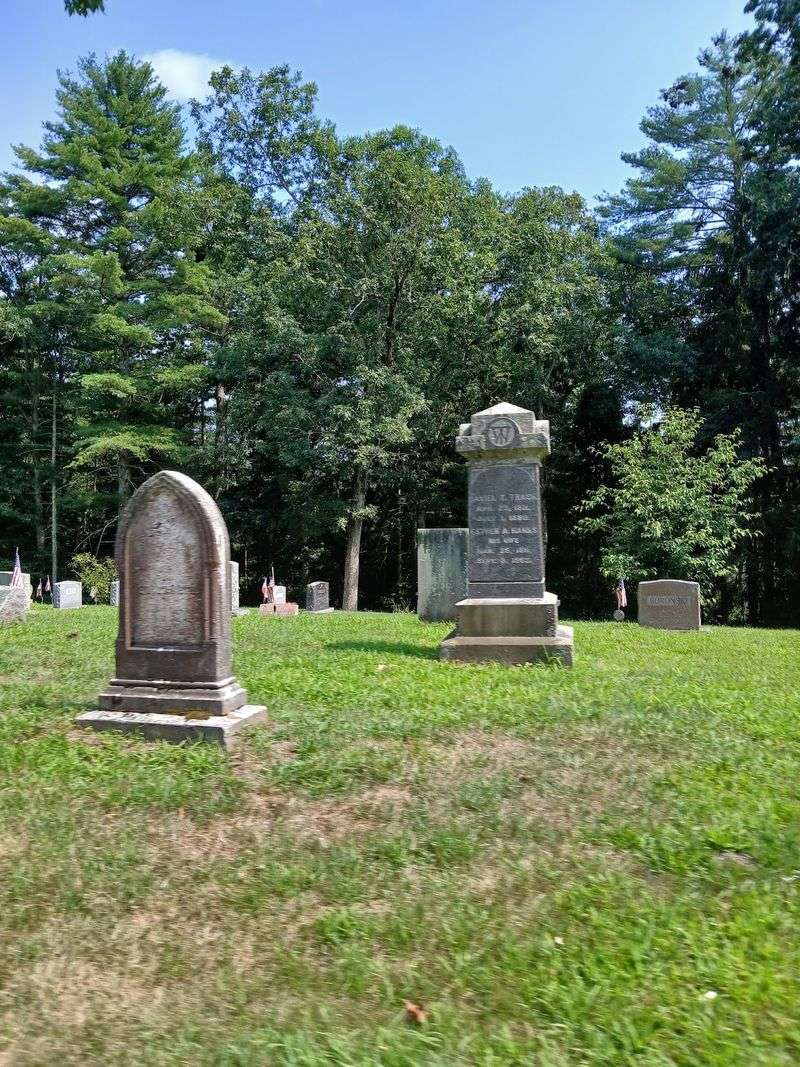
For some visitors, the past is not distant history at all. It is a grandmother’s story, a familiar surname, or a family burial place that still matters today. The cemetery remains part of living family memory, not simply a display of old stones.
One visitor review describes relatives who lived in Dana and a grandmother who arranged burial plots when the family had to move. That account offers a personal example of how families planned for remembrance beyond the loss of their town. It should not be treated as the story of every family here.
Other reviews mention returning often, finding relatives, and appreciating the grounds’ peaceful condition. Together, those comments show why a visit deserves the same respect you would bring to any active place of mourning.
Keep conversations low and give anyone visiting a grave plenty of space. Do not photograph people without permission, and leave flowers or personal objects exactly where you find them.
Family ties help explain why the cemetery’s story did not end when the reservoir filled. Descendants can return to a named place, even when an ancestral home is gone. That continuing connection is one of the clearest traces of the valley’s communities and a reason to approach every visit with care.
A Little Research Makes Names More Meaningful
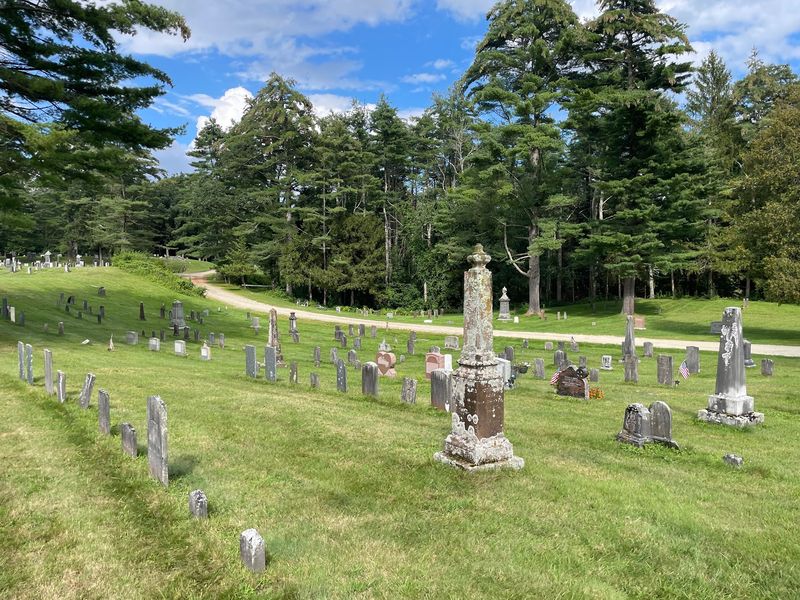
Finding a familiar surname can feel like discovering a missing puzzle piece. Still, a matching name is only a clue, not proof that you have found an ancestor. Careful research turns an exciting possibility into a stronger family connection.
Before your visit, write down the person’s full name and any known birth or death dates. Include a spouse’s name or another close relative if you have one. Those details help separate people who share common names.
The official cemetery information page is a sensible starting point for current contact details and guidance. Ask about available burial records and the proper way to locate a grave. Do not assume every online memorial gives a complete or accurate account.
During your walk, photograph the whole marker and then its inscription if conditions allow. Record nearby family names, but label possible relationships as uncertain until another source confirms them. Keeping observation separate from interpretation prevents mistakes from spreading.
Later, compare what you found with vital records, census entries, obituaries, or reliable local histories. A burial location can support a family story, but it does not explain an entire life. The reward is a clearer picture of a person whose name might otherwise remain just another inscription among many on the cemetery grounds.
Plan a Visit Around Care, Not Speed
A thoughtful visit starts before you reach the first headstone. Checking current access information can save a wasted trip and help you arrive ready for a quiet walk. Treat the grounds as a cemetery first and a history stop second.
The supplied listing shows weekday hours from 9 a.m. to 4:30 p.m., with Saturday and Sunday listed as closed. Schedules can change, and listed hours may not explain every aspect of access. Confirm current arrangements through the official state information page or cemetery contact before traveling.
Wear comfortable shoes and prepare for the weather. Grass can be damp, and uneven ground near older markers deserves attention. Bring water for yourself, but carry away bottles, wrappers, and anything else you brought.
Stay on established routes where possible and avoid stepping directly on graves. Keep children close, explain why stones should not be climbed, and never lean against a marker. Some older memorials may be less stable than they appear.
A short, focused walk can be more rewarding than trying to cover everything. Choose a few names to study, pause to consider the relocation story, and leave the grounds undisturbed. Respectful habits protect both the physical memorials and the sense of peace that visitors consistently value in their accounts of this place.
The Clearest Traces Are Human Ones
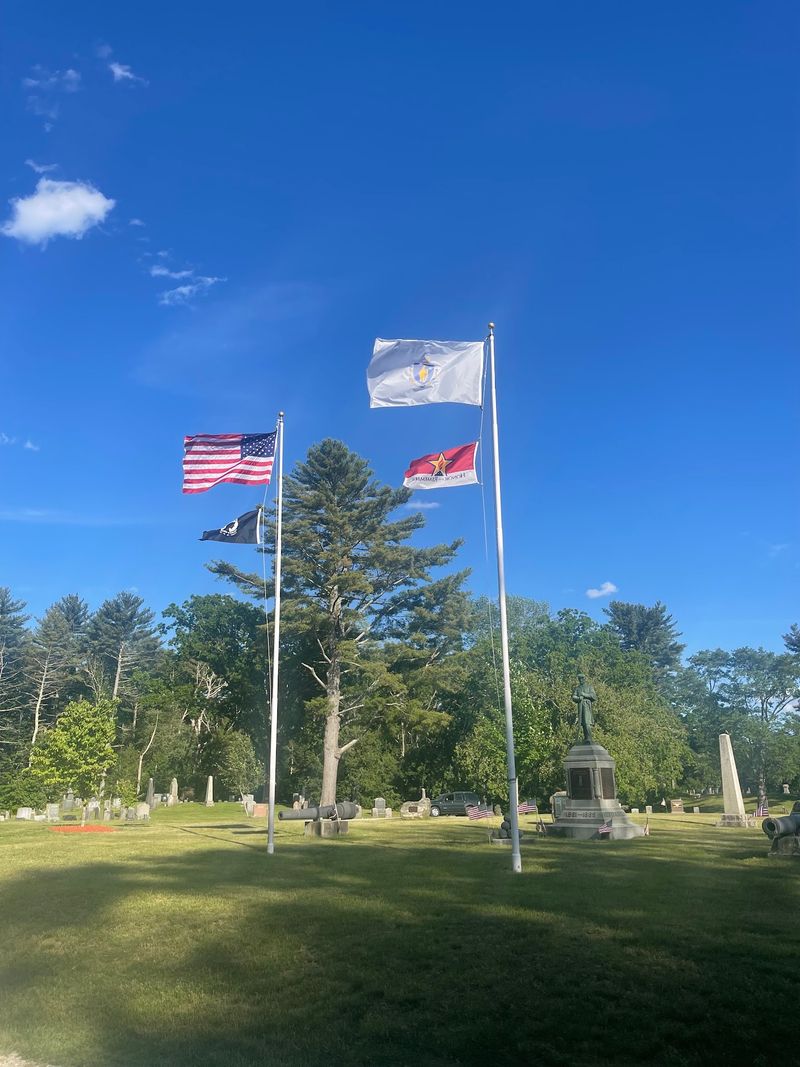
Not every trace of a lost town looks like a broken wall. Sometimes it is a family name that remains readable, a burial record that survives, or a descendant returning to remember someone. The cemetery brings those quieter traces together.
That is the most useful way to understand its connection to Enfield. The grounds do not preserve the town’s original streets or buildings. Instead, they preserve memorials and burial places linked to people from the valley that the water project changed.
The distinction matters because dramatic stories about flooded towns can hide the human cost. Families lost familiar surroundings and had to rebuild their lives elsewhere. Moving burial grounds added another layer to that separation from home.
Before leaving, look back at a row of names rather than searching for a spectacular ruin. Consider how much of a community rests in relationships, shared memories, and the care people give their dead. Those connections can survive even when a town government and its landscape do not.
Carry that perspective into any later reading about the reservoir. A visit offers no complete account of Enfield, but it provides a grounded place to begin. The surviving traces here ask for attention, accuracy, and respect, keeping the valley’s people at the center of its story.