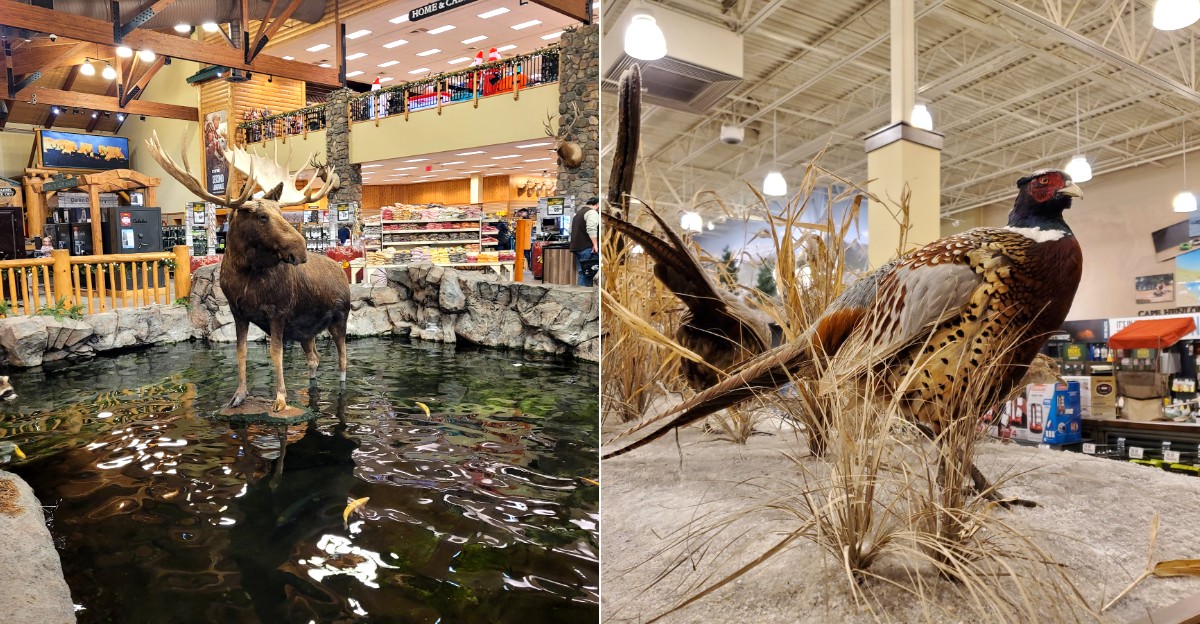
Walking through these doors feels more like entering a natural history museum than starting a shopping trip.
Cabela’s in Hamburg, Pennsylvania, is a massive outdoor store sitting just off Interstate 78.
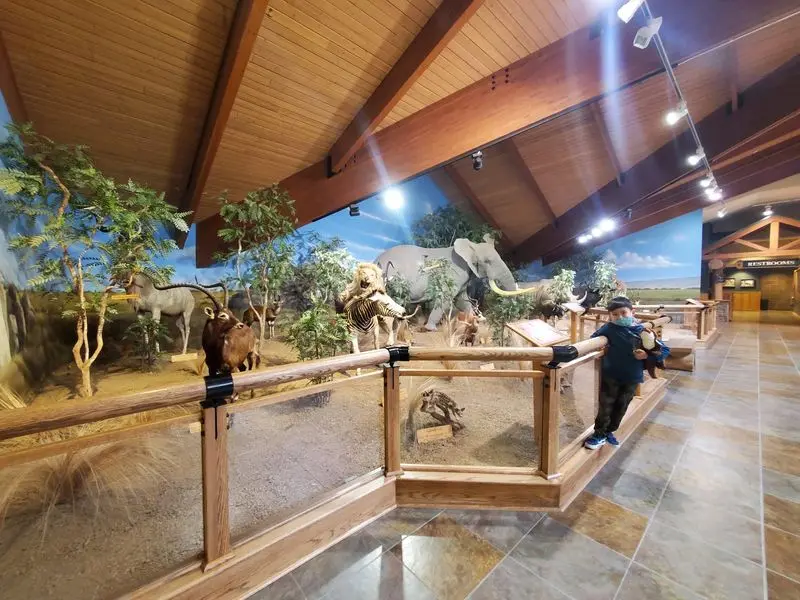
Inside, lifelike wildlife displays show deer, bears, and other animals posed in natural-looking scenes.
A large aquarium filled with freshwater fish is a favorite stop for curious kids.
Shoppers can browse gear for fishing, hunting, camping, and boating across a huge sales floor.
Give yourself extra time, because there is something interesting waiting around every corner.
A Cabin-Like Welcome Sets the Scene
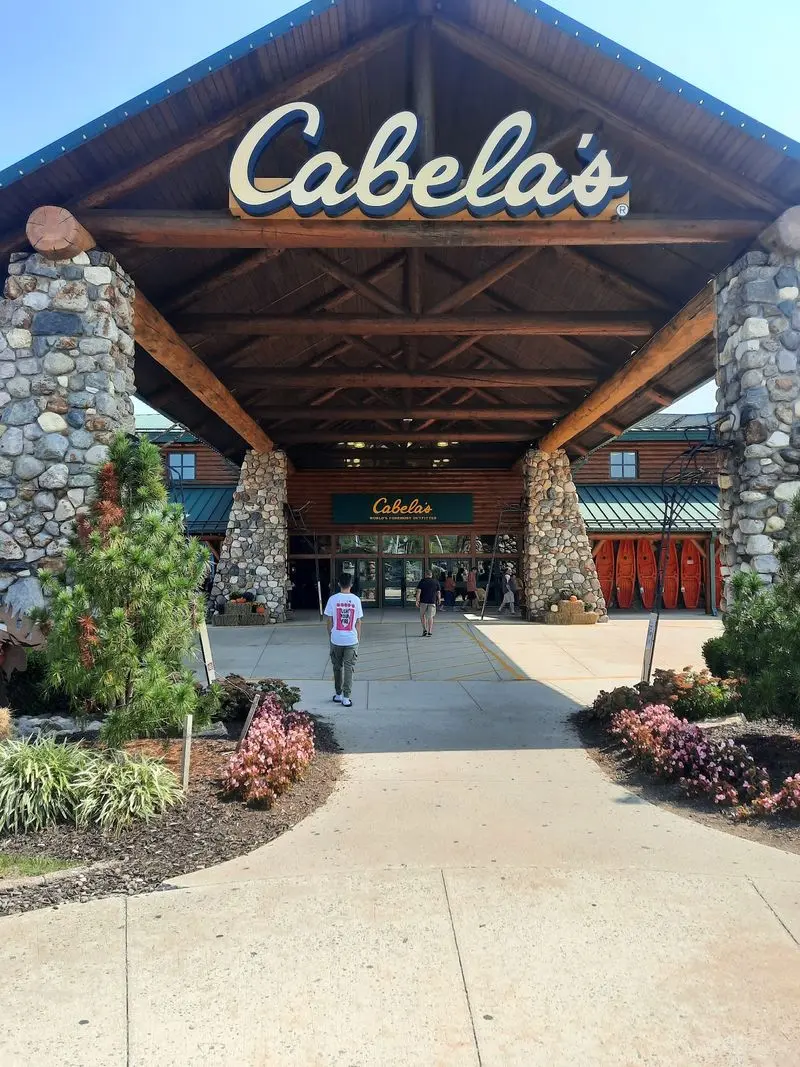
A big outdoor store rarely makes you forget your shopping list, but the welcoming atmosphere here gives you plenty of distractions. Visitors describe an entrance that feels like stepping into a massive cabin, with outdoor clothing leading toward wildlife scenes.
Cabela’s stands at 100 Cabela Dr, Hamburg, PA 19526, United States, and its appeal reaches beyond people buying sporting goods. Families, travelers, and curious shoppers can enjoy the setting without needing to know much about fishing rods or camping equipment.
Start by taking a slow look around rather than heading straight toward the first aisle that catches your eye. The store has two floors, according to visitor accounts, so getting your bearings early can save some wandering later.
Comfortable shoes are a smart choice because browsing the displays and departments can turn a quick stop into a longer visit. If you arrive with children, choose a meeting point and explain that the animal displays are for looking, not touching.
Think of the entrance as the opening scene rather than the whole attraction, with more discoveries waiting beyond the clothing racks. That mix of practical shopping and unexpected sightseeing helps explain why so many visitors call the store a destination in its own right.
Wildlife Displays Turn Browsing Into Exploring
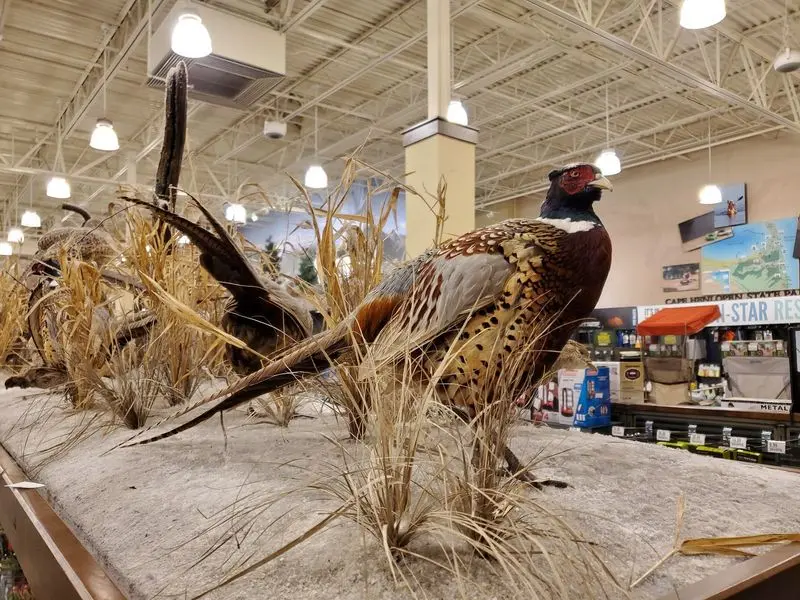
Antlers, fur, and carefully arranged nature scenes give the sales floor a very different feel from an ordinary sporting goods shop. Animal displays are a recurring highlight in customer reviews, including comments from families who return across several generations.
The animals are preserved specimens, not living creatures, so the experience is closer to viewing taxidermy in a museum. Knowing that distinction before visiting can help parents explain what children will see and avoid surprises for sensitive visitors.
Rather than rushing past each scene, look at the animal’s shape, feet, coat, and position within the surrounding display. Those details can start simple conversations about how different animals move, stay warm, find food, or blend into their surroundings.
You do not need to identify every species to enjoy the exhibits, and guessing together can make browsing more engaging. Let younger visitors choose a favorite animal, then ask what caught their attention, whether it was size, color, or unusual antlers.
Keep a respectful distance from the displays and follow posted rules, especially when taking photographs or guiding excited children nearby. The real pleasure comes from noticing small details that a hurried shopper might miss while walking toward the next department.
Mountain Scenery Creates a Natural Centerpiece
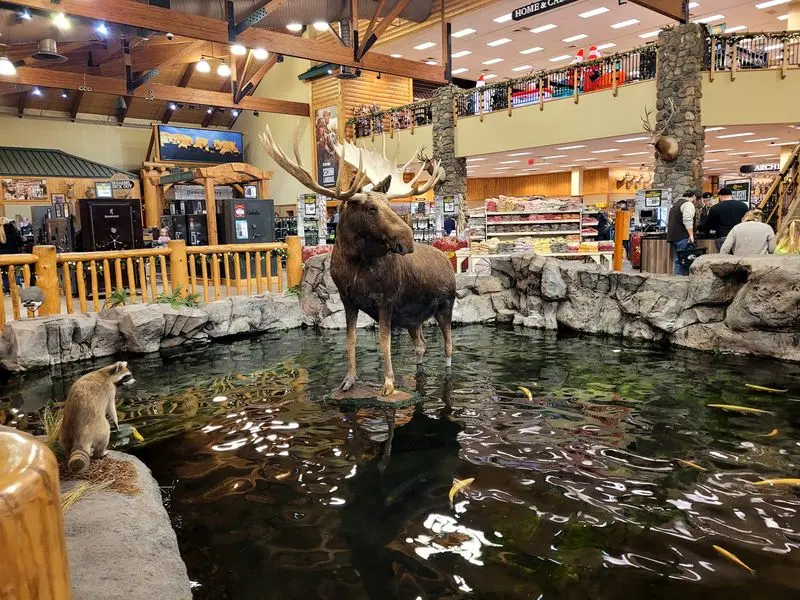
A rocky wildlife scene can stop you midstride, especially when animals appear at different heights instead of sitting behind plain glass. One detailed visitor account describes a mountain display with nature settings that suggest several different parts of North America.
That account mentions snowy surroundings, desert scenery, and other habitat themes, giving the arrangement a broader story than individual animal mounts. Treat those descriptions as visitor observations rather than a promise that every scene will look exactly the same during your trip.
Begin with the overall shape of the display, then move closer where allowed to study smaller features and individual animals. Changing your viewing angle can reveal details that disappear when everything is seen from a single spot near the aisle.
For children, the setting offers an easy way to discuss why a desert animal might need different features than a mountain animal. You can keep the conversation light by asking which surroundings look coldest, driest, or hardest for an animal to cross.
A visitor also reported a waterfall and trout pool near the mountain scene, adding another reason to explore the surrounding area. Check what is currently accessible when you arrive, and avoid leaning over barriers or disturbing any water features during your visit.
The Deer Museum Rewards a Closer Look
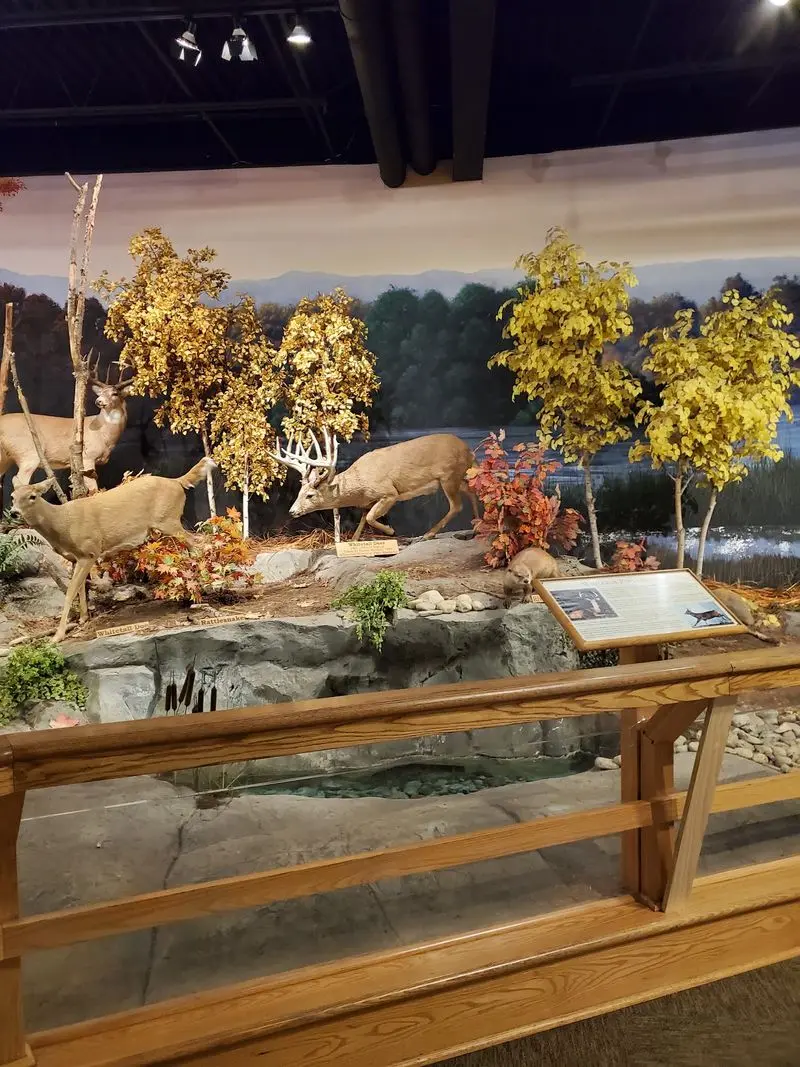
Not every memorable exhibit needs movement or bright colors; sometimes an impressive set of antlers is enough to hold your attention. A customer specifically praised the deer museum, and the store’s response acknowledged that feature alongside its other museum-like displays.
For visitors who usually see deer only from a car window, preserved mounts offer a chance to study their features closely. Look for differences in antler shape, overall size, and the way each animal has been presented within the exhibit space.
Avoid assuming that larger antlers automatically tell you everything about an animal’s age, health, or life in the wild. If labels are available, read them carefully instead of filling in missing details with guesses or stories heard elsewhere.
Families can turn the stop into a quiet observation game by comparing two mounts and naming a few visible differences. Older children might enjoy sketching an antler outline, while younger visitors can simply count points they can clearly see.
Even people with no interest in hunting may appreciate the exhibit as a close look at animal form and careful preservation. Give yourself time to look beyond the biggest mount, since smaller differences often make the display more interesting than a quick glance.
The Aquarium Adds Living Movement
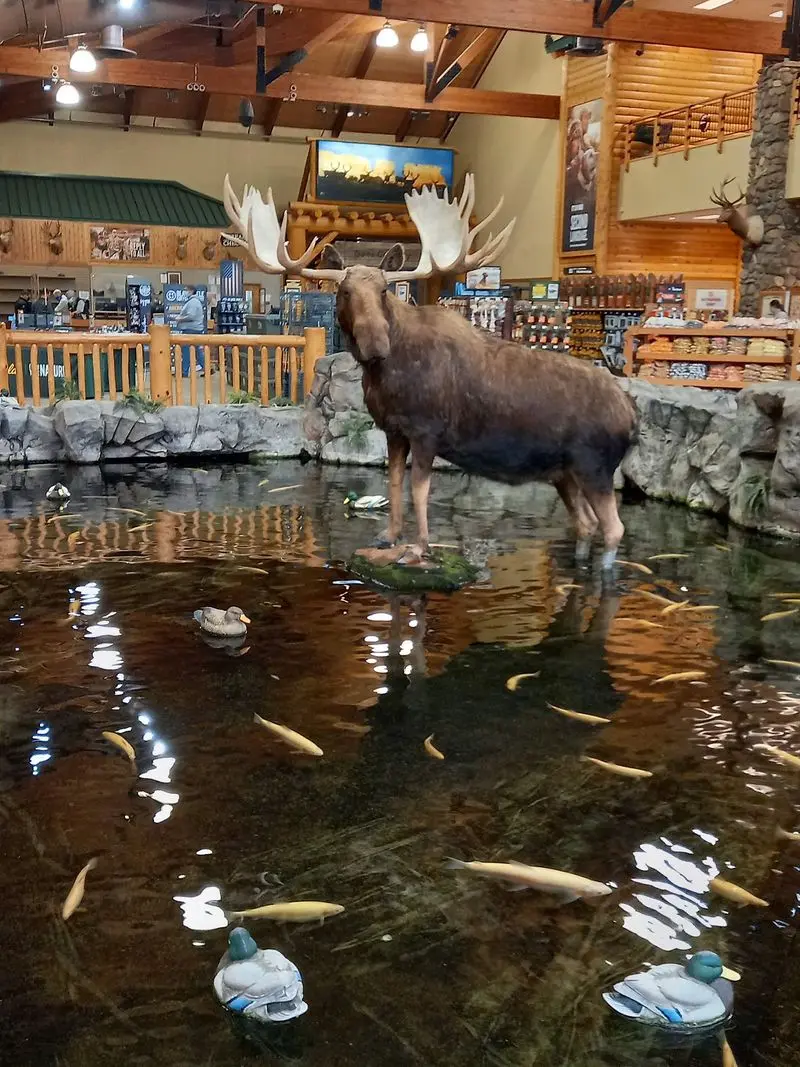
After looking at still animal displays, watching a large fish glide past the glass brings a fresh kind of excitement. Several customer reviews praise the aquarium, describing it as a highlight that makes the store enjoyable for families and outdoor fans.
One visitor reported seeing trout and other freshwater fish near the fishing department, although the exact collection may change over time. Use any current identification signs to learn what you are seeing rather than relying on a fixed species list before arriving.
Stand back for a moment and watch how the fish move through the water, turn, and share the available space. Children can compare body shapes or notice which fish stay near the bottom and which swim higher in the tank.
Keep hands off the glass when signs request it, and never tap to make a fish come closer for a photograph. Avoid flash where restricted, and be mindful of reflections if you want a clear picture through the aquarium window.
The tanks also provide a useful bridge between the wildlife displays and the fishing equipment sold elsewhere in the store. Seeing living fish first can make later conversations about local waters, responsible fishing, and aquatic habitats feel much more meaningful.
Outdoor Departments Connect Curiosity With Real Adventures
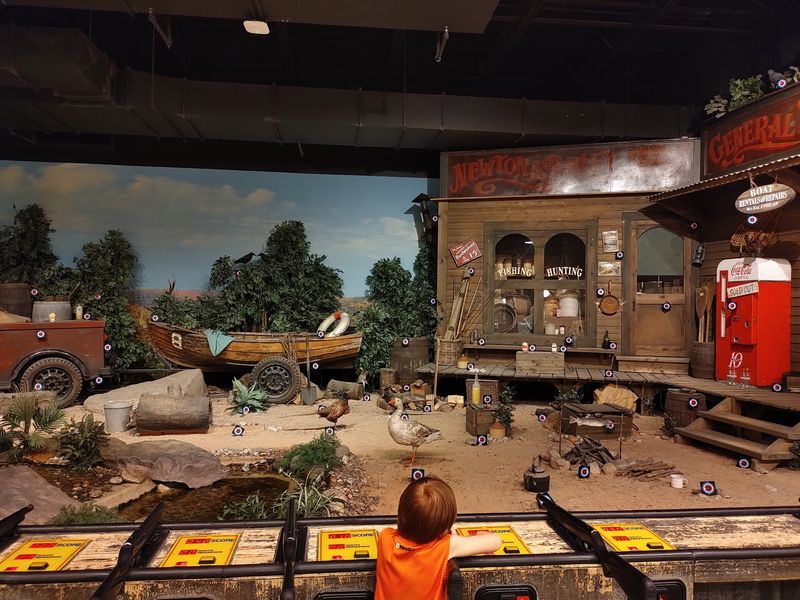
A fish tank may spark the curiosity, but the nearby gear can help turn that interest into a first outdoor adventure. The store carries hunting, fishing, and camping supplies, along with clothing and footwear suited to a range of outdoor activities.
Customer accounts describe broad fishing selections and an upstairs camping department, though product placement and available stock can change between visits. Ask for directions when you arrive rather than planning your entire route around an older review or remembered aisle location.
Beginners should bring a short list of goals, such as fishing from shore or spending one night at a campground. That gives staff a better starting point than a vague request for everything needed to enjoy the outdoors this season.
Several reviewers praise helpful employees, including a fishing department worker who made choosing beginner equipment feel easier and less confusing. Service experiences vary, so allow time for questions and ask another available employee if a department is busy during your visit.
Set a budget before browsing, and separate essential equipment from extras that simply look fun on the shelf beside it. The most useful purchase is something that fits your plans, comfort level, and experience, not necessarily the biggest or most expensive option.
Family Visits Can Be More Than Shopping Trips
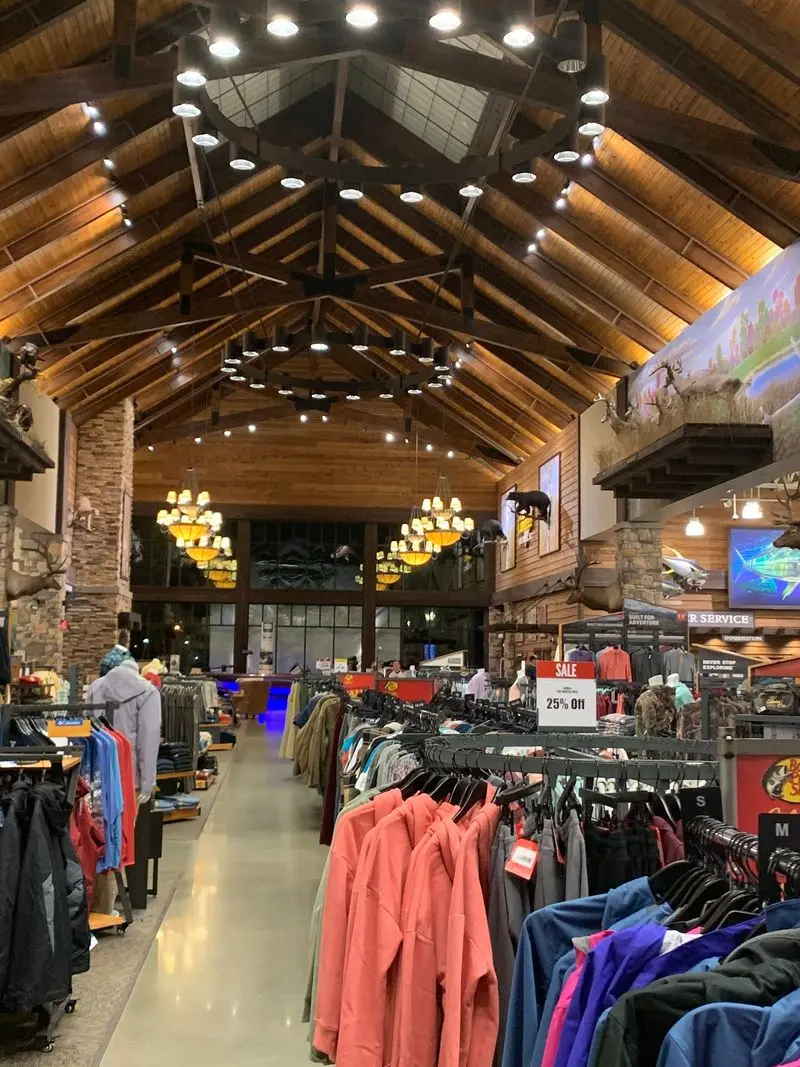
Some stores test a child’s patience, while one with fish tanks and animal scenes gives everyone something to look forward to. Reviews repeatedly describe families enjoying the displays, including visitors who now bring grandchildren to see animals they have enjoyed for years.
A simple plan works better than trying to cover every department and exhibit before anyone gets tired or hungry inside. Choose a few shared priorities, such as the aquarium, deer exhibit, and mountain scene, then leave room for unexpected discoveries.
Turn waiting time into a small observation challenge by asking each person to find an interesting shape, texture, or animal feature. Avoid making the outing feel like a test; the goal is conversation and curiosity rather than getting every answer right.
Holiday visits may offer another layer of entertainment, with one review describing Santa photos, crafts, and a festive seasonal display. Those activities are not everyday features, so check the official store website for current event dates, reservations, and any participation details.
Families with younger children should also plan breaks and make clear that merchandise and wildlife displays have different rules for handling. A relaxed pace leaves more room for enjoyment, whether you buy outdoor supplies or simply spend time exploring the exhibits together.
A Little Planning Makes the Visit Smoother
The easiest way to spoil a leisurely outing is to arrive hungry, short on time, or unsure when the doors close. The supplied hours list opening at nine each morning, with closing at ten Monday through Saturday and seven on Sunday.
Confirm those times on the official store website before traveling, especially around holidays when regular schedules may not apply as expected. You can also call 610-929-7000 to ask about current displays, event arrangements, accessibility questions, or a particular item you need.
Food deserves its own backup plan because customer reports do not give a consistent picture of available meals inside the store. One reviewer found no indoor food service and mentioned a food truck outside, while another referred more generally to having lunch.
Do not count on either option without checking, and plan a meal separately if children or traveling companions will need one. A visitor also reported convenient parking for an RV, but that should not be treated as permission for an overnight stay.
Ask staff about current parking rules if you arrive in a large vehicle, and leave enough time to browse without rushing. With those basics settled, you can enjoy the unusual blend of wildlife viewing and outdoor shopping at your own comfortable pace.