The hiss of steam and the call of a whistle are enough to make any child’s eyes light up.
The Wilmington and Western Railroad near Wilmington, Delaware, offers rides aboard vintage trains through the scenic Red Clay Valley.
Trips begin at Greenbank Station and follow tracks that wind along Red Clay Creek through woods and over small bridges.
Depending on the day, families may ride behind a historic steam locomotive or a classic diesel engine.
Kids love peering out the windows and feeling the gentle sway of the old cars.
Check the schedule, grab your tickets, and get ready for an all-aboard adventure.
Start With the Excitement of Boarding
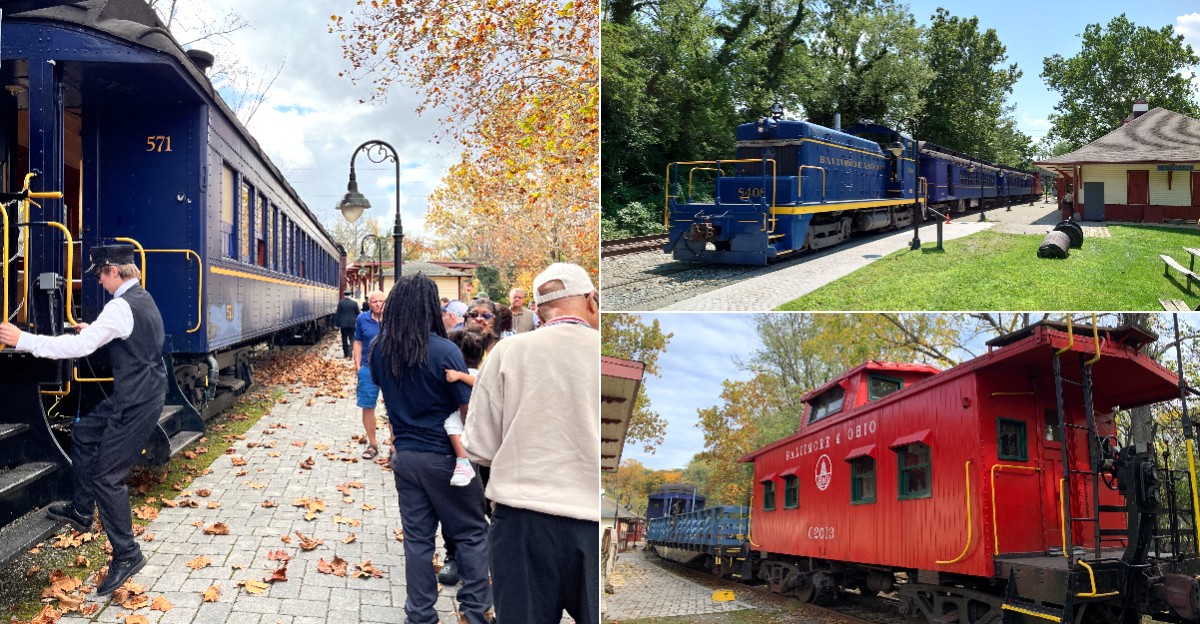
A whistle in the distance can make even the walk from the parking area feel like an adventure. For children, boarding a full-size passenger coach turns familiar storybook scenes into something they can actually experience.
The Wilmington & Western Railroad is located at 2201 Newport Gap Pike, Wilmington, DE 19808, United States. Its station is the starting point for sightseeing excursions aboard historic railway equipment.
Before leaving home, check the official website for current operating dates, departure times, ticket details, and any service notices. Do not assume trains run daily or that every departure uses a steam locomotive.
Give your family enough time to park, collect tickets if needed, use the station restrooms, and follow boarding instructions. Arriving without a rush helps younger passengers settle into the experience instead of feeling hurried.
Explain that climbing aboard means entering the passenger cars with permission, not climbing on engines, couplers, or other equipment. Keep children close on the platform and let crew members guide your group.
Once seated, invite everyone to notice the windows, seats, and sounds around them. Those small observations help the ride become more than transportation: they make it a shared discovery from the very first moment until the family returns to the station afterward.
Meet a Real Steam Locomotive
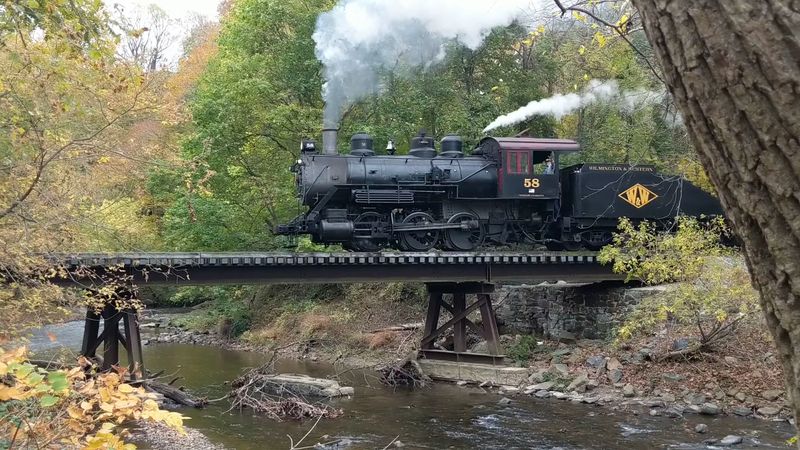
Big wheels, moving rods, and escaping steam give an old locomotive a personality that toy trains can only imitate. Watching one work can be the highlight for a child who loves machines.
Steam locomotives use heat to turn water into steam, which helps move pistons and drive the wheels. That simple explanation gives young riders a useful starting point without turning the outing into a science lecture.
The railroad preserves historic equipment, but the engine assigned to an excursion can vary. Diesel locomotives may pull some trains, and maintenance or operating needs can change planned equipment.
If steam is the main reason for your visit, confirm the advertised locomotive before buying tickets and check again near your departure date. Treat the schedule as a plan rather than a guarantee.
From an approved viewing area, encourage children to look for the large driving wheels and the rods connecting them. A photograph taken from a safe distance can help them remember those details later.
Never promise a cab visit, engine climb, or hands-on demonstration unless the railroad specifically offers it. Hot surfaces and moving machinery belong to trained crews, not curious passengers.
The reward is seeing a working piece of history while learning why railroads once depended on steam power.
Turn the Window Into a Nature Game
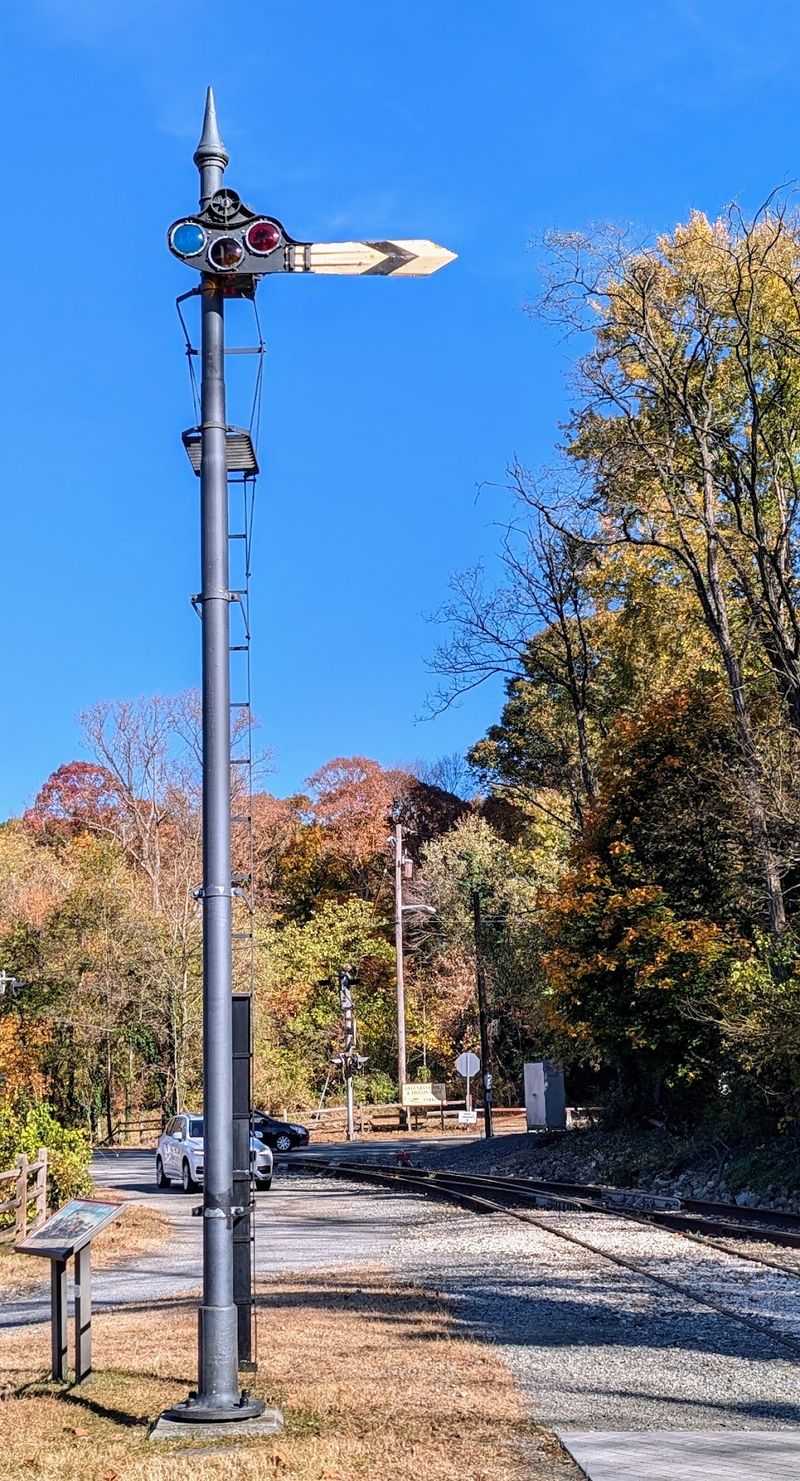
Outside the window, trees and water can replace screens for a while. The sightseeing route passes through a wooded valley, giving families a chance to watch the landscape change at the train’s pace.
Make a simple spotting game before departure: look for a bridge, a creek, a road crossing, and three different leaf shapes. Choose things children can notice from their seats without leaning out or moving between cars.
There is no need to turn every view into a lesson. Sometimes the best part is simply watching sunlight flicker through branches while the wheels keep their steady rhythm.
For curious riders, explain that railways often follow valleys because the land can provide a practical path through the countryside. Then let the scenery do most of the talking.
Bring a small notebook so children can sketch something they remember after the ride. A crooked bridge drawing or a page of colorful leaves may become a better keepsake than another phone photo.
Season, weather, and the particular excursion affect what you see. Autumn colors are never guaranteed, and wildlife sightings should be treated as a bonus.
Keep cameras, hands, and heads inside the coach, and follow any window instructions from the crew throughout the journey, including during stops and boarding.
Discover History Without a Textbook
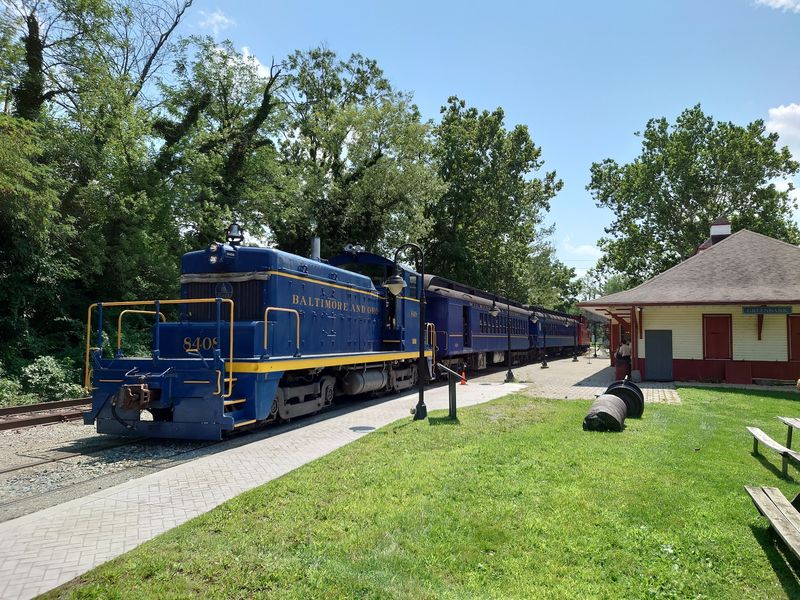
A punched ticket and an old photograph can make the past feel surprisingly close. Historic railway travel gives children something solid to connect with, rather than a list of dates to memorize.
The route follows a railway corridor with roots in the 1870s. That background helps explain why preserving tracks, locomotives, and passenger cars matters.
At the station, look for historical photographs and displays before boarding. Ask children what seems different from transportation today, such as clothing, equipment, or the way passengers traveled.
Keep the conversation light and let their answers lead. A child who notices an unusual seat or a conductor’s uniform already has a useful doorway into history.
Some excursions include narration, although its amount and audibility can vary. Listen when announcements explain the route, and save extra questions for a moment when crew members are available.
Older children might enjoy thinking about the people who once depended on trains for work, deliveries, and visits. Younger riders may prefer imagining what it felt like to hear a whistle before cars became common.
Afterward, ask each person to share one detail they noticed. A short conversation on the way home can help the experience stick without making a family outing feel like homework or a formal classroom assignment.
Choose a Seasonal Ride That Fits
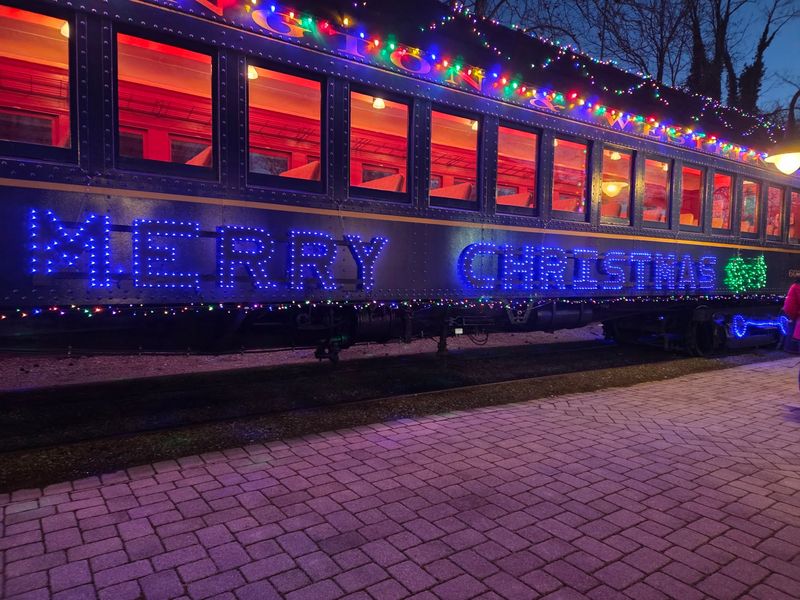
Twinkling lights can turn a familiar passenger car into a moving holiday memory. Seasonal excursions add another reason to visit, especially for families who enjoy building traditions together.
Past visitors describe autumn foliage outings, Santa rides, and trains decorated for holiday lights. Those reports show the variety of experiences offered, but they do not replace the current event calendar.
Check the official listing for the exact program, ride length, departure time, and what your ticket includes. A Santa visit and an evening lights excursion may be separate experiences rather than parts of one trip.
Choose according to your children’s routines. An evening departure might delight an older child but feel exhausting for a preschooler who usually sleeps early.
Popular seasonal trains can sell out, so reserve ahead when you find a suitable departure. Read cancellation and exchange terms before paying, especially when coordinating several households.
Dress for the forecast and ask about coach conditions rather than assuming every car will feel equally warm. Layers are useful when waiting outside or traveling during cooler months.
Keep expectations flexible about decorations, characters, and locomotive assignments. The best match is the ride your family can comfortably enjoy, not simply the one with the busiest calendar or the most elaborate sounding holiday event name.
Pack for Whistles, Weather, and Wiggles
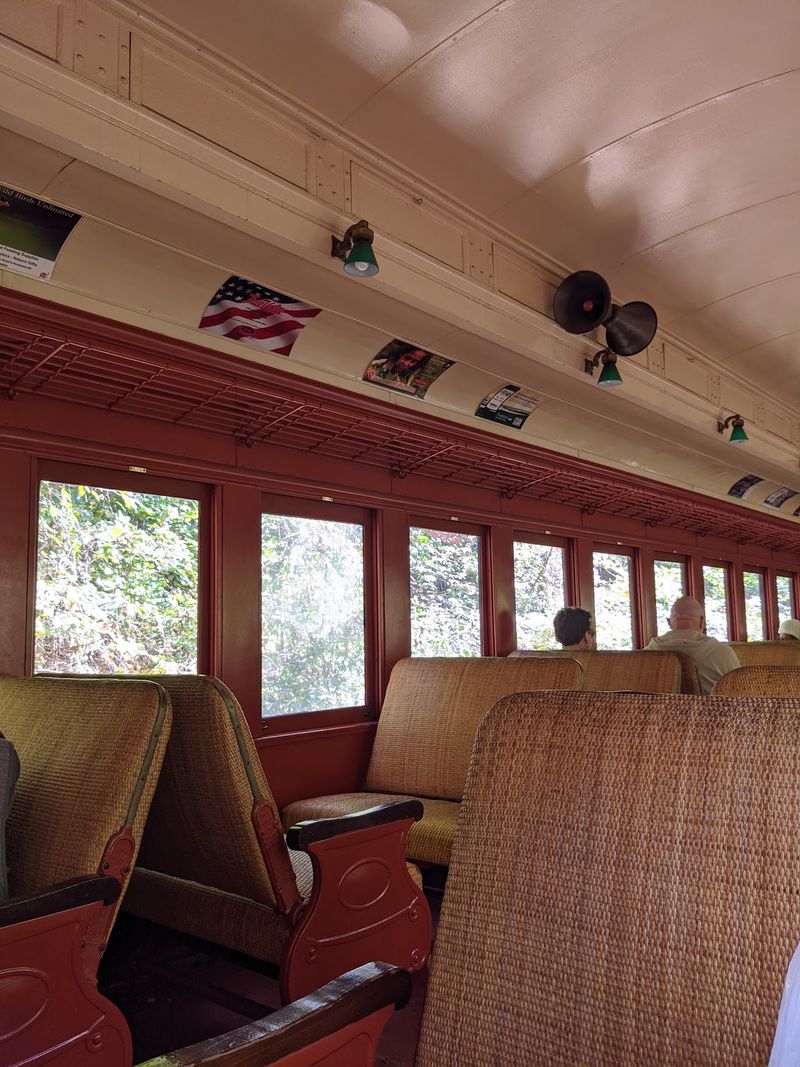
The first loud whistle can surprise a child who was perfectly happy a moment earlier. A little preparation helps families enjoy the sounds and movement without feeling caught off guard.
Road crossings require warning signals, and passengers have reported that the train can be loud. Bring suitable hearing protection for anyone sensitive to whistles, horns, or repeated announcements.
Tell children ahead of time that the coach may sway and the wheels may make steady clattering sounds. Staying seated when asked and holding an adult’s hand while boarding can make those unfamiliar sensations easier.
Use the station restroom before departure. Visitor reports about onboard toilets differ, so confirm current availability rather than relying on an older review.
Pack lightly, with weather layers and any personal items your child needs. Check the railroad’s rules before bringing food, drinks, strollers, or bulky bags.
Ride lengths vary by excursion, which matters when planning around naps and meals. Choose a shorter option if your child is still learning to sit through an extended activity.
Families needing boarding assistance should contact the railroad beforehand to discuss the specific train and available arrangements. Previous accessibility reports are encouraging, but equipment and individual needs differ.
Good planning leaves more room for excitement and fewer avoidable surprises on board.
Appreciate the People Keeping Trains Alive
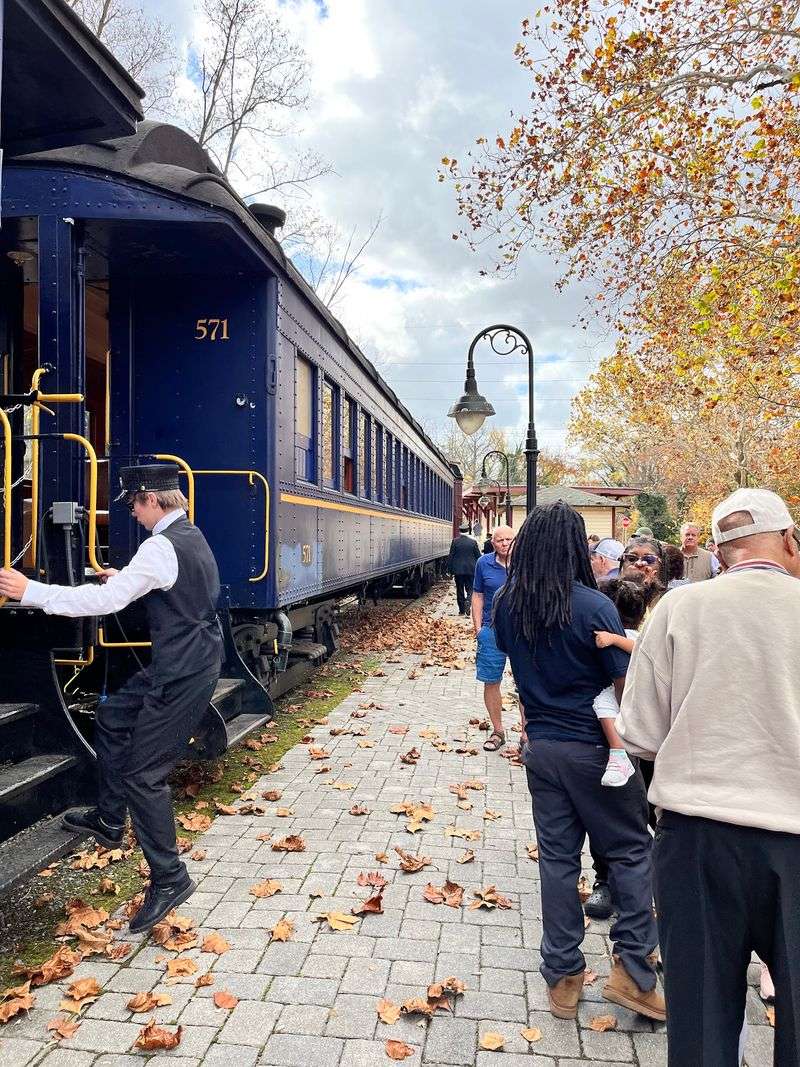
Behind every cheerful departure is work most passengers never see. Historic trains need skilled care, and volunteers play a major role in keeping this railway experience available to families.
Visitor reviews repeatedly praise the helpful crews and their enthusiasm. That welcome can matter just as much as the scenery when a child feels nervous about boarding something unfamiliar.
Encourage polite curiosity, but remember that crew members have safety duties first. Wait for a suitable moment before asking how a locomotive works or what a conductor does.
A simple thank-you is an easy way for children to recognize the effort involved. They can also learn that preserving history requires real people giving their time and knowledge.
Explain that maintenance is more than polishing an engine until it shines. Railway preservation involves mechanical work, inspections, track care, and many tasks that help passengers travel safely.
If your family wants to support the organization beyond buying tickets, look for current information about donations or volunteer opportunities. Ask directly about age requirements and available roles instead of assuming children can help around equipment.
Respect restricted areas and avoid interrupting active operations for photographs. The most meaningful encounter may be a brief conversation that shows young riders how enthusiasm becomes service to the wider community.
Make the Ride a Family Keepsake
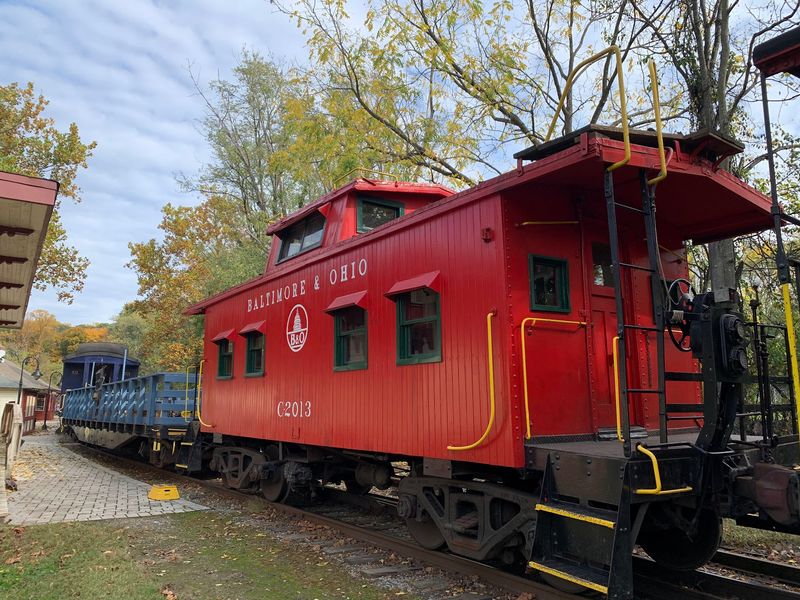
Years later, children may remember who sat beside them more clearly than which engine pulled the train. A railway outing offers space for shared stories, silly observations, and photographs that feel different from everyday snapshots.
Let each family member choose one moment to remember: the boarding call, a view of the creek, or the first whistle. That small tradition gives everyone a part in telling the story afterward.
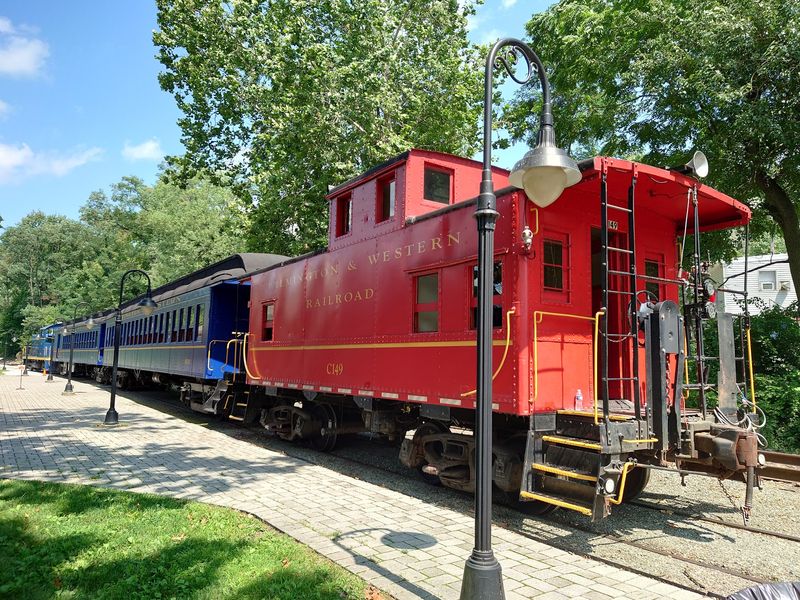
For birthdays or gatherings, ask whether private caboose arrangements are currently available. Past visitors describe caboose celebrations, but capacity, pricing, permitted activities, and operating dates need direct confirmation.
Do not assume a regular excursion includes a picnic stop. Some past trips offered a layover, so check your chosen itinerary before packing a meal or promising time outside.
Take group photographs only where the crew permits and without blocking boarding paths. Tracks are never a safe backdrop, even when they appear quiet.
A souvenir can be simple: a ticket, a drawing, or a short note about the funniest thing someone said. If the station shop is open, browse without making a purchase the measure of a successful day.
Finish by asking whether everyone would enjoy another season’s ride. Their answers can help shape a future visit around genuine interests and comfort.