Just two women walked across the stage with the very first graduating class in 1872.
Their school had admitted women from day one, back in the 1860s, when plenty of other colleges still slammed the door.
The trustees even put it in writing, saying they had no right to exclude girls since taxpayer money paid for the whole college.
I love how blunt and practical that is.
A later graduate went on to help win American women the vote.
Today, her name sits on a busy campus building, with more than 4,000 women honored in the plaza right out front.
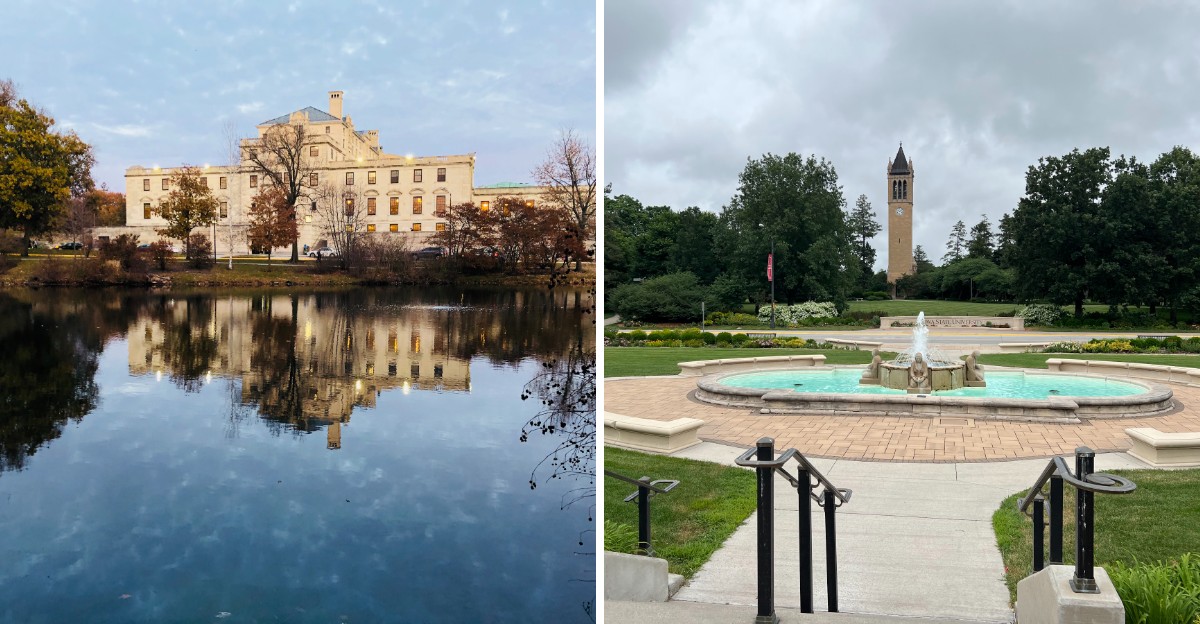
This whole story lives in central Iowa, spread across wide lawns, historic houses, and quiet plazas you can explore on foot.
So where should your history walk actually begin?
The Doors Were Open to Women Before the First Official Class Even Started
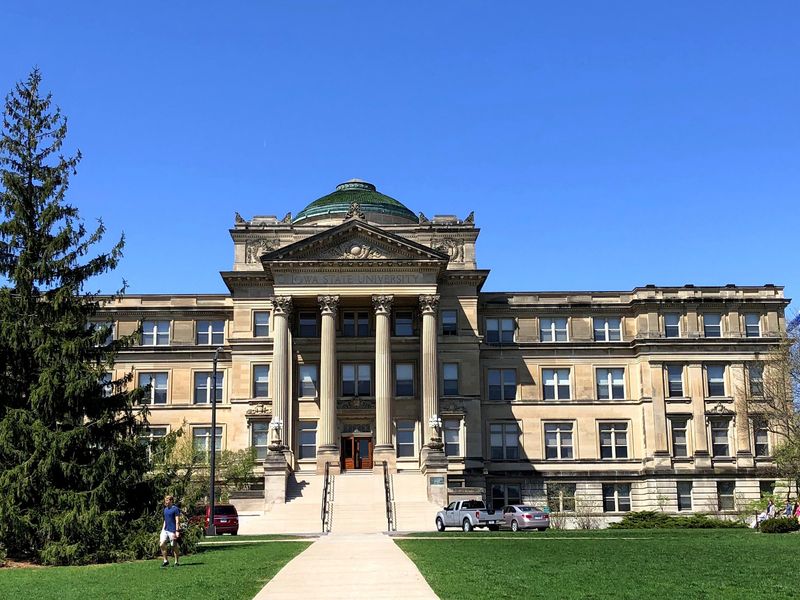
October 21, 1868, is a date worth circling. That day, Iowa State University of Science and Technology welcomed a preparatory class of 70 students, and both men and women sat in it.
The official opening came in 1869 with 136 men and 37 women. Three years later, the first graduating class included 24 men and two women.
My favorite part of the story comes from the Board of Trustees. They argued they had “no right to exclude girls” from the college, because state taxpayers paid for it.
That logic still sounds refreshingly simple. Families who paid in wanted their daughters to benefit, too.
A quick fairness note before you start bragging at dinner. The University of Iowa also claims a first, since it admitted men and women equally starting in 1855.
What Iowa State can proudly say is pretty special. It was the first land-grant institution to be coeducational from its very beginning.
Land-grant schools were built to teach practical skills to ordinary families. Opening that mission to women from the start was a bold move for the 1860s.
Keep that in mind as you explore campus. Every stop on this walk connects back to those early classrooms full of curious young women.
Start Your Walk Where a Suffrage Superstar Gets Top Billing
Long before she led a national movement, Carrie Chapman Catt was simply a student finishing her degree. She graduated from Iowa State with the class of 1880.
Later, she became one of the key leaders in the fight for women’s right to vote in the United States. That’s a pretty impressive glow-up for a college kid from Iowa.
Today, Carrie Chapman Catt Hall carries her name on campus. Inside, you’ll find the Carrie Chapman Catt Center for Women and Politics.
The center focuses on women and political life, which feels like a perfect fit. Catt spent her career pushing women toward voting booths and leadership roles.
The building also holds the Archives of Women’s Political Communication. Women’s political words get a home here, which honestly sounds like a history buff’s dream.
I like that her legacy isn’t stuck behind glass somewhere far away. It sits right where she once studied, still doing the work she cared about.
Students walk past it on the way to class every day. Not many alumni get that kind of daily shoutout.
Snap a photo of the hall’s name before moving on. It makes a great opening shot for your history walk.
Look Down, Because This Plaza Is Packed With Heroines
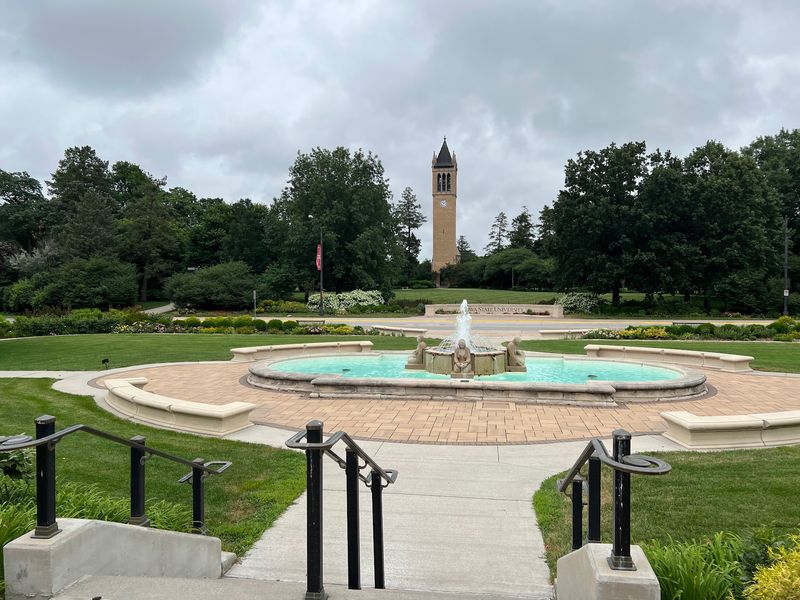
More than 4,000 women are honored in one spot outside Catt Hall. It’s called the Plaza of Heroines, and it might be the most inspiring place on campus to watch your step.
The women recognized here made meaningful impacts in many different ways. Together, their names turn a simple plaza into a giant thank-you note.
That number is hard to picture until you’re standing in the middle of it. Four thousand is bigger than plenty of small Iowa towns.
Give yourself time to read slowly. Rushing through the Plaza of Heroines is a bit like skimming a family photo album.
The plaza also pairs nicely with Catt Hall’s story. Catt fought for women to be counted, and here thousands of women are counted by name.
Bring a notebook if you’re walking with kids. Ask them to jot down a few names and look up those women later at home.
That little homework assignment turns a stroll into a scavenger hunt. Nobody even has to know it’s educational.
I believe this spot captures the campus spirit better than any brochure. It celebrates women who showed up, worked hard, and changed things.
A Cozy 1883 House With a Trailblazing Vet Behind Its Name
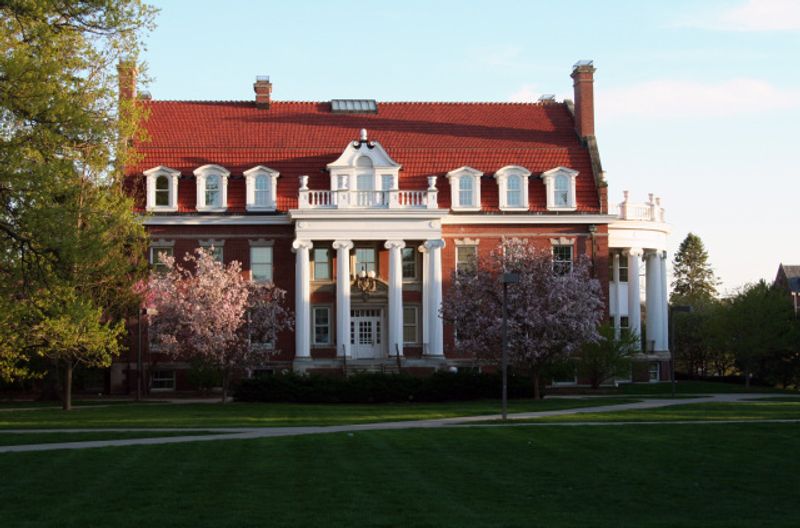
Dr. Margaret Sloss made history in 1938. She became the first woman to earn a Doctorate in Veterinary Medicine from Iowa State.
That was a rare achievement back then. Vet school was not exactly crowded with women in the 1930s.
Her name now lives on at the Margaret Sloss Center for Women and Gender Equity. Most folks simply call the building Sloss House.
The house itself has a story worth knowing. It was completed in 1883 and first went by the name Pines House.
Nearly a century later, in 1981, it became home to the campus Women’s Center. That’s a long and very useful life for one building.
I love that a house built in the 1880s now supports students working toward equity. The past and present share a front door here.
Sloss House works as a quieter stop on your walk. After the big plaza, a historic house offers a nice change of pace.
Remember that it serves students first. Treat it like a working space, enjoy the outside, and keep your visit respectful.
Dr. Sloss’s story is a good reminder for young dreamers, too. Sometimes being first just means refusing to wait for permission.
Visit the House That Showed Up Before the Students Did
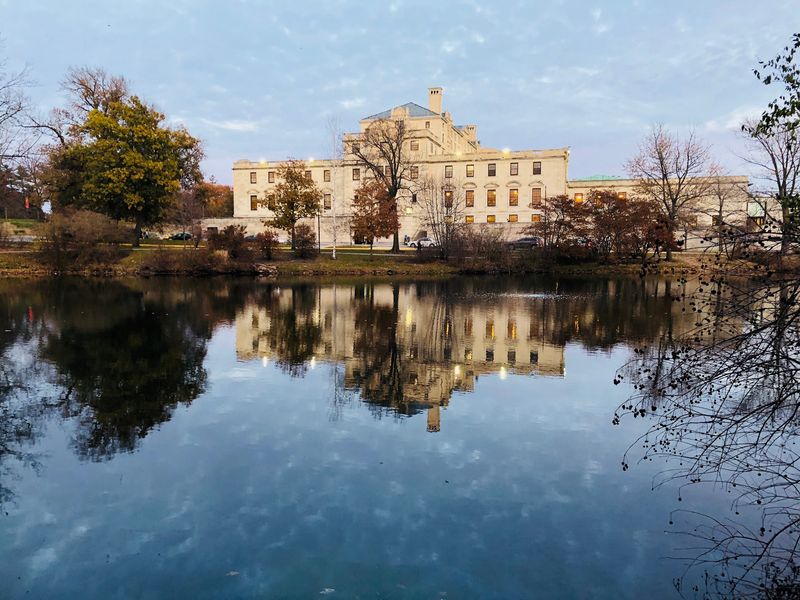
Construction on the Farm House started in 1860 and wrapped up in 1864. That makes it the oldest building on the whole campus.
It went up before students even arrived. Talk about getting to class early.
The house served as home for the farm superintendent. Later, deans of agriculture lived there, too.
In 1965, the Farm House earned a big honor. It was named a National Historic Landmark.
Today it operates as the Farm House Museum. It’s a fun way to see where this whole story began, back when the college was mostly fields and big plans.
So why include it on a women’s history walk? The first coed students arrived at a campus where this house was already standing.
Plan your trip with the address in hand: Iowa State University, Ames, IA 50011. Check museum hours before you go, since they can change.
I like starting a walk at a building with this much backstory. It helps everything else on campus click into place.
Few spots in Iowa let you stand this close to the 1860s. That alone makes the stop worth it.
Stretch Out on the Lawn a Visionary President Planned
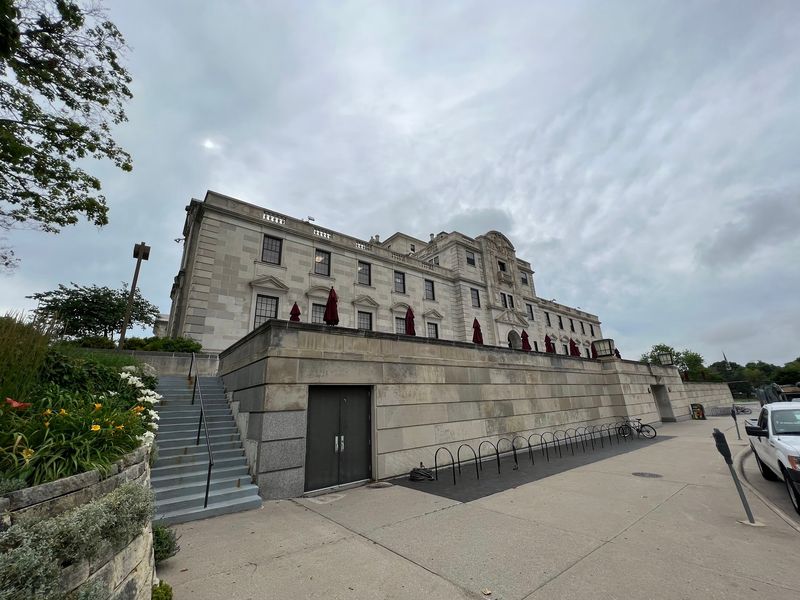
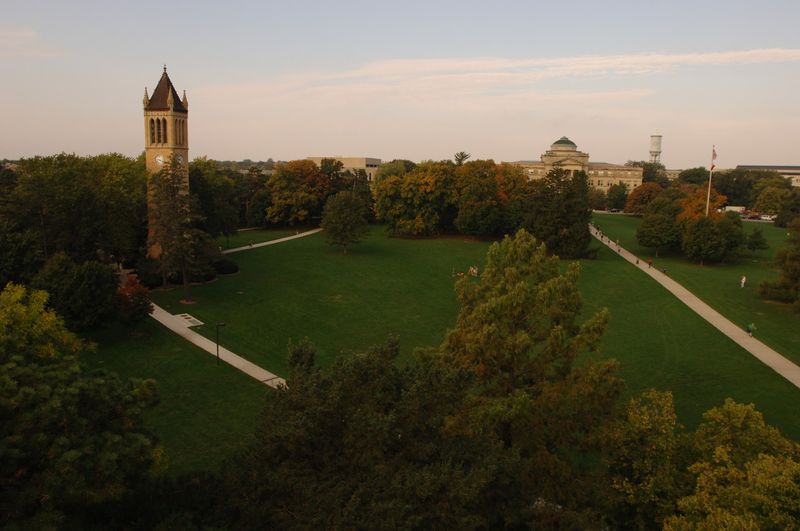
Big, open, and green, Central Campus still largely follows the plan of first president Adonijah Welch. Buildings circle a wide central space instead of crowding together.
The landscaped grounds cover about 490 acres. That’s a lot of room for a walk, a picnic, or a quiet afternoon of daydreaming.
The Welch family matters to this story in another way. Mary B.
Welch led the Department of Domestic Economy at Iowa State.
She also served as president of the Iowa Women Suffrage Association. So the first president’s household had a women’s rights leader under its roof.
I can’t imagine early students missing her influence. A woman teaching and leading right at the start sent a loud message.
Fall is a lovely time to visit, when the campus trees turn bright colors. Your camera roll will fill up fast.
Bring comfortable shoes and take your time. The paths make it easy to wander between historic stops without a car.
Stand in the middle and turn in a slow circle. You’re seeing much of the same layout those first women students saw.
Even the shape of the lawn tells a story. Welch wanted open space, and it’s still here for everyone.
Thank a Vermont Senator Every Time You Pass Morrill Hall
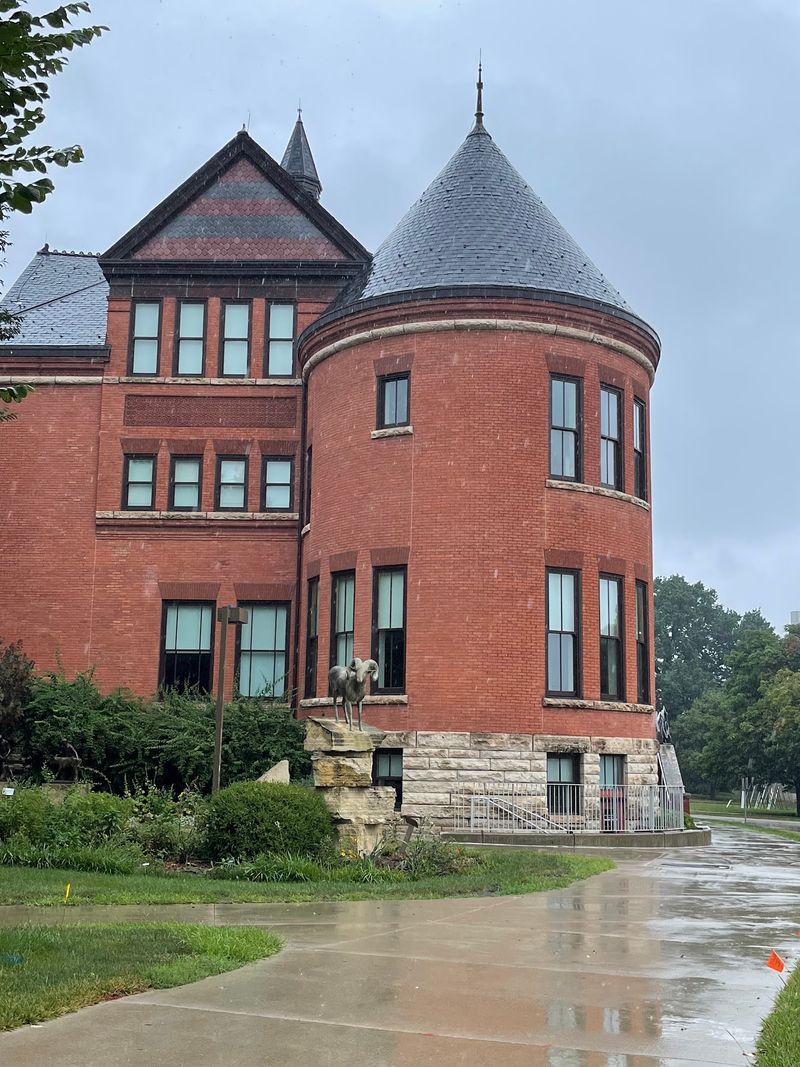
Justin Smith Morrill never studied in Ames, yet his name sits on a campus building. Morrill Hall honors the U.S. senator behind the Morrill Act.
That law led to the creation of land-grant colleges across the country. The schools focused on practical learning for regular families.
Iowa jumped first. It was the first state to accept the act’s provisions.
Why does a land law belong on a women’s history walk? The land-grant mission is exactly what Iowa State’s founders opened to women from day one.
Without Morrill’s idea, the college might look very different. With it, Iowa leaders built a school meant to serve the public.
And the public, as the trustees pointed out, included daughters. That simple point shaped everything that came after.
Morrill Hall makes a handy checkpoint between other stops. Pause outside and read the name aloud for a quick history moment.
Kids may groan at a lesson about laws. Tell them it’s the reason the campus exists, and suddenly it sounds more exciting.
I believe the best history walks connect big ideas to real places. Morrill Hall does exactly that with one name.
Curfews, Rules, and Real Stories Wait Inside Parks Library
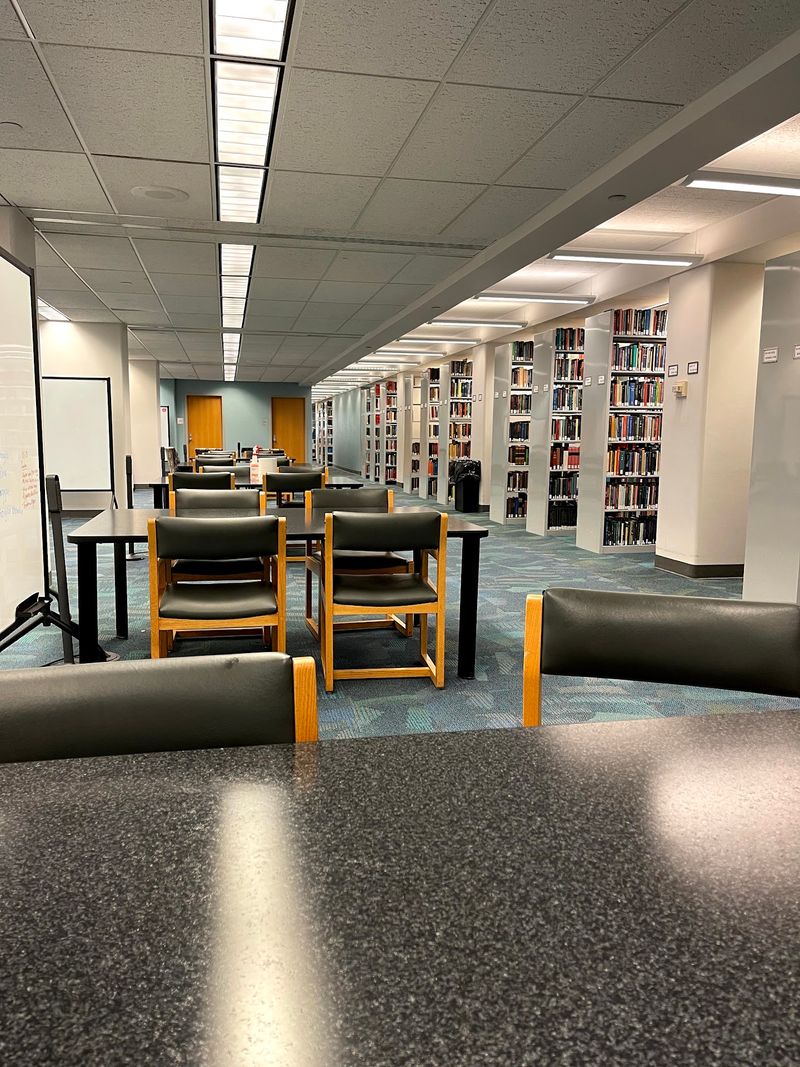
Curfews for women students sound wild today. University Archives and Special Collections in Parks Library documents rules like that and much more.
The collections cover Iowa State’s history, including the experiences of women and prominent female leaders. It’s where the official story meets the everyday story.
One standout is the “Twentieth Century Women at Iowa State” exhibit. Another is the “Women’s Experience at Iowa State from 1960-1979 Collection.”
These materials show challenges women faced, such as curfews and unequal facilities. Admission as equals was a great start, but daily life took longer to catch up.
I appreciate that the archives don’t polish everything into a perfect tale. Honest history is more interesting anyway.
Students, researchers, and curious visitors can explore materials here. Reach out to the archive ahead of time if you hope to see something specific.
Reading a few stories before your walk is a smart move. It makes every campus stop feel more personal.
Pair this stop with Catt Hall for a full picture. One honors big victories, while the other shows the everyday hurdles.
Bring curiosity and a little patience. Old letters and photos reward slow readers.
Read the Names on the Buildings and Meet the Pioneers
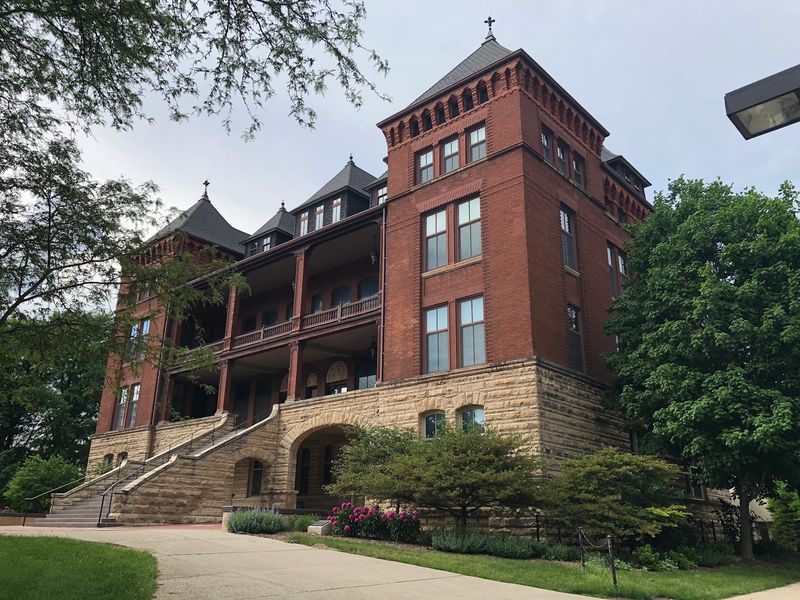
Mattie Locke was one of the first two women to graduate from Iowa State. Her 1872 diploma started a long line of women walking across that stage.
Ada Hayden added another first. She became the first woman to earn a PhD from the university.
Names on campus keep these stories visible. The Barbara E.
Forker Building honors a former head of physical education.
Forker advocated for co-ed programs. Seeing her name on a campus building feels exactly right.
Many residence halls and other structures also carry the names of influential women. Keep your eyes up as you walk, and every sign becomes a mini history lesson.
Today, Iowa State enrolls more than 31,000 students across eight colleges. The campus spans 1,813 acres with over 140 buildings.
That’s a huge jump from 37 women in the first class. Those early students would probably cheer at the size of it all.
Go on a weekday if you’d like offices open, and save a game day for Cyclones energy. Either way, the history waits for you.
Wear cardinal and gold if you want to blend in. Cy the Cardinal would approve.