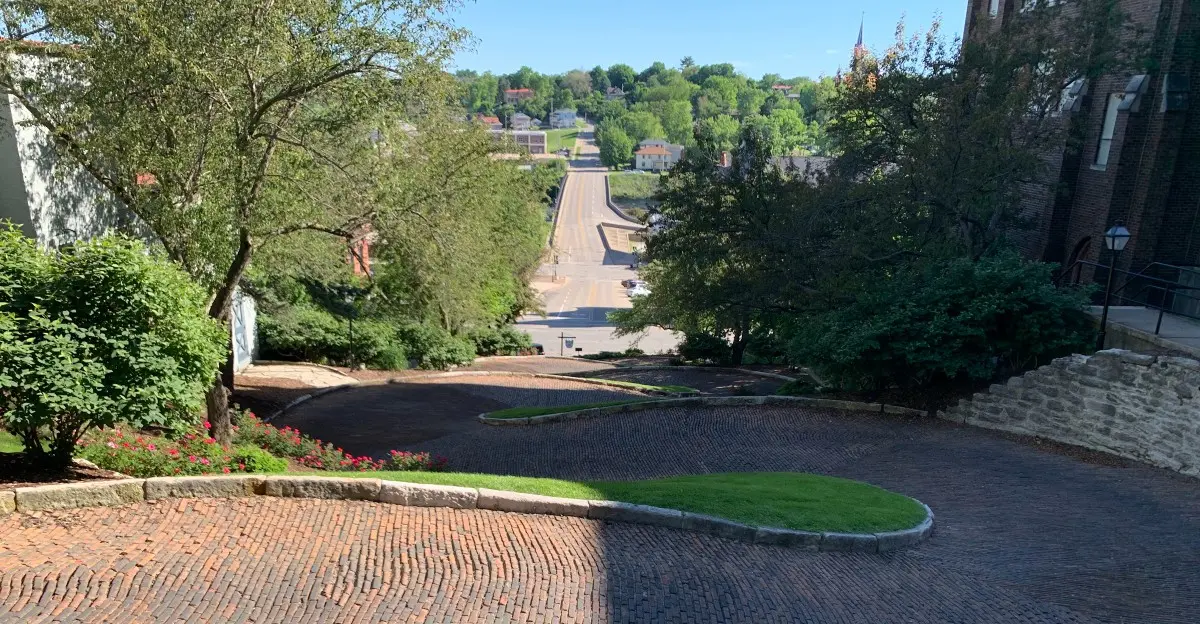
The posted speed limit on this street is 3 mph. That’s slower than a brisk walk, and honestly, the curves make sure you obey it.
In just 275 feet, the road packs five half-curves and two quarter-curves. It climbs nearly 60 feet up a steep 21 percent grade.
Ripley’s Believe It or Not! once called it unbelievably crooked.
The bricks under your tires were laid back in 1894. They still sit there today, angled for grip, like a puzzle built for horses.
I love that a quiet corner of Iowa quietly out-twists a far more famous street in San Francisco.
You can drive it, walk it, or pedal it. Each option feels like a tiny adventure.
Which way would you pick first?
Those Hairpin Curves Will Make Your Steering Wheel Earn Its Keep
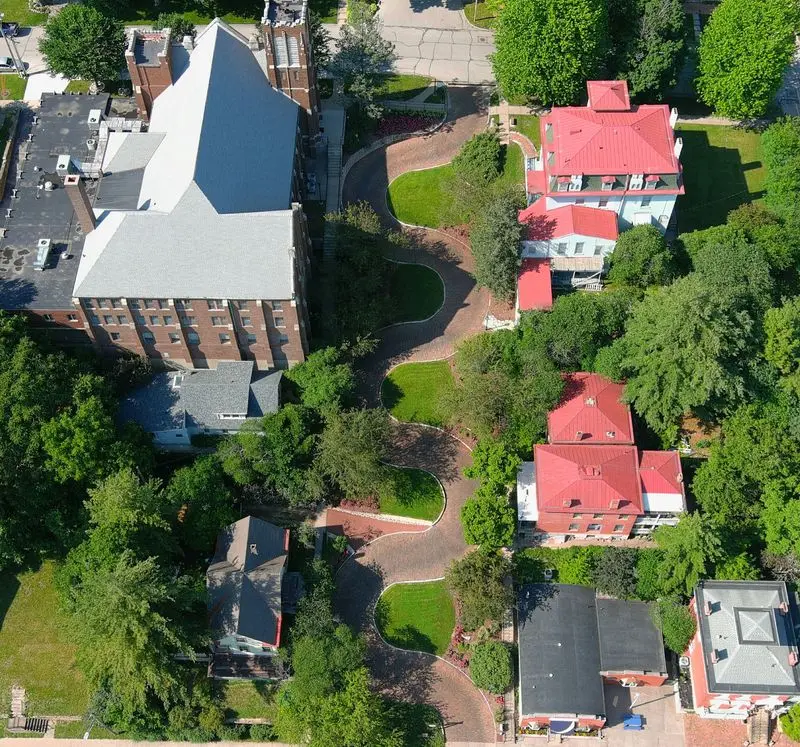
Seven curves in one short block sounds like a joke, but Snake Alley takes it seriously. The famous street in Burlington, Iowa, bends through five half-curves and two quarter-curves.
Add it all up and you get about 1,100 degrees of turning from end to end. San Francisco’s Lombard Street, the street everyone brags about, comes in around 1,000 degrees.
That gap might seem small on paper. Behind the wheel, it feels like your car is doing a slow dance on bricks.
The whole stretch measures just 275 feet long. Squeezing that many turns into such a tiny space is what makes the alley so wild.
Ripley’s Believe It or Not! gave it the label unbelievably crooked. Some sources even call it the crookedest street in the world.
Bragging rights aside, the curves serve a real purpose. They tame a hill that would be scary to tackle in a straight line.
So go ahead and enjoy the twists without rushing. Snake Alley rewards patience, and every bend gives you a fresh angle on the bricks, gardens, and homes along the way.
Keep both hands ready and your sense of humor handy too.
A 3 MPH Speed Limit Turns Every Driver Into a Careful Tourist
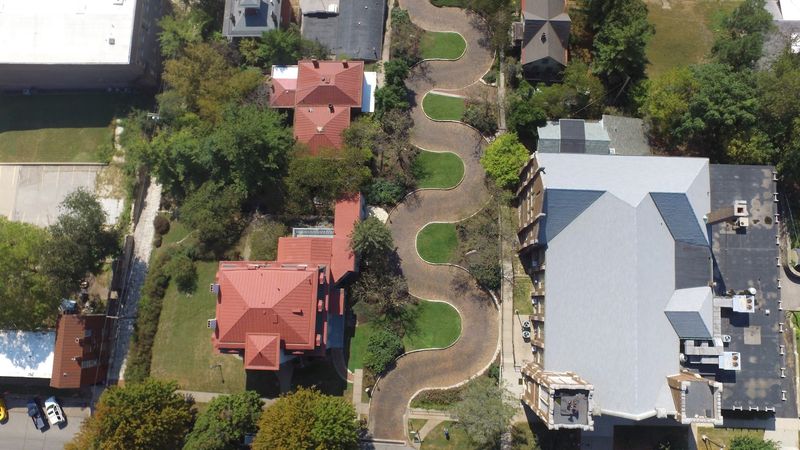
Three miles per hour. That’s the posted speed limit, and it might be the slowest legal drive you ever take.
All traffic moves one way, downhill only, from Columbia Street at the top to Washington Street at the bottom. You can’t sneak up from below in your car, so plan your route around the top of the hill.
The slow pace makes sense once you see the turns. Each curve arrives fast, and the brick surface asks for gentle braking.
Larger vehicles can feel a bit snug in the bends. Take it easy, and swing wide where the road allows.
Watch the very end of the alley as you roll out onto Washington Street. Nosing carefully into regular traffic is the smart move after all that twisting.
Motorcycles and family cars both make the trip. Some families even loop back around to do it again, because once rarely feels like enough.
Treat the drive like a slow-motion ride rather than a shortcut. Roll the windows down, look at the gardens, and let the bricks do the talking.
Nobody behind you can honk you faster anyway.
The Bricks Were Laid Sideways for a Very Clever Reason
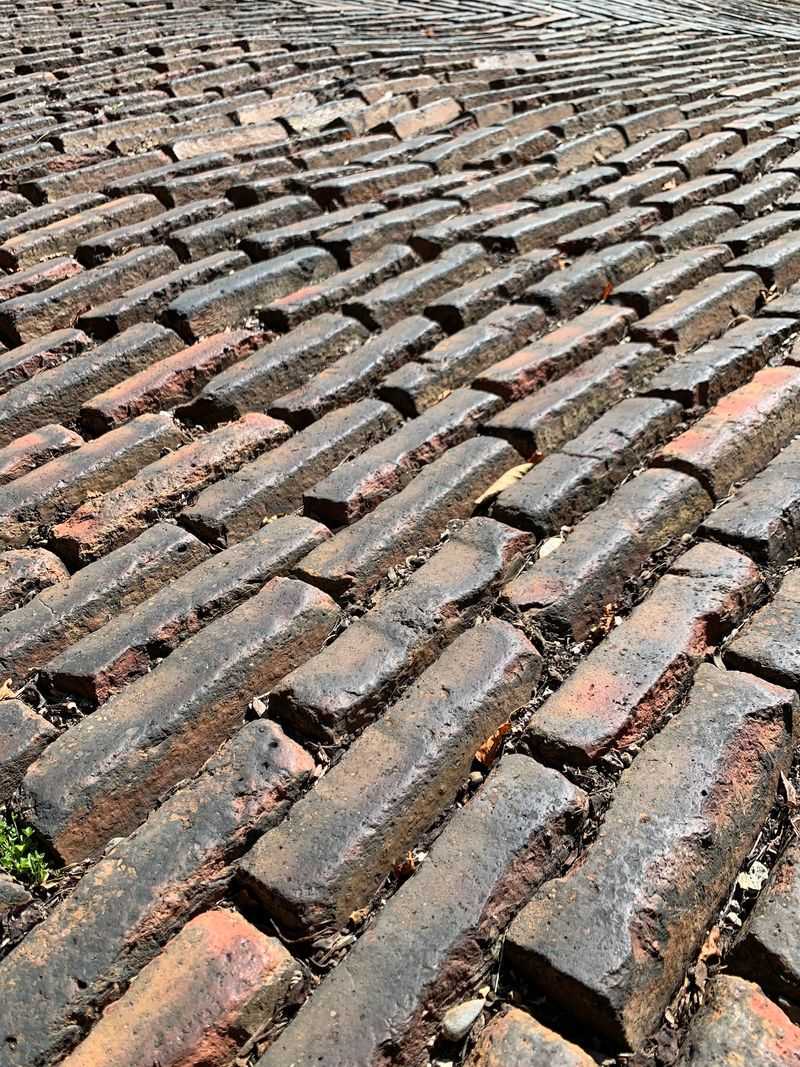
Horses needed traction, and the builders delivered. The blue clay bricks on Snake Alley were laid at a 45-degree angle or set with their edges up.
That trick gave hooves something to grip on the steep slope. Today, it does the same favor for tires, shoes, and bike wheels.
The bricks were fired locally, which gives the street a true hometown feel. Limestone joins them along the edges, creating a pattern that looks almost stitched together.
Here’s the best part for history fans. The original brick paving from 1894 is still in place.
Think about how many seasons those bricks have handled. Iowa winters, summer storms, and well over a century of traffic have rolled across them.
Walking slowly lets you notice the angled pattern up close. It’s a small detail that explains the whole street’s success.
Bring a camera and get low for a shot of the brickwork. The lines curve right along with the road, and the photos look great in any light.
Just watch your step on the slope. Those bricks were made for grip, but gravity still wins arguments.
French Vineyard Paths Inspired This Iowa Engineering Trick
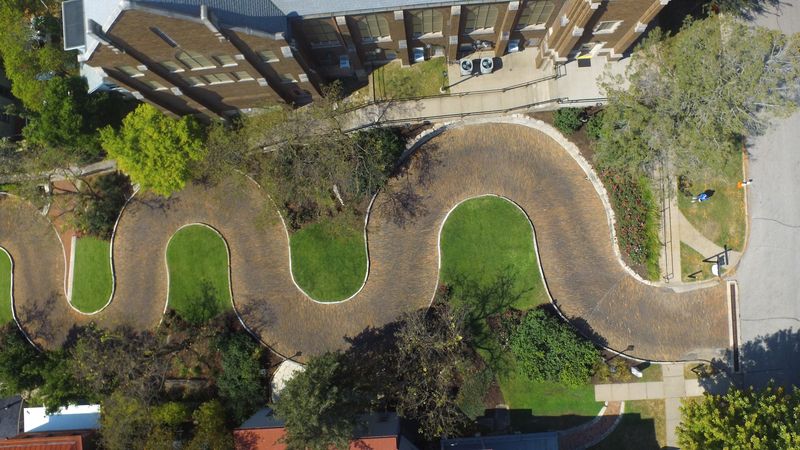
Back in the 1890s, Burlington had a problem. The downtown business district sat at the bottom of a bluff, and the homes of Heritage Hill sat at the top.
A straight road up that slope would have been rough on horses and wagons. So the city built a winding solution starting in 1894, finishing the job by 1898.
Architect William Steyh designed the route. Landscape engineer Charles Starker and paving contractor George Kriechbaum helped bring it to life.
Their idea came from vineyard paths in France and Germany. Those hillside trails zigzag to soften steep climbs, and the same logic worked beautifully here.
At first, people simply considered it part of North Sixth Street. Then a resident noticed it looked like a winding snake, and the name stuck.
A local legend says the fire department once tested its horses on the tough terrain. It’s a fun tale, though it remains a legend.
Knowing this backstory changes the trip. You’re not just cruising a quirky road.
You’re rolling down a clever piece of 19th-century problem solving.
Walking It Is the Best Way to Feel Every Single Curve
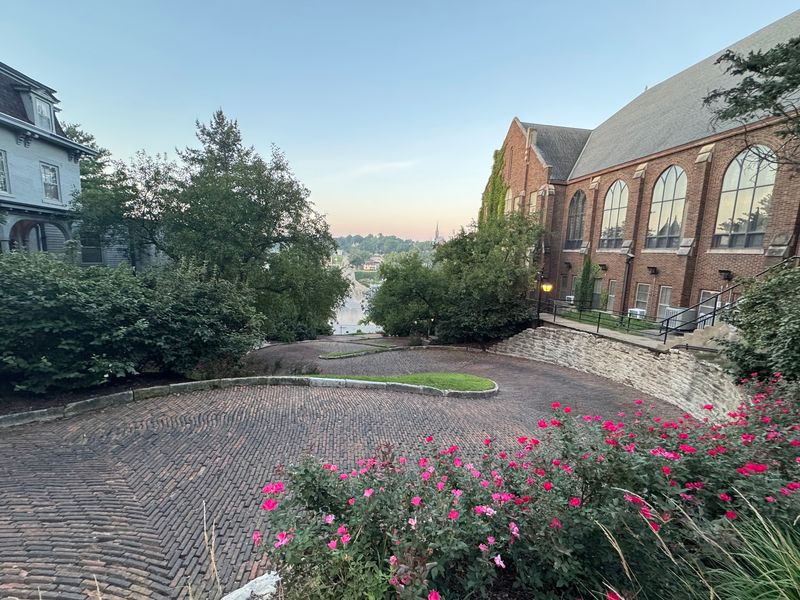
Cars get the bragging rights, but feet get the full show. Strolling Snake Alley lets you slow down even more than 3 mph allows.
The street rises 58.3 feet in a short distance. That 21 percent grade makes the uphill walk a genuine leg workout.
Going down is easier on the lungs. Going up is where you earn your snack afterward.
Along the way, gardens and greenery soften the brick. Historic homes line the route, giving the alley a neighborhood feel instead of a museum vibe.
Spring and summer bring the most color to the edges. Flowers and leafy trees frame nearly every curve when the weather warms up.
Stairs run alongside parts of the route, so wear shoes with decent grip. Take your time, especially if the steps look worn.
An informational sign helps explain what you’re seeing. Read it before you start, and the bends will make more sense.
Bikes can roll the alley too. Pedestrians, cyclists, and drivers all share this tiny famous space, so stay alert and give everyone room.
Cyclists Race Up This Hill on Purpose Every Memorial Day
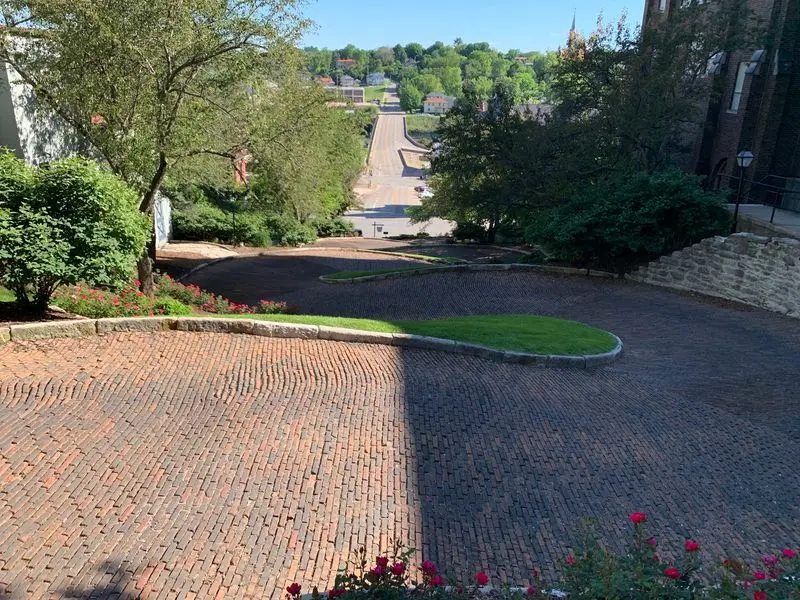
Most people think a 21 percent grade is a good reason to stay off a bike. The racers at the Snake Alley Criterium see it as an invitation.
The race happens every Memorial Day weekend. Riders must climb the steep incline and handle those sharp turns, all on old brick.
Picture the effort for a second. The same hill that makes cars crawl is now part of a racecourse.
For spectators, it’s a chance to see the alley in a totally different mood. The quiet historic street becomes a stage for serious athletic grit.
Watching riders tackle the curves also shows off the engineering. Every bend that once helped horses now tests balance and leg power.
If you want to visit during the race, plan ahead. Event weekends can change how you access the street, so check local event details before you go.
Not a racer? No problem.
Cheering from the sidelines counts as participation in my book.
The criterium adds a fresh reason to come back. Same bricks, same curves, completely new energy.
Father’s Day Brings Art to the Crookedest Block Around
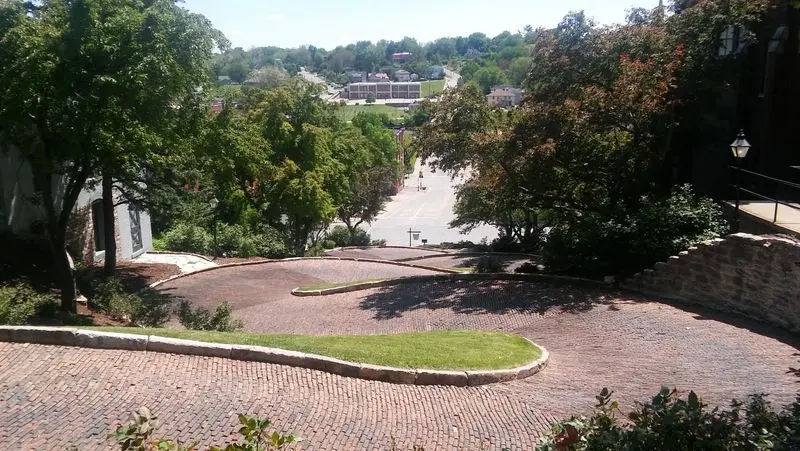
Art and bricks make a surprisingly good team. Each Father’s Day, the Snake Alley Art Fair brings creative energy to this famous spot.
The Art Guild of Burlington sponsors the event. It’s been a yearly tradition, giving families a fun way to spend the holiday together.
Dads who love quirky roads get a bonus. They can admire artwork and a world-famous crooked street in the same afternoon.
The setting helps the art shine. Historic homes, winding brick, and summer greenery create a backdrop that feels made for browsing.
Bring comfortable shoes for this one. The hill is still the hill, even when art is waiting at the top.
A fair day also changes the street’s rhythm. Expect it to feel more like a festival than a drive-through stop.
Check event details closer to the date for hours and layout. That way, you won’t show up expecting to drive and find a gallery instead.
Honestly, the alley itself already looks like public art. Adding painters, crafters, and creators just makes the picture complete.
The Neighbors Up Top Are Practically Living in History
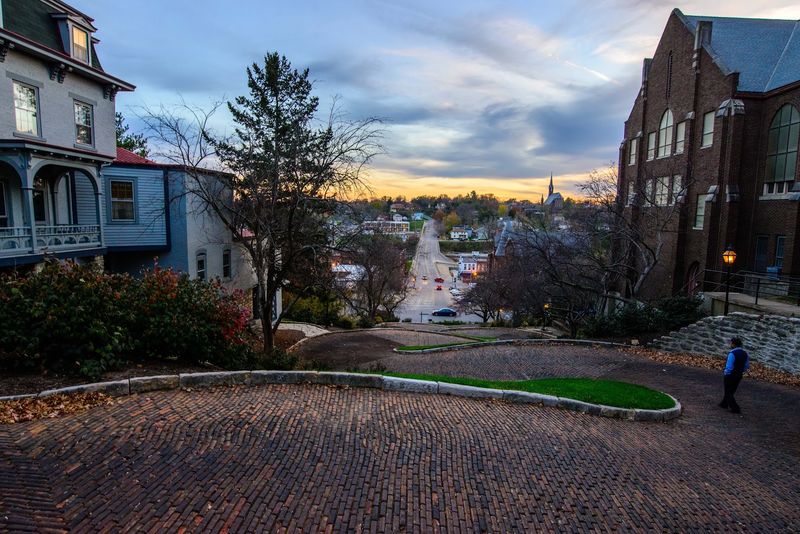
Getting to Snake Alley is simple once you know the landmarks. You’ll find it on North 6th Street between Washington Street and Columbia Street, Burlington, IA 52601.
The top connects to Heritage Hill, the historic residential area the alley was built to reach. The neighborhood still feels rooted in its past.
In 1975, Snake Alley joined the National Register of Historic Places as the Snake Alley Historic District. It’s also part of the larger Heritage Hill Historic District.
Right at the top sits the Phelps House Museum. This Victorian house dates to 1851, making it older than the alley itself.
Pairing the two makes a great mini history tour. You can see the homes that the twisting street was designed to serve.
Remember that people live along this route. Keep voices friendly and park thoughtfully so you don’t block anyone.
That neighborly respect keeps the area pleasant for everyone. It also keeps Iowa’s famous curvy street welcoming for the next round of visitors.
Look up from the bricks now and then. The houses tell half the story.
Round Out the Trip With More Burlington Oddities Nearby
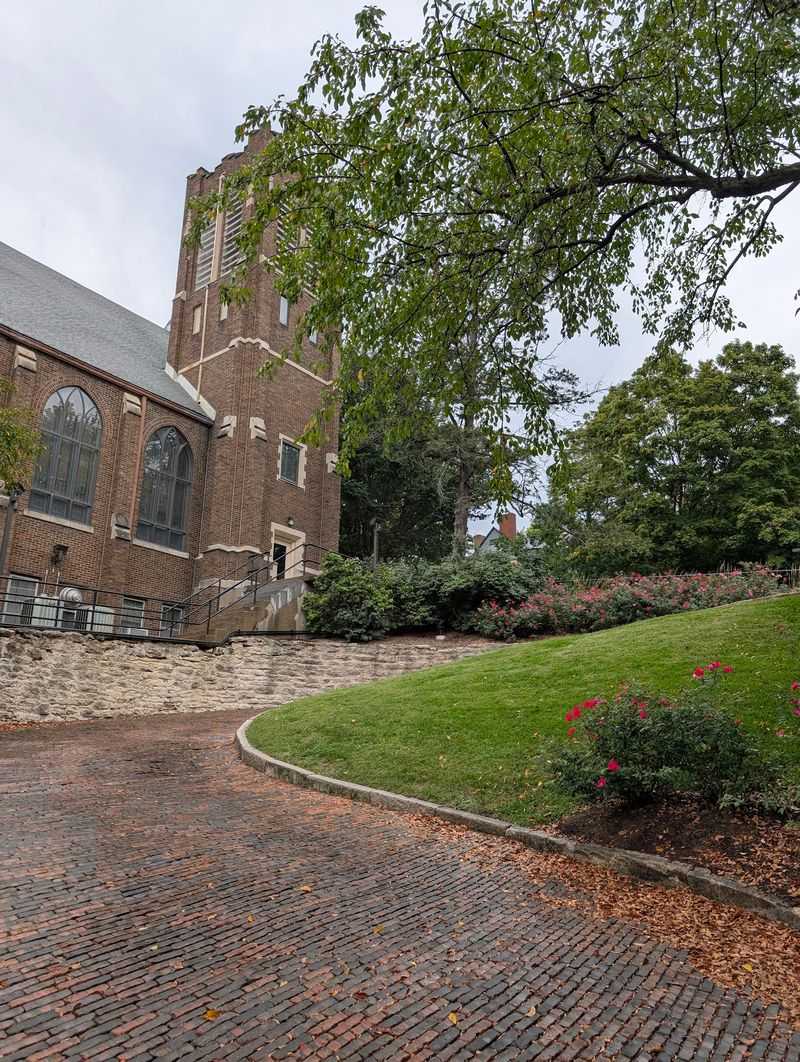
One crooked street deserves a few friends. Just a quarter-block east, Cobblestone Alley shows off a totally different paving style.
Instead of angled brick, it uses large limestone blocks. It’s also listed on the National Register of Historic Places, so Burlington clearly loves its alleys.
History lovers can head to the Des Moines County Heritage Center. Families wanting open space can explore Crapo Park, a classic spot for stretching legs.
The Port of Burlington Welcome Center makes a handy stop too. It’s a good place to gather ideas for the rest of your Iowa day.
Downtown has local shops, cafes, and art galleries near the alley. That makes it easy to turn a quick drive into a relaxed afternoon.
Keep an eye out for changes at the base of Snake Alley. The city’s renovation project aims to improve accessibility, stair access, and the photo area while protecting the historic look.
So plan for more than five minutes. The alley is short, but the neighborhood around it gives you plenty of reasons to linger and explore.