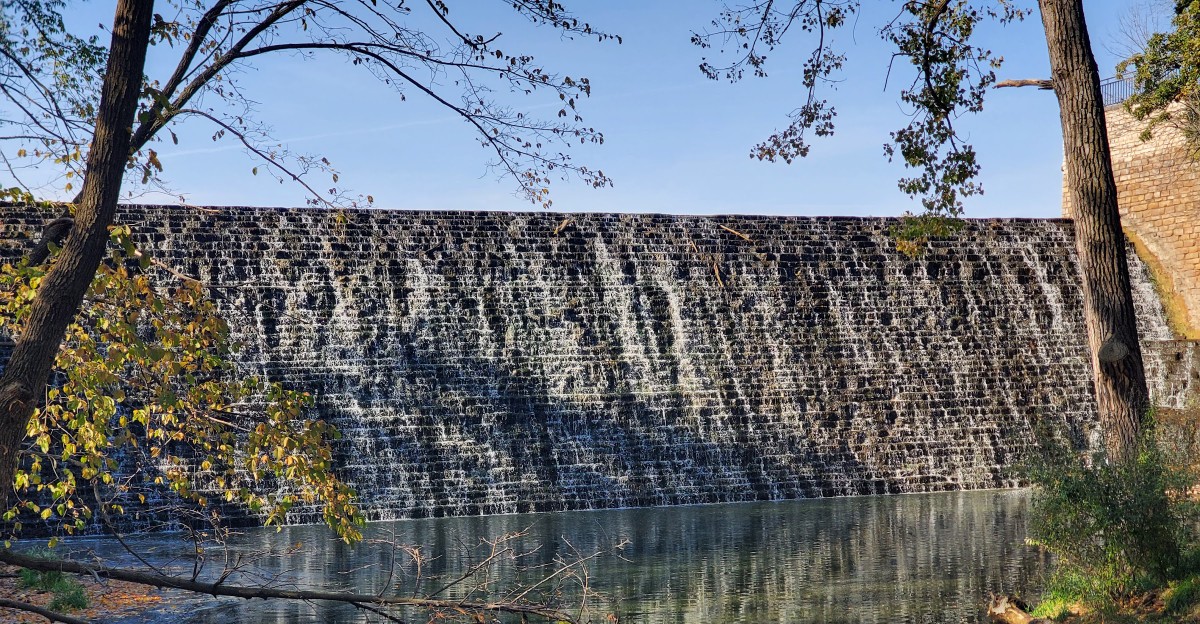
Somewhere in the farm country of north central Iowa, a wall of stone holds back a lake, and the extra water tumbles over its steps in a long, foamy sheet.
Young workers built that wall by hand back in the 1930s, and it still does its job today.
Most folks driving past Hampton have no idea it is there. That is a shame, because this spot packs a lot into a small space.
There is a grassy trail that loops around the whole lake, a causeway that lets you walk right across the water, and a campground with modern shower houses.
Anglers line the shore, kids race to a new playground, and families spread out lunch at shady picnic tables.
Keep reading to learn the history behind the falls, the best places to stand for a view, and the handy tips that make a trip here easy and fun.
Where the Falls Hide
Finding this park takes a little planning, and that is part of its charm. Beeds Lake State Park sits at 1422 165th St, Hampton, IA 50441, in north central Iowa, just a short drive outside the town of Hampton in Franklin County.
The park is managed by the Iowa Department of Natural Resources. It keeps long hours, opening at 4 AM and closing at 10:30 PM every day of the week.
Here is a helpful heads up. Some map apps have been known to drop people in the middle of the lake instead of at the spillway.
A better plan is to follow Beeds Lake Drive, which crosses the water between the two parts of the lake.
From there, look for the spillway sign and park your car nearby. The walk to the dam is very short, so even a quick stop works well.
Bring a little patience and a paper map if you like old school backups. Once you arrive, the winding route will feel totally worth it.
Built by Hand in the 1930s
During the Great Depression, jobs were hard to find. The Civilian Conservation Corps, often called the CCC, gave young men work building parks, trails, and structures all over the country.
Crews from the CCC built the dam at Beeds Lake in the 1930s, and they did it largely by hand. Each stone had to be cut, moved, and set into place without the big machines builders use today.
That effort still shows. Nearly a century later, the dam stands strong and remains the star of the park.
History fans will enjoy thinking about the people behind the work. Many CCC workers were teenagers or young adults who sent most of their pay home to help their families.
So when you stand near the spillway, you are looking at more than a pretty view. You are looking at a piece of American history that helped families get through a very tough time.
Not bad for a project made with muscle and determination.
The Spillway Steals the Show
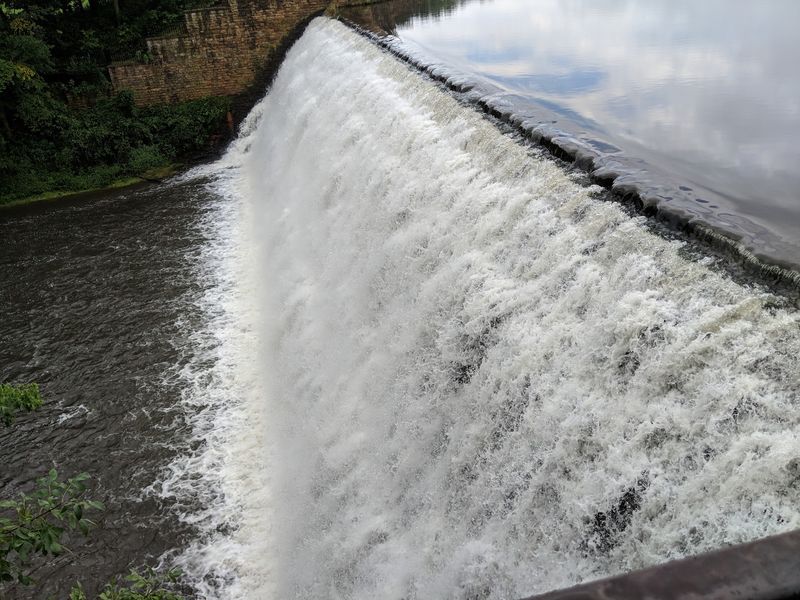
Plenty of dams just hold water. This one puts on a performance.
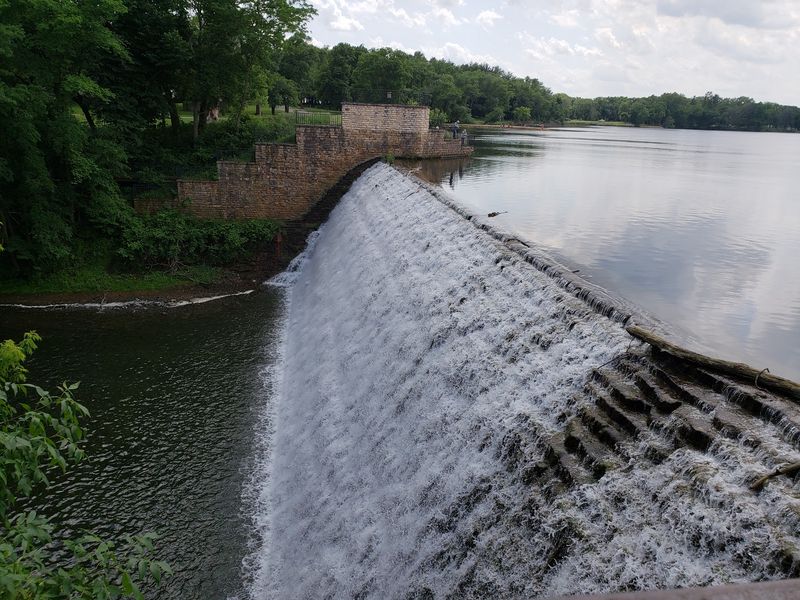
When the lake is full, extra water flows over the stone spillway in a wide sheet. It spills down step after step, creating a waterfall that looks surprising in a state better known for flat cornfields.
The spillway is the most talked about feature in the whole park, and for good reason. It is easy to reach, and it photographs well from many angles.
Water levels change with the seasons and rainfall. After a rainy spell, the flow tends to be bigger and more dramatic.
During drier weeks, the water may trickle more gently. Both moods are worth seeing, so there is no wrong time to stop by.
A camera or phone is a must here. Wide shots show off the full length of the stone wall, while close shots capture the patterns of the water on each step.
Iowa may be flat, but this spot proves it still has a few tricks.
Head Down for the Best View
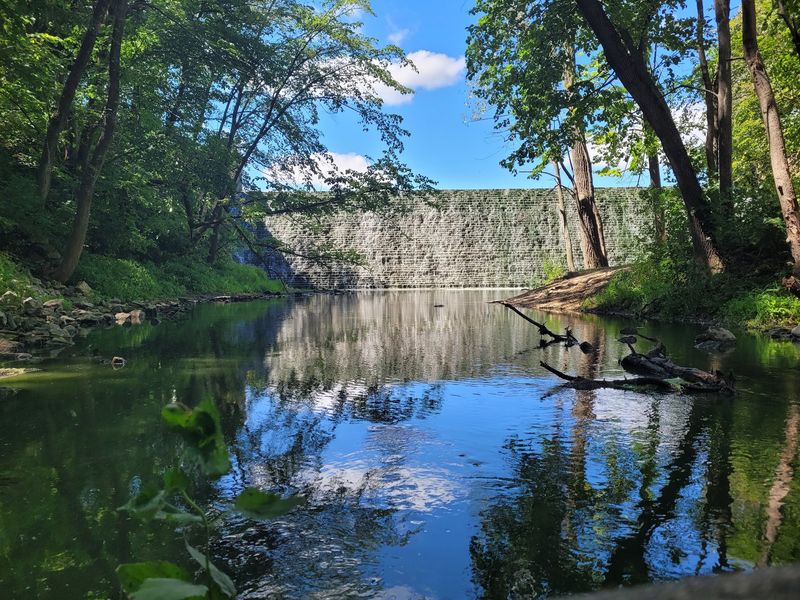
Many people snap a photo from the top and leave. That is a mistake.
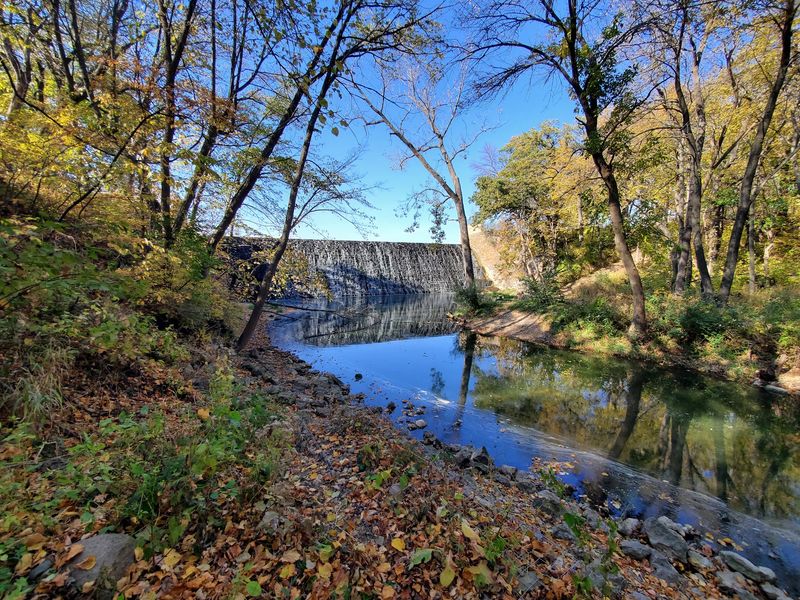
The best view of the spillway is from below. From the bottom, you can look up at the full height of the stone steps and watch the water fall toward you.
Getting down there can be a little tricky because the path is easy to miss at first. Look carefully around the area near the spillway parking for a way down.
Some people walk along the stream to reach the base and get right up close to the falls. Wear shoes with good grip, since rocks near water can be slippery.
One more tip. A path at the bottom of the dam leads away from the falls and ends at a drainage ditch, so do not expect it to go anywhere exciting.
Also, bugs can gather near the water in warm months. A little bug spray goes a long way.
With those tips in your pocket, the lower view becomes the reward for a few extra steps.
A Two Mile Loop Around the Water
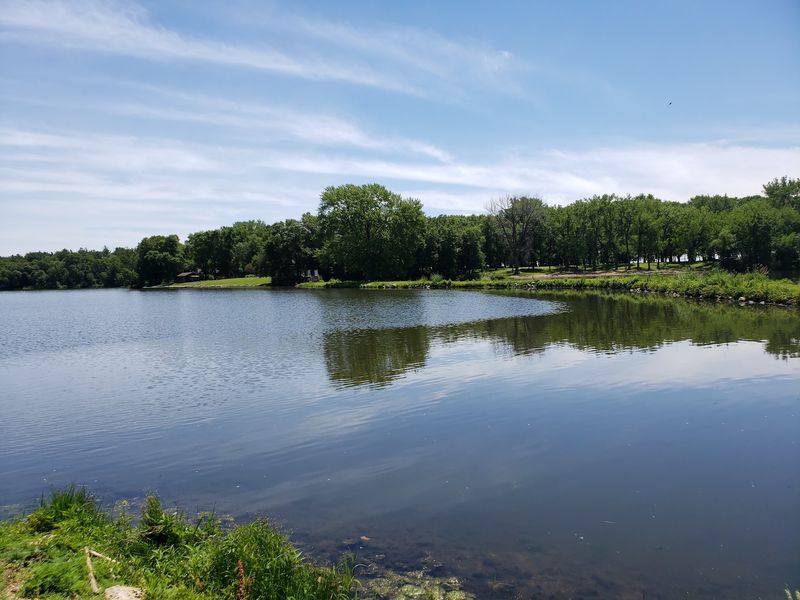
Lace up your sneakers, because the lake has a trail that wraps all the way around it. The loop is about two miles long, which makes it a nice length for families and casual walkers.
The path is mostly grass and dirt. A lot of work has gone into fixing up the trail in recent years, and it shows.
Lake views pop up along almost the whole route. The trail also passes the dam, so you can mix your walk with a stop at the falls.
Some sections are narrow, so be ready to step aside when someone comes the other way. Good walking shoes are smarter than sandals.
Summer heat can be strong in Iowa. Start early in the morning or later in the evening, and bring water.
Dog owners should keep pets on a leash. Not every pup on the trail is ready to meet a new friend.
Two miles may sound small, but the views make every step count.
Walking Across the Lake
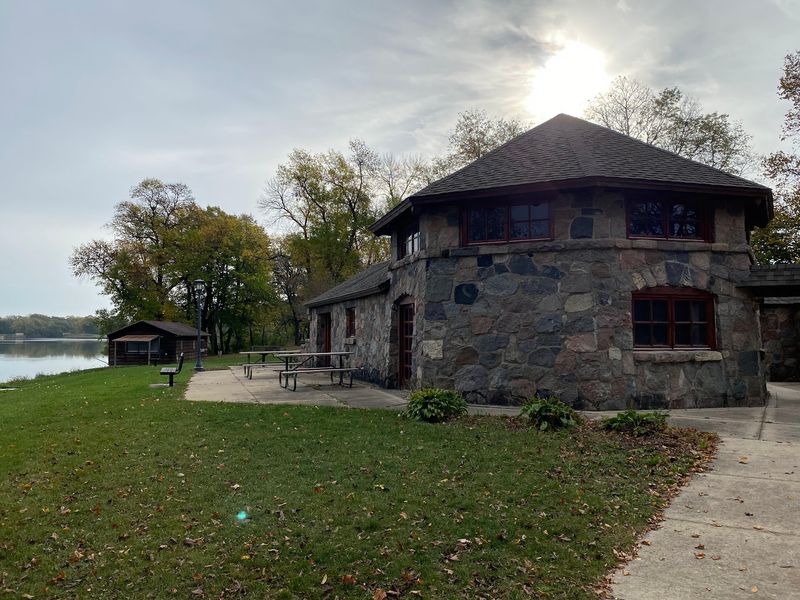
Here is a fun surprise most people do not expect. Part of the lake trail crosses a causeway that cuts right across the water.
A causeway is a raised path built over water. At Beeds Lake, it lets walkers move from one side to the other without going all the way around the edge.
There is also a bridge over part of the lake. Kids tend to love this section, since it feels like walking on top of the water.
The road known as Beeds Lake Drive crosses between the two parts of the lake as well. Drivers can enjoy a quick taste of the views before parking.
This middle stretch is a great place to pause and look in both directions. You can watch boats drift by and spot birds near the shore.
Photographers should give it a try in the early morning. Calm water often makes for clean reflections.
Sometimes the shortest crossing turns out to be the most memorable part of the hike.
Casting a Line Without a Boat
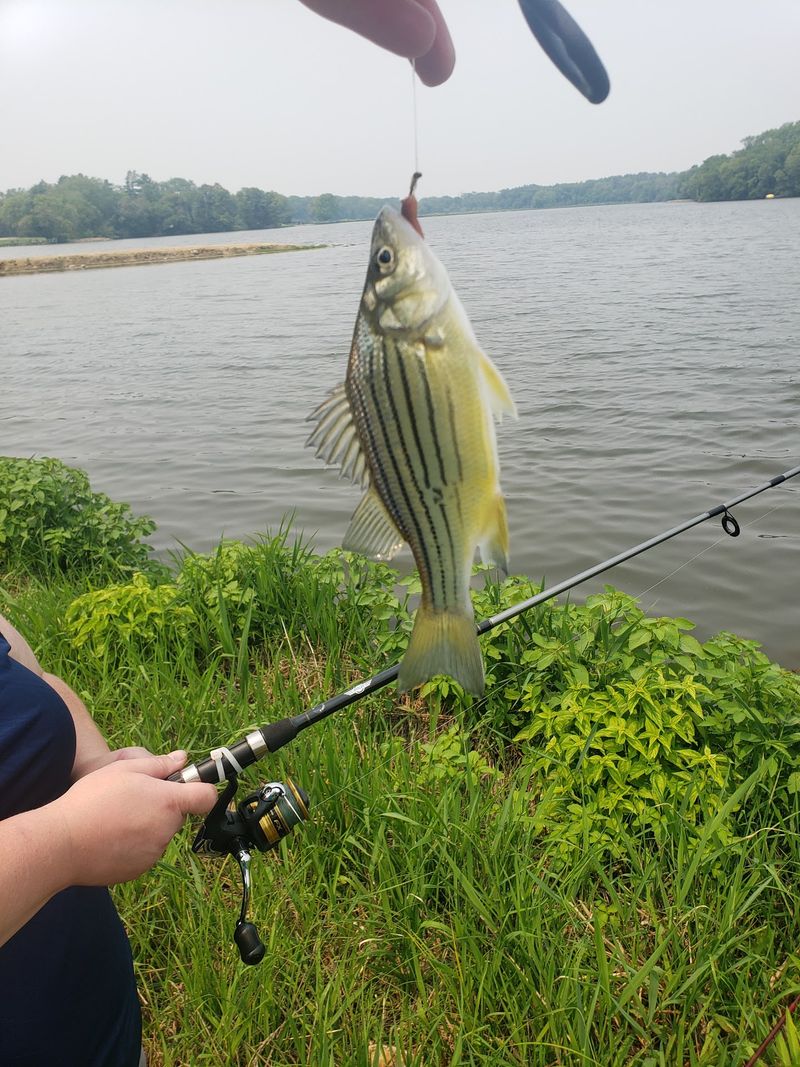
Fishing is the most popular activity at this park, hands down. Anglers come for quiet mornings and the chance to reel in a catch.
Good news for people without a boat. The shoreline offers plenty of room to fish, and the area near the dam and spillway is a favorite for shore anglers.
Boats are welcome too. Keep in mind that the lake is fairly small, so a large boat is not the best fit here.
Smaller boats, kayaks, and canoes match the size of the water much better. Paddle boats have also been available to rent at the park.
The shore near the camping area is mostly rocky with a gradual slope. Around the little peninsula, the bottom drops off more quickly.
Before you cast, make sure you have a valid Iowa fishing license if you need one. Rules can change, so checking the Iowa DNR website is a smart move.
Patience, a good spot, and a little luck might be all you need.
Campsites With a Social Twist
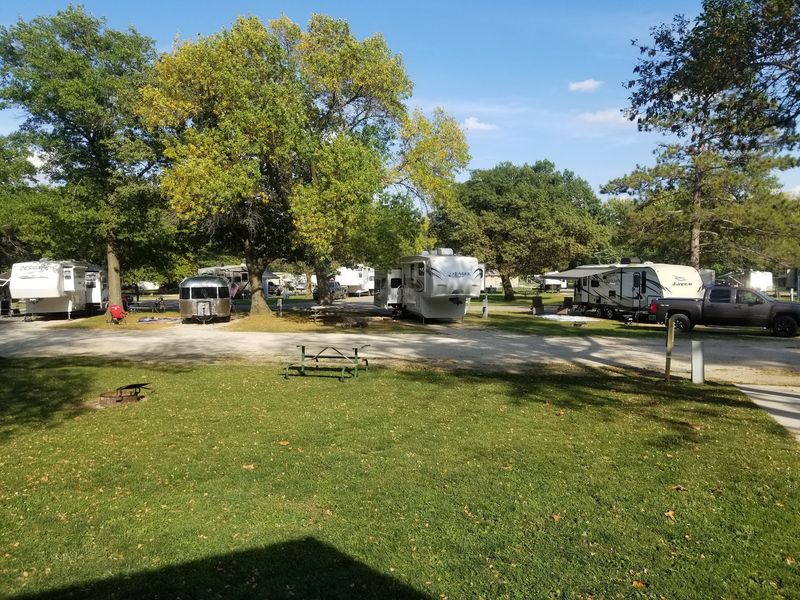
Campers have a lot to like here. The campground is known for being well kept, with modern shower houses, clean bathrooms, and private shower rooms.
Each site comes with a fire pit and grill combo and at least one picnic table. Plenty of trees surround the campground, and some sites offer lake views.
The layout is worth knowing ahead of time. Several sites in the middle face each other, which is great for groups camping together.
If you crave privacy, aim for one of the more tucked away sites. They go fast, so booking early helps.
Most sites have electric hookups only. Full hookup sites are very limited, so RV owners should plan around that.
Some roads through the campground are tight, especially for bigger rigs. Holiday weekends also bring bigger crowds.
Trains pass nearby and can be heard at night, so light sleepers may want earplugs.
With a bit of planning, the campground turns into a cozy home base.
Playground, Picnics, and a Beach
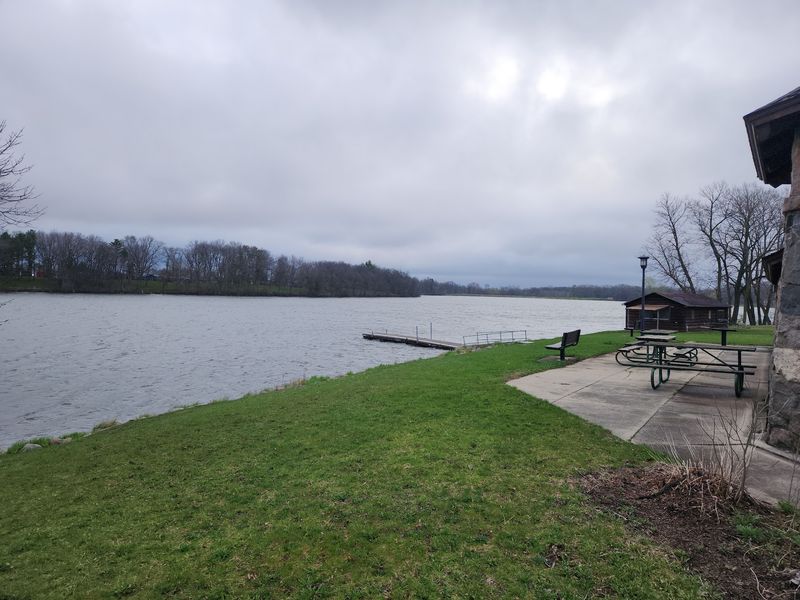
Kids with energy to burn will find plenty to do. The park has a new playground, and it sits close to parking, bathrooms, and picnic tables.
That setup makes it an easy starting point. Many families park near the playground before heading out on the lake trail.
The picnic area is a popular place for lunch breaks and family gatherings. Shade trees help on warm days.
There is also a beach for those who want to wade or swim. It is a simple, small beach rather than a fancy resort spot, so set your hopes to match.
Paddle boats have been offered for rent near the water. A quick spin around the lake can be a fun break from walking.
Pack sunscreen, hats, and plenty of water for summer trips. Swimming at state park beaches is usually unsupervised, so keep a close eye on little ones.
Playtime, snack time, and splash time all fit neatly into one afternoon here.
Worth a Trip in Every Season
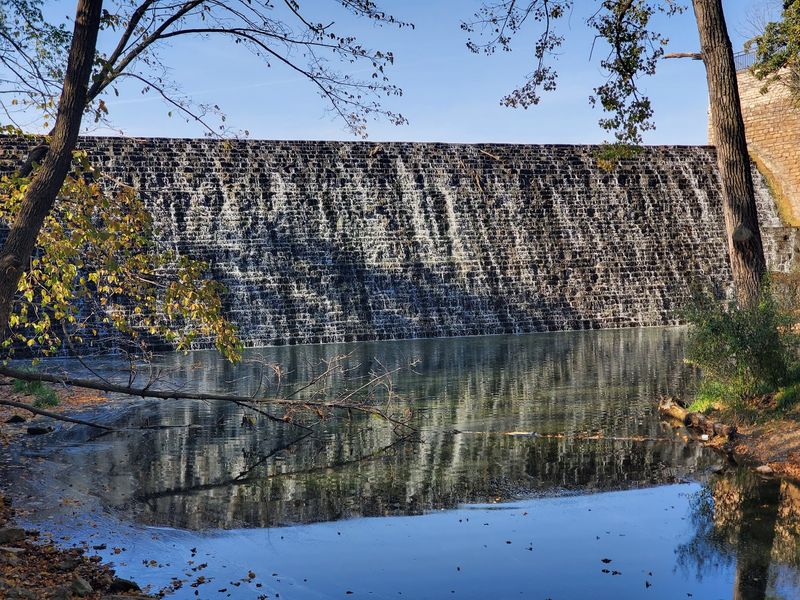
Summer gets most of the attention, but the park has something to offer all year. Every season gives the dam and lake a new look.
Spring often brings stronger water flow over the spillway after rain and snowmelt. It is a good time to catch the falls at their fullest.
Summer is prime time for camping, fishing, and swimming. Hot days can make the trail tough, so plan walks for cooler hours.
Fall paints the trees around the lake in warm colors. The trail is especially pleasant once the bugs settle down.
Winter is the quietest season. The stone dam takes on a different look in cold weather, and the park feels peaceful.
Wildlife can be spotted throughout the year, and nearby conservation areas add even more chances to explore nature.
So when is the best time to visit? The honest answer is whenever you can make it.
A small park with a historic stone waterfall rarely disappoints, no matter what the calendar says.