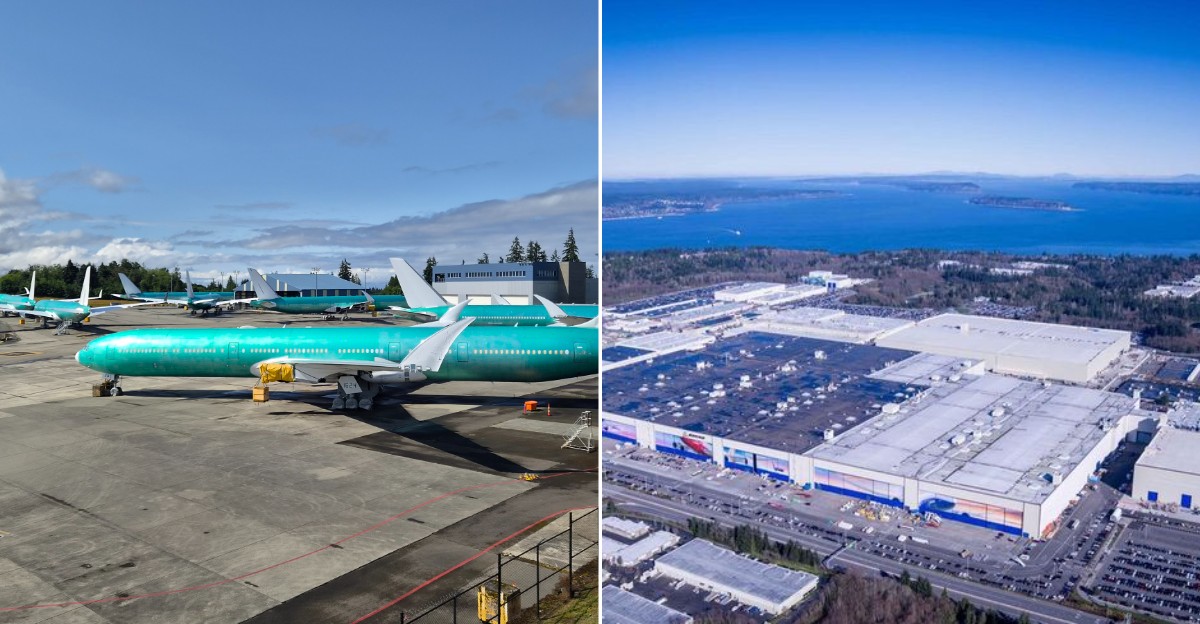
Some buildings are big. Then there is one building in Everett, Washington, that holds the official record for the largest building in the world by volume.
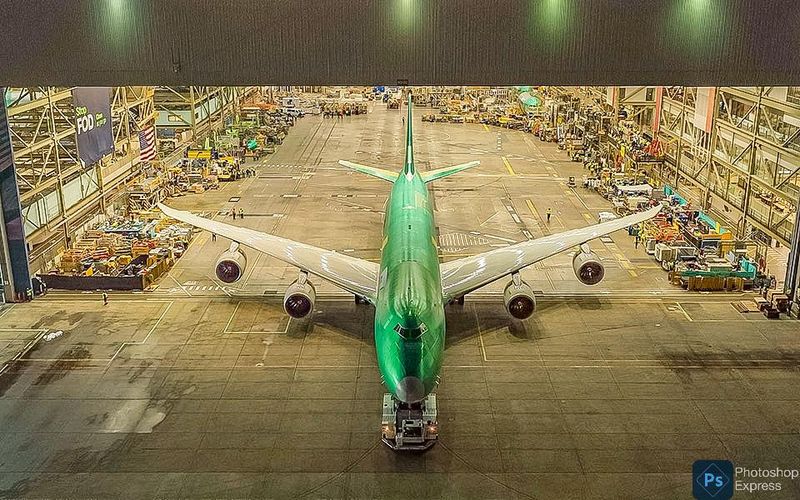
It is so huge that full-size passenger jets sit inside it like models on a desk.
Engineers once had to think about clouds forming near the ceiling before the air system was set up.
This is where some of the most famous wide-body jets in history have been built, one giant piece at a time.
Tours run from a museum just up the road, and a rooftop deck lets anyone watch planes roll out to the runway.
The story behind this place mixes history, engineering, and a little bit of fun.
From its record-breaking size to the fascinating process of building massive passenger jets, this remarkable factory offers a rare glimpse into the world of modern aviation.
A Record That Holds Up
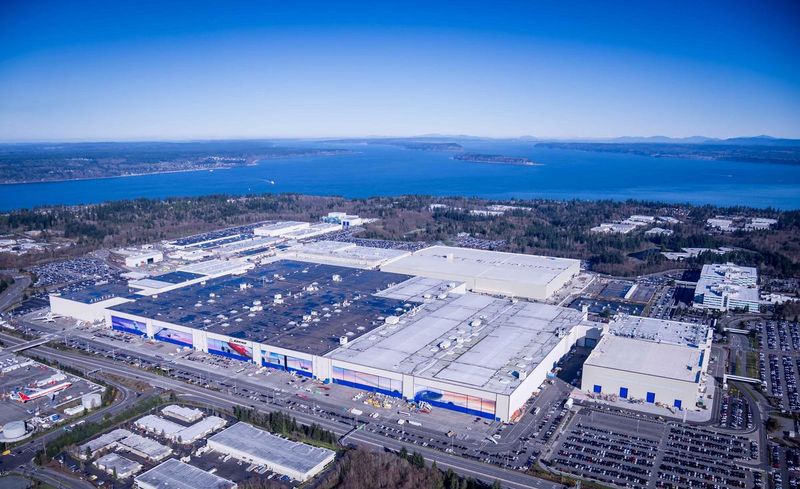
Guinness World Records lists this factory as the largest building in the world by volume. The main building encloses roughly 472 million cubic feet of space.
The floor area covers close to 100 acres. That means many football fields could fit inside without touching each other.
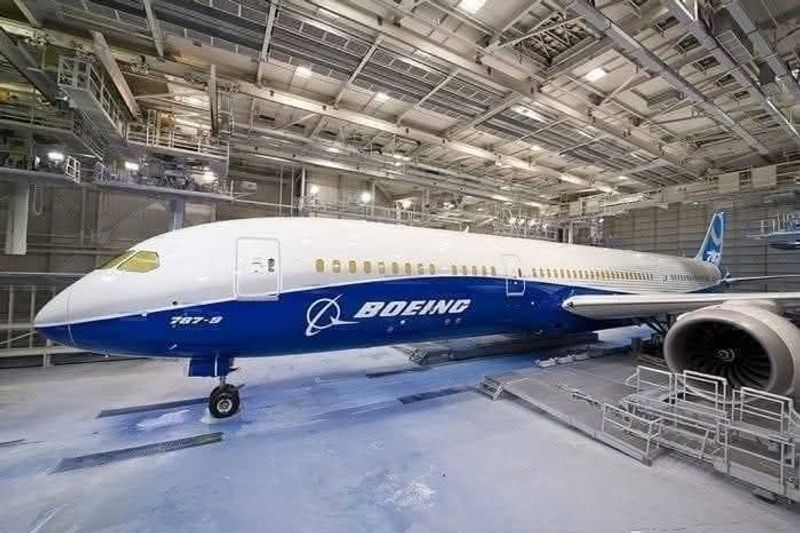
Size here is not just for show. Wide-body jets like the 747, 767, 777, and 787 need huge open bays where crews can put together wings, bodies, and tails all at once.
Inside, full jetliners look small next to the walls and ceiling. Overhead cranes glide along tracks near the roof, carrying heavy airplane sections across the floor.
Fun fact: the building is so large that early planners worried about clouds forming inside. A careful air circulation system keeps that from happening.
Numbers like these can be hard to grasp on paper. Seeing the space with your own eyes makes the record feel real, and it is the main reason so many people make the trip.
Where the Giant Lives
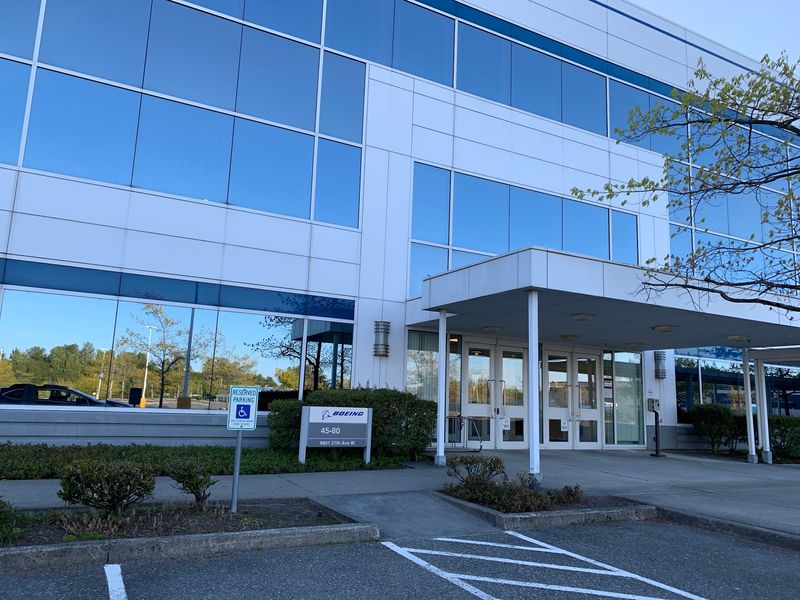
Finding the biggest building on Earth is easier than it sounds. The Boeing Everett Production Facility sits at 9801 27th Ave W, Everett, WA 98204, in the state of Washington.
Everett is about 25 miles north of Seattle. The factory sits right beside Paine Field, a regional airport where newly built jets take their first test flights.
Drivers on nearby roads often slow down just to stare at the giant doors. The building is so wide that it seems to stretch across the horizon.
Public tours do not start at the factory itself. They begin at the Boeing Future of Flight center in Mukilteo, a short drive away, where guests check in and board a bus.
Parking is generally easy at the Future of Flight center, which helps on busy summer days. Plan to arrive early so there is time to look around before the scheduled tour.
Getting there is simple, but the size of the place is the real surprise waiting at the end of the trip.
Born for the Jumbo Jet
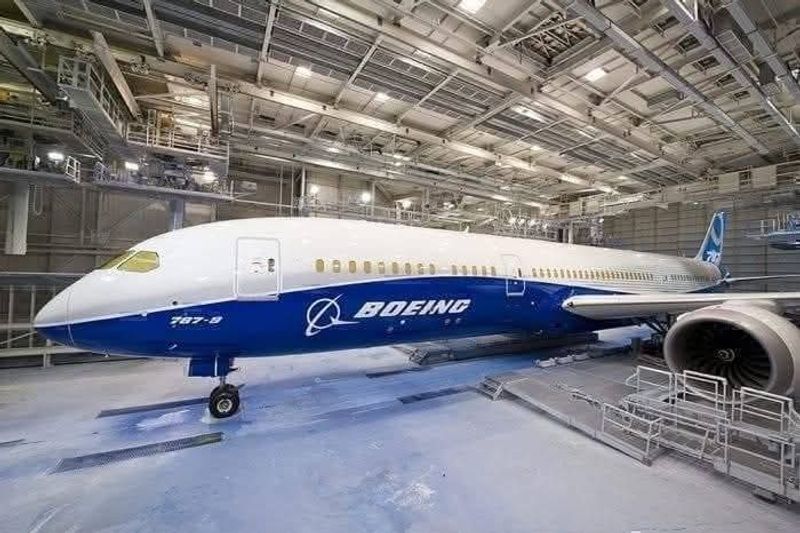
Back in the late 1960s, Boeing faced a big problem. The company was about to build the 747, the first jumbo jet, and no existing building was large enough.
So the company built one. Construction of the Everett plant began in 1967, and crews worked at a fast pace to have it ready for the new airplane.
The first 747 rolled out of the factory in 1968. That jet changed air travel by carrying far more passengers than earlier planes.
Over the decades, the building grew. Expansions were added for the 767 and later the 777, which pushed the facility to its record size.
The 787 Dreamliner also has deep ties to this site. Today the factory continues to support wide-body work, including the 777 family.
History lovers will enjoy knowing that the final 747 was delivered in 2023, ending a run of more than 50 years. The building that began with the jumbo jet still stands, ready for the next chapter of flight.
Where the Tour Begins
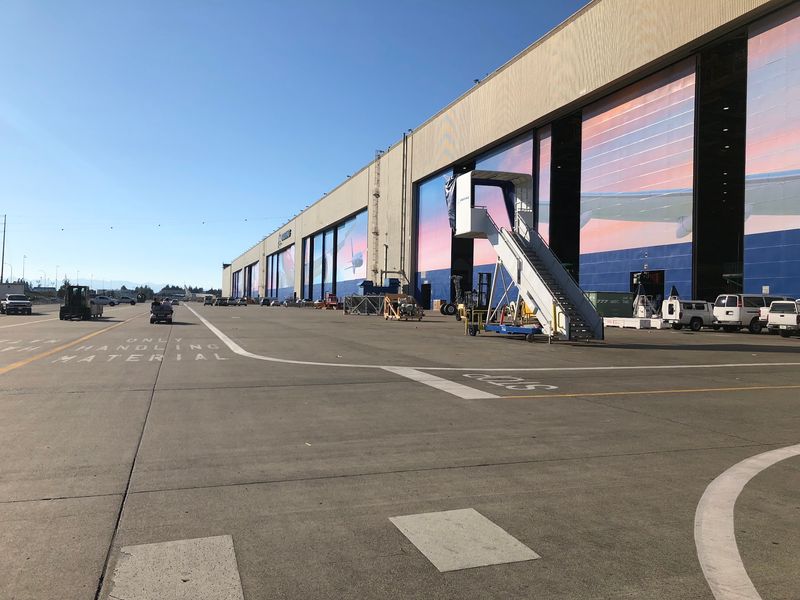
Every factory tour starts at the Boeing Future of Flight center in Mukilteo. Guests check in there before heading to the plant.
Tickets can be bought ahead online, which is smart during summer and holidays when spots fill fast.
Adult factory tour tickets currently range from $42 to $46 and include access to the gallery exhibits and observation deck. Booking ahead is recommended, especially during weekends and busy travel seasons.
The visit usually opens with a short video. It covers how Boeing builds its airplanes and what guests will see.
Next comes a bus ride to the factory. Groups are often split by color, such as red and blue, to keep things moving.
The whole experience tends to last somewhere between 80 minutes and about two hours. A good chunk of that time goes to the video, the bus, and waiting in line.
Knowing this ahead of time helps set the right expectations. Think of the tour as a guided peek, not a full factory walk, and the day will feel much smoother.
The View From Above
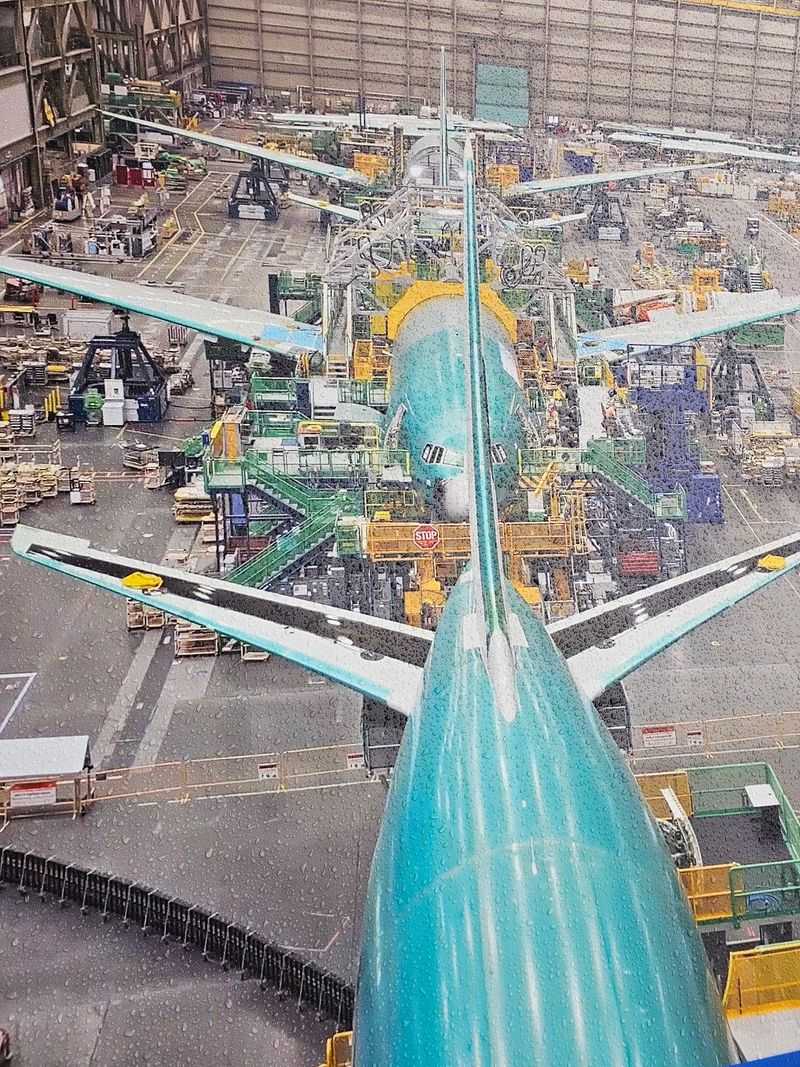
Once inside the factory, guests ride an elevator up to a viewing area. From there, they look down on part of the assembly floor.
Tours have recently shown the 777 production area, including work on the newer 777-9. Some groups have also seen spots tied to 737 work during their visit.
Here is an honest tip. Older tours let guests see more of the factory, while the current route focuses on one main section from a raised platform.
Activity on the floor can change from day to day. Some groups see busy crews, and other groups find the line quiet.
The elevator can also create a wait, especially with large groups. Patience pays off, because the view of half-built jets from up high is still something few people ever get to see.
Bring curiosity and questions for the guide. A sharp guide can turn a quiet floor into a fascinating lesson about how giant airplanes come together piece by piece.
Guides Who Love Planes
A great guide can make or break a factory visit. At this site, many guides are true aviation fans who know a lot about the planes.
Some tours include a question and answer time before heading out. Guests can ask about how wings are attached, how long a jet takes to build, or what happens before delivery.
Guides also keep an eye on safety, since this is a working factory. They make sure everyone stays together and follows the rules.
Here is a key rule to know. Photos and videos are not allowed during the factory part of the tour, and personal items like phones and bags may need to stay behind.
That might feel strange at first. Yet without a screen in hand, it becomes easier to listen and soak up the details.
Plane fans, future engineers, and curious kids all tend to get the most out of the tour by asking lots of questions. The guides seem happiest when the questions keep coming.
Take the Controls
Ever wanted to fly a jet without a pilot license? Back at the Future of Flight center, a flight simulator gives guests a short turn at the controls.
Each session lasts only a few minutes. Even so, many people call it one of the most fun parts of the whole visit.
Staff members are sometimes nearby to explain the basics. They can show how to take off, steer, and try a landing.
Kids especially love this stop. Adults who grew up dreaming about being pilots tend to enjoy it just as much.
The center also has exhibits about how airplanes work and where flight technology is headed. These displays help explain what guests just saw at the factory.
Plan to leave time after the tour for this area. Rushing out means missing a hands-on activity that gives the day a lively finish, and it might even spark a new career dream for a young flyer.
Amazing Views From the Roof
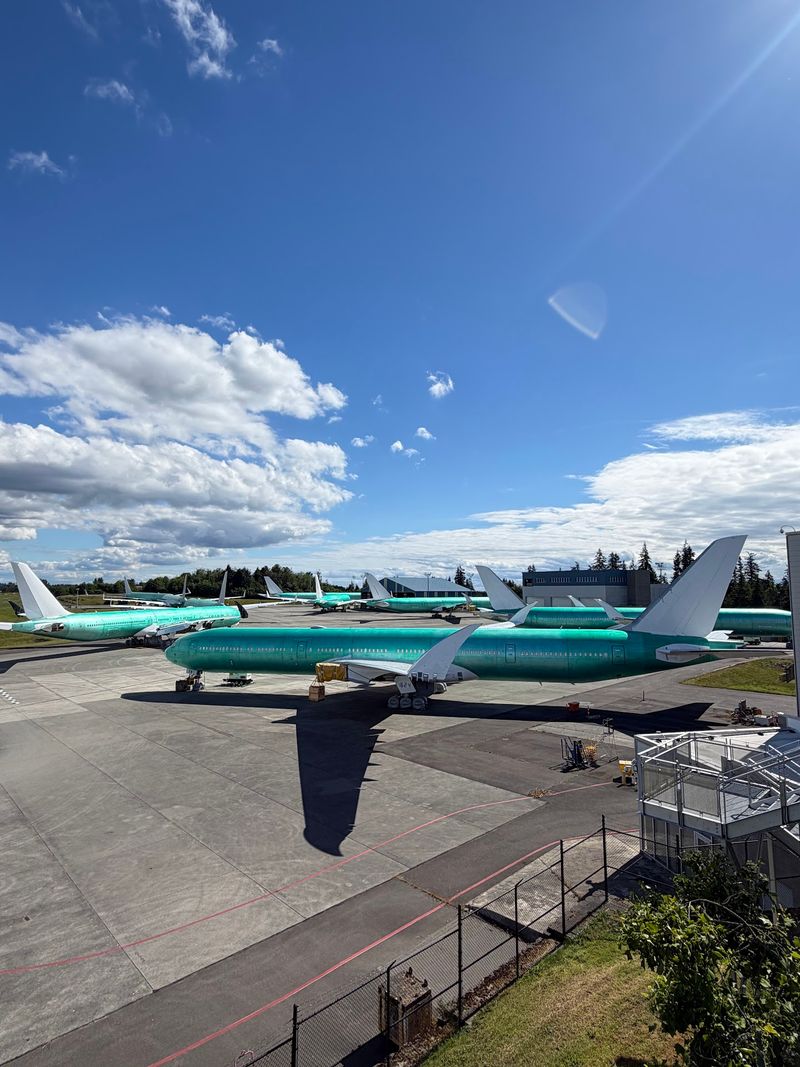
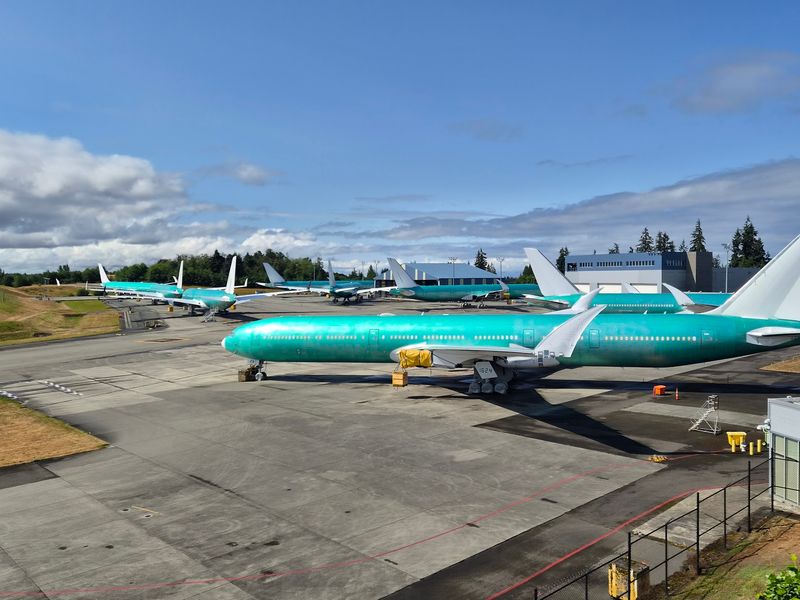
From the deck, guests can spot new jets parked on the flight line. Some are waiting for paint, while others are getting ready for test flights.
The factory itself is visible in the distance. Seeing it from outside helps show just how wide the building really is.
Families on a tight budget may like this option. The free areas and deck offer a taste of the experience without the full tour cost.
Timing can matter here. Clear days give the best views across the airfield, while rainy Pacific Northwest weather can limit how far you see.
Bring a jacket, since the deck is outdoors. A pair of binoculars also helps when trying to read the airline names painted on the tails, which turns plane spotting into a fun little game.
Souvenirs for Plane Fans
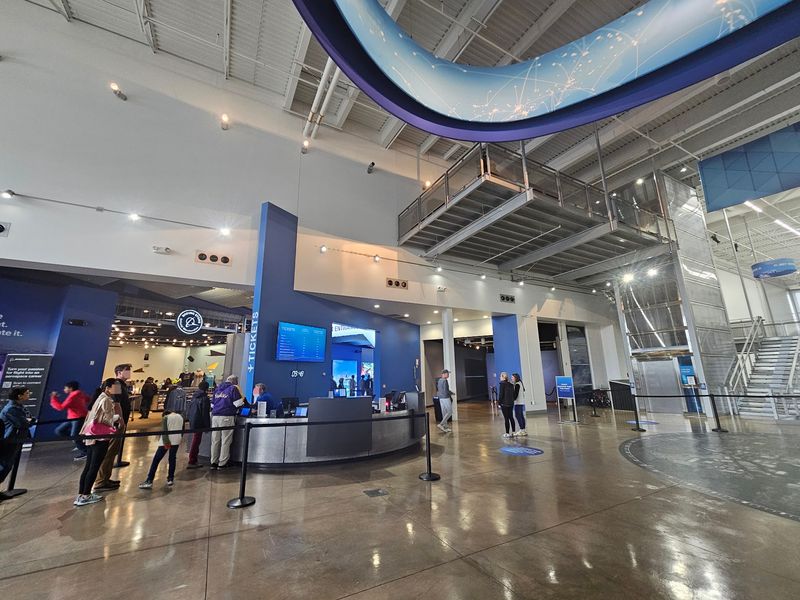
Most tours end at the gift shop, and many guests are glad they do. The store has a wide mix of aviation items.
Shelves hold model airplanes, shirts, hats, books, and small gifts. Fans of the 747, 777, or 787 can usually find something that shows off their favorite jet.
Books about Boeing history are popular. Some titles can sell out, so grab one quickly if it catches your eye.
Kids often head straight for toy planes. Older fans might look for detailed models or items with the Boeing logo.
A souvenir also helps make up for the no-photo rule inside the factory. A model or book gives a way to remember what was seen.
Set a budget before walking in, since it is easy to want a little bit of everything. A small keepsake from the place where giant jets are born makes a fun reminder, and plane lovers back home will appreciate the gift.
Smart Tips Before You Go
A little planning goes a long way at this stop. Book tickets ahead, especially on weekends and in summer.
Check the current tour schedule before your visit. Children must be at least 4 feet tall to join the factory tour, and visitors under 16 must be accompanied by an adult.
These safety rules are strictly enforced.
Keep expectations realistic. The tour shows one main area from above, not a walk across the whole factory floor.
Production activity also varies. Some days the line is busy, and other days it may be calm.
Leave phones and bags as directed, since cameras are not allowed in the factory. Arrive early so there is time for exhibits, the simulator, and the rooftop deck.
Traffic around Everett and Mukilteo can slow the bus and the drive, so build in extra time. Pair the visit with nearby aviation spots around Paine Field for a full day of flight fun.
With the right plan, a trip to the world’s biggest building becomes a story worth telling. Few places let anyone stand this close to where jetliners begin their journey.