Seeing a tiger resting beneath tall evergreens is not something most people expect near Seattle.
Yet in the hills above Lake Sammamish, Washington, a small zoo brings visitors surprisingly close to fascinating wildlife.
Reindeer, colorful macaws, playful lemurs, and other remarkable animals make this Issaquah attraction especially appealing to families.
Despite its modest size, the zoo offers plenty to discover, from educational keeper talks to bronze wildlife sculptures and opportunities to feed certain animals by hand.
Most families can explore the grounds in just a couple of hours, making it an easy outing without endless walking.
With scenic surroundings, memorable animal encounters, and activities for curious kids, this hillside zoo offers a wildlife adventure that feels much bigger than its size.
A Hillside Hideaway Above the Lake
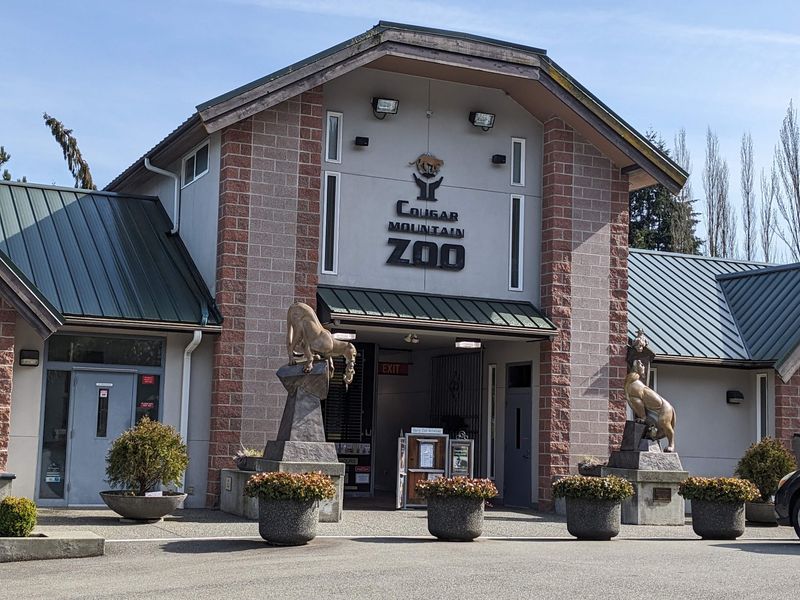
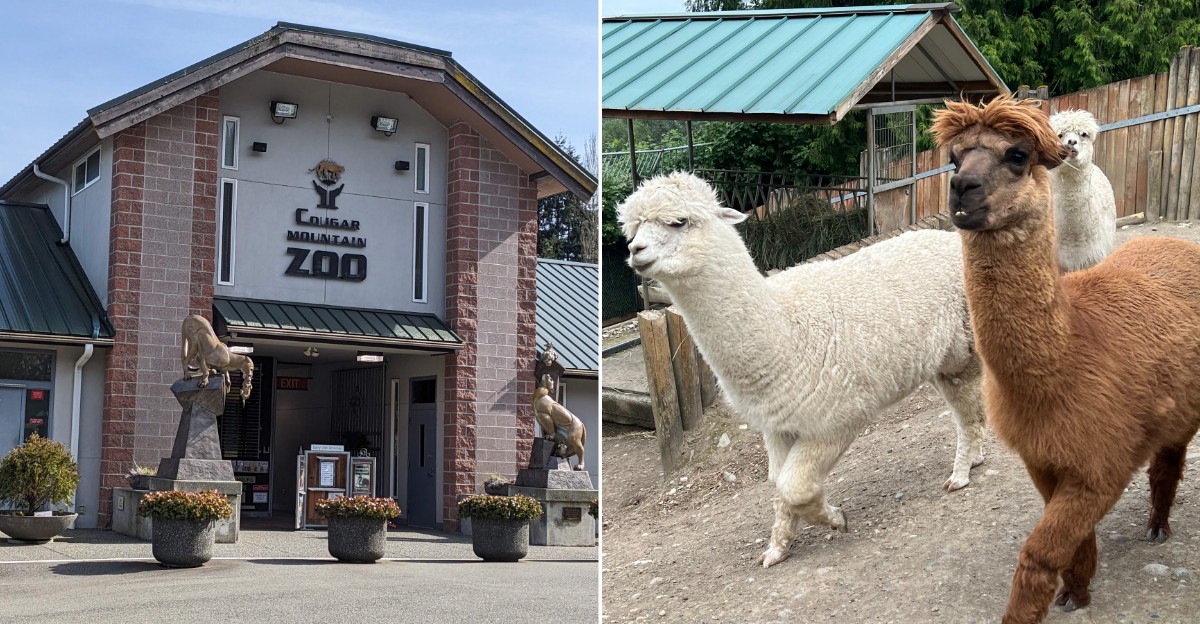
Tucked into the slopes of Cougar Mountain, this spot feels miles from the city even though it sits close to town. The place is Cougar Mountain Zoo, and its address is 19525 SE 54th St, Issaquah, WA 98027, in Washington State.
The zoo perches above Lake Sammamish. From parts of the grounds, guests can look out over the water and the mountains beyond, which makes a pretty backdrop for any animal photo.
Getting there is easy from the Seattle area, since Issaquah sits just east of the city along the I-90 corridor. The final stretch winds up into a neighborhood, so watch for signs.
Parking is limited because the lot is small. On quieter days, open spots are easy to find, but busy weekends can fill it up quickly.
A smart move is to arrive close to the 9:30 am opening time. Early birds tend to get the best parking and calmer paths.
Once the car is parked, the adventure starts just a few steps away at the ticket window.
Big Cats in the Evergreens
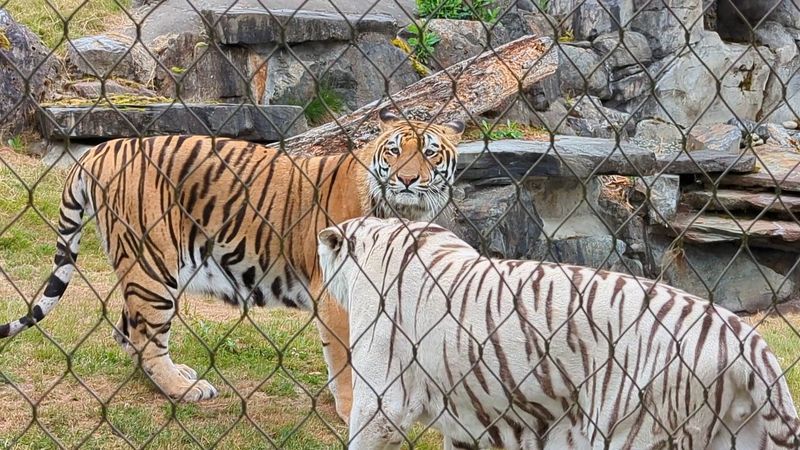
Tigers are not known for being morning people. At this zoo, they often lounge in their wooded habitat, stretched out under fir trees like they own the whole mountain, which in a way they do.
Big cats are the stars here. The zoo puts a special focus on endangered species, and tigers are a big part of that mission.
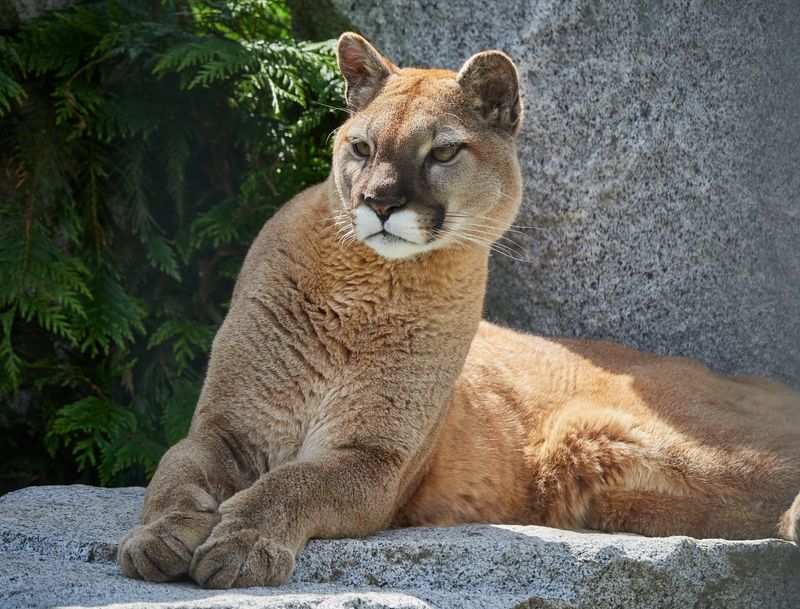
Cougars, also called pumas, live here too. That fits nicely, since the zoo shares its name with them and the mountain itself.
Viewing spots sit close to the habitats. That means kids can get a good look without squinting at a faraway shape behind a hill.
Big cats tend to nap a lot during the day. If a tiger is snoozing, try circling back later, because activity can change quickly.
Keeper talks are a great time to catch the cats moving. Staff often bring treats, which gets everyone up and paying attention.
Patience pays off with these striped neighbors, so plan a second pass before heading home.
Reindeer Who Stay All Year
Reindeer in July sounds like a holiday mix-up. Kids are often thrilled to find these northern animals hanging out in summer, not just in December.
The reindeer are one of the most talked about parts of the zoo. They are also one of the animals guests can feed by hand.
Here is how it works. Cups of apples are sold at the ticket window, and signs mark which animals are allowed to get treats.
Kids hold out a piece, and the reindeer lean over the fence to take it. For many little ones, it is the highlight of the whole day.
During warmer months, the reindeer grow antlers covered in soft velvet. That fuzzy layer helps the antlers grow, and it is fun to point out to curious kids.
Keep fingers flat when offering food. That simple trick helps everyone stay comfortable.
Save a few apple pieces for later, because the reindeer are just the first stop on a long snack route.
Alpacas, Llamas, and the Apple Strategy
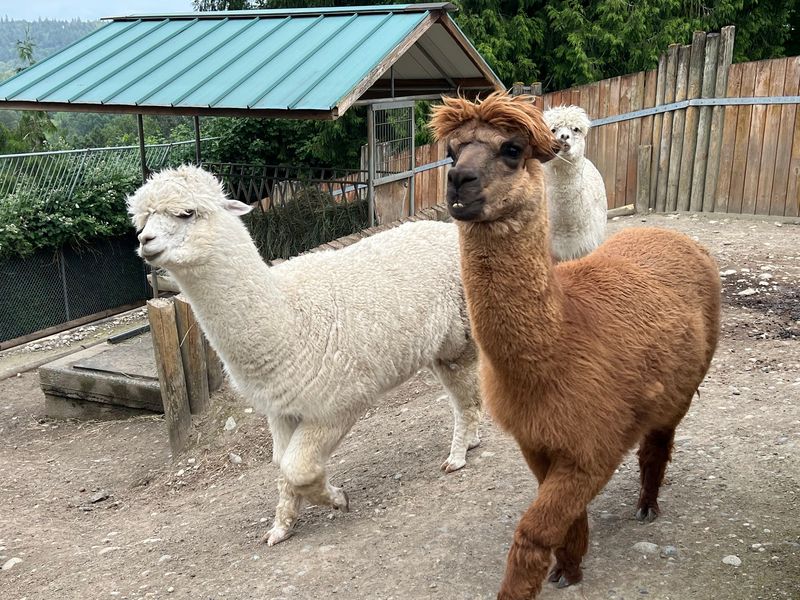
Here is a tip from families who visit often: do not spend every apple at the first fence. The alpacas are waiting, and they take treats right from your hand.
Alpacas and llamas are crowd favorites, especially with toddlers. Their fluffy coats and curious faces make them easy to love.
Feeding them is simple. Hold the apple piece on an open palm, and let the animal do the rest.
Little kids often stay focused here longer than anywhere else. That makes this area a natural spot for a short break while parents snap photos.
Want to tell the two apart? Llamas are usually bigger with longer, banana-shaped ears, while alpacas are smaller with shorter ears.
Quizzing kids on which is which turns feeding time into a mini science lesson. It also keeps older siblings busy.
Wash or wipe hands after feeding. A small pack of wipes in the bag makes life easier.
With empty apple cups and happy kids, it is time to head toward the birds.
The World of Macaws
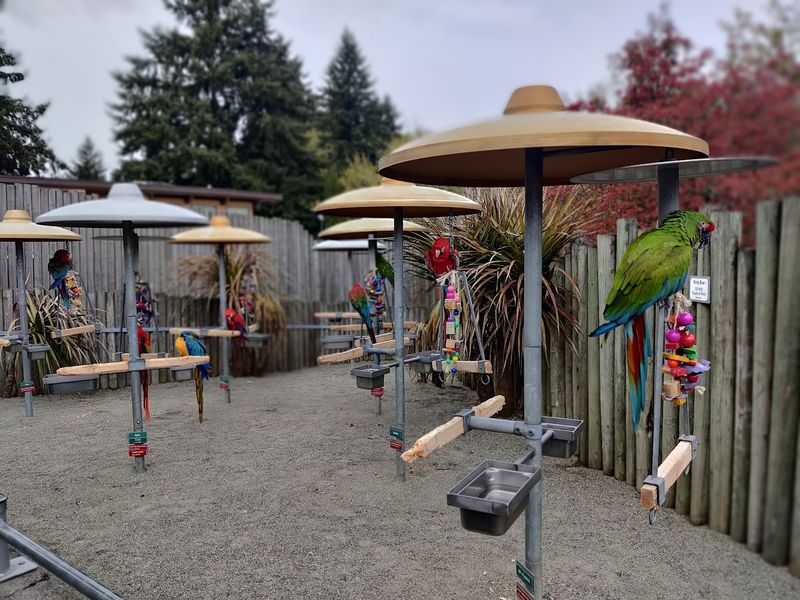
Some birds just want an audience. The macaws at this zoo seem to know they are the most colorful animals on the hill.
Their area is called the World of Macaws, and it holds plenty of brightly colored parrots. Exotic birds are one of the main focuses of the zoo.
Keepers sometimes host short talks here, almost like a mini talk show. The birds often join in, and they can be quite the performers.
At birthday parties, the macaws have even been known to bob along to the happy birthday song. That kind of moment tends to stick with kids for years.
Fun fact: many macaw species face threats in the wild because of habitat loss. Learning about them is part of why zoos like this one exist.
Bring a camera with a quick shutter if possible. Macaws move fast, and blurry wings are common.
After the bird show, the next stop holds some of the most energetic climbers in the park.
Lemurs on the Move

While the tigers rest, the lemurs are busy. These primates are often the most active animals in the whole zoo.
Lemurs come from Madagascar, an island off the coast of Africa. They are not found naturally anywhere else on Earth.
Watching them climb, leap, and chase each other can easily eat up fifteen minutes. Kids tend to giggle at their long tails and wide eyes.
Many lemur species are endangered. That fits the zoo’s mission of caring for animals that need help in the wild.
Try this game with kids. Count how many lemurs are in view, then see if the number changes as they hop around.
Keeper talks at this habitat share facts about diet and behavior. The staff is happy to answer questions, so let kids ask anything.
Lemurs are a good reminder that small habitats can still be full of action.
From quick climbers, the path leads to a pack with a much calmer style.
Wolves, Lions, and a Glass Tunnel
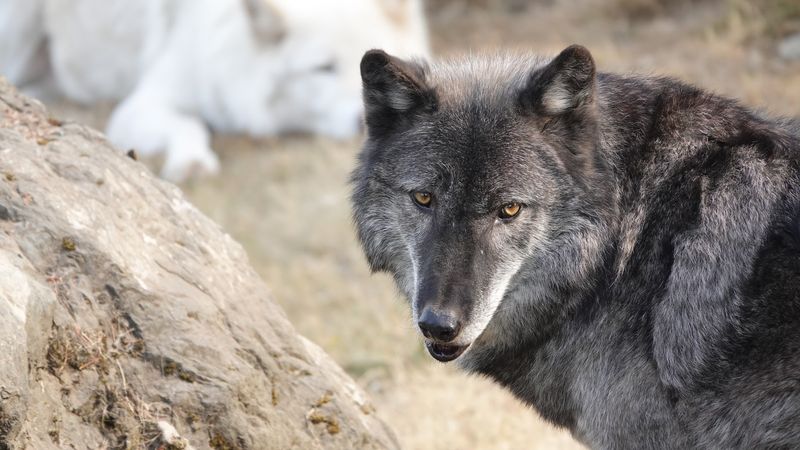
Wolves rank high on the list of animals people come to see. Their wooded habitat fits right into the mountain setting.
Gray wolves once roamed much of Washington. Seeing them here gives kids a chance to learn about a native predator up close.
Lions have joined the lineup too. In recent years, lion cubs have been a big draw, and they grow up fast.
A special lion tunnel encounter puts guests right next to the big cats, safely behind glass. During some group visits, the lions have walked right up and interacted with people.
A quick heads-up helps here. Some lion experiences cost extra, and cubs may simply sleep while staff lead a question-and-answer session.
Going in with that in mind keeps expectations realistic. Asking at the ticket window about current lion programs is a smart step.
The zoo has also added a reticulated python and other reptiles. That gives scale fans something new to check out.
Big animals are only half the fun, though, as the next stop proves.
Bronze Statues and a Track Library
Not every animal at this zoo breathes. Scattered around the grounds is a sculpture forest full of bronze statues and animal art.
These pieces add something extra between habitats. Kids often like to pose next to them for photos.
The art also helps tell the story of wildlife. Many statues show animals in action, which sparks questions about how they live.
Another hidden treat is the animal track library. Children can study the prints different animals leave behind.
Few zoos offer anything like it, so it tends to surprise families. It is a quiet, hands-on stop that works well for curious minds.
Try matching a track to an animal seen earlier in the day. That turns the visit into a fun detective game.
These spots are also great for slowing down. Not every minute needs to be about feeding or chasing the next keeper talk.
Once the art tour wraps up, it is a good time to catch the people who know the animals best.
Keepers Who Love Questions
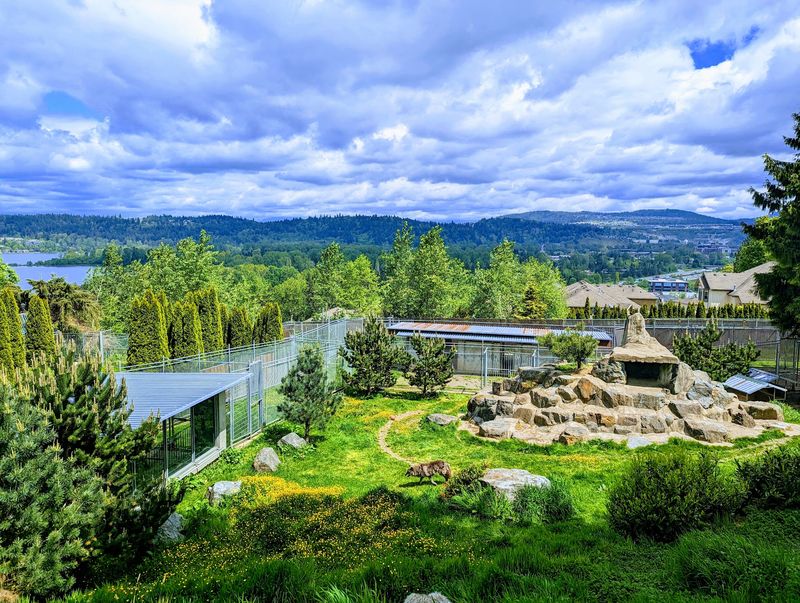
The real secret weapon here might be the staff. Keepers and guides share facts about the animals, often without anyone even asking.
Animal talks happen at most of the habitats. Since the zoo is small, it is easy to reach several of them in one visit.
Staff members truly enjoy chatting. They want guests to ask questions, so kids should feel free to speak up.
Guided tours are available too. A good guide brings the animals to life with stories and details that signs cannot cover.
Talks are also when animals get treats. That means the macaws, cats, and others are usually more alert and active.
Check the talk schedule upon arrival. Planning the route around a few talks makes the visit feel fuller.
Birthday parties are offered as well, with a guide leading the group. Both kids and adults tend to have fun.
With questions answered, a few practical tips can make the day run even smoother.