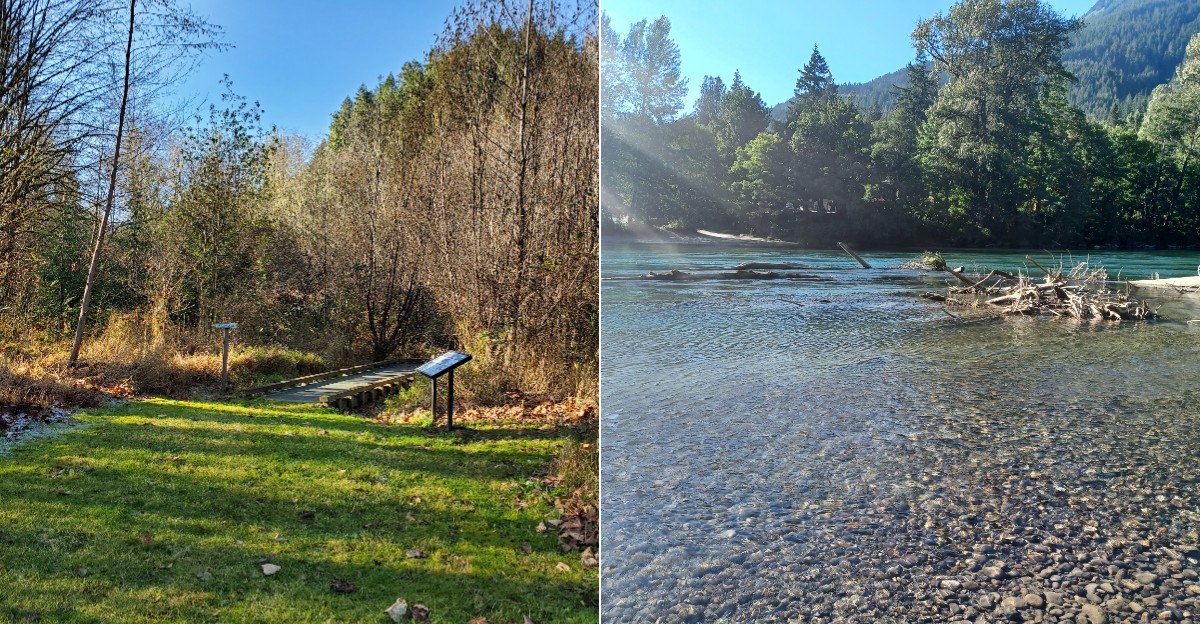
Every winter, a quiet stretch of the Skagit River near Rockport, Washington, turns into one of the busiest bald eagle hangouts in the Lower 48.
The big birds show up for one reason: salmon. After the fish spawn and wash up along the gravel bars, eagles arrive to claim an easy meal, and they perch in the riverside trees in numbers that surprise first-timers.
The best part is that watching them barely touches your wallet.
A small building beside a county park offers free displays, friendly volunteers, and guided walks supported by voluntary donations.
With the right timing and a little planning, visitors can enjoy an unforgettable winter wildlife experience surrounded by the natural beauty of the Skagit Valley.
A Riverside Spot Worth Finding
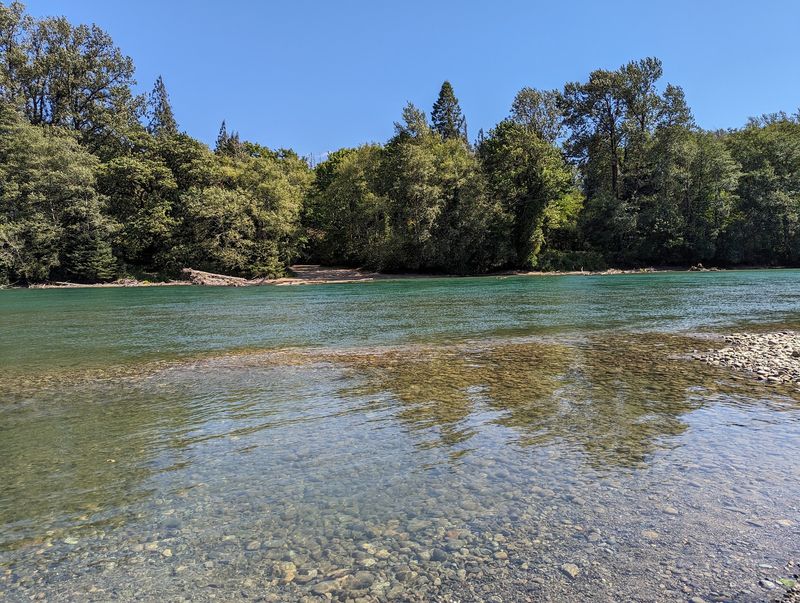
Tucked into the forest along State Route 20, the Bald Eagle Interpretive Center sits at 52809 Rockport Park Rd, Rockport, WA 98283, in the United States. It shares space with Howard Miller Steelhead Park, a county park right on the banks of the Skagit River.
Rockport is a tiny town in the upper Skagit Valley of Washington State. It sits on the road toward North Cascades National Park, so plenty of folks pass right by without knowing what is hiding in the trees.
The building itself is small and simple. Do not let that fool you, because the real show happens outside along the water.
Inside, a small room holds displays, maps, and a video about bald eagles. Volunteers and staff greet guests on open days and point them toward the best viewing spots up and down the valley.
Many people use it as a starting point for a full day of eagle spotting. Grab a map here first, and the rest of the valley suddenly makes a lot more sense.
Why Eagles Flock Here
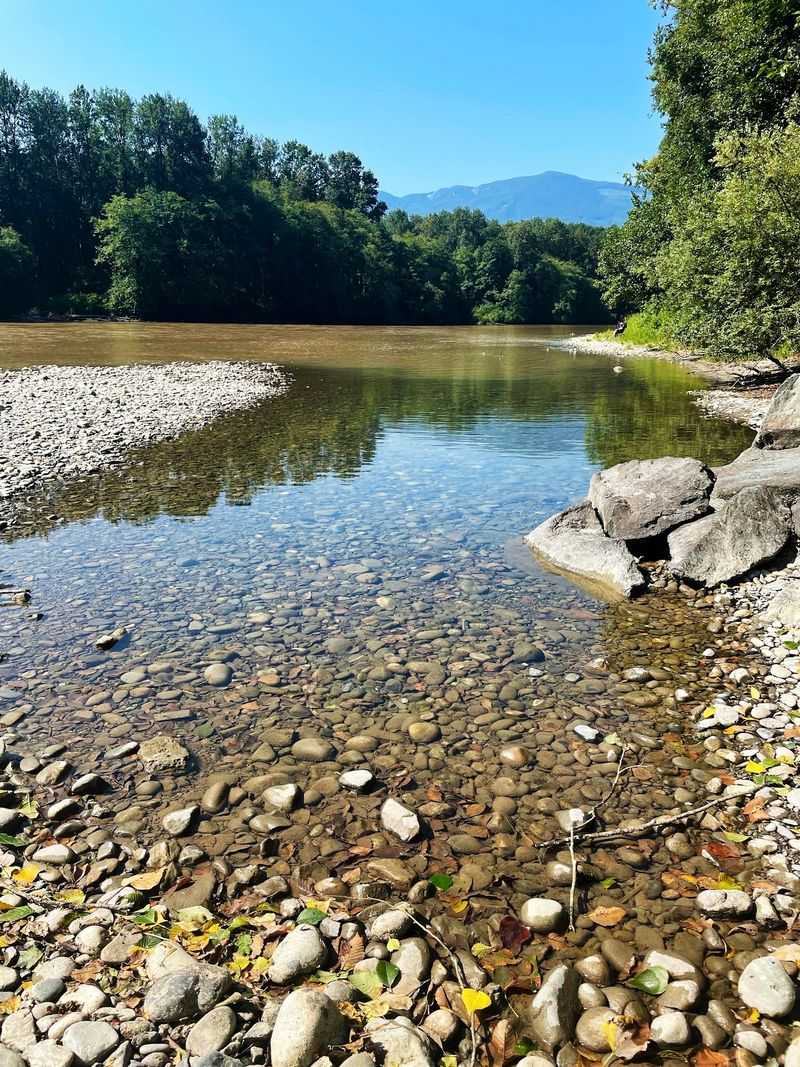
Salmon are the whole secret. Each fall, several types of salmon swim up the Skagit River to spawn, and after they finish, their bodies end up along the shallow gravel bars.
For a bald eagle, that is basically a free buffet. Eagles from Canada, Alaska, and other parts of the Northwest travel here because the food supply is steady during the coldest months.
The center teaches this connection between eagles and salmon in clear, easy terms. Guides spend real time explaining how healthy rivers support healthy bird populations, and how one species keeps another going.
Here is a fun fact to share at dinner. Bald eagles are not picky eaters, and they happily take an easy meal over a hard hunt whenever they can.
So when the fish are plentiful, the eagles stay. When floods wash the salmon away, the birds may scatter to find food elsewhere.
Understanding that cycle makes every sighting feel more meaningful, since each perched eagle is part of a much bigger river story.
Timing Is Everything
The best eagle-watching season along the Skagit River typically runs from late November through late January, with sightings often peaking between Christmas and the second week of January.
The center usually runs its main guided walk program from about mid-December to mid-February. Many people aim for late December or January, when eagle numbers tend to be strongest.
Regular hours are limited. The center generally opens Saturdays and Sundays from 10 am to 4 pm and stays closed on weekdays.
Schedules can change with weather and season, so checking the official website at skagiteagle.org before you leave is a smart move. Some people have made the long drive only to find the doors locked.
Nature also has its own plans. Winter floods can wash away salmon carcasses, which means fewer eagles hanging around even during peak months.
A little homework up front turns a gamble into a great day. Plan around the calendar, and the eagles are far more likely to keep their side of the deal.
The Name-Your-Price Bargain
Good news for budget travelers: the center itself is free to enter. Guided nature walks are also free, although voluntary donations are appreciated and help support the center’s educational programs.
That makes this one of the cheapest wildlife outings in the state. A whole family can learn about eagles, salmon, and river life without a big ticket price.
There is one small cost to keep in mind. Parking at the neighboring county park may require a day-use fee, and signs on site explain the rules, so bring a few dollars just in case.
Donations help keep the programs running. The center relies heavily on volunteers, and every bit of support helps pay for materials, maps, and educational displays.
Bringing your own snacks and a thermos keeps the day even cheaper. Plenty of people pack a picnic and turn the outing into a full afternoon.
For the price of a fast-food lunch, you get expert guides and a front-row seat to a winter wildlife gathering, which is a deal worth bragging about.
Guided Walks With Real Experts
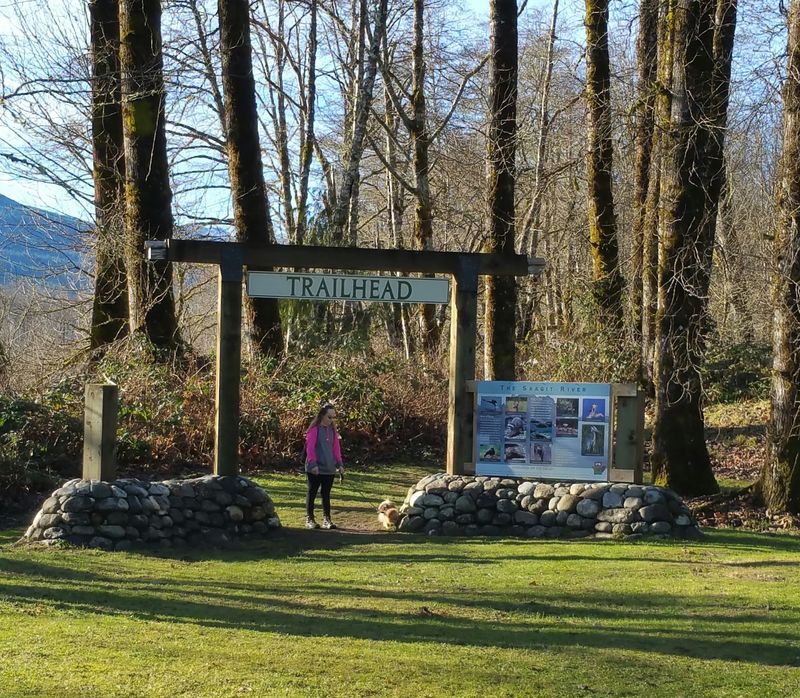
Some of the best teachers do not work in classrooms. At this center, volunteer guides lead relaxed, 90-minute nature walks along the Skagit River during eagle season.
These walks are known for being relaxed and full of information. Guides stop often, point out perched eagles, and explain what the birds are doing and why.
Eagles are not the only stars. Groups often spot red-tailed hawks and great blue herons too, which adds a bonus round to the bird count.
The guides also share facts about the bigger landscape. Topics can include glaciers that shaped the valley, salmon life cycles, moles, and even the lichen growing on nearby trees.
Questions are welcome, so do not be shy. The volunteers clearly enjoy sharing what they know, and many people leave surprised by how much they learned in a short stroll.
Wear layers and waterproof shoes, since winter in the valley can be chilly and damp. Comfortable feet make for a happier eagle hunter.
Trails For Every Kind Of Walker
Not every trail needs to be a workout. Near the center, the paths come in two flavors, so both casual strollers and eager hikers can find something that fits.
The easier routes use gravel and stay mostly flat. They work well for families with young kids, older walkers, or anyone who just wants a calm stroll by the river.
The guided nature walks follow the mostly flat Sauk-Skagit Reach Trail, making them suitable for a wide range of ages. Visitors can enjoy riverside scenery without needing to tackle a strenuous mountain hike.
Both options keep you close to eagle country. Watch the tall trees along the riverbank, since eagles often perch high on bare branches where they can scan the water.
Trails can get muddy or slick in winter. Sturdy boots and a walking stick are handy, especially after rain.
Take your time on the path and keep looking up. Eagles have a habit of sitting perfectly still, and the slow walker usually spots more of them.
Hands-On Learning For Kids
Kids learn best when they can touch things. The indoor area at the center includes hands-on materials, so young learners can explore instead of just reading signs.
School and homeschool groups visit for tours that mix a nature walk with indoor learning. The information is pitched at a kid-friendly level without feeling babyish.
Children can discover how big an eagle really is, what it eats, and how it raises its young. They also learn about other local animals that share the river valley.
A short video about bald eagles plays in the small room. It is a nice way to warm up before heading outside, or to rest after a walk.
Parents and teachers can contact the center ahead of time about group visits. Planning early helps, especially during busy eagle season weekends.
Bring a notebook and let kids keep a bird count. Turning the trip into a mini science project makes the lessons stick long after the drive home ends.
Bring The Right Gear
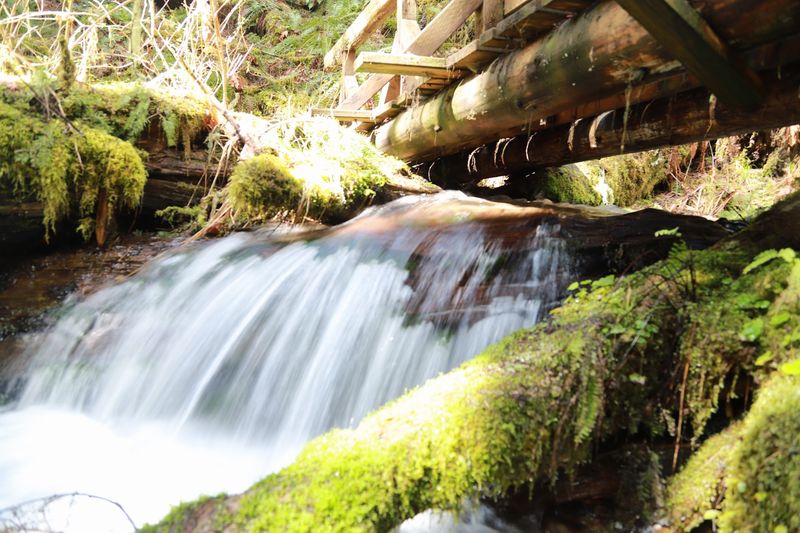
Eagles are big birds, but they often sit far away. A good pair of binoculars can change your whole trip from squinting at specks to seeing details.
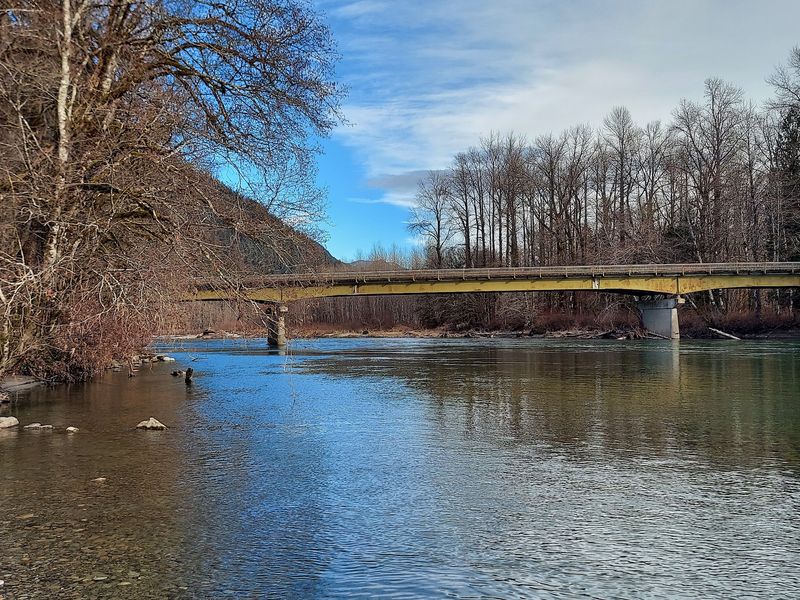
During season, volunteers have sometimes set up spotting scopes for closer looks. One popular location has been the nearby bridge, where eagles have perched in trees close to the water.
Photographers should know the challenge going in. Getting a sharp shot usually takes a powerful zoom lens, and many hobbyists rent gear rather than buy it.
Phone cameras can still grab nice scenery. Just do not expect frame-filling eagle portraits without extra equipment.
Dress for winter in the Cascades. Layers, a rain jacket, gloves, and a warm hat make waiting for eagles much more pleasant.
A small daypack with water, snacks, and a map from the center rounds out the kit. With the right tools packed, patience becomes the only thing left to bring along.
Maps To More Eagle Hotspots
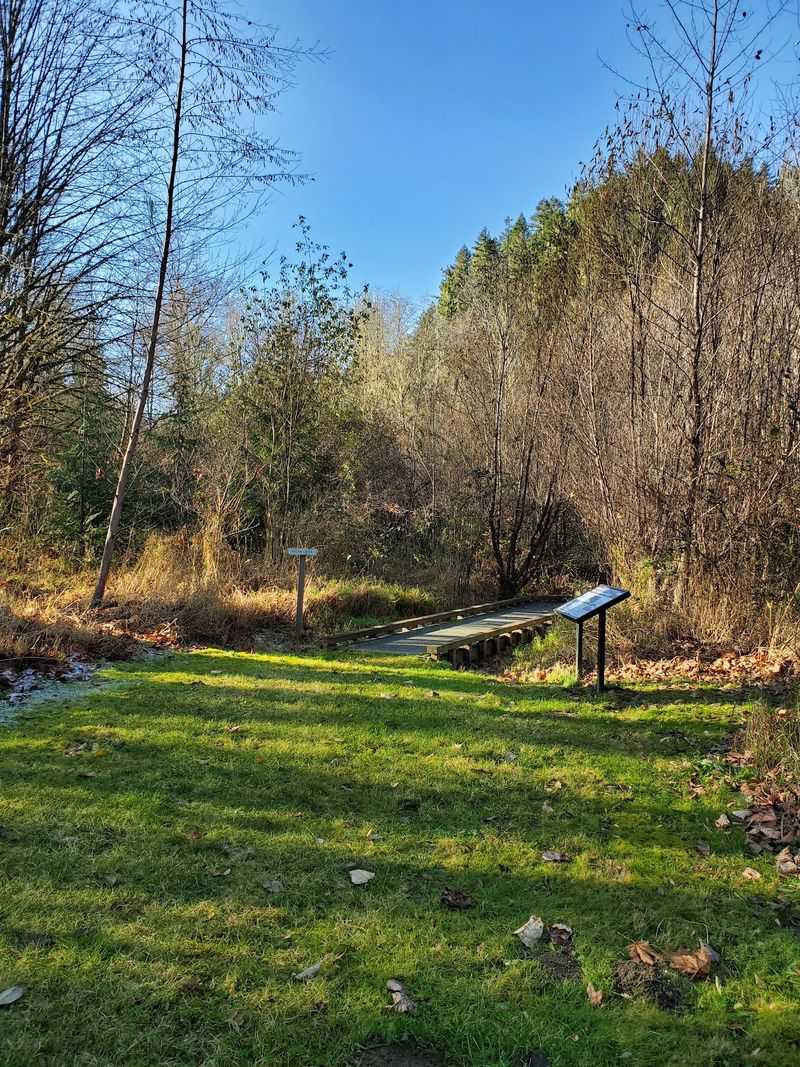
One stop is great, but the whole valley is eagle territory. The center offers several maps that outline additional viewing areas along the upper Skagit River.
These maps help turn a short visit into a road trip. Pullouts and river access points along State Route 20 give more chances to spot birds perched or flying.
Volunteers can also tell you which areas have been active lately. Eagle activity shifts with the salmon, so local tips can save a lot of guessing.
Even when the center is closed, river access nearby can still save the day. A picnic by the water with a view of the trees is a fine backup plan.
Please be respectful at every stop. Keep your distance, stay quiet, and avoid disturbing birds while they feed.
Following the map from spot to spot makes the day feel like a treasure hunt. The prize just happens to have a seven-foot wingspan.
Camping Next Door
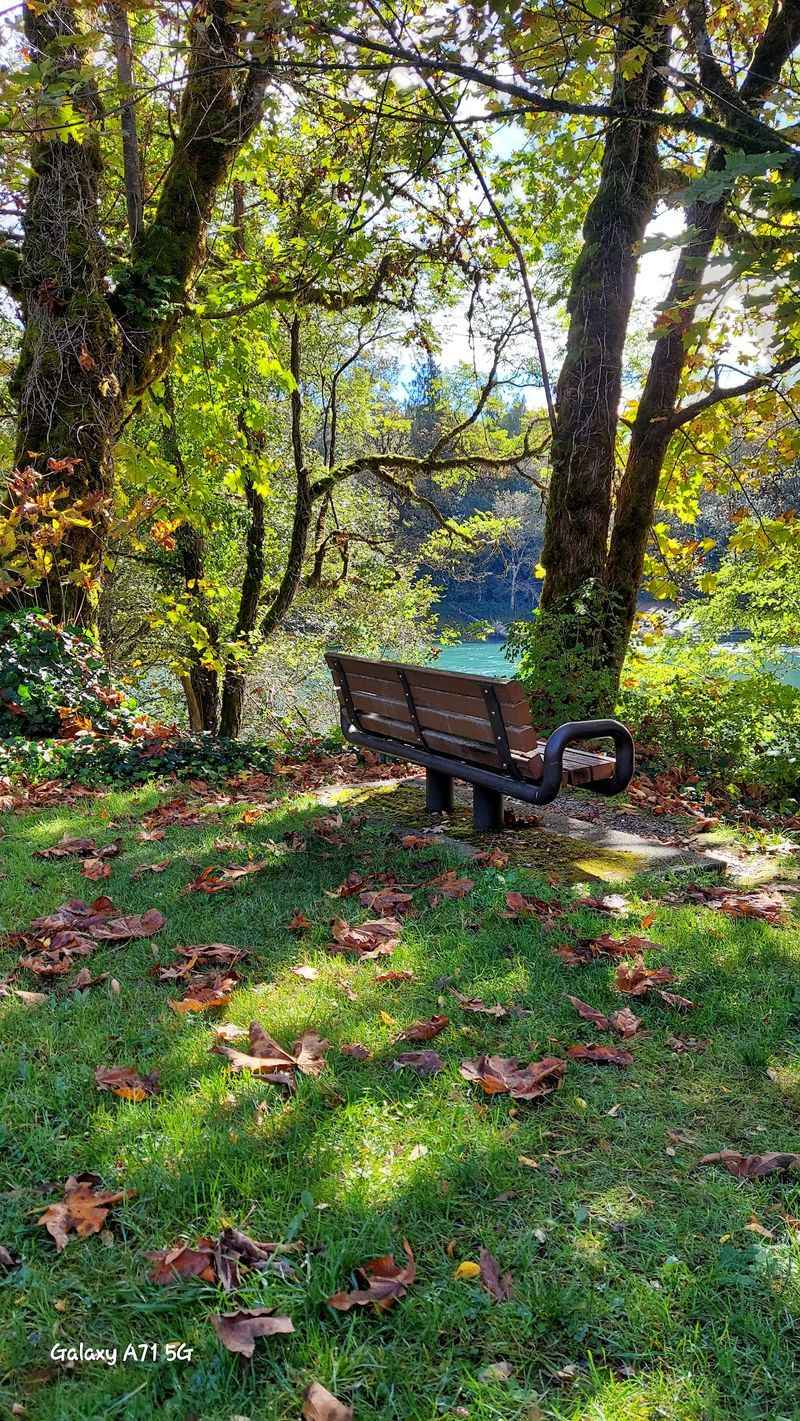
Early birds catch the eagles. Because the center sits next to Howard Miller Steelhead Park, a camping area is right nearby for anyone who wants to stay overnight.
Spending the night means you can be on the trail when the day starts. It also cuts out a long drive from Seattle or the coast.
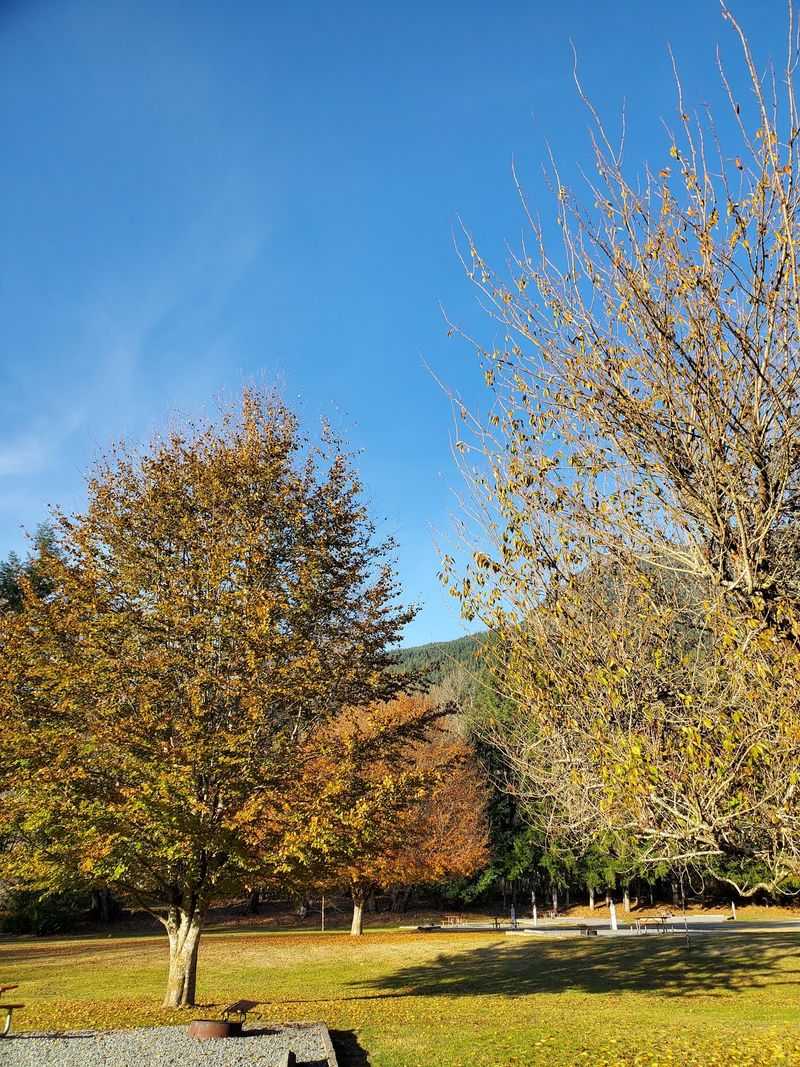
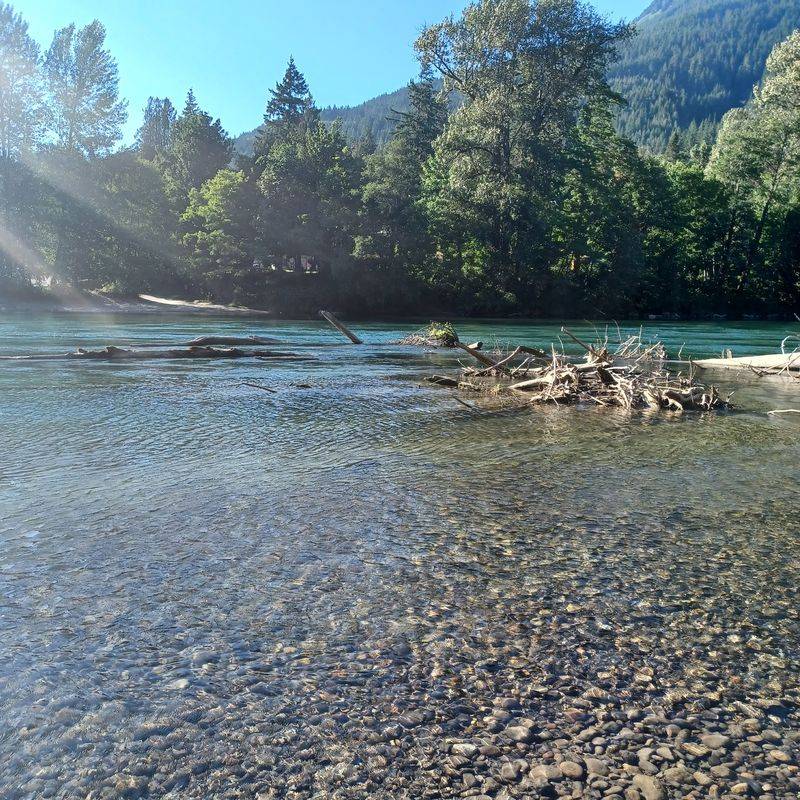
The county park also offers river access and space for a relaxed picnic. Families can split the day between learning indoors and wandering by the water.
Winter camping in the valley can be cold and wet, so pack accordingly. Check with Skagit County about reservations and seasonal availability before you go.
Staying close also gives you a second shot at eagle viewing. If one morning is quiet, the next day might bring a tree full of birds.
The Skagit River pulls in eagles every winter for a simple reason, and it pulls in people for the same one: good things gather here. With free learning, easy trails, and almost no cost, this little riverside stop delivers a big winter memory.