Somewhere down a bumpy dirt road outside Spruce Pine, there is a pile of old rock that has been hiding green treasure for more than a hundred years. Nobody pours store-bought gems into a bucket here, and nobody promises you a fortune.
You bring a shovel, a sieve, and a lot of patience, and the mountain decides the rest. Some people drive home with a tiny emerald tucked in a rock.
Others drive home with sore arms and a good story. This spot is about real rockhounding in the North Carolina mountains, the kind your grandparents might have tried.
Keep reading to learn where it is, how to get permission to dig, what tools to pack, and what you might actually find in the dirt.
An Address Worth Writing Down
Real emeralds are rare in the United States, so finding a place that has them feels a bit like finding a secret map. The Crabtree Emerald Mine sits at 1449 Emerald Mine Road, Spruce Pine, NC 28777, USA.
That puts it in Mitchell County, high in the Blue Ridge Mountains of western North Carolina. The Spruce Pine area is famous among rock lovers, and this old mine is one big reason why.
Do not expect a fancy gift shop or a paved parking lot at the site. The mine is tucked into the woods off an old dirt road.
A flooded tunnel and piles of old mine waste, called tailings, are the main features you will see.
The listing shows it as open 24 hours, but that does not mean you can just show up and start digging. Permission matters a lot here, and later sections explain how to get it.
For now, save the address in your notes. You will want it handy before cell service fades away on the mountain roads.
A Century of Green Rock History
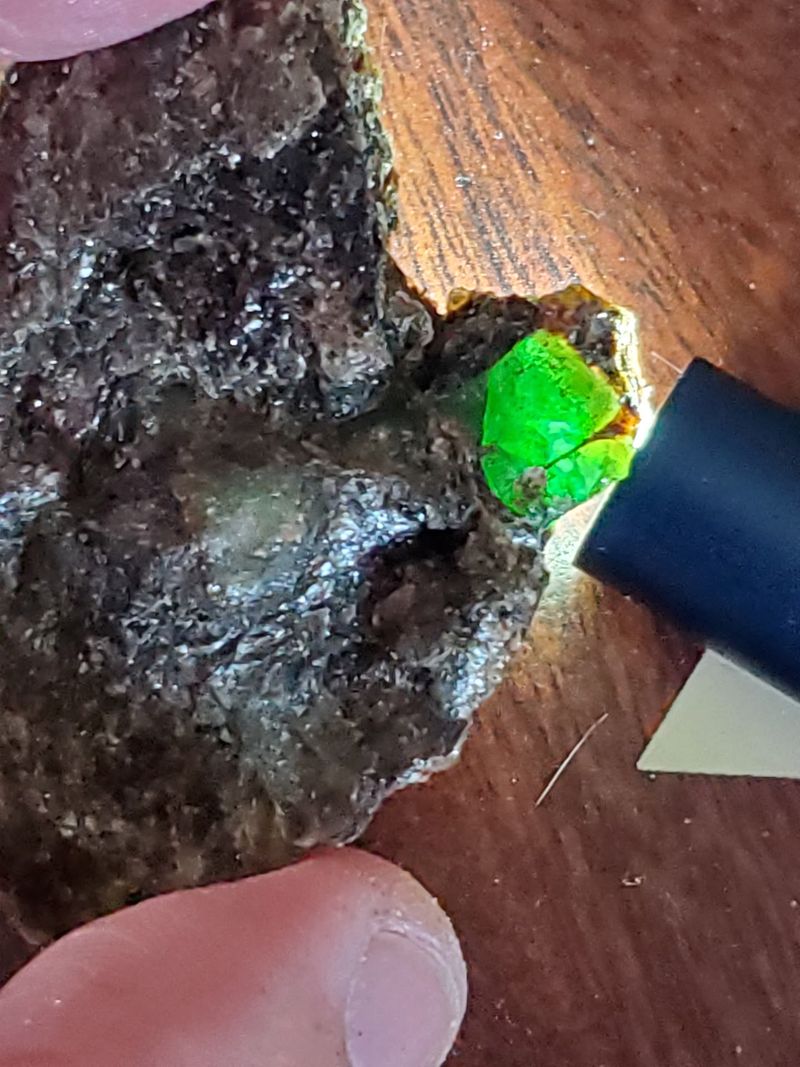
Long before phones and GPS, miners were already chipping away at this hillside. The Crabtree area has been dug for about a hundred years, and people came hoping to pull emeralds out of the ground.
Emerald is a green type of a mineral called beryl. Here, it forms inside a rock known as pegmatite, which is a coarse rock full of big crystals.
Most of what you can explore today is old debris left behind by the original mine. Workers tossed aside rock that did not look valuable at the time.
Some of those leftover chunks still hold small green crystals.
The original tunnel is now flooded and hidden in the woods. It is marked by a sign, but it is not a place for swimming or exploring.
Fun fact: the Spruce Pine region is known around the world for its minerals, including feldspar, mica, and very pure quartz. So when you dig at Crabtree, you are working in one of the most rock-rich corners of the country.
Permit First, Shovel Second
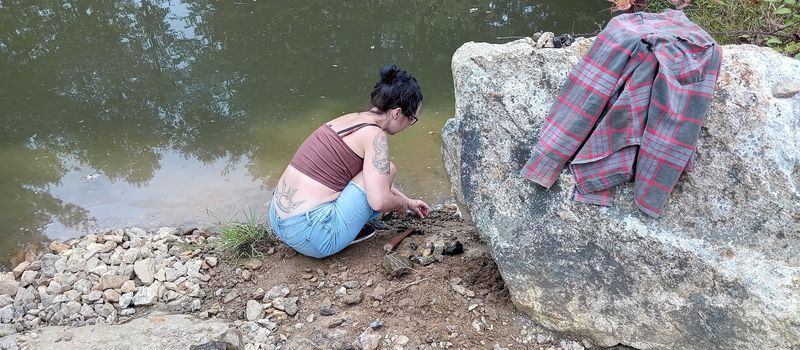
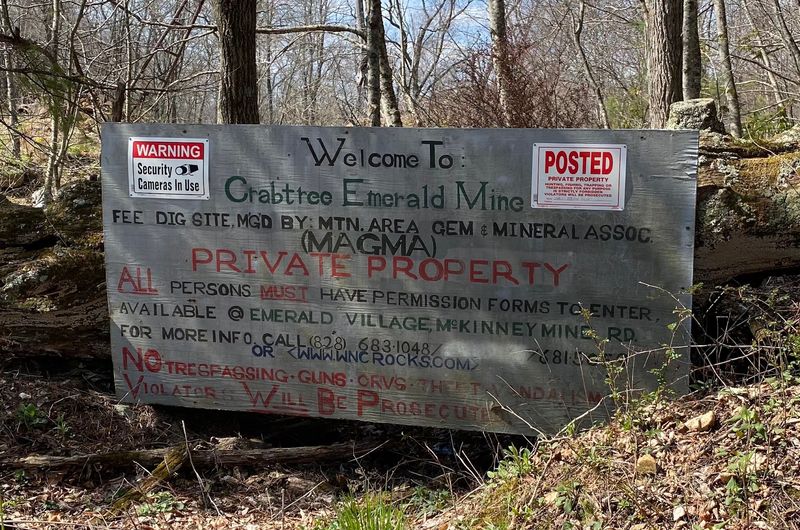
Here is the rule that trips people up the most. You need a permit before you dig at the Crabtree site.
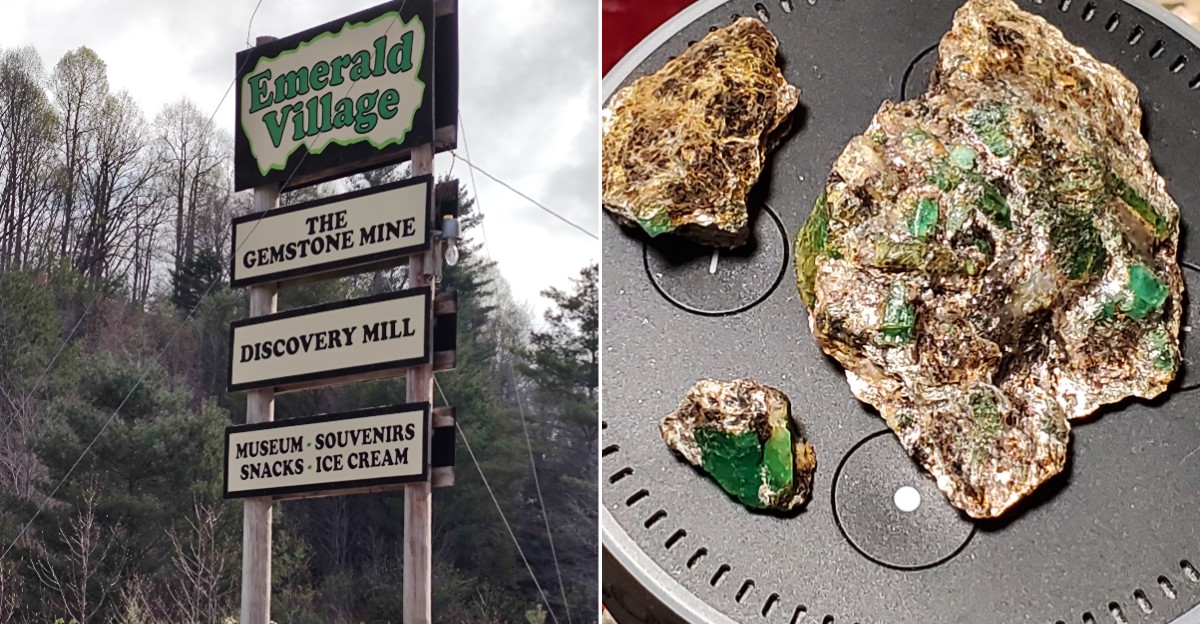
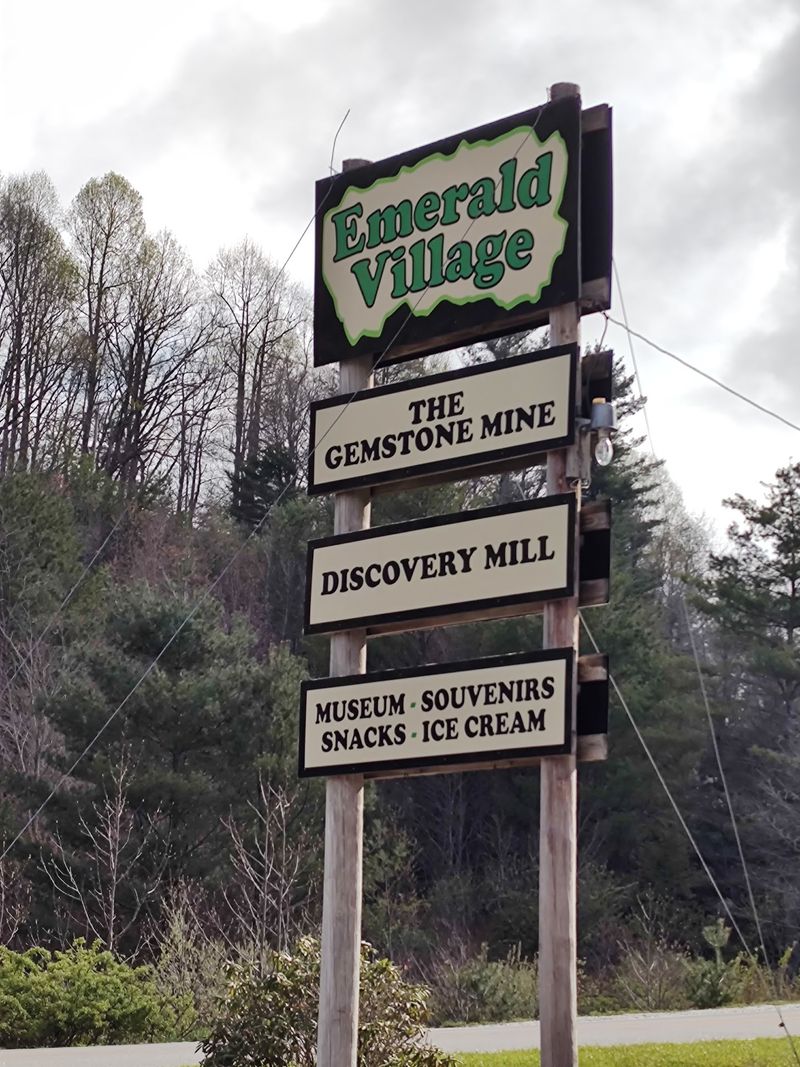
Permits are picked up at Emerald Village, a gem mining attraction on the way to the real mine. The staff there hand out the permit and paper directions to the dig site.
They can also tell you which rocks to look for, which is a big help for beginners.
The digging area has been managed by a local club called MAGMA. People found on the site without permission can be asked to leave.
So skip the shortcut and get the paperwork.
Keep in mind that Emerald Village and the Crabtree mine are two different places. Emerald Village is a tourist attraction, while Crabtree is the historic mine down the road.
Treat the permit like your ticket to a concert. No ticket, no show.
Grab it early in the day so you have plenty of daylight left for the hard work ahead.
No Salted Buckets Allowed
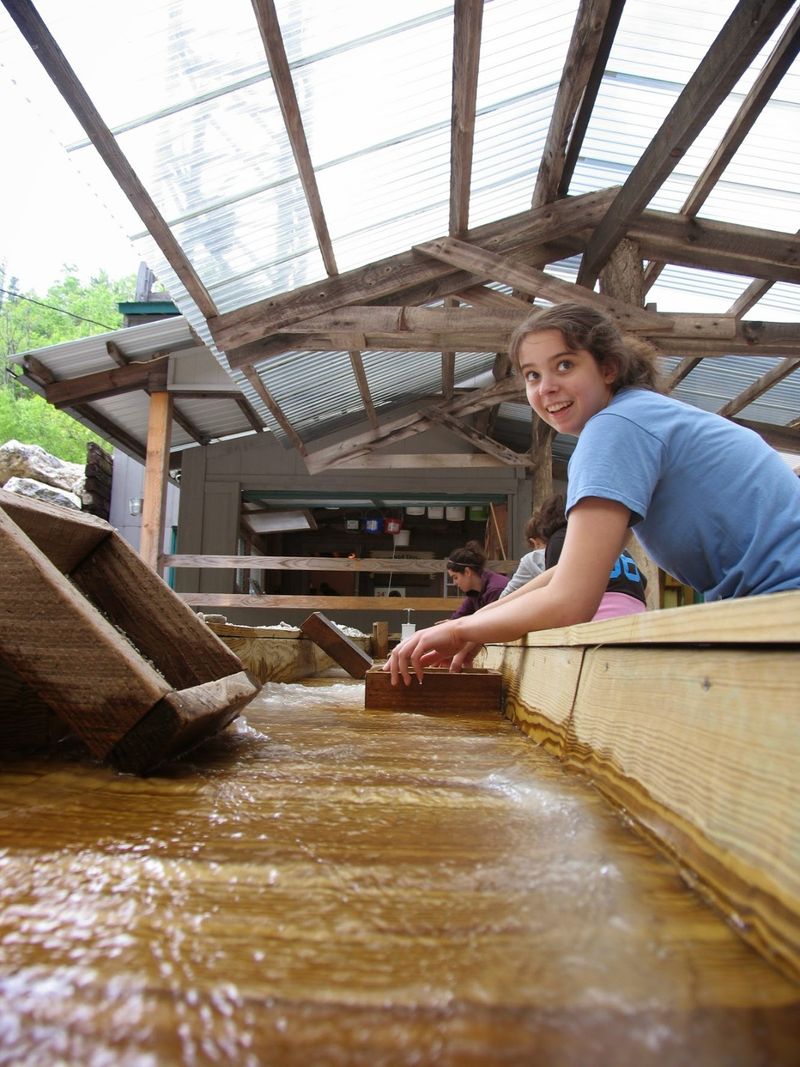
Plenty of gem mines sell you a bucket of dirt mixed with stones from far away. That practice is called salting, and it makes finding something almost guaranteed.
Crabtree does things the old way. There are no seeded buckets, no covered flumes, and no gimmicks.
You, your tools, and a real emerald deposit are the whole deal.
That honesty is exactly why rockhounds love it. When you spot a green crystal here, it formed right in these mountains millions of years ago.
Nobody dropped it in for you.
Of course, real also means harder. There is no promise of a prize at the end of the afternoon.
Some days the dirt gives up nothing but plain quartz.
Still, many people prefer it this way. A small, genuine stone from Crabtree often means more than a handful of shiny gems from a souvenir bag.
Think of it as earning your treasure instead of buying it. The mountain keeps score fairly.
The Road Gets Rough
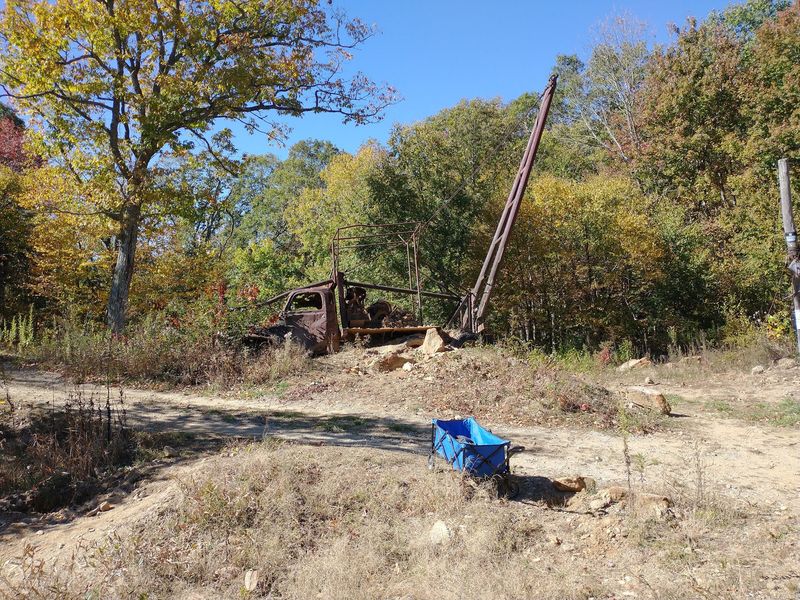
Getting there is half the adventure, and sometimes half the challenge. The last stretch is an old dirt road through the woods.
On a dry day, many regular cars handle it fine. A stock Subaru Outback has made the trip with only some bumps along the way.
After several days of rain, though, the road can turn rough enough that four-wheel drive becomes a smart choice.
Some folks strongly suggest a 4×4 no matter the weather. If your car sits low to the ground, think twice and check recent conditions.
There is a place to park near the site and a good turnaround area. That is handy, because backing down a narrow mountain road is nobody’s idea of fun.
Drive slowly and watch for ruts and rocks. Taking the wrong direction on these old roads can leave you stuck far from help.
So follow the paper directions from Emerald Village closely. They are known for being clear and accurate.
Save That Offline Map
Cell bars have a habit of vanishing the moment you need them most. Out near the mine, reception can drop to zero.
Before leaving Spruce Pine, download an offline map of the area to your phone. It takes a minute and can save you an hour of guessing.
Pair it with the printed directions from Emerald Village, and you should arrive without trouble.
Finding the site can feel a little tricky at first. The roads twist, and signs are few.
Having two sources of directions gives you a backup if one gets confusing.
Let someone know where you are headed and when you plan to return. That is good practice for any trip into remote mountain woods.
Also, avoid exploring the site alone if you can. Old mine areas can have unstable ground and loose rock.
A little planning keeps the day focused on gems instead of getting lost. Your future self will thank you for packing that map.
Look Around the Little Pond
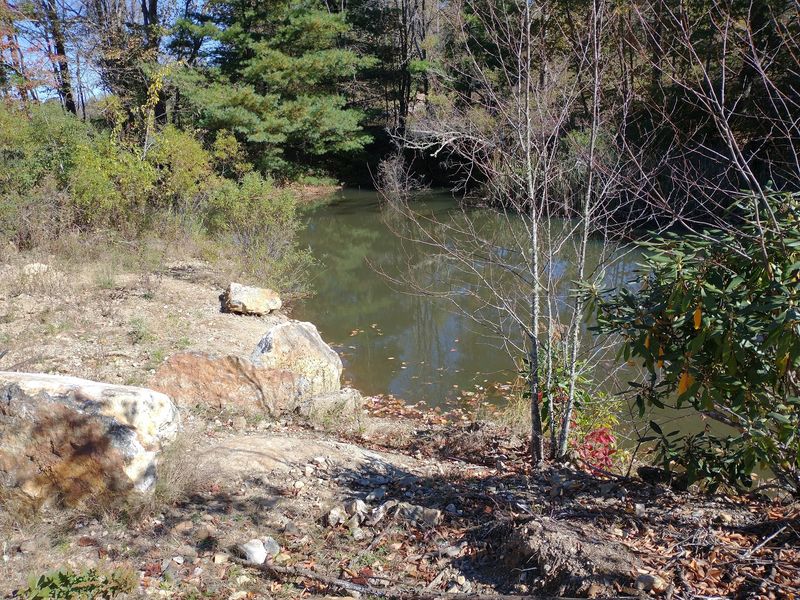
Sometimes the best spot is the one people walk right past. At Crabtree, the tailings sit in a wooded area around a small pond.
Take time to search the edges of that pond. Rocks along the banks can be washed clean by rain, which makes colors easier to spot.
Surface hunting works better here than many expect. Some lucky diggers have found emeralds, beryl, quartz, and tourmaline without digging deep at all.
Walk slowly and scan the ground. Look for pegmatite chunks with light-colored crystals, then check them for any hint of green or blue-green.
Remember that the flooded mine tunnel is nearby. Stay on solid ground and keep a safe distance from water and steep drop-offs.
Kids enjoy this part because it feels like a scavenger hunt. Give everyone a small bag and see who spots the most interesting rock.
Patience around the pond often pays off more than wild digging.
Crack the Pegmatite Puzzle
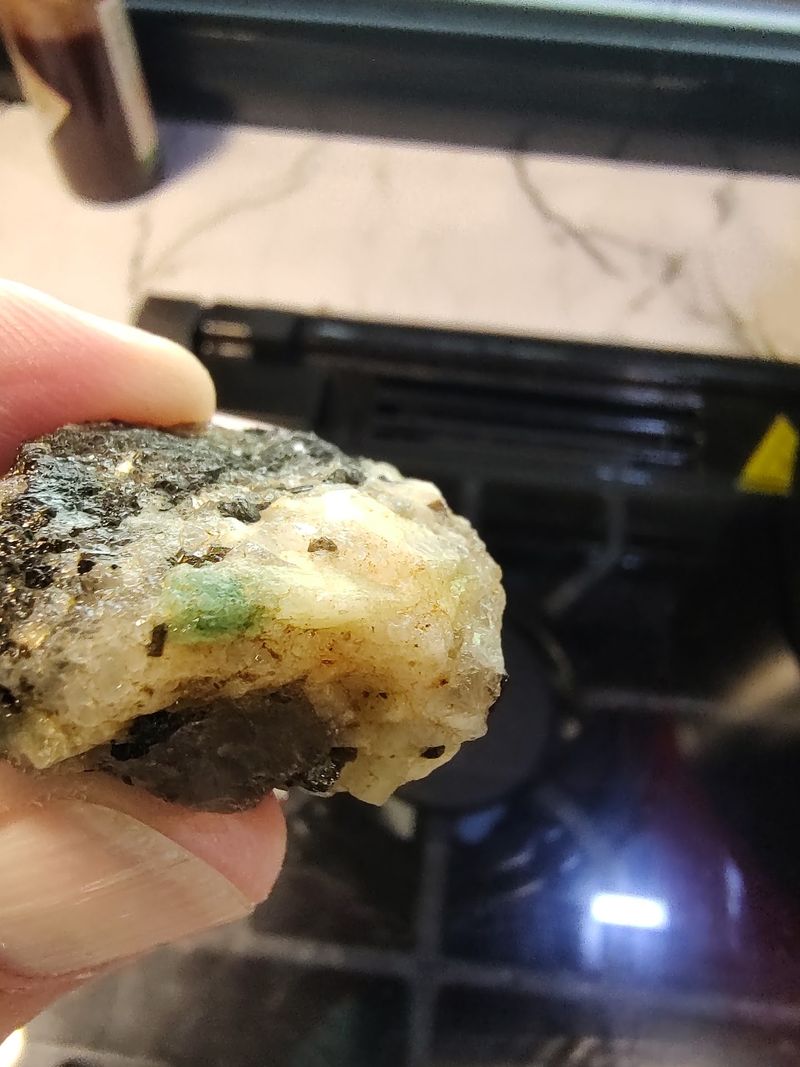
Most emeralds here do not sit loose in the dirt waiting for you. They hide inside chunks of rock.
That rock is pegmatite, and much of it lies scattered across the old mine dumps. A popular method is to collect pieces from the surface and break them open to check for emerald inside.
When you find one, it is often an emerald in matrix. Matrix simply means the stone is still stuck in its host rock.
Many collectors keep pieces just like that. The rock around the crystal shows where it came from and makes a neat display.
Freeing an emerald from matrix takes care. Hard hammering can crack the crystal, so go slowly or leave the job to an experienced cutter.
Along the way, you may also find garnet and other host minerals. Each broken rock is a small mystery, and that is a big part of the fun.
Keep Expectations Pocket-Sized
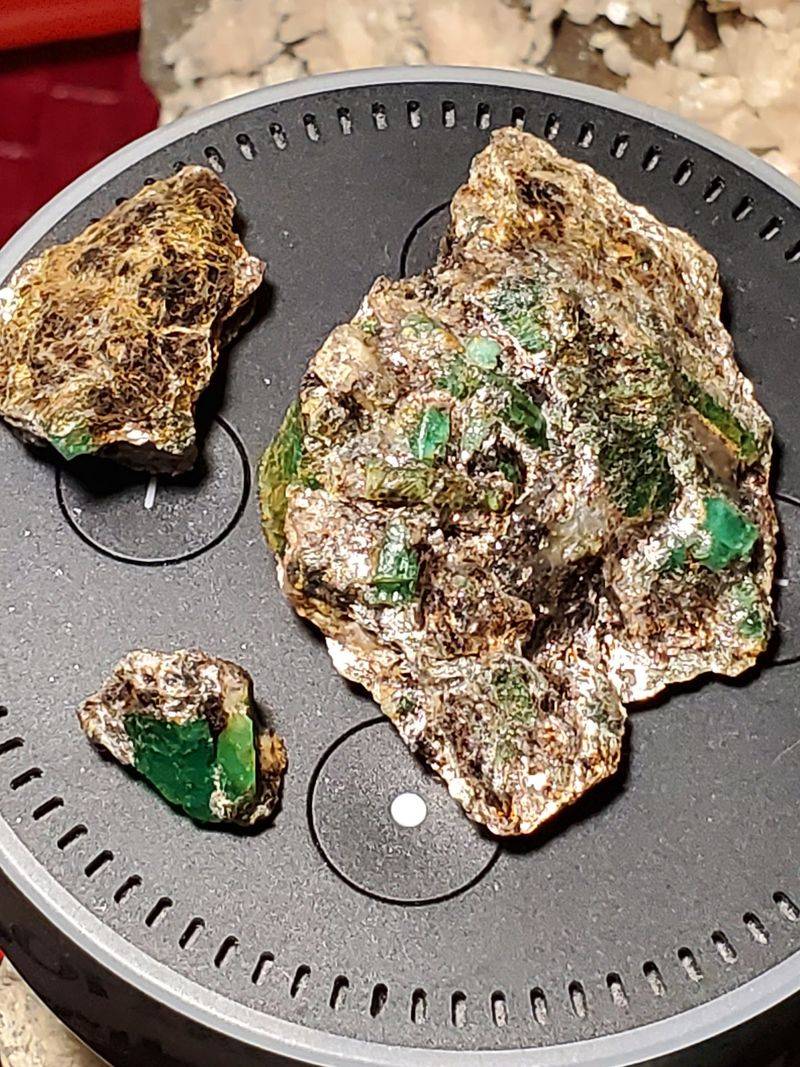
Nobody is going to strike it rich at Crabtree, and that is okay. The site has been dug for about a century, so the big stones were claimed long ago.
What you can find is still exciting. One young digger pulled out a clear, green emerald crystal about 1/32 inch wide and 1/8 inch long.
Tiny, yes, but real and perfect for a rock collection.
Beryl crystals show up more often than gem-quality emeralds. Quartz, garnet, and tourmaline also appear in the mix.
Some people spend four hours and leave empty-handed. Others work two hard days to earn a few good samples.
Luck plays a big role.
Going in with a relaxed mindset helps. Treat the day as an outdoor adventure with a chance of treasure, not a guaranteed payday.
A small green stone you found with your own hands can become a favorite keepsake for years.
Timing Your Treasure Hunt
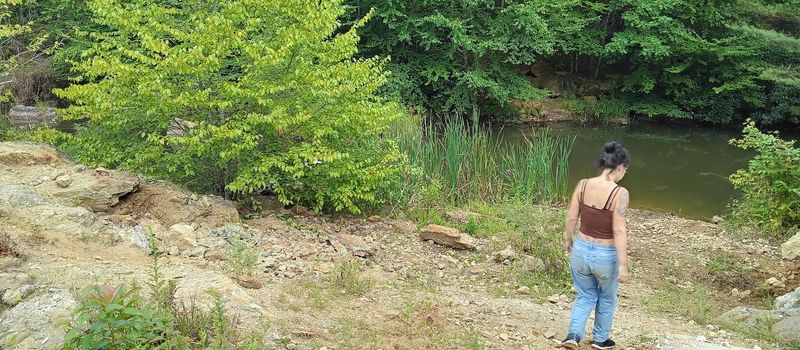
Smart timing can make your dig easier on both you and your car. Dry weather is your best friend here.
After several rainy days, the dirt road gets muddy and harder to drive. Plan your trip after a stretch of dry days if you can.
Summer is a popular season, and a three-hour session in late June has produced plenty of good samples. Just know that digging in warm weather is sweaty work, so bring extra water.
Start early to give yourself daylight. You need time to stop at Emerald Village for your permit, drive the back roads, and still have hours left to dig.
Spring and fall can also work well. Fallen leaves in autumn mean that small rake becomes even more useful.
Families with kids of many ages can enjoy the hunt together. In the end, Crabtree rewards patient people who show up prepared, and every trip adds a new chapter to the mine’s long green story.