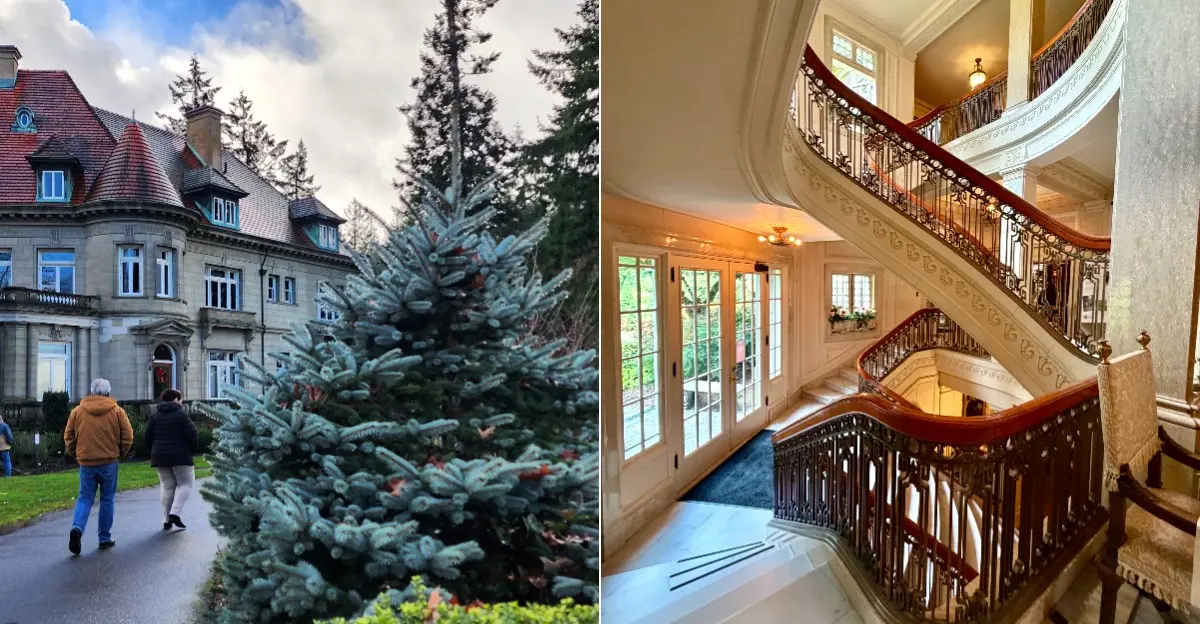
High in the West Hills of Portland, a stone house from 1914 sits about 1,000 feet above sea level. Fall turns the hillside into a calm escape, and a lot of people come up here hoping for something special in the trees and gardens.
What they find is a story bigger than any single season. A newspaper publisher built this home with features that were rare for its time, including an elevator and an intercom.
Decades later, a huge storm nearly sent it to the wrecking crew, until the people of Portland stepped in to save it. Today, the grounds offer some of the widest city views in Oregon.
Keep reading for the history, the best viewing spots, smart parking moves, and the timing tips that make a fall trip here worth every switchback.
A Hilltop Address With a Big Backstory
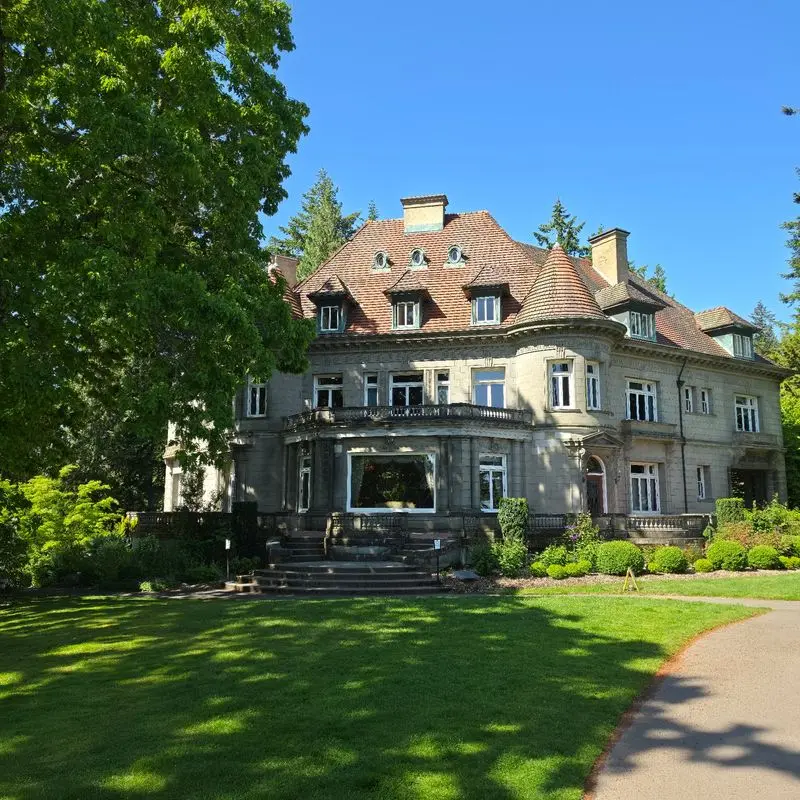
Some houses blend into the neighborhood. This one sits above it, with a whole city spread out below the front lawn.
Pittock Mansion stands at 3229 NW Pittock Dr, Portland, OR 97210, in the West Hills of Oregon in the United States. It was finished in 1914 as the home of Henry and Georgiana Pittock.
Henry Pittock was the publisher of The Oregonian newspaper. He played a major part in helping Portland grow from a small river town into a real city.
The house is built in the French Renaissance style. It has 23 rooms and about 16,000 square feet of space, spread over several levels.
Today, it operates as a local history museum run for the public. The house is open daily, usually from 9 AM to 4 PM, with Tuesday hours starting at noon.
That schedule matters in fall, when the days get shorter and the light fades early. Plan ahead, and the hill rewards the effort.
Gadgets Way Ahead of 1914
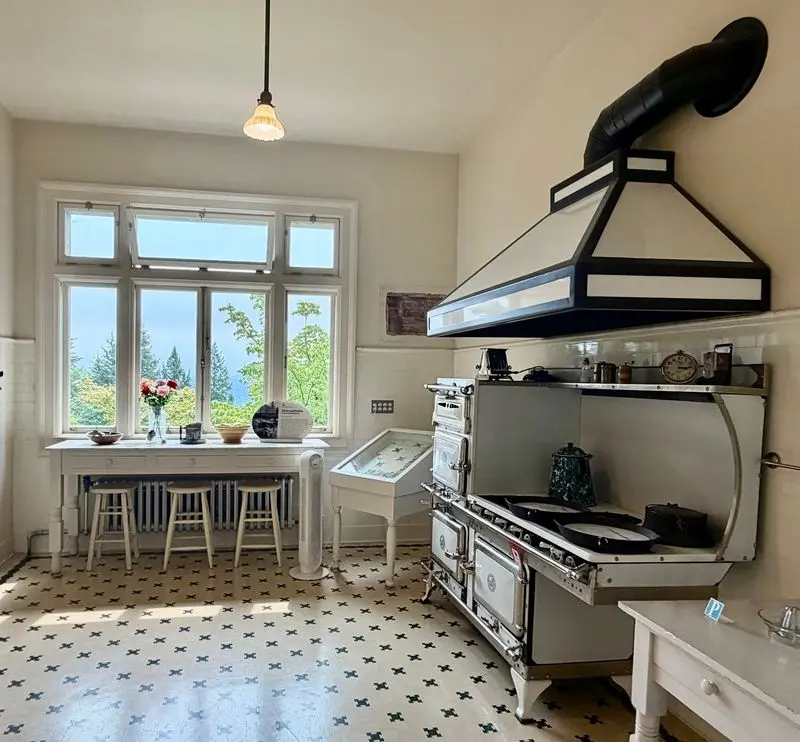
A walk-in refrigerator room in 1914 was not normal. Neither was a central vacuum system built right into the walls.
The Pittock family filled their home with the latest conveniences of the early 20th century. The list includes an intercom, thermostat-controlled central heating, and a working elevator.
For a house of that era, these were serious upgrades. Most homes in Portland had none of them.
Exhibits and plaques explain how each feature worked and why it mattered. This turns a simple house tour into a small lesson on how technology changed daily life.
The original elevator is still useful today. Guests with mobility needs can use it to reach other floors, which makes the tour easier for more people.
Kids often get a kick out of the gadget details. Adults tend to enjoy comparing them to the smart home tools of today.
Fair warning: after seeing the coat closet, a regular hallway closet may feel a little small.
Saved by a City That Said No
In 1962, the Columbus Day storm tore across the Pacific Northwest. The city bought it in 1964 and it opened as a museum in 1965.
The empty mansion on the hill took heavy damage.
After the storm, the house was slated for demolition. For a while, its future looked very short.
Then Portland residents got to work. Locals launched a large campaign to save the home, and the City of Portland bought the property.
Restoration followed, and the mansion opened to the public as a museum. That community effort is the reason anyone can tour it today.
Knowing this history changes how the rooms feel to explore. Every restored ceiling and polished floor is part of a rescue story.
The museum shares details about three generations of the Pittock family who lived in the house. It also explains how the property moved from private home to public treasure.
Few buildings get a second chance like this. This one got it because ordinary people refused to let it go.
Room by Room at Your Own Pace
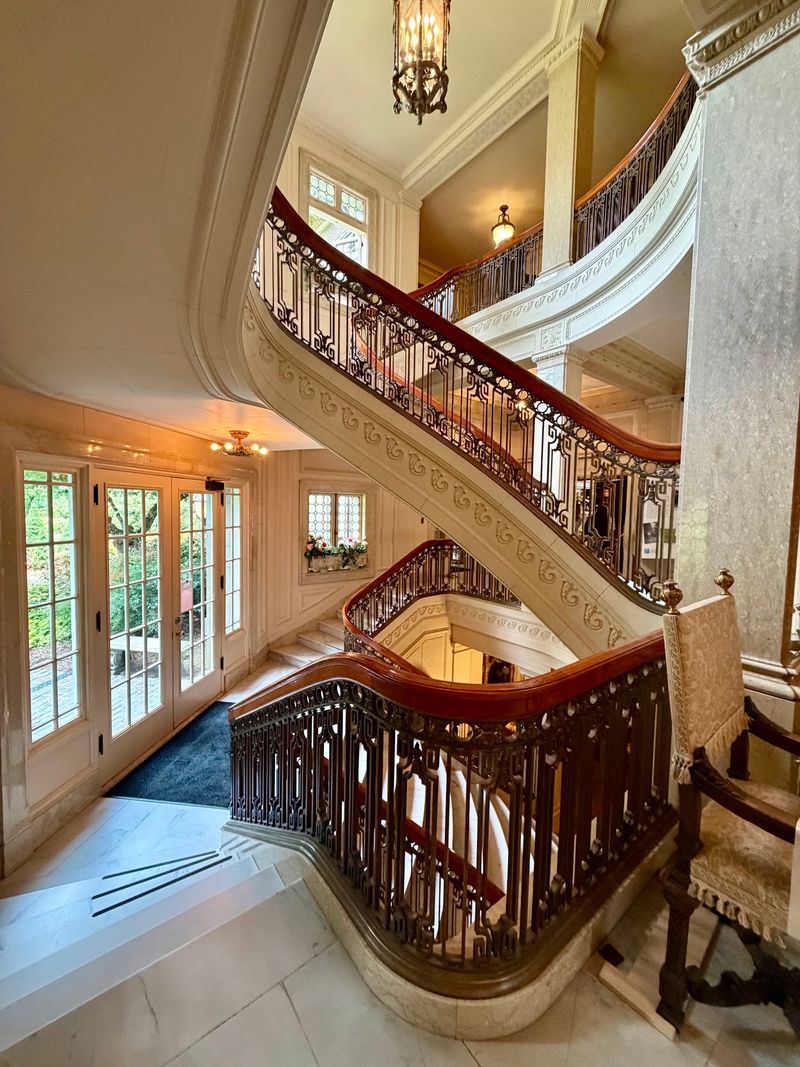
No one rushes you here. The tour is self-guided, so you set the speed.
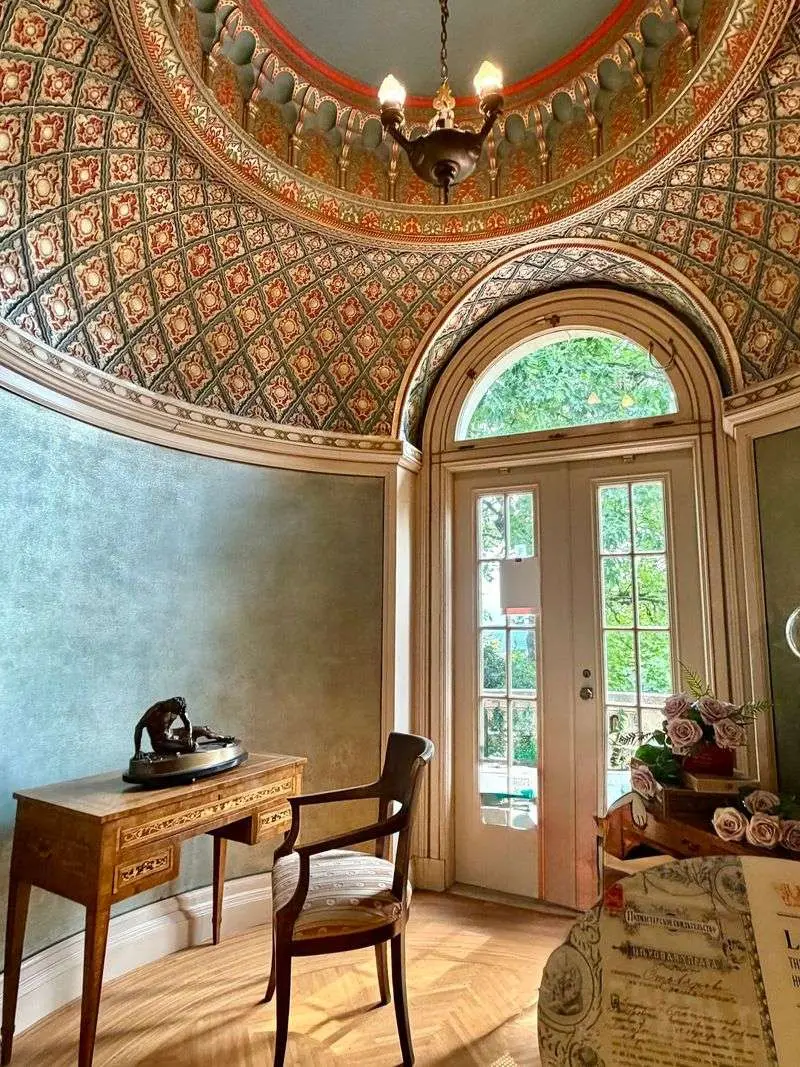
Inside, rooms hold period furnishings, artwork, musical instruments, clocks, and kitchenware. The music room and the chandeliers tend to get the most attention.
Not every piece belonged to the Pittocks. Many items are period pieces chosen to show how the home looked in its early years.
Volunteer staff and guides are posted around the house. They know a lot and enjoy answering questions, so it pays to ask.
Some groups move through in under an hour. History fans can easily spend much longer reading every panel.
Tickets can be bought online or in person. Buying ahead is a smart move on busy weekends.
Mornings tend to be quieter inside. A calm house makes it easier to read exhibits without bumping elbows.
Bring curiosity, and leave the stopwatch at home.
The View That Steals the Show
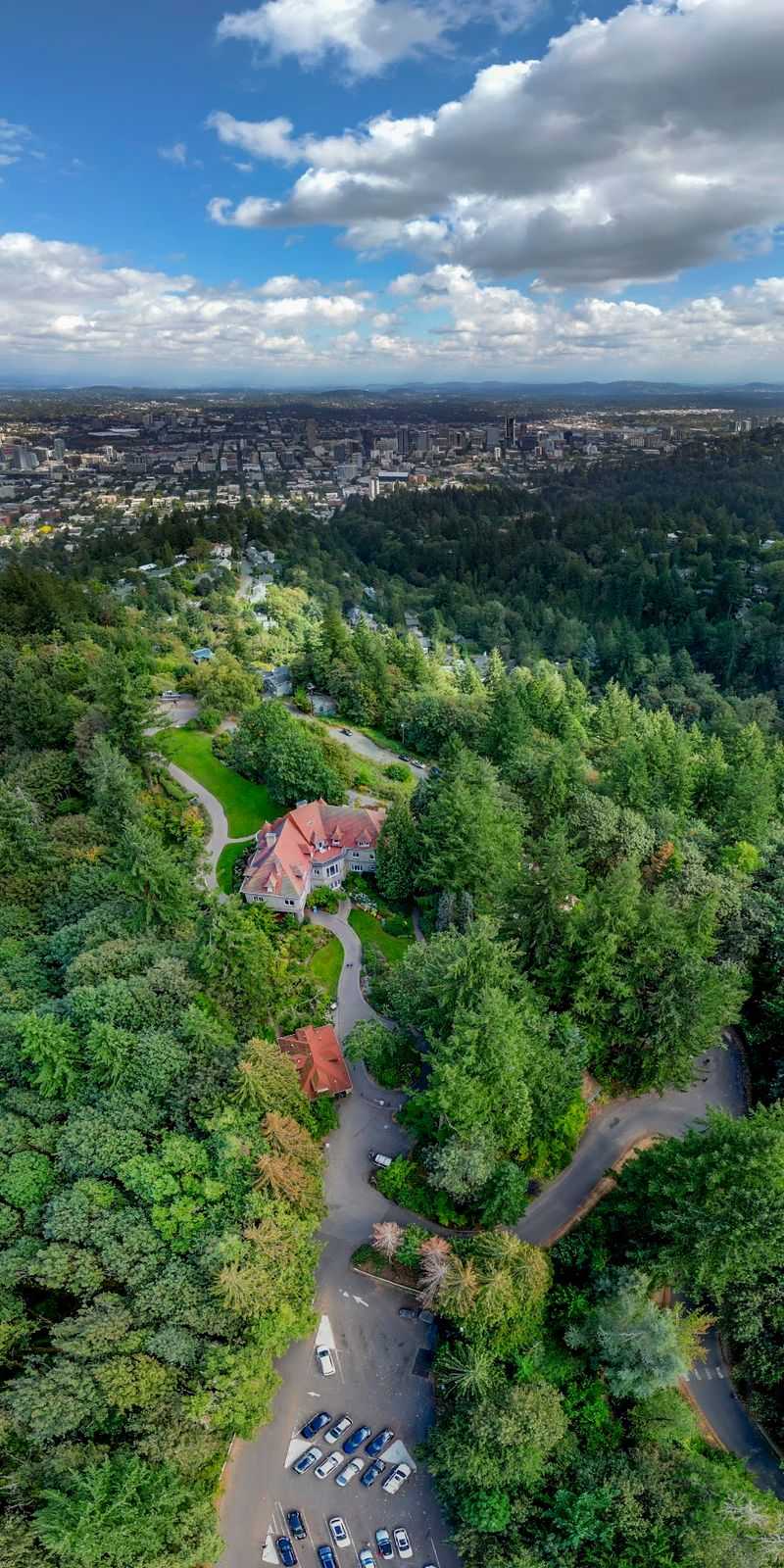
Here is a twist: plenty of people come only for the lawn. The house is great, but the overlook is famous on its own.
From the grounds, the downtown Portland skyline stretches out below. On a clear day, Mount Hood rises in the distance, and other Cascade peaks can appear too.
Weather decides everything. Fog and low clouds can hide the whole scene, so check the forecast before driving up.
Fall often brings a mix of clear and cloudy days. Pick a bright afternoon for the best shot at seeing the mountains.
Golden hour near sunset is a favorite time for photos. Just remember the house closes at 4 PM, so tour first and stay outside afterward.
Benches are spread around the property. They make a good spot to sit, rest, and take in the skyline.
A camera helps. Patience helps even more.
Gardens and Grounds Worth a Wander
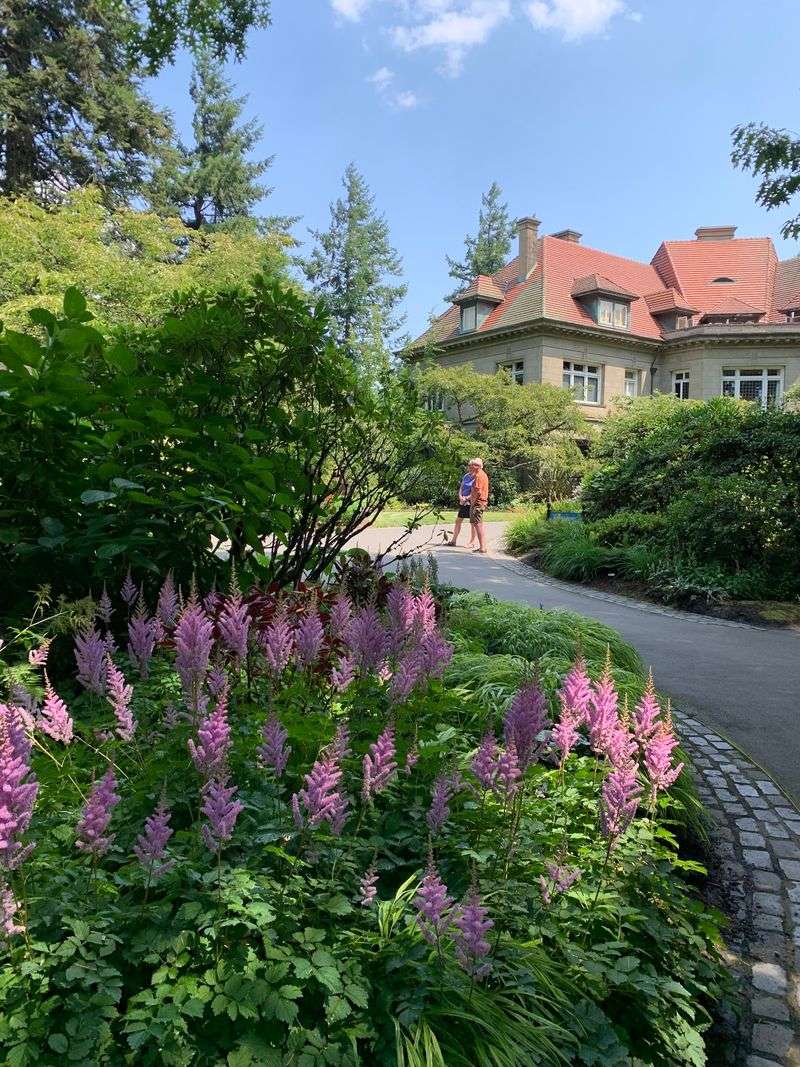
Skip the ticket and you still get a lot. Walking the grounds is free, separate from the paid house tour.
The property covers about 46 acres. Near the mansion, landscaped garden areas and paved paths loop around the house.
The grounds are kept clean and tidy. Paths make it simple to wander without a map.
A full lap around the outside can take as little as 15 minutes. Many people stretch it out by stopping at benches and viewpoints.
The grounds open earlier than the house, often in the early morning. That makes a quiet sunrise walk possible before the doors open at 9 AM.
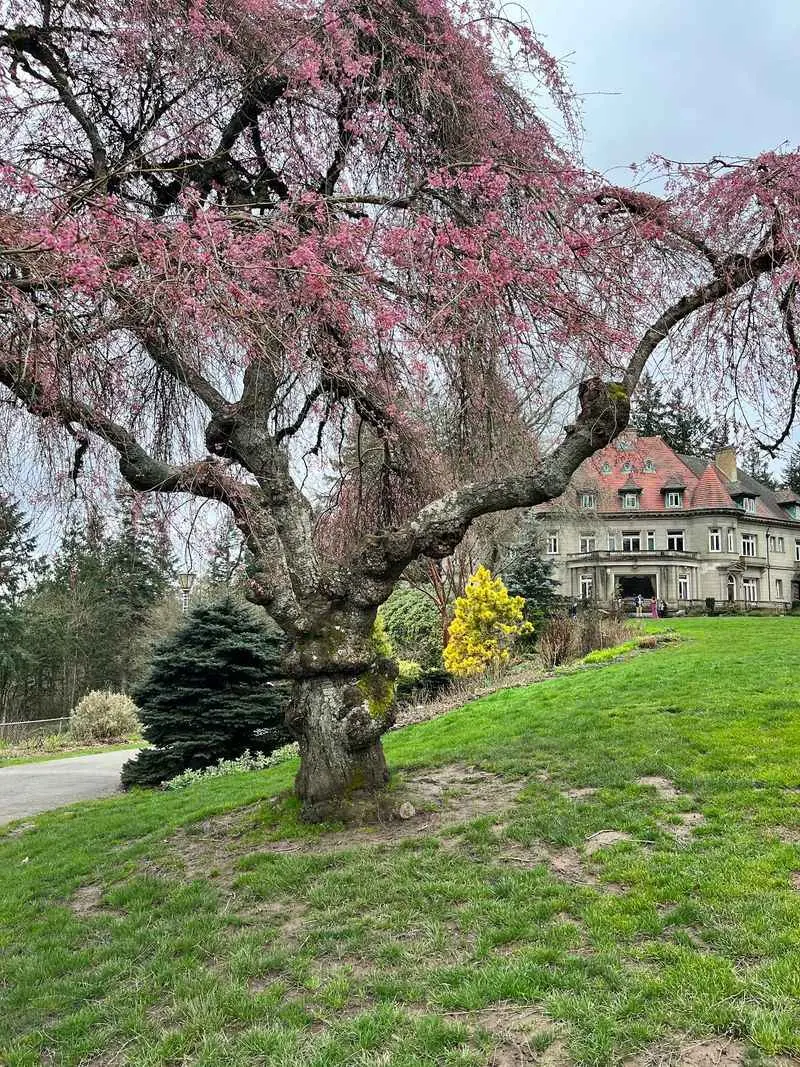
Fall is a fine season to explore. Changing leaves on the hillside add color to every photo of the stone walls.
Bring a light jacket, since the hilltop can be cooler than downtown.
Then let the paths do the planning.
Trails, Tight Roads, and Parking Smarts
Getting up the hill is half the adventure. The road to the top is narrow and winding.
A paid parking lot sits near the mansion. It can fill up fast on busy days, and drivers sometimes struggle on the tight roads.
Pull-offs along the way offer another option. Park there and walk uphill to the house, which adds a short climb.
Payment hours can vary, so read the signs at the lot. Early arrivals sometimes find the lot nearly empty.
Keep valuables out of sight in your car. It is a simple habit that helps protect your stuff.
Hikers have a different route. The mansion connects to Forest Park, one of the largest city forests in the country, so you can arrive on foot by trail.
That option skips the parking puzzle completely. It also turns the visit into a workout with a big payoff at the top.
Planning a Fall Day on the Hill
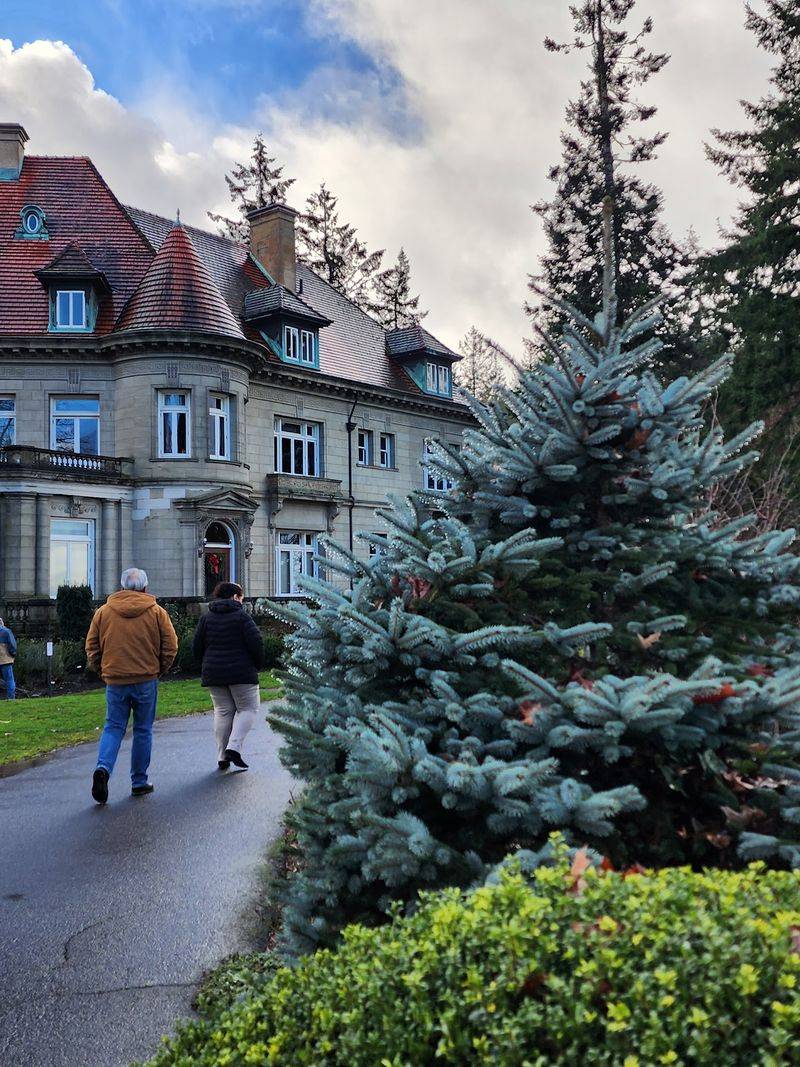
Fall is a smart season to aim for this hilltop. Crowds are often lighter than summer, and the trees put on a show.
Start with the house in the morning, when rooms are calmer. Save the lawn for later, when afternoon light hits the city.
Plan around Tuesday, when the house opens at noon instead of 9 AM. Other days run from morning until 4 PM.
Stay into late fall and the season shifts. The mansion is known for its Christmas decorations, which make the rooms extra festive.
Keep in mind the ‘no photography on the staircase during the holiday season’ rule in mind, though.
Want to build a full day? The International Rose Test Garden sits only a short drive away in Washington Park.
Pair the two, and you get history, views, and gardens in one outing.
Check the official website before going, since hours and events can change. A little planning keeps the day easy.
Up here, the city looks small, and the memories end up big.