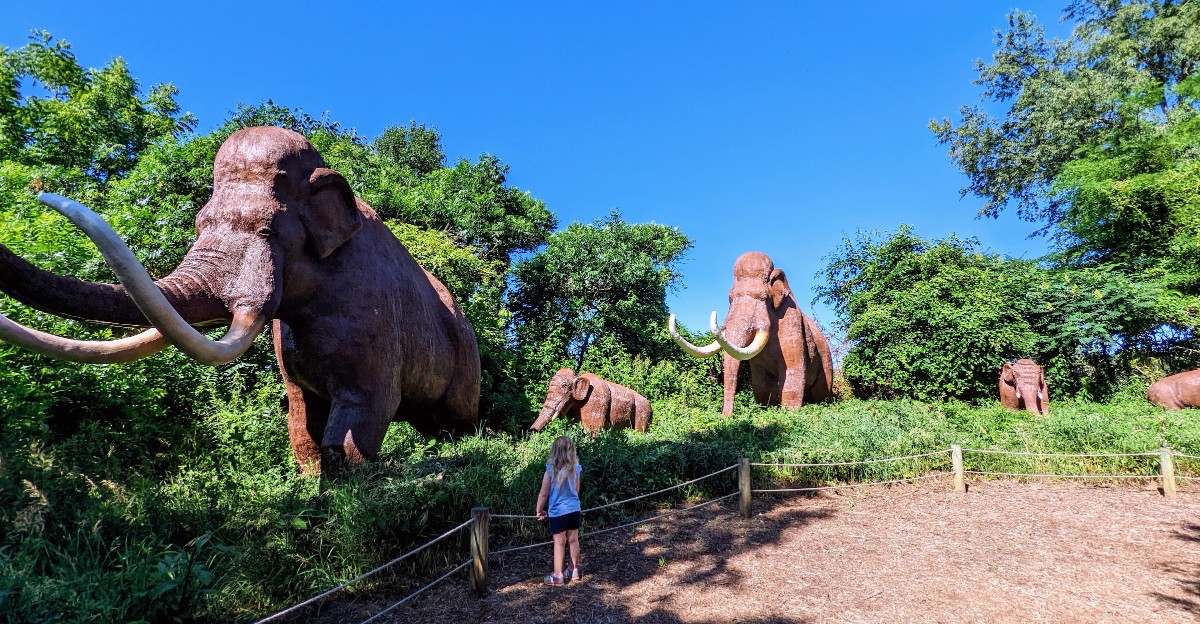
Some small towns fight over parking spaces or a new stoplight. This one is pushing back against a plan that would cover 381 acres.
The project is a data center, the kind of giant building full of computers that powers apps, websites, and artificial intelligence. The town sits just a short drive from the longest known cave system on Earth, and that detail changes everything.
Under the fields and farms lies limestone full of cracks, sinkholes, and hidden streams. Many locals worry about water, power use, noise, and the future of a place that lives on tourism.
Others see jobs and tax money. Keep reading to learn why this quiet corner of south central Kentucky has become a test case for how small communities handle big tech.
A Tourist Town Takes A Stand
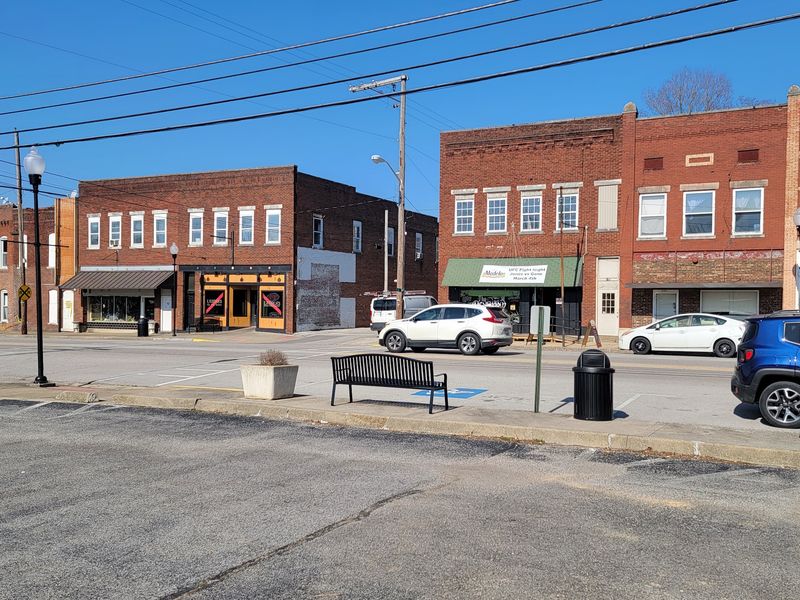
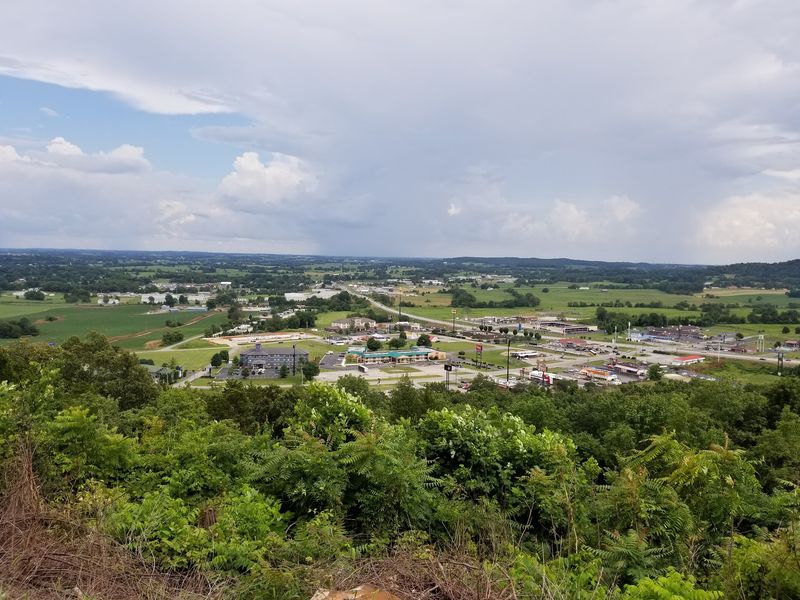
Cave City, Kentucky 42127, is a small city in Barren County, right off Interstate 65 in the south central part of the state. For decades, it has worked as a front door to Mammoth Cave National Park.
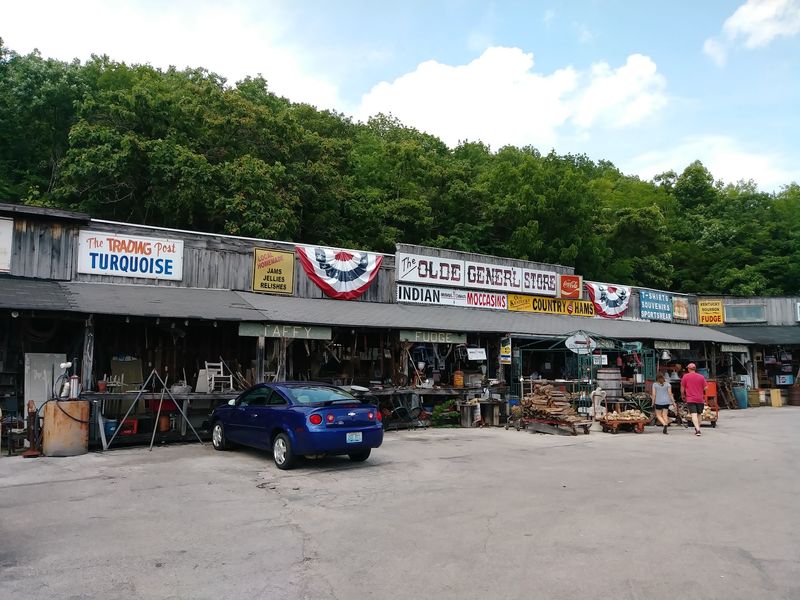
Motels, mini golf, souvenir shops, and family attractions line its roads. Travelers stop here on their way to the caves, and many local paychecks depend on that steady flow.
So when word spread about a proposed data center covering roughly 381 acres nearby, people paid close attention. A project that size would be one of the biggest developments the area has seen.
Residents began showing up at public meetings, asking questions, and sharing concerns online. Some signed petitions, while others called local leaders directly.
The debate is not just about one building. It is about what kind of town Cave City wants to be in ten or twenty years.
For a community this size, that is a big question to answer out loud, and folks here are clearly not staying quiet about it.
What Exactly Is A Data Center
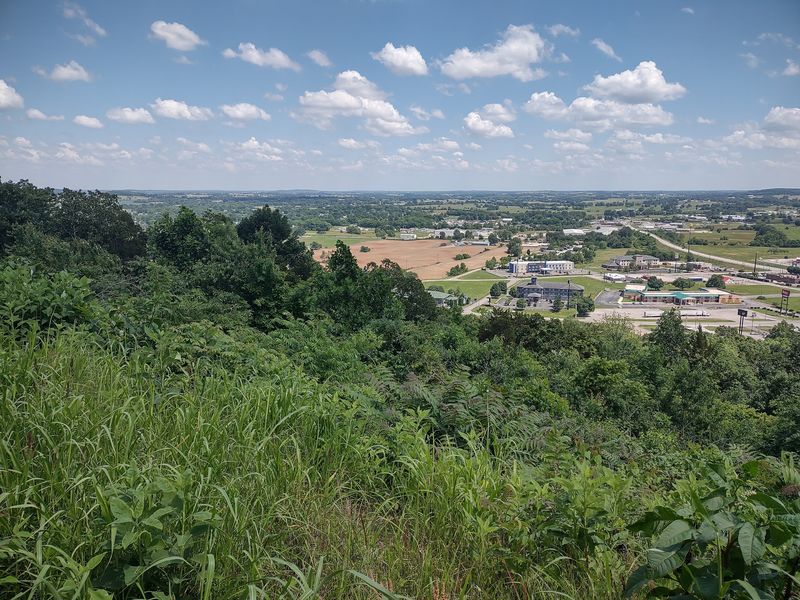
Every video you stream and every photo you save to the cloud has to live somewhere. That somewhere is often a data center.
These facilities are huge buildings packed with servers, which are powerful computers running all day and night. Tech companies build them to handle online services, storage, and more and more artificial intelligence work.
Because the machines run nonstop, they create a lot of heat. Many sites use cooling systems, and some of those systems rely on large amounts of water.
They also need a steady and very large supply of electricity. That often means new power lines, substations, or upgrades to the local grid.
Data centers usually do not employ huge crowds once construction ends. They tend to bring a burst of building jobs first, then a smaller team of permanent workers.
Understanding these basics helps explain why a project of this size sparks so many questions in a small community. It is not just a warehouse, and residents know it.
Trouble Beneath The Surface
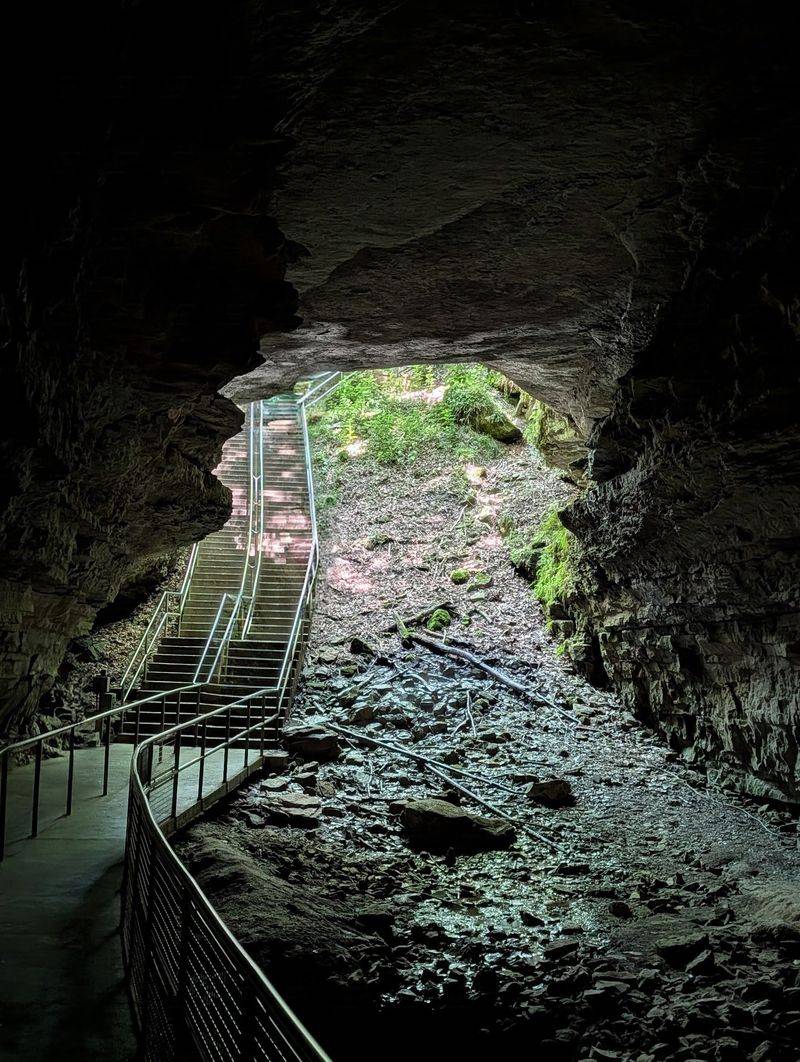
Here is a fun geology fact: much of the land around Cave City is called karst. That means the ground is mostly limestone, a rock that slowly dissolves in water over thousands of years.
The result is a landscape full of sinkholes, springs, caves, and underground streams. Water that falls on a field can disappear into the ground and travel a long way before it shows up again.
That is wonderful for making caves. It is less wonderful when people worry about spills, runoff, or heavy construction.
In karst areas, pollution can move fast and far underground, with very little natural filtering. Scientists have studied this region for years because of how connected its water is.
Many residents fear that a massive building site could disturb sinkholes or send runoff into the cave system. They also ask how the heavy weight of large structures fits on ground with hidden holes.
Simply put, the dirt under Cave City is not ordinary dirt, and that shapes this whole fight.
The Famous Neighbor Next Door
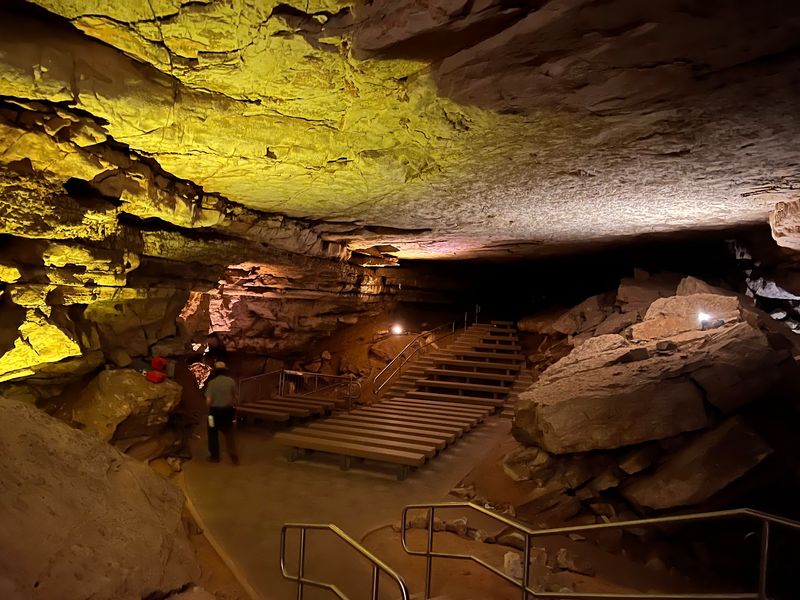
Mammoth Cave is not just any cave. It is the longest known cave system in the world, with more than 400 miles of mapped passages.
The national park is also a UNESCO World Heritage Site and an International Biosphere Reserve. Those titles mean people far beyond Kentucky care about protecting it.
Inside the cave live rare animals, including eyeless fish and shrimp found in very few places. Some of these creatures depend on clean underground water to survive.
Because water moves through karst so freely, what happens on land near the park can affect what happens deep below. That link is why the location of a big industrial project matters so much.
Many people who oppose the data center point to the park as their top reason. They see it as a treasure that should not be put at risk.
Living next door to a world famous landmark comes with bragging rights. It also comes with a strong sense of duty, and locals feel that weight.
Water Worries Run Deep
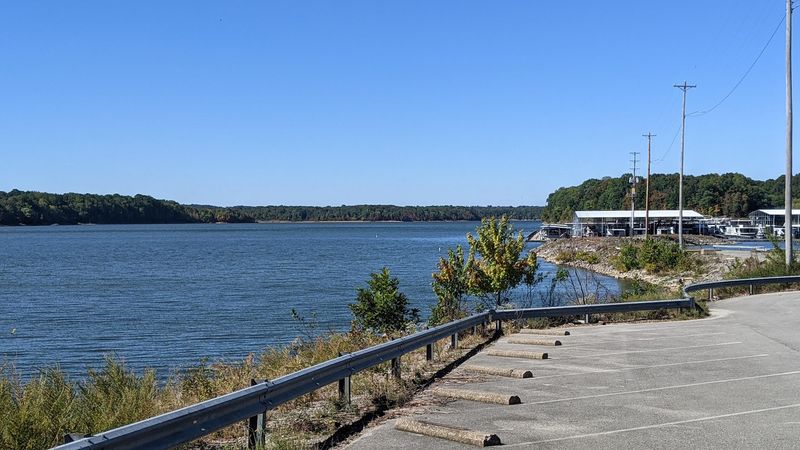
Ask almost anyone at a local meeting what bothers them most, and water usually tops the list.
Some data centers use cooling systems that require a lot of water each day. In a region where wells, springs, and the Green River are closely tied to the cave system, people want clear answers.
Where would the water come from? Where would used water go, and how would it be treated?
Families who rely on private wells are especially concerned. If the underground supply changes, they may be the first to notice.
There are cooling methods that use less water, and some companies promote those options. Still, residents often say promises are not the same as written, enforceable rules.
A practical tip for anyone following the story is to look for official documents, such as permit filings or water studies. Those papers tend to hold more detail than headlines.
In a place built on underground rivers, the water question is the heartbeat of the whole debate.
Power Lines And Power Bills
Electricity might be the quietest part of this story, but it could hit closest to home for many people.
Large data centers can use as much power as a small city. Meeting that demand often means building new transmission lines or substations across private land.
Some landowners worry about lines crossing their farms or property. Others wonder if the local grid can handle such a big new customer without strain.
Across the country, there is an ongoing national conversation about whether big tech power needs could push up rates for regular households. Utilities and regulators are still sorting out who pays for upgrades.
Residents of Cave City want to know how those costs would be split. Fair question, since nobody wants a surprise on the monthly bill.
Following state utility commission updates is a smart way to keep track. Those agencies often hold public comment periods where anyone can speak up.
When it comes to power, the people here are asking to see the full circuit, not just the switch.
Dinosaurs, Museums, And A Tourism Economy

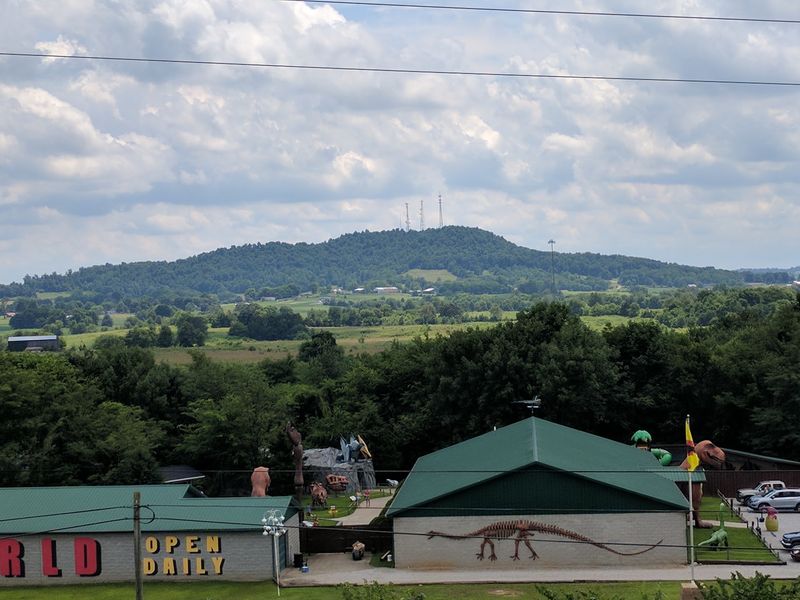
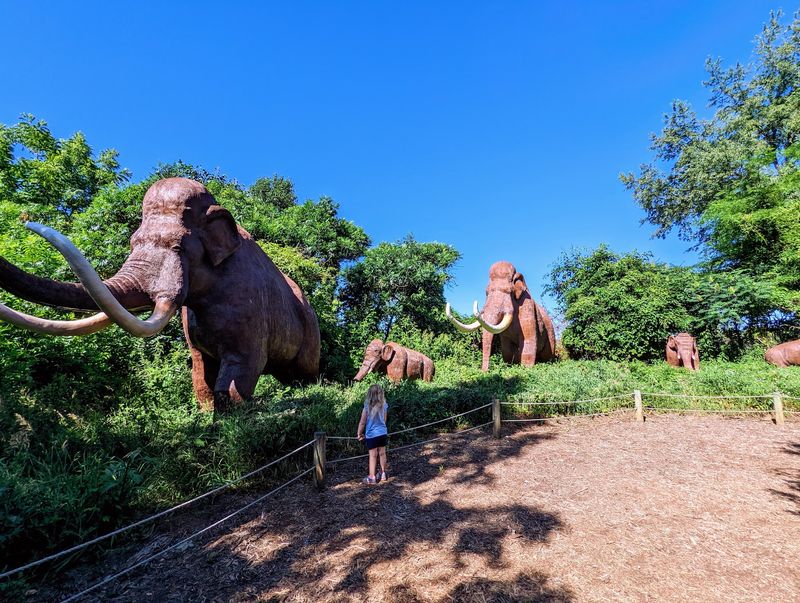
Few towns can say a T. rex helps pay the bills. Cave City is one of them.
Dinosaur World features life size dinosaur models along outdoor paths, plus a dino themed playground. Nearby, the American Cave Museum at Hidden River Cave shares geology and archaeology exhibits.
Hidden River Cave also carries a powerful lesson. Decades ago, it was badly polluted, and a long cleanup effort helped bring it back.
That history makes many locals extra careful about anything that could harm underground water again. They have seen the damage, and they have seen the hard work of repair.
Tourism here depends on the area keeping its natural appeal. Families come for caves, forests, and roadside fun, not industrial views.
Supporters of the project argue that a data center would not stop tourists from coming. Opponents worry that it could slowly change the look and feel of the region.
Either way, the dinosaurs are staying put, and so is the town’s pride in its attractions.
The Case Made By Supporters
Not everyone in Barren County is against the idea, and that side deserves a fair hearing too.
Supporters point to construction jobs, which can bring months or years of work for local trades. Electricians, builders, and equipment operators may all see new opportunities.
There is also tax money. A facility of this size could add a large amount of property tax revenue, which can help schools, roads, and emergency services.
Some leaders in rural areas see data centers as a way to bring modern industry without smokestacks. Compared with some factories, they often have less traffic once built.
Backers also say careful planning and strict rules could address environmental concerns. They argue the answer is good oversight, not a flat no.
These points explain why the debate is not one sided. Many towns across the country are weighing the same trade offs right now.
Understanding both sides helps anyone follow the story with a clear head instead of just picking a team.
Packed Meetings And Local Voices
Small town democracy is alive and well, and the folding chairs are proof.
As news of the project spread, residents filled public meetings to speak. Many shared worries about water, sinkholes, noise, and the nearby national park.
Some people brought maps of local caves and springs. Others simply talked about their farms, homes, and families.
Local groups also used social media to share updates and meeting times. That helped neighbors who could not attend stay informed.
For anyone wanting to get involved in a similar issue, a few steps help. Check the city and county websites for meeting schedules, read posted documents, and sign up to speak during public comment.
Writing a short, clear letter to officials also works well. Focus on facts and personal reasons rather than anger.
Officials tend to listen when many people raise the same calm, specific concern. In Cave City, residents have shown that a quiet town can still have a loud, organized voice.
A Bigger Story Than One Town
Cave City is far from alone in this kind of fight.
Across the United States, tech companies are racing to build data centers to keep up with artificial intelligence and cloud services. Many are looking at rural land, where space is cheaper and plentiful.
Communities in several states have pushed back over water, power, and noise. Others have welcomed the projects and the money they bring.
What makes this case stand out is the setting. Few proposed sites sit so close to a world famous cave system and a national park.
That puts Cave City in a spotlight that it never really asked for. People far beyond Kentucky are watching to see how the story ends.
For travelers, the best way to support the area right now is simple. Visit the park, stay in local motels, eat in local spots, and shop at local stores.
Tourism dollars send a clear message about what this region already does well, and that message travels further than any server signal.