Some furniture deserves a second chance, and so do the people who learn how to fix it. In a quiet corner of Belmont, Massachusetts, a thrift shop does both jobs under one roof.
Old dressers, chairs, and tables come in through the donation door, get some careful attention, and head back out to new homes.
Meanwhile, the people working behind the scenes are building real job skills that can change where life takes them next.
That mix of bargain hunting and doing good makes this spot more than a place to shop. It is part store, part classroom, and part treasure hunt, with racks of clothes, cases of jewelry, and shelves of quirky decor waiting to be found.
Keep reading to learn what makes this shop special, what to look for, and a few smart tips that can help a trip go smoothly.
A Shop With a Bigger Mission
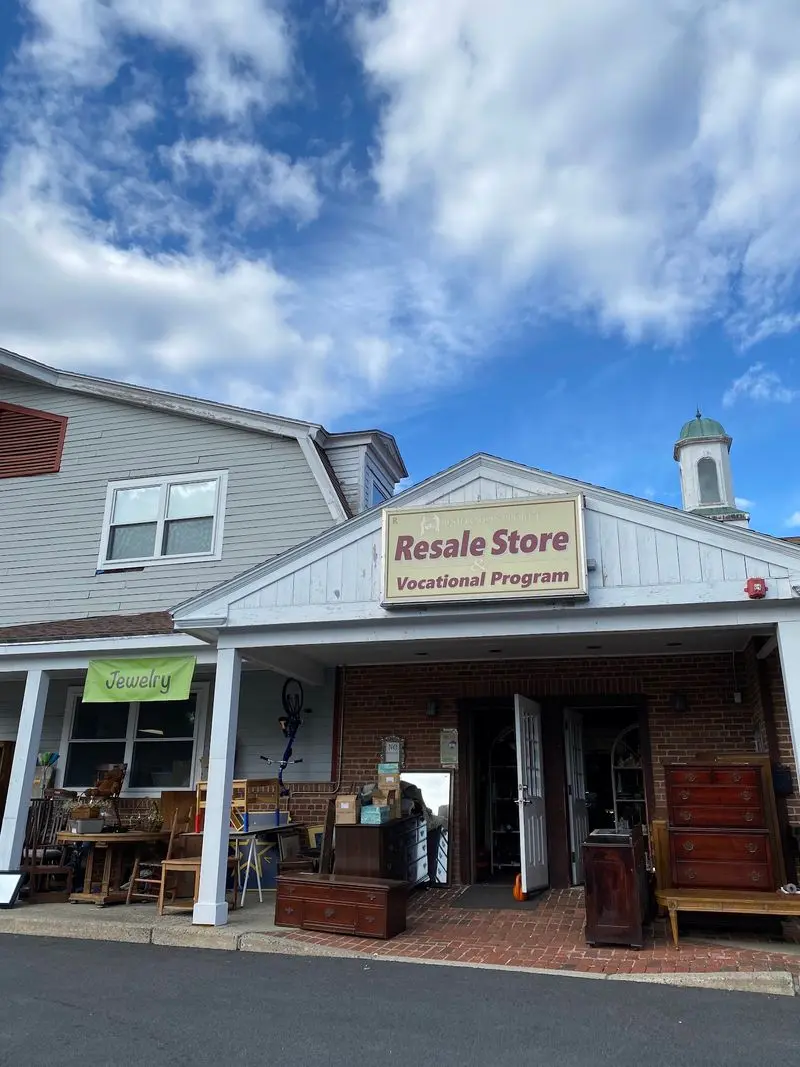
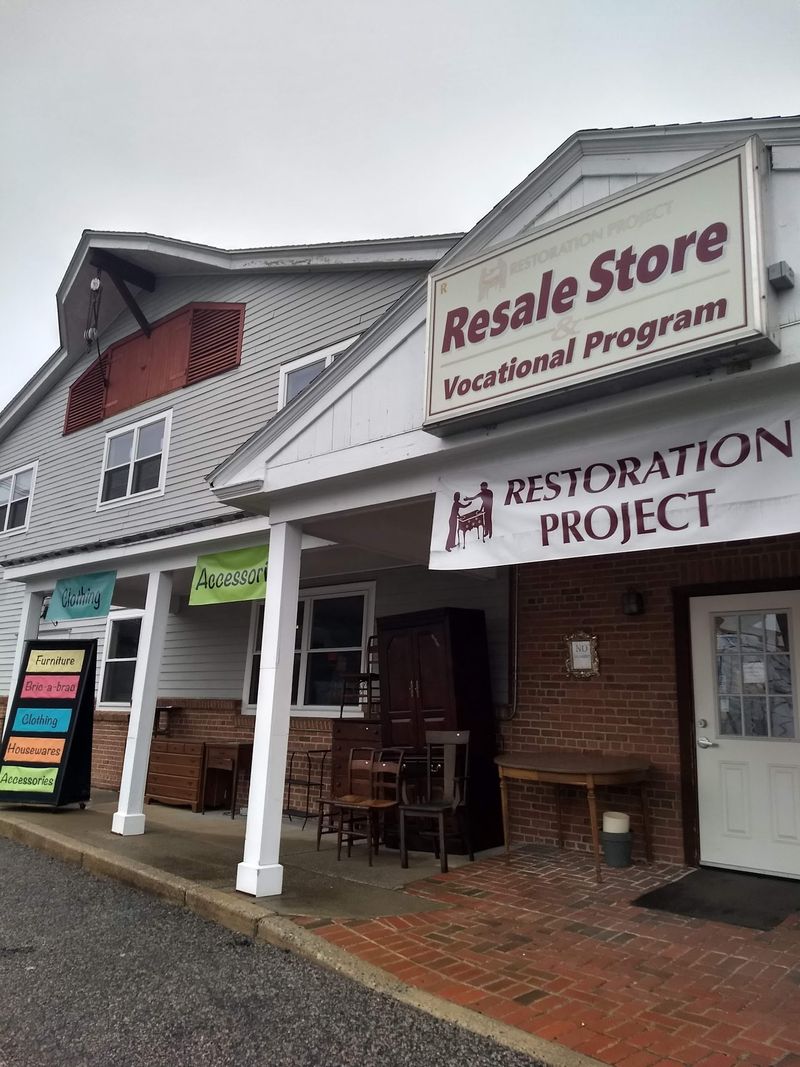
Behind the shelves of mugs and lamps sits a purpose that goes far beyond selling stuff. Restoration Project Nonprofit Resale Store and Vocational Program is found at 334 Pleasant St, Belmont, MA 02478, in the United States.
The organization is a charitable nonprofit. It runs its resale store alongside a vocational rehabilitation program, which means the shop doubles as a place where people build work skills.
That setup changes how a shopping trip feels. Every purchase helps keep the program going, so a bargain chair or a set of plates turns into support for someone learning a trade.
Belmont is a calm, residential town just outside Boston, and the store fits right into its friendly neighborhood vibe. Shoppers tend to be polite, and the pace is relaxed.
It is smart to keep the mission in mind while browsing. This is a small local operation, not a giant chain, and a little patience goes a long way here.
Up next, the real stars of the show come into focus: the furniture.
Furniture Gets a Fresh Start
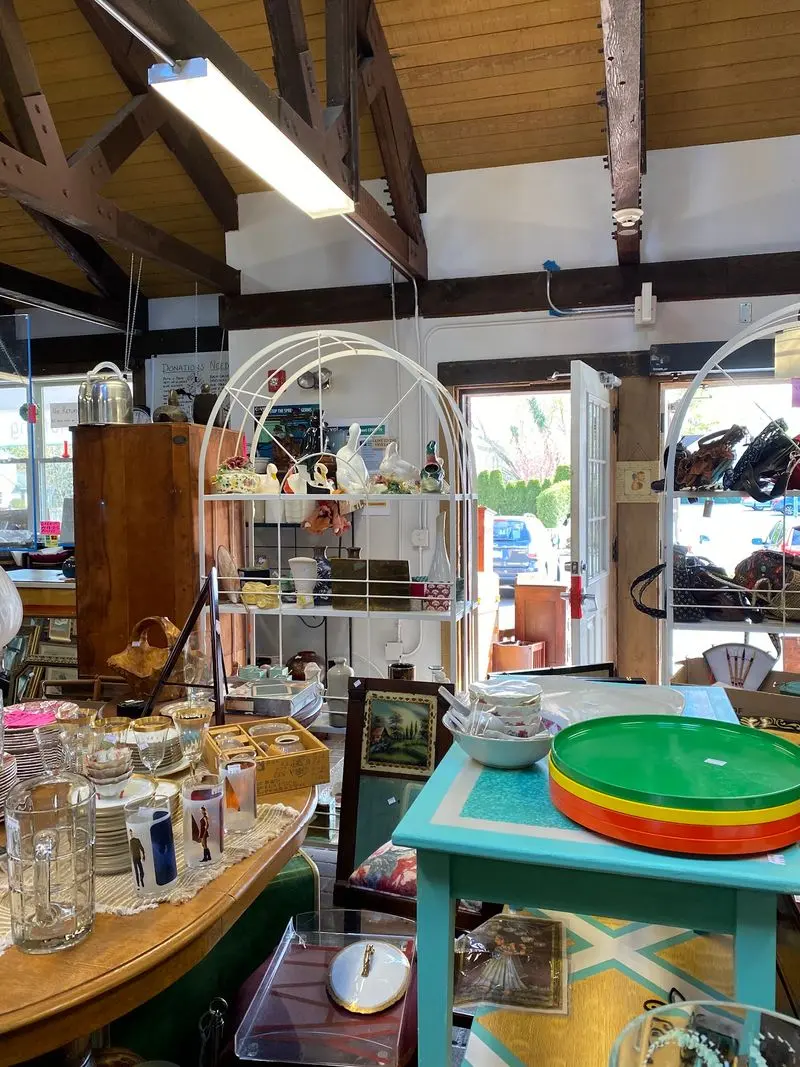
A wobbly table does not have to end up at the curb. Here, donated furniture is the heart of the operation, and many pieces are restored before they ever hit the sales floor.
That restoration work is what sets the shop apart from a typical thrift store. Instead of simply passing along whatever comes in, the team puts effort into fixing and refreshing pieces so they are ready for daily use again.
Shoppers can find dressers, chairs, tables, and other household items that already have a story. Buying restored furniture also keeps solid, well-built pieces out of landfills, which is a win for the planet.
For people furnishing a first apartment or a dorm room, this can be a handy place to start. Bring measurements of the space at home, since it is easy to fall for a piece that will not fit through the door.
Donating works the other way too. Many locals choose this spot as their go-to drop-off for furniture they no longer need, knowing it will be cared for and passed on.
Learning a Trade on the Job
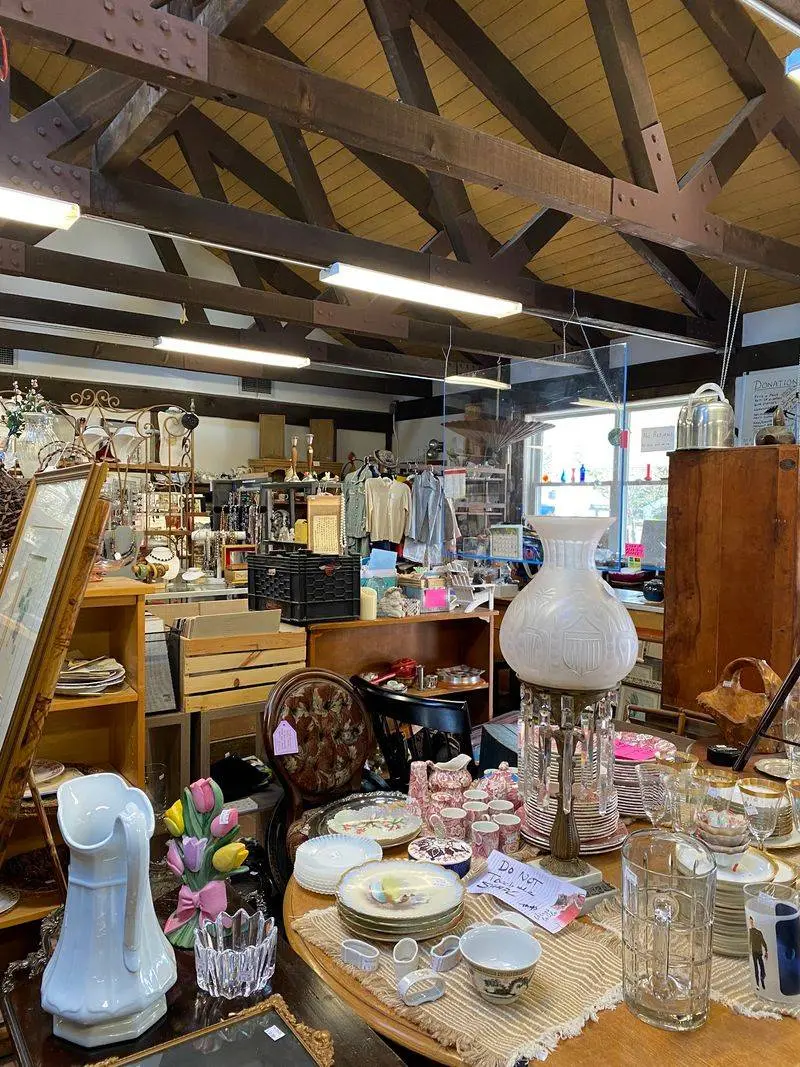
Job training usually happens in a classroom. At this Belmont shop, it happens among price tags, donation bins, and furniture waiting for repair.
The vocational program gives participants real work experience in a real store. Tasks like sorting donations, organizing displays, helping at the counter, and working on furniture all add up to skills that employers value.
Hands-on learning like this teaches more than one trade. People pick up teamwork, responsibility, and customer service, which can open doors to future jobs.
Here is a fun fact worth knowing: vocational rehabilitation programs focus on helping people get ready for work and stay employed. That is why the store runs like an actual business instead of a hobby.
Understanding this helps shoppers see the staff in a new light. Some of the folks behind the counter may be learning as they go, so kindness and patience make the experience better for everyone.
A friendly thank-you at checkout may seem small. For someone building confidence in a new role, it can mean a lot.
So Much More Than Sofas
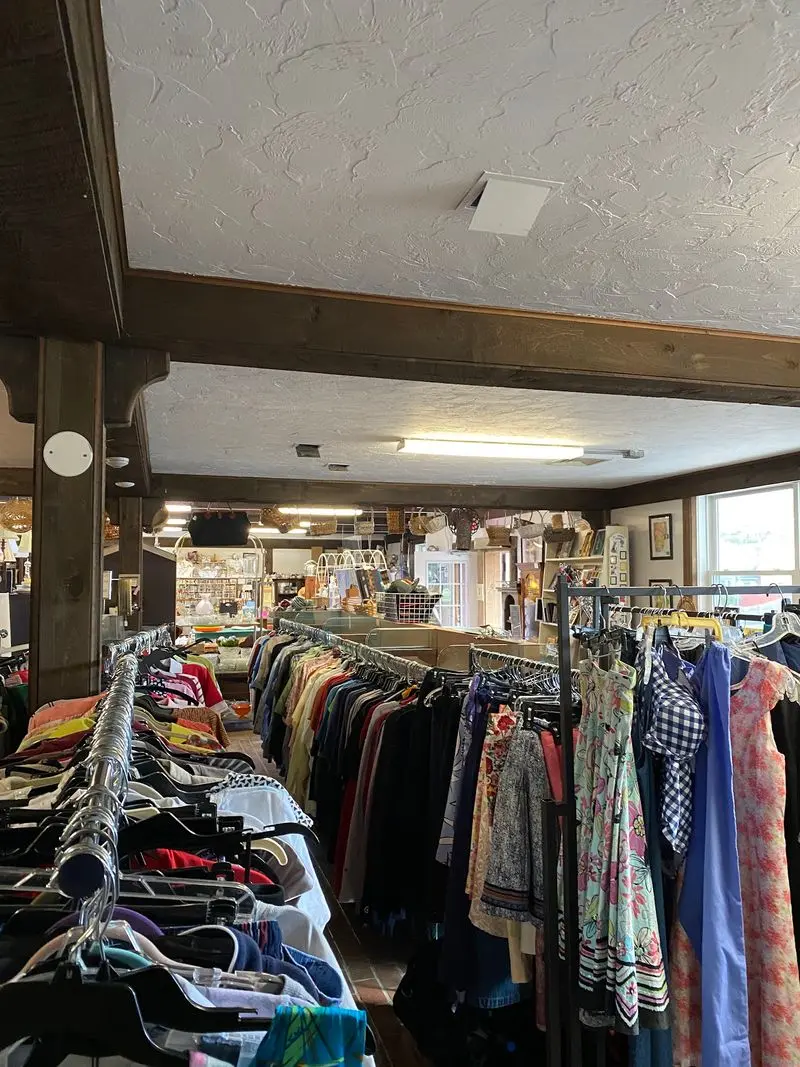
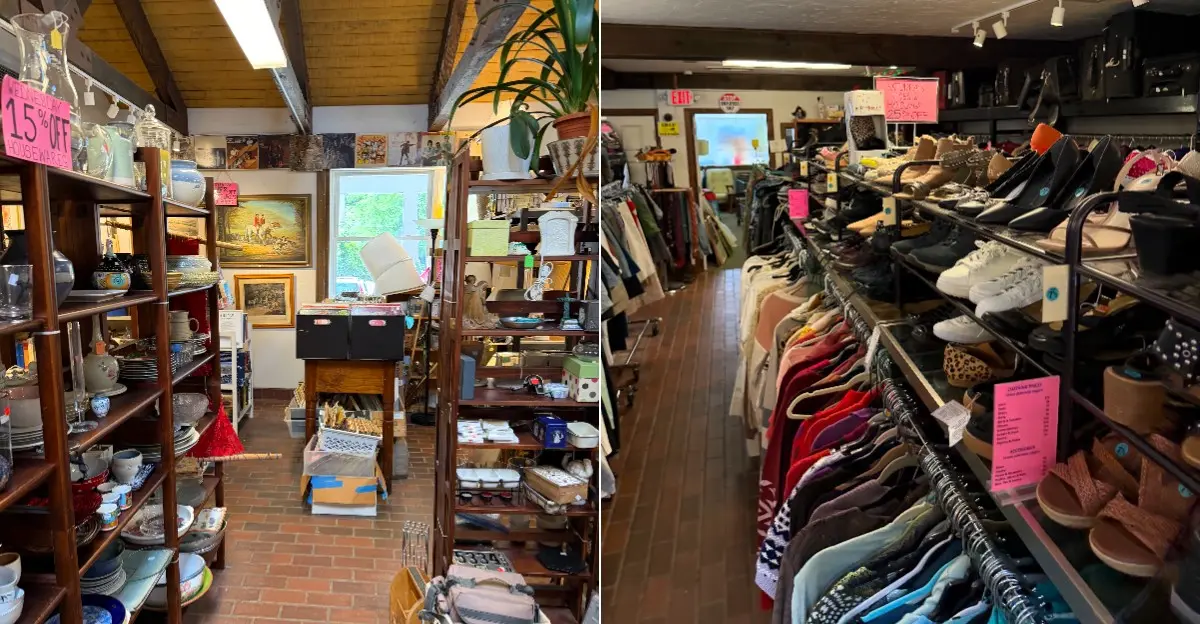
Furniture may get the headline, but the shelves tell a much longer story. The store carries clothing, shoes, jewelry, small kitchen appliances, framed pictures, housewares, and plenty of bric-a-brac.
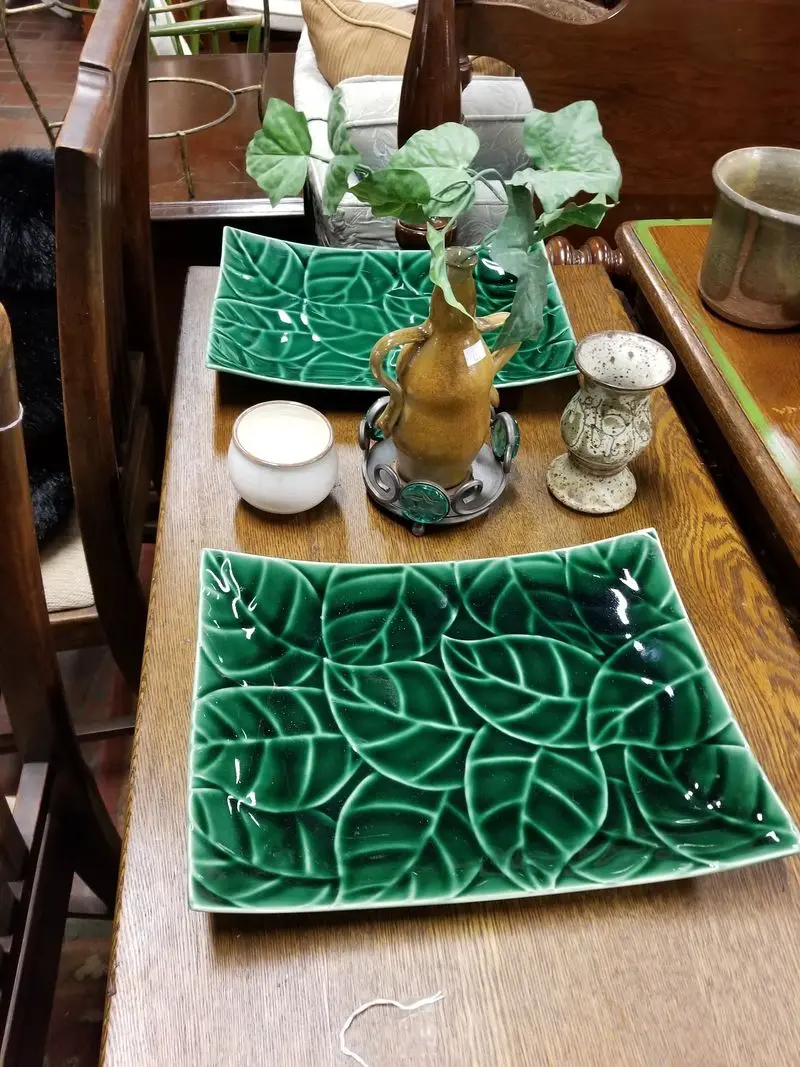
Bargain hunters love the variety. Small decorative pieces, like plates that can sit under potted plants on a patio, are popular finds for adding a splash of color at home.
The mix leans eclectic, which is a fancy way of saying almost anything can show up. One visit might turn up a kitchen gadget, the next a framed print or a pair of shoes.
Clothing takes up a big share of the floor. Racks are packed, so set aside extra time to flip through them carefully.
Some shoppers have scored surprising deals, such as an indoor garden gadget for just five dollars. Those finds do not happen every day, though, which is part of the fun.
A good rule is to come with a loose list and an open mind. The best treasure is often the thing nobody planned to buy.
Vintage Finds and Kitschy Charm
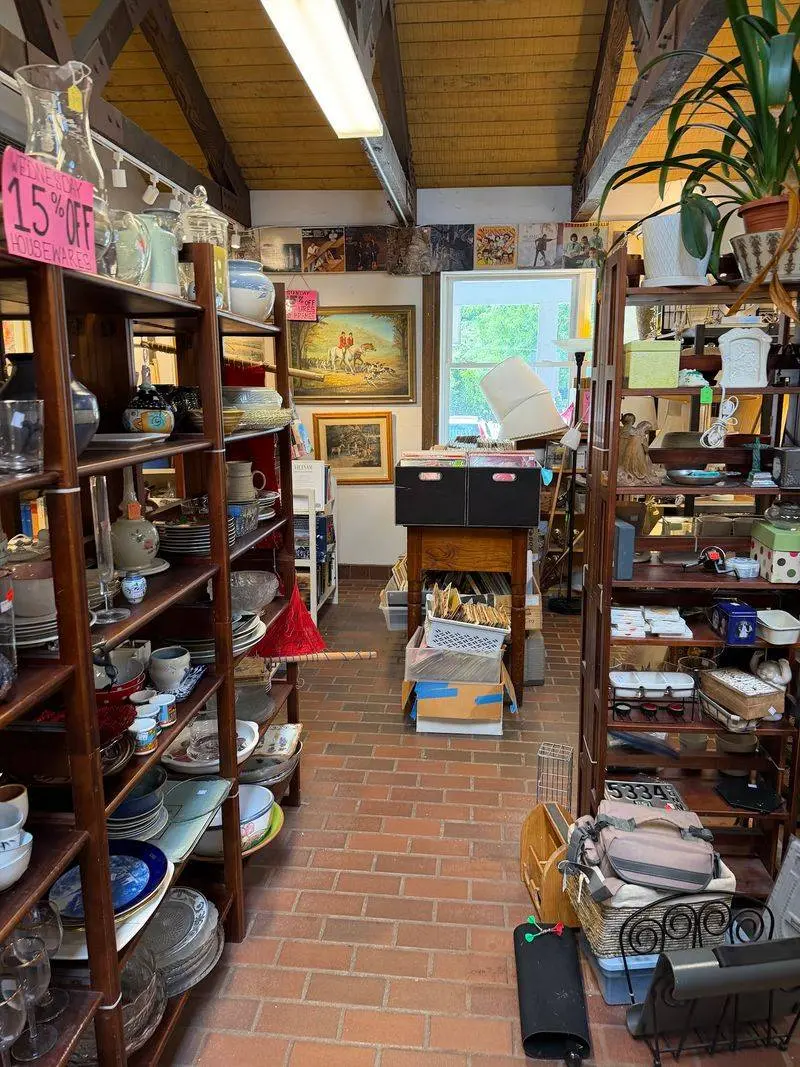
Retro lovers, this one is for you. Vintage items and quirky kitsch are some of the most talked-about things on the shelves.
The jewelry cases are worth a slow look. Necklaces, bracelets, and other accessories rotate in and out, so what is there today might be gone next week.
Records and old-school decor also pop up from time to time. In the past, music played on an old turntable in the store, adding to the laid-back, old-fashioned mood.
Photographers and set designers sometimes hunt here for vintage props for staging. That shows how wide the range of interesting objects can be.
Here is a tip for collectors: learn a bit about brands and styles before shopping. The store prices items with a good sense of their worth, so knowing values helps spot the real steals.
Quirky pieces also make great gifts. A funky mug or a retro brooch can be far more memorable than something grabbed off a big-box shelf, and the money supports a good cause.
Smart Ways to Stretch Your Dollar
Prices here sit on the higher side for a thrift store, so a little strategy pays off. Some pieces are marked like boutique finds, while others are priced fairly for what they are.
The good news is that deals exist. The store has offered 25 percent off days on clothing and household goods, and clothing promotions like buy three, get one free have shown up too.
Date codes have also been added to price tags. The goal is to help items sell in a more timely way, which can mean better prices for patient shoppers.
Items are clearly labeled, so there is no guessing about cost. Check tags before falling in love with something.
Comparing prices helps too. Designer and brand-name clothing may cost close to what a sale rack elsewhere charges, while home goods and decor can be easier on the wallet.
Shopping on discount days is the simplest trick. Ask at the counter about current sales, then plan the next trip around them for the biggest savings.
Navigating a Packed House
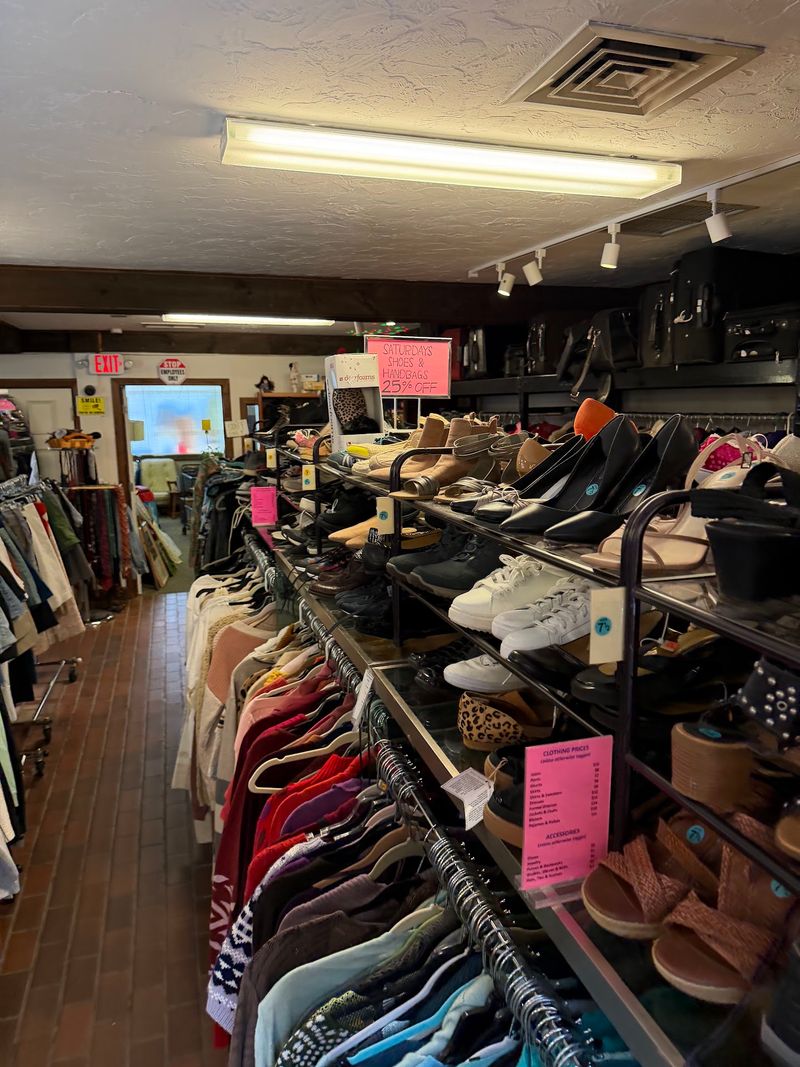
Every inch of floor space seems to hold something. The store is big, well organized, and clean, but it can also feel cramped when donations pile up.
Neat sections make browsing easier. Clothing, housewares, and decor have their own areas, and the staff works to keep things in order.
Still, racks can be stuffed tight, and aisles may feel narrow. Comfortable clothes and a small bag help when squeezing between shelves.
Lighting in some corners is on the dim side. Checking items near a brighter spot before buying is a smart move, especially for clothing and jewelry.
Bring patience along with a shopping list. Moving slowly reveals hidden pieces tucked behind bigger items.
Parking is another thing to plan for, since spots are limited. Arriving early in the day can make finding a space much easier and gives first pick of newly placed items.
A full store also means plenty to discover. Treat it like a treasure map, and work through one section at a time.
Planning the Perfect Trip
Timing can make or break a thrift run. Luckily, the shop keeps steady hours all week long.
From Monday through Saturday, doors are open from 10 am to 5 pm. On Sunday, the store opens a little later at 11 am and still closes at 5 pm.
Weekday mornings tend to be calmer, which helps in a store with tight aisles. Weekends can bring more shoppers and a livelier pace.
Donors should plan ahead too. Furniture in good shape is especially welcome, and checking the official website before dropping off larger pieces is a wise step.
Belmont makes a pleasant setting for a short outing. The neighborhood is quiet and friendly, and the shop is easy to pair with other errands in town.
Above all, remember what the store stands for. Each visit supports a nonprofit that restores furniture and helps people learn job skills.
That is a pretty good return on a few dollars. Walking out with a find and a sense of purpose makes the trip feel complete.