Tucked along Biscayne Bay in Coconut Grove, The Kampong feels like stepping into a world traveler’s private sanctuary.
You wander shaded paths, brush past fragrant fruit trees, and glimpse the bay sparkling through palms.
This historic estate holds stories of plant-hunting adventures and living collections that changed how America eats and gardens.
If you crave beauty with purpose, you will want to explore every corner.
A Hidden Tropical Garden on Biscayne Bay
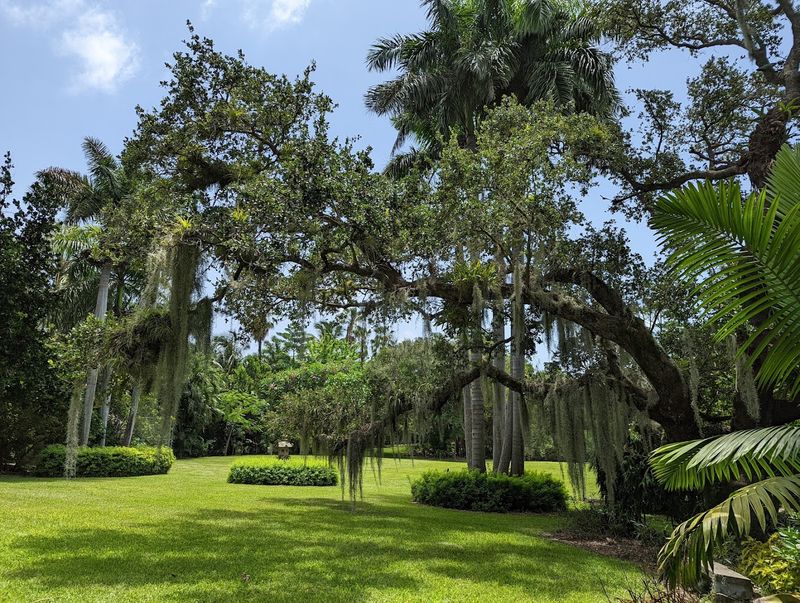
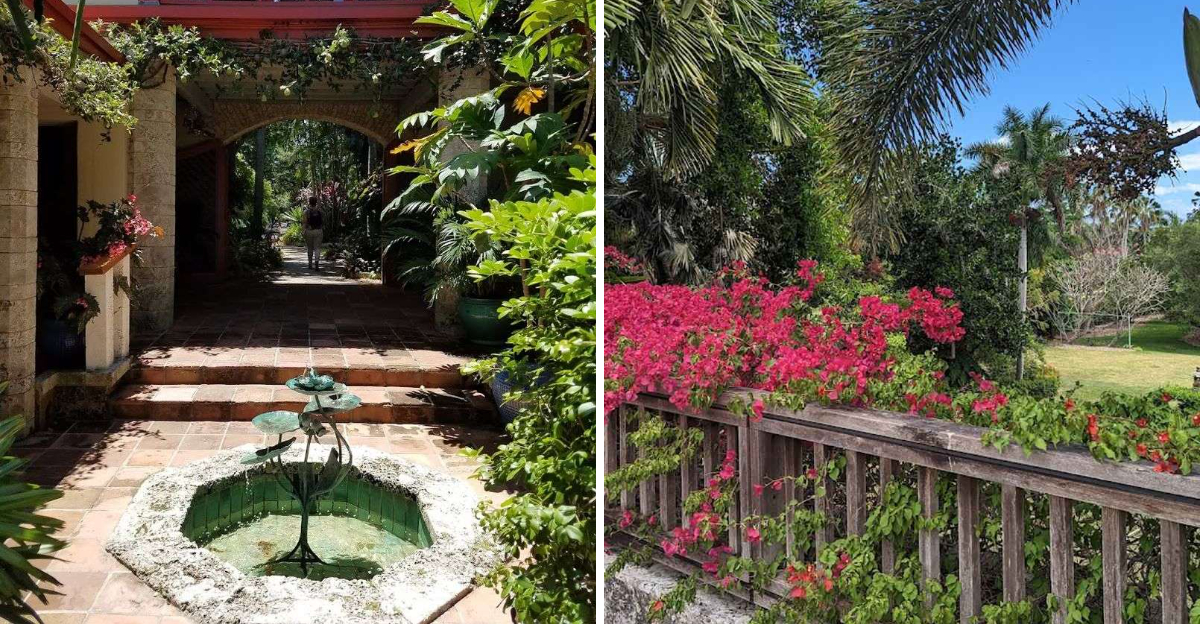
Walk through The Kampong and it feels like a well kept secret shared just with you. Coral rock paths curl under banyans, palms, and breadfruit, with breezes carrying the briny scent of Biscayne Bay.
You hear ospreys above and lapping water ahead, while dappled light flickers across plumeria and heliconias.
This garden is intimate, which changes how you explore. Instead of rushing, you slow down and notice the sculptural trunks and the way vines frame the shoreline.
The property once felt like a private residence for a reason, and that mood remains, with quiet nooks that invite reflection. You can stand under a mango canopy, then step two paces to a waterfront vista.
It is not a theme park, and that is the gift. You get space to listen, breathe, and let the plants tell their stories.
Part of the National Tropical Botanical Garden Network
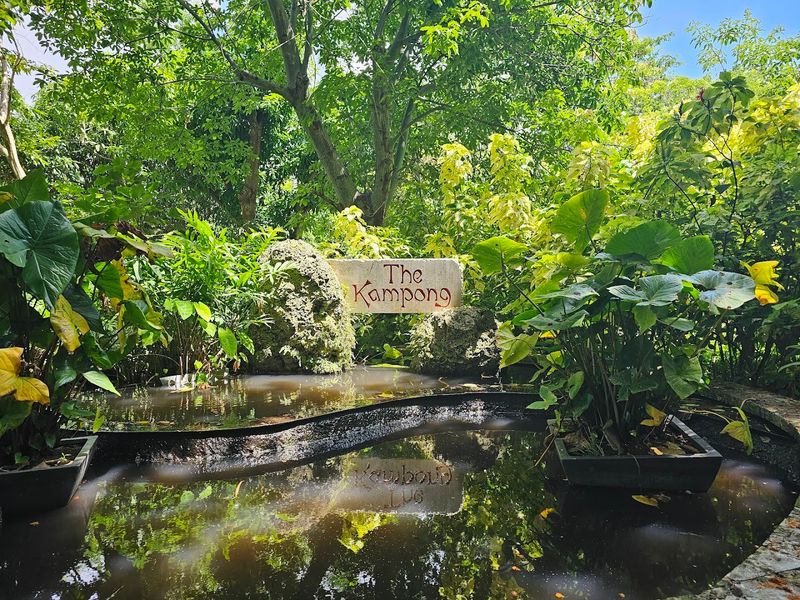
The Kampong belongs to the National Tropical Botanical Garden, which instantly connects your visit to a broader mission. You are not just browsing pretty plants.
You are stepping into a living classroom and a conservation network that spans Florida and Hawaii, sharing plant data, expertise, and rare material.
That context changes your mindset. When you read a plant label, you picture sister specimens propagated in Kauai or scientific notes shared between curators.
You realize the path underfoot links to field plots, seed banks, and herbarium sheets. If you care about climate resilience and food security, this network matters.
It means discoveries here can travel, and lessons from storms or pests can help collections elsewhere. You leave with a sense of solidarity, knowing your admission supports research, horticulture training, and public education.
The garden becomes part of a larger story you can champion.
Home of Famous Plant Explorer Dr. David Fairchild
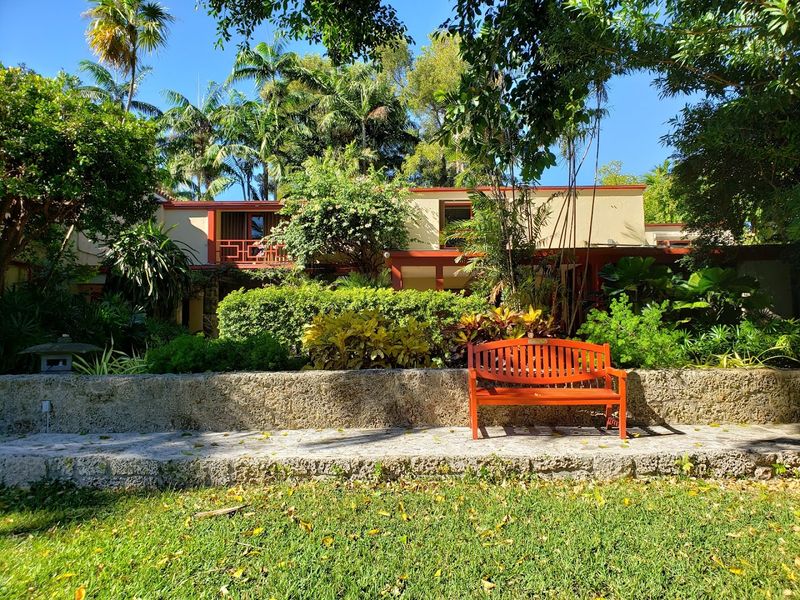
It helps to meet the person behind the plants. Dr. David Fairchild spent years traveling the world, persuading farmers and governments to share cuttings, seeds, and knowledge.
When you stroll The Kampong, you walk his winter home grounds, where introductions turned into orchards and experiments.
Fairchild championed curiosity with diplomacy, and you feel that spirit in the garden’s mix of useful and ornamental species. You can imagine him hosting fellow scientists on the veranda, trading notes about fruit quality, pests, or grafting.
Mangoes, avocados, and countless edibles we take for granted gained momentum thanks to his persistence. As you read interpretive signs, you connect common supermarket staples with ships, field stations, and handwritten labels.
That makes your snack later feel different, almost like a salute. You leave inspired to look at dinner with explorer eyes, grateful for the bridges he built between cultures and climates.
A Living Collection Built from Global Expeditions
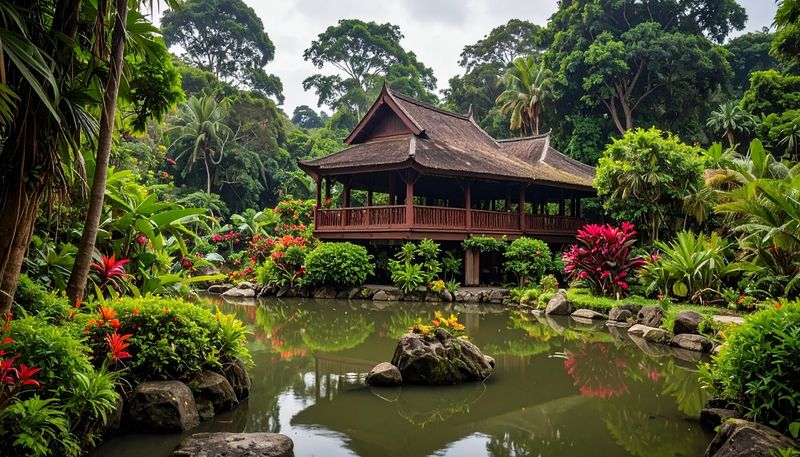
Every path at The Kampong reads like a passport. Labels reveal origins across Southeast Asia, the Caribbean, South America, and Africa, turning a shady stroll into a world tour.
You notice how plants collected decades ago now thrive as full grown anchors for birds, shade, and fruit.
What strikes you is the purpose behind the beauty. Many specimens arrived as trials for flavor, fiber, medicine, or landscape resilience.
You are walking inside a living archive where stories of quarantine, propagation, and evaluation still echo. Seeing a rare fruit beside a medicinal shrub sparks questions about farming, trade, and tradition.
The global mesh is not abstract here. You witness adaptation in real time, where subtropical Miami tests which introductions succeed.
That makes the garden feel both historic and current. You leave with a traveler’s awe and a gardener’s notebook of ideas.
Thousands of Exotic Plant Species
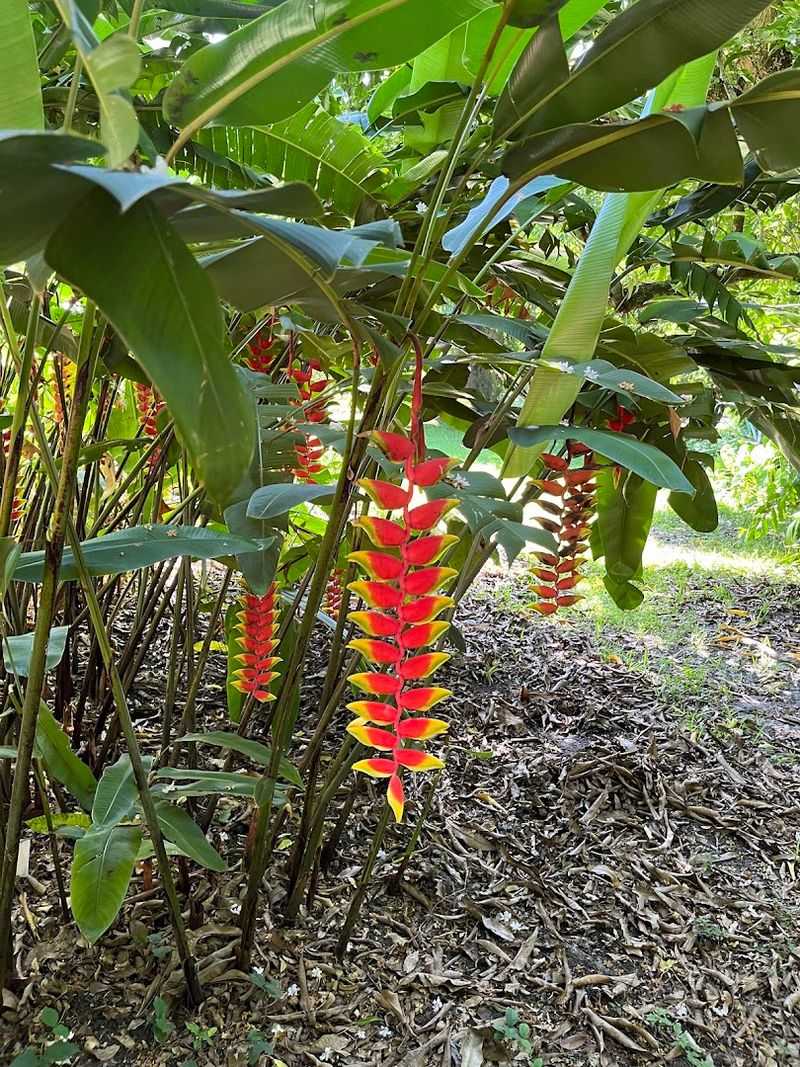
The numbers at The Kampong are thrilling because they translate into textures and scents you actually feel. Over a thousand species curve into canopies, erupt as blooms, and dangle as curious pods.
You wander from breadfruit to jackfruit, then stumble upon flowering trees that perfume entire paths.
It is easy to think exotic equals delicate, yet many of these plants prove tough in South Florida’s climate. That combination of rarity and real world performance is why horticulturists keep returning.
If you love variety, this is a masterclass in form, leaf, and habit. Palms lift feathered crowns while vines knit green tunnels over coral rock.
Bees fuss over nectar as anoles flash along trunks. You watch nature make a mosaic at human scale, and it sticks with you later when planting your own yard.
Diversity is not just a list here. It is a feeling of abundance and possibility.
A Legendary Mango and Avocado Collection
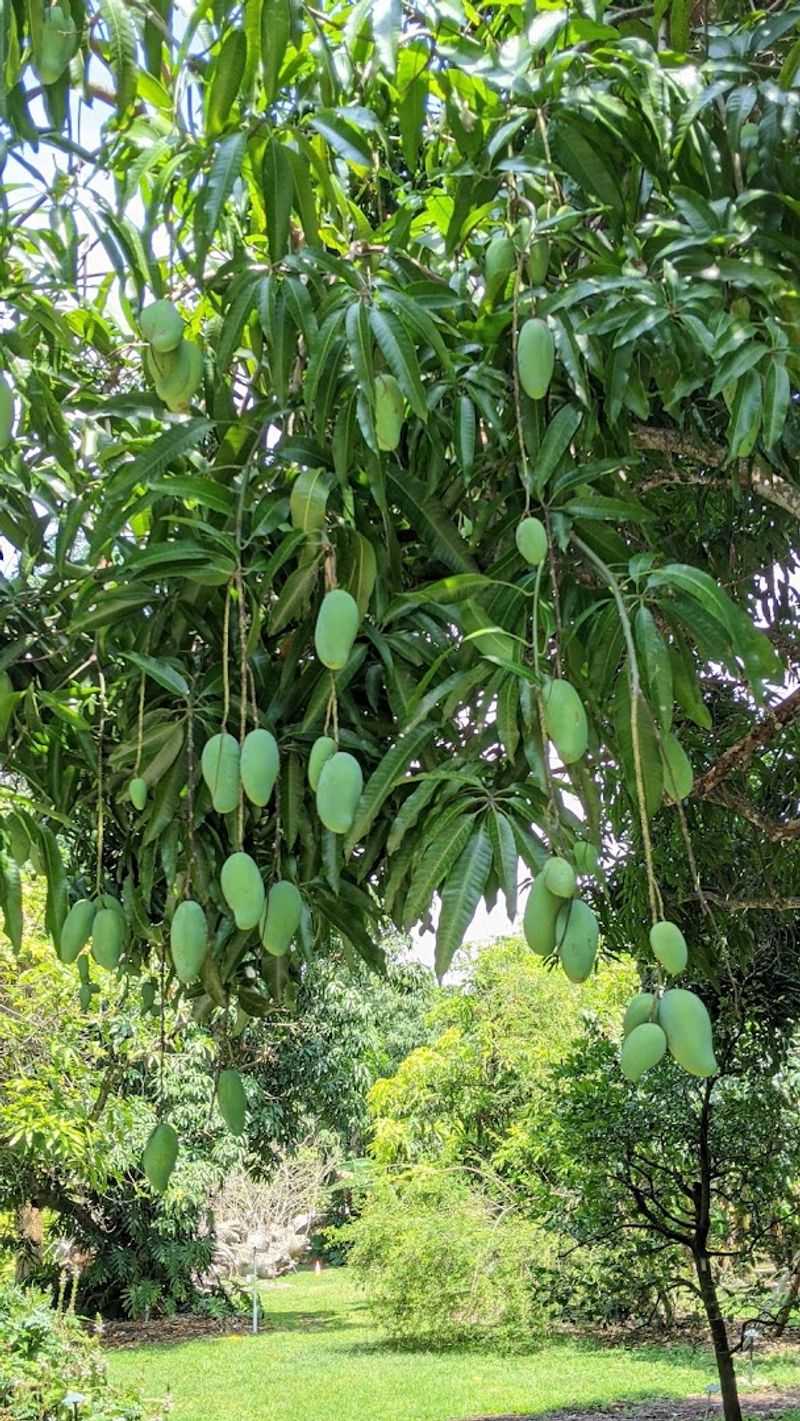
If you love fruit, the mango and avocado collection is where you slow down and savor. Here, diversity tastes like sunshine.
You see varieties with unique shapes, colors, and scents, each linked to a place where Fairchild or colleagues sourced scions and seeds.
What makes this special is the depth of evaluation. Fruit quality, disease resistance, and seasonality all matter when feeding communities.
You picture grafting sessions, pruning strategies, and tasting notes recorded season after season. When a guide describes resinous spice or coconut undertones in a mango, you lean in.
Avocado textures shift from custardy to clean, perfect for salads or toast. These trees tell a story of thoughtful selection, not just novelty.
You leave excited to hunt down cultivars, maybe even plant one at home. The collection proves that edible landscapes can be both delicious and deeply scientific.
A Historic Estate Preserved for Science and Education
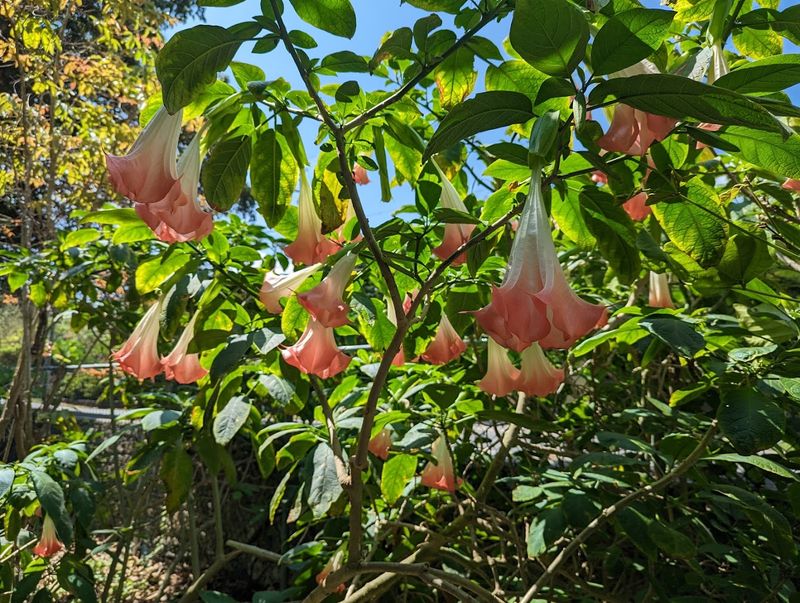
After Fairchild, horticulturist Catherine Sweeney safeguarded the estate, and you can feel that care in every restored wall and path. This place could have vanished under condos.
Instead, it became a sanctuary where history and horticulture support each other for generations.
Knowing the property was donated to NTBG in 1984 gives your visit a sense of continuity. You are not just seeing a pretty house.
You are witnessing a promise kept, where preservation funds research, internships, and public programs. The house and garden speak to each other, offering shade for study and architecture for context.
It is the kind of conservation that respects memory while fueling discovery. You leave grateful to benefactors who choose legacy over short term gain.
That choice lets you step into stories that might have been erased.
A Blend of Architecture and Nature
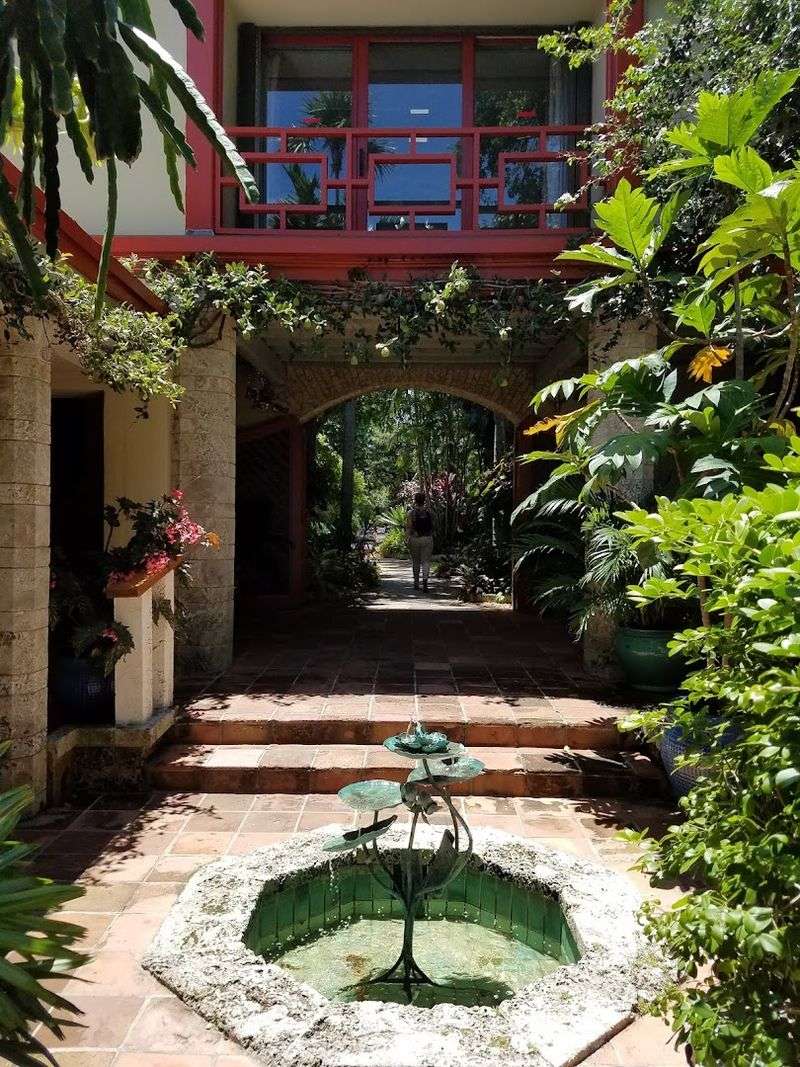
The Fairchild Sweeney House is a study in climate smart design that feels timeless. Broad overhangs shade windows, shutters invite breezes, and verandas extend living into the garden.
You stand there and sense how architecture and landscape converse in fluent tropical.
Details reveal global influences filtered through a Florida lens. Coral rock steps, carved wood accents, and airy rooms frame views of palms and water.
You find yourself lingering on thresholds, where cool shadows meet sunlit foliage. It is beautiful, yes, but also practical, reducing heat and welcoming cross ventilation.
That blend of comfort and craft inspires ideas for your own home. Even small touches like louvered panels or deep porches can transform daily life.
The house proves that sustainability can be elegant, and elegance can feel relaxed.
A Research and Conservation Hub Today
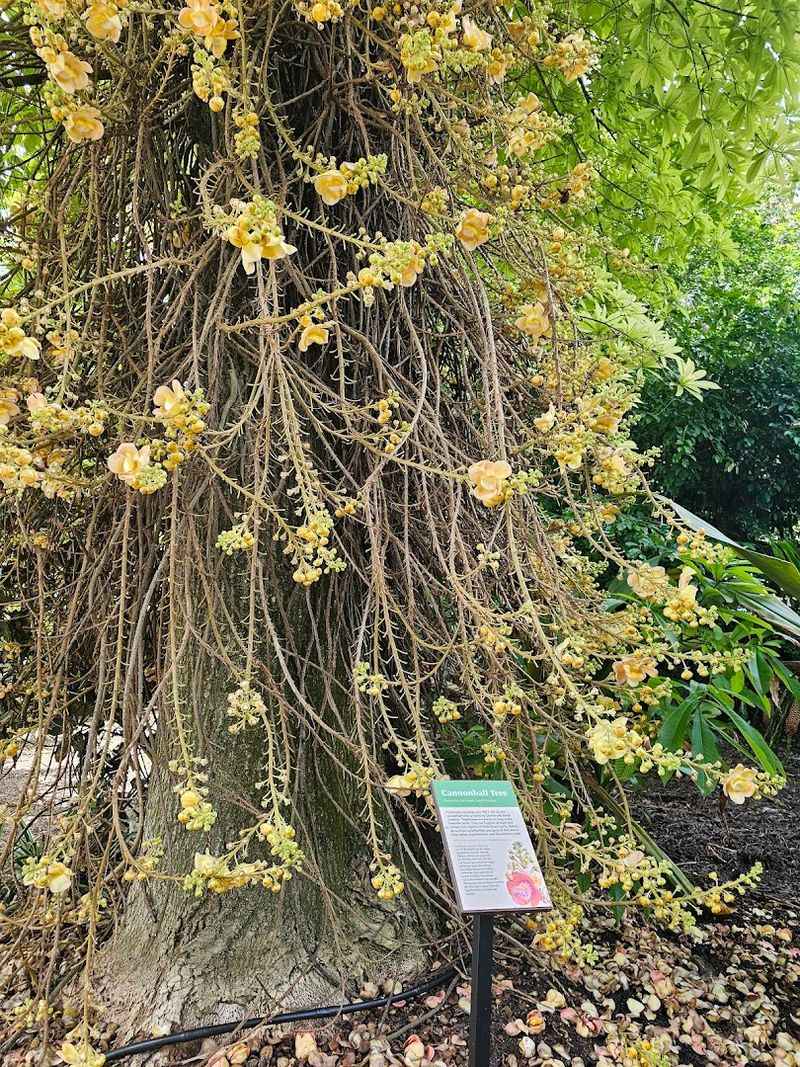
Beyond postcards, The Kampong functions as a working site where science happens. You might see staff surveying for invasive pests, labeling phenology, or collecting seed.
That quiet focus gives the garden a heartbeat beyond bloom time, one you can sense as you pass.
Research ranges from tropical plant conservation to urban ecology, always tied to real world issues. How do species adapt to heat, storms, or salt spray.
Which cultivars deliver nutrition with fewer inputs. You realize the garden serves both as refuge and testbed, informing growers, educators, and policymakers.
Workshops and student programs turn curiosity into careers, which feels hopeful. When you support the garden, you back field trials, data sets, and the next wave of plant people.
It is the kind of impact you can be proud to nurture.
Visitor Info and Tips for Exploring The Kampong
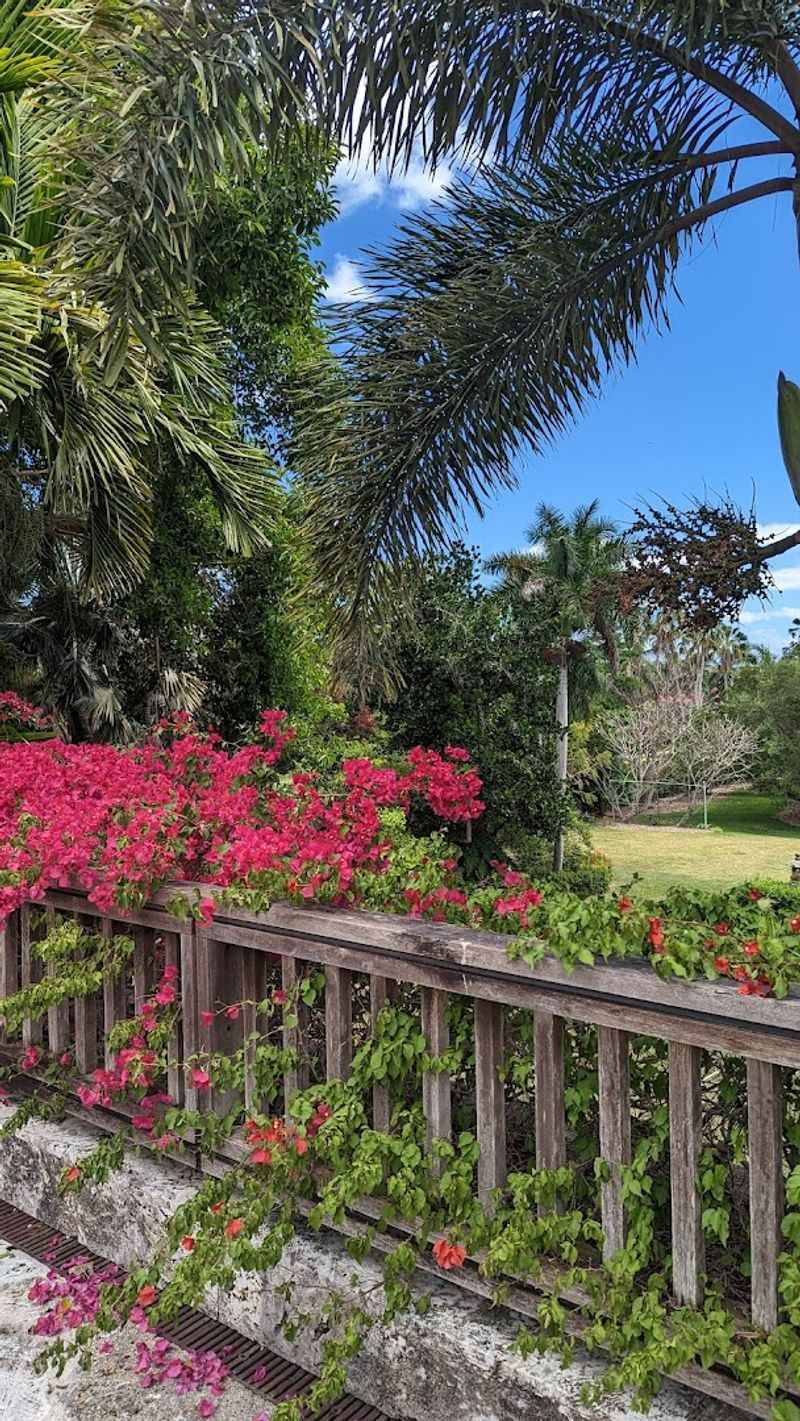
Plan ahead, because The Kampong is open by advance reservation. That keeps the experience quiet and personal, which you will appreciate as soon as you arrive.
Morning light is lovely, and the shade makes mid day comfortable, but bring water and good walking shoes.
Guided tours add depth if you like stories and science woven together. Self guided visits work great too, especially if you want to linger under a mango or sketch the shoreline.
Expect seasonal hours Tuesday to Saturday and check for holiday updates. The address is 4013 Douglas Road, Coconut Grove, Miami, FL 33133, with questions answered at 305 442 7169.
Parking is straightforward, and the paths feel like an easy ramble. You will leave refreshed, with ideas for your garden and a new appreciation for global plants thriving by the bay.