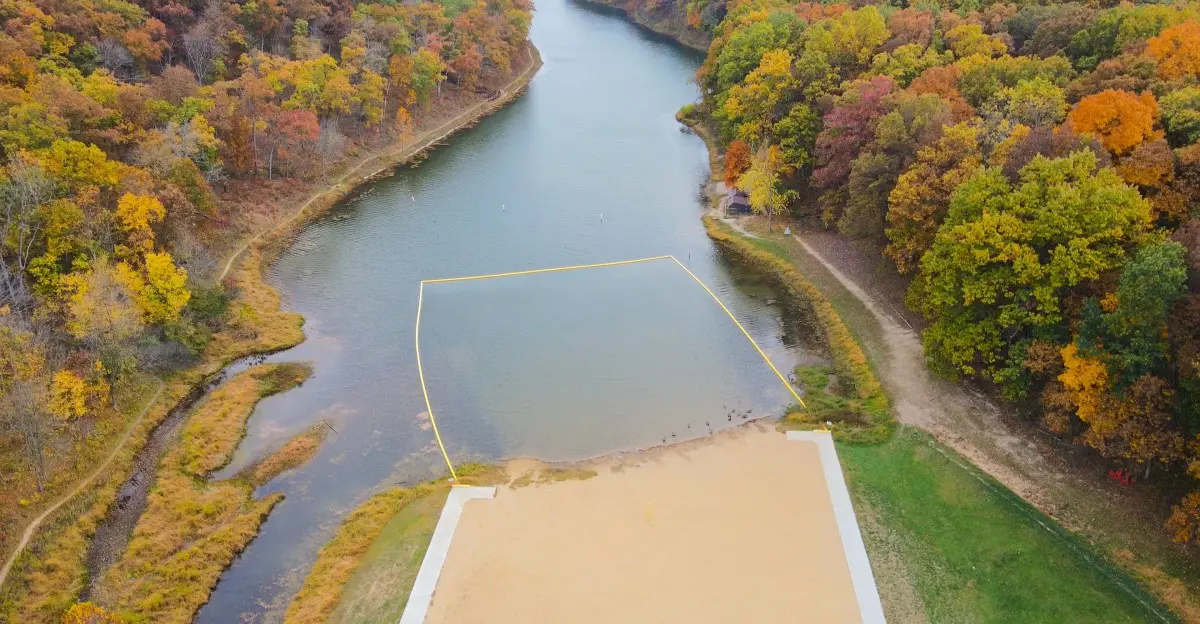
Some trails end at a parking lot. This one ends at a beach.
About an hour north of St. Louis, a forested loop circles a quiet lake and drops hikers right onto a stretch of sand where kids splash, kayaks drift, and anglers cast from the shore.
The park around it is bigger than most people expect, with prairie, rocky creeks, a bluff known for sunset views, and campgrounds that stay calm after dark.
It also has a few quirks worth knowing, like a tick population that takes its job very seriously.
Keep reading to find the trail names, the best spots to cool off, where to pitch a tent, and the small tips that turn a quick day trip into a weekend you will want to repeat.
Where the Trees Meet the Water
Tucked into the rolling hills of Lincoln County, Cuivre River State Park sits at 678 MO-147, Troy, MO 63379, in the United States. It is one of the largest state parks in Missouri, covering more than 6,000 acres.
The drive from St. Louis takes roughly an hour, which makes it an easy pick for a Saturday escape. Highway 147 runs right through the park, so finding the entrance is simple.
Inside, the land shifts between forest, open prairie, and creek valleys. The park also protects natural areas that look much like this region did long before farms and highways arrived.
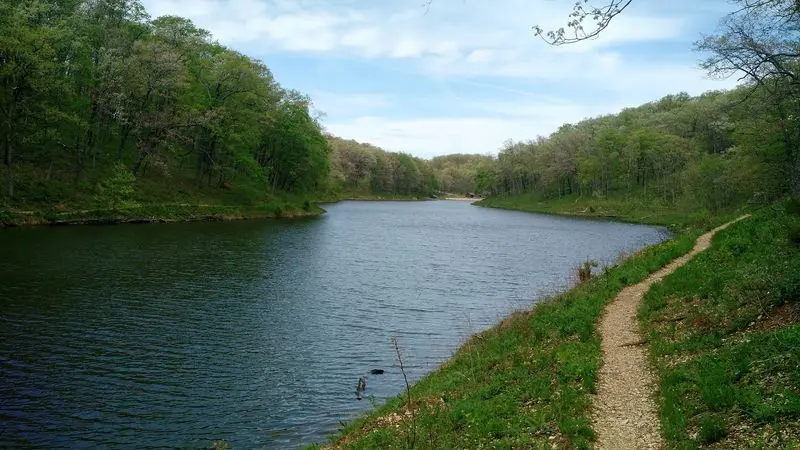
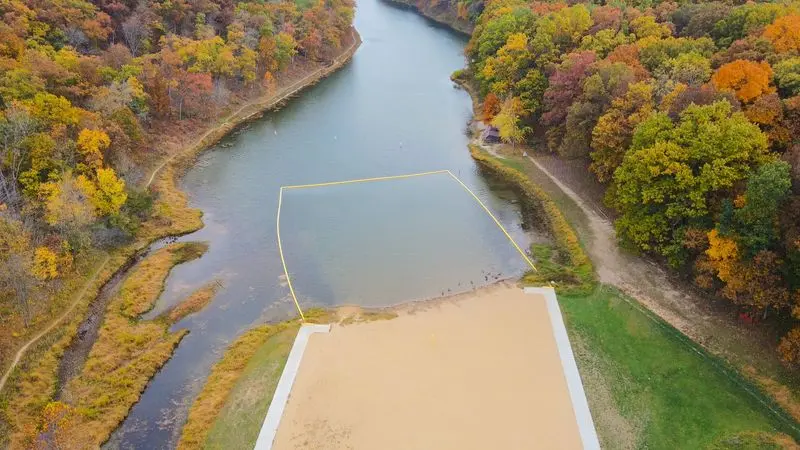
At the center of it all is Lincoln Lake, a calm body of water ringed by trees. The Lakeside Trail loops around part of it and leads to the swimming beach, which is the big payoff for many hikers.
First-timers should stop at the visitor center for a free trail map. The color-coded maps include helpful descriptions on the back, and they make planning the rest of the day much easier.
The Lakeside Loop Payoff
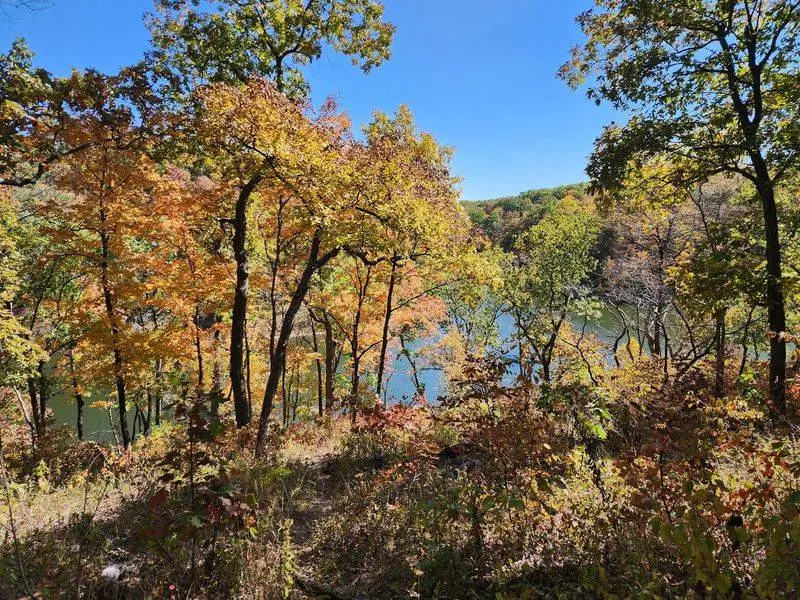
Good hikes have a reward at the end. The Lakeside Trail delivers one in the form of a sandy beach.
This path follows the shoreline of Lincoln Lake through shady woods. It stays close enough to the water that the lake keeps popping into view between the trees.
In spring and early summer, wildflowers line long stretches of the route. Hikers who slow down often spot violets and other blooms tucked along the edges.
The trail is fairly easygoing compared to some of the rockier routes in the park. That makes it a smart choice for families, casual walkers, and anyone who wants scenery without a serious workout.
Some sections are narrow, so long pants are a good idea. Poison ivy grows in spots, and brushing past it in shorts is a lesson most people only need once.
Pack a swimsuit and a towel in your daypack. Finishing a lake hike with a swim feels like the park planned it that way, and in a sense, it did.
Sand, Swims, and Summer Afternoons
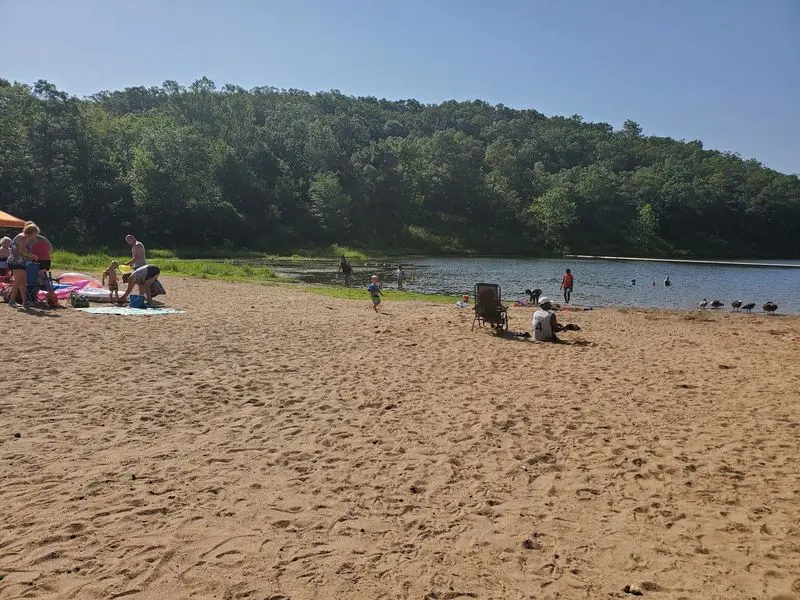
Missouri summers can be brutal, and a lake beach is the best kind of rescue. The swimming beach at Lincoln Lake gives families a sandy place to spread out and cool down.
The swim area is roped off, so kids can paddle around inside a set boundary. Parents tend to appreciate that layout on busy weekends.
There is no lifeguard on duty at most Missouri state park beaches, so swimming is at your own risk. Keep little ones close and bring life jackets for weak swimmers.
Conditions can change with the season. Geese sometimes gather near the shore, and algae can build up during hot stretches, so a quick look before jumping in is wise.
Arrive early on holiday weekends to grab a good patch of sand. Bring shade, plenty of drinking water, and sunscreen, since the beach does not offer much natural cover.
After a few hours here, the hike back to the car suddenly feels a lot shorter.
Paddles, Boats, and Lines in the Water
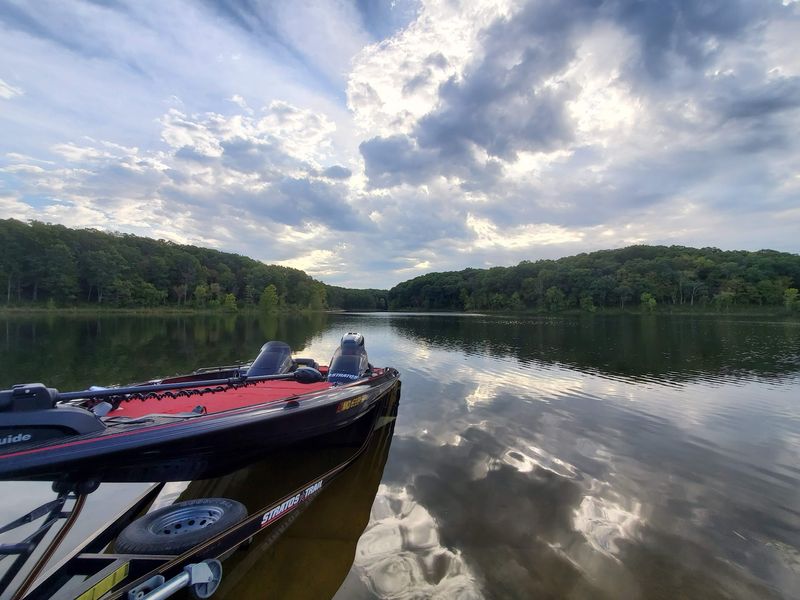
Not every lake day needs a big motor. Lincoln Lake is made for slower fun, with kayaks and small boats sliding across its surface.
Kayak rentals are offered at the lake during the warm season, so you do not need to own gear to get on the water. Check ahead for current hours, since rental times can shift.
Boat ramps make launching a personal kayak, canoe, or small fishing boat simple. The lake has rules on motor size, so review park guidelines before hauling anything large.
Fishing is a long-standing tradition here. Many families have cast lines from the same shoreline for years, and the shore offers several spots to move around and find a better angle.
A Missouri fishing license is required for anglers of license age. You can buy one online before you arrive.
Early morning on the water tends to be quiet and peaceful. That is when the lake feels like a private pond, and the fish seem to agree.
Sunset Duty at Frenchman’s Bluff
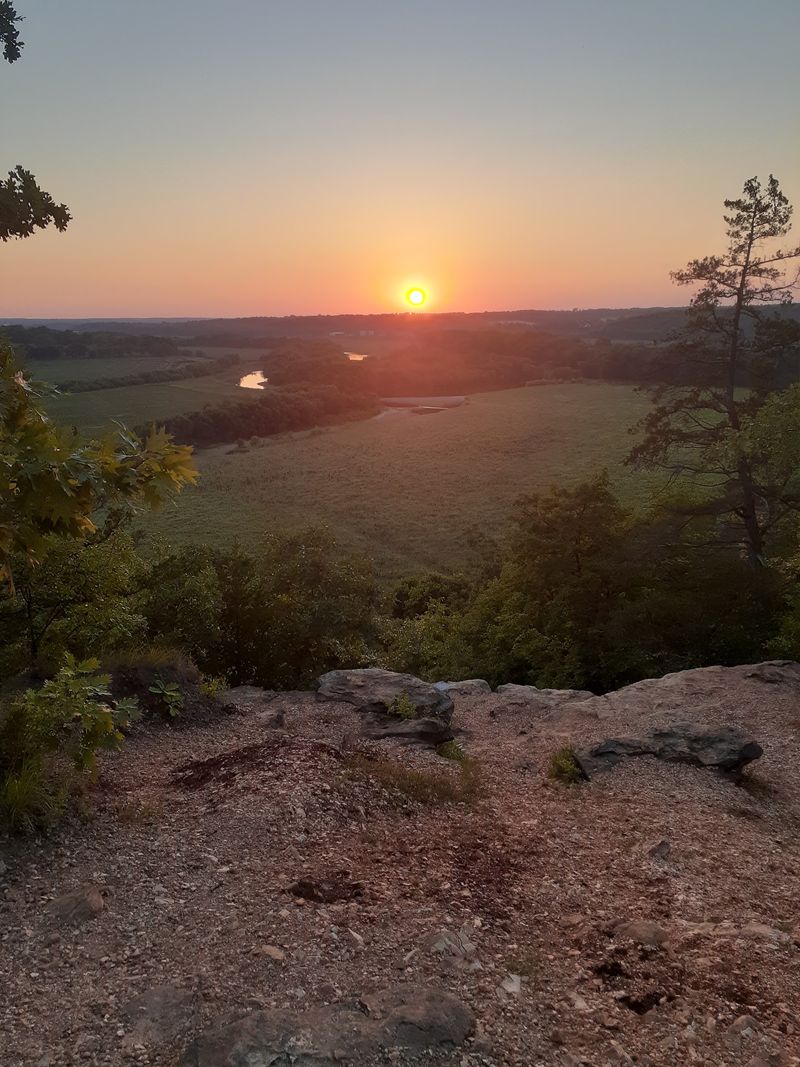
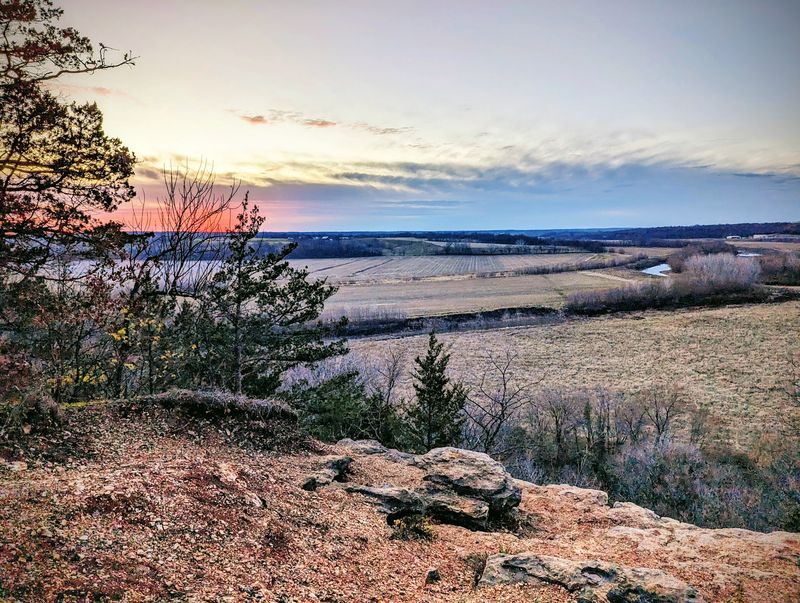
Ask locals for one must-do spot, and Frenchman’s Bluff often tops the list. This rocky overlook sits high above the Cuivre River valley.
The bluff is famous for sunset views. As the day winds down, the valley below stretches out in wide layers of trees and river bottomland.
The overlook is reachable by trail, so give yourself enough daylight for the walk out and back. A headlamp in your pack is a smart backup.
Stay behind safe edges and keep a close eye on children. Bluffs make for great photos, but loose rock and steep drops deserve respect.
Weekday evenings tend to be calmer than summer Saturdays. Fall is especially popular, when the hardwood forest turns into a patchwork of autumn color.
Bring a camera, a snack, and a little patience. The best moment usually arrives about ten minutes after most people have already started heading back to their cars.
Creek Days and Crawdad Hunts
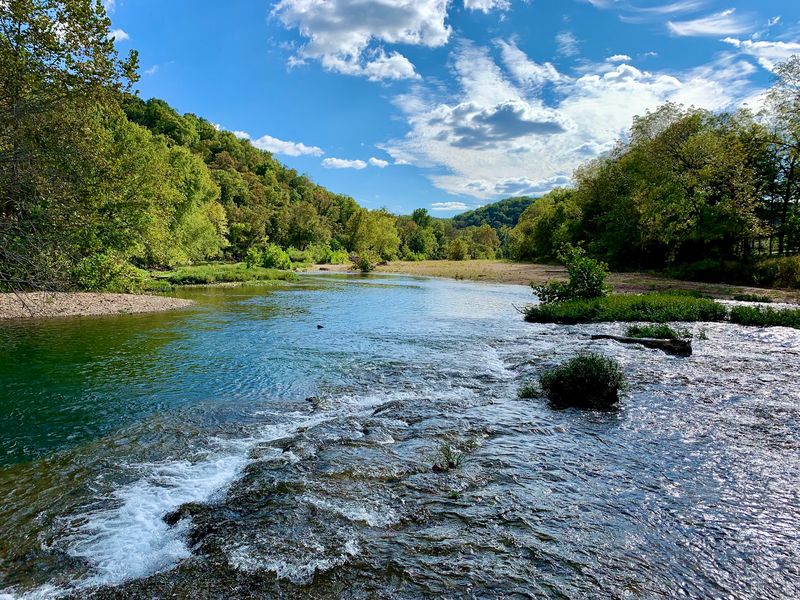
Some of the best memories here happen with wet sneakers. Big Sugar Creek winds through the park and gives families an easy place to wade and explore.
Shallow, rocky stretches make the creek a favorite for kids hunting crawdads. Flipping stones carefully and watching what scoots out can keep young explorers busy for hours.
Wear water shoes instead of flip-flops. Creek rocks can be slick, and sandals tend to float away at the worst moment.
Please put rocks back where you found them. Crawdads and other small creatures depend on those spaces for shelter.
Water levels change after heavy rain, so skip the creek when it runs high or fast. Calm, clear days are the safest time to splash around.
Getting to the main Cuivre River itself takes more effort, since the park does not offer much close river access. For most families, though, the creek delivers all the adventure a summer afternoon really needs.
Trails With Personality
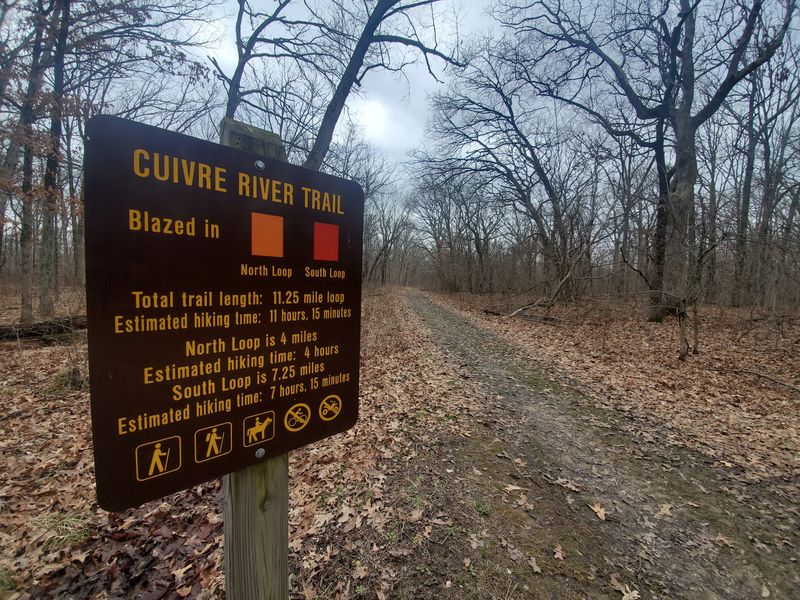
More than 30 miles of trails twist through the park, and each one has its own character. Some wander through forest, while others cross open prairie.
Turkey Hollow Trail is a frequent favorite. In damp weather, hikers often spot mushrooms in many shapes and colors along the way.
Old Schoolhouse Trail offers a quieter outing with clear blazes. Its trailhead is easy to miss, so look for Hardy Road, a gravel road off the main park road, then a small gravel lot on the left.
Spring brings wildflowers like Dutchman’s breeches and trout lilies to the forest floor. Early April mornings can feel almost empty.
Less traveled trails can get overgrown in summer. Signs are not always perfect, so carry a map or download one before heading out.
Mountain bikers should confirm which routes allow bikes. Ending up on a hiking-only path is an easy mistake, and a little planning keeps everyone on the right track.
Saddle Up for Horse Country
Hikers are not the only ones sharing the woods. Cuivre River State Park has a strong following among horseback riders.
The park offers a dedicated equestrian campground. Riders can bring their horses, set up camp, and head straight onto the trail system.
Many routes are shared between hikers and horses. That means foot travelers should expect hoofprints, muddy patches, and the occasional rider coming around a bend.
Trail etiquette helps everyone. Hikers should step aside and speak calmly when horses pass, since a friendly voice helps keep animals relaxed.
Some longtime hikers prefer the trails reserved for foot traffic only. Checking the map ahead of time shows which paths are open to horses, so you can pick the experience you want.
Riders should check park rules about trail conditions after rain. Wet ground can get chewed up quickly, and closures sometimes protect the trails.
It all adds up to a park where boots and horseshoes can share the scenery peacefully.
Campsites That Keep It Quiet
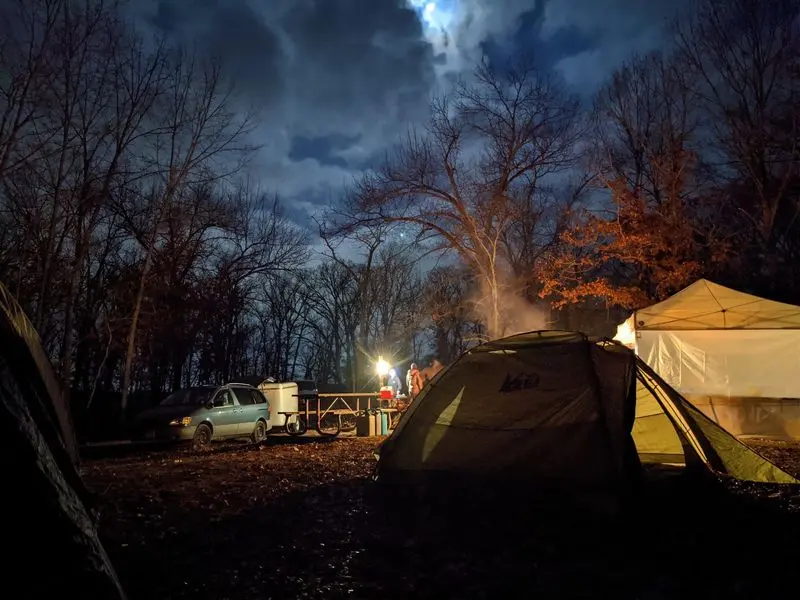
A good campground does not need fancy extras. It needs clean bathrooms, level sites, and neighbors who respect quiet hours, and this park checks those boxes.
The main campground offers basic, electric, and full hookup sites. RV campers like having sewer hookups available right at some sites.
Shower houses are kept clean and are easy to reach. Fire rings include grates, which turn a campfire into a simple cooking station.
Quiet hours are enforced, making nights peaceful for families and early risers. Sites are spaced out, and an open field nearby offers good views of the moon rising.
Two trailheads sit close to the campground, so hikers can start exploring without driving anywhere. A playground keeps younger campers busy too.
Reservations can be made online through Missouri State Parks, and booking early is smart for summer weekends. Rates are budget friendly, especially for basic sites.
Bring firewood from nearby sources to avoid spreading tree pests from far away.
Ticks, Tips, and Smart Packing
Every great park has a catch. Here, it comes in a very small size with eight legs.
Ticks are plentiful in warm months, especially on grassy or overgrown trails. Wear long pants tucked into socks and use a strong repellent.
Do a full tick check after every hike. Check pets too, since leashed dogs are welcome in Missouri state parks.
Cooler months bring far fewer ticks. Early spring hikes, before leaves fill in, can be pleasant and nearly bug free.
Some restrooms close for the off-season, so plan ahead on early spring trips. The visitor center is a great stop for maps and questions.
Rangers patrol the park and can help if you get turned around. Wildlife like deer, rabbits, raccoons, and many birds are common sights.
Pack water, snacks, a map, and a swimsuit. With a little prep, that wooded loop and sandy finish make for a day that feels just right from start to splash.