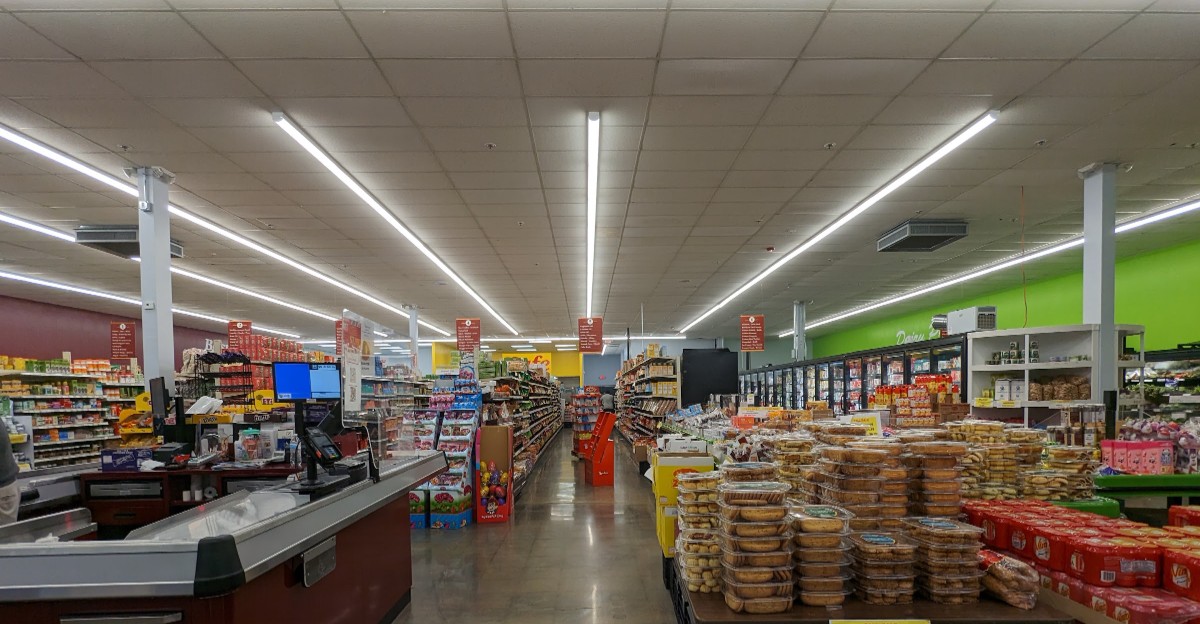
Some grocery lists can’t be finished at a regular supermarket. The shopper hunting for Bangladeshi staples, whole spices by the bag, or goat meat cut exactly the way a family recipe demands usually ends up driving across town, and sometimes much farther.
In Manchester, Missouri, one store has quietly become the answer to that problem for a lot of home cooks.
It stocks shelves of imported goods that rarely show up anywhere else, runs a butcher counter where meat gets cut to order, and even keeps a busy little cafe tucked inside.
Families make monthly trips here, and some happily drive half an hour each way.
The sections below cover what to buy, when to go, how the meat counter works, and a few smart tips that make a visit smoother and more rewarding.
The Spot Behind the Shopping Lists
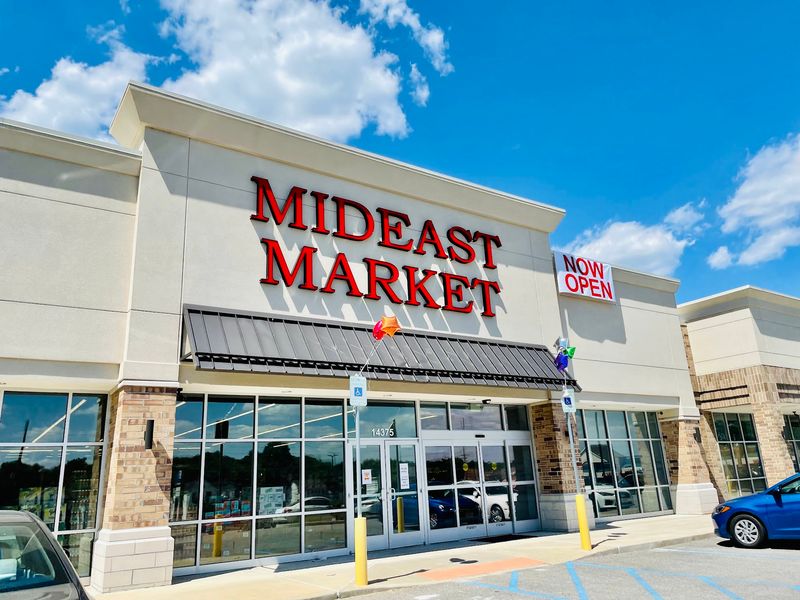
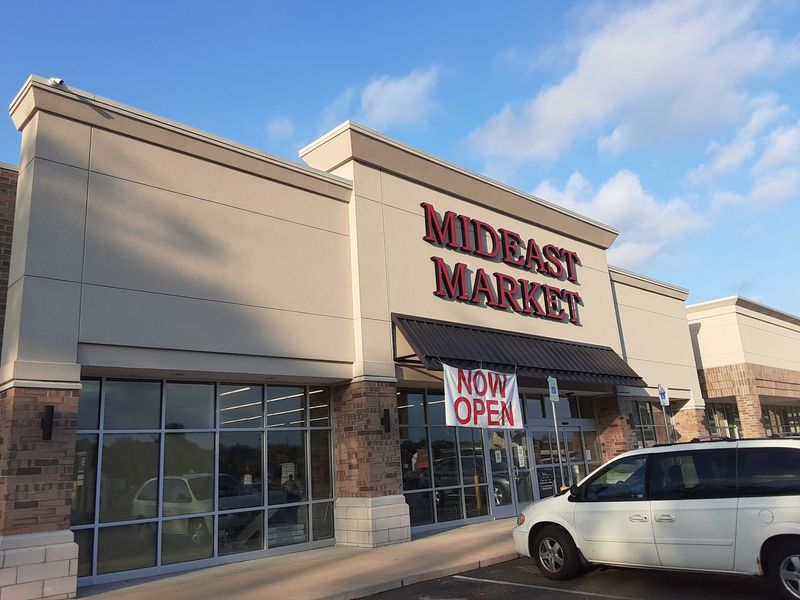
Plenty of shoppers in west St. Louis County have a favorite answer when someone asks where to find halal meat and imported pantry goods. That answer is MidEast Market, at 14375 Manchester Rd, Manchester, MO 63011, in the United States.
The store sits right along Manchester Road, one of the main routes through this suburb. It is easy to reach from nearby towns, which helps explain why so many families make the trip.
Officially, it is listed as a supermarket. In practice, it works more like three places under one roof: a grocery store, a butcher shop, and a casual cafe.
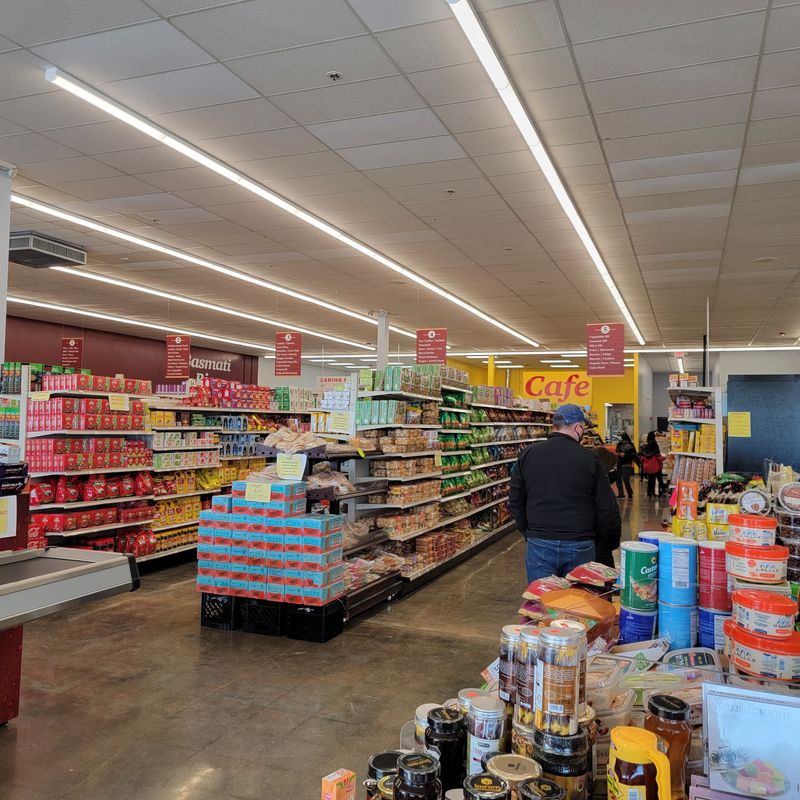
Shelves carry items from the Middle East, India, Pakistan, Bangladesh, and the wider Mediterranean region. Shoppers also come for international cereals and beans that standard chains rarely stock.
Many customers call it their go-to Middle Eastern and South Asian store, the one place where everything on the list gets checked off. That kind of loyalty does not happen by accident, and the rest of this story shows why the parking lot stays busy.
A Bigger Home Changed Everything
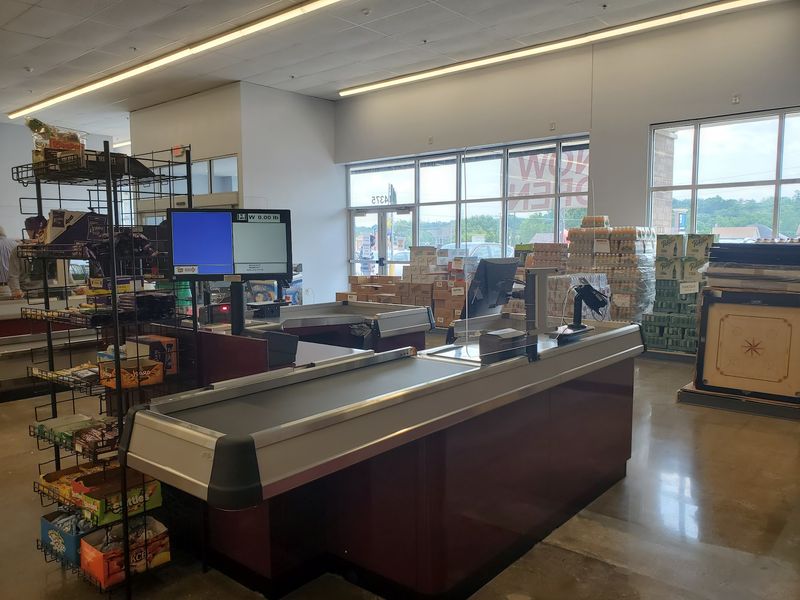
Growing pains can be a good sign. A few years back, the market packed up and moved into a new, larger building, and longtime shoppers noticed the difference right away.
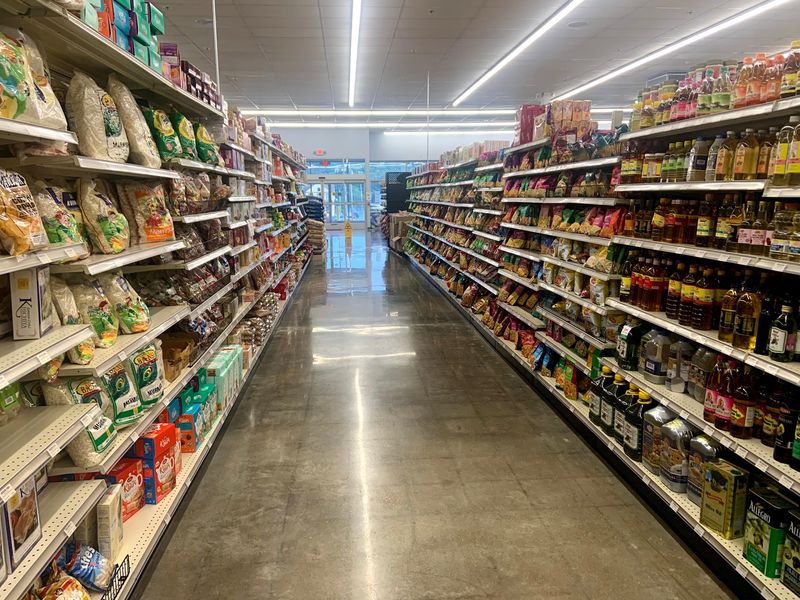
The new space is huge compared to the old one. It gave the store room for a bigger meat department and allowed it to bring on extra staff.
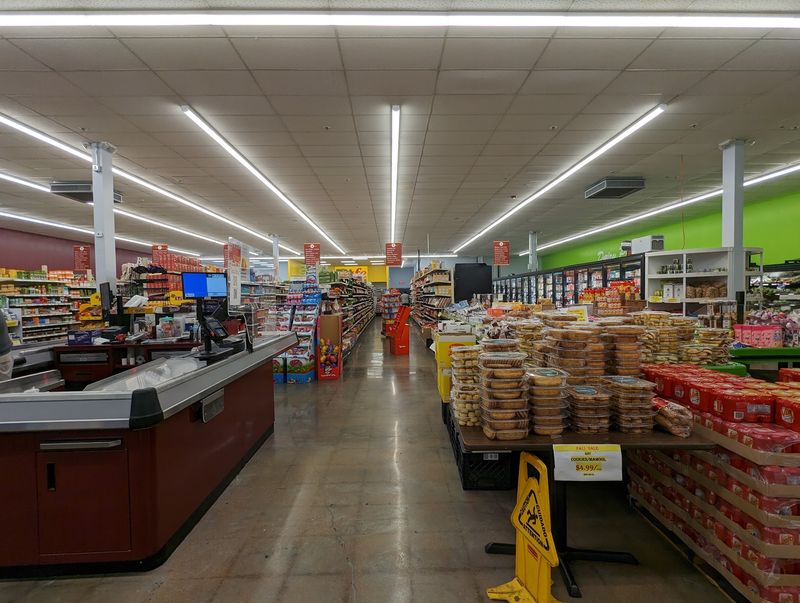
More room also means aisles that feel easier to shop. The store is often described as clean and well organized, which matters when a cart is filling up with dozens of specialty items.
Restrooms get a quiet thumbs up too, since they are kept very clean. That detail may sound small, but it tells a lot about how a store is run.
For families who once squeezed through cramped aisles, the move felt like an upgrade worth celebrating. The bigger footprint also made room for the cafe and a prayer room, two features covered later on.
Sometimes the best thing a beloved store can do is simply give its customers more space to browse.
Meat Cut Exactly Your Way
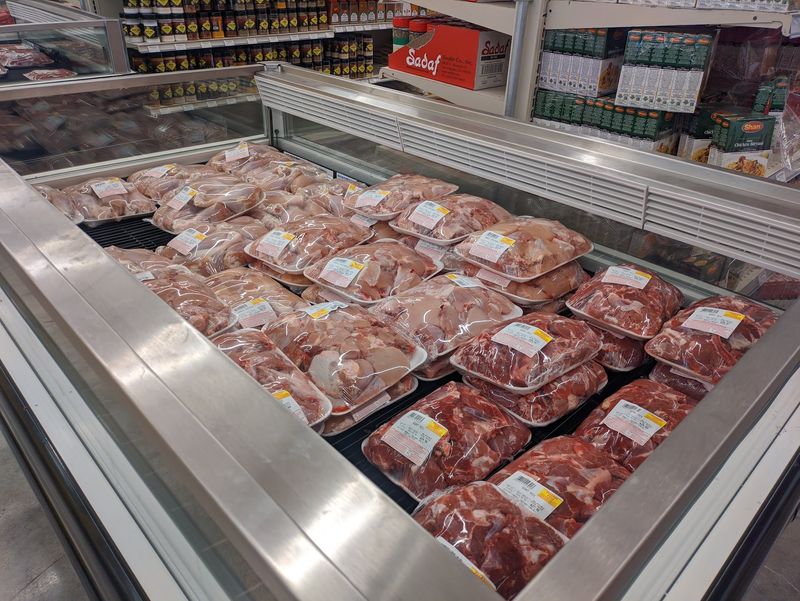
Here is the main event for many shoppers. The butcher counter offers halal beef, goat, chicken, lamb, and more, and the staff will cut specialty meat to each customer’s selection.
That service matters a lot to home cooks. Some recipes call for bone-in pieces, others for smaller chunks, and a custom cut saves time in the kitchen.
Zabiha halal mutton is available as well. The meat generally appears fresh, which is exactly what many customers look for.
The people working the meat section get steady praise for being friendly and helpful. Regulars even suggest tipping the butchers well, since they put real effort into each order.
A practical tip: speak up about how much bone and fat you want. Some shoppers have felt that fresh goat and lamb portions carried too much bone, so asking questions at the counter helps.
Frozen lamb is another option worth considering. Clear communication with the butcher is the simplest way to walk away with exactly what dinner needs.
Groceries From Many Kitchens
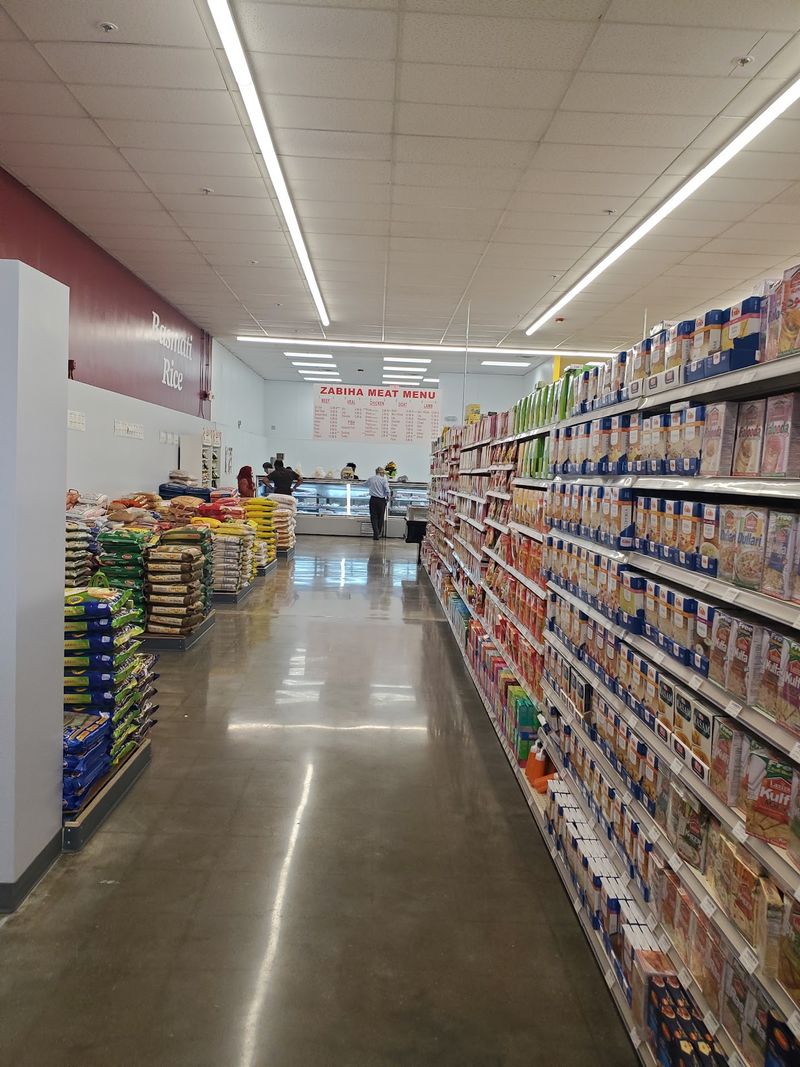
From the Mediterranean to the Indus River and beyond, the shelves cover a remarkable amount of ground. That range is the reason so many home cooks call this their one-stop shop.
Indian and Pakistani groceries are a big part of the lineup. Bangladeshi products are also available, and shoppers note that prices on them can be competitive.
Hard-to-find international items show up here too. Black beans known as njahi, plus other global cereals, sit alongside dry foods from many regions.
Middle Eastern staples fill plenty of space as well. Olives, cheeses, breads, and imported goods round out the selection for cooks who lean toward Mediterranean dishes.
The variety helps two kinds of shoppers. Families stocking up on familiar ingredients from home can find what they need, and curious cooks can try something brand new.
Bring a written list on the first trip. With this many choices, it is easy to wander the aisles and forget the one item that started the whole drive.
The Spice Aisle Deserves Extra Time
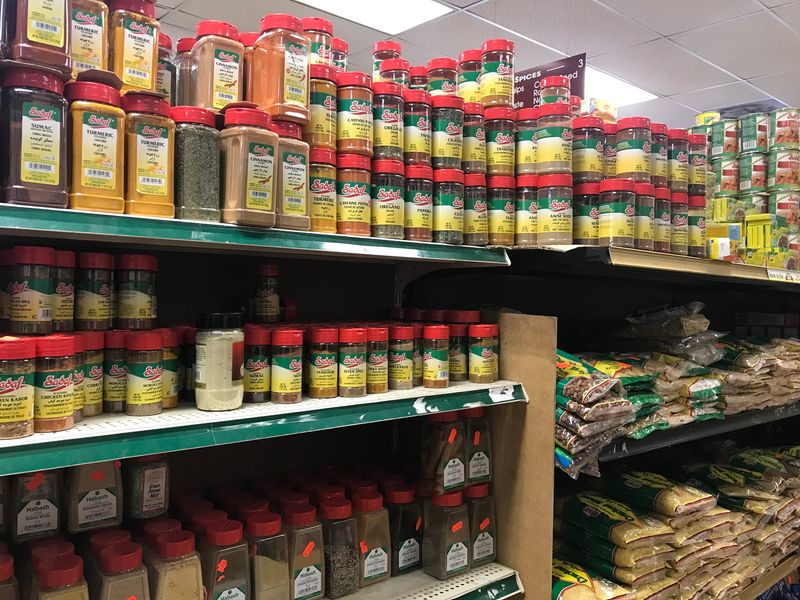
Spices often decide whether a family recipe turns out right. That is why the spice section here gets so much attention from serious home cooks.
Shoppers will find an assortment of both whole and ground spices. Having both forms matters, since many traditional dishes call for toasting whole seeds before grinding.
The quality and variety of spices earn steady praise, even from shoppers who have other complaints about the store. That says a lot.
Fresh spices also appear on the list of highlights for people exploring Mediterranean cooking. Buying from a store with steady turnover tends to mean the stock moves quickly.
Here is a simple tip for beginners. Start with a few basics for one dish, then add more jars over time instead of buying a whole shelf in one go.
Spices last longer when stored in sealed containers away from heat. A small upfront effort keeps every purchase useful for months, and that makes the drive feel even more worthwhile.
Produce, Pita, and a Wall of Dates
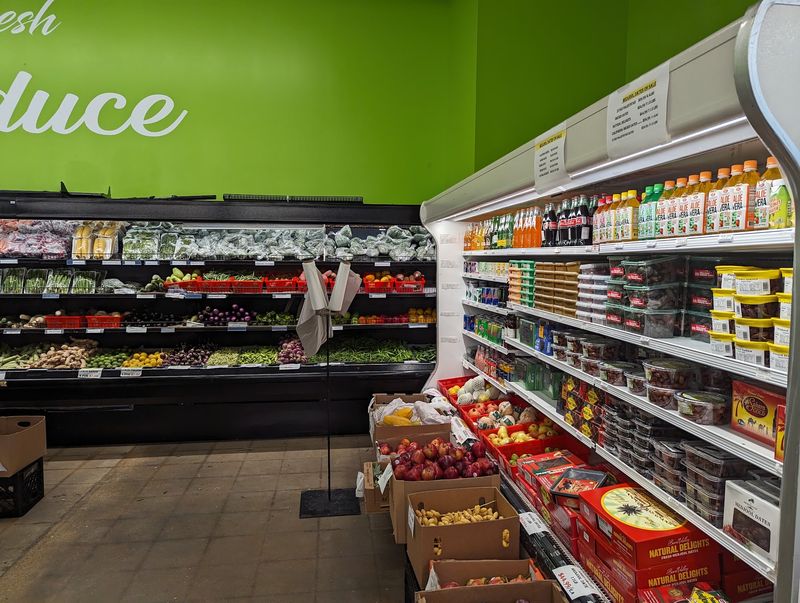
Fresh produce is one of the store’s popular topics, and for good reason. Fruits and vegetables sit alongside the specialty goods, so a single trip can cover the whole week.
Deals do pop up. Oranges have sold at three for a dollar, which is the kind of price that makes shoppers grab a few extra.
Boxes of mangoes are also available, a treat many families look forward to. The produce selection is sometimes called average, so it helps to check items carefully before buying.
Fresh pita bread gets special mention among Mediterranean fans. A wide range of dates is another highlight, offering plenty of choices for snacking or baking.
Bread and sweets make the list for households that buy everything here, from meat all the way to dessert.
A smart habit for produce shopping is to open boxes and inspect fruit at the store. A quick look today can save a frustrating surprise in the kitchen tomorrow.
A Cafe Hiding Inside the Grocery Store
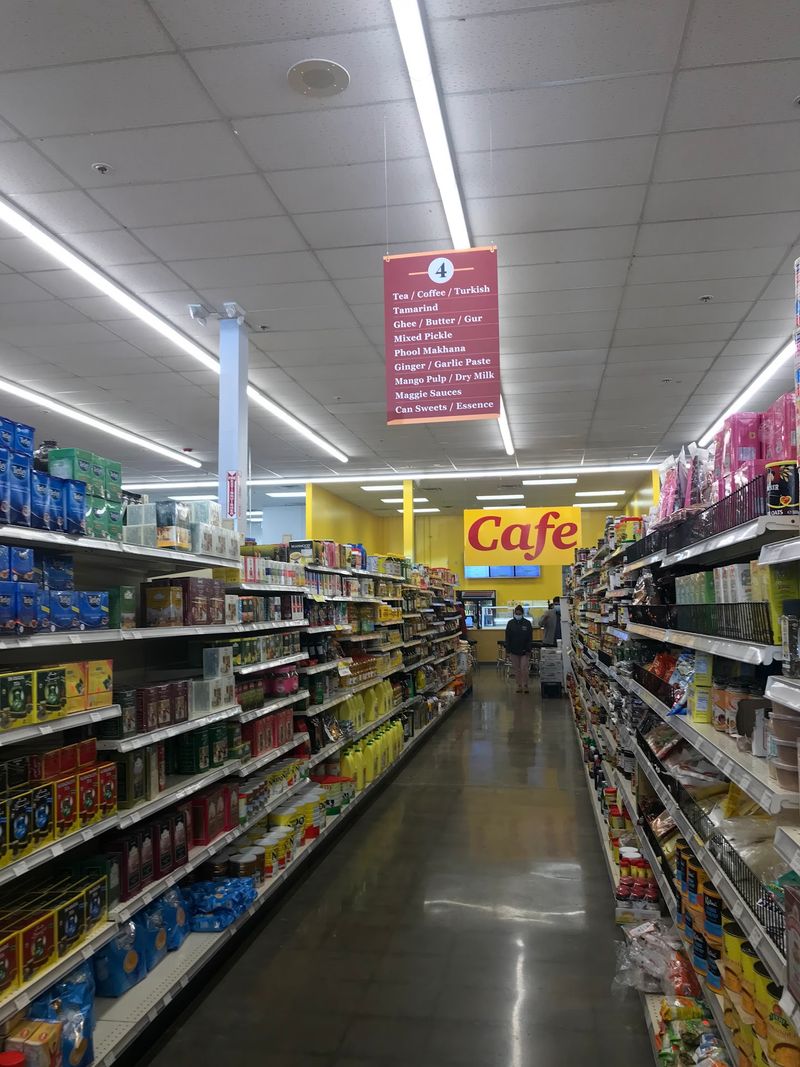
Grocery shopping works up an appetite, and this market planned for that. A cafe inside the store serves Indian and Pakistani dishes along with Mediterranean favorites.
Gyros are among the most talked-about items, and portions are often described as generous. Rotisserie chicken also has a loyal fan base, with some calling it the best around.
Samosas come in chicken and vegetable versions, praised for being crispy. The appetizer display case is a favorite stop for quick bites.
Biryani, haleem, chicken karachi, and chicken 65 appear on the menu too. Sweets like jalebi and gulab jamun round things out, and mango lassi and chai are popular drinks.
Food from the cafe is often called affordable for a lunch break. A few people have suggested more care with portions and prices, so checking the menu first is a good move.
Service can run a little slow during busy stretches. Ordering before shopping, then picking up the meal at checkout time, is a clever way to beat the wait.
Room for Prayer, Room for Community
Some features never show up on a shopping list but still make a big difference. The market includes a prayer room, a thoughtful touch for many of its regular customers.
For shoppers who spend a long time here, especially on busy weekends, that space allows them to keep their routine without leaving the building.
It also reflects who the store serves. Many families rely on it for halal meat and familiar foods, and the prayer room shows an understanding of their daily needs.
During Ramadan, which some shoppers call Ramzan, the store has run special offers. That timing helps families preparing larger meals for the evening fast-breaking.
Little details like these explain why so many people describe the store as more than a place to buy groceries. It feels connected to the community it serves.
Shoppers planning a long trip during holy months can watch for those seasonal deals. A bit of planning ahead can stretch the household budget a little further.
Friendly Faces Behind the Counter
Sixty-seven mentions of friendly staff is not a fluke. Courteous, helpful employees are one of the most common things people praise about this store.
Workers are known for being ready to help shoppers find what they need. That support is handy for newcomers who may not know every product name.
One story stands out. A family bought a box of mangoes that mostly turned out bad, and when they mentioned it to the owner, he offered another box without any excuses.
That kind of response earned even more loyalty from customers who had already shopped there for years. It shows how the store tries to treat problems.
If something goes wrong with a purchase, the lesson is simple. Calmly letting staff know gives them a chance to make it right.
Good service also goes both ways. A friendly hello, patience during rush hours, and a tip for the butchers all help keep the counter running smoothly for everyone in line.
Smart Moves at the Register
Prices here can swing in both directions. Some items are surprisingly cheap, while others can feel high, so savvy shoppers stay alert.
Halal meat costs draw mixed opinions. Some say it is among the cheapest around, while others find it pricier than other halal stores, especially Zabiha mutton.
The best strategy is comparing prices on items bought often. Keeping a small note on a phone makes it easy to spot a real bargain.
Checking expiration dates is another wise habit. At least one shopper bought a drink that expired the same week, which a quick glance could have prevented.
Seasonal sales, like Ramadan offers, are worth watching for. Stocking up on long-lasting pantry goods during those deals can lower the monthly bill.
Fruit bargains, such as cheap oranges, also pop up from time to time. A little attention at the shelf and the register turns an ordinary trip into a budget-friendly one, without giving up any of the specialty finds.
Timing Your Trip Like a Pro
Weekends and holidays bring crowds. The store gets very busy during those times, and the wait for custom meat cuts can stretch out.
Hours make it easier to plan around the rush. The market opens at 9 am every day and closes at 8 pm Monday through Saturday, and at 7 pm on Sunday.
Weekday mornings are often a smart pick for anyone who needs the butcher’s attention. Fewer people in line means more time to explain exactly what cut is needed.
Sunday shoppers should remember the earlier closing time. Arriving late in the afternoon could mean a rushed trip through the aisles.
Families who make a monthly haul, like those driving thirty minutes each way, benefit most from planning. A clear list and a good time slot can save an hour.
Holiday seasons call for extra patience. Placing meat orders early in the visit, then shopping while the butcher works, keeps the day moving along nicely.
Surprises Beyond the Pantry
Not everything here goes into a cooking pot. The store also carries itar perfumes, the traditional oil-based fragrances popular in many South Asian and Middle Eastern homes.
Fish is part of the lineup too. That gives seafood fans another reason to stop by the meat area.
These extras make the market useful for more than one errand. A single stop can cover dinner ingredients, gifts, and household favorites.
Sweets like gulab jamun are another popular find, perfect for family gatherings or a weekend treat. Some fans say the store has the best version around.
Exploring the edges of the store pays off. End caps, small displays, and corners near the cafe often hold items worth a second look.
Curious shoppers who slow down tend to discover something new on every visit. That sense of discovery is a big part of why so many people keep coming back, month after month and year after year, with fresh ideas for their next home-cooked meal.